Many people wonder are croton plants toxic to cats, and the answer is yes, they most certainly are! The Croton (Codiaeum variegatum), and all the Croton varieties, is a well-known indoor house plant of the Euphorbiaceae family loved for its bright colors and leafy foliage rather than its flowers.
This article serves as a guide to all you need to know concerning croton plants for cats, so read on!
Are Croton Plants Poisonous to Cats?
Yes, crotons (Codiaeum variegatum) are poisonous plants to cats and can cause various health issues for our four-legged friends. Even if you have cats, there are ways to handle crotons safely and include them in homes. You might be delighted to learn that cats may dislike your Croton plant anyway.
Every part of the croton plant is poisonous:
- The foliage
- The roots
- Any flowers they grow
- The stems
To cats and humans, all of these plants are toxic or poisonous. Croton plants all produce a sticky, milky sap. Because this is a liquid rather than a solid, touching this ingredient can cause immediate skin irritation and contact dermatitis (in cats, humans, and other animals). Even if the Croton leaves fall off, they might still be dangerous to your cat, so be extra careful to clean the leaves to avoid any accidents.
Your cat may not even want to chew on this house plant. Cats will use their mouths to taste or test the durability of something (like when they play with new toys). Croton, on the other hand, has a bitter taste that cats dislike.
It is possible to have a croton plant and one or more cats, and cats should avoid consuming croton plants. However, if you introduce your cat to the plant and allow it to become acquainted (under your supervision), you can observe how they interact with it. If the cat starts chewing on it, take it away and put it out of their reach. Some of the most common Croton plants are the Gold Dust Croton, the Banana Croton, and the Mammy Croton, which are also poisonous to cats.
What To Do if Your Cat Ate a Croton Plant
The first thing you should do if your cat ate a croton plant is to contact a veterinarian, not induce vomiting, check the litter box, and keep an eye on their behavior. Although serious complications from croton ingestion are uncommon, the symptoms should not be dismissed.
Do the following immediately after suspected ingestion:
- Please contact your veterinarian or a pet poison helpline. A plant’s toxicity varies according to the amount consumed, your cat’s physical condition, age, and other factors. When you suspect your pet has eaten something toxic, the first step is to contact a professional.
- Unless it is advised by your veterinarian, do not attempt to make your cat vomit.
- Check your cat’s litter box regularly. Take note of any changes in their stool’s color, texture, or shape.
- Keep an eye on their actions. When a cat ingests the plant and is in pain, it will hide, become more nervous, refuse cat food, meow louder, and even become aggressive.
What Other Plants Are Toxic to Cats?
Other plants that are toxic to cats include lilium, cycadaceae, alocasia, jade, aloe vera, and devil’s ivy. If you want complete peace of mind, plenty of other lovely indoor plants are cat-safe for your pet, such as haworthia, fern, some succulents, spider plants, rattlesnake plants, and African violets.
– Lilium
This indoor plant is attractive but extremely dangerous to cats, even killing them. If your cat swallows lilies, lab results, including blood and urine, will be tested at various stages over several days. Depending on the results, the veterinarian will discuss a kidney function monitoring plan or long-term therapy, if necessary.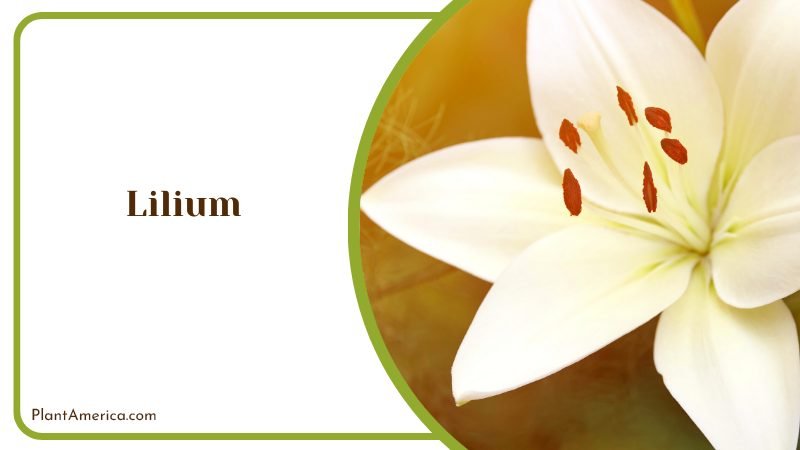
– Cycadaceae
Palms lend lushness and tropical sensations to a room, but not all are pet-friendly. According to the ASPCA, the sago palm contains cycasin, which is particularly harmful to cats. It should be avoided at all costs seeing as it can cause serious gastrointestinal and liver damage and death in some circumstances. The smaller the animal, the greater the impact.
Try the parlor palm instead for a similar tropical vibe. The bamboo palm, known as the good luck palm, is a breezy, brilliant green shrub. You may go with one of the indistinguishable imitation plants to be extra cautious.
– Alocasia
Unsurprisingly, the alocasia is a popular houseplant because it’s green and exotic-looking. Unfortunately, if you have a cat, you should avoid it since it contains insoluble calcium oxalates, which induce kidney failure.
The calathea medallion has the same tropical sensations and lush green leaves as the alocasia, but it is perfectly safe for your cat. It is also a low-maintenance plant that anyone with a green thumb can care for.
– Jade
Jade, often known as rubber plants, money plants, or lucky plants, can cause vomiting, neurological symptoms such as incoordination, and even depression in certain animals, including cats.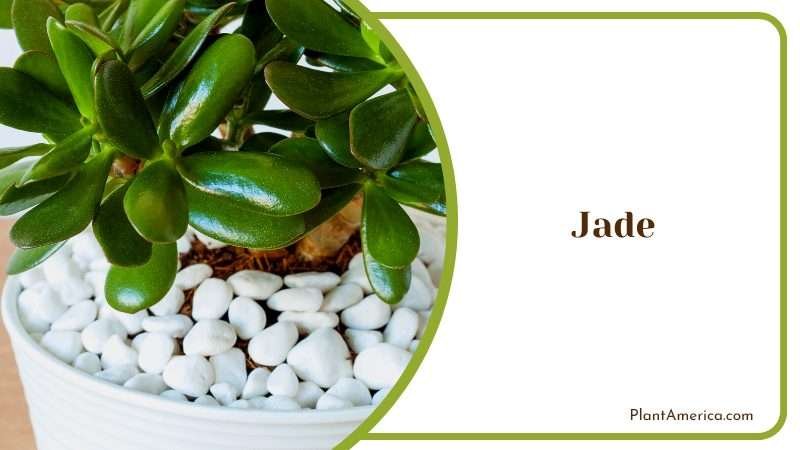
The hazardous component is not fully understood now, but if you suspect your cat has eaten this plant, seek veterinarian attention immediately. Suppose the patient is not neurologically damaged (i.e., not acting ‘drunk’ or clumsy). In that case, treatment will include inducing vomiting, activated charcoal, intravenous fluids to help sustain the patient and flush the toxins from the body more quickly, monitoring, and symptomatic support.
– Aloe Vera
Although aloe vera is a common household staple, especially in the kitchen, where its healing abilities are readily available, it is deadly to cats. The gel itself is edible when removed, but the thick plant material surrounding it can produce stomach discomfort (including vomiting), lethargy, and diarrhea.
If you still wish to have the same look you could go for the zebra succulent. Although the succulent is technically smaller, it has a similar appearance. These plants come in various sizes and hues, and because they’re succulents, they’re just as easy to care for.
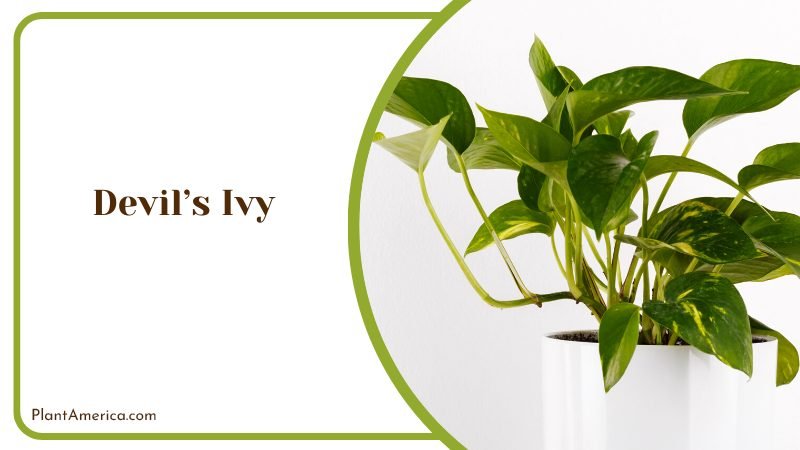
– Devil’s Ivy
This plant has several names, including pothos, golden pothos, and taro vine. It has insoluble calcium oxalates, which induce mouth, throat, tongue, and lip irritation, as well as acute burning, drooling (hypersalivation), vomiting, and difficulty swallowing. The Pilea genus family’s Chinese money plant is harmless to cats and has the same drooping appearance as ivy.