
Plants with thick leaves are unique for their ability to store water in their foliage. These plants also come with an elegant touch that beautifies your spaces, whether you grow them as outdoor or indoor plants.
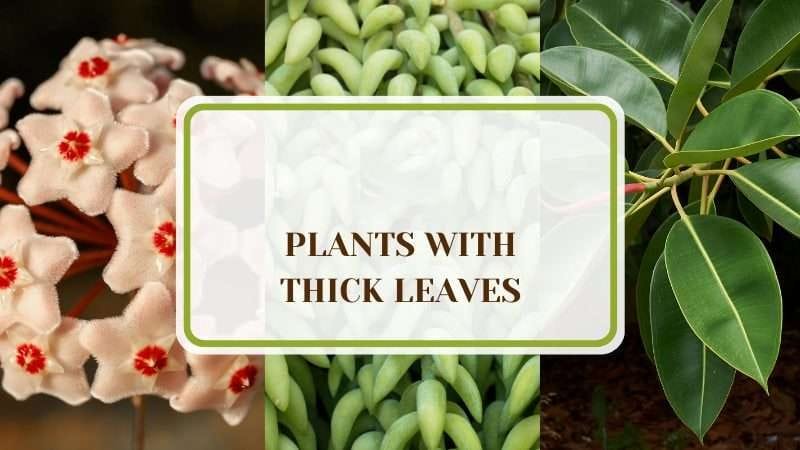
If you are having trouble choosing plants with thick leaves to include in your collection, you simply need more information that will assist in making informed decisions.
This article will give you info about various plants that have thick leaves.
A List of Plants With Thick Leaves That Can Be Great Additions
Plants with thick leaves are a must-have for plant enthusiasts. These plants include the zebra plant, ice plant, Chinese evergreen, iron plant, dumb cane and snake plant. We will list characteristics that will assist in distinguishing these plants from each other and others, in addition to exploring their uses, benefits and care needs. Compare the plants as you go so that you can make your best choices in the end.
1. Jade Plant
| Benefits |
|
| Uses |
|
| Distinguishing characteristics |
|
| Care |
|
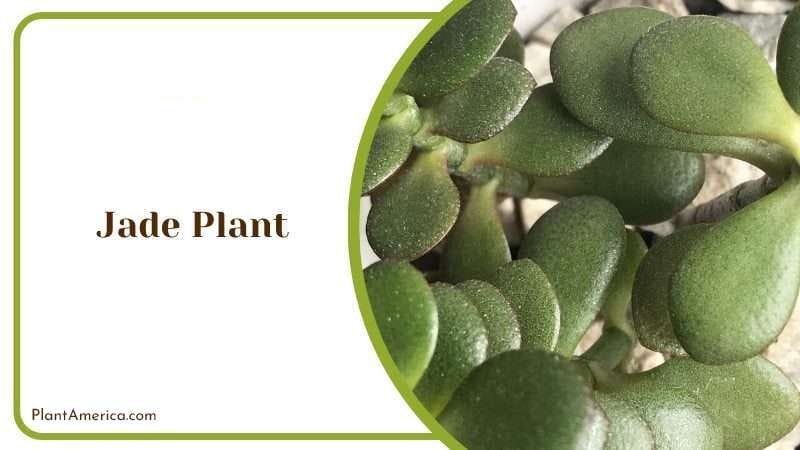
The more technical name for the jade plant is Crassula argentea, but it is also known as the money plant, lucky plant, friendship tree, or dollar plant. Some of the common names of this plant partly explain why it is believed to be associated with financial success.
It is also believed to bring positive energy when it is present in your house. Please note that the jade plant is one of the best plants to start with when you are a beginner in gardening, based on its “easy to maintain” nature. Make sure to stick to your watering schedule in order to avoid overwatering it!
2. Hoya carnosa
| Benefits |
|
| Uses |
|
| Distinguishing characteristics |
|
| Care |
|
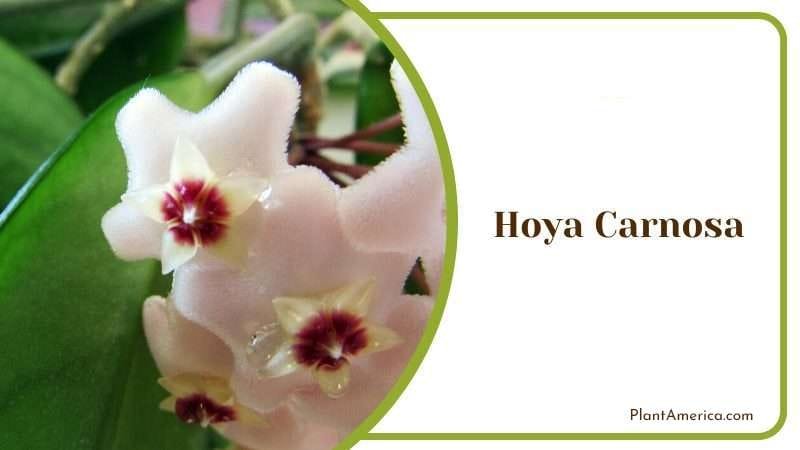
Also referred to as the wax plant, Hoya carnosa has its origins in Australia and Eastern Asia. It is a trailing plant that you can use for unique designs in our home. Considering that these plants prefer well-draining soils, you can add perlite or a little bit of sand to your potting soil. This helps to protect this beauty from fungal infections such as root rot.
3. Zamioculcas zamiifolia
| Benefits |
|
| Uses |
|
| Distinguishing characteristics |
|
| Care |
|
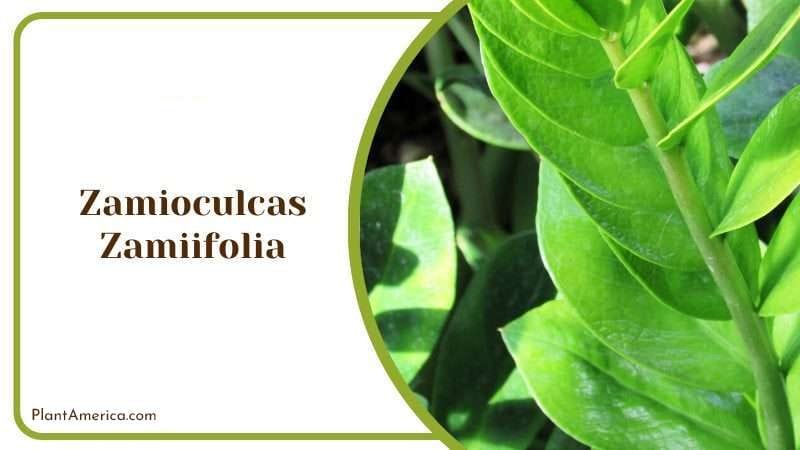
Zamioculcas zamiifolia, which is nicknamed the “Zz plant,” is believed to be associated with a lot of good things. First, there is the notion that this plant exudes positive energy in its vicinity. Second, experts of Feng Shui also suggest that when you put the plant in a southeastern corner, it attracts growth and wealth to you. Third, the ZZ plants are believed to bring luck and good fortune.
4. Swiss Cheese Plant
| Benefits |
|
| Uses |
|
| Distinguishing characteristics |
|
| Care |
|
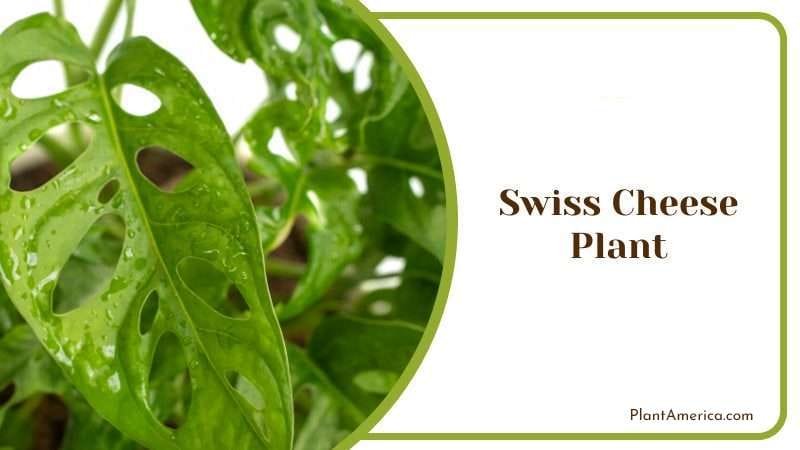
The Swiss cheese plant is botanically known as Monstera deliciosa. This plant is believed to be associated with suffocation due to the rapidly growing nature of its shoots and vines. The cheese plant harbors oxalate crystals, which can result in extreme irritation on the affected parts of the body. Therefore, we recommend that you wear gloves when you handle this plant. Check out the differences between Swiss Cheese and Monstera Adansonii plants.
5. Epipremnum aureum
| Benefits |
|
| Uses |
|
| Distinguishing characteristics |
|
| Care |
|
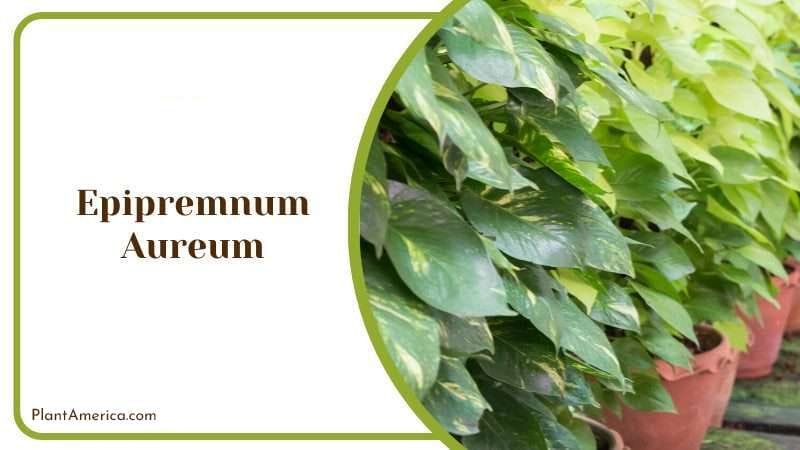
Epipremnum aureum is a native plant of the Solomon Islands. This plant is also referred to as the devil’s ivy or golden pothos. The reason why it is called the devil’s vine is due to the fact that it is not easy to destroy or kill.
6. Sedum morganianum
| Benefits |
|
| Uses |
|
| Distinguishing characteristics |
|
| Care |
|
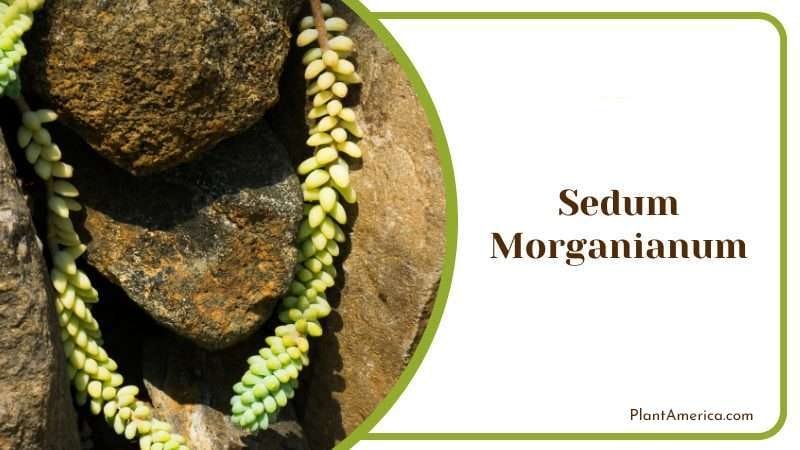
Sedum morganianum is also called the burro’s tail, lamb’s tail, horse’s tail, or donkey’s tail. This plant belongs to the Crassulaceae family, which is also known as the “stonecrop family.” When watering this plant, avoid irrigating directly on the foliage, as this makes it susceptible to fungal diseases.
7. Kalanchoe tormentosa
| Benefits |
|
| Uses |
|
| Distinguishing characteristics |
|
| Care |
|
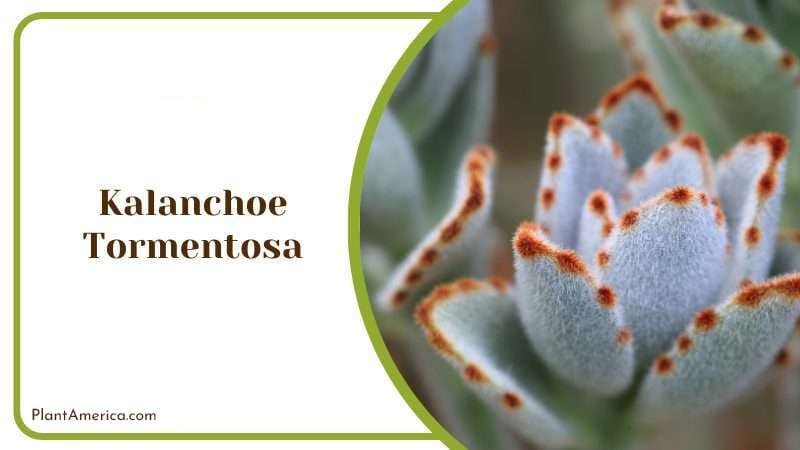
You can also refer to Kalanchoe tomentosa as the panda plant. The fuzzy appearance of this plant and its cat-like ears are what warrant the name “panda plant.” It is native to Madagascar and is categorized under the Crassulaceae family of plants.
8. Aloe vera
| Benefits |
|
| Uses |
|
| Distinguishing characteristics |
|
| Care |
|
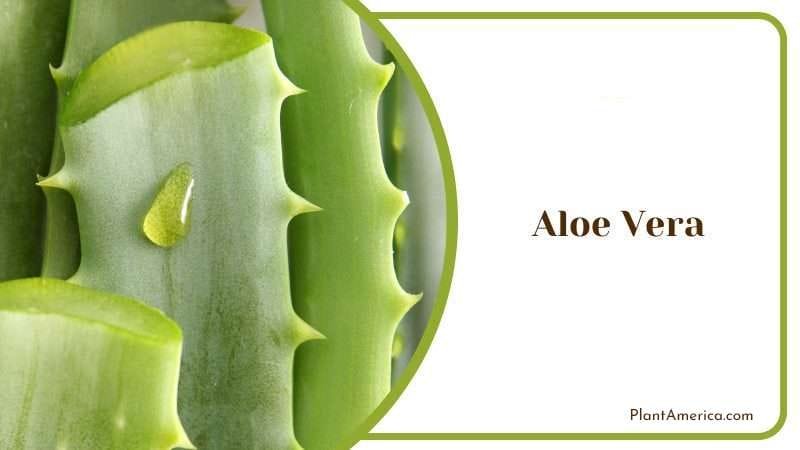
By just looking at Aloe vera, it is more likely that you are tempted to think that it is a cactus, but alas, that is far from the truth. These plants have a very long lifespan, as they can live up to 100 years.
Not only that, but did you also know that Aloe vera is predominantly water, which makes up 95 percent of its being, while the remaining five percent is beneficial solids? This wonder plant does not only treat human ailments, but it is also capable of healing itself.
9. Ficus elastica
| Benefits |
|
| Uses |
|
| Distinguishing characteristics |
|
| Care |
|
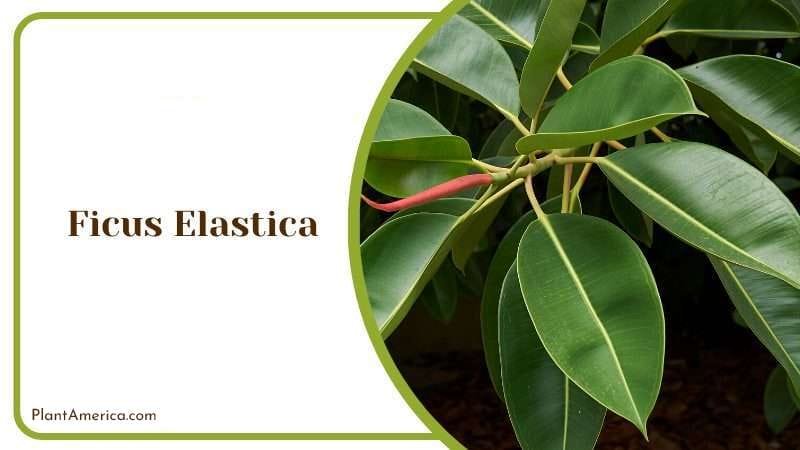
The other name for the Ficus elastica is “the rubber plant.” The moment these plants reach around six years of age, they begin to produce a latex sap that is milky-white. This latex is the main ingredient in creating rubber-related products. This, therefore, explains why the plant is referred to as the rubber plant.
10. Crassula ovata
| Benefits |
|
| Uses |
|
| Distinguishing characteristics |
|
| Care |
|
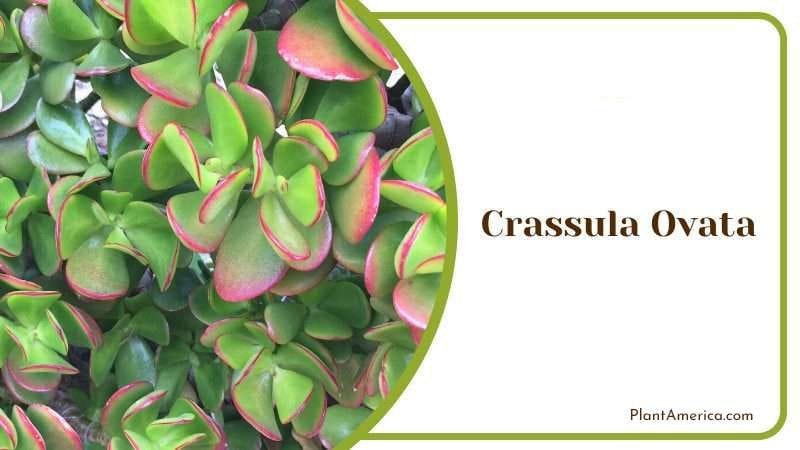
Just like Crassula argentea, Crassula ovata is also called the jade plant. This plant is toxic to pets such as cats and dogs. This calls for you to take precautionary measures to ensure the safety of your pets if you are growing this plant in your home.
References
- Hoya carnosa. Britannica.
Retrieved from https://www.britannica.com/plant/Hoya-carnosa - Burro’s Tail, Sedum morganianum. University of Wisconsin-Madison.
Retrieved from https://hort.extension.wisc.edu/articles/burros-tail-sedum-morganianum/ - Sharon M. Gwaltney. (2013). Kalanchoe. Science Direct.
Retrieved from https://www.sciencedirect.com/topics/immunology-and-microbiology/kalanchoe - Aloe vera. Kew Gardens.
Retrieved from https://www.kew.org/plants/aloe-vera - Natalie Butler. (October 10, 2023). What are the benefits of aloe vera?. Medical News Today.
Retrieved from https://www.medicalnewstoday.com/articles/318591 - Ficus elastica. N.C. Cooperative Extension.
Retrieved from https://plants.ces.ncsu.edu/plants/ficus-elastica/ - Crassula ovata. Missouri Botanical Garden.
Retrieved from https://www.missouribotanicalgarden.org/PlantFinder/PlantFinderDetails.aspx?taxonid=279445