
Aphids on cactus plants are quite a strange phenomenon, considering how cacti thrive in dry conditions that aphids detest. That’s why we most often see aphids on cacti with inexperienced growers.
 No judgments here, we’ve all been faced with this condition at one point or the other. Let’s see how we can get out of it efficiently!
How To Identify Aphids on Cactus
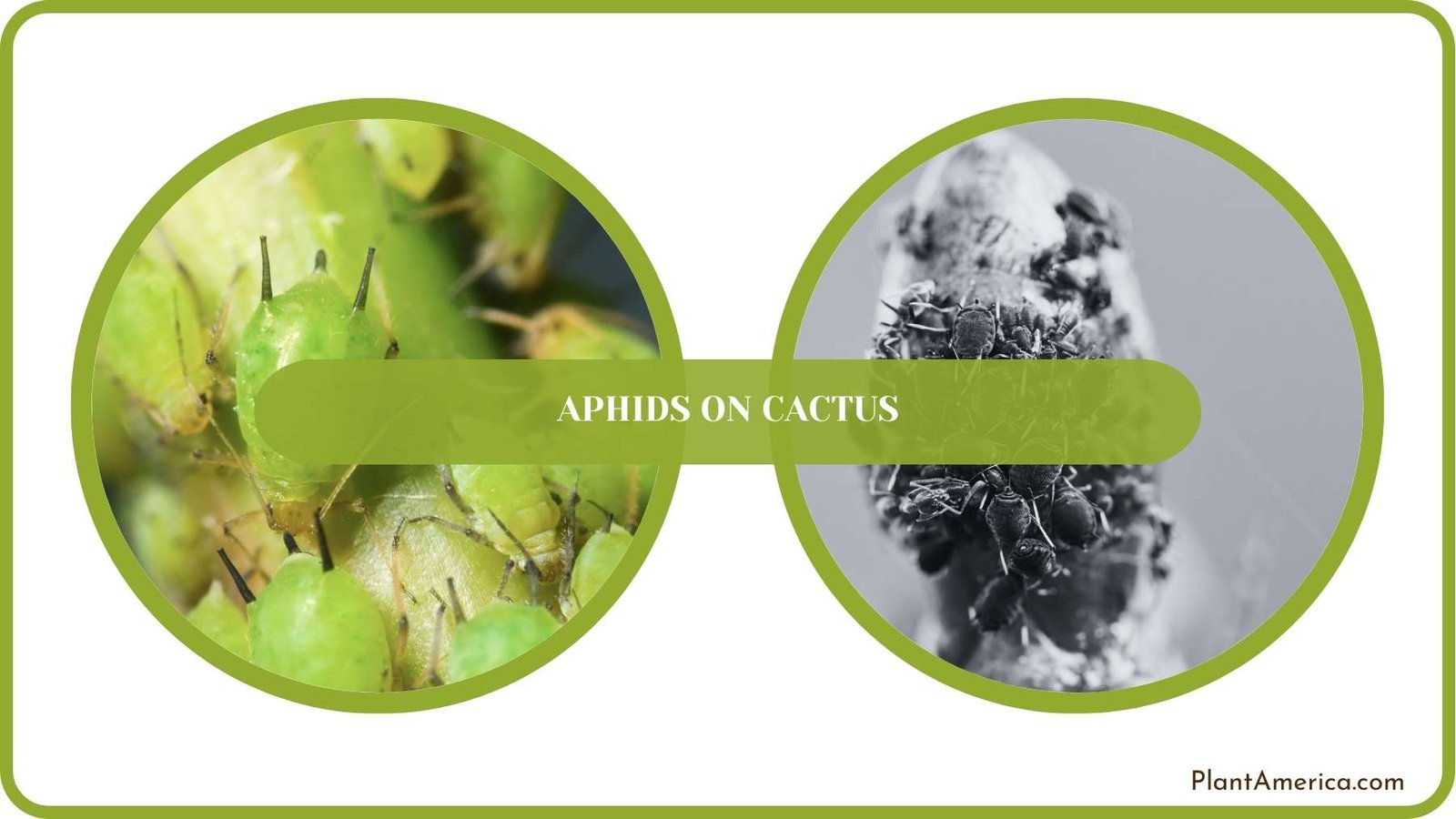
Aphids exhibit remarkable diversity in terms of size and coloration. With their six legs, small heads, and broad bodies, these widespread, ubiquitous pests plague cultivated plants worldwide — there are approximately 5,000 identified species of these tiny insects.
What makes aphids particularly vexing is their rapid reproduction rate. Female aphids possess the extraordinary ability to give birth to live nymphs, some of which may already be carrying their own offspring, creating a cascading effect that allows them to overrun plants with astonishing speed. It takes only a handful of female aphids to wreak havoc in a matter of weeks.
To further complicate matters, some aphids have wings and can take flight to reach new plants that are beyond their crawling range. This airborne capability enables them to swiftly infest previously untouched plants, spreading their influence far and wide.
Now aphids are sap-suckers and can do considerable damage. It’s this exact damage that will make them easily detectable!
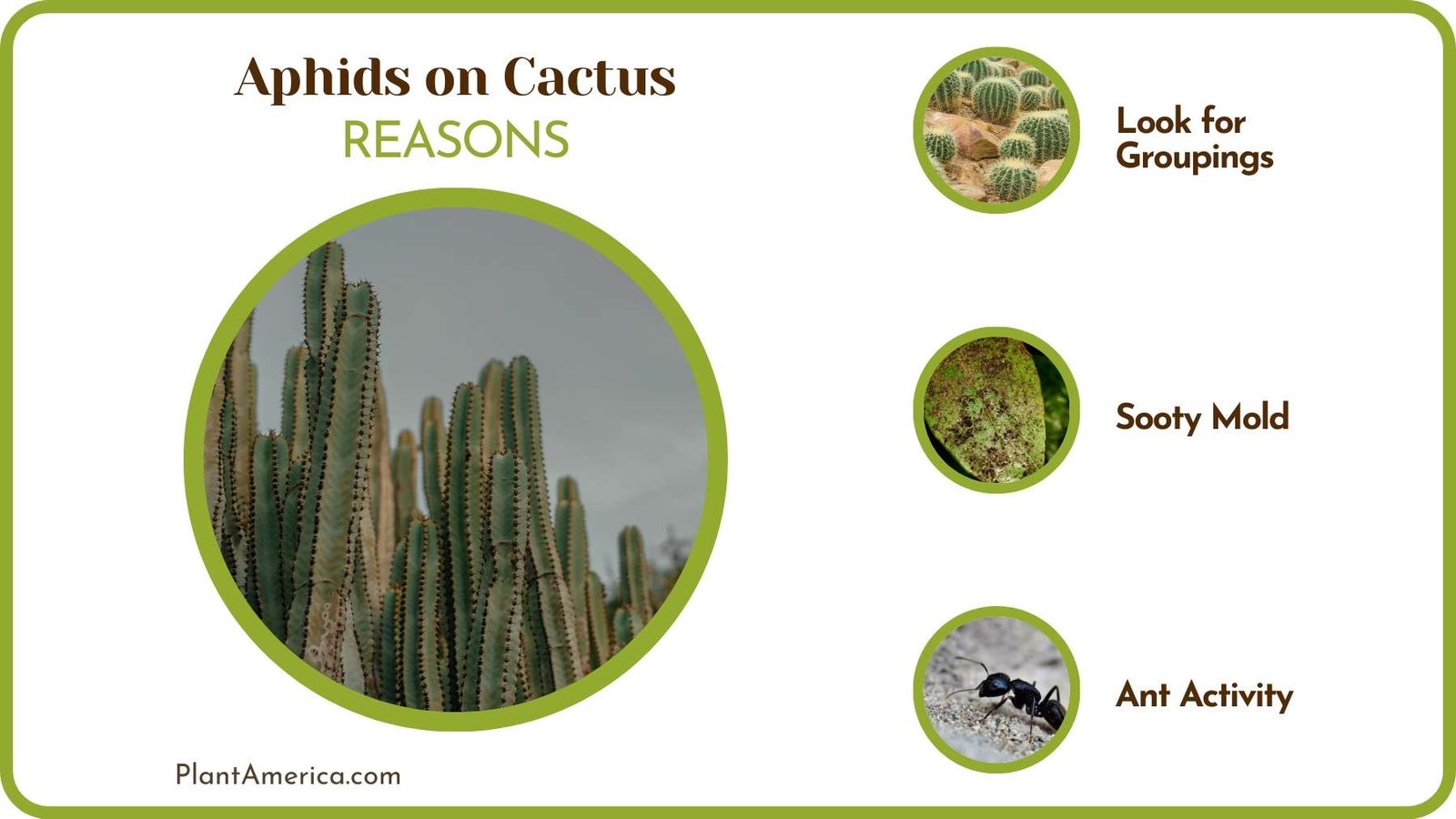
– Look for Groupings
When it comes to identifying aphids on your cactus plants, there’s no need for specialized tools. These tiny creatures have flexible bodies and come in various colors.
The initial indication of an aphid infestation manifests as minuscule, immobile insects typically found feasting on the most delicate parts of the plant, such as young leaves, the center of the rosette, or the flower stalk. It’s in these areas that you may discover clusters of these critters discreetly wreaking havoc on your beloved cacti.
As they go through their life cycle, aphids shed their exoskeletons, leaving behind small, pale remnants on the leaves and stems of the plant. These discarded shells serve as tangible evidence of their presence!
– Sooty Mold and Sticky Substance
Aphids release a sticky substance known as honeydew, which forms a coating on the leaves and stems of your succulent plants. This secretion provides an ideal environment for the growth of molds and various fungal diseases. The most notorious among them are sooty mold and powdery mildew, which appear as dark, powdery layers on the plant’s foliage and stems.

Take a careful look for any signs of stickiness or powdery residue during your inspection. Pay close attention to the undersides of the cactus leaves and the tips of the stems, as aphids tend to congregate in these areas.
– Ant Activity
This sugary substance also serves as a valuable food source for ants, fostering a symbiotic relationship between the two. If you notice a continuous procession of ants moving to and from your cactus plants, it unmistakably indicates this interaction. They often establish their nests close to plants heavily infested with aphids, ensuring convenient access to the honeydew.
Interestingly, you might even observe ants tending to the aphids themselves! However, this dynamic can attract other insects, such as yellow jackets and other stinging pests, which can pose an additional challenge for your garden.
Effectively managing these pests requires addressing both the aphids and their ant counterparts.
How To Get Rid of Aphids Infesting Your Cacti
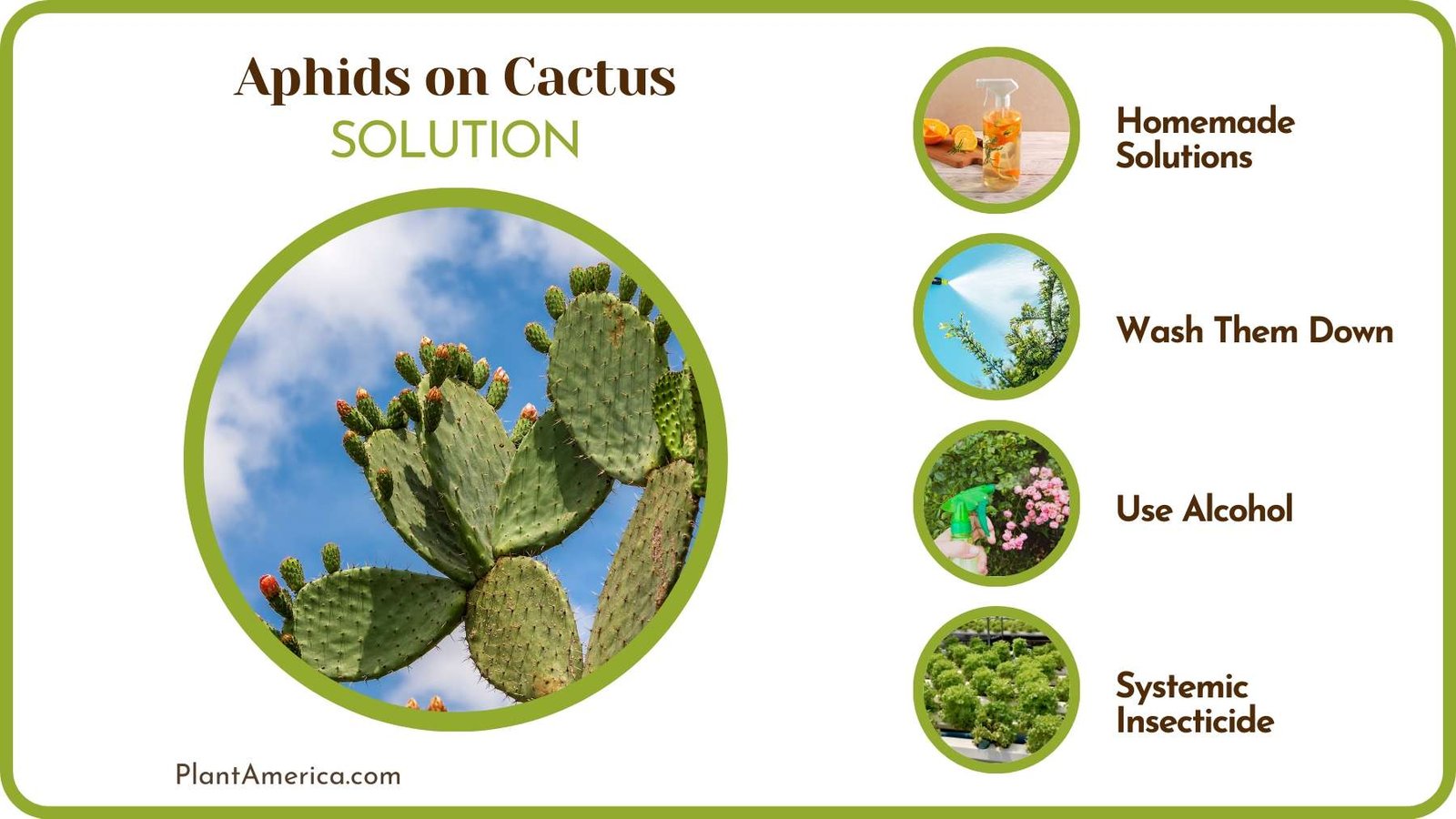
To effectively manage and eliminate white aphids on your cactus plants, there are several strategies you can employ. You may choose to utilize water to wash them off, gently wipe them away, or apply insecticide soap. Introducing companion plants can also be beneficial.
Options like neem oil or alcohol, as well as the use of diatomaceous powder, can help. Pruning affected areas, employing sticky traps, and resorting to chemical insecticides are among the additional measures available.
– Wash Them Down
If you encounter a cactus heavily infested with mealy bugs or aphids, you can take the initial step of showering these pests with a forceful stream of water. This action serves to dislodge not only adult sap-sucking insects but also nymphs and potentially any hidden eggs.
Aphids are notorious for hiding in the soil and crevices of pots, making thorough eradication measures necessary. To address this, consider removing the plant from its pot, conducting a comprehensive cleansing, and then replanting it in a fresh or sterilized container filled with entirely clean cactus mix.
– Use Alcohol
An easily accessible household item, rubbing alcohol, can be a cost-effective and powerful weapon to kill aphids.
You have a couple of options to combat these! You can use a cotton swab, cotton ball, or a soft cloth to individually treat the bugs with alcohol. Alternatively, you can employ a spray bottle to apply the alcohol near the center of the rosette or close to the stem.
The use of standard 70% isopropyl alcohol won’t harm your cactus. In fact, it efficiently penetrates the aphids’ protective layer upon contact, leading to their swift demise.
For the best results, apply it once or twice a week until you are certain that all aphids have been affected and eliminated.
– Homemade Solutions
You may find this surprising, but your household has some interesting everyday ingredients that can be used to fight these pests. Here are five natural remedies to treat aphids on succulents:
Create a mixture by combining one teaspoon of dish soap, one teaspoon of vegetable oil, and two cups of water in a spray bottle. Shake gently and lightly spray the affected area, covering both sides of the leaves. This suffocates the aphids by blocking their spiracles. After a few hours, wipe off the soapy water residue.
Another one involves plain old baking soda. Combine one teaspoon of baking soda and one-third cup of vegetable oil (or regular oil) to create a repellent solution. While it may not kill all aphids, it helps deter them.
Or chop tomato leaves and soak them overnight in a spray bottle filled with water. Adding one teaspoon of oil can enhance its effectiveness. Tomato leaves contain alkaloids that are toxic to aphids but safe for humans and pets. Spray the solution on both sides of the succulent leaves and stems for best results.
– Systemic Insecticide
If your infestation is somewhat severe, you have the option of visiting your local garden center or greenhouse to obtain a commercial insecticide specially formulated to target mealybugs and aphids. These work by making the plant juices toxic to aphids, fungus gnats, mealy bugs, and spider mites.
To use them, you’ll need to mix the insecticide with water and incorporate it into your cactus watering routine. This method operates more like an antibiotic, penetrating the plant’s system rather than providing just a surface-level solution, setting it apart from the other two techniques.
– Neem Oil
This ever-popular oil offers a potent solution for pest prevention, thanks to its natural plant insecticide called Azadirachtin, which exhibits residual effects lasting about a week after application.

You can acquire the concentrated oil, suitable for gardening purposes, from your local garden center or online sources. It’s essential to carefully follow the instructions on the packaging to create a diluted solution for both plant spraying and soil treatment against aphids.
Typically, the recommended dilution ratio is approximately one ounce of neem tree oil concentrate per gallon of water.
When it comes to treating outdoor cacti, neem tree oil is a suitable choice, as it doesn’t harm other good insects. This is particularly true if you apply it in the evening, allowing it to dry overnight before bees, butterflies, and natural predators become active.
– Insecticidal Soap
Insecticidal soap, composed of potassium and fatty acids, stands as a time-tested remedy for gardeners and farmers combating soft-bodied insects like aphids. Its appeal lies in its minimal impact on plants, animals, and humans.
– Get Beneficial Insects in There
If you have a generous sunroom or a similar space, introducing the good guys can be a fitting strategy.
Consider welcoming standard ladybugs or their specialized counterpart, the Mealybug Ladybird. The Mealybug Ladybird is particularly proficient at swiftly eliminating all types of scale insects.
While resembling typical ladybugs, these ladybirds are slightly smaller and exhibit a more understated appearance. Instead of the striking red wings with black polka dots, they sport unassuming brown wings and a modest tan head, their focus squarely on business.
You can procure these natural predators from garden centers or online sources.
– Diatomaceous Earth
This substrate is a fossilized microalgae sediment making it a formidable weapon against aphids. It dispatches these tiny pests through a combination of physical damage and dehydration achieved by absorption.
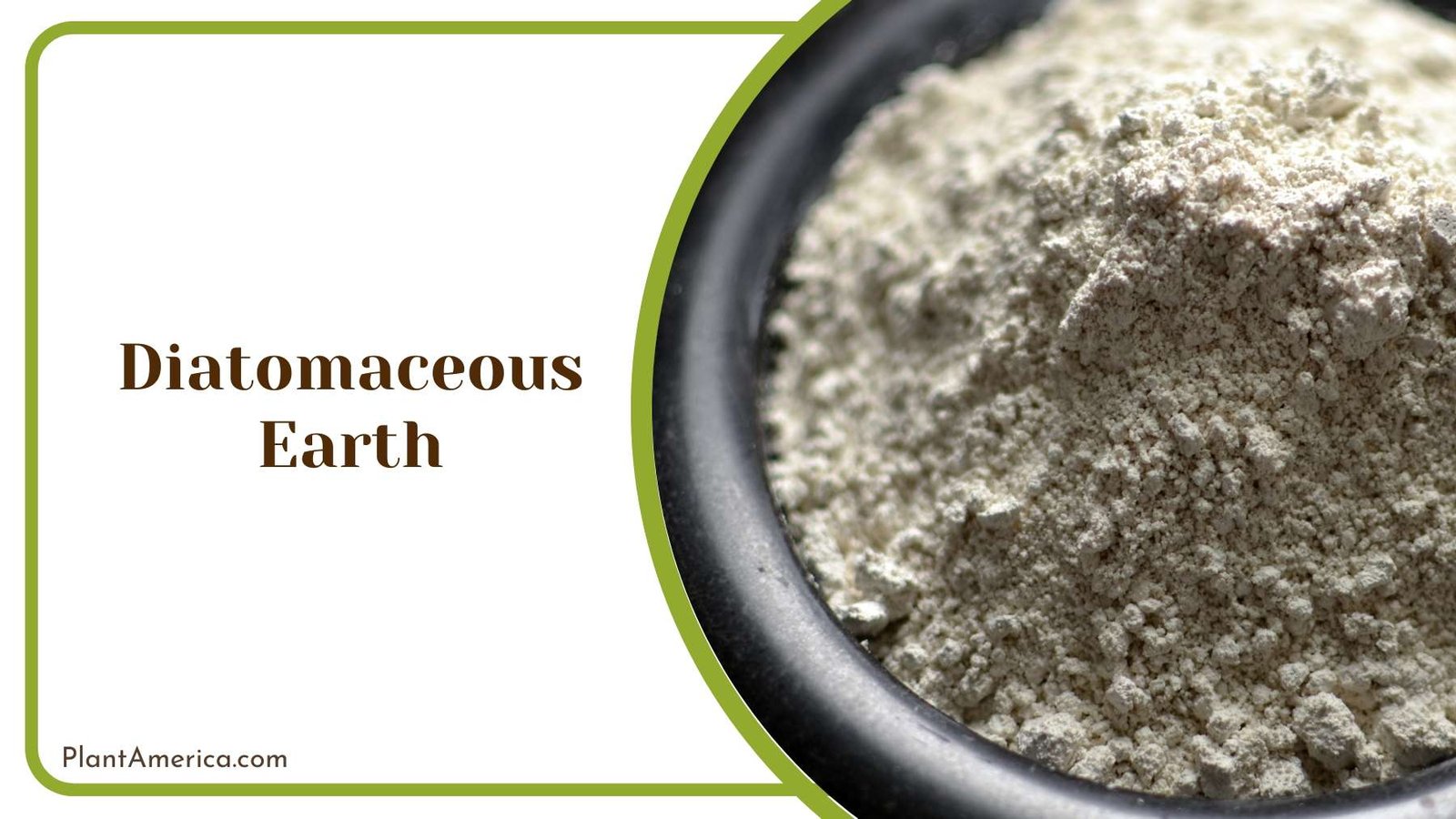
Remarkably, diatomaceous powder poses no harm to humans or animals, yet its fine, sharp particles prove lethal to aphids on contact. The dust mercilessly shreds their exoskeletons, resulting in bleeding, immobility, and eventual dehydration.
To apply it, create a thin paste by moistening the earth and then evenly distribute it over the foliage. Allow it to dry. You can either wear gloves for application or delicately brush it on. Once dry, it will resemble a powdery white dust coating the plant. Leave it in place for a few weeks to work the magic.
– Keep Cacti Healthy
Maintaining the health of your cactus is crucial to ward off aphid infestations effectively. Avoid overwatering, as it can weaken cacti and make them susceptible to aphids. Allow the soil to completely dry out between waterings, as cacti thrive in arid conditions. Using a well-draining cactus mix helps prevent excess moisture, which can attract aphids and lead to root rot.
Place your cactus plants in a location with sufficient sunlight. Proper lighting encourages robust growth and equips cacti to defend against aphids. Avoid overcrowding plants to ensure good air circulation, which prevents stagnant conditions that might attract pests.
Prune with Purpose: Trim dead or damaged parts of the cactus to promote overall health and eliminate hiding spots for aphids. Cacti are resilient and will readily rebound from any necessary cutbacks.
Mind your fertilization practices, as excessive fertilizer can lead to soft growth that appeals to aphids. Always use a balanced, diluted cactus fertilizer sparingly.
By following this advice, you can create an environment that not only promotes the health of your cacti but also discourages aphid infestations. Healthy cacti are better equipped to resist and recover from aphid challenges!
Conclusion
The presence of aphids on cactus plants can be a perplexing challenge for growers. However, their tendency to leave behind telltale signs makes them somewhat detectable. Resolve your infestation by remembering the most important notes:
- To effectively address aphid infestations, several strategies are at your disposal. Physical removal, such as showering the pests off, can be a viable option for some cacti but not all. Household ingredients like soap, vegetable oil, or garlic and onions can be used to create effective remedies against aphids. These natural solutions offer an eco-friendly approach to pest management.
- For a comprehensive and long-term solution, combining soap with a systemic insecticide can be highly effective. Additionally, introducing insects like ladybugs or ladybirds to your environment can help combat aphid infestations naturally.
- Diatomaceous fossilized microalgae sediment serves as a mechanical killer of aphids by causing physical damage and dehydration. It’s safe for humans and animals but deadly to aphids.
- Maintaining the overall health of your cacti through proper watering, adequate sunlight, isolation of new plants, and regular inspections are key to preventing and managing aphid infestations. Healthy cacti are more resilient and better equipped to resist and recover from these challenges.
Armed with these strategies and a commitment, you can effectively combat aphid infestations and enjoy thriving, pest-free cacti in your collection.