
Anthurium Crystallinum of the Araceae family is a tropical plant that can be grown in greenhouses. They are found in Central America on treetops and the side of hills.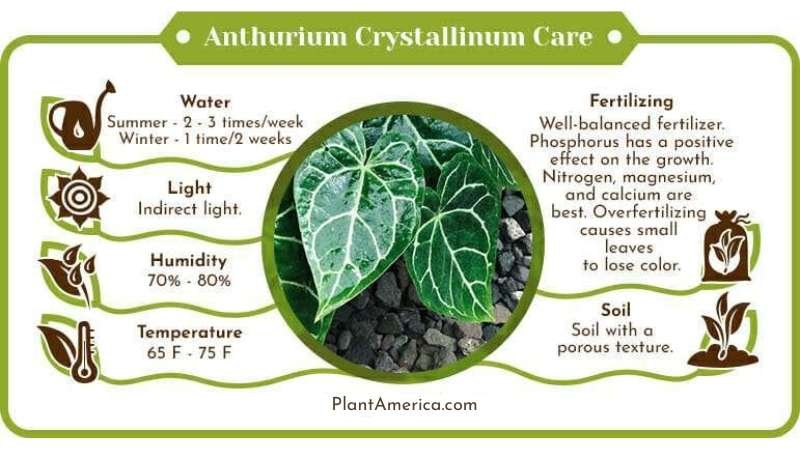
The Anthurium genus plants are ideal for potted gardens and also grow well outside in the ground. Growing it is fun because it needs low maintenance, and one can easily take care of this eye-catching plant.
How to Care for Anthurium Crystallinum
Taking care of this stunning hearty plant is fun if you know what it needs to stay happy and live as long as possible. Our guide will help you do just that.
 Soil Requirement
Anthurium crystallinum is a perennial epiphyte and can be grown in a wide range of soil.
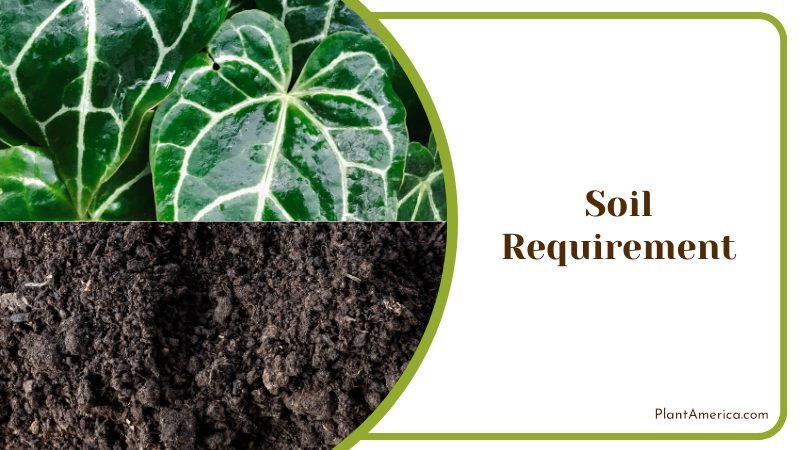 The best Anthurium crystallinum soil is the one with a porous texture. Make sure the soil contains plenty of air pockets for the roots to breathe. You need to use that kind of soil if you plan to report your Anthurium plant.
 Light Requirements
Anthurium crystallinum needs indirect light. Place them on the kitchen window. Direct exposure to sunlight may burn the leaves. Anthurium crystallinum needs 70 to 85 percent sunlight. If you want to grow Anthurium crystallinum outdoors, you have to provide some sort of shade to the plant.
You can also grow them under the shade of a tree. The plant grows slowly under exposure to low light. If the plant is indoors and the room is dark and does not have natural bright light, you can arrange alternative light sources. Use LED grow lamps. They produce heat and can also control the intensity of light through them.
 Water Requirements
Anthurium crystallinum is a native of tropical rainforests, so they need a sufficient amount of water. Their roots are exposed to air and dry out as quickly as they get wet. The pot or container of the potting mix must have good drainage. You can water the plant twice or thrice a week in the summer.
In winters, give lukewarm water once in two weeks. The PH of the water also affects the growth of the plant. The PH of water should be neutral or below neutral. You can use Alkaline tap water for watering Anthurium Crystallinum.
 Temperature Requirements
Anthurium crystallinum is a warmth-loving plant. Anthurium crystallinum grows well in temperatures ranging from 65 to 75 F. Keep it indoors during winter. The plant should avoid extreme temperature fluctuations. They can bear a minimum temperature which is 55 degrees Fahrenheit.
 Humidity Requirements
Anthurium crystallinum loves to grow in high air humidity. These plants are natives of rainforests, exposed to constant evaporation of water. Anthurium crystalline grows well in high humidity levels between 70 to 80 percent. Keep the plant near the kitchen window to get a sufficient amount of indirect sunlight.

Anthurium crystalline can also be kept in the bathroom. There is humidity and bright light in the bathroom. If the room has heaters or air conditioners, they will dry the air and harm this indoor plant. You can use humidifiers in the rooms to maintain the humidity level in the room.
 Fertilizer Requirements
Crystal Anthurium needs nutrition for its growth. It needs a potting mix with organic matter and a well-balanced fertilizer to improve its growth rate. Use organic fertilizer over chemical fertilizers because they are slow-release. Additionally, chemical fertilizers have certain salts that destroy the plant.
Phosphorus used as a fertilizer has a positive effect on the growth of the plant. Other nutrients such as nitrogen, magnesium, and calcium are best.
Crystal Anthurium is a tropical plant. It takes up minerals during rain when they are outdoors, in the garden.
The nutrients have a positive impact on the plant. If the plant is getting nutrients from rainfall, you do not need to fertilize them frequently. However, Overfertilizing causes the small leaves to lose their color and become pale-colored.
When the color of your plant changes, stop adding fertilizer and give your plant a break. Likewise, stop giving fertilizer to your plant in winter.
How to Propagate Anthurium Crystallinum
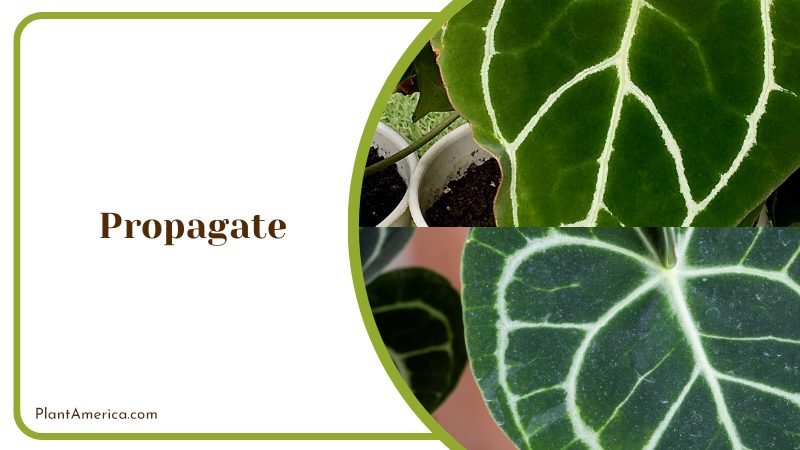
The propagation methods for Crystal Anthurium are simple. The easy way for propagation is to separate plantlets from the roots. The most reliable method of propagating Anthurium crystalline is root separation.
The propagation of Anthurium crystalline can also be done through seeds from the berries on the spadix to germinate.
– Root Division Method
Root division is a simple and reliable method of propagation. Root division is possible only when the plant is mature and at least a year old. Follow this step-to-step guide to propagate your plants.
- Remove the plant from the planter at the start of winter until summer
- Remove the soil around the root until you see the thick stem at the center
- Cut the stem into two halves. The top half should have leaves and roots. The bottom half is the stump
- Ensure both divisions have a few roots
- Keep cutting for a day and then plant the two halves in individual pots
- The stump should be visible above the soil mix
- Moisten the soil and maintain high humidity with a plastic bag with holes
- Give diluted good-quality fertilizer to your plants
– Propagate Anthurium Crystallinum Through Plantlets
You may see young plantlets at the roots of the mature plant. Young plantlets are attached to the stem from the bottom. When the growing season starts, separate the plantlet. This method diminishes the bushy look of the plant.
Common Problems
Here are some common problems that you must be aware of in order to take good care of your plant:
- Spots on Leaves: The leaf spots are an indication of bacterial invasion. It is caused by overwatering or moist leaves. The leaves with the decaying spots should be immediately cut off with sharp scissors.
- Lesions: Yellowed lesions form along the leaf margins due to bacterial infection.
- Wilting Leaves: The leaves turn yellow and eventually wilt even if the plant gets a sufficient amount of water. You should always check the roots of the plant. If they rot, it is because of the Pythium fungal infection. This fungal infection is due to waterlogged soil and excess humidity.

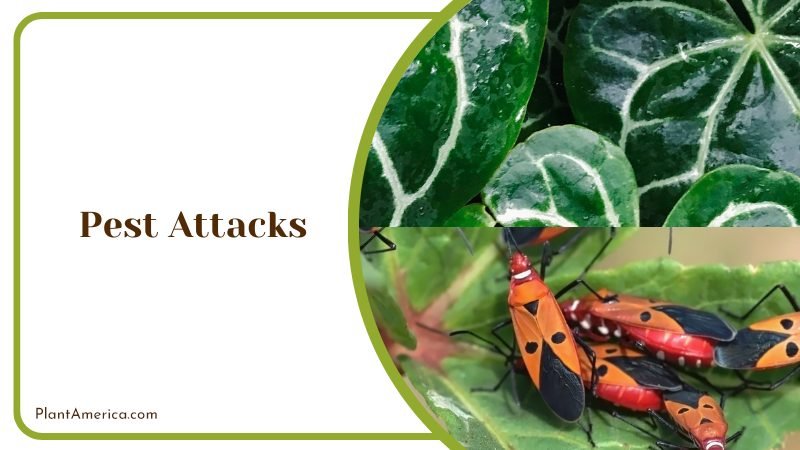
- Pest Attacks: Anthurium crystallinum is pest-resistant. Sometimes the plant is attacked by some sucking pests like aphids, spider mites, and mealybugs. These pests suck the sap of the leaves and feed on plant nutrients. To get rid of pests, spray the plant with insecticidal soap once a week.
- Bacterial Blithe: The bacteria enter the Anthurium plants through pores along the margin of the leaf. Bacteria can also get inside the plant from torn tissues, punctures by insects, or wounds during harvesting. Once the bacteria invade, they quickly spread throughout the plant.
- Black Nose Disease: The plant may display brown to black spots. They are on the floral spadix, called the nose. These black spots on the nose represent the name of this disease. These spots become large and watery and may include the spadix. The spadix eventually falls off.
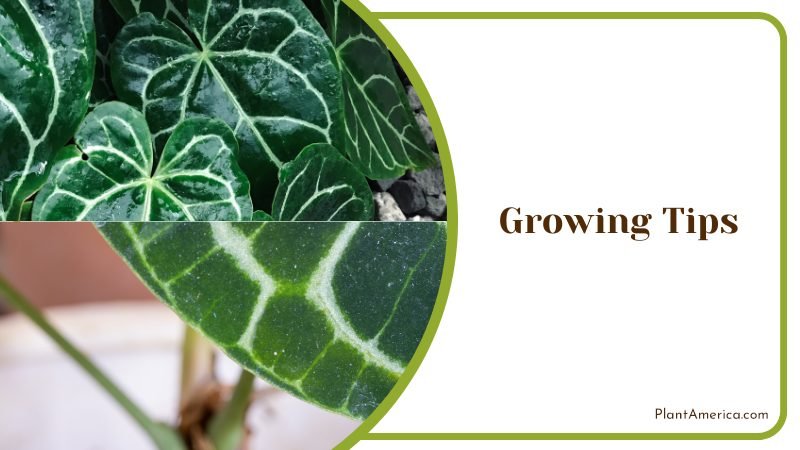
Anthurium Crystallinum: Growing Tips
- Anthurium crystallinum loves its roots to get washed and dried after that
- Use organic material in the potting mix for better growth
- Dry the leaves after you water the plant
- Provide a high level of humidity to the plant
- Grow Anthurium crystallinum in a pot where the roots need to breathe. It helps the plant in disease prevention
- The roots should be cream-colored with a pink tinge. This color is a sign of health
- The plant loves warmth. They can not tolerate the frost
- The anthurium crystallinum plant grows in the Aquaponic systems. This type of growth means that the plant can support fish (or other aquatic creatures) to get bigger.
- If you see that the anthurium crystallinum plant starts losing its leaves or flowers, do not worry. Because it is normal and does not mean that your plant is dying. When the suitable time comes, the plant will replace the lost leaves and can be grown healthy
- You can apply these tips to most Anthurium types