
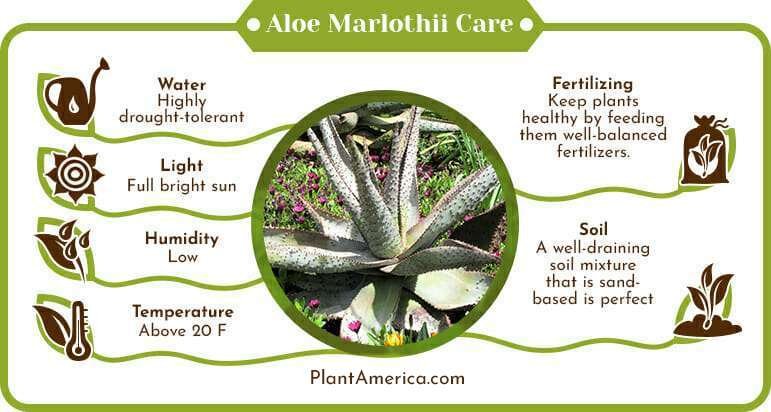
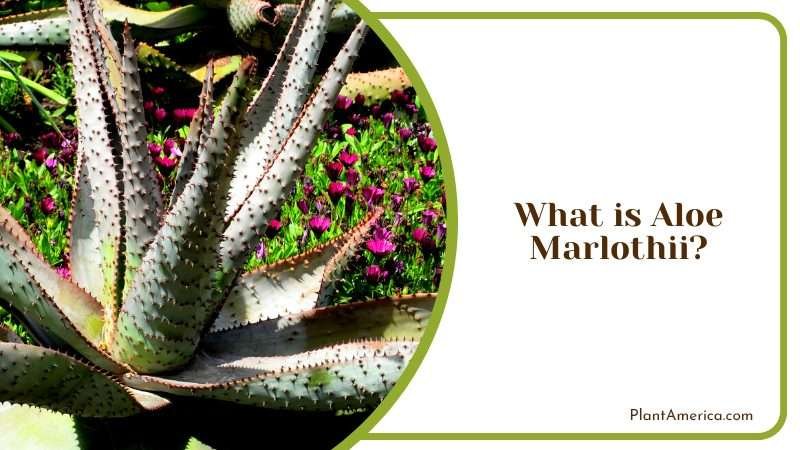
Aloe marlothii, or the Mountain aloe, is an extraordinary species from the shrub family called the Asphodelaceae. They are succulent plants that are self-sustaining and can grow up to 10 feet high.
Their broad leaves and dramatic flowers make them a very interesting houseplant. Continue reading to discover more about this Aloe genus plant and how to properly care for it.
Care Guide
| Requirements | Aloe Marlothii |
| Light | Loves full bright sunlight |
| Water | Water when top inch of soil is dry; highly drought-tolerant |
| Soil | Loves soil that does not hold on to water and drains extra quickly |
| Temperature | Lowest temperature that it can tolerate is 20 degrees Fahrenheit |
Aloe marlothii is a very easy plant to grow in outdoor gardens. Rock gardens, succulent gardens and even low space gardens host this low-maintenance plant happily. They are ideally planted 72 inches apart and can attract birds and pollinators when it is flowering. Aloe marlothii will grow easily and will need less care in South African gardens.
It is recommended for gardens from its native zones where it rains during summers, since the rainfall species naturally thrives in warm, damp summers and dry winters. If the plant is in a similar climate, it needs less care and water management. During cultivation, the plant will need extra watering during summer and winter. Be mindful when it comes to watering your plants, since overwatering can kill it too.
In short, it is important to know , what your growing conditions are, and what it specifically needs from you. Let us loowhere this plant comes fromk at its basic care requirements through our care guide.
 Soil
Soil
Succulents like well-draining soil. Aloe marlothii plants also love soil that does not hold on to water and drains extra quickly. For this reason, a soil mixture that is sand-based is perfect. Loam or sandy soil works best, and a pH that is alkaline, neutral or acidic is suitable.
For a potted plant, you can mix perlite for better drainage. Outdoors, Aloe marlothii will also grow in gravel and rocky areas.
At least one-quarter part of the soil mixture should be compost and one-quarter river silt. This can be added to clay soils to improve drainage, and bone meal can be added in abundance to the soil mixture during the time of plantation. This will lead to healthy roots and boost its growth.
 Water
Water
Aloe marlothii is a succulent and, therefore, highly drought-tolerant. It needs less water, but in the first few weeks, it needs to be irrigated twice a week. The frequency can be reduced later on, since overwatering kills the plant and permanently damages the roots.
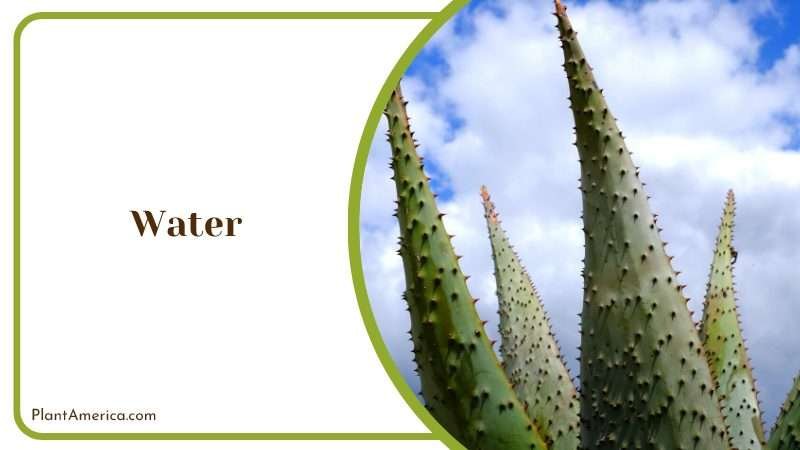
To check if your plant needs water, test the soil first by digging through an inch of soil and feeling it on your fingers. If it feels dry then water it, if not, wait for a couple of days.
Overwatering leads to brown foliage, and underwater plants will look stressed and discolored.
 Temperature
Aloe marlothii is adaptable to various growing zones but likes to be in zone 91-11b. The lowest temperature that it can tolerate is 20 degrees Fahrenheit, so it does not handle winters well. A potted plant can be brought inside during the colder months.
Outdoor plants can also be covered with glass boxes or plastic frames to keep them warm during these cold months.
 Light
Light
Aloe marlothii loves the full bright sun. It may show signs of weakness or poor growth when the plant is left in the shade or in low light. In its native environment, it grows on rocky grounds and mountains that are exposed to bright sunlight all the time.
Propagation
Propagation is an excellent way to multiply your plants. It is done in many ways, and its purpose may also change. One thing to remember is that you need to do it in the right season. Always use sterilized tools and remember to protect young plants until they develop strength.
There are many ways to propagate Aloe marlothii plants. The most popular methods are:
- Propagation by leaf cutting
- Propagation by seed
- Propagation by offsets
The following propagation guide will take you through each step and make it easy for you to multiply your plants.
– Leaves
There are a couple of things to keep in mind when propagating Aloe marlothii from leaves.
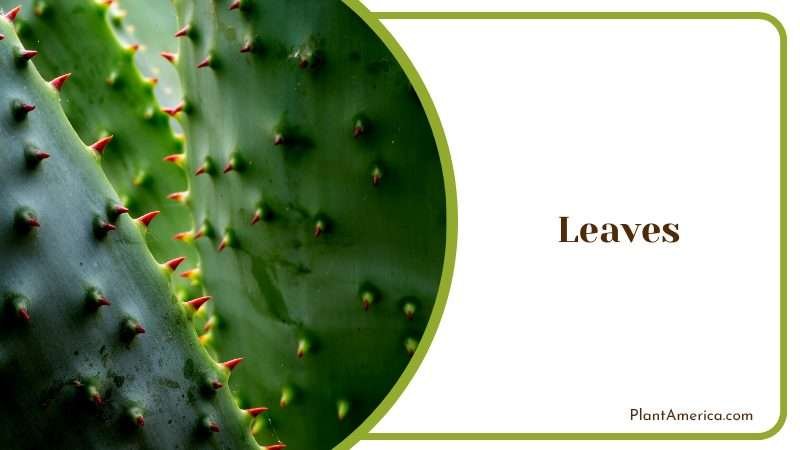
- Carefully separate a healthy leaf from the plant.
- Make sure that no part of the leaf is left attached to the stem.
- Allow it to form a callus. This will take a few days.
- Use a well-draining soil mixture for the plantation.
- Take a pot that has enough drainage holes and put the potting mixture inside.
- Plant your leaf and water it well.
- Make sure that the soil mixture is dry before you water it again.
– Offsets
Aloe marlothii, or the Mountain aloe, grows well from its offsets. This could be the most effective way to multiply your plants. Offsets are produced as little baby plants around the stems.
It may take years for this aloe variety to establish itself and to be able to grow offsets, but once it starts growing young plants, it will be a treat! Here is a simple way to use these offsets and grow them individually.
- Using a sterilized sharp knife, remove an offset from the parent plant.
- Clean the excess soil from it after removing it.
- Let it form a callus before you plant it into the ground.
- Make sure the soil is well-draining and suitable for succulents.
- Do not forget to water immediately after transplanting aloes and water again only when the soil is dry.
– Seed
Aloe marlothii grows as a slow-growing succulent that produces flowers during autumn or winter. Soon, the flower will dry out and leave seeds that can be planted.
This is not a recommended method as it’s hard to get good results from it, but if you want to give it a try, here is what you must do:
- Take a pot with drainage holes and fill it with a well-draining soil mixture.
- Scatter the seeds on top and cover it lightly with soil.
- Water it gently and leave the pot outdoors.
- Water when needed.
Problems
The chubby-leaved succulent, Aloe marlothii, has many plus points as a houseplant. Besides being a medicinal and low-maintenance plant, it also offers excellent blooms and structures in the garden.
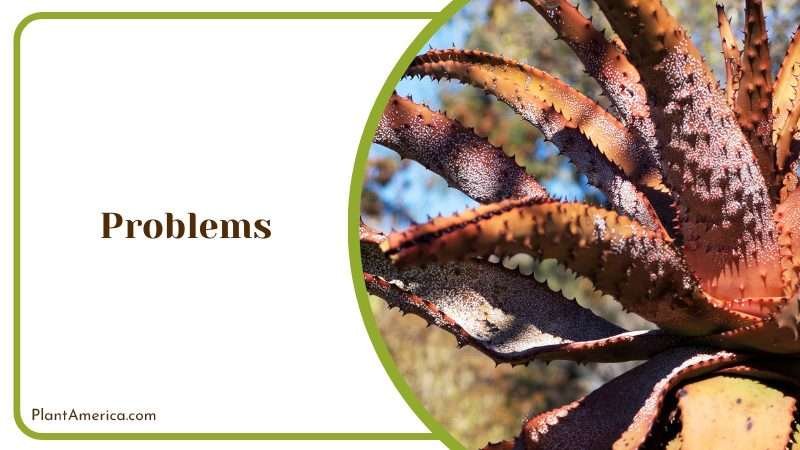
It is generally a problem-free plant but has a set of issues associated with water management or potting medium.
– Brown Plant
A browning Aloe marlothii plant may be because it is suffering from too much or too little water. Other reasons could be surplus salt in the soil, fungus, disease, sunburn, chemical overdose, toxicity or nutrient deficiency. You will learn from trial and error if there is no proper way to test the soil.
– Overwatering
Water is mainly the main cause of the browning of the aloe plant, so make sure that the plant is not overwatered. The sign that it is getting too much water is that it will start wilting, have brown spots in the leaves, and develop brownish leaves.
To solve this problem, you will have to repot the plant and make sure that the pot has drainage holes besides having a well-draining soil mix. Check for root rot. If roots have been damaged by overwatering, there is no chance for the plant to survive. You can take cuttings off of any healthy leaves and restart.
– Underwatering
The leaves’ health shows the actual problem with the plant. Good, healthy leaves look plump and have a shiny green color, while underwatered plants have puckered, discolored leaves. To correct this problem, water the plant at proper intervals each week, for example, twice a week. Take note that the plant needs less watering during winter.
– Chemical and Salt Buildup
Chemicals and salt begin to pile up in the soil if you overdose them on the plant. The soil may have a surplus of these and turn toxic. Plants can also be exposed to herbicide spray from neighbors or face splashes of cleaning chemicals.
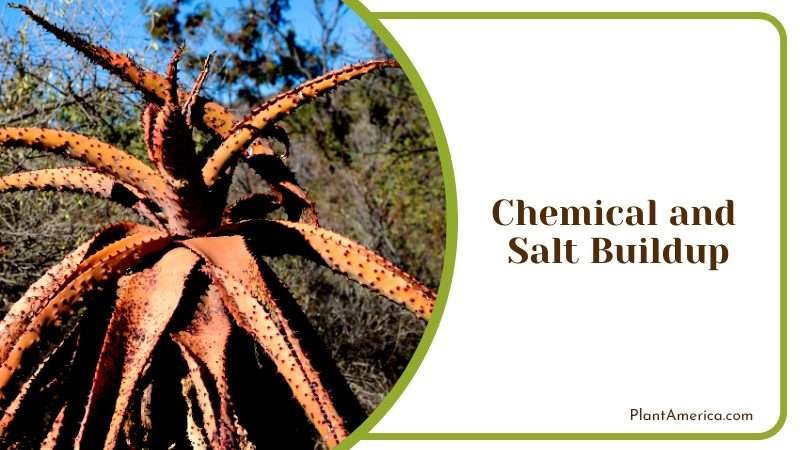
These can lead to burned roots and cause your aloe plant to turn brown. There are two ways to solve these problems:
- Leach the soil with water
- Repot the plant
– Pests
Pests and diseases can be transferred from one plant to the other. Avoid planting your plant close to other plants that are prone to them. Here are a few pests that can invade this plant and some diseases that can make it sick:
- White scale is an ugly pest and can effectively wrap the whole plant with its colonies that look like white cloudy formations. Control by washing either with soapy water, neem oil or nicotine sulfate.
- Aloe rust fungus creates black spots on the foliage and cannot be restrained by spraying fungicide. Remove infected leaves and keep plants healthy by feeding them well-balanced fertilizers. Remove the whole plant if severely impacted.
- Mites cause aloe cancer and can lead to malformed leaves and inflorescences. It is ideal to pull the entire plant from the garden to prevent the infection from spreading.
- Snout beetles are deadly as they wreak havoc by excavating into the stem and laying their eggs inside. These eggs hatch and develop into larvae, which then eat the stem from inside, making it hollow and leading to the collapse of the entire plant. It is treated by piercing a little hole in the stem to inject a systemic insecticide.