
“How to transplant Christmas cactus” tips are quite handy, especially when the plant gets older. Propagate Christmas cactus at a time when it has wilted in early spring, or when winter is about to end.
For potted Christmas cacti, protruding roots from the pot’s drainage holes are a sign that the plant has overgrown in its environment and is now in need of transplanting. Continue reading this article to get more knowledge about repotting Christmas cactus.
The Main Elements That Affect Transplanting Christmas Cactus?
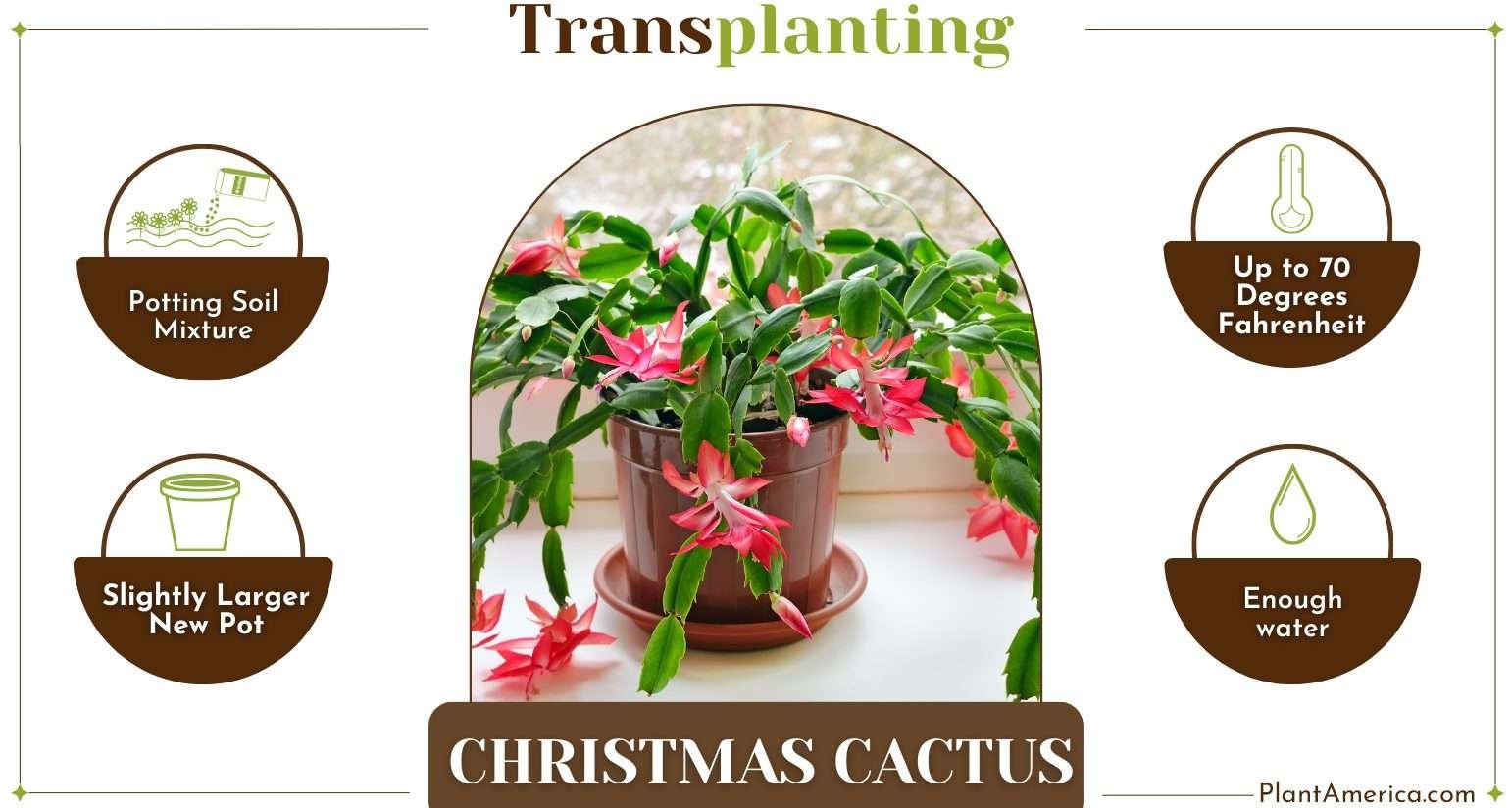
The main elements that affect transplanting Christmas cactus are the constituents of the potting mix, the dimensions and design of the new pot into which it is being transplanted, and environmental humidity. You should also expose the plant to the right daytime and evening temperatures.
– The Right Potting Soil Mixture
The ideal potting soil mixture for Christmas cactus cuttings should be well-drained and lightweight, like the black gold cactus mix or miracle-gro succulent potting mix. You may use a soil mix of sand and commercial organic potting medium to create the best soil mix. Put some peat moss into the mix to aid some level of water retaining capacity. It is essential that the potting mix is well-aerated and loose enough to allow the roots of Christmas cactus to grow freely, considering that they are relatively long.
The potting medium should also be compact enough to hold the Christmas cactus in an upright position when water is added to it. Regular commercial soil can be amended with organic compost or manure as plant food to improve the nutrient content. Adding fine gravel particles is also a great idea as they may improve drainage properties.
Prior to using the amended commercial potting mix, we recommend that you heat the soil in an outdoor environment. This removes offensive odors and sterilizes the soil to ensure that disease-causing bacteria and pests do not attack the Christmas cactus when it begins to grow. Ideally, heat the amended potting mixture in an open crucible for about half an hour at temperatures exceeding 160 degrees Fahrenheit, while constantly turning the soil.
– The Ideal Requirements of the Pot
Before repotting Christmas cactus plants, be sure that the dimensions of the new pot are slightly larger than those of the one you are removing it from. This is because the roots of the plant keep growing deeper so you need to provide them with enough room to maneuver. Grow Christmas cactus in a pot that has sufficient drainage by creating holes at the base of the plant if it doesn’t already have them.
Spaced drainage holes are more effective compared to a single central one. The former allows even distribution of soil moisture throughout the pot at a much quicker rate. You can repot Christmas cactus in a wide range of pot types including ceramic, clay, and terra cotta material. Also, remember to choose the best pots for Christmas cactus depending on the location where you intend to place the plant.
Aesthetics are also very important, as you may choose to decorate your home by hanging the plant, or by placing it on a window sill. In each case, the pot design will be slightly different. Heavier pots like the terra cotta type offer more stability to the plant’s environment since its weight changes with growth but will be unsuitable for hanging the Christmas cactus. Plastic pots, which are lighter, will suit this purpose much better.
– Temperature Conditions Required
The Christmas cactus requires bright direct sunlight, but less heat from the sun. You can control the sun’s effect on your Christmas cactus plant by applying a thin temperature control film to your windows. This allows the right amount of light to pass through while reducing the heat that gets to your plant. Alternatively, you can regularly change your plant’s indoor location, and periodically expose it to shady environments, depending on the sun’s intensity.
Expose the Christmas cactus to maximum daylight temperatures of up to 70 degrees Fahrenheit. An average of between 60 to 65 degrees works well at night. It is important to keep your plants away from direct heat sources in your home like fireplaces and heaters, as these can damage them.
– Moisture and Humidity Requirements
The Christmas cactus requires only enough water to keep the soil moist without becoming soggy. Potting the plant in a container with adequate drainage attributes can effectively serve this purpose. Allow the topsoil to go dry in between successive watering sessions. Ideally, water the plant once every week soon after you have transplanted it, and only do so biweekly thereafter.

Ensure that the water for sprinkling Christmas cactus soil is filtered, with low calcium content, considering that the mineral affects the plant negatively. You may leave tap water undisturbed outside overnight to make it safer for watering the Christmas cactus. This dissipates added minerals in the water, leaving it safer for your plant.
How Do You Carry Out the Transplanting Procedure for Christmas Cactus?
You begin the repotting procedure for the Christmas cactus by digging underneath the plant and scooping it with your hand. Handle the plant gently to prevent root damage. Shake off some of the root-bound soil compacted around it. Add potting mix to the new pot before placing the Christmas cactus.
1. Prepare the Right Conditions and Plant the Christmas Cactus
Ensure that the level of the potting mix is such that the top of the Christmas cactus’ root ball leaves a distance of about an inch from the rim of the pot. Before you repot your Christmas cactus plants, make some space in the middle of the pot by creating a small well with your hands. The hole should be a few inches deep to allow the cactus to fit in.
Plant Christmas cactus into the new pot and cover the spaces around the roots using the potting mix. Moderately water the plant by showering or sprinkling with your hands until the top soil is moist.
Once the moisture appears evenly distributed, place the pot in shade and keep it away from any direct sunlight for about three days. After that, re-introduce your cactus to its normal daylight conditions. This ensures that the cactus does not undergo transplant shock.
2. Keep Your Christmas Cactus Plant Moist
A few days after bringing the cactus back to its normal sunlight conditions, resume the normal care that it requires. After you pot Christmas cactus, water the plant once every fortnight, and ensure that you moisten it only when more than a quarter depth of the planting soil becomes dry. Use your finger to feel the relative moisture in the potting mixture and gauge the distance that the moisture has traveled from the top of the pot. Adjust the moisture content accordingly.
Water the plant in a gentle and slow manner until water starts dripping from the drainage holes. Collect the water that drips from the pot by placing a tray underneath it, and then discard it. Alternatively, you can fill up a bathtub with water and place the pot inside the tub. Allow the pot to sit inside the tub for between 15 and 20 minutes to ensure that the potting soil soaks up moisture until it is completely saturated.
You may want to note that if you are using terra cotta potting material, it will also soak up some moisture when it is placed in a bathtub. As such, you may need to increase the duration of time during which you immerse the pot in water by about 10 more minutes. Also, be sure to occasionally water the plant the normal way from the top at least once every month. This cleans the potting material by flushing out any salt or mineral build-up.
3. Control Pests and Diseases in Christmas Cactus
Rotting roots is a common condition that affects Christmas cactus which is often caused by exposing the plant to a damp environment for prolonged periods. To control this, adjust the potting conditions so that they drain better, or you can reduce your water frequency.
You can also control mealybugs, aphids, and spider mites that usually attack Christmas cactus by applying horticultural oil or insecticidal detergent. You could also apply fungicides to control fungal infections, as part of Christmas cactus care.
Frequently Asked Questions
– What Causes the Christmas Cactus to Delay in Flowering?
Many conditions that hinder flower bud initiation cause the Christmas cactus to delay in flowering. These include exposing the plant to longer daylight hours, with reduced exposure to darkness. To correct this condition, expose your Christmas cactus plant to full sunlight for just a few hours.
Afterward, leave the plant in complete darkness for up to 14 hours. Also, ensure that you consistently maintain the same conditions of humidity and temperature over time. We also encourage you to avoid sudden changes in environmental conditions to ensure Christmas cactus bloom.
– What are the Main Differences Between the Cacti Varieties That Exist?
The main differences between the cacti varieties that exist are in their leaf orientation and projections. The leaf projections on Christmas cactus are teardrop-shaped, while the edges on the Easter variety are rounded. The leaf projections on the Thanksgiving cactus are sharp and pointed.
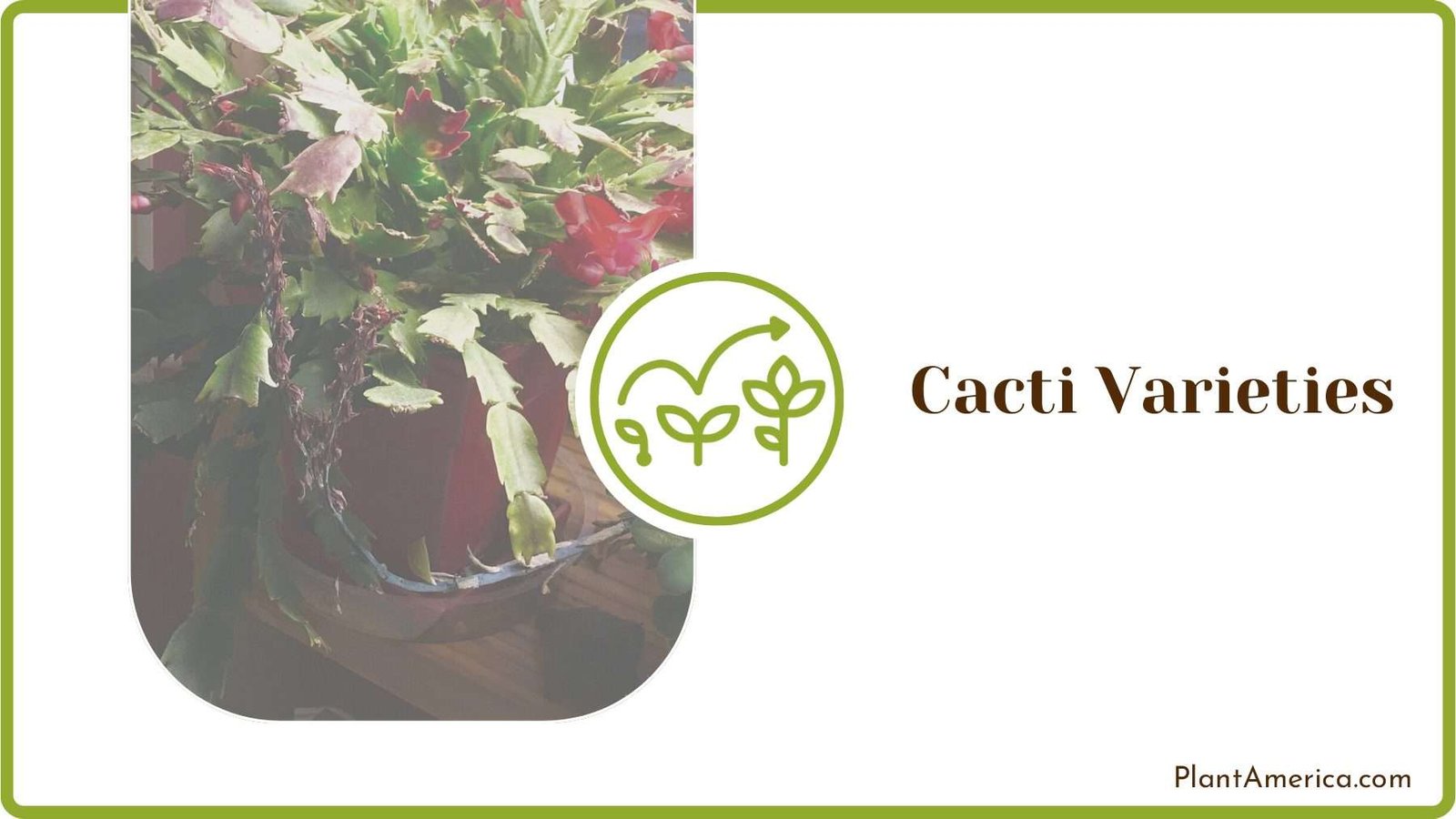
The conditions required for the growth of all holiday cactus varieties are basically the same. All varieties of Holiday cacti thrive best in moderately moist soil conditions after watering, accompanied by a limited amount of sunlight.
Conclusion
After reading this article, you can possibly attest to the fact that transplanting the Christmas cactus is a relatively easy task. The highlights given below will make it easier for you to recollect the tips:
- Transplant the Christmas cactus in a well-draining potting mix that consists of commercial organic soil, sand, and a bit of peat moss.
- You can use any pot of your choice, depending on the location where you want to place your plant, as well as your aesthetic preferences.
- Ensure that the potting soil is continuously moist, but not soggy, by using a pot with adequate drainage holes beneath it.
- Water the Christmas cactus once every fortnight after its roots are established.
- Allow your Christmas cactus to stand in sunlight for just a few hours, before exposing it to darkness for about 14 hours on a daily basis.
Enhance the beauty inside your home by growing the Christmas cactus and transplanting it the right way. This way you would have taken your gardening expertise a notch higher!
References
- https://www.extension.iastate.edu/linn/news/it-thanksgiving-christmas-or-easter-cactus
- https://www.canr.msu.edu/news/how_to_care_for_and_reflower_your_christmas_cactus
- https://www.purdue.edu/hla/sites/yardandgarden/christmas-cactus-faqs/
- https://hort.extension.wisc.edu/articles/holiday-cactus/ https://gardeningsolutions.ifas.ufl.edu/plants/houseplants/christmas-cactus-preparation.html