
Trees with long seed pods add magical whimsy to any garden, their dangling pods attracting children’s and adults’ eyes with their intricate shapes and organic charm. We will explore some trees with fascinating long seed pods that will bring wonder and joy to your outdoor sanctuary, from the rainforest-like beauty of The Monkey Puzzle Tree to the elegant Lantern Tree with its lantern-shaped pods.
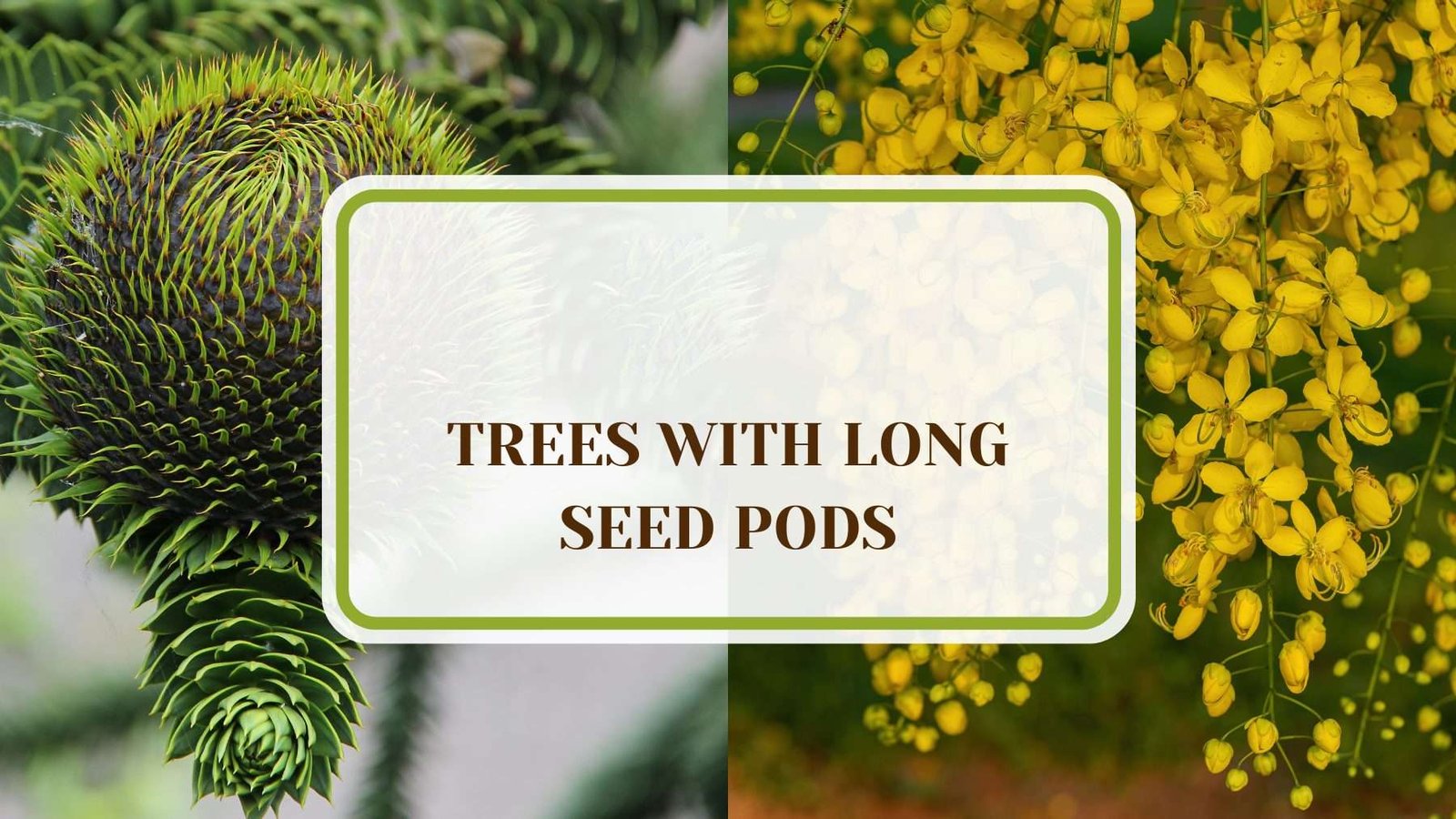
So whether you want to transform a corner of your yard into a Jungle Book-inspired retreat or infuse your garden with more natural wonder, the trees we explore will help you create an organic artwork that delights the senses and sparks the imagination for years. So read on to discover your new favorite trees with long seed pods and prepare to bring some whimsy into your life.
Trees With Long Seed Pods That Are Sure To Delight
1. Monkey Puzzle Tree
- Growing season: Year-round.
- Leaf shape: Dark glossy, Scalelike.
- Specific needs: Well drained soil, Even moisture.
- Common pest: Aphids, Scale insects.
The monkey puzzle tree, known by its scientific name Araucaria araucana, is an interesting evergreen tree native to Chile and Argentina. Its common name comes from the contorted, twisting arrangement of its branches that were said to resemble a puzzle for monkeys. The tree produces large cone-like seed pods up to 12 inches in length that hang from the branches and add whimsical charm to the landscape. When ripe, the pods split open to release winged seeds.
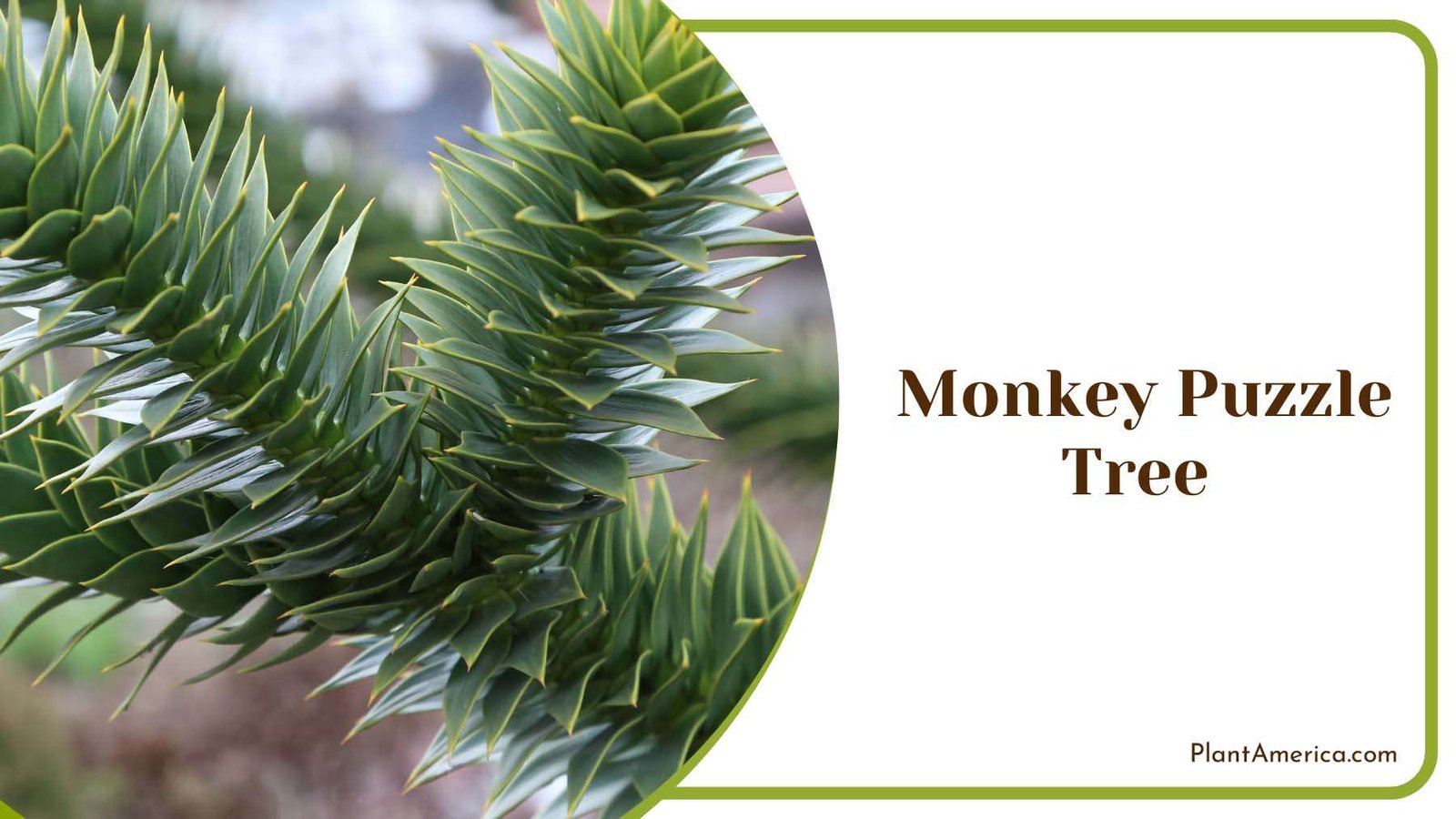
The tree thrives during full sun and requires even moisture throughout the year, especially when young. Be diligent about watering during dry periods to avoid stress. The tree’s unusual scale-like leaves help shed excess water and protect branches from sun damage.
These scale leaves give monkey puzzle trees their prehistoric appearance. To encourage strong growth and health, fertilize annually in early spring with an evergreen tree or citrus fertilizer. Inspect glossy scale leaves regularly for common citrus pests like aphids and scale insects. Treat infestations promptly to avoid damage and spread.
2. Silver Maple
- Growing season: Spring, Fall.
- Leaf shape: Simple, Lobed.
- Specific needs: Well drained soil, Even moisture.
- Common pest: Aphids, Scale insects.
The silver maple produces whimsical seed pods called samaras that hang from the tree in pairs throughout fall and winter. The winged seeds spin as they fall, adding movement and visual interest during colder months.
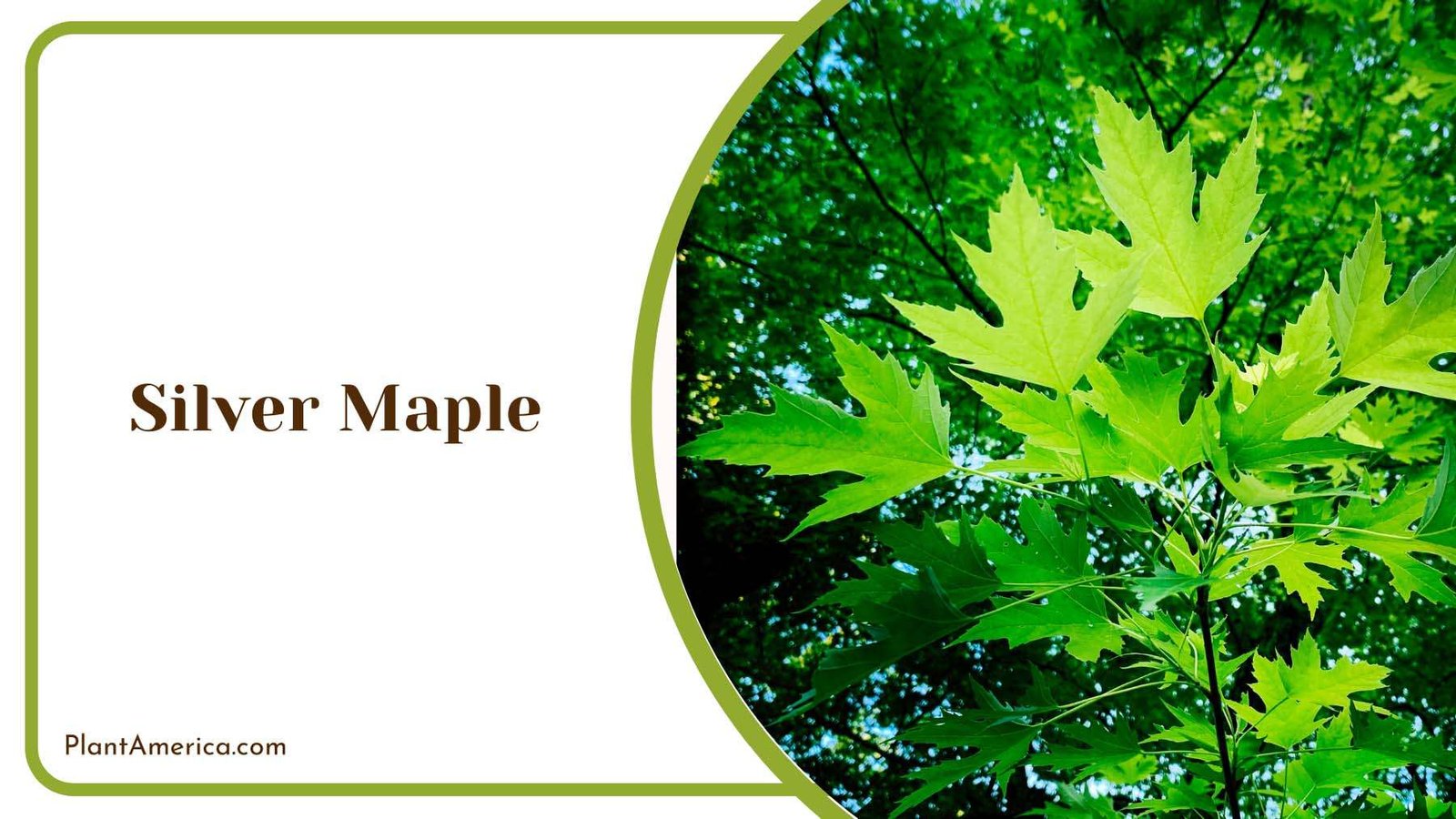
The silver maple grows rapidly in full sun to partial shade and requires consistent moisture, especially when young. Although prone to breakage in wind and ice storms, this fast-growing tree provides welcome shade in the landscape.
Apply a balanced fertilizer in spring to boost growth. Prune only as needed to maintain a strong structure. Inspect leaves for signs of leafminer damage that can reduce photosynthesis. Treat with insecticidal soap if needed.
The dangling samaras create a whimsical display of organic shapes and introduce winter movement to the landscape. Consider silver maple for large spaces where its natural form can be fully expressed. Though short-lived, the silver maple provides quick shade and winter wonder after fast-tracking through its youth.
3. Ginkgo Tree
- Growing season: Year-round.
- Leaf shape: Fan shaped, Lobed.
- Specific needs: Well-drained soil, Even moisture.
- Common pest: Aphids, Scale insects.
When mature, the ginkgo produces oval seed pods up to two inches long that emit a putrid odor intended to attract flies for seed dispersal. Female trees provide the most dramatic display of dangling seed pods in fall.
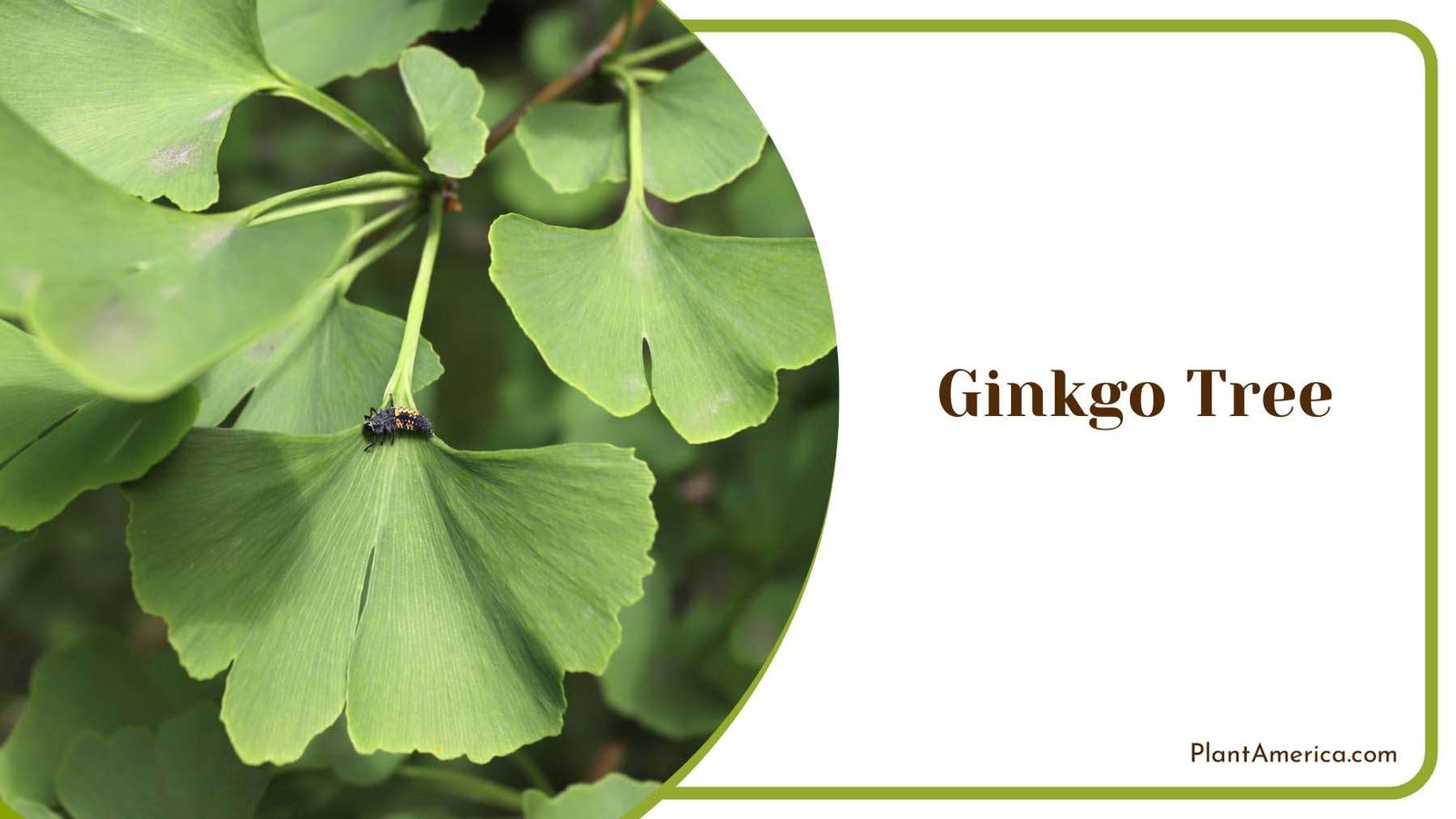
The ginkgo thrives in full sun or partial shade and requires even moisture throughout the year, especially when young. Be diligent about watering during dry periods to avoid stress. Fertilize annually in early spring to encourage strong growth. Inspect fan-shaped leaves regularly for aphids, treating them as needed to avoid damage and spread.
Its seed pods’ unusual shape, unpleasant odor, and prehistoric appearance make the ginkgo a unique and whimsical addition to the landscape. Plant female trees for a spectacular display of dangling seed pods from early fall through winter, long after leaves have dropped.
Consider underplanting with purple-leafed plants to contrast and showcase the aged appeal of the seed pods. The ginkgo’s storied history as a “living fossil” adds intrigue to its whimsical dangling pods for a dynamic display that delights the senses.
4.Black Locust
- Growing season: Spring, Summer.
- Leaf shape: Compound, Alternating leaflets.
- Specific needs: Well drained soil, Full sun.
- Common pest: Foliage beetles, Leafhoppers.
The black locust produces dangling seed pods up to 12 inches long that remain on the tree throughout winter. The long, dark green pods contain several seeds released when the pods decay and break open.
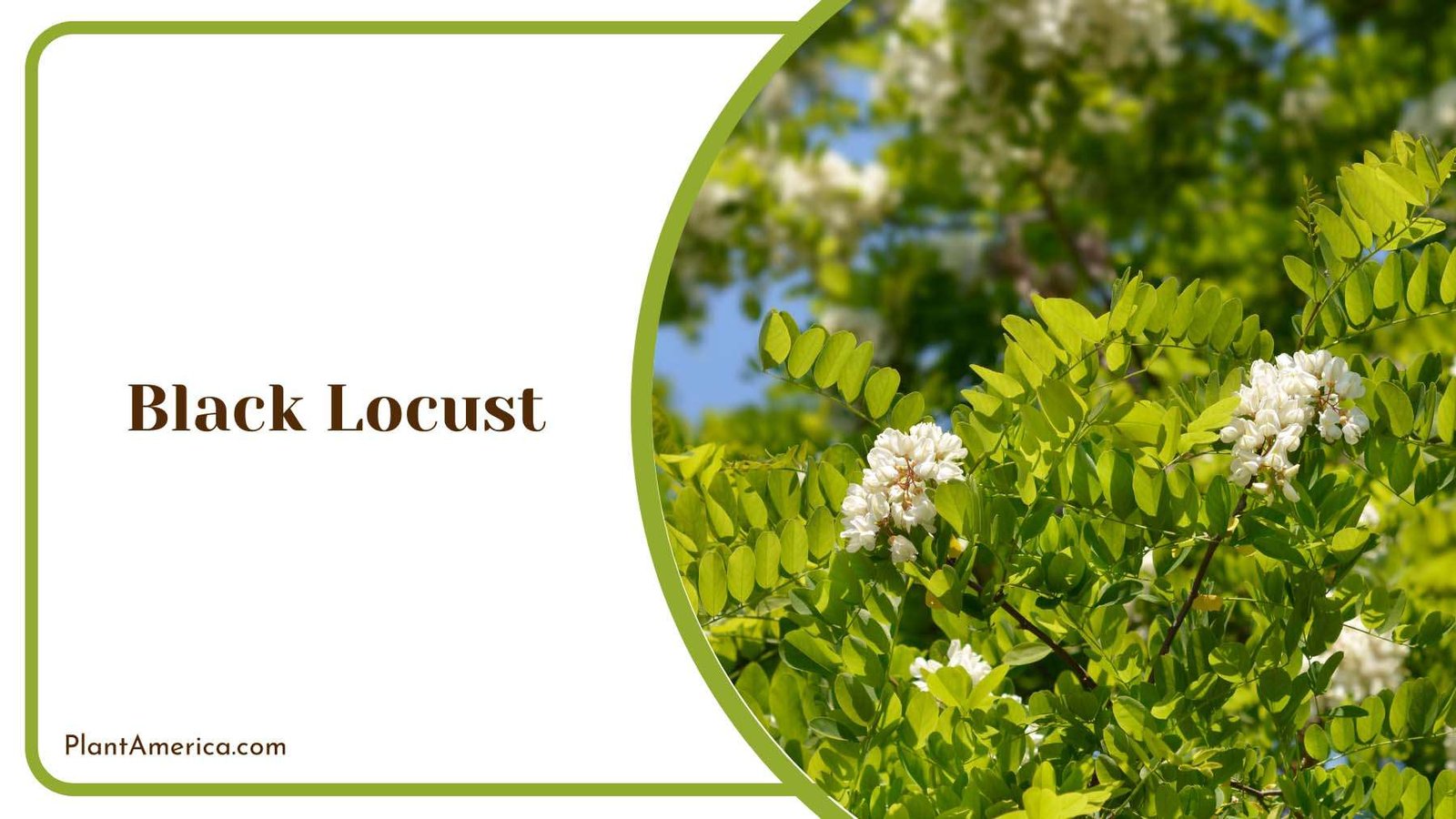
The black locust grows rapidly in full sun and requires well-drained, rocky soil. It tolerates poor soils and urban conditions better than most trees. Apply fertilizer in spring to boost growth and health. Prune only as needed to maintain a strong structure. Inspect leaves for damage from foliage beetles and leafhoppers, treating them as necessary.
The unusually long seed pods add visual interest and heighten the tree’s statuesque aesthetic during the dormant season. Consider planting black locusts if you seek an amazing winter silhouette and a tree that demands little care.
The clustered seed pods provide a natural, organic focal point and instill whimsical wonder at the curious nature of seeds, pods, and their role in the regeneration of life.
5. London Plane Tree
- Growing season: Spring, Summer.
- Leaf shape: Palmate, Compound.
- Specific needs: Full sun, Even moisture.
- Common pest: Aphids, Scale insects.
The London plane tree produces up to two inches long seed pods that hang in clusters throughout fall and winter. The pods gradually turn brown and split open to disperse flat, winged seeds that twirl to the ground.
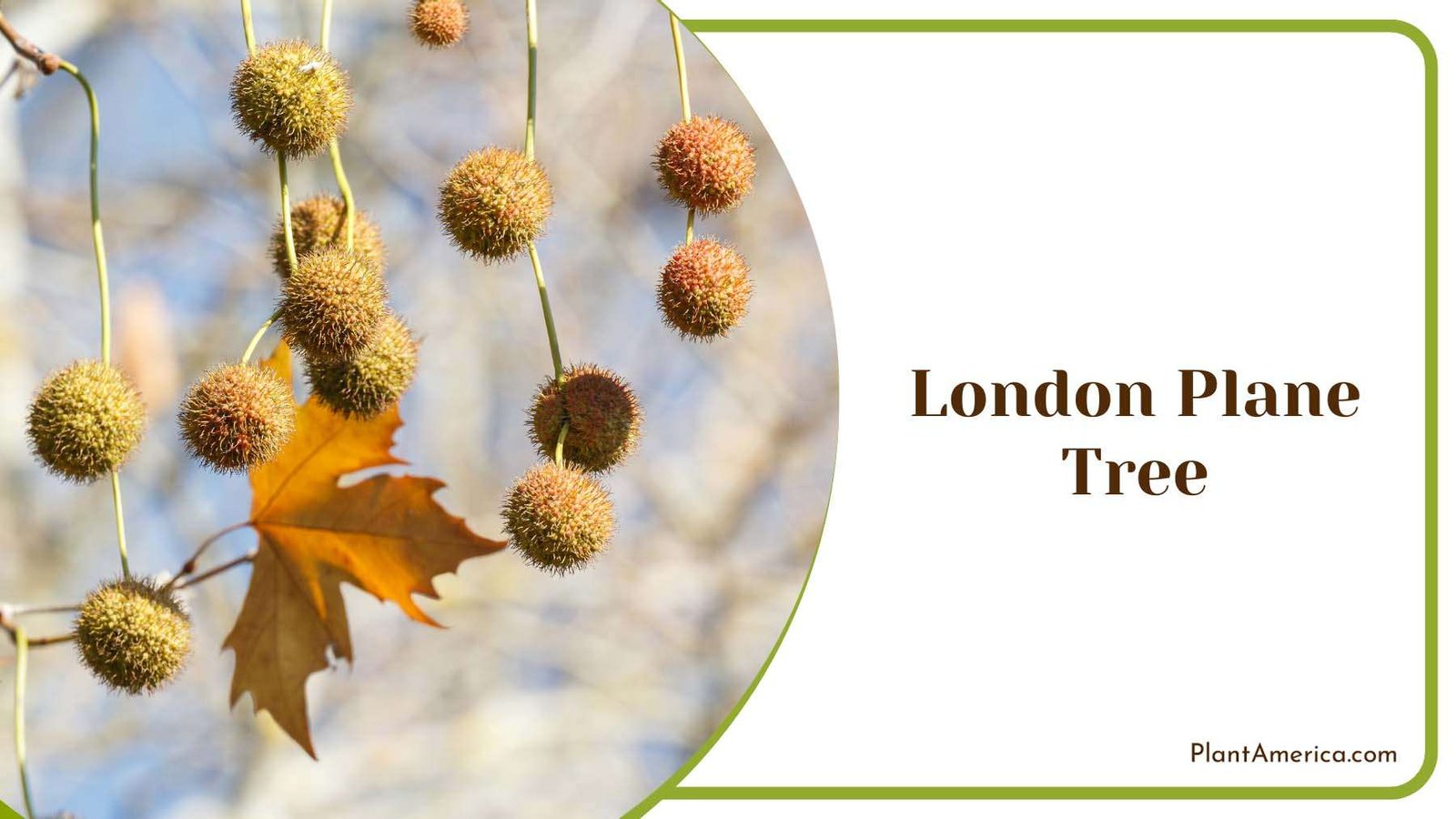
This durable tree grows rapidly in full sun and requires even, consistent moisture to prevent wilting. Apply a balanced fertilizer in spring to boost growth. Prune only as needed to maintain structure and airflow. Inspect palmate leaves regularly for aphid and scale insect damage, treating infestations promptly to avoid spread.
The dangling seed pods of the London plane tree contribute unexpected visual appeal and organic textures to the urban landscape. Consider planting London planes where a lush, full canopy is desired for shade, along with a whimsical display of dangling pods and twirling seeds for seasonal interest throughout fall and winter.
The London plane’s tolerance for harsh conditions makes it well-suited to revitalize weary cityscapes with dynamic displays of posture, proportion, and charismatic seed pods.
6. Kentucky Coffeetree
- Growing season: Spring, Summer.
- Leaf shape: Pinnate, Compound.
- Specific needs: Full sun, Even moisture.
- Common pest: Japanese beetles, Borers.
The Kentucky coffeetree produces cylindrical seed pods up to 10 inches long that remain on the tree throughout fall and winter. As they mature, the long seed pods gradually change color from green to dark brown.
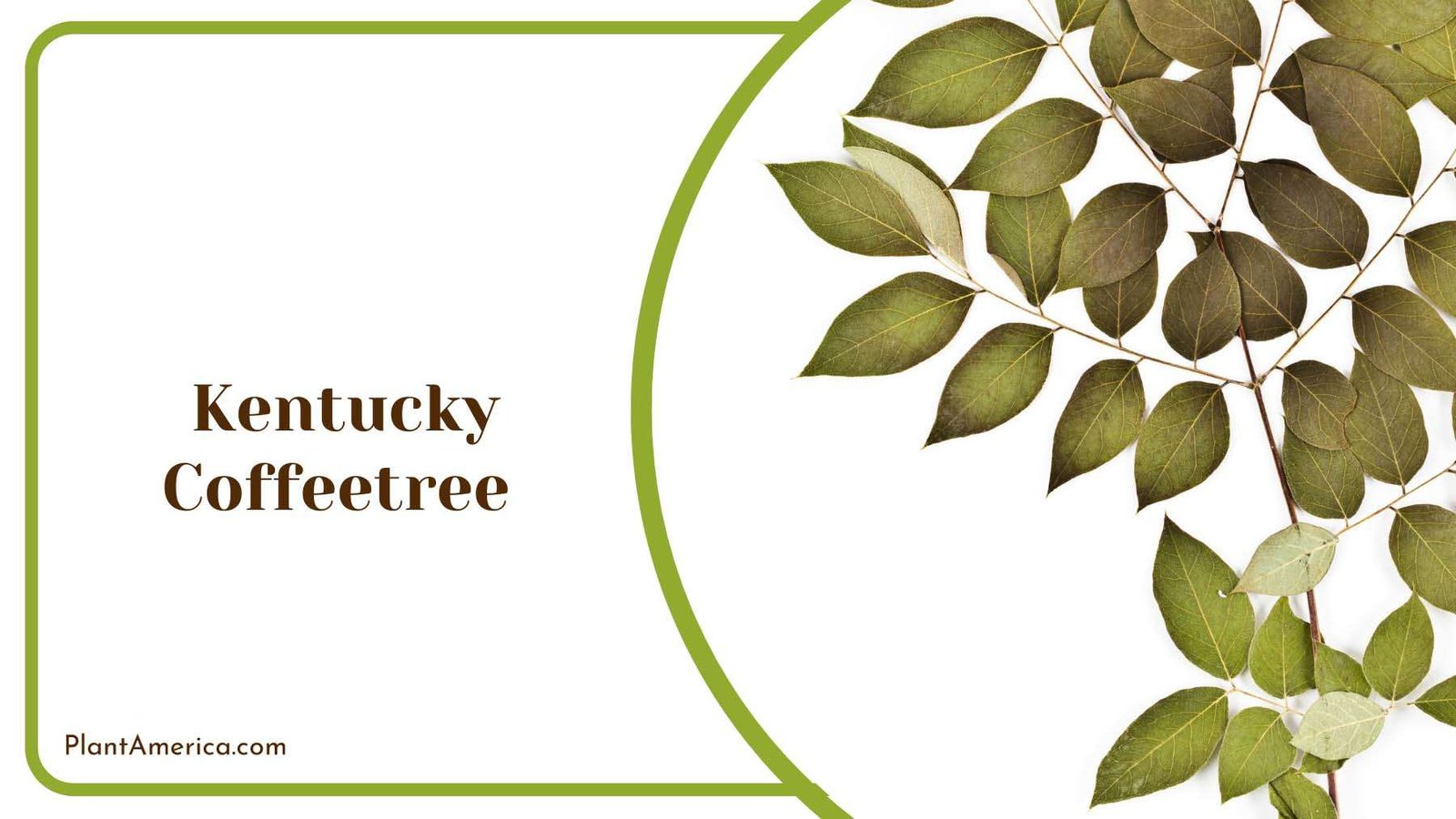
This large tree grows rapidly in full sun and requires deep, rich, moist soil and moisture. Apply fertilizer in spring to boost growth and health. Prune only as needed to maintain structure. Inspect leaves for damage from Japanese beetles and borers, treating them as necessary.
The long, slender seed pods of the Kentucky coffeetree add winter whimsy and visual appeal to the landscape for months after leaves have fallen.
Consider planting this majestic specimen in broad, open areas where its vaulted canopy and captivating seed pods can be fully appreciated. Although not edible, the name alludes to the tree’s historical use as a coffee substitute made from its roasted seeds which contain caffeine.
7. Cercis Canadensis
- Growing season: Spring, Summer.
- Leaf shape: Heart shaped, Simple.
- Specific needs: Full sun, Even moisture.
- Common pest: Aphids, Japanese beetles.
The eastern redbud produces leathery seed pods up to six inches long that hang from bare branches throughout winter. The long pods eventually turn deep brown and contain several flat seeds that disperse when pods decay and open.
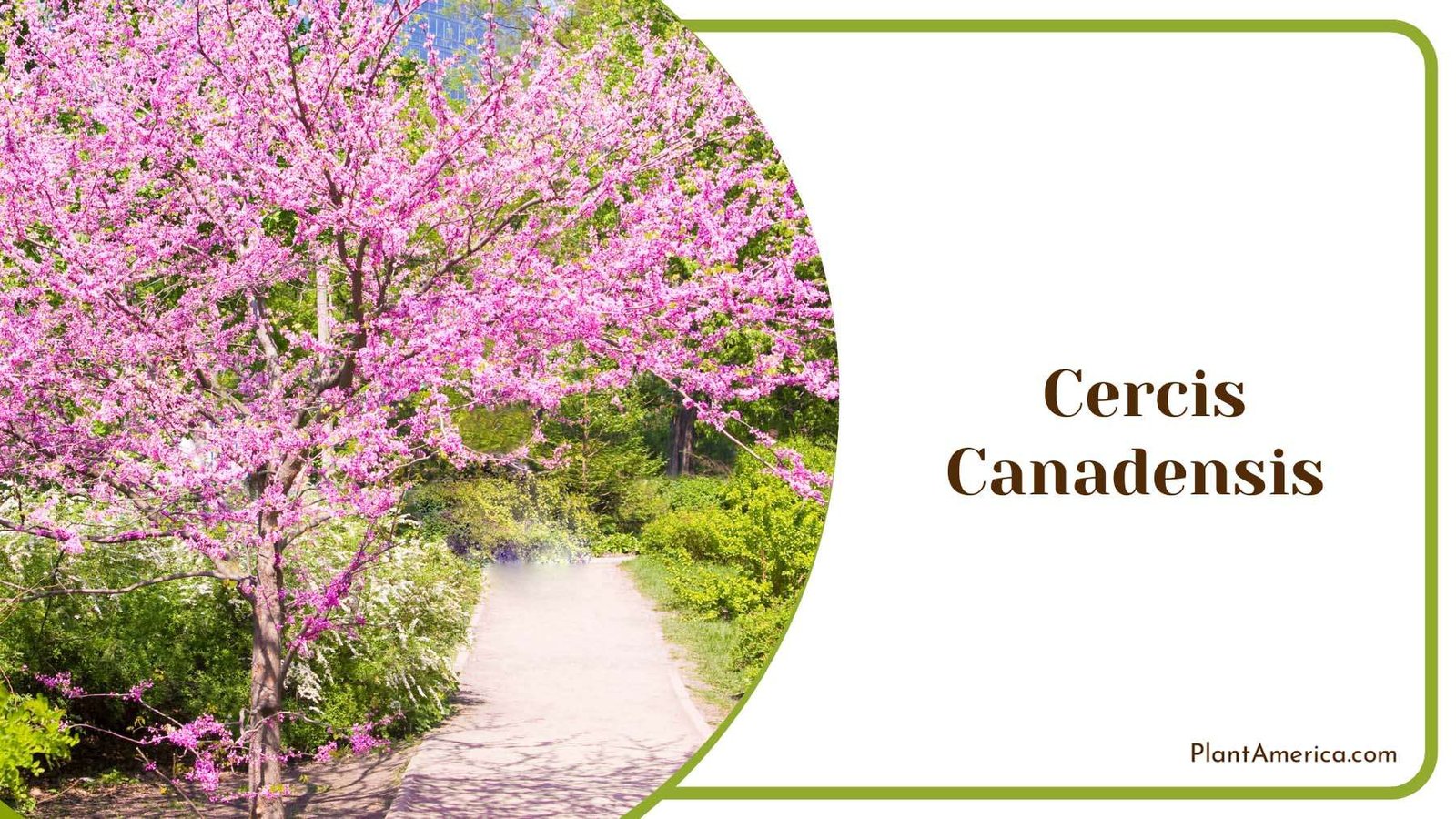
This small tree grows best in full sun and requires evenly moist, well-draining soil. Severe drying can cause leaf drop. Apply fertilizer in spring to boost growth. Prune only as needed to maintain shape. Regularly inspect heart-shaped leaves for damage from aphids and Japanese beetles, treating infestations promptly to avoid spread.
The stunning seed pods of the eastern redbud contribute visual contrast and texture against its bare winter branches long after its pink spring blooms have faded.
Consider underplanting redbuds with early spring bulbs to highlight the graceful, dangling pods that add whimsy, shape, and dimension to the winter landscape. The eastern redbud’s cherry bloom time and robust health make it a valuable addition where vertical interest and winter wonders are desired.
8. Tulip Tree
- Growing season: Spring, Summer.
- Leaf shape: Alternate, Simple.
- Specific needs: Full sun, Even moisture.
- Common pest: Leaf miners, Borers.
The tulip tree produces cone-like seed pods up to six inches long that hang from bare branches throughout fall and winter. The long pods eventually turn brown and split open to release flat seeds.
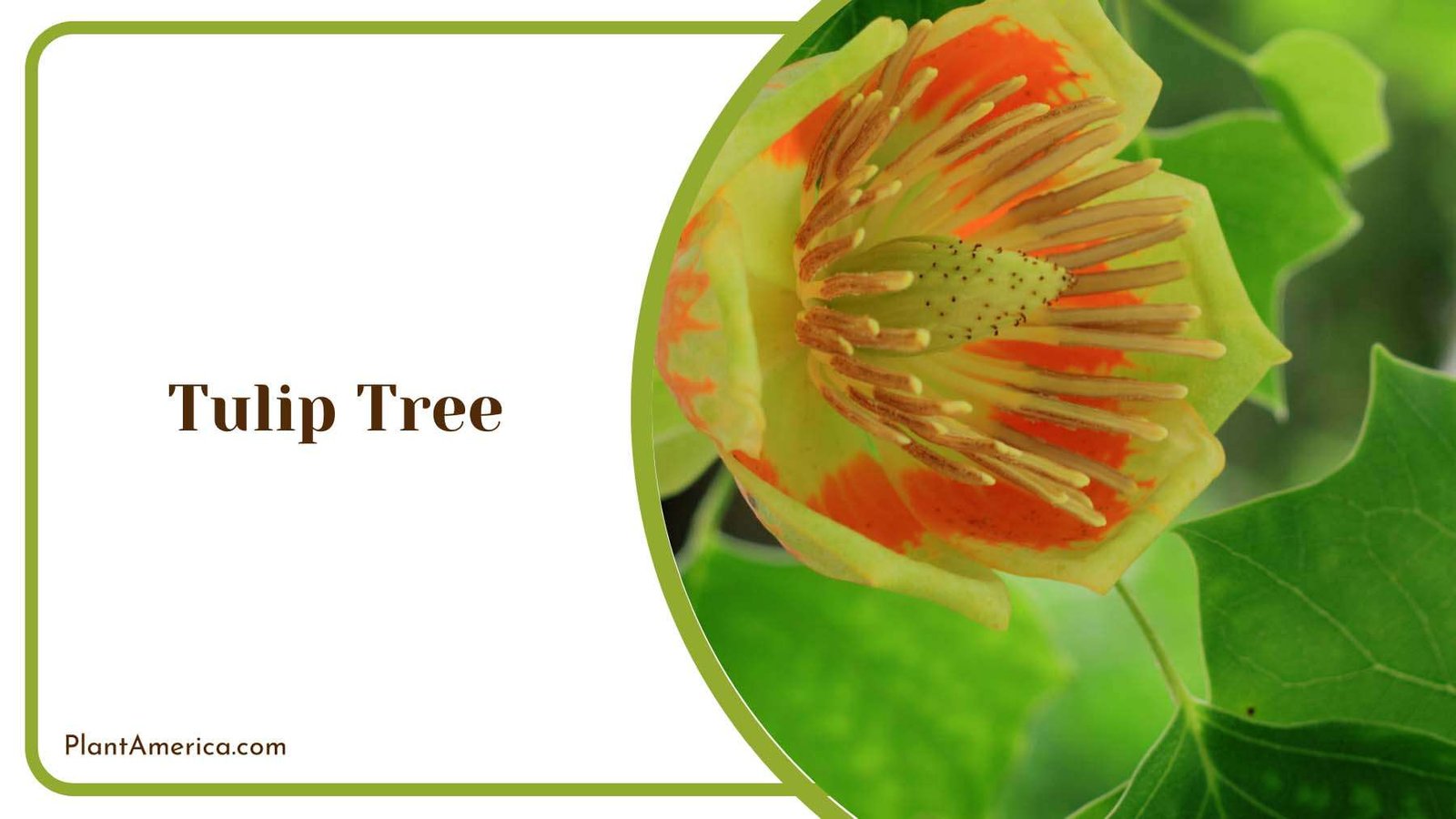
This large tree grows rapidly in full sun to partial shade and requires deep, rich, moist soil and even moisture. Apply fertilizer in spring to boost growth and health. Prune only as needed for structure. Regularly inspect alternate, simple leaves for damage from leaf miners and borers, treating them as necessary.
The dangling seed pods of the tulip tree provide seasonal interest for months after leaves have fallen in autumn. Consider underplanting tulip trees with tall grasses or conifers to highlight their dramatic silhouettes and captivating seed pods during the dormant season.
Though short-lived, the tulip tree’s fast growth, shade capacity, and cold hardiness make it a valuable addition where vertical height and architectural prowess are desired in the landscape.
9. African Tulip Tree
- Growing season: Spring, Fall.
- Leaf shape: Alternate, Pinnate, Compound.
- Specific needs: Full sun, Even moisture.
- Common pest: Aphids, Borers.
The African tulip tree produces cone-shaped seed pods up to eight inches long that remain on bare branches throughout winter. The long pods gradually turn brown and eventually split to release winged seeds.
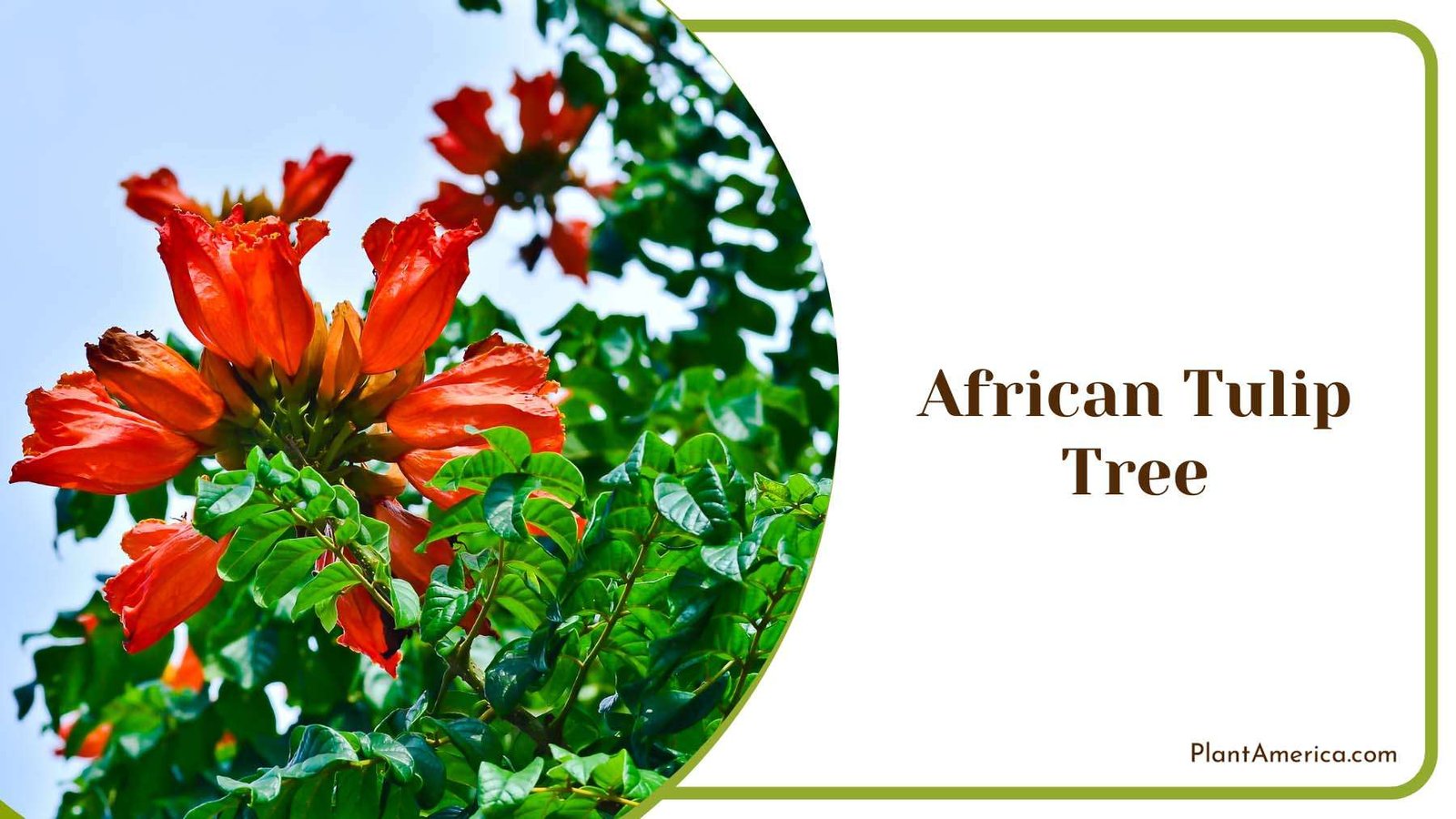
This exotic tree grows rapidly in full sun and requires deep, rich, moist soil and moisture. Apply fertilizer in spring to boost growth and health. Only prune when necessary to maintain a strong structure. Regularly inspect leaves for damage from aphids and borers, treating infestations quickly to avoid spread.
The unusual cone-shaped seed pods of the African tulip tree contribute unexpected whimsy and architectural interest to the winter landscape for months. Consider planting this elegant specimen as a showpiece accent where its dangling seed pods and prehistoric form can be fully appreciated.
Underplanting with purple flowers and foliage helps illuminate the organic geometry and autumnal artwork of the African tulip tree’s captivating pods.
10. Golden Rain Tree
- Growing season: Spring, Summer.
- Leaf shape: Alternate, Compound.
- Specific needs: Full sun, Even moisture.
- Common pest: Aphids, Scale insects.
The golden rain tree produces flat seed pods up to five inches long that hang from bare branches throughout winter. The long pods eventually split open to release numerous flat seeds that flutter to the ground.
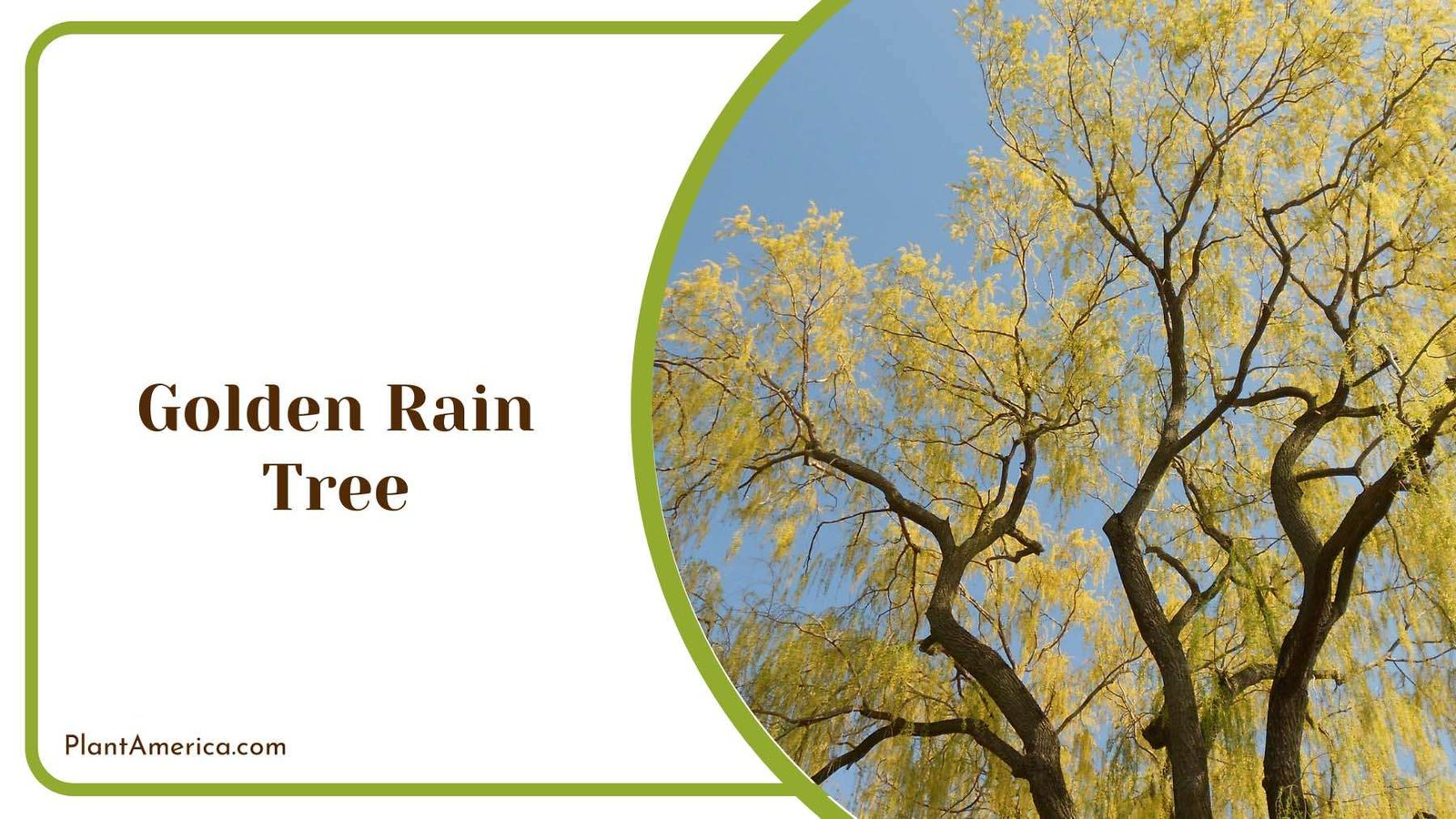
This medium-sized tree grows rapidly in full sun and tolerates heat, drought, and pollution once established. Apply a balanced fertilizer in spring to aid growth. Prune only as needed to maintain structure. Inspect leaves for aphid and scale insect damage, treating with insecticidal soap or horticultural oil if needed.
The dangling seed pods of the golden rain tree add texture, depth, and organic rhythm to the winter landscape. Consider planting this mellow tree underneath large oaks or as a street tree where it is drooping; pod-laden branches will bring whimsy and visual texture for months after leaves have fallen in autumn.
Though underutilized, the golden rain tree’s adaptability and low-maintenance nature make it a smart addition for places wanting seasonal wonder without ongoing demands.
11. Washingtonia Palm
- Growing season: Year round.
- Leaf shape: Palmate, Fanlike.
- Specific needs: Full sun, Even moisture.
- Common pest: None.
The Washingtonia palm produces cylindrical seed pods up to six inches long that remain on the tree throughout winter. The long pods eventually split open to release several round seeds.
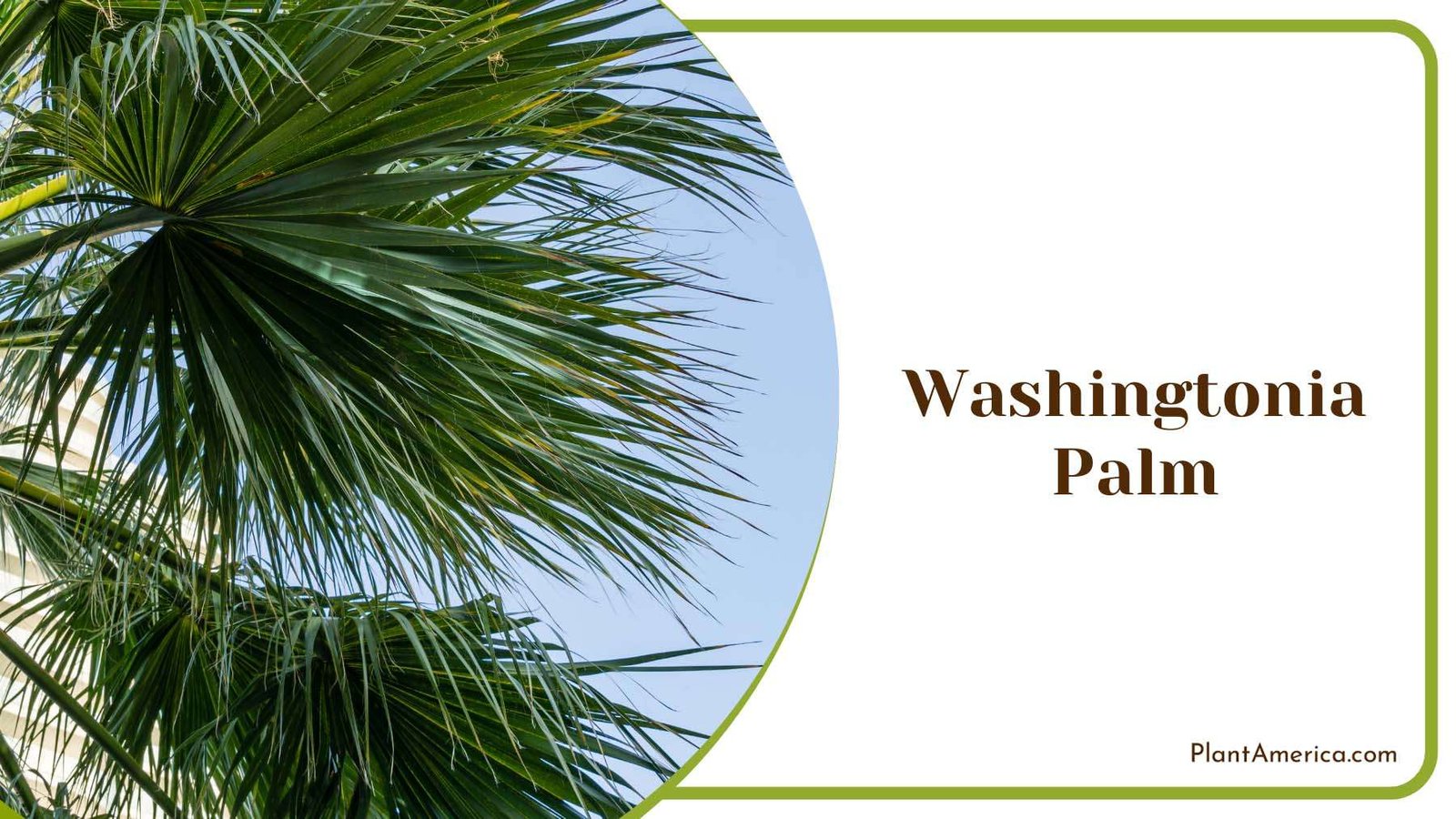
This slow-growing palm tree tolerates heat, drought, and cold. It grows best in full sun and requires consistent, even irrigation.
Apply palm fertilizer in spring to boost growth. Otherwise, the Washingtonia palm requires minimal care. There are no serious pest problems.
The dangling seed pods of the Washington palm add unexpected texture, whimsy, and contrast to the winter landscape. Consider planting this elegant palm as a focal point where its downward-arching fronds and cylindrical seed pods can make a dramatic architectural statement for months after the seeds have dispersed.
12. Yellow Wood
- Growing season: Year round.
- Leaf shape: Pinnate, Compound.
- Specific needs: Full sun, Even moisture.
- Common pest: Aphids, Scale insects.
The yellowwood produces cone-like seed pods up to four inches long that dangle from branches throughout fall and winter. The long pods eventually split open to release numerous flat seeds.
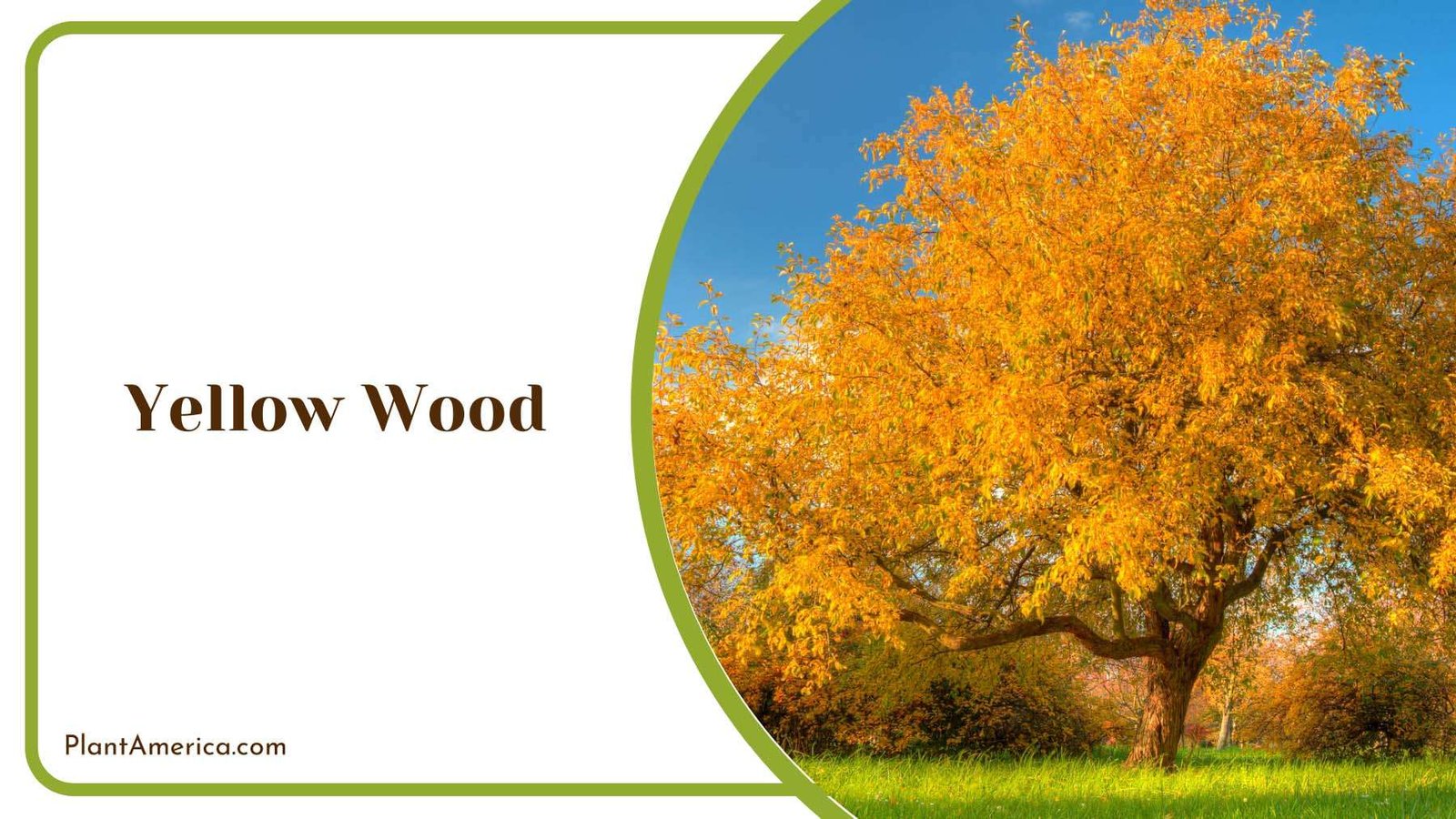
This medium-sized shade tree grows best in full sun and requires well-drained, slightly acidic soil. It tolerates drought, heat, and pollution once established. Apply fertilizer annually in early spring to boost growth. Prune as needed for structure. Inspect pinnate leaves regularly for aphid infestations, treating them promptly with insecticidal soap.
The dangling seed pods of the yellowwood introduce organic geometry and visual interest to the winter landscape for months after leaves have fallen in autumn. Consider planting this enduring species as a large shade tree where its unusual cone-shaped pods can extend the aesthetic appeal of its branching structure and add unusual charm to winter gardens and yards looking for a touch of the unexpected.
13. Holly Oak
- Growing season: Spring.
- Leaf shape: Palmate, Spiny.
- Specific needs: Well-drained soil, Occasional irrigation.
- Common pest: None.
The holly oak produces seed pods up to six inches long that remain on branches throughout winter. The long pods consist of several individual compartments containing multiple winged seeds.
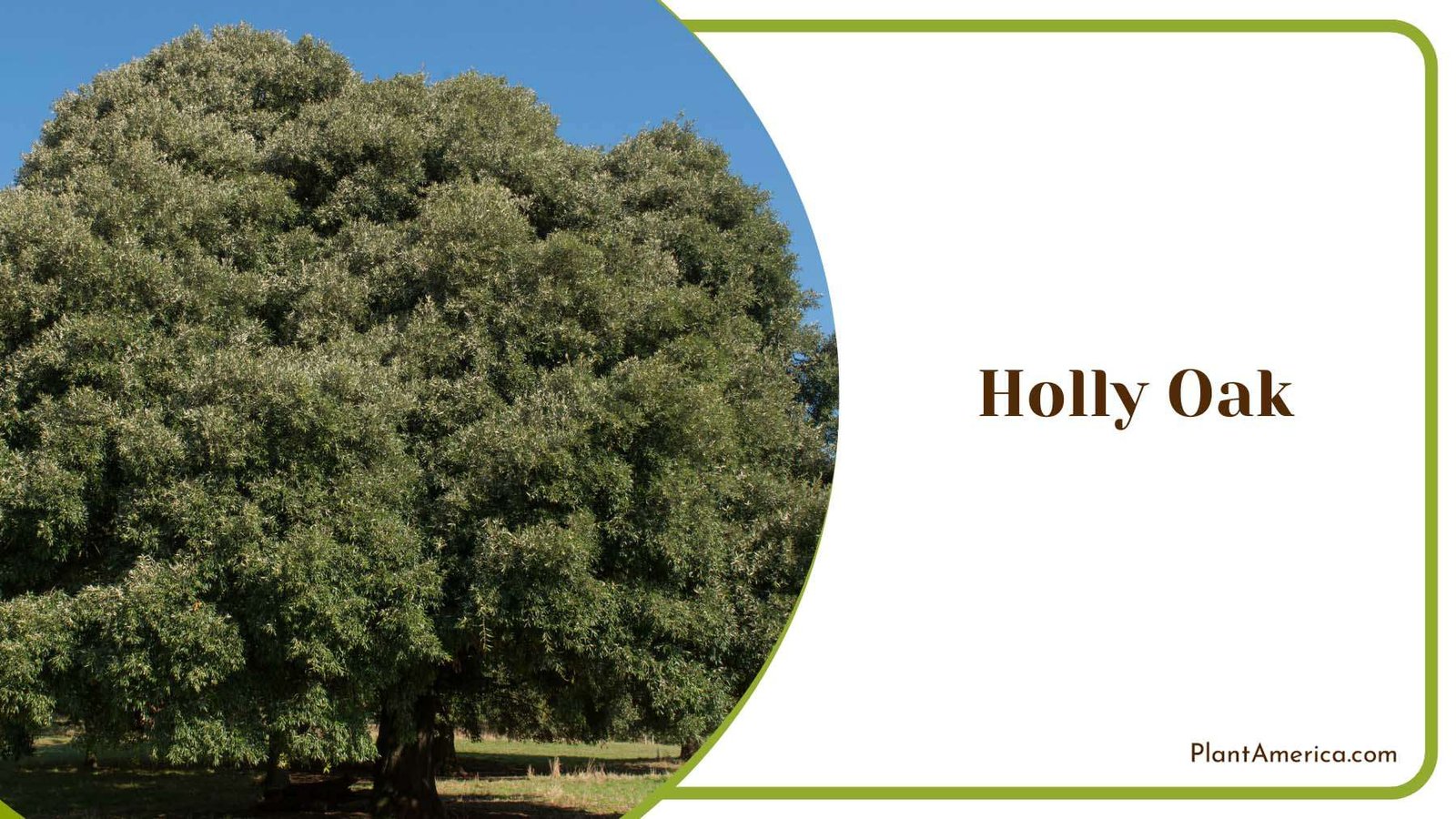
This evergreen tree grows slowly in full sun to partial shade and requires well-drained, acidic soil. Irrigate occasionally during drought. The spiny, leather leaves protect from pests and browse. Add a slow-release fertilizer in spring to boost growth.
The unusually long, conical seed pods of the holly oak provide visual interest layered amongst the prickly holly-like foliage. Consider planting this formal evergreen tree where year-round structure and sculptural seed pods are desired.
14. Cassia Trees
- Growing season: Spring, Summer.
- Leaf shape: Pinnate, Alternate, Compound.
- Specific needs: Full sun, Even moisture.
- Common pest: Spider mites, Japanese beetles.
Cassia trees produce long cylindrical seed pods that often remain on branches through winter. As they mature, the long seed pods gradually change color from green to dark brown. These medium-sized trees grow rapidly in full sun and require well-draining soil.
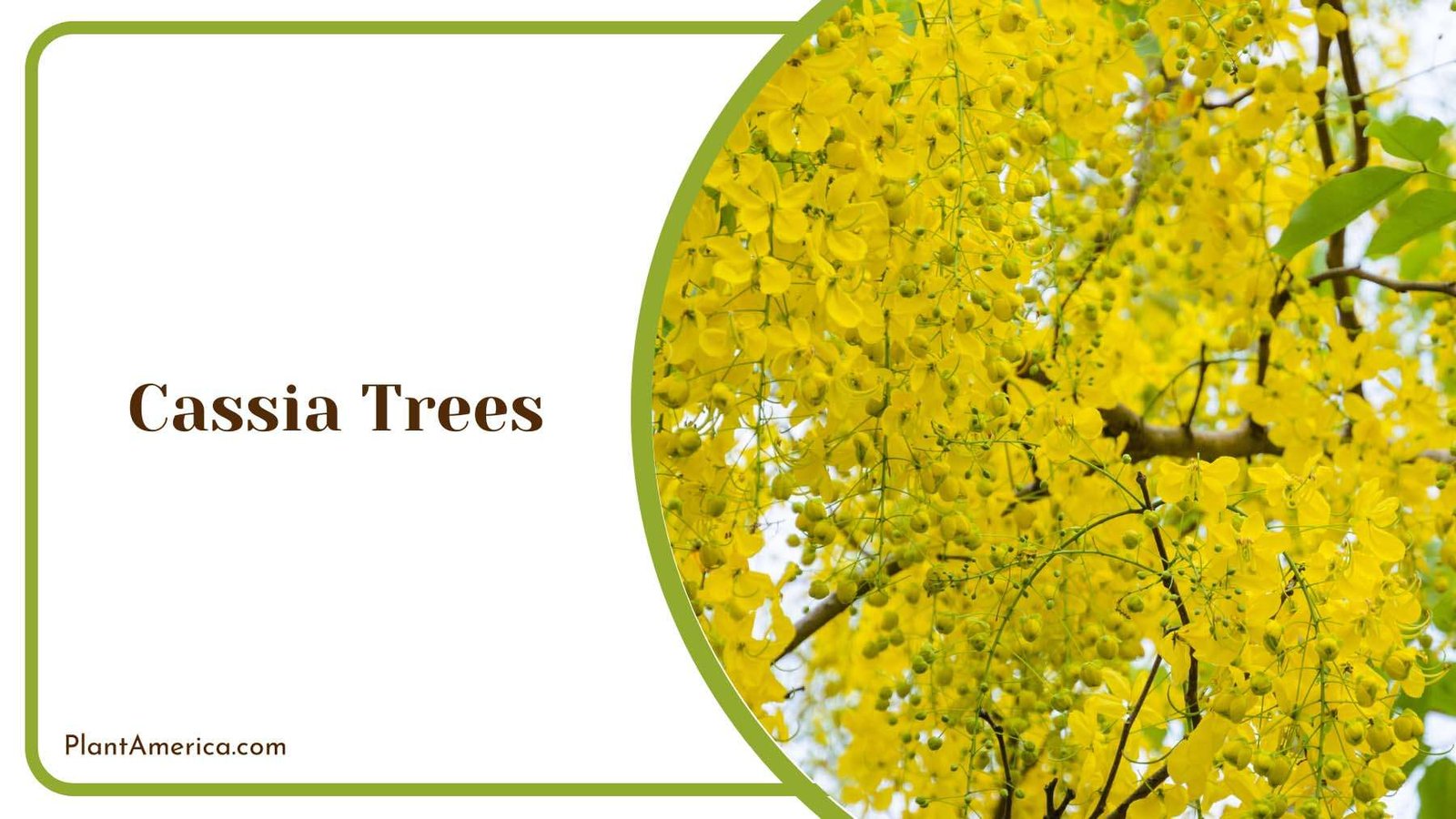
Apply fertilizer annually in early spring to boost growth. Prune only as needed for structure. Inspect compound leaves regularly for damage from spider mites and Japanese beetles, treating infestations promptly to avoid spread.
The long, dangling seed pods of cassia trees bring unexpected whimsy and textural contrast to the winter landscape. Consider planting cassia trees where their organic sculptural forms and architectural branching can be fully exhibited.
15. Mexican Bird of Paradise
- Growing season: Year round.
- Leaf shape: Palmate, Alternate, Compound.
- Specific needs: Full sun, Even moisture.
- Common pest: None.
The Mexican bird of paradise produces cylindrical seed pods up to eight inches long that remain on bare branches throughout winter. The long pods eventually split open to release several winged seeds.
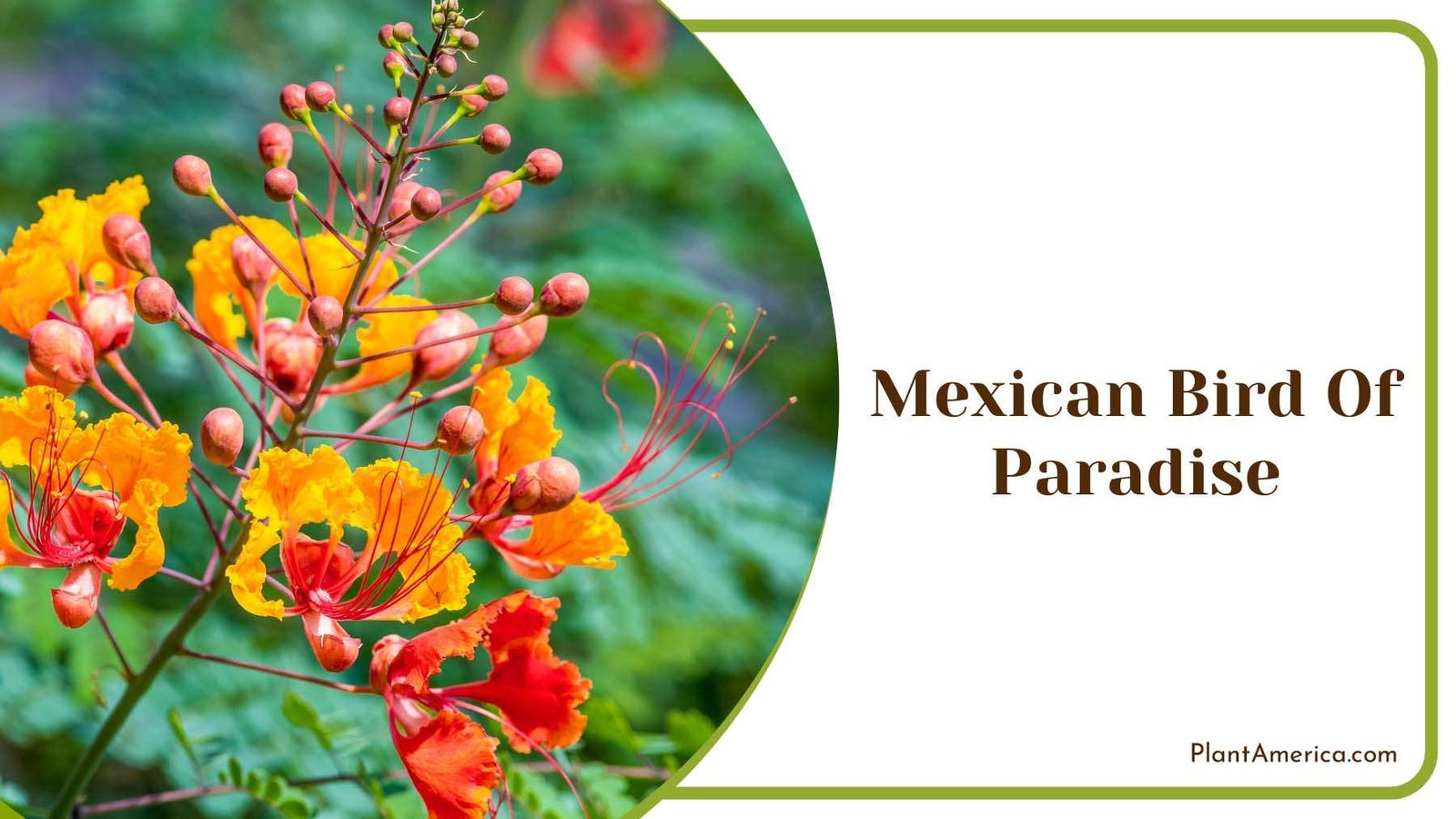
This exotic shrub grows best in full sun and requires consistent, even Irrigation. Apply slow-release fertilizer annually in early spring to boost growth. Otherwise, the Mexican bird of paradise requires minimal care. There are no serious pest problems.
16. Lantern Tree
- Growing season: Spring, Summer.
- Leaf shape: Spring, Summer.
- Specific needs: Full sun, Even moisture.
- Common pest: Aphids, Scale insects.
The lantern tree produces lantern-shaped seed pods up to six inches long that hang from branches throughout fall and winter. The long pods consist of several separate chambers containing tiny winged seeds.
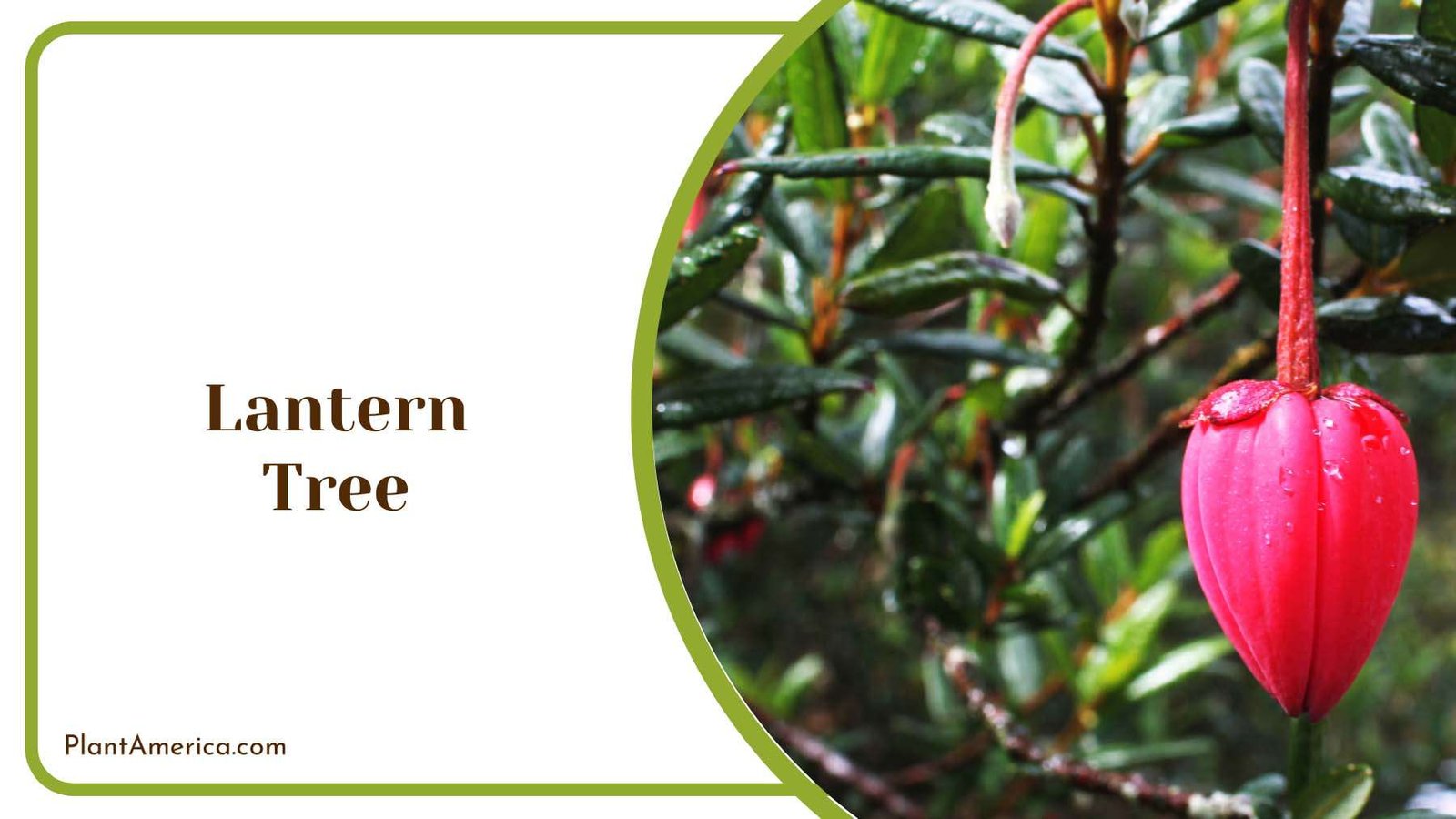
This medium-sized tree grows rapidly in full sun and requires moist, well-draining soil. Apply fertilizer annually in early spring to boost growth. Prune as needed for structure. Regularly inspect leaves for aphid and scale damage, treating them promptly to avoid spread.
17. Golden Chain Tree
- Growing season: Spring, Summer.
- Leaf shape: Pinnate, Alternate, Compound.
- Specific needs: Full sun, Even moisture.
- Common pest: Aphids, Scale insects.
The golden chain tree produces cylindrical seed pods up to four inches long that remain on branches throughout fall and winter. The long pods eventually open to release small seeds with “wings” of colored fibers.
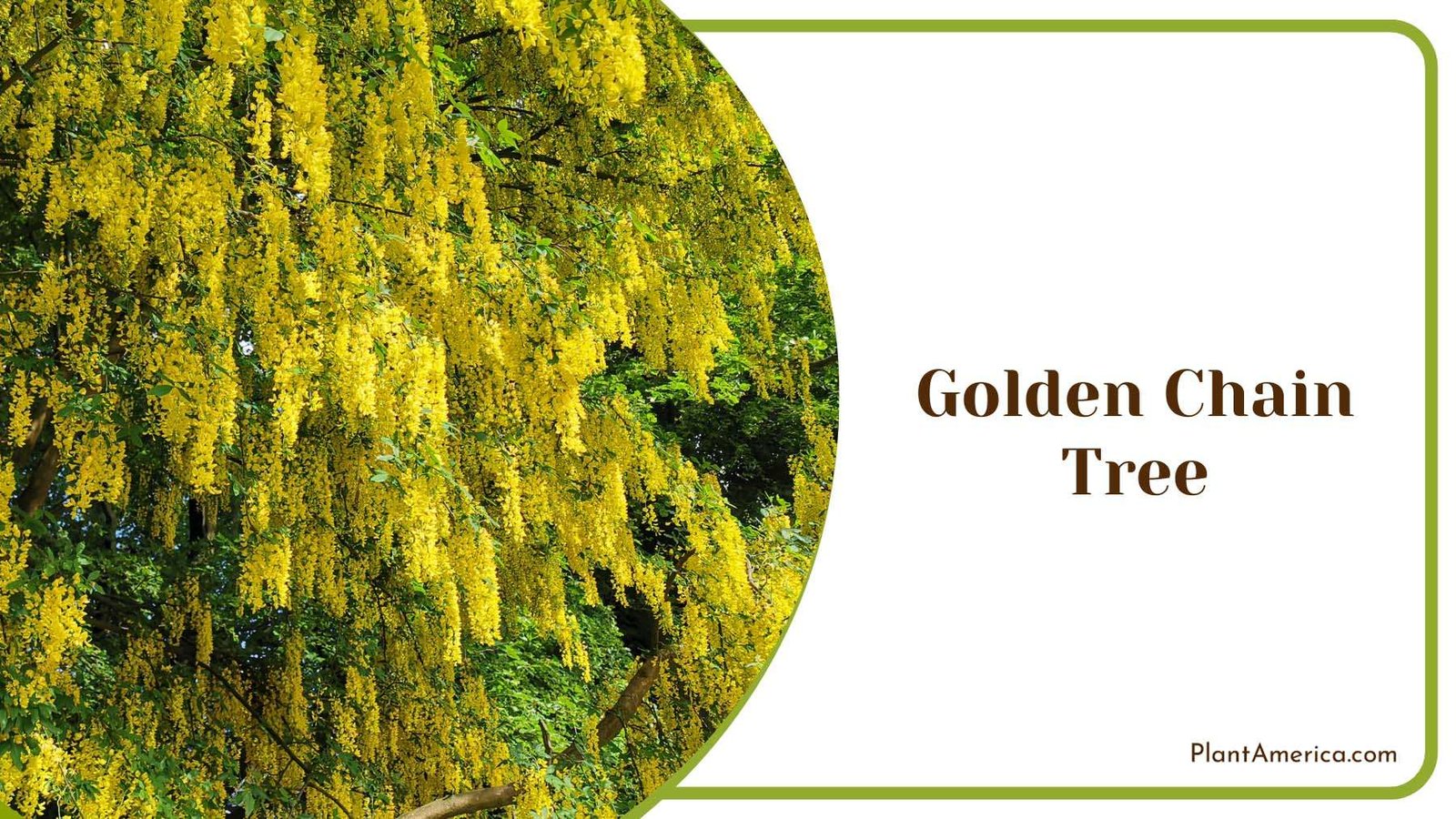
This medium-sized tree grows rapidly in full sun and requires consistent moisture, especially when young. Apply fertilizer annually in early spring to boost growth. Prune as needed for structure. Regularly inspect leaves for aphid damage, treating infestations promptly to avoid spread.
18. Crape Myrtle
- Growing season: Spring, Summer.
- Leaf shape: Alternate, Simple.
- Specific needs: Full sun, Even moisture.
- Common pest: Aphids, Scale insects.
The crape myrtle produces seed pods up to four inches long that remain on dormant branches into winter. The cylindrical pods gradually turn dark brown and split open at maturity to release numerous winged seeds.
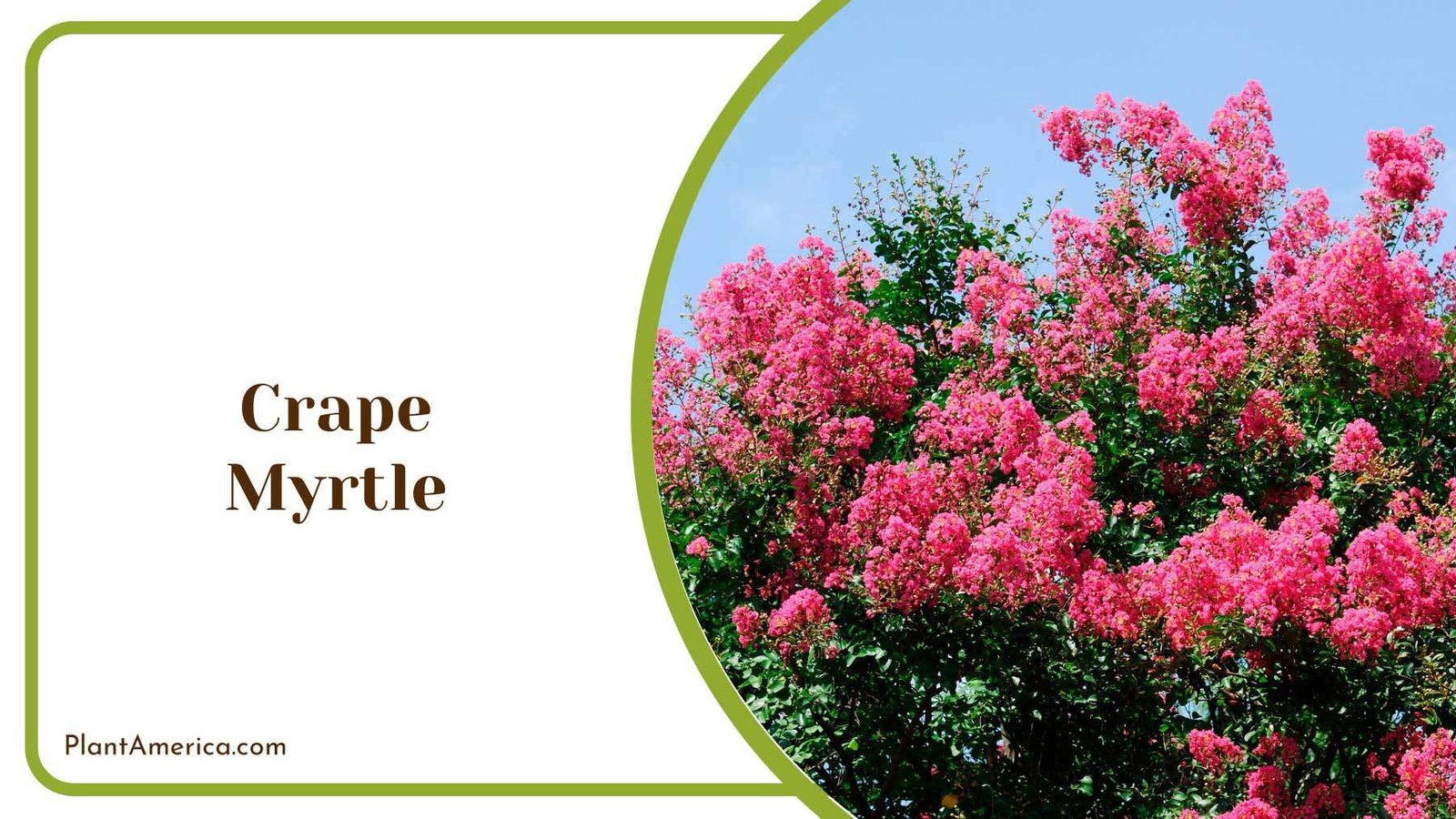
This medium-sized flowering tree grows rapidly in full sun and requires evenly moist, well-draining soil. Apply balanced fertilizer annually in early spring to boost growth. Prune branches as needed for structure. Regularly inspect simple leaves for aphid and scale damage, treating them promptly to avoid spread.
Conclusion
Transforming your yard into an organic wonderland is easier than you think when incorporating some whimsical trees with long seed pods explored in this article.
- The Mexican bird of paradise produces cylindrical seed pods up to eight inches long that remain on bare branches throughout winter
- The golden rain tree produces flat seed pods up to five inches long that hang from bare branches throughout winter.
- The black locust produces dangling seed pods up to 12 inches long that remain on the tree throughout winter.
These curious trees’ long, dangling seed pods provide unexpected beauty and invite moments of discovery and delight throughout the year. Add a touch of nature’s whimsy to your yard by incorporating some easy-to-grow trees with captivating seed pods that will bring natural magic for years.