
“How to get rid of mealybugs on my orange tree,” is a big worry for a lot of gardeners. If you spot the early signs of infestation, you can keep your tree safe by pruning out light infestations, doing alcohol drenching, and using commercial sprays.
If you want a step-by-step explanation to ensure safety, then read till the end.
How to Get Rid of Mealybugs on Your Orange Tree
To get rid of mealybugs on your orange tree, first identify the pests and then prune the tree. Then, hose down the bugs, inspect after rinsing, and use natural remedies like insecticidal soap. For remaining mealybugs, you can reapply treatments or use commercial sprays.
1. Identify the Bugs First
Before you learn how to get rid of mealybugs on citrus trees, you must be sure you’re dealing with the right pest. Misidentification can lead to using the wrong treatments, which might be ineffective and even harm your tree further.
Citrus mealybugs are small, soft-bodied insects covered with a white, powdery wax. When present in large numbers, they might cause yellowing of the leaves, stunted growth, or even leaf drop.
One common sign of a mealybug infestation is a sticky substance on the leaves or fruit. It can cause a mold called sooty mold. Even though the mold doesn’t directly hurt the tree, it can cover the leaves and stop sunlight from reaching them, which messes up photosynthesis.
Now, you might wonder, are mealybugs harmful to orange trees? Yes, citrus mealybug damage can lead to the fruits developing unsightly blemishes or even dropping prematurely.
2. Prune out the Tree For Better Application
After confirming that you’re dealing with mealybugs, prepare your orange tree for treatment. Pruning is one of the first steps to eliminate these pests from your plants.
Why prune? Well, pruning cuts off the infested parts of the tree, lowering the number of mealybugs. It also makes other treatments work better because you can easily reach the hidden plant parts.
Remember that thoroughness is critical when considering how to get rid of mealybugs on my orange tree at home. Every part of the tree that shows signs of infestation should be addressed, ensuring no mealybugs are left behind.
To start pruning, use clean, sharp shears. Begin by removing any dead or discolored branches. Then, look for areas with a high concentration of mealybugs and prune those sections. Make sure to dispose of the pruned parts away from other plants to prevent any potential spread of the pests.
Once you’re done pruning, make sure to clean your tools really well. A simple wash with soap and water followed by a wipe-down with rubbing alcohol can prevent this problem.
3. Hose Down To Control Mealybugs
Out of all, how to get rid of mealybugs on lemon trees is one of the most asked queries, and the answer is water spray. One easy step you can take is to use water. Yes, that’s right – a good strong water spray from your garden hose. The best part is that the same method can be applied to orange trees!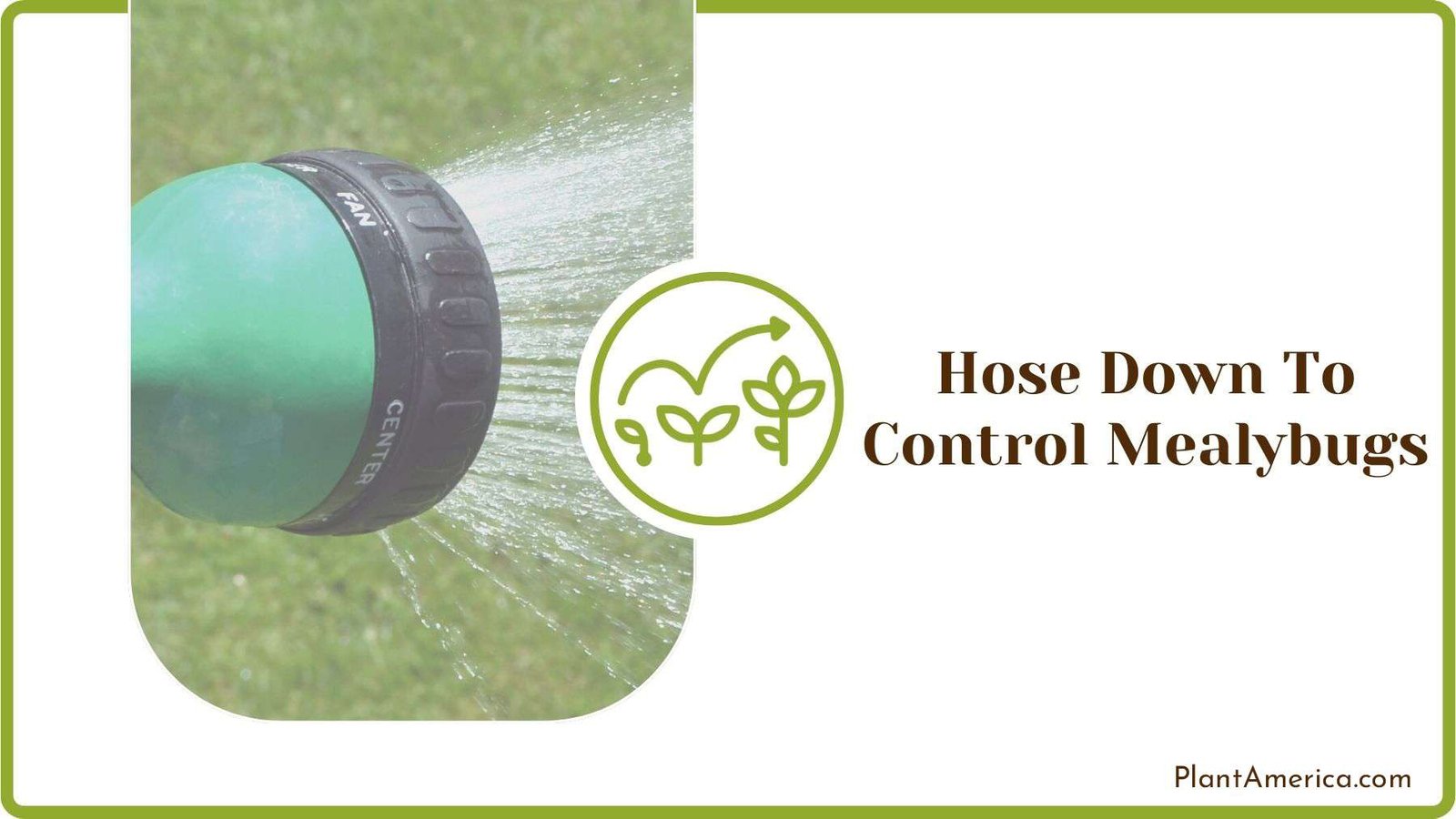
Start at the base of your tree and move upwards, covering all the leaves, branches, and mainly the underside of the leaves where mealybugs love to hide. The water’s force will knock many bugs off the tree. You might have to do this a few times, especially if your tree is large or the infestation is severe.
4. Inspect the Bug Infestations After Rinsing
Please wait for your tree to dry, and then carefully inspect it. Look for any signs of the mealybugs. Check the usual spots – the undersides of leaves, the stems, and any nooks or crannies they might hide in. If you find any remaining mealybugs, note down where they are.
It’s also a good idea to repeat this inspection every few days. Mealybugs are sneaky, and they might come back. Keeping a close eye on your tree ensures you catch any new infestations early.
5. Use Natural Remedies Now if You Still See Bugs
You’ve identified, pruned, and hosed down the bugs, yet you still notice some pests clinging to your orange tree.
Insect-killing soaps: This is  a safe and effective way to handle many soft-bodied pests, not just mealybugs. To use it, mix the soap per the label instructions and spray it thoroughly over your tree. Make sure to cover all surfaces.
Neem Oil: It is not just good against insect pests but also works against fungi. When mealybugs (or their friends like scale insects, soft scales, or spider mites) come into contact with neem oil, it disrupts their ability to feed, grow, and reproduce. Mix it per the product’s directions and ensure every part of the tree gets a good coating.
Horticultural Oil: These are refined oils specifically designed to combat garden pests. Like the other remedies mentioned, they work by suffocating the pests. Apply according to label instructions and, as always, ensure complete coverage.
Always test a small portion of your plant with any new product to check for adverse reactions before applying it to the entire tree.
6. Do the Alcohol Drenching For Soil Bugs
Sometimes, the issue isn’t just the pests on the tree but also those hiding in the soil. Mealybugs, for instance, have a stage in their lifecycle where they might be in the soil. A quick and effective method to target these sneaky pests is with alcohol drenching.
Here’s how to use it:
- Preparation: You’ll need a solution with 25 to 50 percent alcohol. If your rubbing/isopropyl alcohol is 70 percent strength, mix it with an equal part of water. If it’s 90% strength, mix one-part alcohol with one and a half parts water.
- Application: Water your tree normally to ensure the soil is moist. After about an hour, pour the diluted alcohol solution onto the soil as you would when watering the tree. This ensures the alcohol reaches the deeper parts of the soil.
- Post-Treatment Care: Alcohol will evaporate without leaving harmful residues, but it’s a good practice to water your tree lightly after a day to flush out any remnants.
Using alcohol in this manner targets the soil-based stage of mealybugs without harming the tree. However, avoid using alcohol too frequently, as it might dry out the soil or harm beneficial organisms.
7. Apply Commercial Mealybug Sprays For Stubborn Pests
Sometimes, even after all our best efforts using natural remedies, mealybugs are incredibly tenacious. In this situation, citrus mealybug chemical control methods can work, as they are more potent and often solve the infestation problem quicker.
When choosing a product, consider the following:
Please read the Label: Once you’ve selected the best insecticide for mealybugs, it’s crucial to read the label. It’ll provide details like how often to spray, how much to use, and any precautions you must take.
Safety First: While these products are designed to be safe for plants, they might harm beneficial insects, pets, or even humans if not used correctly. Always wear gloves, a hat, and a mask when applying insecticides. Keep children and pets away until the sprayed area has dried completely.
8. Use Aluminum Foil Reflectors
Aluminum foil reflectors are a safe way to kill pests. When placed around the base of your tree or plant, it reflects sunlight. The light bouncing off the foil can confuse pests, making the area less attractive.
Heat Deterrence: The foil can also increase the temperature of the soil, making it less hospitable for soil-based pests.
Physical Barrier: The foil serves as a physical barrier, preventing some pests from reaching the stem or trunk of the tree.
To use this method:
- Cut strips of aluminum foil about 2 to 3 inches wide.
- Wrap these strips around the base of your orange tree. Ensure they’re secure but not so tight as to constrict the tree.
9. Release Beneficial Insects To Reduce Plant Pests
Wondering how to get rid of white bugs on lemon tree or your orange tree? An effective strategy to combat pests is by using nature itself.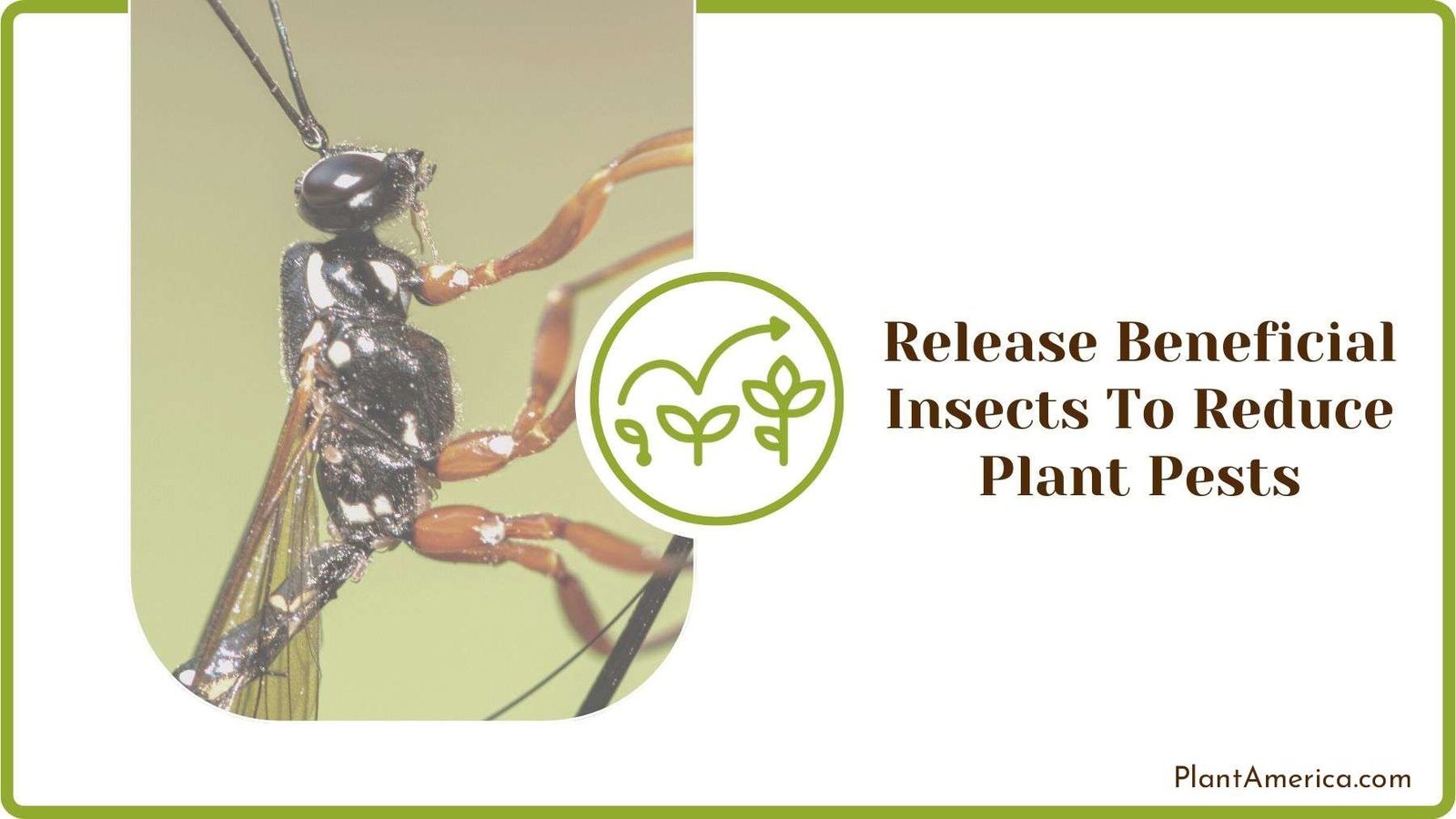
Every pest has its enemy. We can manage the pest numbers without using chemicals when introducing these natural enemies. Parasitic Wasps are good at fighting mealybugs. The female wasp puts her eggs inside the mealybug. After hatching, the young wasps eat the mealybug from the inside, which ends up killing it.
Cryptolaemus Montrouzieri: Often called the ‘mealybug destroyer,’ this small beetle is a formidable foe against mealybugs. Grown-up lady beetles and their babies eat mealybugs, stopping their life cycle. They work especially well in warmer times of the year.
To utilize bio-control:
- Purchase these beneficial insects from specialized suppliers. They’re usually available online or at specialty garden centers.
- Introduce them to your tree during the cooler parts of the day, like early morning or late afternoon.
- After this, limit the use of chemical pesticides as they can harm these beneficial insects.
Remember, for biological control to be effective, there should be a sufficient number of pests for these natural enemies to feed on. Otherwise, they might leave in search of food elsewhere.
10. Maintain Tree Health by Doing Cultural Control
A significant part of handling pests is ensuring they don’t find your garden attractive in the first place. Here’s how to do it:
- Proper Watering: Over or under-watering your orange tree can stress it, making it more susceptible to mealybug infestations. Ensure the soil is well-draining and water the tree deeply, but let the soil dry out slightly between waterings.
- Correct Planting: Plant your orange tree in a spot where it gets the right amount of sunlight and has enough space to grow. Avoid planting it too close to other plants or trees harboring pests.
- Trimming: Regularly prune your tree to remove dead or overcrowded branches. When pruning, sterilize your tools to prevent the spread of pests or diseases.
- Regular Checking: Make it a habit to inspect your tree frequently. Spotting problems early on is important for dealing with any issue that might come up.
- Soil Quality: Ensure the soil near your tree has lots of organic material. When the soil is healthy, the tree is too, and it can fight off pests better.
- Limit Nitrogen Fertilizers: Excessive nitrogen can lead to succulent growth, attracting more pests. Use a balanced or liquid fertilizer and follow the recommended application rates.
- Hygiene: After any gardening activity, especially pruning, clean up. Remove and dispose of any fallen leaves, fruits, or branches.
Cultural control (integrated pest management) is about making a place where your orange tree can do well and not be attractive to pests.
Conclusion
Dealing with mealybugs on orange trees can seem daunting, but it’s manageable with the proper knowledge and consistent effort. To protect your orange tree and ensure it remains vibrant and fruitful, always remember to:
- Identify the pests early to act swiftly and effectively.
- Regularly prune and clean your tree to prevent infestations.
- Use both natural and bought solutions for a full plan.
- Put prevention first by keeping the tree healthy and using foil reflectors.
- Always think about biological control – let helpful bugs that fight pests go.
If you keep up with these plans, you’ll deal with mealybugs and make a place where your orange tree can do great without pests always bothering it.