
Yellow Flower Tree Florida instantly transforms Florida gardens with its colorful yellow blossoms. In this article, we highlight 17 varieties ideally suited to Florida’s climate, covering options for full sun or part shade, small trees for courtyards, or large canopy trees for lawns.

Whether you want a compact flowering tree with bright blooms or a sprawling canopy, these picks will fill your yard with golden flowers year-round. So explore this guide to select from our curated list of the top yellow flowering trees for adding cheerful pops of color to your Florida landscape.
Top Yellow Flowering Trees to Brighten Your Florida Yard
1. Chinese Flame Tree
- Growing Season: Spring, Summer, Fall.
- Leaf Type: Oval, Glossy green.
- Specific Needs: Full Sun, Prefers Well Drained Soil.
- Common Pests: Aphids, Scale Insects.
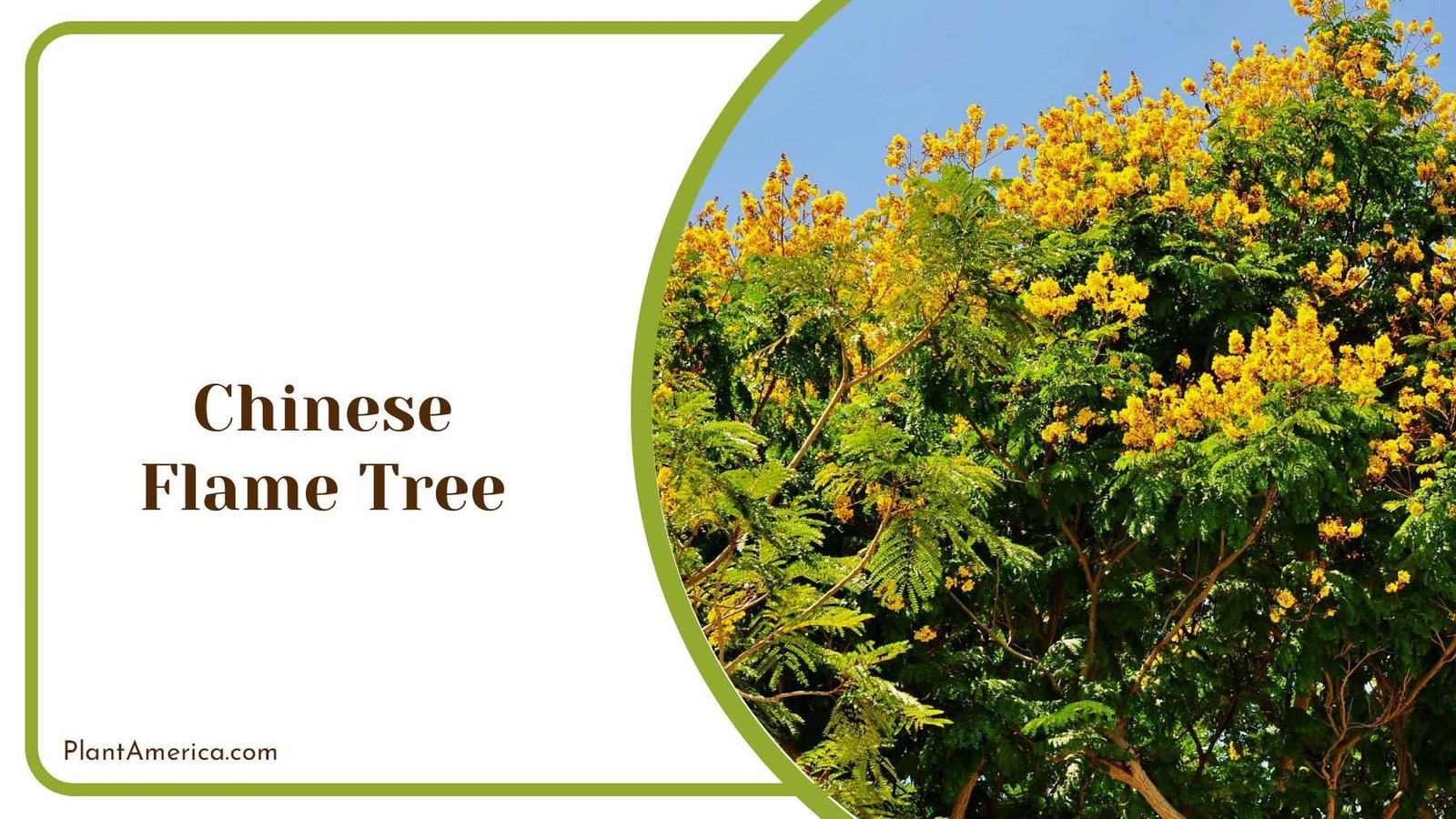
The Chinese flame tree, or Delonix, is native to China and prized for its spectacular clusters of bright yellow to coral red flowers. This magnificent yellow flowering tree erupts in a dazzling display in spring and summer when covered with sprays of orange-red flowers up to 12 inches long.
This fast-growing tree thrives in full sun and well-drained soil, tolerating drought and high heat once established. In central Florida, Chinese flame trees can reach 40 to 50 feet tall with a 40-foot spread, adding a tropical flair to any landscape. Though pest-free, Chinese flame trees may attract aphids and scale insects under drought or nutrient stress. To minimize these issues, fertilize yearly and water deeply during dry spells.
2. Yellow Tabebuia
- Growing Season: Spring, Summer, Fall.
- Leaf Type: Compound, Dark Green.
- Specific Needs: Full Sun, Good Drainage.
- Common Pests: None.
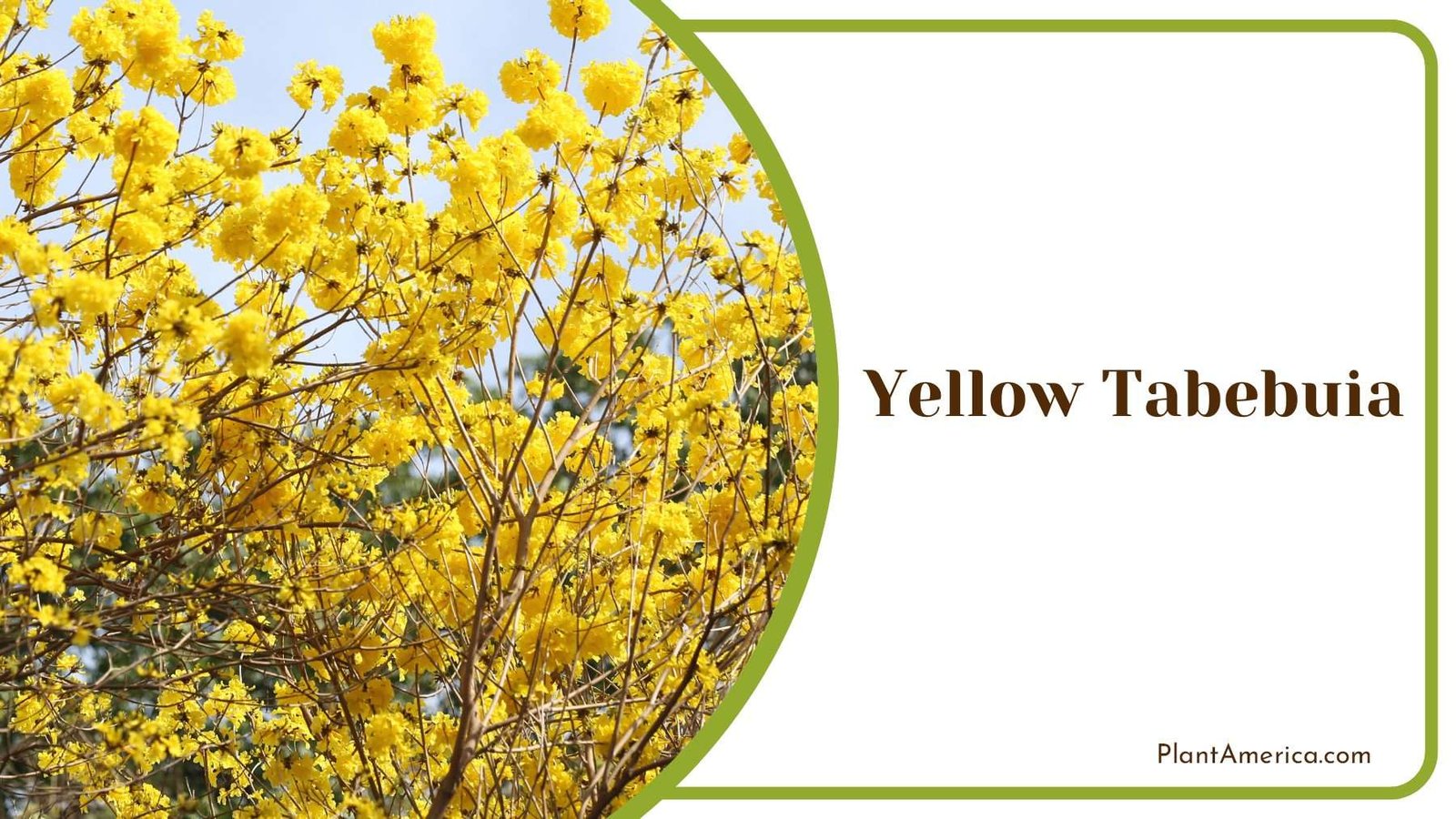
The yellow tabebuia is a large evergreen tree bearing profuse golden yellow blooms in spring and summer, making it a yellow flowering tree well-suited to the yellow flower tree in Florida.
The flowers of this tabebuia tree grow in long, hanging clusters up to five inches long and two inches wide. The tree becomes completely covered in golden blooms in spring and summer, lighting up the Florida landscape.
The yellow tabebuia thrives in full sun and well-draining soil, developing a broad rounded canopy up to 40 feet tall. These trees adapt well to drought and high heat once established.
Despite their showy display of fragrant flowers, yellow tabebuias are pest- and disease-free.
3. Golden Shower Tree
- Growing Season: Spring.
- Leaf Type: Compound, Dark Green.
- Specific Needs: Full Sun, Well-drained Soil.
- Common Pests: Aphids.
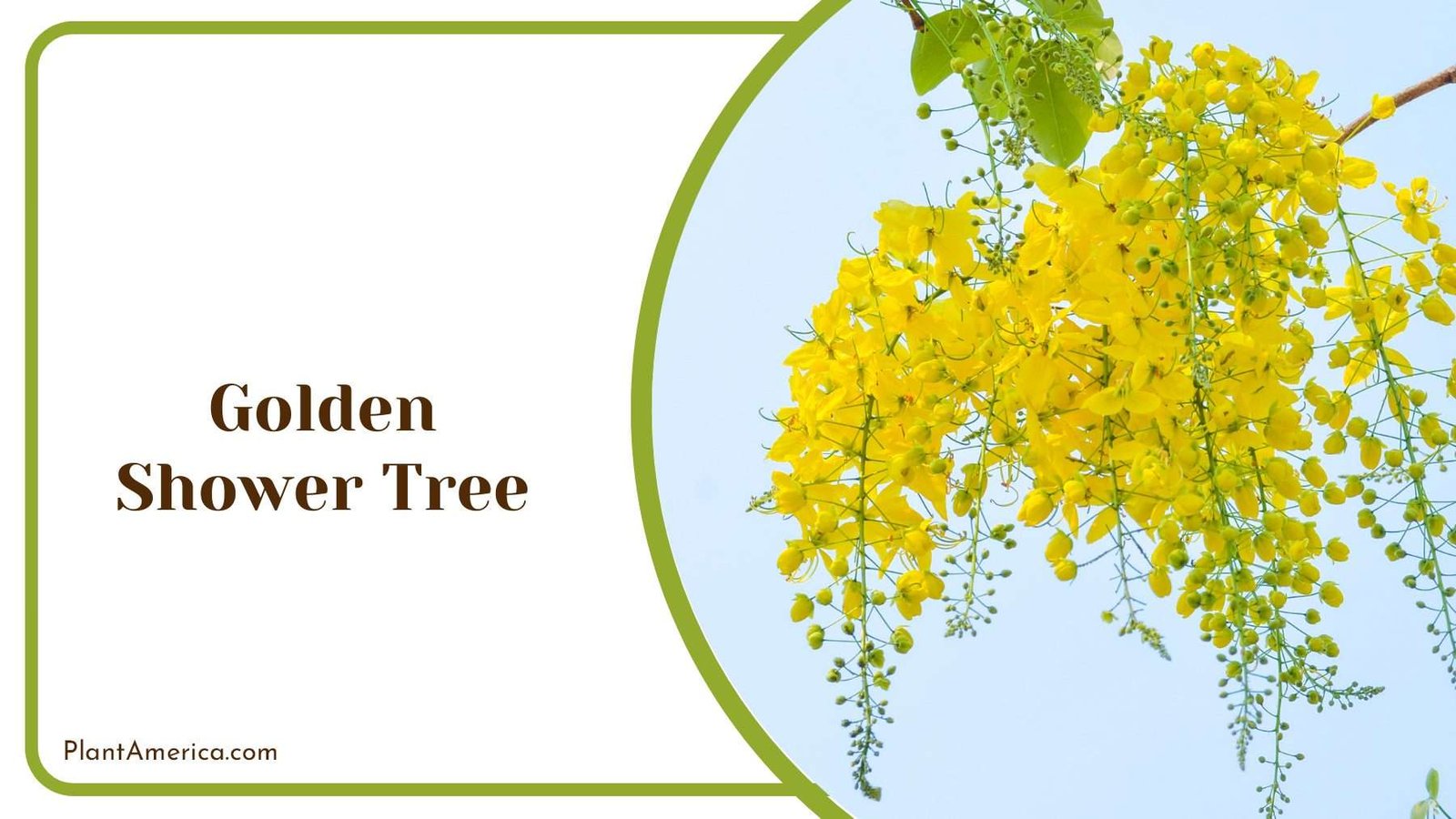
The golden shower tree is valued for its profuse clusters of bright yellow flowers that cascade like a golden shower in spring. The fragrant flowers of this shower tree bloom in drooping panicles up to 15 inches long. A mature golden shower tree can produce thousands of cheerful yellow flowers in a single spring season.
Golden shower trees prefer full sun and well-draining soil, developing a vase-shaped canopy up to 30 feet tall and 25 feet wide. Their glossy compound leaves turn yellow and fall in winter. Though pest-free, golden shower trees can attract aphids that feed on young leaves and flowers.
4. Golden Chain Tree
- Growing Season: Spring, Summer.
- Leaf Type: Compound, Dark Green.
- Specific Needs: Full Sun, Well-drained Soil.
- Common Pests: None.
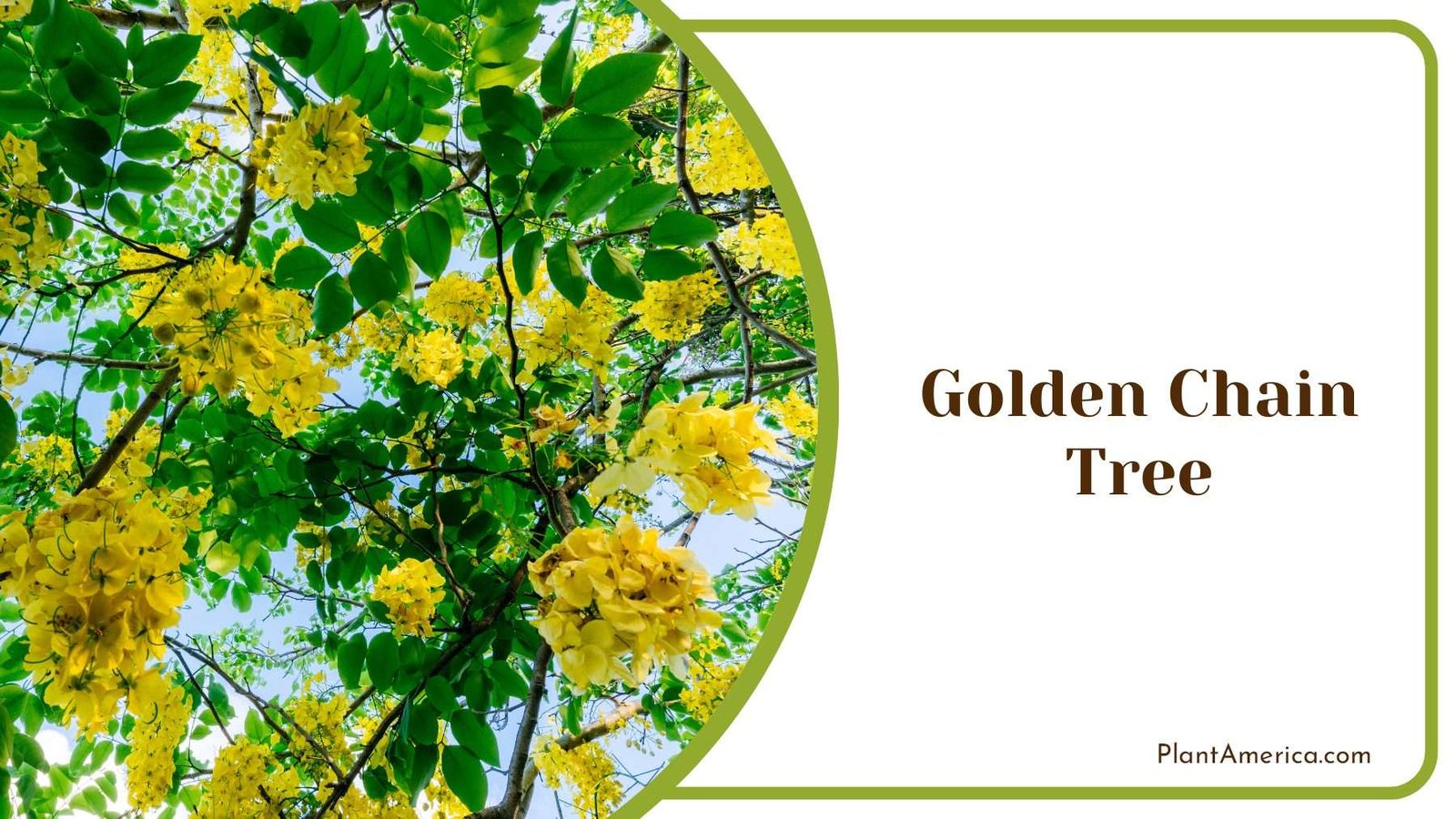
The golden chain tree offers a bounty of bright yellow pea-like blooms in spring and summer. The cheerful blossoms of this chain tree grow in fragrant clusters up to 10 inches long. As the pink and purple buds open, they reveal abundant golden-yellow pea flowers in long chains that shimmer in the Florida sunshine.
Golden chain trees thrive in full sun and well-draining soil, developing a vase shape with an open canopy.
Despite their showy flowers, golden chain trees are fairly pest and disease-resistant when properly sited. With its richly textured green leaves and a shower of dangling yellow flowers for months, the golden chain tree is a stunning choice for yellow flower tree-seeking options.
5. Yellow Tulip Tree
- Growing Season: Spring, Summer.
- Leaf Type: Palmate, Lobed.
- Specific Needs: Full Sun, Humid Conditions.
- Common Pests: Aphids, Japanese Beetles.
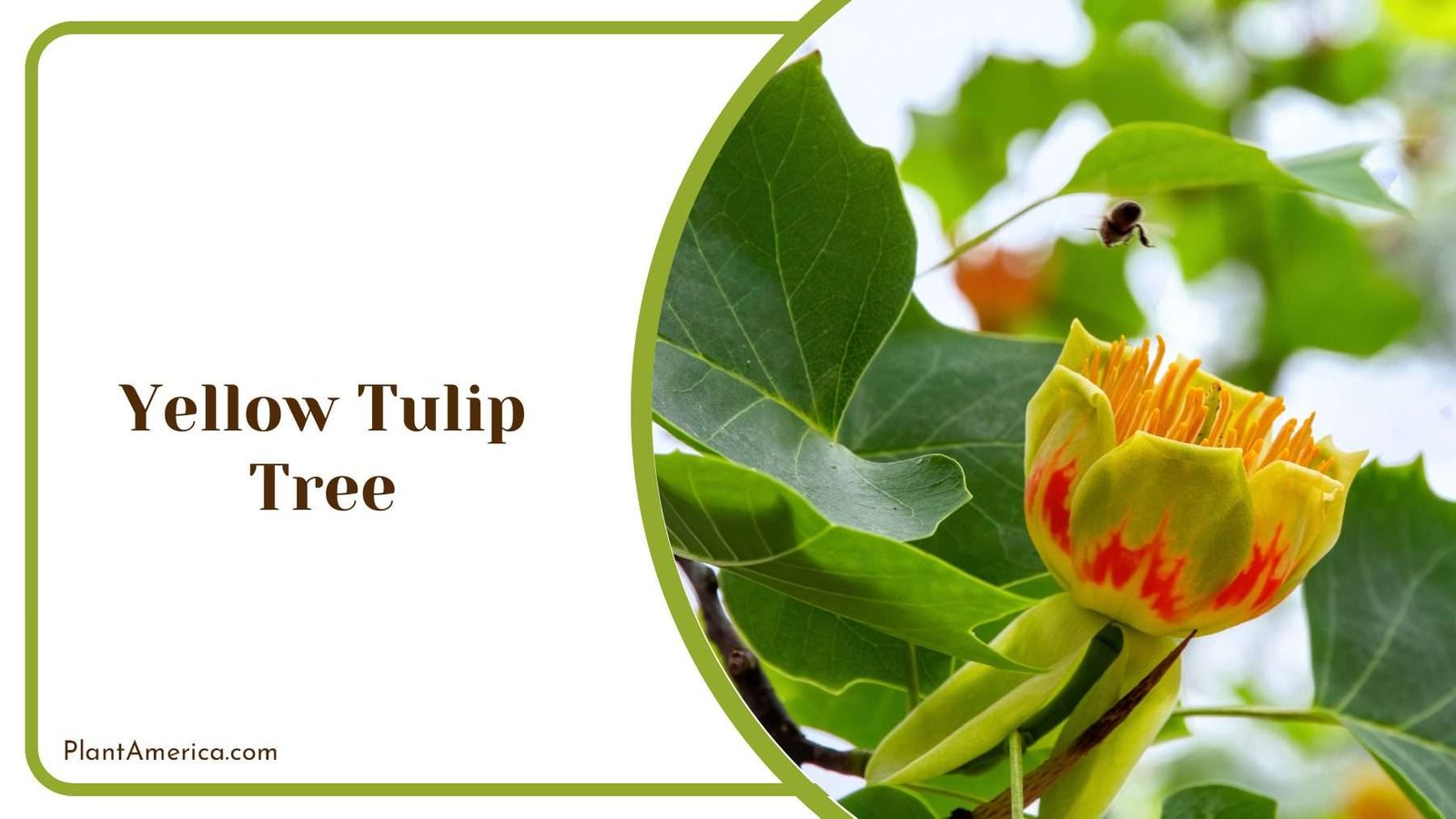
The yellow tulip tree (Liriodendron tulipifera) is an elegant broadleaf flowering tree native to Florida. Also called the tulip poplar, it bursts into bloom in spring and early summer with beautiful yellow tulip-shaped flowers.
As the tulip tree’s palmate lobed leaves emerge in spring, clusters of greenish-yellow flowers bloom in upright racemes. As the flowers open, their yellow tulip shape is revealed. The trees provide a splash of color in spring and early summer before their leaves fully develop.
Yellow tulip trees thrive in full sun and humid conditions with rich, well-drained soil. They are relatively pest-free, and though aphids may cluster on new growth, Japanese beetles can chew on the leaves. The delicate yellow flowers and stately canopy of lobed green leaves make the yellow tulip tree a standout addition to larger landscapes.
6. Royal Poinciana
- Growing Season: Spring, Summer.
- Leaf Type: Pinnate, Dark Green.
- Specific Needs: Full Sun, Well-drained Soil.
- Common Pests: Aphids.
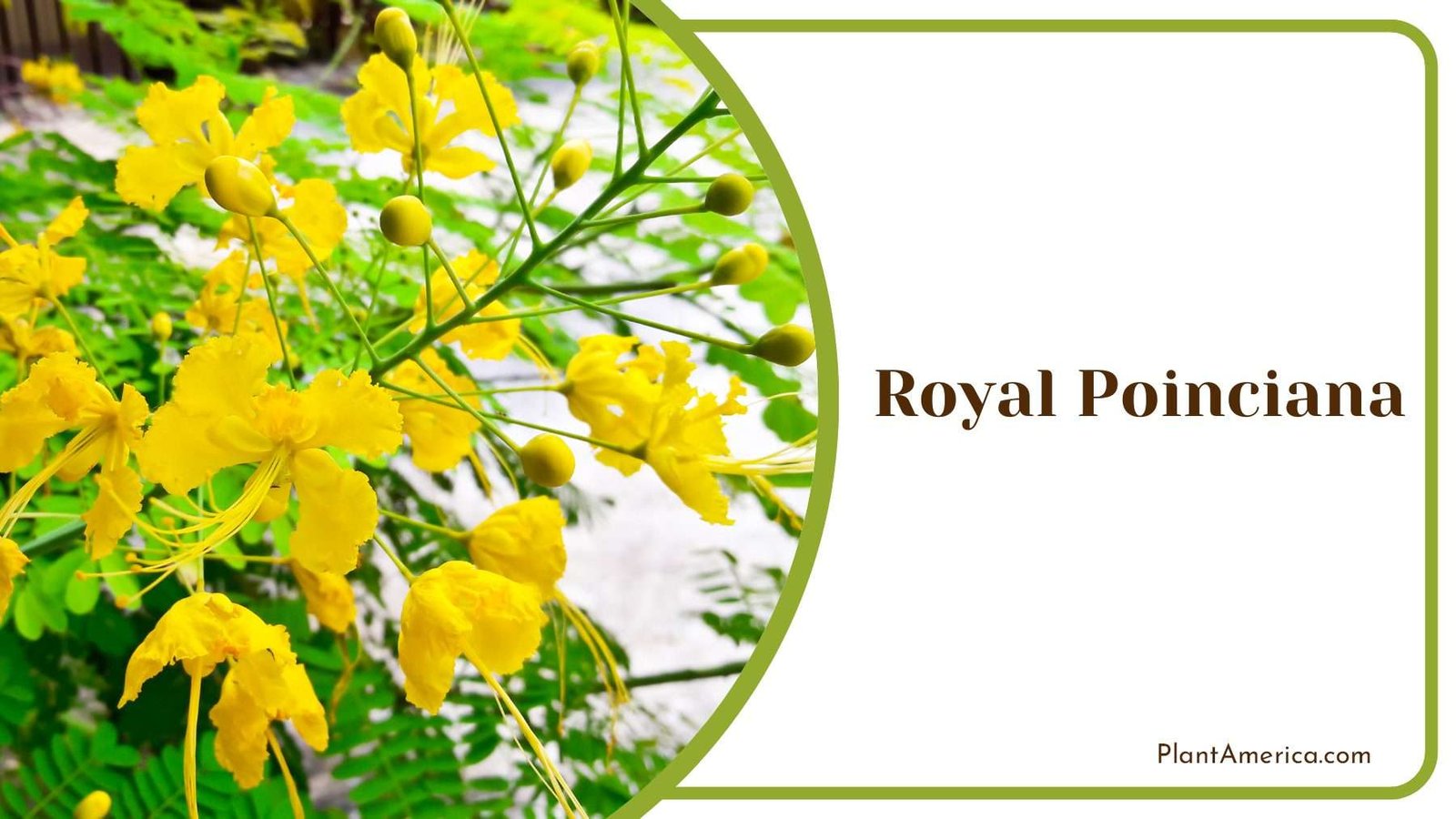
In spring and summer, the royal poinciana is valued for its profuse clusters of showy red, orange, and yellow flowers.
The fiery blooms of this poinciana tree grow in large, sculptural panicles up to two feet long. In spring and summer, the canopy of a royal poinciana is awash with dazzling color as brilliant red, orange, and canary yellow flowers fully cover the branches.
Royal poincianas prefer full sun and well-draining soil, developing an open, umbrella-shaped canopy that can reach 100 feet tall and almost as wide. Their dark green leaves turn yellow in autumn before dropping. Though pest-free, royal poincianas can attract unsightly aphid infestations, especially on new growth. Regularly spraying with neem oil or insecticidal soap during the growing season can help prevent aphids.
7. Yellow Acacia
- Growing Season: Spring, Summer.
- Leaf Type: Compound, Light Green.
- Specific Needs: Full Sun, Well-drained Soil.
- Common Pests: None.
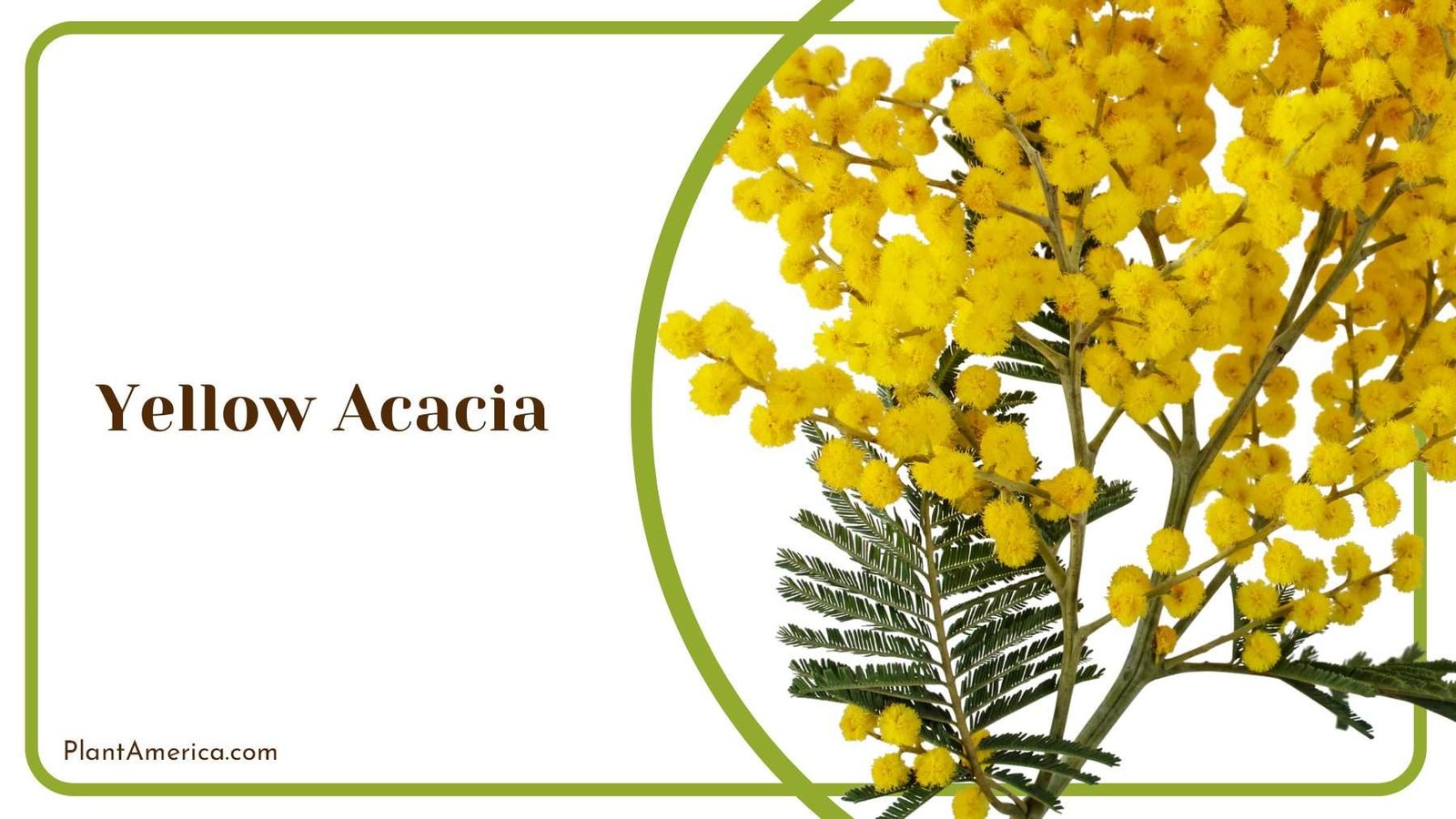
The yellow acacia offers bright yellow blooms in spring and summer. The softly fragrant flowers of this sweet acacia grow in dense, spherical clusters up to six inches wide. This acacia tree is blanketed in a shower of bright yellow, pea-like flowers that provide nectar for bees and butterflies in summer and spring.
Yellow acacias thrive in full sun and well-draining soil, developing an umbrella-like canopy up to 30 feet tall and almost as wide. Their feathery leaves provide shade once they mature.
Despite their showy blooms, yellow acacias are generally pest and disease-resistant. Regular pruning to maintain shape is the primary care for these flowering trees.
8. Ylang Ylang Tree
- Growing Season: All year.
- Leaf Type: Oblong, Glossy Green.
- Specific Needs: Full Sun, Moist Well-drained Soil.
- Common Pests: Mealybugs.
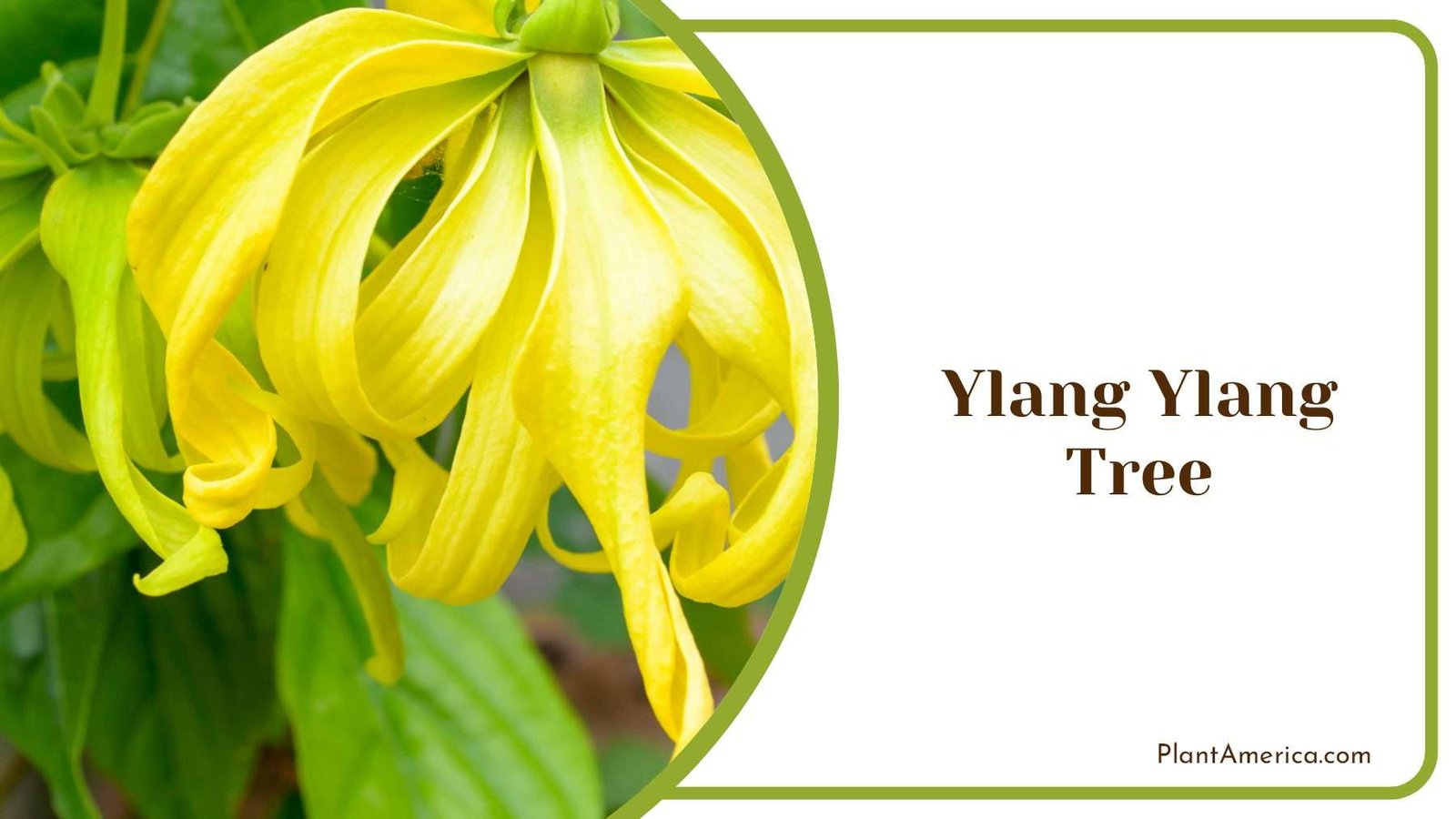
The ylang-ylang tree is valued for its intense sweet fragrance and wealth of golden yellow flowers, making it a prime choice for yellow flowering trees in Florida. The drooping flowers of this ylang-ylang grow in dangling clusters that range from bright yellow to yellow-green. In year-round bloom, the ylang-ylang tree fills the air with a sensual fragrance akin to vanilla and bananas.
Ylang-ylang trees prefer full sun and consistently moist but well-drained soil, developing a rounded canopy up to 30 feet tall. Their glossy green leaves provide shade once they mature.
Though generally pest-free, ylang-ylang trees can attract colonies of mealybugs that feed on new leaves and flowers. Regularly spraying with insecticidal soap helps keep these pests under control.
9. Yellow Buckeye
- Growing Season: Spring.
- Leaf Type: Palmate, Dark Green.
- Specific Needs: Part Sun, Moist Well-drained Soil.
- Common Pests: Japanese Beetles.
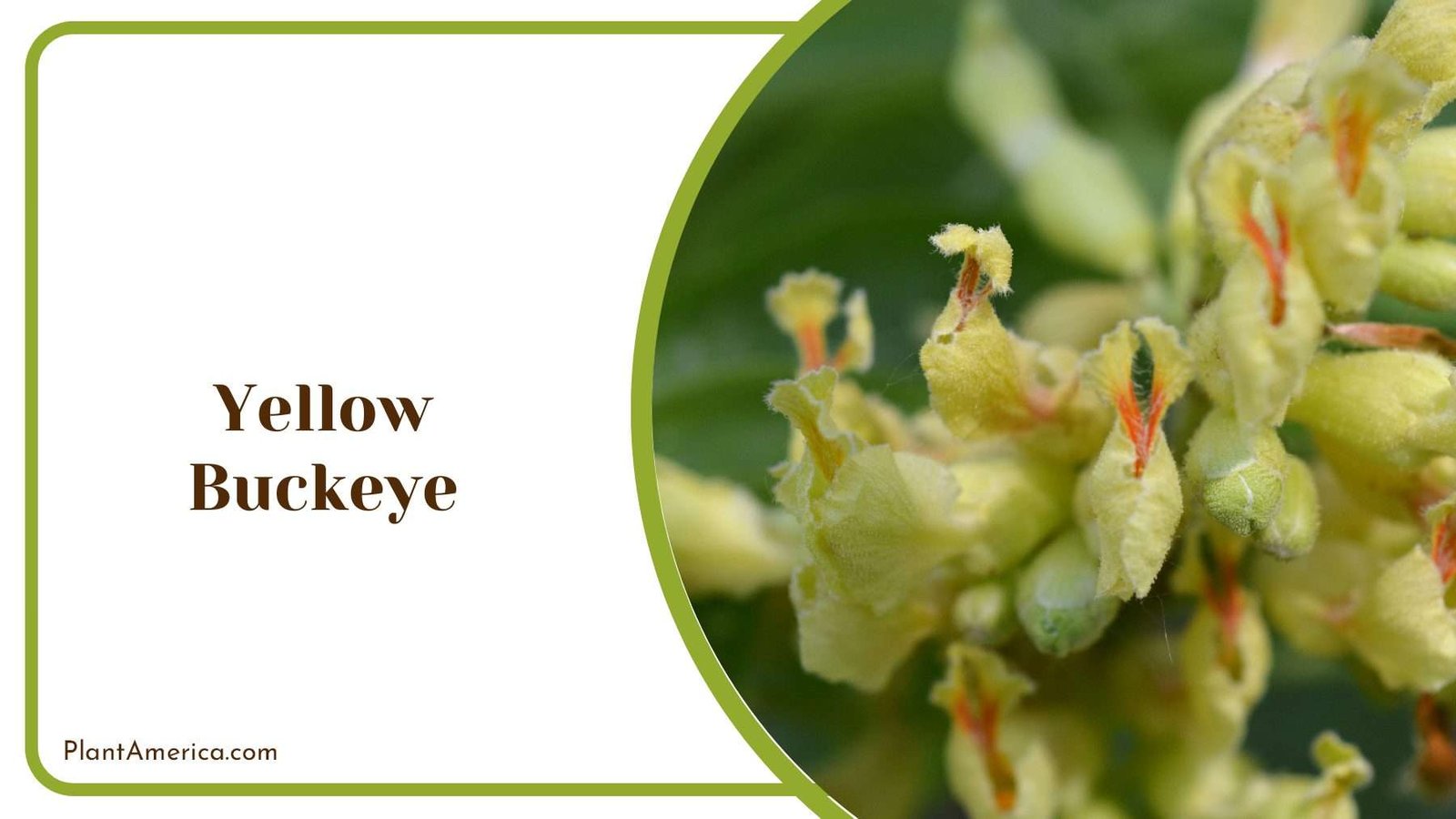
The yellow buckeye is valued for its cheerful spring display of bright yellow flowers. The vivid blooms of this yellow buckeye grow in long-stemmed panicles up to eight inches long. In spring, this hardwood tree is transformed as it’s covered with cheerful yellow blossoms that attract hummingbirds and butterflies.
Yellow buckeyes thrive in part sun to full shade and consistently moist but well-draining soil, developing an oval to rounded canopy up to 40 feet tall. Their palmate leaves turn yellow in autumn before dropping. Though generally pest-free, yellow buckeyes can attract large numbers of Japanese beetles that feed on leaves. Regular spraying with organic insecticides during peak beetle season can help control this pest.
10. Cornelian Cherry
- Growing Season: Early Spring.
- Leaf Type: Oval, Bright Green.
- Specific Needs: Full Sun, Well-Drained Soil.
- Common Pests: None.
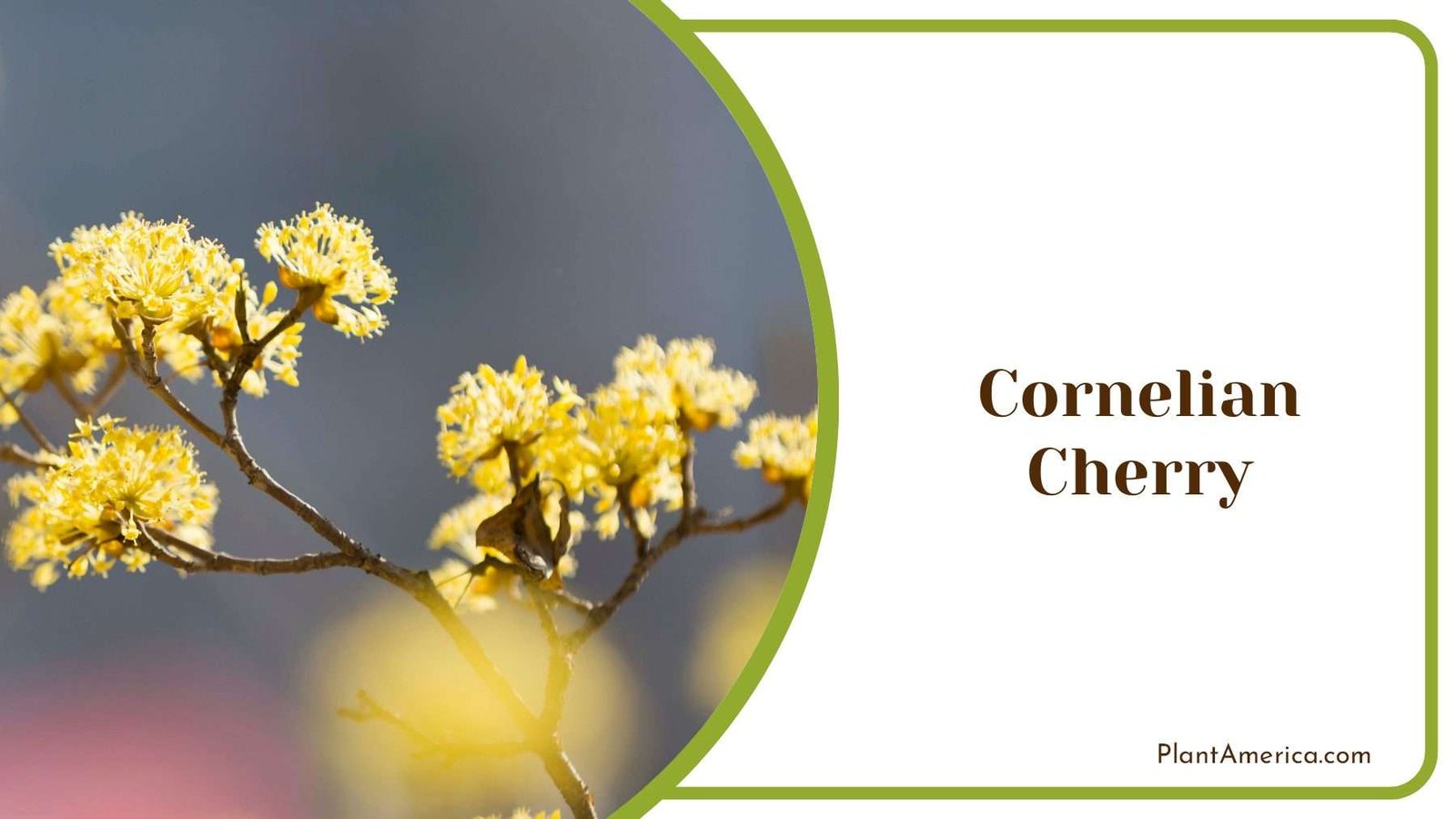
The cornelian cherry offers cheerful clusters of bright yellow flowers in early spring. The showy blooms of this cherry tree grow in clusters at branch tips before the leaves emerge. In early spring, this small tree erupts in a golden display of cheerful yellow flowers that attract pollinators.
Cornelian cherries thrive in full sun and well-draining soils, growing into a narrow-shaped tree reaching 20 to 30 feet tall. Their bright green leaves turn yellow-gold in fall before dropping. Cornelian cherries are fairly pest and disease-resistant despite their showy spring blooms. With its torrent of golden yellow blossoms so early in the year, the cornelian cherry is perfect for a yellow flower tree in Florida.
11. Yellow Oleander
- Growing Season: Spring, Summer, Fall.
- Leaf Type: Linear, Dark Green.
- Specific Needs: Full Sun, Well-Drained Soil.
- Common Pests: Aphids.
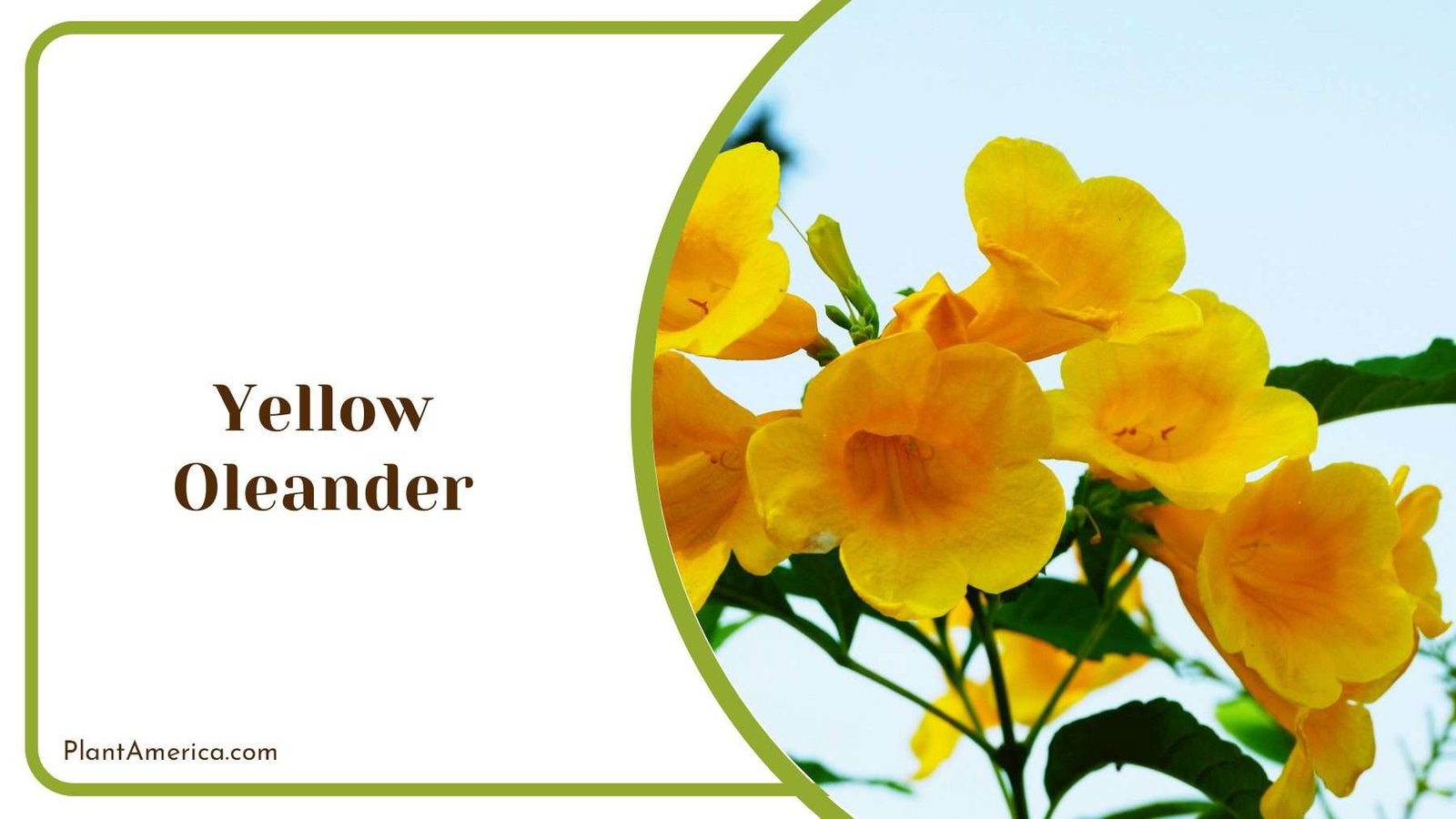
The yellow oleander provides an abundance of cheerful blooms for much of the year. The vivid flowers of this oleander grow in clusters at branch ends. This evergreen tree fills the air with a sweet fragrance in spring, summer, and fall as it’s covered with cheerful yellow blossoms. Place one in a sunny spot where its nectar-rich flowers will attract wildlife all season.
Yellow oleanders thrive in full sun and well-draining soil, developing an upright canopy up to 20 feet tall and wide. Their slender dark green leaves provide shade once they mature.
Though generally pest-free, yellow oleanders can attract aphid infestations that feed on new growth. Regularly spraying with insecticidal soap helps control aphids.
12. Yellow Bauhinia
- Growing Season: Spring.
- Leaf Type: Orbicular, Dark Green.
- Specific Needs: Full Sun, Well-Drained Soil.
- Common Pests: None.
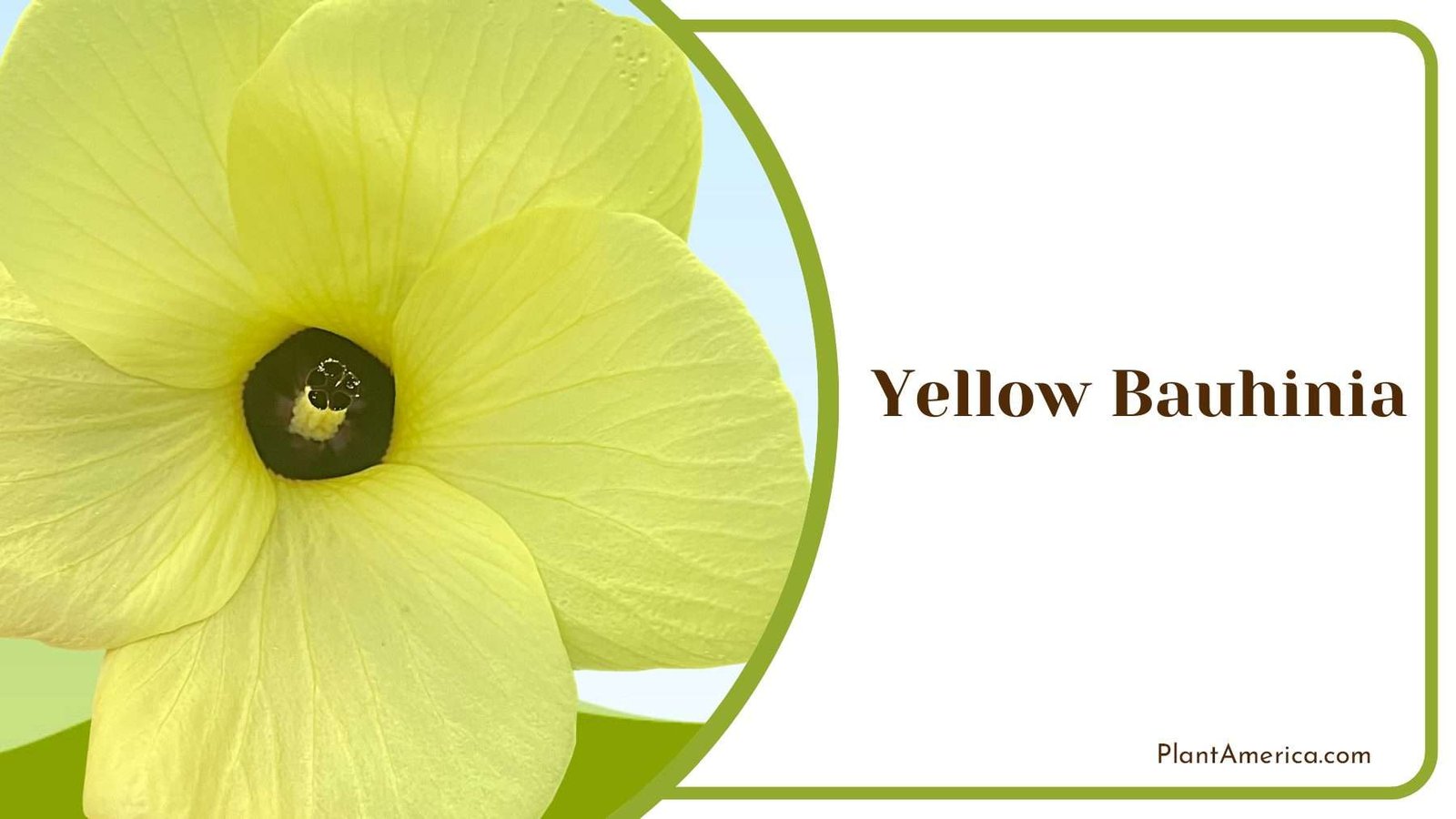
The yellow bauhinia is valued for its cheerful display of golden yellow orchid-like flowers in spring, making it a lovely choice for yellow flowering trees in Florida. The vibrant blooms of this bauhinia tree emerge directly from branches before the leaves, often covering the entire canopy in a cheerful yellow color. As the flowers fade, new leaves emerge, providing cooling shade.
Yellow bauhinias prefer full sun and well-draining soils, developing a rounded canopy up to 30 feet tall. Their dark green leaves provide shade once they mature. With its magnificent golden shower of yellow orchid-like blooms in spring, the yellow bauhinia is an ideal choice for Florida gardens seeking yellow flower tree options that will bathe the landscape with a cheerful bright yellow color as soon as spring arrives.
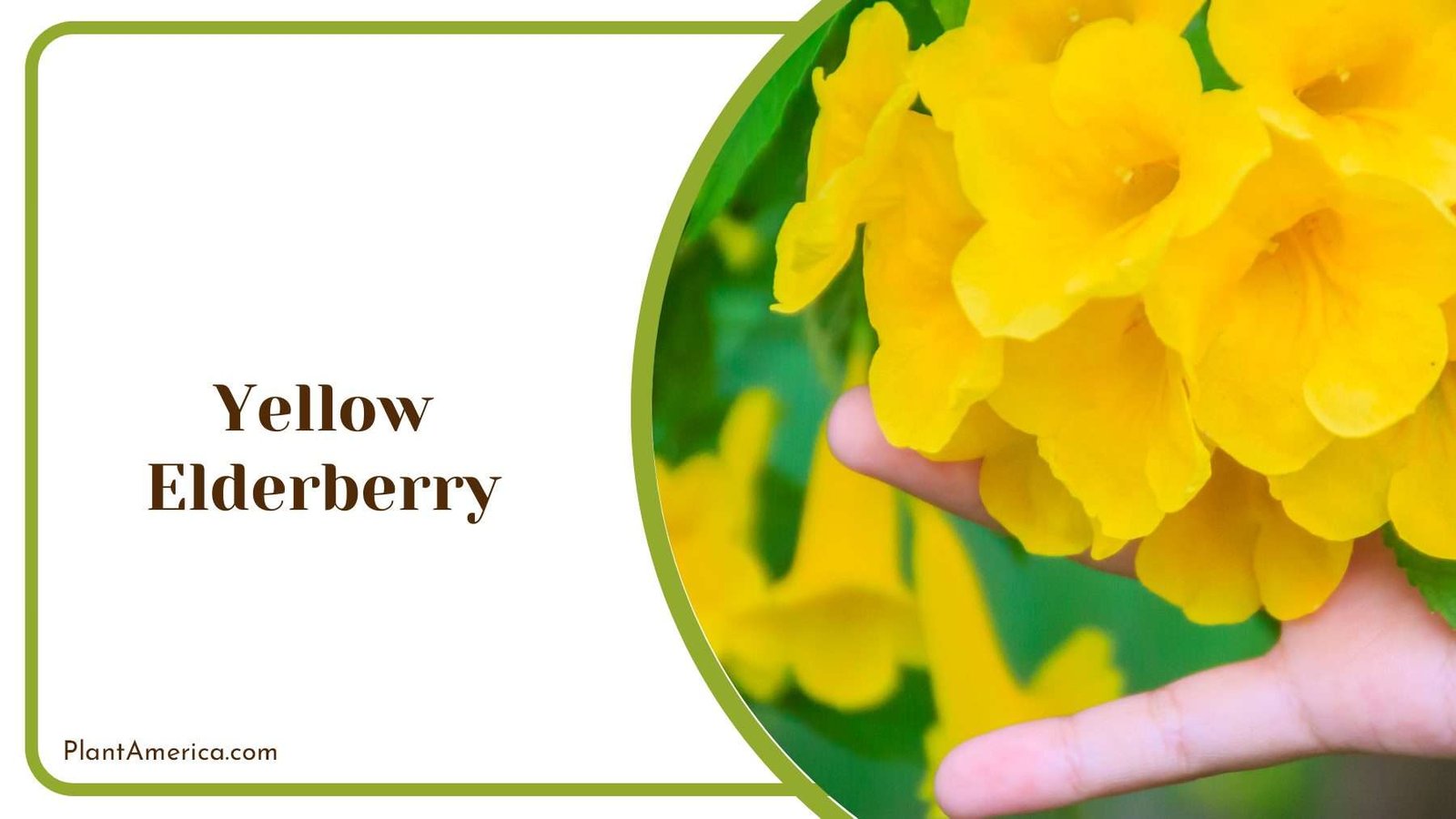
13. Yellow Elderberry
- Growing Season: Spring, Summer.
- Leaf Type: Compound, Dark Green.
- Specific Needs: Full Sun to Part Shade, Moist Well-drained Soil.
- Common Pests: Japanese Beetles.
The yellow elderberry offers an abundance of bright yellow blossoms in spring and summer. The cheerful flowers of this elderberry grow in flat-topped clusters at branch ends. This small tree erupts in cheerful yellow blooms in spring and summer that attract beneficial insects like bees, wasps, and hoverflies.
Yellow elderberries thrive in full sun to part shade and consistently moist but well-draining soils, growing into an upright shape reaching 20 to 30 feet tall and almost as wide. Their compound leaves turn yellow-red in the fall. Though generally pest-free, yellow elderberries can attract large Japanese beetles that feed on leaves. Regular spraying with organic insecticides during peak beetle season helps control this pest.
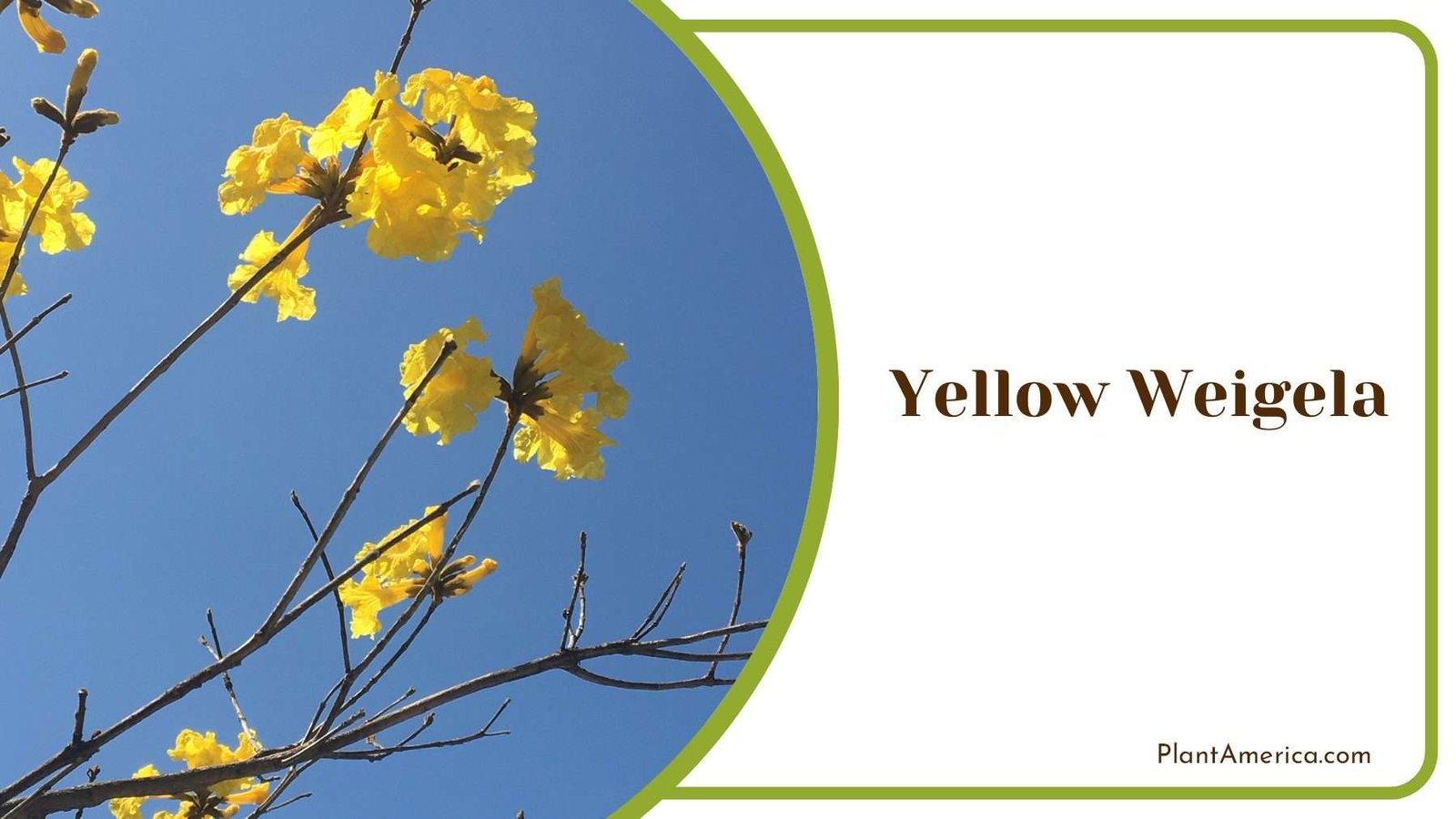
14. Yellow Weigela
- Growing Season: Spring, Early Summer.
- Leaf Type: Ovate, Dark Green.
- Specific Needs: Full Sun to Part Shade, Moist Well-drained Soil.
- Common Pests: Leaf Spot, Mildew.
The yellow weigela offers a bounty of cheerful yellow funnel-shaped flowers in spring and early summer. The vivid blooms of this weigela shrub grow along stems in dense clusters at branch ends. In spring, this small shrub is transformed, covered with cheerful golden-yellow flowers attracting butterflies and hummingbirds.
Yellow weigela thrives in full sun to part shade and consistently moist but well-draining soils, growing into an upright or rounded shape reaching eight to 12 feet tall and wide. Their dark green leaves sometimes turn burgundy in winter. Though generally pest-free, yellow weigela can be prone to leaf spots and mildew under high humidity or heavy rainfall. Pruning to improve airflow and spraying with fungicide helps manage these potential problems.
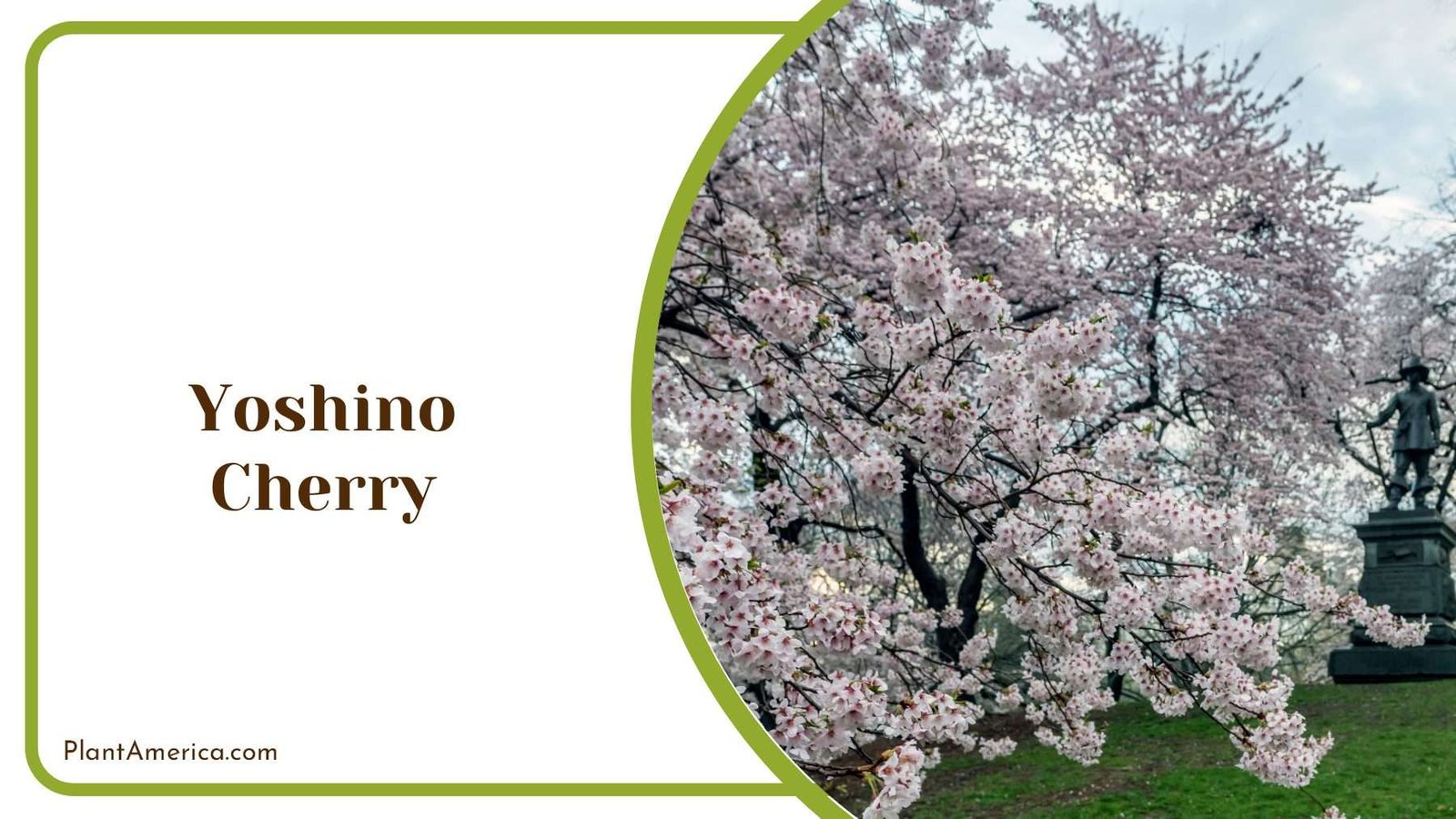
15. Yoshino Cherry
- Growing Season: Spring.
- Leaf Type: Simple, Glossy Green.
- Specific Needs: Full Sun, Well-drained Soil.
- Common Pests: Cherry Fruit Fly.
The Yoshino cherry offers a spectacular display of bright white to pale pink flowers in spring, transforming it into a desirable yellow flowering tree for yellow flower tree Florida. The showy blooms of this cherry tree grow in clusters of small, double flowers along branch ends. In spring, this ornamental tree erupts in a glorious display of cheerful white to pale pink flowers that attract pollinators and shower the ground with soft pink petals.
Yoshino cherries thrive in full sun and well-draining soil, developing an oval canopy up to 40 feet tall. Their glossy dark green leaves turn yellow in autumn before dropping.
Though generally pest-free, Yoshino cherries can attract unsightly cherry fruit flies that lay eggs on ripening fruit.
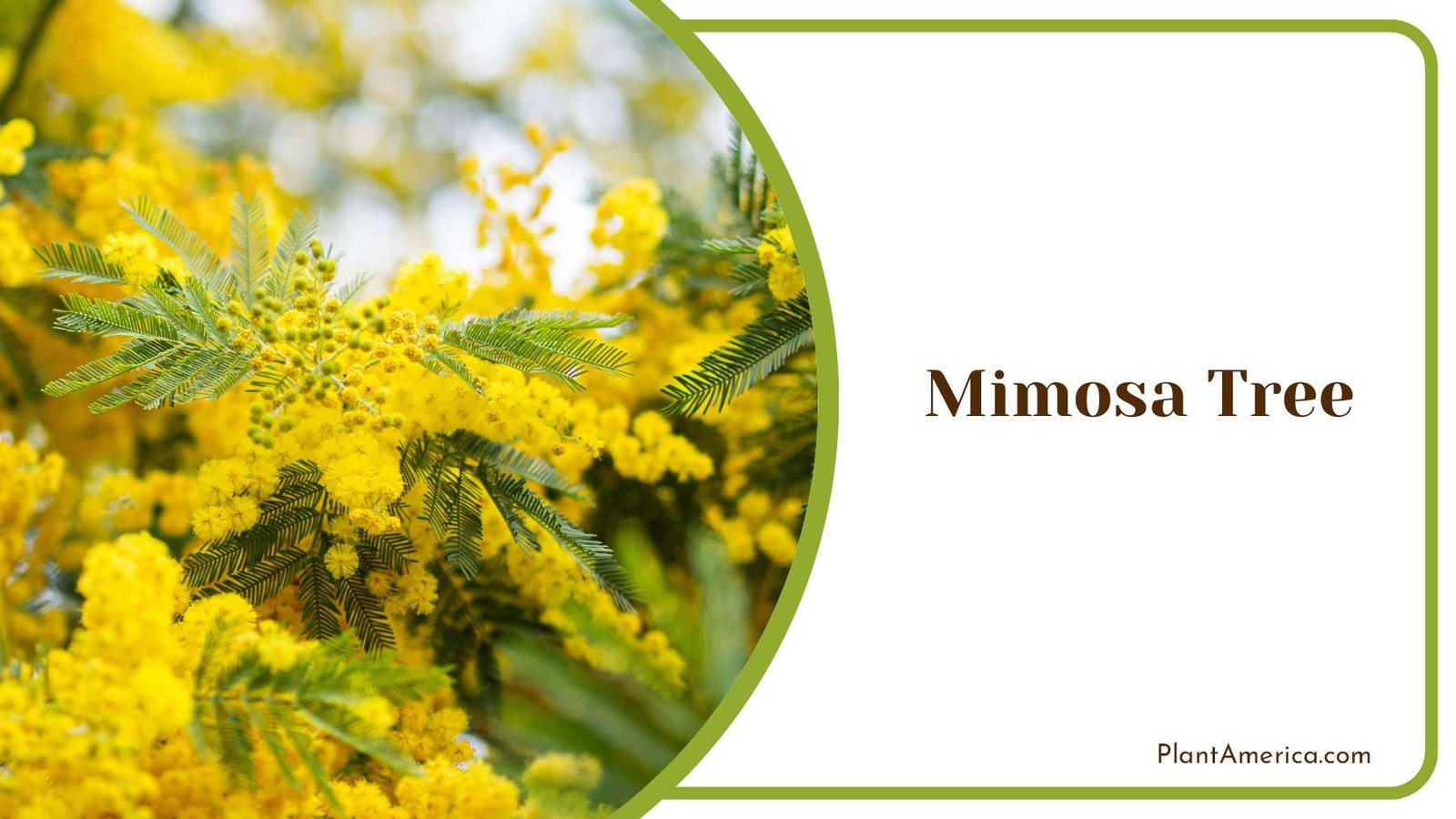
16. Mimosa Tree
- Growing Season: Spring, Summer.
- Leaf Type: Compound, Dark Green.
- Specific Needs: Full Sun, Well-drained Soil.
- Common Pests: None.
The mimosa tree bears an abundance of cheerful pink puffball flowers in spring and summer. The showy blooms of this mimosa grow in fragrant puffball clusters at branch ends. This ornamental tree fills the air in spring and summer with a sweet fragrance as it erupts in a magnificent display of cheerful fuchsia pink flowers.
Mimosa trees thrive in full sun and well-draining soil, developing an umbrella-like canopy up to 40 feet tall. Their compound leaves turn yellow in autumn before dropping. Despite their showy flowers, mimosa trees are fairly pest and disease resistant. Regular pruning to shape and maintain the tree is the primary care needed.
17. Crape Myrtle
- Growing Season: Summer.
- Leaf Type: Simple, Dark Green.
- Specific Needs: Full Sun, Well-drained Soil.
- Common Pests: Crape Myrtle, Bark Scale.
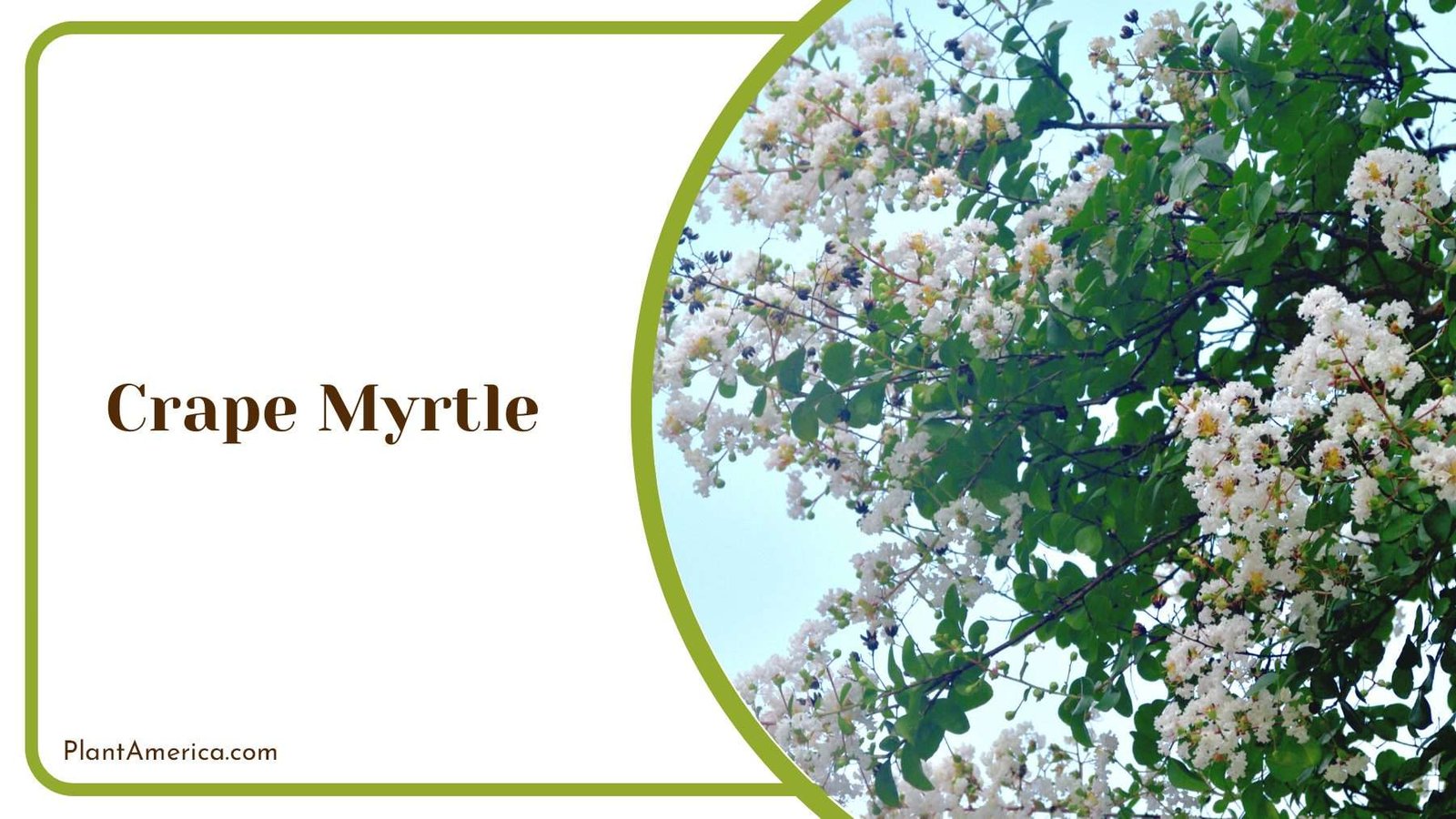
The crape myrtle provides an abundance of cheerful pink, purple, or white blooms in summer. The showy blooms of this ornamental tree grow in dangling clusters along branch ends. In summer, crape myrtles erupt in a magnificent display of cheerful pink, purple, coral, or white flowers that attract butterflies and hummingbirds.
Crape myrtles thrive in full sun and well-draining soil, developing an oval to vase-shaped canopy up to 30 feet tall. Their dark green leaves turn yellow, red, or purple in the fall before dropping. Though generally pest-free, crape myrtles can suffer from unsightly crape myrtle bark scale that feeds on branches. Applying dormant oil spray in late winter helps control this insect.
Conclusion
Any of the 17 yellow flowering trees covered in this article will transform your Florida yard into a cheerful oasis of golden color, but these ones stand out:
- Chinese Flame Tree gets covered in golden yellow blossoms in spring and summer.
- Golden Shower Tree drips with fragrant clusters of bright yellow flowers.
- Golden Chain Tree produces abundant golden yellow panicles of pea flowers.
- Cassia Tree develops bright yellow flowers with showy dark centers in spring.
- Yellow Acacia tree grows quickly with fluffy, bright yellow puffball flowers.
The key is choosing a yellow flowering tree that matches your space and preferences and then enjoying its bounty of golden blooms for many years. Fill your Florida yard with cheerful pops of yellow color – the sunshine awaits!