
Red camellia flowers are a beautiful addition to any winter garden. In this post, we’ll cover varieties of red camellia flowers that will thrive even in cold weather and provide colorful blooms through the dreary winter months.
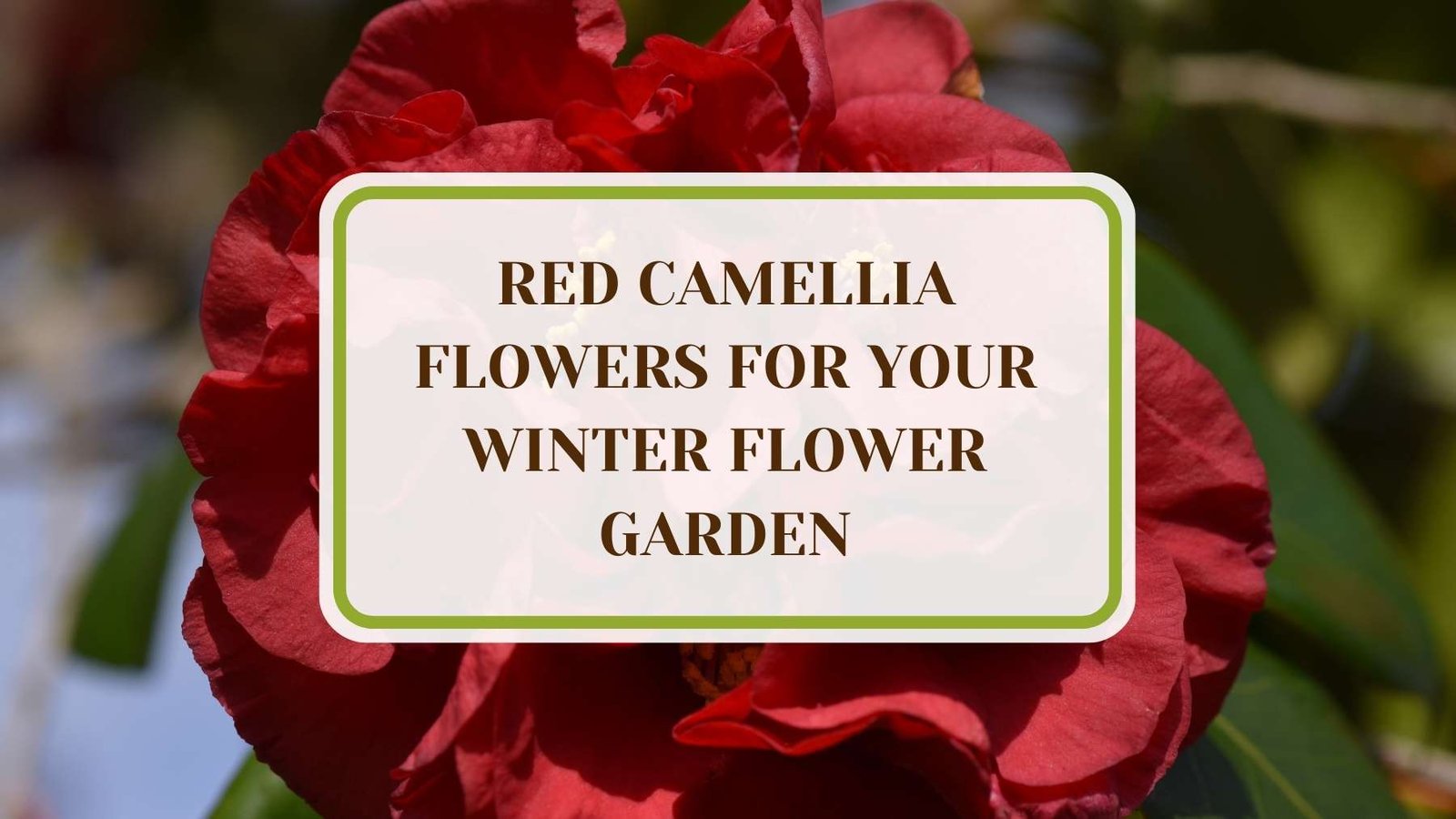
We’ll discuss care tips like planting depth, sunlight requirements, and pruning to keep your red camellia flowers looking their best all season long. Whether new to growing camellias or a seasoned pro, by the end of this post, you’ll be inspired to find space in your garden for these long-lasting red beauties that will brighten up even the coldest days.
Red Camellia Flowers to Spice Up Your Winter Garden
1. C. Japonica
- Growing Season: Fall,
- Leaf Shape: Oval, Pointed and elongated,
- Specific Needs: Prefers partial sun, Well-draining soil,
- Common Pests: Leaf miners, Scale
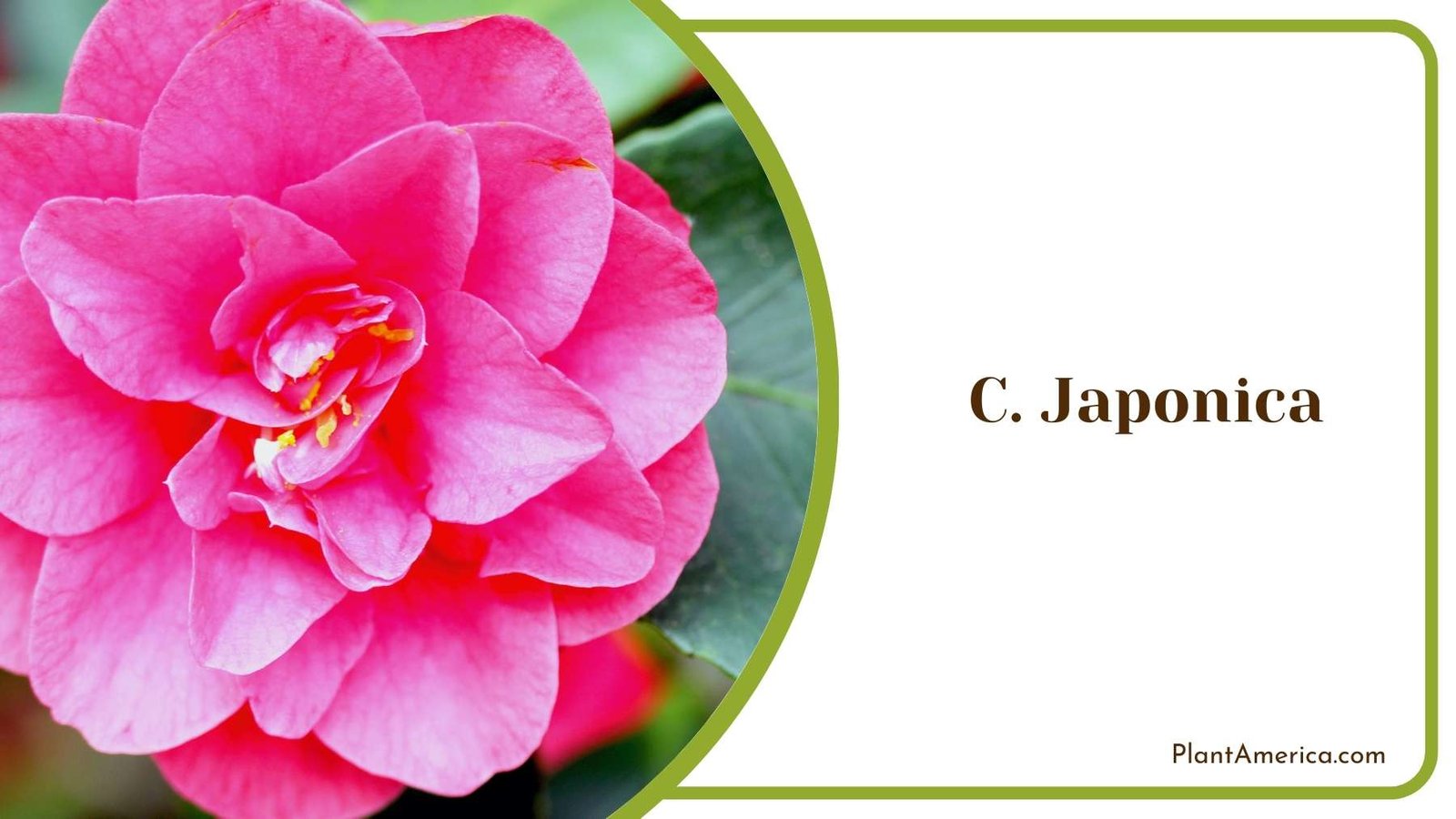
Camellia japonica is one of the most widely cultivated and beloved camellia species prized for its classic single red blooms. Native to eastern Asia, this early-blooming variety features glossy evergreen foliage and an abundantly flowering habit that has long been appreciated in Japanese gardens and beyond.
In winter and early spring, clusters of vivid red flowers emerge directly from the leaf axils or stems. Individual blooms may reach three to five inches in diameter, presenting pristine petals of a deep crimson hue.
The five petals are usually smooth, round at the base and pointed at the tips. Some cultivars may feature slightly ruffled edges or subtle darker veining for added visual interest.
japonica thrives as a medium-sized ornamental shrub, eventually forming a rounded mound of dense foliage up to 10 feet tall and wide. Its vigorous but neatly compact growth habit lends well to foundation plantings, borders, or courtyard containers. Unlike some relatives, this adaptable species is incredibly winter hardy and tolerates temperatures down to USDA zone seven.
The glossy evergreen leaves offer year-round texture and appeal, performing as an effective screen or accent plant. When in bloom, camellias command admiration for months with long-lasting blooms. Their lush greenery and vivid flowers bring an artful Asian flair to landscapes while requiring minimal care beyond occasional pruning or shaping once established.
2. Yuletide Cheer

- Growing Season: Fall, Winter, Spring
- Leaf Shape: Oblong, Elliptical
- Specific Needs: Prefers partial shade, Acidic soil
- Common Pests: Scale, Aphids
Yuletide Cheer is a dazzling semi-double red camellia beloved for the holiday spirit it evokes. Originating as a hybrid cross in the early 2000s, this varietal has become a premier choice for winter flower displays and Christmas décor.
As the name suggests, the blooms of Yuletide Cheer are a vivid holiday red, resembling holly berries clustered on glossy green foliage. The flowers hold their rich coloration for weeks even in cold weather, continuing to brighten outdoor spaces through January or later depending on climate. Vigorous, spreading shrubs grow at a medium rate to heights around 5-6 feet, eventually forming a dense, mounded structure.
Along with its stunning seasonal blooms, the plant’s foliage is likewise bold—deep green leaves remain colorful even in the depths of winter. Come spring, new growth emerges in a beautiful bronzy red tone before darkening through summer. Yuletide Cheer camellias thrive in partial shade and protected areas, as long as drainage is excellent. They prefer acidic, humus-rich soil similar to their native habitats in Japan and China.
With little pretreatment beyond regular fertilizing and pruning once established, these sturdy shrubs reward gardeners with effortless color during the short days of winter. Their cheerful blooms have become a beloved symbol of warmth, festivity and seasonal good cheer for homes worldwide.
Whether naturalized in ornamental borders or utilized in holiday wreaths and arrangements, this versatile variety lights up any wintertime landscape..
3. Donation
- Growing Season: Fall, Winter, Spring
- Leaf Shape: Elliptical, Smooth edges
- Specific Needs: Prefers partial shade, Consistently moist soil
- Common Pests: Leafhoppers, Vine weevils
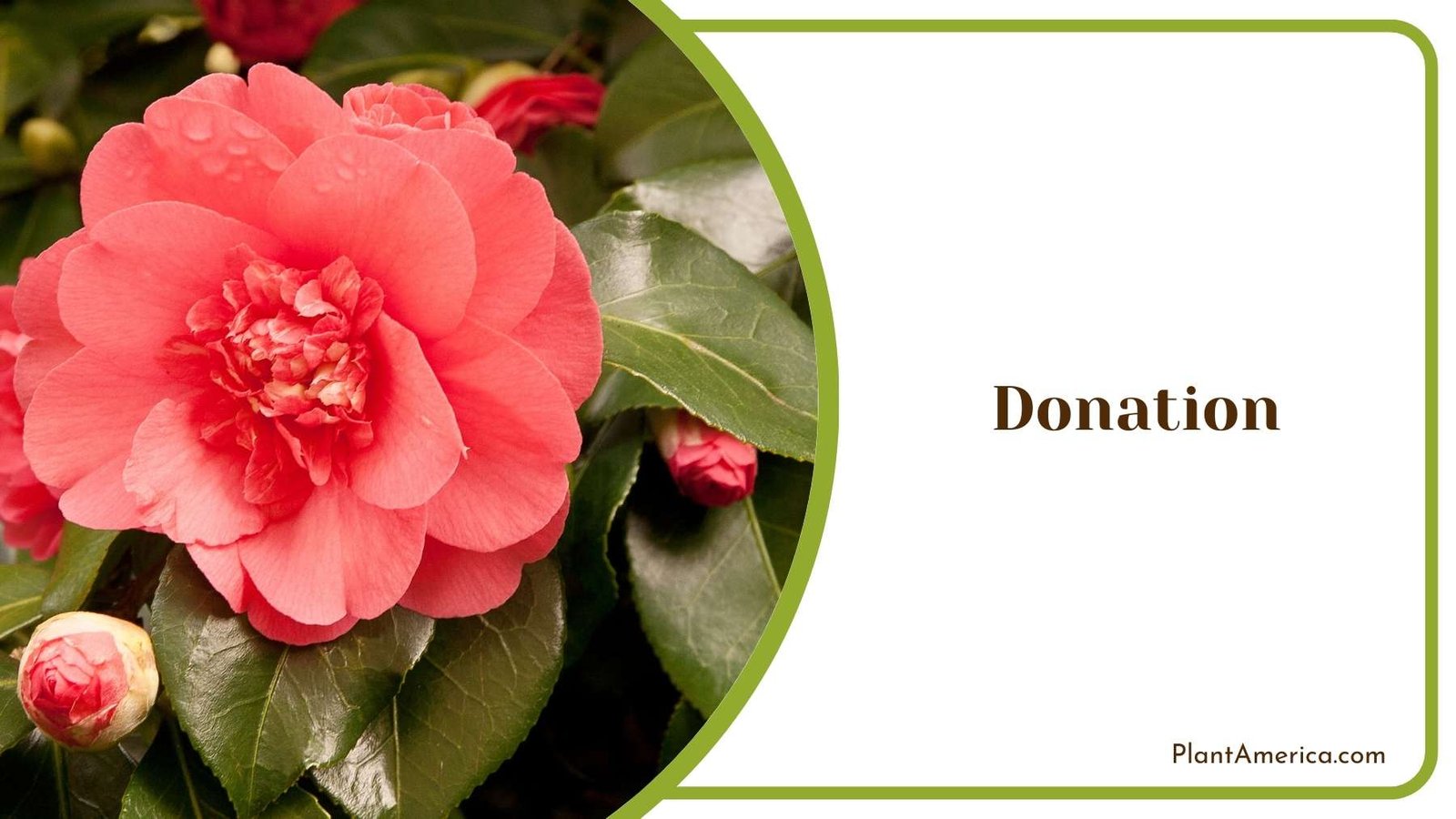
Donation camellias offer a reliable display of red flowers from fall through spring. Complementing its fiery blooms are textured, elliptical green leaves. Donation thrives with protection from the harsh afternoon sun, and soil is maintained at an evenly moist level.
This can be achieved through strategic watering practices and amending sandy locations with organic material to boost water retention. Pests are rarely a serious issue for Donation, but some gardeners have witnessed damage from leafhoppers or vine weevils under certain conditions. Leafhoppers puncture and remove plant fluids from foliage, leaving bleached stippling behind.
Vine weevils chew notches in leaf edges, often appearing as new growth forms in springtime. Removing affected leaves and protecting vulnerable plant parts with barriers like floating row covers can help minimize impact from these occasional invaders when preventative measures don’t suffice. Donation camellias make a superb addition to gardens seeking reliable color all winter.
4. C. Sasanqua
- Growing Season: Fall, Winter, Spring
- Leaf Shape: Oblong, Pointed tip, Smooth edges
- Specific Needs: Tolerates temperatures down to five degrees Fahrenheit
- Common Pests: Camellia flower blotch
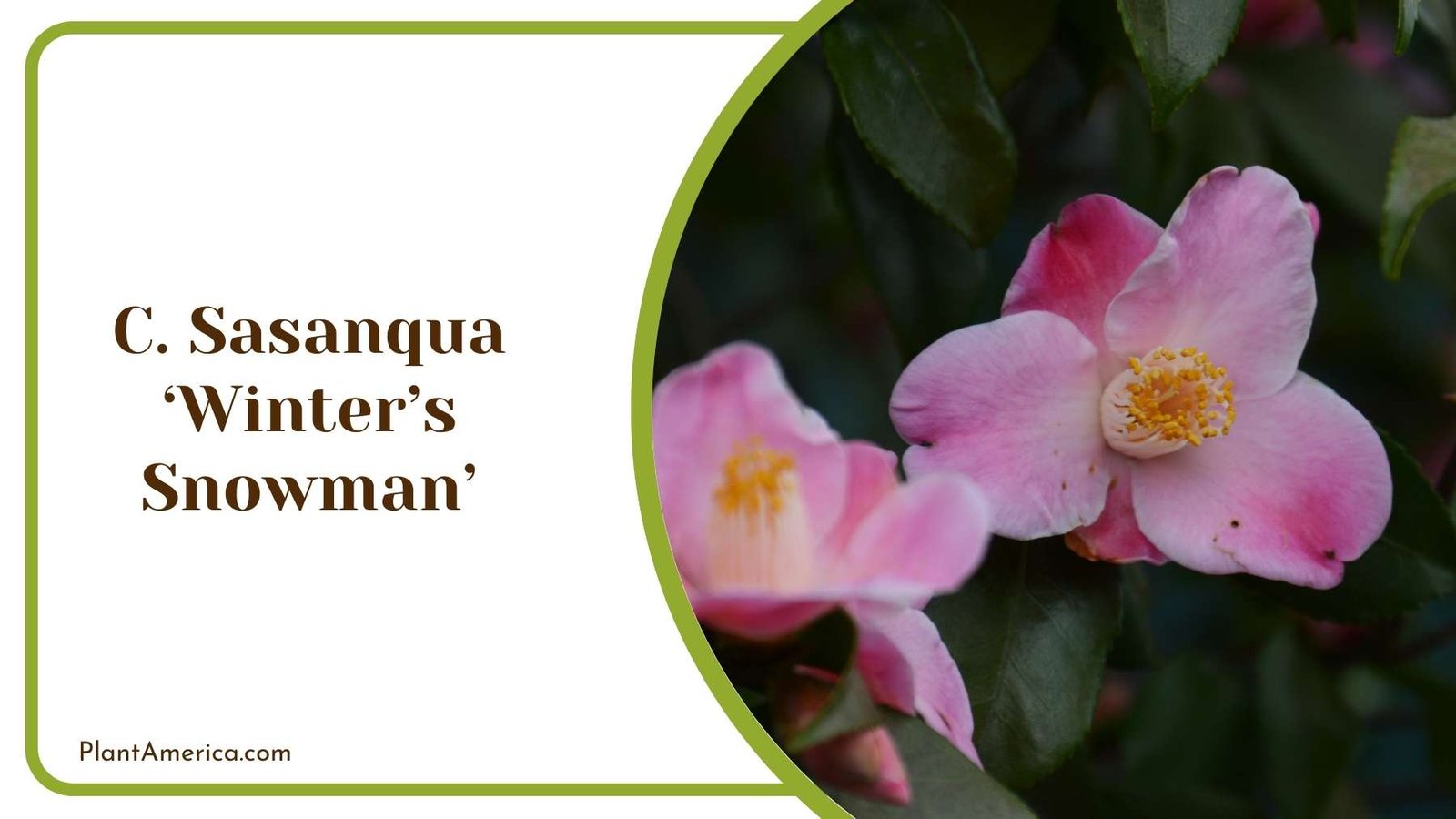
Camellia sasanqua adds early spring color where other plants remain dormant. Forming dense shrubs three to 10 feet tall, its smooth evergreen leaves provide year-round texture. Come late winter or early spring, simple white, pink or red flowers emerge one by one from leaf axils along branches. Individual blooms open from tight buds to reveal pristine petals in charming one-inch diameters. Some cultivars offer bicolored blooms or frilly edges for added interest.
Clustering in casual profusion, C. sasanqua’s blooms bring a cheerful counterpoint to dreary post-holiday landscapes. Bees and butterflies arrive to sip nectar, their appearances like delicate jewels amid greenery. The light fragrance wafts on the quiet air.
Blooming persistently through early spring, it offers extended color before more floriferous companions emerge. As temperatures rise, lush leaves remain, maturing to a shiny dark tone. Buds hint that winter’s brief spectacle will recur another year.
Evergreen nature makes C. sasanqua perfect for foundation plantings, screening or containers. Partial shade suits it though full sun may scorch leaves in hottest zones. Compact stature fits nearly any garden style.
Little care beyond occasional pruning maintains C. sasanqua’s natural shape and vigor for reliable performances season after season. Gracing borders with stoic resilience, it lifts spirits from dreariness and ushers in hopeful anticipation of nature’s renewal heralded by flashes of early color.
5. C. Chrysantha
- Growing Season: Fall, Winter, Spring
- Leaf Shape: Oval
- Specific Needs: Prefers partial shade, Acidic soil
- Common Pests: Scale, Spider mites
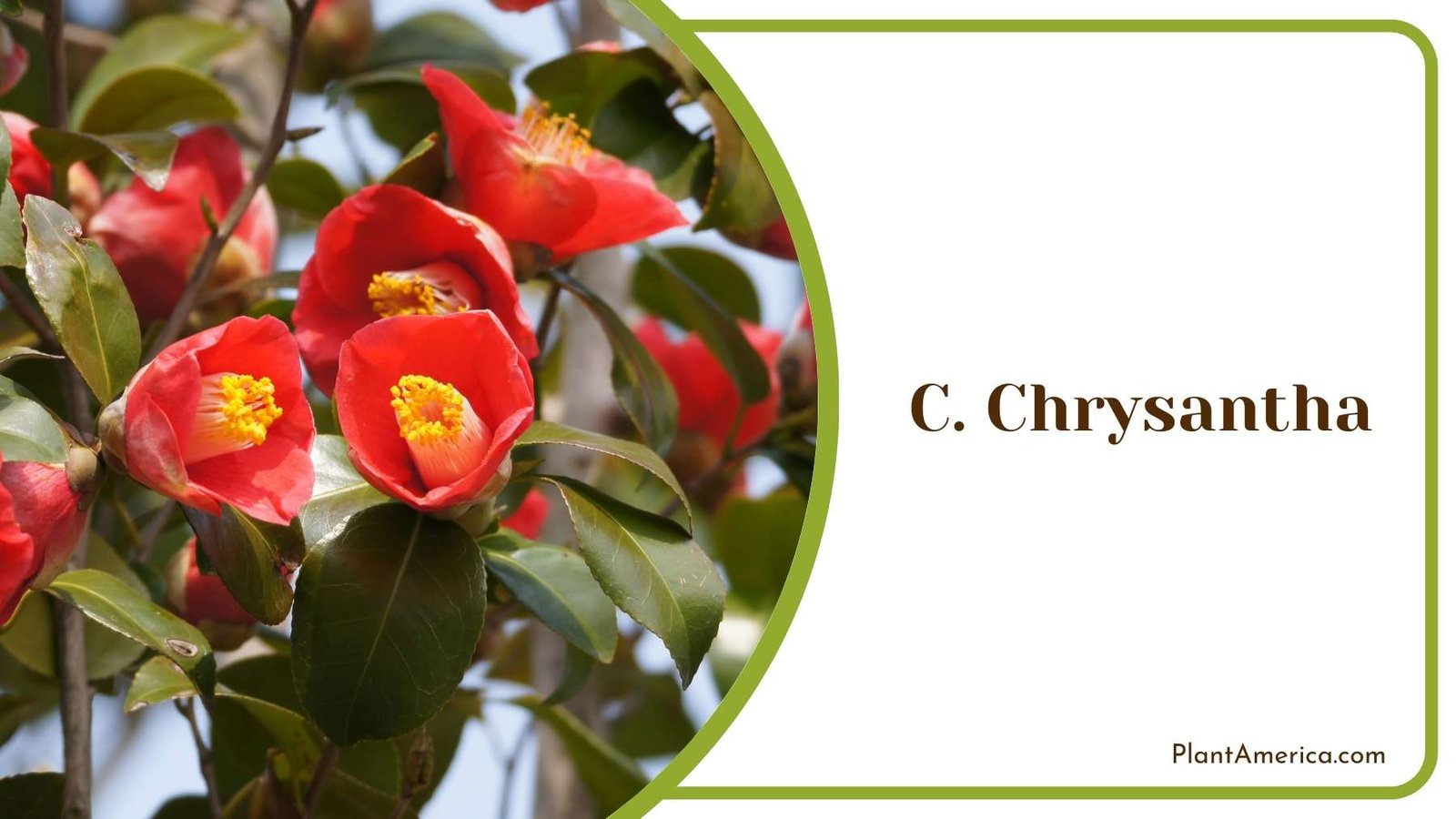
Originating from central China, Camellia chrysantha delights with an abundance of comparatively petite blooms in vibrant shades of golden orange-red. Distinctive cultivars within this species often bear two-toned petals, exhibiting deeper reddish veins contrasting the brighter fiery exterior coloration. Individual blooms typically measure one to two inches wide and are notable for their high centered, cup-like form accented with a flat or slightly ruffled texture.
chrysantha develops into a compact, rounded shrub reaching six to 10 feet tall and wide over time. Its branching structure carries dense foliage consisting of smooth, leathery evergreen leaves darkening to a mahogany hue above. Exhibiting hardy traits adapted to Chinese mountain forests, this camellia tolerates temperatures as low as USDA zone seven when sited in partial shade and well-draining soil.
From late winter into early spring, clusters of peachy blooms emerge directly from stems amongst the shiny foliage creating an ablaze effect. While individual flowers persist for several weeks, prolific reblooming throughout this prime time period results in constant cheerful color displayed above lush greenery for months of enjoyment.
Beyond its uniquely hued blooms and neat form, C. chrysantha also provides landscape benefits including wildlife value. Bees actively forage its nectar-rich blossoms and birds feast upon ripened seed capsules, making this camellia a sustainable choice for eco-minded gardens. Combined hardiness and ornamental merits have situated C. chrysantha as a landscape favorite offering a novel splash of golden tones amidst its red cousins each spring..
6. Otome
- Growing Season: Fall, Winter, Spring
- Leaf Shape: Elliptical, Smooth edges
- Specific Needs: Prefers partial shade, Consistently moist soil
- Common Pests: Leafhoppers, Vine weevils
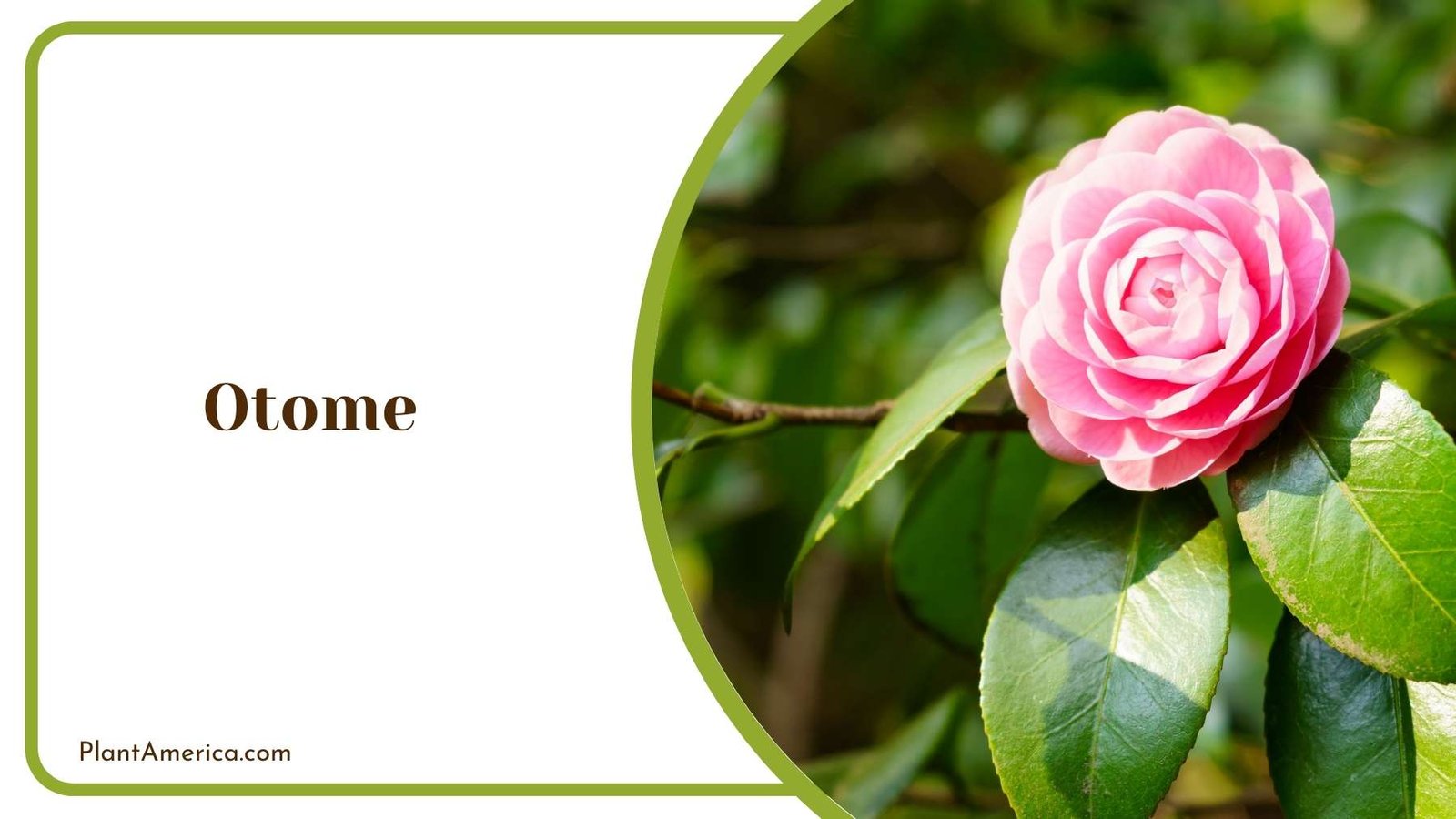
The Otome camellia variety produces an exquisite peony form flower that is prized among camellia connoisseurs. Developed in Japan, Otome camellias bear blooms in shades of dark pink ranging to deep rose red. Their formal blooms are intensely doubled, with layers of very round, smooth-edged petals that can reach six inches or more in diameter. The effect is one of perfect, sculpted spheres resembling peonies or dahlias.
At the center of each bloom are a darker pink tuft of short stamens flecked with gold that provide splendid contrast. Otome camellias are slower growing than many varieties, forming dense, compact shrubs reaching only three to five feet tall and wide over time. Their tidy habit makes them well-suited for growing in planters or smaller gardens.
These camellias are prized for their flowers’ pristine appearance and longevity both on the bush and as cut flowers. Individual blooms can remain in pristine condition for two to three weeks before fading gracefully. During late fall through winter, properly sited and cared for plants will be smothered in their lovely blooms.
7. Vernal Supreme
- Growing Season: Fall, Winter, Spring
- Leaf Shape: Oval, Round
- Specific Needs: Prefers partial shade, Well-draining soil
- Common Pests: Root rot, Leaf blight, Nematodes
Vernal Supreme camellias are prized for their breathtaking display of massive, ruffled blooms in tones of vibrant red. Originating in Georgia in the 1970s, this floribunda cultivar produces an abundant crop of showy flowers each spring, living up to its name.
The blooms of Vernal Supreme can reach six to eight inches wide, among the largest of camellia varieties. Their profuse, overlapping petals create an impression of lush fullness in hues ranging from deep ruby to scarlet depending on conditions. Over 50 blooms or more may grace an established plant during peak flowering season from March through May.
Vigorous shrubs grow six to 10 feet tall and wide over time, developing an intricately branched structure. Dark green leaves stay colorful through summer before dropping to reveal new scarlet-tinted growth in fall. These camellias tolerate partial shade but perform best with morning sun and protection from hot spots. Well-draining, acidic soil keeps them healthy.
Vernal Supreme camellias are versatile specimens for ornamental use. Their large-scale blooms create a stunning architectural effect in borders and foundation plantings. Individual flowers are long-lasting when cut, making this variety outstanding for indoor floral arrangements.
Where winterfreezing is rare, specimens may even re-bloom intermittently through summer. Overall, Vernal Supreme camellias delight with unparalleled beauty each spring, commanding attention through superior flower size and colorful magnificence.
8. C. Japonica ‘Akashigata’
- Growing Season: Fall, Winter, Spring
- Leaf Shape: Oval
- Specific Needs: Prefers partial shade, Well-draining soil
- Common Pests: Spider mites, Leaf miners
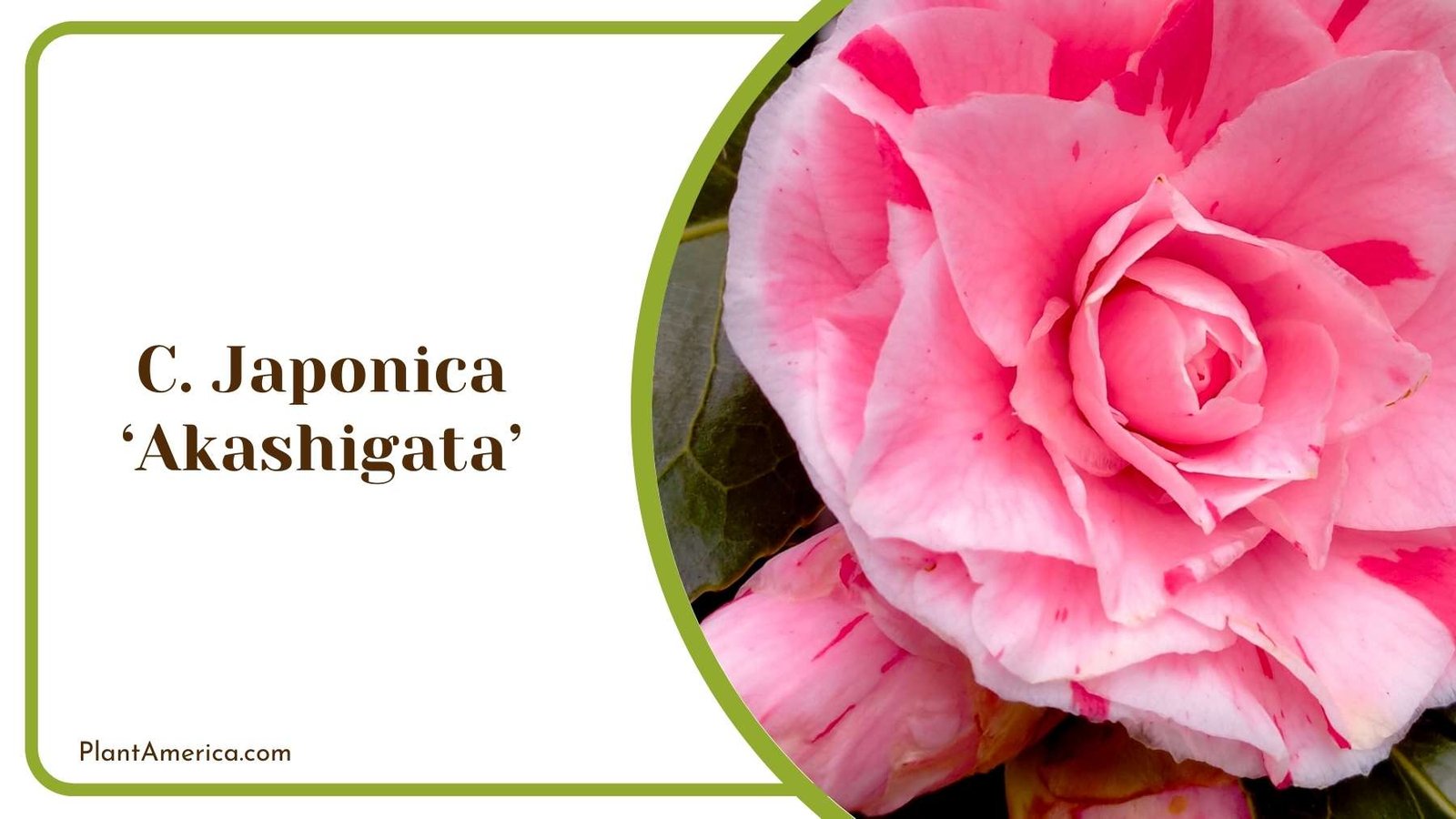
Camellia japonica ‘Akashigata’ enchants gardens with blooms in hues reminiscent of sunrise and sunset. Forming a dense, compact shrub reaching four to six feet tall and wide, its structure provides the perfect backdrop to highlight colorful seasonal displays.
‘Akashigata’ blooms persistently for months on end, continuing to captivate with each new bud that opens. Fresh foliage follows, rounding out its diverse architecture. Dense growth habit means bountiful blooms are visible from all angles. Little care beyond pruning and protection from scorching afternoon sun suits this sun-loving camellia. Its compact nature is perfect for patios, mixed borders or small gardens.
Gracing the landscape with ethereal beauty and hope, ‘Akashigata’ uplifts daily through subtle flair and intricate expressions of nature’s infinite creativity at work renewing life each passing season. Its cheerful presence provides constant reminders to appreciate fleeting moments of splendor in even the smallest of places..
9. C. Sasanqua ‘Plantation Pink’
- Growing Season: Fall, Winter, Spring
- Leaf Shape: Oblong
- Specific Needs: Prefers partial shade, Acidic soil
- Common Pests: Scale, Spider mites
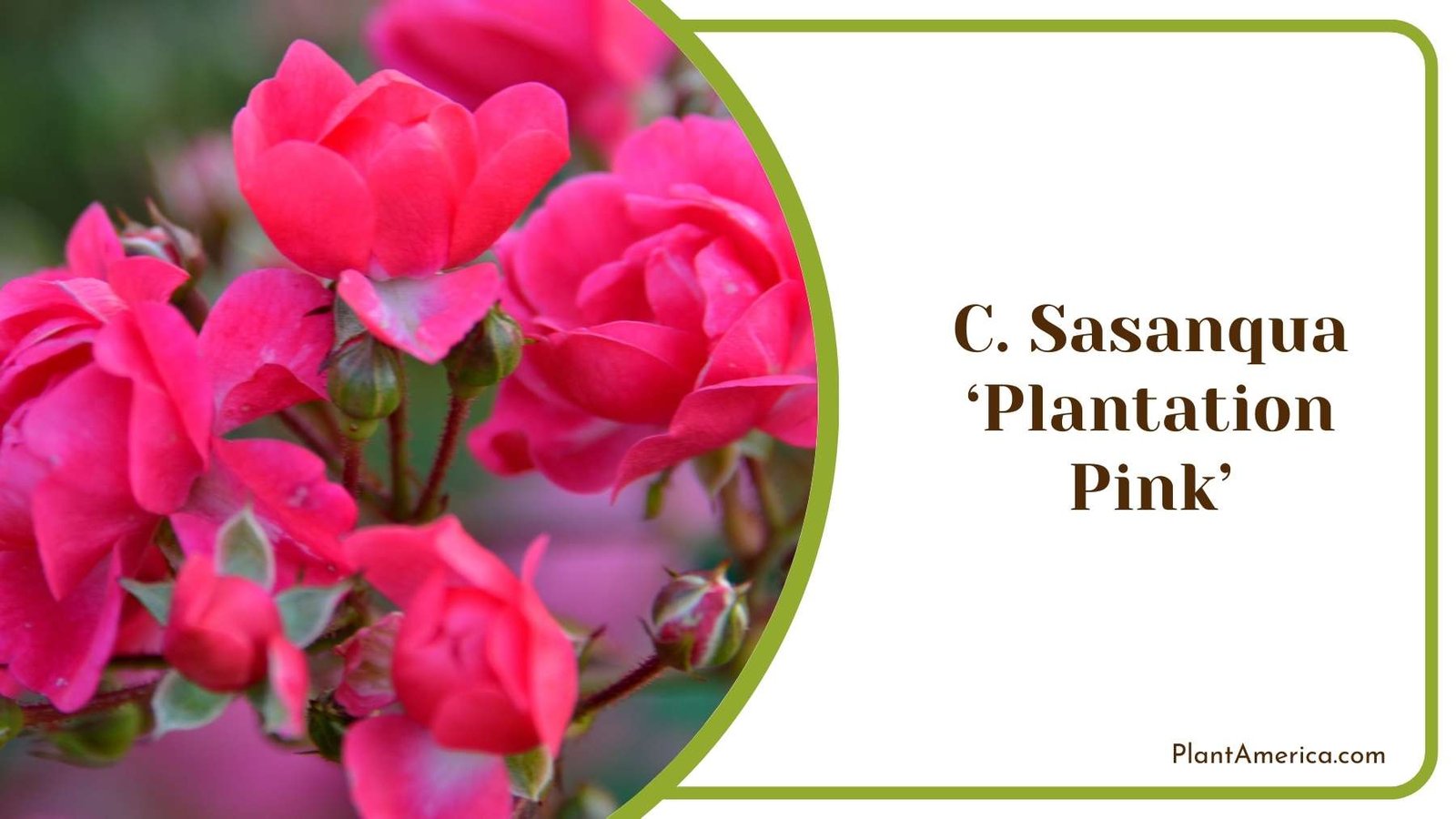
Camellia sasanqua ‘Plantation Pink’ is a popular and widely available cultivar that produces an abundant display of light pink, single blooms in fall and winter. As a sasanqua camellia, ‘Plantation Pink’ is more cold hardy than japonica varieties, thriving in USDA planting zones 6-9. It forms a dense, mounding shrub two to four feet tall and wide over time.
The blossoms of ‘Plantation Pink’ are approximately two to three inches wide and have five to six overlapping petals of a lovely soft pink color. Unlike formal camellia blooms, the petals are irregular and edged, giving the flowers a charming casual appearance. They emerge from the dark green foliage almost by the dozens during autumn and winter months.
‘Plantation Pink’ makes an excellent choice for hedges, foundation planting, or massing in beds and borders due to its dependable flowering habit and compact size. It also works well as a potted plant. These camellias thrive with afternoon shade and consistently moist, well-draining soil enriched with organic matter. They are highly resistant to diseases and pests when sited properly.
With its lovely soft pink flowers that emerge young and remain through winter, ‘Plantation Pink’ is a top choice for those wanting the hardiness of sasanquas combined with a relaxed display of abundant camellia blossoms. Its naturalistic blooms make it a favorite for both landscapes and bouquets as well..
10. C. Sasanqua ‘Winter’s Snowman’
- Growing Season: Fall, Winter, Spring
- Leaf Shape: Elliptical
- Specific Needs: Prefers partial shade, Consistently moist soil
- Common Pests: Leafhoppers, Vine weevils
Compact rounded shrubs grow only three to four feet tall and wide, covered from late fall through early spring with pristine white blooms. Each intricate flower consists of numerous tightly packed petals forming a one to two inch ball-shaped head. Their pure white color rivals fresh snowfall against the plant’s dark green leaves.
Blooming reliably even in frigid zones six to nine, ‘Winter’s Snowman’ camellias thrive in partial shade with shelter from harsh winds. Their tolerance for cold temperatures enables winter displays where typical garden camellias could not survive. Well-drained soil nourished with compost or peat moss keeps these adaptable shrubs healthy regardless of the season.
Ethereal blooms on dwarf mounded plants make ‘Winter’s Snowman’ an ideal choice for rock gardens, tufa planters, or other contained landscapes. Their whimsical flowers also cut well for indoor holiday arrangements. Where space allows, the camellias serve charmingly en masse along borders or framing entries.
11. Vermillion

- Growing Season: Fall, Winter, Spring
- Leaf Shape: Oval
- Specific Needs: Prefers partial shade, Consistently moist soil
- Common Pests: Leafhoppers, Lace bugs
Within the vast repertoire of camellia varieties, Vermillion cultivars epitomize an intense gemstone red shade that stops onlookers in their tracks. These hybrids tend to develop into handsome rounded shrubs reaching 6 to 10 feet tall and wide over time, bearing foliage that emerges bronze then transitions to a lustrous jade coloration above.
Clusters of perfectly formed blooms emerge directly from the leaf axils and branch patterns throughout late winter and early spring. Individual blooms consistently achieve a fiery diameter of four to five inches, presenting smooth polished petals of the purest vivid scarlet hue. Their shades of deep cardinal red resemble rubies, matching the intensity of their varietal name.
Due to hybridization history, Vermillion camellias tend to express fruitful reblooming behavior beyond their prime season for additional months of brilliant color. The abundance of showstopping blossoms blanketing these compact shrubs creates a dramatically beautiful scene illuminating landscape beds or courtyard planters.
Thriving on occasional fertilizer or compost top-dressings, Vermillion camellias establish trouble-free as sound investments for refined gardens. Their lush size and architectural character make ideal accent plants, screens or hedges that require sparse pruning beyond shaping. Pollinators flock to feed upon their nectar-rich blooms, sustaining wildlife into spring.
Conclusion
This article has provided insights into beautiful red camellia varieties well-suited to gardens seeking color throughout the fall, winter, and spring seasons.
- Camellia japonica offers a delicate addition to gardens with its finely textured foliage and airy habit.
- Camellia japonica ‘Akashigata’ enchants gardens with blooms in hues reminiscent of sunrise and sunset.
- Camellia sasanqua ‘Vernal Supreme’ heralds the promise of spring with an uplifting display of double blooms in hues evoking new growth and renewal.
While camellias are not always the easiest perennials to cultivate, starting with cold-hardy varieties selected for your climate and soil can help ensure years of beautiful blooms with minimal effort. Don’t be afraid to try growing a few of these reds; your winter garden will surely thank you as the cheerful flowers brighten even the dreariest days. With some care tailored to their individual needs, camellias reward patient gardeners with vibrant colors season after season.