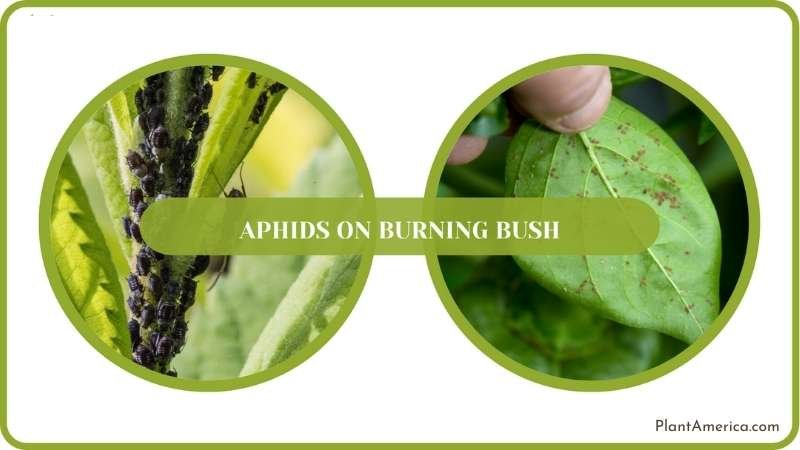
Treatments for aphids on burning bush are plenty if you know where to look. Leaving them untreated is the worst thing to do. Aphids are plants’ enemies, but with the right tricks, you can have your burning bushes thriving again.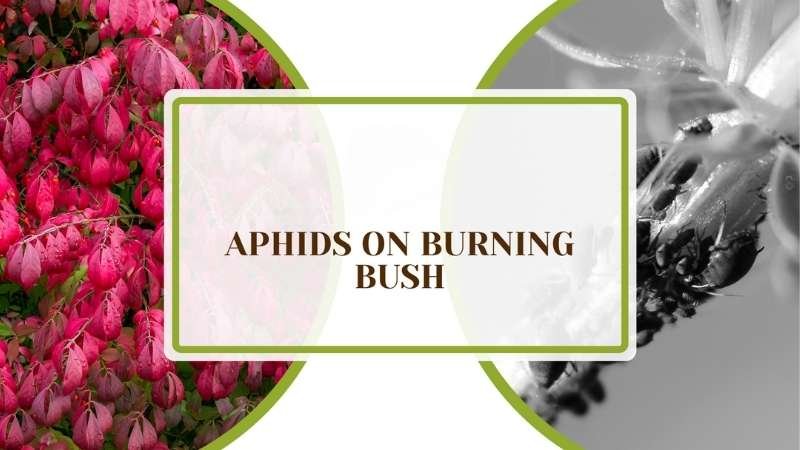
What Problems Arise From Aphids on a Burning Bush?
Problems that arise from aphids on a burning bush include the plant’s health and appearance, such as leaf damage, honeydew production, sooty mold, etc. Aphids are tiny, sap-sucking pests that feed on the plant’s phloem, a part that is vital in transporting nutrients.
– Leaf Damage
Aphids are tiny insects that damage burning bush by sucking the juice from leaves and stems. They use their needles-like mouthparts for taking feed from host plants. This feeding damages the plant, and leaves turn yellow while massive infestation leaves drop prematurely. Moreover, large infestations produce a sugar-sticky waste called “honeydew.”
– Honeydew
Honeydew is a sugar-sticky liquid that aphids release when they feed on plant sap. This liquid is harmful to plant health because it accumulates in the leaves and stops the photosynthesis process. Additionally, honeydew attracts ants to visit the burning bush and feed it. This sugar-sticky liquid produces insects like cicadas that are also not good for plant growth.
– Sooty Mold
Aphids release honeydew that can lead to the growth of sooty mold. Sooty mold is a blackish fungus disease on plants’ surfaces, especially burning bushes. This fungal disease looks unsightly and damages the plant’s health badly.
This mold covers the plant surface entirely and inhibits the plant’s ability to photosynthesize properly. Sooty mold has been divided into differing classifications, but black sooty mold is difficult for plants.
– Reduced Vigor
When the aphids suck the juice from the burning bush leaves and stems, they reduce their energy reserves, reducing overall vigor. Large infestations can cause stresses such as diseases and harsh environmental conditions.
– Virus Transmission
Viruses are injected by aphids that can cause severe plant diseases. Aphids carrying the viruses can introduce these pathogens into the burning bush leaves and stems. After injecting the virus, plants will be weakened daily, and they can die if unchecked.
– Reach Nearby Plants
Aphids are tiny pests that come with yellow colors. These pests are known for their ability to reproduce rapidly, so there is a high chance that infestation can quickly spread to other nearby plants efficiently. Additionally, it can cause a broader pest problem in your garden and landscapes.
– Disruption of Ecosystem Balance
Aphids are part of the ecosystem and good food resources for their useful insects, such as ladybugs and lacewings. But if their population becomes too high, it can ruin the ecosystem of your garden and landscape. Furthermore, it can cause an imbalance in predator-prey relationships.
How Can You Save a Burning Bush From Aphids?
You can save a burning bush from aphids by spraying them off with a strong stream of water from a garden hose. A good rainstorm knocks off small and soft insects which rarely climb back on. Many other methods are very reliable and helpful.
– Water Approach
Using water to remove aphids is a straightforward and effective method. Rinse off all aphids through high-pressure water. Use caution for plant safety. Soapy water is another best way to remove the aphids from burning bushes. However, you can avoid this method if you have delicate plants.
Aphids are soft insects, so you can easily remove them through this recommended method. If the infestation is severe, repeat this method twice a week. If it does not work, then you need to explore other options, or you can consult with a gardening professional.
– Pesticide Spray
Pesticide sprays are very reliable to kill the natural enemies of plants. There are Nemours commercial pesticide sprays available to control aphids. The most recommended and safest pesticide spray is “Neem Oil.” It is a natural aphid control solution and can be used for both outdoor and indoor plants.
The oil spray prevents the garden from fungus and other leaf diseases. Moreover, it is effective against spider mites as well. Always use this oil in the morning or evening. Don’t use the oil in the daytime because direct sunlight and neem can burn plants.
– Aphids Predators
Plant flowers like daisies, marigolds, and alyssum because these are aphid predators. Sunflowers also attract beneficial insects to eat aphids and protect our garden from severe diseases.
Ladybugs and lacewings are critical beneficial insects, and they effectively control aphid populations. There are more than 3,500 ladybug species in the world, and each ladybug eats up to 5,000 insects in its lifetime.
– Insecticidal Soaps
The soaps work quickly on large infestations. It damages the outer layer of soft-body pests, and they die in one hour due to dehydration. These soaps are made with natural plant oils and animal fats. This soap can be used for both outside and inside aphids.
Apply 2.5 ounces per gallon when aphids are present in the burning bush. Repeat after seven to 10 days until they are gone. Don’t apply this method in the daytime, significantly when temperatures exceed 90 degrees Fahrenheit.
– Diatomaceous Earth
This earth is a toxic material that is used to hydrate the aphids. Snails and slugs do not like this material because their soft bodies get cut and eventually die. Silica skeletons are used in the earth that is too sharp for aphids and cut their skin in a few seconds. This material can only work on soft-body pests and aphids. DE works efficiently in dry weather, so reapply when it rains.
Most people think DE harms the burning bush, but it is false. DE is harmful to pests, not to soil. Furthermore, it’s not toxic to birds and animals; that’s why it has been added to livestock feed for many years. For better results, you have to repeat this procedure twice a week.
– Isopropyl Alcohol
Isopropyl alcohol always wins the battle against aphids and kills them in a couple of hours, and it is easy to find as well. To make this alcoholic solution, you must mix alcohol with water, mixing equal parts 70 percent alcohol and water. If you are using more alcohol, then add ½ part water more.
You can also use a soapy emulsion to make it more effective; add one tablespoon of dish soap to the 5 cups of water and alcohol. These solutions should only be sprayed over part of the plant at a time. Only spray on the infested area to kill the aphids efficiently. Repeat this procedure twice a week.
– Keep Your Plants Watered
In the sweltering weather, keep your garden cool with fresh water because it keeps plants fresh and controls aphid damage. Constantly water the plants with a high-power hose to kill the aphids, and morning is the best time for watering because the air and the soil are cooler, which minimizes evaporation.
In addition, in the morning, plants can absorb water efficiently. Plants need more attention and care in hot summers, so water them twice daily.
– Avoid Over-Fertilizing
Many people don’t know, but over-fertilizing is an invitation to aphids that come and suck the fresh juice from a burning bush. Excess nitrogen helps pests to increase and spread the infestation in plants.
Feed your plant a smaller amount of nutrients throughout the year. Protecting our gardens and yards from harmful insects is essential, so don’t over-fertilize your plants if you want to keep the burning bush shining.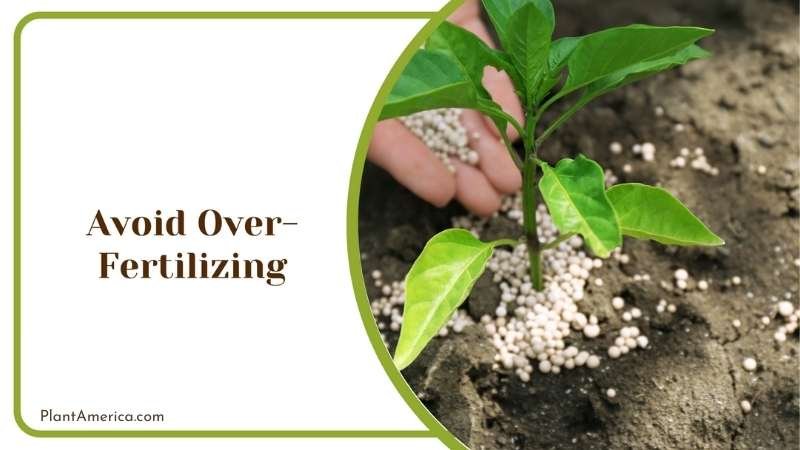
– Control Ants
Aphids and ants have a mutual relationship. Aphids release honeydew, and ants go wild for it. For feeding this honeydew, ants protect aphids from predatory insects. You will also get the ants colony when you see the aphids around burning bushes.
Many pesticides, such as essential oil from neem and horticultural oil, are available to kill ants. If you don’t want to use pesticides to remove ants, you can allow ladybugs to do their job.
– Grow Aromas Plants
Aroma plants are essential to protect your garden from aphid attacks. Aphids hate the strong scent of marigolds. So, they are great companions against the battle of pests. Furthermore, strong scented plants keep the environment fresh and healthy and prevent aphids.
Many other herbs, such as fennel and cilantro, also have unique scents that deter aphids. You can plant these beneficial herbs in the container and take advantage of their pest-repellent properties.
– Horticultural Oils
Horticultural oil is a pesticide that controls spider mites on burning bush and other insects. It also prevents plants from other harmful diseases. Commercially available horticultural oil is purified and does not harm plants’ health.
This oil contains soybean, Sesma, and other necessary compounds, making it more potent against aphids.
This oil can also be used as a fungicide. Horticultural oil can reduce fungi growth by killing pests and aphids; viral disease can be reduced. Horticultural oil is safe for humans and wildlife but can cause eye irritation and skin problems in humans.
When you spray this oil, always cover your face and body. Oils do not need special equipment for the application other than a garden sprayer.
Frequently Asked Questions
– How to Get Rid of Aphids Permanently?
To get rid of aphids permanently, Introducing useful insects such as lacewings and ladybugs is an effective and long-term method. Additionally, pesticides such as neem oil, insecticidal soap, and diatomaceous soil can also be used as a more permanent solution to aphid problems.
– What Causes Aphid Infestation?
Many causes of an aphid infestation include poor soil quality, overcrowding, stressed plants, and water shortage. Aphids are attracted to plants that do not have the capacity to fight them off, so the health of the plant is important to maintain.
– What Is the Black Aphids Treatment?
The black aphids treatment is a pesticide spray that is a helpful treatment and chemical control to remove black aphids in your garden, even though the life cycle of these aphids is not too long. The average life of one aphid is a month, making this treatment the best solution.