
African violet varieties of the Gesneriaceae family offer endlessly rewarding indoor gardening experiences. They come in a wide range of bloom colors from pinks and purples to whites and oranges.

Each variety has its own unique charm from frilly double blooms to trailing cascades of color.
Growing these hardy violets is simple and rewarding, so whether you’re a plant novice or an avid green thumb, come grow violets with us!
The Best African Violet Varieties For Your Indoor Garden
1. Lonestar Snowstorm

- Growing season: Spring, Summer, Fall
- Leaf shape: Large, Heart-shaped
- Specific needs: High humidity, Indirect sunlight
- Common pest: Aphids, Caterpillars
Lonestar Snowstorm is an heirloom violet variety known for its large, double-white blooms that seem to glow. The heart-shaped leaves form a compact mound perfect for tabletop displays.
When growing Lonestar Snowstorm, provide humid conditions by misting the leaves frequently and placing the pot on a pebble tray with water.
The large blooms thrive with indirect morning light, so avoid placing them in direct sun. Inspect the leaves regularly for small insects like aphids, and remove them by hand or with an insecticidal soap spray. The abundant double blooms will reward your tender loving care with a cheerfully snowy display.
2. Persian Prince
- Growing season: All year
- Leaf shape: Oval, Rounded
- Specific needs: Stalk tall stems, Regular watering
- Common pest: Aphids, Mealybugs
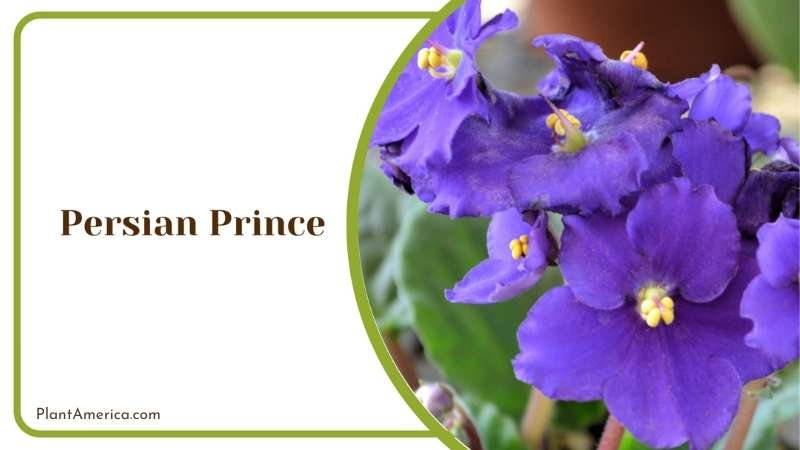
Persian Prince African violets produce rich maroon blooms with a deep blue undertone — a beautiful contrast for any indoor garden. The oval leaves form a tall mound and trail elegantly over the side of the pot.
Place Persian Prince violets in indirect to partial sun and provide bright, diffuse light year-round. The tall stems will need staking to avoid flopping over. We recommend bamboo stakes or thin garden ties to support heavy blooms.
Check the nooks and crannies regularly for mealybugs, which like to hide in leaf axils and on stems. Wiping leaves frequently with a damp cloth will also help manage dust accumulation. With proper care, this stunning variety will reward you with an abundance of richly hued blossoms.
3. Snowdrift
- Growing season: All year
- Leaf shape: Large, Rounded
- Specific needs: Maintain uniform moisture, Regular watering
- Common pest: Aphids, Root mealybugs
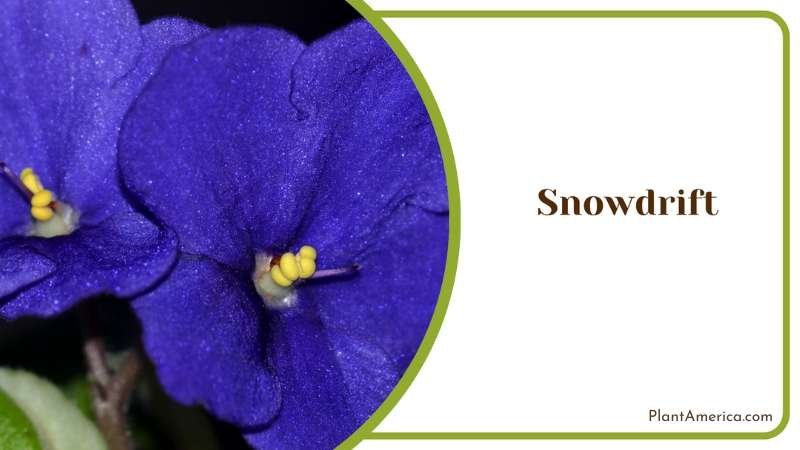
Snowdrift African violets produce an abundance of delicate pure white blooms that resemble little snowflakes. The rounded, crinkly leaves form a low, spreading mound that works well in hanging baskets or window boxes.
Even moisture is key for Snowdrift violets, so let the top inch of soil dry between waterings. Dip your finger in the soil to check the moisture level. Water more frequently in warm weather and less during winter.
Monitor for root mealybugs, which like to hide at the base of the plant and stems, sucking juices from the roots. Remove heavily infested plants and treat the remaining plants with neem oil or insecticidal soap. With adequate light, hydration, and protection from pests, Snowdrift violets will reward you with a continuous winter show of snow-white blossoms.
4. Elan
- Growing season: Spring, Summer, Fall
- Leaf shape: Large, Heart-shaped
- Specific needs: Fertilize regularly, Regular watering
- Common pest: Aphids, Spider mites
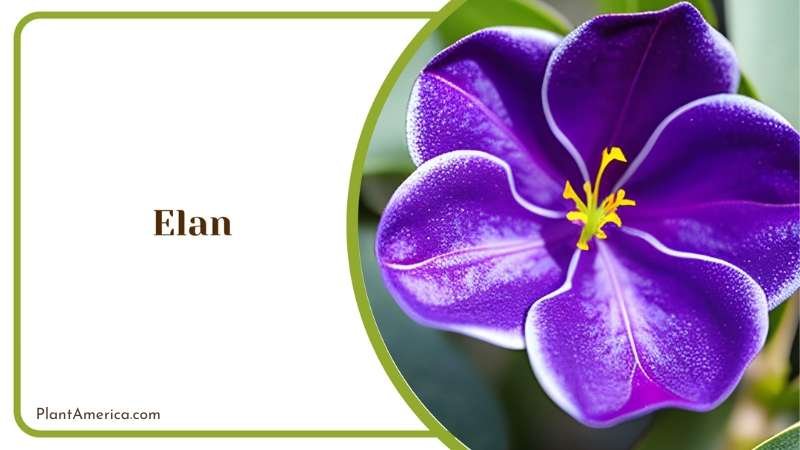
Elan African violets have large, deep purple-pink blooms with frilly edges that resemble a delicate crepe paper arrangement. The heart-shaped leaves form a vase-like mound that’s perfect for displaying this showy variety.
For best results, fertilize Elan violets biweekly during the growing season with liquid or granular fertilizer specifically formulated for African violets. Monitor water levels and allow the top of the soil to dry out between waterings. Check leaves regularly for spider mites, which appear as tiny red dots on leaves and cause stippling.
Rinse leaves with water to dislodge webbing and mites, then treat with insecticidal soap. With proper tender loving care, this striking violet will reward you with an abundance of its unique crepe paper blooms.
5. Emily Peach Blossom
- Growing season: Spring, Summer, Fall
- Leaf shape: Large, Heart-shaped
- Specific needs: Support tall stems, Regular watering
- Common pest: Aphids, Caterpillars
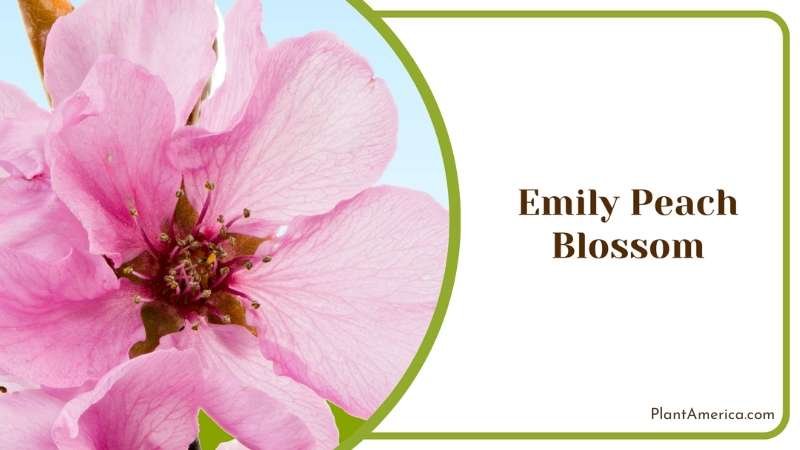
Emily Peach blossom African violets feature large, orchid-like blooms in soft shades of apricot and peach. The heart-shaped velvety leaves form a slender upright mound topped with cascading blooms.
We recommend using thin bamboo stakes inserted just outside of the plant crown and gently tying stems to the stakes for support. Keep soil evenly moist and place it in indirect sunlight. Fertilize monthly during the growing season.
Check leaves regularly for aphids, which can cluster on new growth and stunted leaves. Spray leaves with insecticidal soap or rinse leaves thoroughly with water to dislodge aphids. With the right care, Emily Peach blossom violets will reward you with an abundance of their stunning apricot blooms.
6. Vera Zwanenburg
- Growing season: All year
- Leaf shape: Large, Oblong
- Specific needs: High humidity, Regular watering
- Common pest: Aphids, Fungus gnats
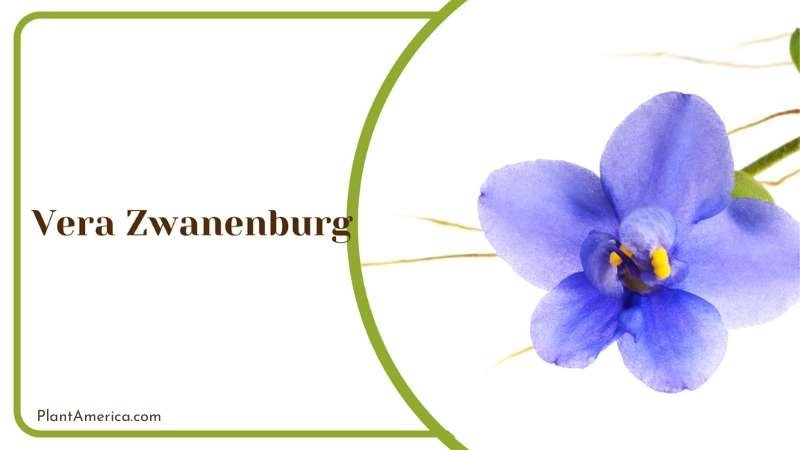
Vera Zwanenburg African violets feature an abundance of large star-shaped blooms in lavender pink with a white throat. The slender oblong leaves form a neat mound that’s perfect for tabletop gardens.
For best results, maintain high humidity for Vera Zwanenburg violets. We recommend misting leaves daily and placing the pot on a pebble tray with water. Choose a location with bright, indirect light. Fertilize monthly during the growing season.
Monitor for fungus gnat larvae, which feed on roots and appear as small white worms. Control gnats by spraying orchid bark with mosquito bits or placing yellow sticky traps throughout the plant. With the right care, Vera Zwanenburg violets will reward you with an abundance of their unique star-shaped lavender blooms.
7. Violetta Dark Red
- Growing season: Spring, Summer
- Leaf shape: Large, Heart-shaped
- Specific needs: Stake tall stems, Regular watering
- Common pest: Aphids, Mealybugs
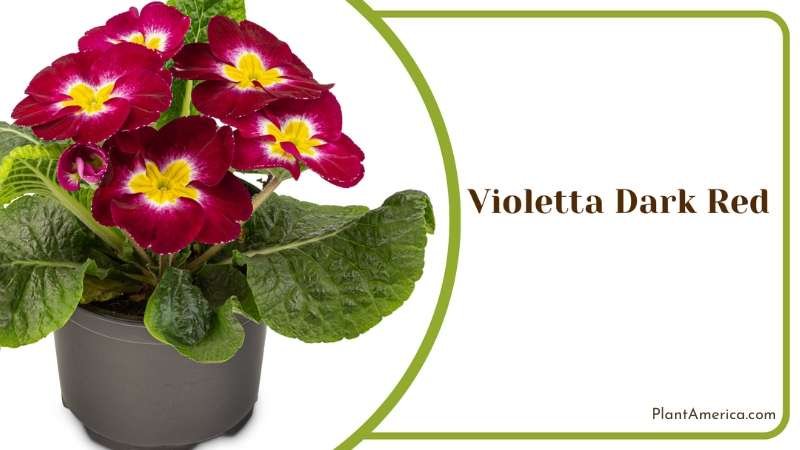
Violetta Dark Red African violets feature large, double dark red blooms that resemble little red pompoms. The heart-shaped leaves form an upright, vase-like shape topped by showy blooms.
Staking will likely be needed for this tall variety. We recommend using thin bamboo stakes and garden ties to support heavy blooms without damaging stems. Provide fertilizer monthly during the growing season.
Place in indirect sunlight and ensure the soil is evenly moist. Check leaves and stems regularly for mealybugs, which can hide in leaf axils and crevices. Spray leaves with insecticidal soap and wipe stems with cotton wool dipped in alcohol to remove any visible mealybugs. With the proper care, Violetta Dark Red violets will reward your efforts with an abundance of their striking red blooms.
8. Gabrielle
- Growing season: Spring, Summer
- Leaf shape: Rounded, Oblong
- Specific needs: Fertilize regularly, Regular watering
- Common pest: Aphids, Spider mites
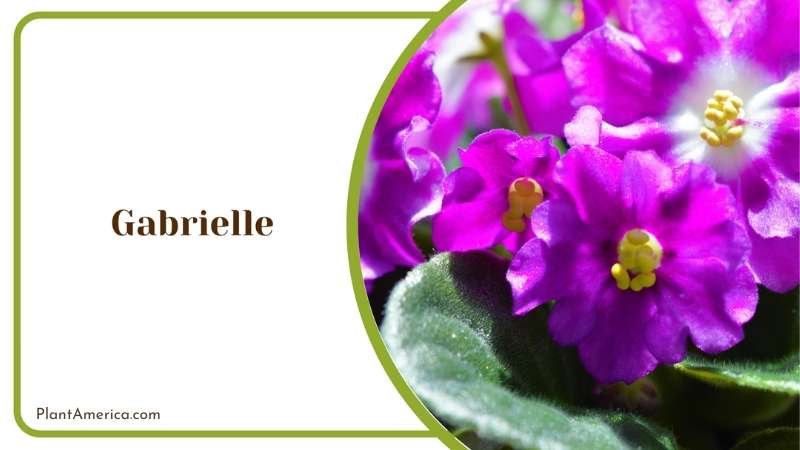
Gabrielle African violets feature dainty blooms in soft shades of pink with a deeper pink center. The oblong to rounded leaves form a compact mound that works well in containers. For best results, fertilize Gabrielle violets monthly during the growing season.
Choose a sunny window and keep the soil consistently moist. Check leaves often for signs of spider mites, which stipple leaves and leave webbing. Spray leaves with a strong stream of water to dislodge mites and webbing.
Treat the plant and surrounding area with insecticidal soap. With the proper care, this elegant variety will reward you with a constant display of its small but charming pink blooms.
9. Butterfly
- Growing season: Spring, Summer, Fall
- Leaf shape: Large, Oblong
- Specific needs: High humidity, Regular watering
- Common pest: Aphids, Caterpillars
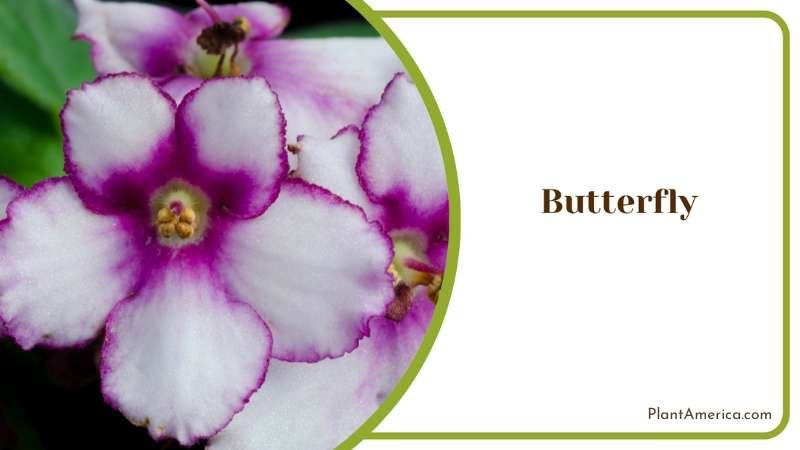
Butterfly African violets feature double blooms in shades of lavender, purple and white that resemble little butterflies hovering over the foliage. The slender oblong leaves form a compact mound.
For best results, mist Butterfly violets frequently and place the pot on a pebble tray filled with pebbles and water. This helps boost humidity levels. Fertilize monthly during the Spring, Summer, and Fall seasons. Provide indirect sunlight and keep soil evenly moist.
Check leaves often for aphids, which feed on new growth and produce honeydew. Spray leaves with neem oil or insecticidal soap to control aphid infestations. With proper care, the unique double blooms of Butterfly violets will reward you with an indoor butterfly garden.
10. Lavender Beauty
- Growing season: All year
- Leaf shape: Oval, Rounded
- Specific needs: Stake or prune tall, Regular watering
- Common pest: Aphids, Spider mites
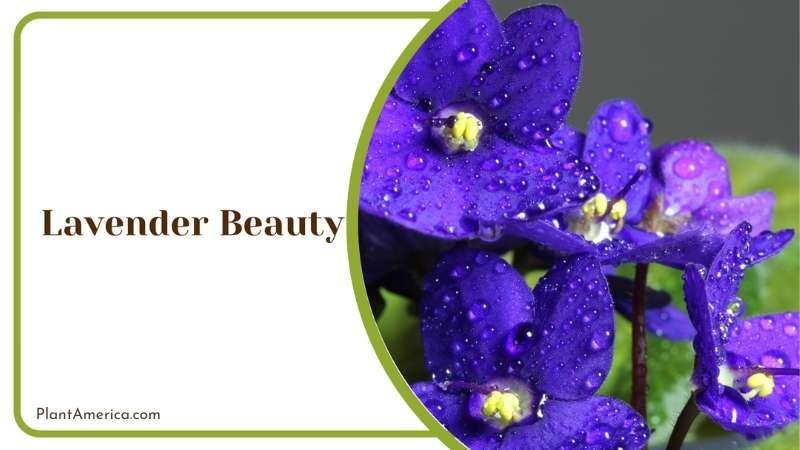
Lavender Beauty African violets have single blooms in shades of light to medium lavender. The rounded to oval leaves form a mound topped by full stems of blooms. This tall variety will benefit from occasional staking or pruning to control height.
Place Lavender Beauty violets in bright, indirect light and add fertilizer every two to three weeks during the growing season. Monitor leaves closely for signs of spider mites, which leave stippling and webbing. Spray leaves with a forceful stream of water to dislodge mites and webbing.
Treat plants with insecticidal soap. With the proper support and frequent inspection for pests, Lavender Beauty violets will reward you with gorgeous lavender blooms for months.
11. Flame of Love
- Growing season: Spring, Summer
- Leaf shape: Large, Heart-shaped
- Specific needs: Stake stems, Regular watering
- Common pest: Aphids, Mealybugs
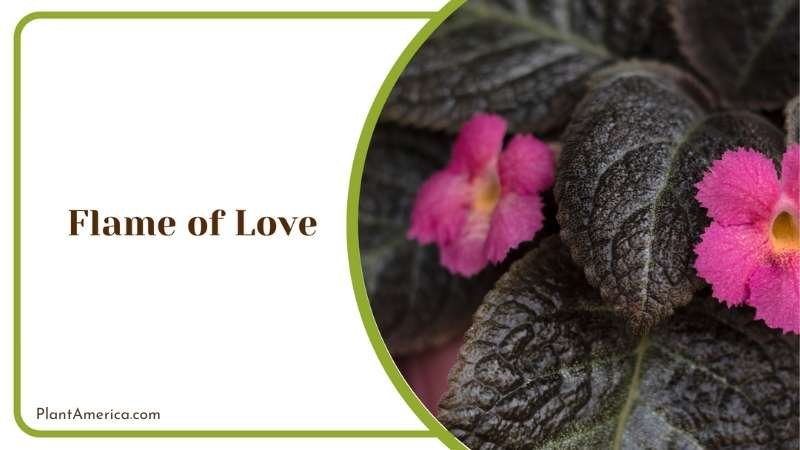
Flame of Love African violets produces red-orange single blooms flecked with darker veins. The heart-shaped leaves form an upright mound topped by dangling stems of blooms. Staking is recommended for Flame of Love violets to support the weight of blooms and avoid stem breakage.
We suggest thin bamboo stakes inserted outside the plant crown and garden ties to secure stems. Place in indirect sunlight and fertilize monthly during the spring and summer growing seasons. Inspect leaves and stems regularly for signs of mealybugs, which like to cluster along stems and leaf axils.
Wipe stems and leaves with an alcohol-soaked cotton swab to remove any visible mealybugs. With proper care, the unique blooms of this showy variety will reward you with a summer bouquet indoors.
12. Helenae
- Growing season: All year
- Leaf shape: Large, Oblong
- Specific needs: High humidity, Regular watering
- Common pest: Aphids, Spider mites
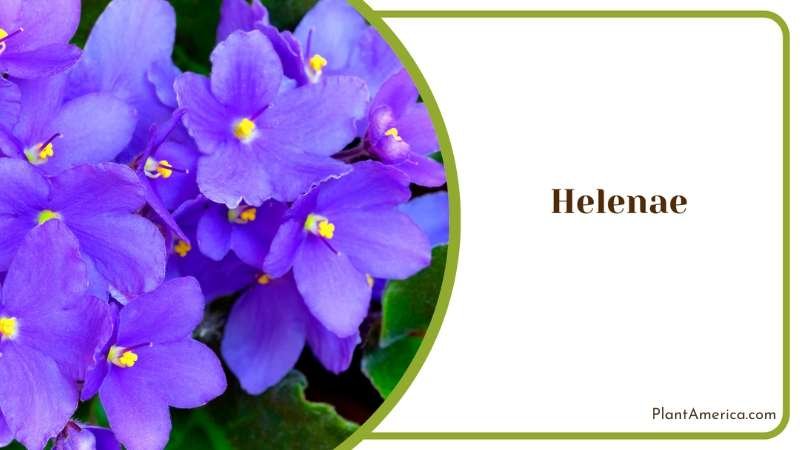
Helenae violets large blooms in shades of deep pink to reddish purple. The oblong leaves form a spreading mound that works well in hanging baskets and window boxes.
For best results, maintain high humidity for Helenae violets by misting leaves daily and placing a pot on a pebbled tray filled with water. Fertilize monthly and provide bright, indirect light year-round. Check leaves often for signs of spider mites which leave stippling and webbing. Spray leaves with a strong amount of water to dislodge spider mites and webbing.
Treat with insecticidal soap. With the proper humidity and pest control, Helenae violets will reward you with an abundance of their large, showy blooms.
13. Christa

- Growing season: Spring, Summer, Fall
- Leaf shape: Large, Rounded
- Specific needs: Support tall stems, Regular watering
- Common pest: Aphids, Fungus Gnats
Christa African violets have striking blooms in shades of deep purple to plum with contrasting deep purple veins. The rounded leaves form a tall upright mound topped with dangling stems of blooms. Staking will likely be needed to support the tall stems of Christa violets and avoid breakage.
We suggest using thin bamboo stakes inserted outside the plant crown and garden ties to secure stems. Water evenly and allow the top one inch of soil to dry out between waterings. Check for fungus gnat larvae, which appear as tiny white worms in the topsoil and feed on roots.
Use Mosquito bits or yellow sticky traps to control gnats. With proper support and pest management, Christa Violet will reward you with a dramatic display of its uniquely veined blooms.
14. Mary Jeanne
- Growing season: All year
- Leaf shape: Large, Rounded
- Specific needs: Stake or prune tall stems, Regular watering
- Common pest: Aphids, Mealybugs
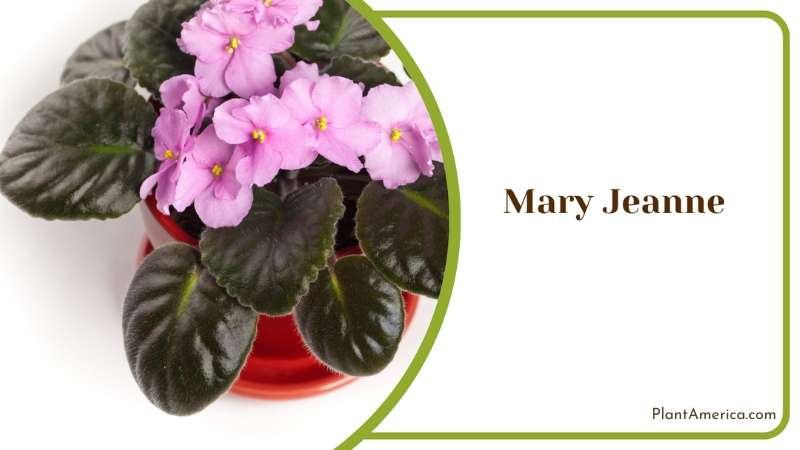
Mary Jeanne African violets produce showy semi-double blooms in shades of coral, apricot, and pink flecked with deeper veins. The rounded leaves form a tall mound topped with dangling stems of blooms.
This tall variety will benefit from occasional staking or pruning to control height. Place Mary Jeanne violets in bright, indirect light and fertilize every two to three weeks. Inspect leaves and stems regularly for signs of mealybugs, which like to cluster along stems and around new growth.
Wipe stems and leaves with an alcohol-soaked cotton swab to remove any visible mealybugs. With proper support and frequent pest inspection, Mary Jeanne Violets will reward you with a constant display of their uniquely veined and semi-double blooms.
15. Valerie
- Growing season: Spring, Summer, Fall
- Leaf shape: Large, Oblong
- Specific needs: Stake or prune tall stems, Regular watering
- Common pest: Aphids, Spider mites
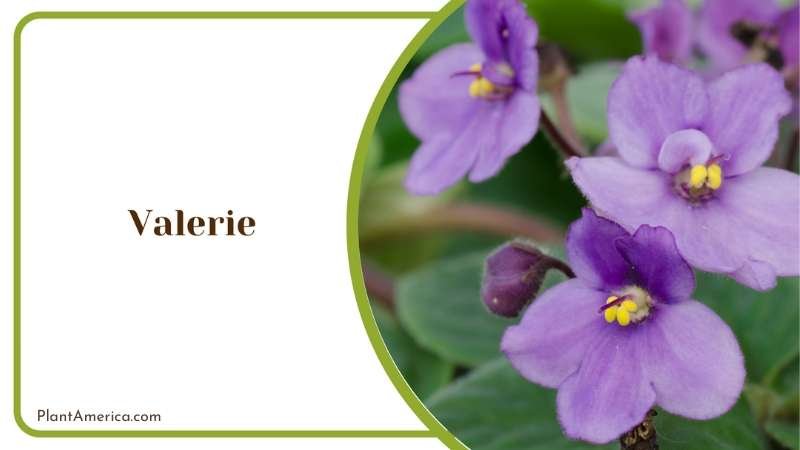
Valerie African violets feature double blooms in shades of orchid pink to lavender with darker veining. The oblong leaves form an upright mound topped with tangled stems of blooms. Staking or occasional pruning may be needed for this tall variety.
We recommend using bamboo stakes and garden ties or trimming stem tops to control height without damaging the plants. Provide fertilizer monthly during the growing season. Place in indirect sunlight.
Inspect leaves regularly for aphids, which cluster around new growth and stunted leaves. Spray with insecticidal soap to control infestations. With proper support and monitoring for pests, Valerie violets will reward you with an abundance of their unique double blooms.
16. Lilac Beauty

- Growing season: Spring, Summer
- Leaf shape: Large, Oblong
- Specific needs: High humidity, Regular watering
- Common pest: Aphids, Spider mites
Lilac Beauty African violets feature large, single blooms in shades of medium to dark purple. The slender oblong leaves form a spreading mound that’s well suited for hanging baskets. For best results, maintain high humidity for Lilac Beauty violets by misting leaves frequently and placing the pot on a pebbled tray filled with water.
The larger blooms thrive with bright, indirect light. Fertilize monthly during the Spring and Summer months. Inspect leaves often for signs of spider mites, which leave stippling and webbing. Spray leaves with a forceful stream of water to dislodge mites and webbing.
Treat with insecticidal soap. With proper humidity and pest monitoring, Lilac Beauty violets will reward your efforts with an abundance of their striking lilac blooms.
17. Dome Fire
- Growing season: Spring, Summer
- Leaf shape: Large, Heart-shaped
- Specific needs: Stake tall stems, Regular watering
- Common pest: Aphids, Mealybugs
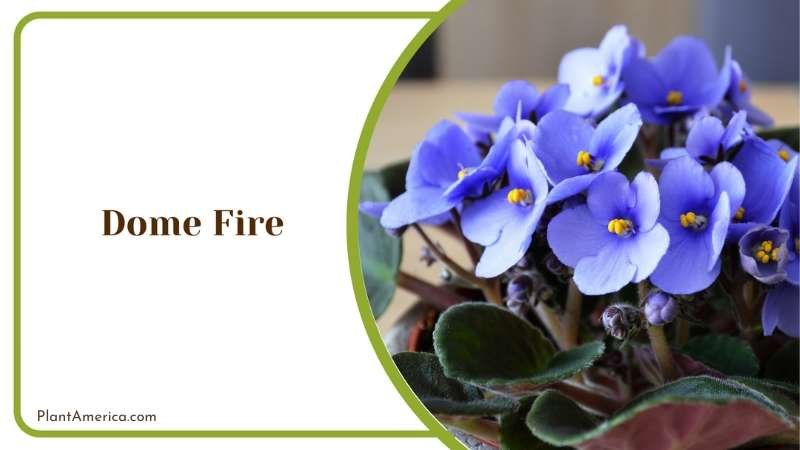
Dome Fire African violets feature bright red, semi-double blooms atop tall upright stems. The heart-shaped leaves form a narrow upright mound. Given the tall nature of this variety, staking will likely be needed to support flower-heavy stems.
We recommend using thin bamboo stakes inserted just outside the plant crown and garden ties to secure stems. Fertilize monthly during the growing season. Inspect leaves and stems regularly for mealybugs, which cluster in leaf axils and around new growth.
Wipe stems and leaves with an alcohol-soaked cotton swab to remove any visible mealybugs. With proper support and pest management, Dome Fire violets will reward your efforts with an abundance of their uniquely fiery red blooms.
Conclusion
African violet varieties offer rewarding indoor gardening for plant lovers of all experiences and preferences, while the beautiful blooms and interesting leaf shapes of these hardy plants bring life and color to any room.
- Valerie African violets feature double blooms in shades of orchid pink to lavender with darker veining.
- Christa African violets have striking blooms in shades of deep purple to plum with contrasting deep purple veins.
- Butterfly African violets feature double blooms in shades of lavender, purple and white that resemble little butterflies hovering over the foliage.
Growing African violets is simple and rewarding, and their unique charm will brighten any indoor space. Choose your favorites from the many varieties available, provide the right growing conditions, and you’ll be enjoying their colorful blooms for years to come. Get started growing your own collection of beautiful African violet varieties today!