
“What kind of light do succulents need?” is a question that needs answering to understand photosynthesis and how plants make food for themselves. Succulents are tough plants that thrive under intense sun and high temperatures.
This article will detail the artificial and natural sunlight these plants need. In this comprehensive article, find out how to supplement natural sunshine with artificial grow lights.
What Kind of Light Do Succulents Like?
Succulents like at least six hours of light every day for proper growth. Some succulents prefer this light to be direct and bright, whereas others will grow with indirect or partial lights. Indoors, supplemental lights can be installed to mimic natural sunshine.
– The Perfect Light Outdoors
Succulents are the perfect plants to grow outdoors because of their high light demands. When grown outdoors, they get used to direct sunlight all day and do not get sunburnt. If you feel the light outside is too intense during summer, place them under shade or along a northern-facing wall.
– The Perfect Light Indoors
When growing succulents indoors, a window in the room is essential. Otherwise, you must install artificial grow lights to help the plant grow. The north-facing window in a room does not receive any direct sunshine and is insufficient for succulents.
The light intensity from a southern side window is the highest and suits succulents the most. Almost all succulents will thrive near southern side windows all day. Windows to the west are the second best option as they receive plenty of direct and bright sunlight in the morning and evening, followed by indirect sunlight for the rest of the day.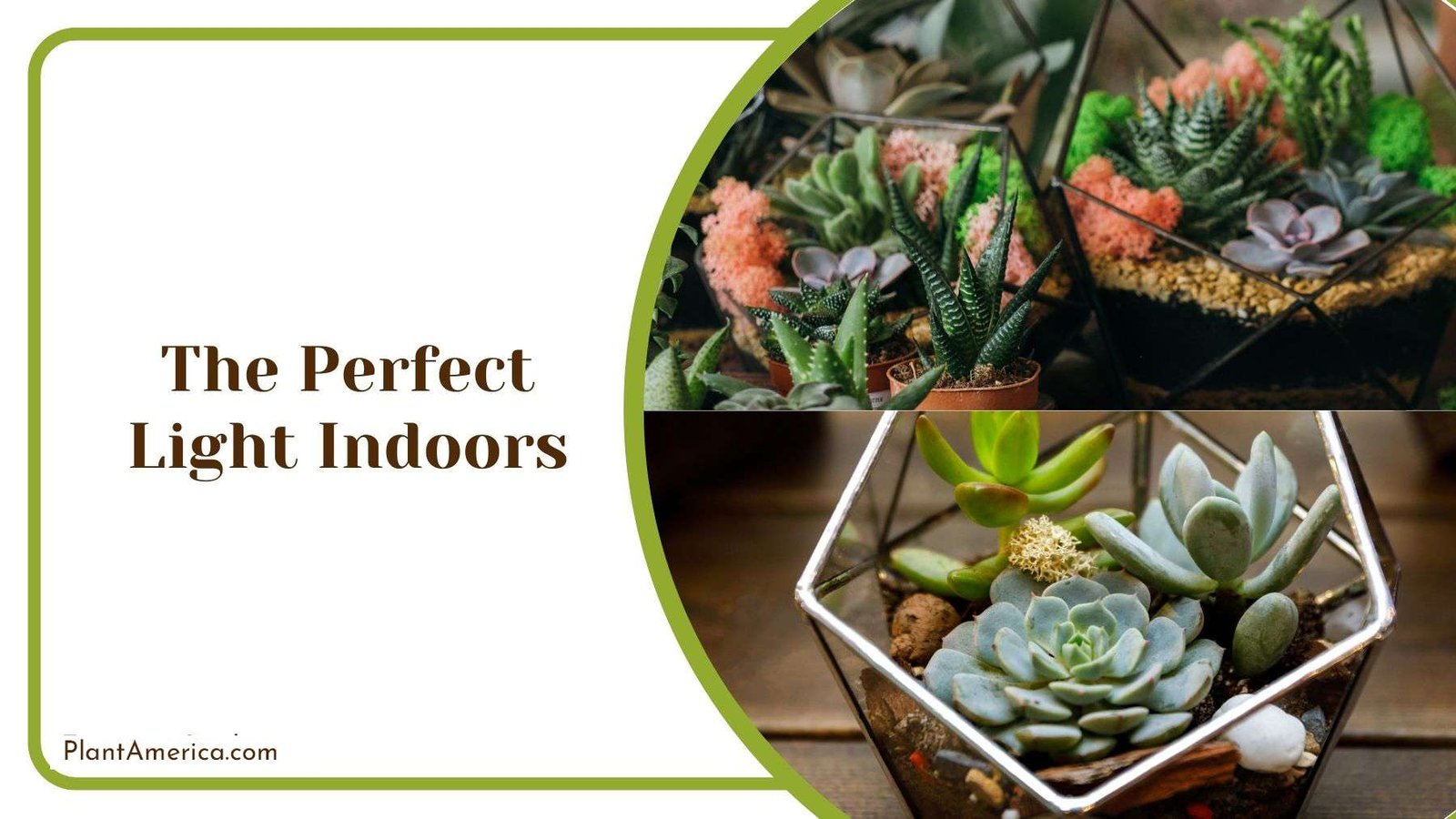
Lastly, the eastern window inside the house suits the low-light succulents better. They get to soak in the bright morning sunlight directly and then indirect sunshine till evening.
– Succulents That Prefer Bright Light
Succulents that prefer bright light are known as high-light-loving succulents. They are generally more colorful than low-light ones in purple, pink, and red shades. Famous examples of these succulents include the jade plant, the aloe vera, agaves, and hoyas. Their light requirements are more than six hours of bright light daily.
This bright light can be direct or indirect, depending on how the plant has grown. These colorful light plants don’t do well inside the house with eastern or northern-facing windows. Only south-facing and west-facing windows get adequate light for them.
These plants can also be outdoors under direct sun and temperatures as high as 20 degrees Fahrenheit. However, a high-light succulent grown indoors should be gradually acclimatized to outdoor sunlight, or it might get sunburnt.
– Succulents That Prefer Low Light
Some succulents prefer growing under low and indirect light. They are primarily green and also darker because of more chlorophyll. They grow well in indirect, partial, or filtered light conditions and make the best indoor succulents.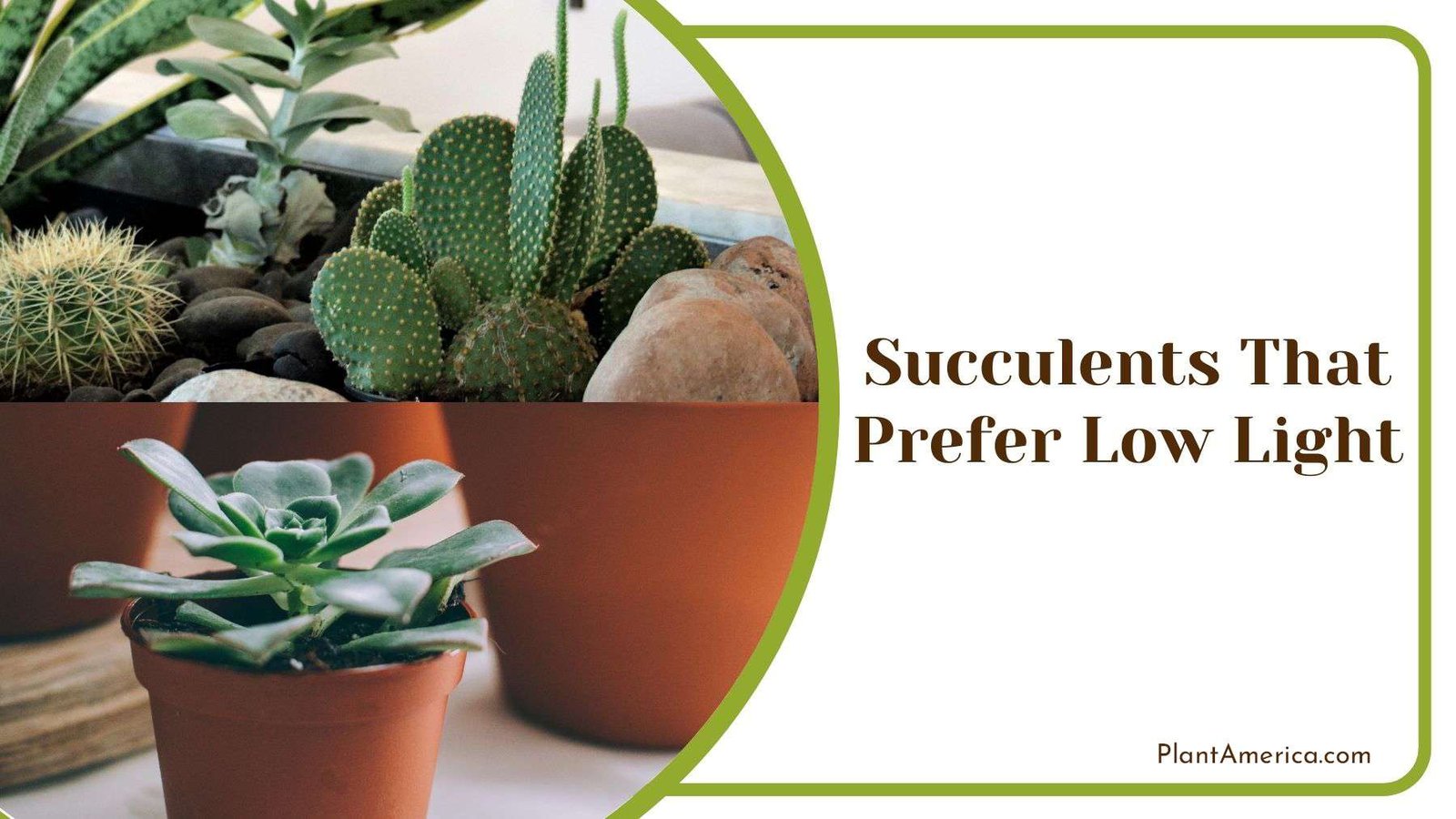
Generally, these succulents need about three to four hours of direct and six hours of partial light daily. Inside the house, indirect light from an eastern-facing window should be enough. Outside the house, too, you need to place them somewhere shady and out of direct rays of light.
Examples of popular low-light succulents are snake, zebra, and ZZ plants. Although not as colorful as high-light succulents, their leaves have unique textures and patterns.
What Kind of Artificial Grow Lights do Succulents Need?
The kind of artificial grow lights that succulents need are LED lights that provide wavelengths of light for 12 to 14 hours each day. The best artificial grow lights are LED-type ones that are energy-efficient, last a long time, and do not produce too much heat energy.
– Understanding Grow Lights
A grow light is a supplemental light that provides energy to plants when natural light is inadequate. So many different types of these lights have been designed for several purposes. Some mimic the actual spectrum of the sun’s rays, while others provide the specific wavelengths of light needed to help the plant’s growth.
Artificial lights for plants usually come in two primary forms: LED and fluorescent lights. Both produce light containing the full spectrum of wavelengths. These lights must be turned on for extended periods for succulents to carry out photosynthesis properly.
Fluorescent lights are more effective at mimicking sunlight and helping the plants grow. They could be more energy efficient and use a lot of electricity. Fluorescent lights also produce more heat energy and need to be replaced sooner. LED lights last much longer, consume less electricity, and are easier to install around the house.
– Choosing the Perfect Grow Light
For choosing the right type of light, its intensity should be enough to induce photosynthesis. It would be ideal to explore a lamp with a power of 2,000 lumens per square foot or more. Be careful that the light consumes fewer watts of electricity and is a sustainable option.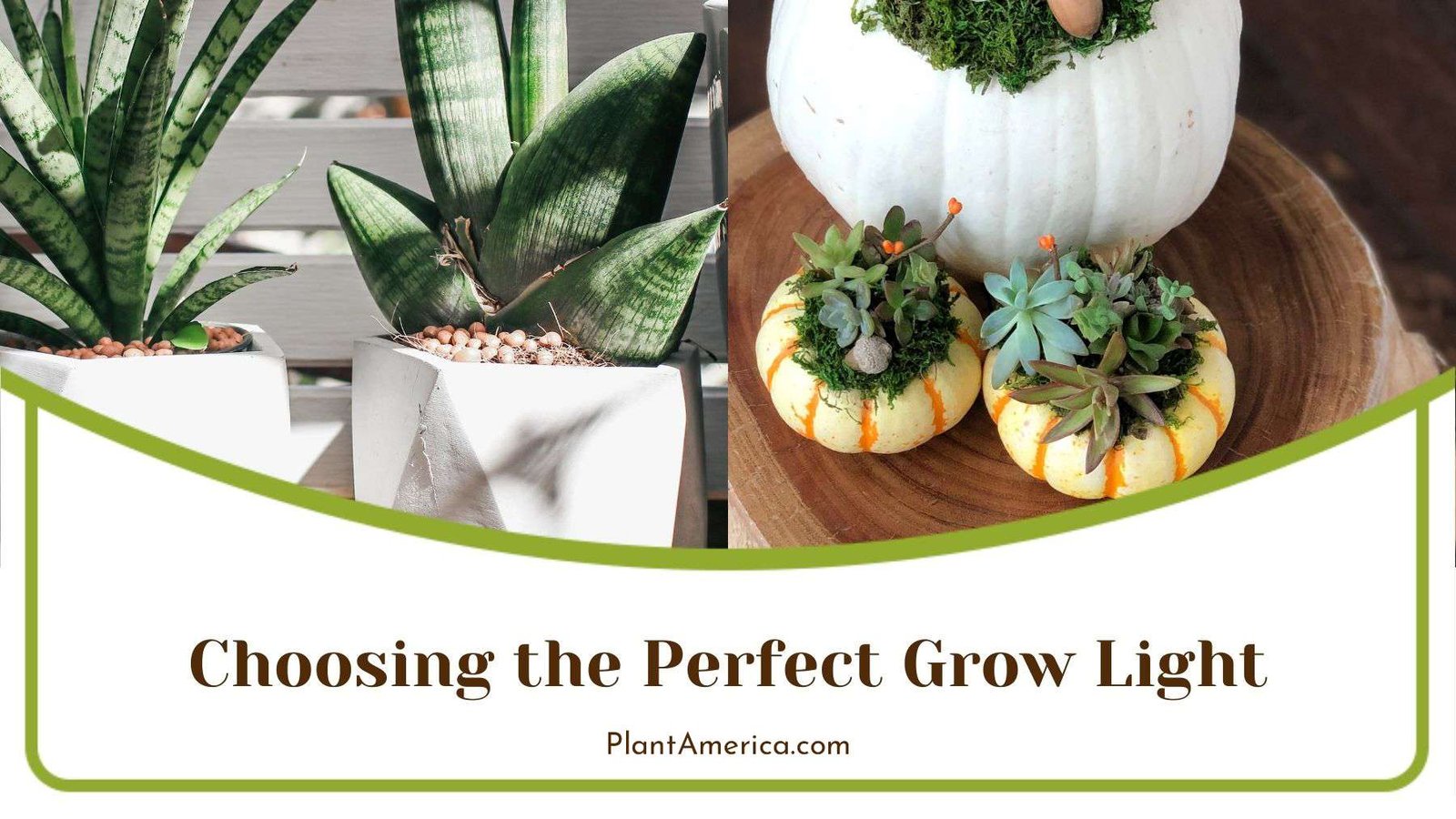 Sunlight comprises the full spectrum of wavelengths of white light. A grow bulb that emits the full range will better mimic light from the sun. You can also purchase lights that emit only those specific wavelengths of light that any plant needs. For example, the right color temperature for succulents is around 5,000 kelvins.
See that the light you have chosen produces only a little heat. Succulents are desert plants used to high temperatures, but grow lights are too close to the plant and might cause sunburn.
– Tips For Using A Grow Light
Artificial lighting is more effective and produces better results when used correctly. Below are some helpful tips you can utilize to make sure your succulents benefit the most from this light.
- The grow light must be placed about three to six inches from the plants. Succulents are tough plants that can tolerate the heat produced by placing the light so close.
- Hooded types of lights need to be placed farther apart as they produce more heat which can potentially harm the plant.
- 12 to 14 hours of artificial light is needed to help succulents thrive. It helps to invest in a timer that automatically turns this light on at sunrise and off when the required number of hours has passed.
- Succulents need more light in spring and summer than in fall and winter. The duration and intensity of using this light must be decreased during germination periods.
What If Succulents Don’t Get The Light That They Need?
If succulents do not get the light they need, their color starts fading and looking washed out. The slender, compact form of these plants turns elongated and wiry. Newly produced leaves on the lower ends of the stems begin to arch downwards.
– Leggy and Elongated Stems
When a succulent does not get adequate light, its stems start elongating in search of any available light source. This phenomenon is known as legginess, leading to long, thin, and wiry branches that cannot support themselves. Succulents are known for their compact shapes, which look unhealthy with wiry stems.
– Faded Colors
Even plain green succulents appear bright and vibrantly colored when they receive adequate sunlight. When a succulent is moved indoors from outdoors, it becomes darker in color. It increases its chlorophyll levels to compensate for the decrease in light intensity.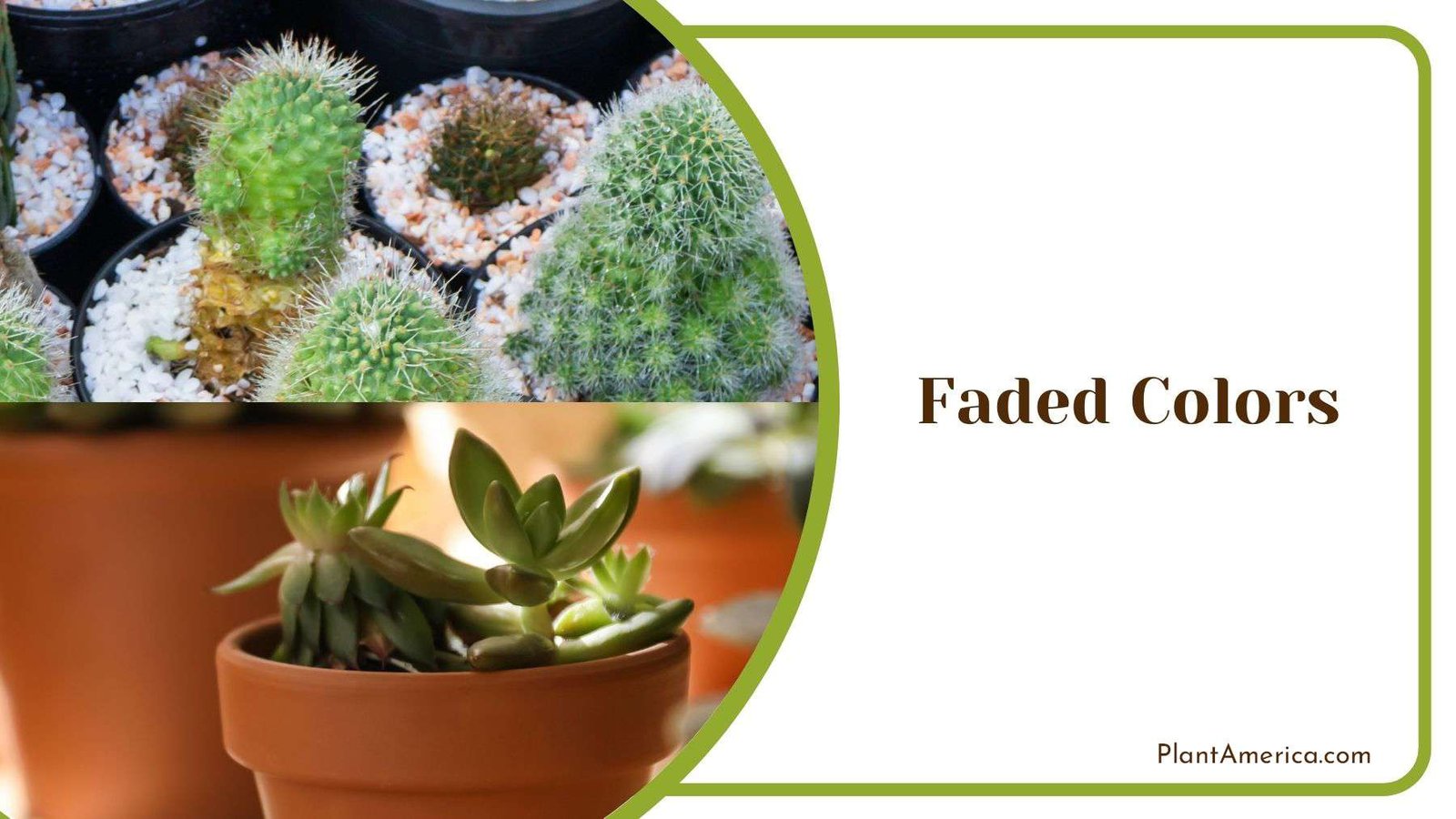
However, succulent leaves start losing chlorophyll from their leaves in case of inadequate light. Such succulent leaves first start appearing dull, faded, and washed out. If light conditions do not improve, they might turn yellow and drop.
– Lower Leaves Start Arching
Arching of leaves significantly indicates that a succulent is starved for light. This is primarily seen in the case of indoor plants when both natural and grow lights are lacking. The new leaves on the lower side of the stems are more diminutive and start arching downwards. This results in the whole succulent collapsing from down below.
– Scarcity of Leaves
Succulents like the mistletoe cactus and the Christmas cactus are known for their compact rosette pattern. Lack of enough light leads to stretching of the stems and fewer new leaves being produced. All of this leads to the scarcity of leaves on the plant and the loss of the rosette pattern.
Conclusion
Succulents are one of the most eye-catching and easy-to-look-after plant varieties to keep as houseplants. This article taught us about the perfect type of light needed to keep them growing. Here’s a quick summary of what you just read.
- Succulents need six hours or more of adequate intensity of sunlight every single day.
- Certain succulents grow well in low light conditions, such as partial light from a western side window.
- If the succulent cannot be grown outdoors, turn artificial grow lights overhead and turn them on for 12 to 14 hours daily.
- During winter, succulents undergo a period of slow growth and dormancy, resulting in their light needs decreasing.
Using the tips and tricks given in this article, we hope you will grow healthy and thriving succulents at home.