
Pilea microphylla care varies greatly depending on your location and climate. This plant from the family of the Urticaceae is used by gardeners and plant lovers for its aesthetic characteristics and ability to cover any bare ground. It is easy to care for, cultivate, and propagate Pilea microphylla. Continue reading to learn how!
Pilea Microphylla Care Tips
-
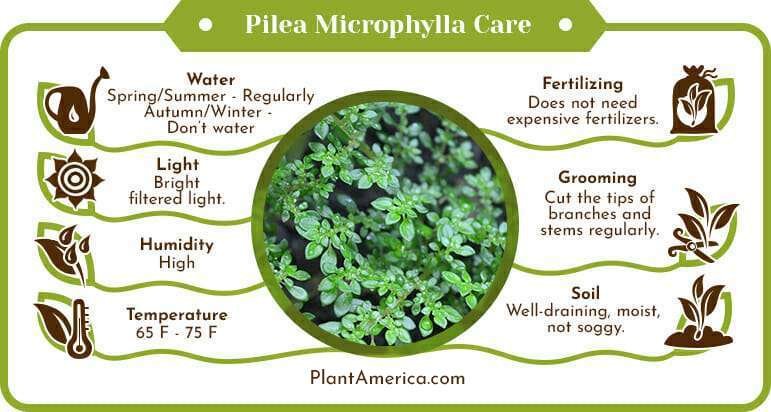
- Watering: Regularly in spring and summer, avoid in rainy autumn or winter.
- Light: Needs as much light as it can receive.
- Temperature: From 65 °F to 75 °F (15 – 23 °C).
- Humidity: You can mist your plant occasionally.
- Fertilizer: Two times monthly in the growing season.
- Grooming: Cut the tips of branches and stems regularly.

 Temperature Requirements
The best temperature to grow Pilea microphylla ranges from 65 °F to 75 °F (15 – 23 °C). Frost easily kills Pilea microphylla, so the lowest temperature to grow this plant is 50 °F (10 °C).
 Light Requirements
As for light, Artillery plants need a bright but filtered light. You should give your plant a full dose of the morning sun, but filter the afternoon light. Growing your Pilea microphylla in the eastern parts of your house or under a large object like a tree is best.

 Water Requirements
You should water your Artillery plants regularly in the growing season (spring and summer). Do not water in autumn when it’s raining or winter.
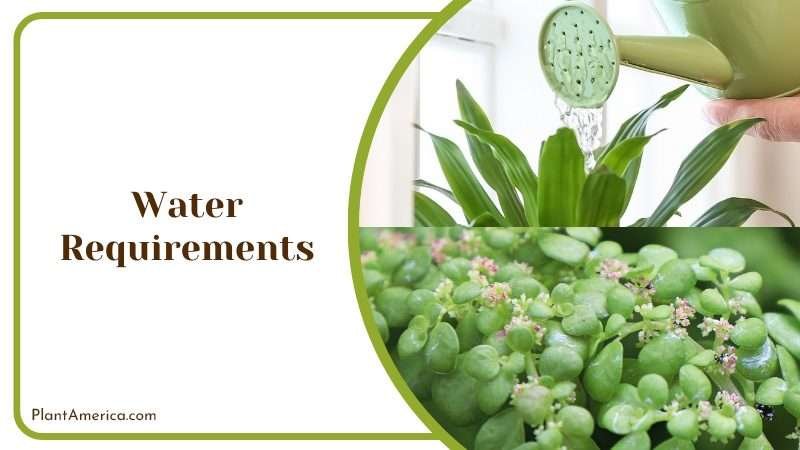
Pilea microphylla loves an environment with high humidity, so you can mist your plant occasionally.
 Nutrient Requirements
Pilea microphylla does not need expensive fertilizers. A general liquid fertilizer for houseplants is all it needs. Fertilize your Pilea microphylla by spraying dilute fertilizer on the leaves. Fertilize the plant two times monthly in the growing season.
 Pruning
To make your Pilea microphylla foliage appear like a bushy mat, you should cut the tips of branches and stems regularly. When you prune a stem, two or more branches grow from that point and make it appear bushy.
Propagation: Successfully Breeding Your Plants
You can start your Pilea microphylla with seeds or cuttings. If you are growing Pilea microphylla for the first time, you should use seedlings as they are already developing and are easier to start with.
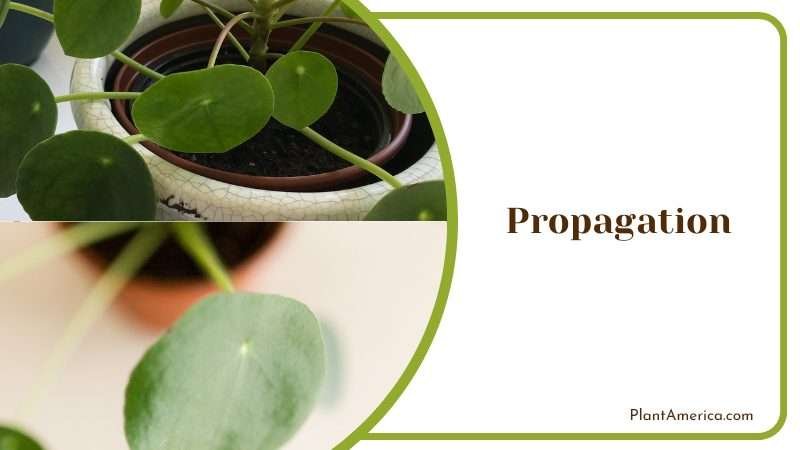
You can get your Pilea microphylla from nursery shops. You can get the seeds from gardening stores. For the cuttings, you can get them from other Pilea microphylla plants.
- Propagation by Seeds: To propagate by seeds, wait for the fruits of your plant to fall to the ground. Pick fruits from the ground and collect their seeds. You can store the seeds by drying them and keeping them in a dry place or you can plant them immediately.
- Propagation by Cutting: Prune a branch from an existing plant. This branch is called a cutting. Plant the cutting in a sterile potting mix.

The best method to use depends on what you want. The most effective method, however, is propagation by seeds.
 Planting Your Artillery Plants
If you buy Pilea microphylla seedlings, you don’t have to prepare another pot or potting mix for now. Just place them in a suitable location, water them, then watch them grow.

For starting with Pilea microphylla seeds, follow the tips below:
- Get a well-drained potting mix and fill over a third of a 10-inch-wide pot with it.
- Place the seeds of your Artillery plants on the potting mix. Note that Pilea microphylla seeds have a high germination rate, so you don’t have to plant many seeds in one pot.
- Cover the seeds with a thin layer of potting mix.
- Water regularly and carefully so that you do not displace the seeds.
- Watch the seeds as they grow into seedlings.
- If you have more seedlings than you need, you should remove some. This process is called thinning.
You should start your Pilea microphylla in march. For greenhouse plants, you can start whenever you want, as long as you provide your plants with the right temperature.
Problems You Can Encounter
Pilea microphylla is very easy to grow and propagate, but you may face some minor difficulties. Here are some potential problems you can face when growing Pilea microphylla and how to fix them:
– Spots on Leaves
As a lover of high humidity, Pilea microphylla likes a wet environment. However, this makes it susceptible to bacteria and other harmful microbes. If you find some spots on the leaves, your plant may be infected.

You should cut away the branch in which there are spots and fix your soil. If you are growing Pilea microphylla on a pot, you can bake the pot. For outdoor ground plants, you should fix the soil with bactericidal products from a gardening shop.
Another reason you may see spots in the leaves of your Pilea microphylla is a high dosage of organic fertilizer. If your Pilea microphylla is over-fertilized with an organic fertilizer such as animal manure, the leaves can appear burnt. In this case, you should flush the plant and soil with water.
– Stem and Root Rot
In soggy soil, your Pilea microphylla can be attacked by fungi. If this happens, the stem and roots of your plant will start rotting. If you notice weak brown leaves, your plant has a stem and root rot.
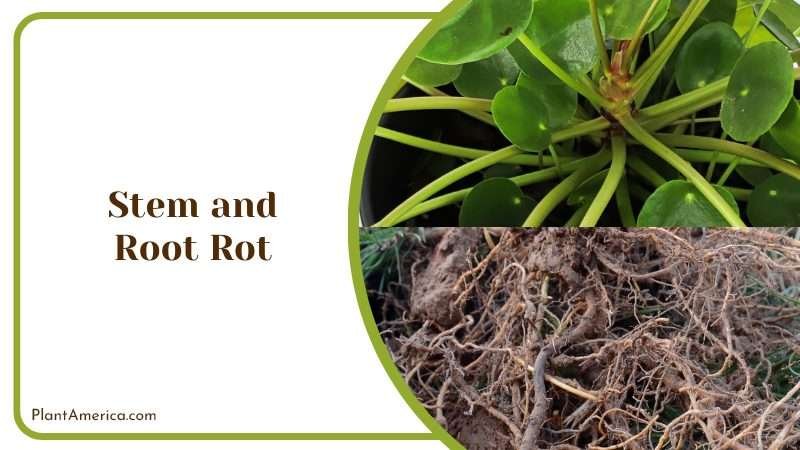
You should remove the plant from that soil, prune out dead roots and branches, then plant it in well-drained soil. Pilea microphylla loves moisture but not soggy soil.
– Lopsided Plant (Lack of Symmetry)
Most hobbyists grow Pilea microphylla because of its mat-like appearance. Sometimes, your plant may grow in a particular direction and it won’t appear like a mat. To correct this, you should rotate the pot two or three times weekly.
Pilea microphylla grows towards the sun and if it is planted in a location where it does not receive enough sunlight, it will appear lopsided. You should also remember to prune the tips of your plant stem and branches so that they will appear bushy and wide.
– Yellow/Pale Plant Leaves
When the leaves of your Pilea microphylla appear yellow or pale, the plant needs more light. In the absence of light, the green leaves of your Artillery plant will become pale. You should change the location of the pot to a new place where it gets at least four hours of direct sunlight.

For indoor plants, you should place the Artillery plant pot close to the south-facing window in your home.
– White Spots on Plant Leaf
Carefully examine the white spots. If they appear like powdery clumps, you should check the water you use when watering your Pilea microphylla. Pilea microphylla needs dechlorinated water that is free from minerals.
If you use tap water to water your Pilea microphylla, you should keep the water in a container and wait for six hours at least, so that the chlorine and other minerals in the water settle to the bottom of the container. After six hours, water your Pilea microphylla with the surface of the water in the container.
Do not use the lowest layer of water in the container to water your Artillery plants. It is best practice to keep tap water in a container overnight before you water your Pilea microphylla with it.
– Cuttings Not Growing
Are you propagating your Pilea microphylla by cutting? You may notice that the cuttings are withering away and not growing. Pilea microphylla cuttings will not grow without their roots developing first.
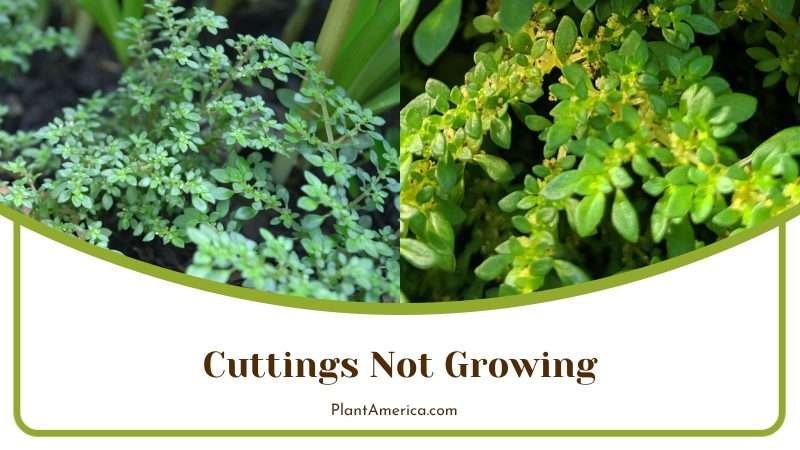
You should stimulate the development of roots by buying a rooting hormone in any gardening shop. If you don’t feel comfortable using a rooting hormone, you should keep the cutting in a glass of water for seven to 10 days and wait until you see roots developing before you plant it in its pot.