
How tall do lime trees grow is a question that you have probably asked. You likely want to grow these trees in your landscape but are afraid of their hulking height and size.

Whether you want to grow them for their fruits or aesthetic value, this post has all the information you need to ensure you grow the right tree varieties.
How Big Do Key Lime Trees Get?
💥 Lime trees can grow to about 15 to 20 feet tall. This means you can’t grow these trees indoors. Also, depending on the tree variety, these trees will grow to different heights. For instance, the dwarf lime tree grows to about six to 10 feet.
– Key Lime
Key lime trees grow 12 to 15 feet tall and are also known as Citrus aurantifolia, Mexican lime, or West Indian lime. They are hybrids of several other citrus species. With proper lime tree care, they bear green fruits with shiny skin. When the fruits ripen, they have hints of yellow skin.
It’s worth noting that there are other varieties of key lime trees, including the original, giant, and dwarf key lime trees. The dwarf lime trees are ideal for container gardening since they grow to two to four feet tall.
– Australian Finger Lime
Australian finger lime is the tree, that is also known as caviar lime, originates from Australia. Most people use this type of lime in gourmet drinks and cocktails. The Australian finger lime is the kind that would be prone to grow and reach 20 feet tall and can be used as an ornamental tree. It has small leaves and branches with thorns.
– Tahitian Lime
The Tahitian lime is a tree that is known as the Persian lime and is a hybrid of the Mexican lime and other citrus trees. With the right tree care, it grows to reach 20 feet.
The fruits of this tree are quite unique, and it’s easy to distinguish them from other lime varieties. This tree bears oval and large fruits that turn yellow when ripe.
– Bearss Lime
This tree can grow about 20 feet and develops light green fruits when mature. The fruits turn yellow when ripe. Bearss lime is another type of Tahiti lime, but it grows in a more smooth texture. It’s a hybrid of lemon tree and key lime. The bearss lime can be found in Califonia, and it’s usually seedless.
– Lemon-Lime Tree
Lemon lime citrus trees are smaller varieties and will grow to a height of 8 feet. These fruit-bearing trees can be kept shorter by pruning annually. Regular pruning helps to control the tree’s height and spread.

You can maintain the lemon tree to a manageable height of five to six feet.
– Meyer Lemon Trees
Most gardeners love growing Meyer lemon tree varieties for their fruits. These trees belong to the family of the flowering citrus family. This means that their trees can also be used to add color to your garden. Meyer lemon trees grow to reach six to 10 feet.
There are dwarf Meyers that can grow not more than five to seven feet. The dwarf types are suitable for small garden spaces.
Growing Lime Trees To Their Perfect Height
To grow lime-bearing trees to their perfect height, you must choose the right variety and the perfect container for it to establish its growth. Make sure you use the right potting soil and water it sufficiently.
– Choose the Right Citrus Variety
Before you think about growing lemon trees in your garden, the first step is to decide on the right type that performs well in the area you have available and the conditions you can meet. You may aim for varieties like Meyer lemon or Bearss lime, as these trees are naturally smaller than other lime variants and will last longer in containers.
On the other hand, if your place is small, and you would aim to go for trees such as dwarf lime, you should realize that they yield 50 to almost 60 percent less fruit than the bigger trees would produce.
– Choose the Right Container
Pick the right container to give your plant ideal growing conditions. It’s best that you opt for a larger, durable container. A 28-inch container or larger will serve the purpose, of course, if you aren’t growing any of them in your garden.
The reason that the container plays a special role is that it will keep the plant healthy. Overall, it should have evenly spaced drainage holes at the bottom. If the holes aren’t enough, drill more holes.
– Use the Correct Potting Mix
An integral aspect of plant care is using the correct potting mix for your trees. These trees prefer a light potting mix that contains inorganic ingredients such as vermiculite, peat moss, or perlite. Soils with chemical-wetting agents should be avoided as they retain a lot of moisture, and this may give your tree a harder time.
– Water Correctly
The lime tree height and width will largely depend on how well you water your plants. These trees do well in moist but not soggy soil. Watering citrus trees in containers is different from planting them in your landscape, and there is the danger of overwatering them.
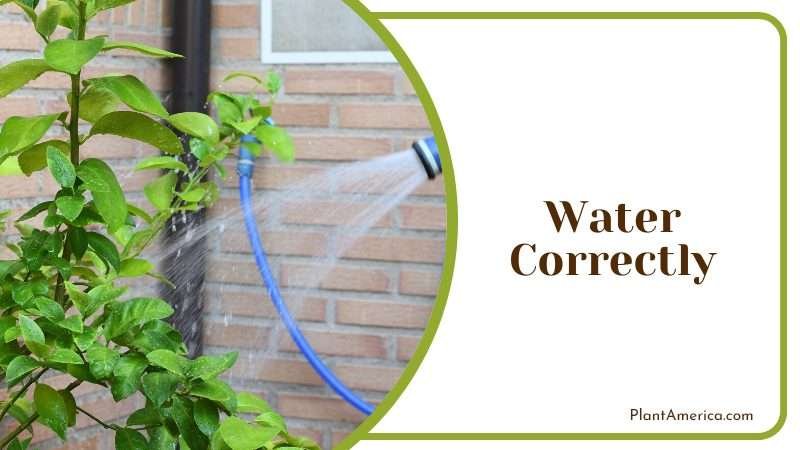
Always test the soil to determine whether the trees require water.
Pruning Lime Trees To Maintain Height and Shape
To prune lime trees, you must do it before it starts blooming and on a yearly basis. Moreover, make sure you remove the dead wood from the tree and keep a distance. These will keep the plants attractive and ensure you maintain the ideal size for your garden.
When growing outdoors and left without any pruning, these trees can grow to reach six feet. However, growing the limes in containers or pots keeps them manageable.
– Prune It Before Blooming
When and how to prune a lime-bearing tree matters greatly. Prune your trees in spring and in summer. It’s crucial that you prune them before blooming. Regular pruning guarantees that you prevent the tree from outgrowing your garden.
Consider pruning the trees right after planting them, which would be before spring, exactly when you are about to see them grow and get pollinated. Doing this allows you to shape the tree as you like.
– On a Yearly Basis
Prune your citrus-growing trees during the dormant season. Ensure you don’t skip a year without pruning, as this could make the tree difficult to manage. When you do so, the plant will grow and maintain its proper shape, and most importantly, it will stay healthy. What you must also know is that it will be ready for its blooming season.
It takes three to four months for limes to mature. However, for seedling trees to mature and bear fruit, it takes three to six years and will reach full production in 8 to 10 years. Citrus fruits are harvested twice yearly.
– Prune Dead Wood
Remove dead wood or branches that appear diseased or discolored. Dead branches are easily identifiable since they don’t have leaves or fruits, and they will be the ones that don’t let the plant grow fresh and better branches. Basically, the tree will start to grow weaker parts as it gets taller, and this will hinder the branches that could have grown some fruit.
– Keep Distance
For optimal tree growth, maintain the right distance between each tree that you would be planting. Tree branches should be kept 12 to 15 inches apart, which means that taking this into consideration, you would know exactly where to plant the next one, so that one doesn’t overlap the other.
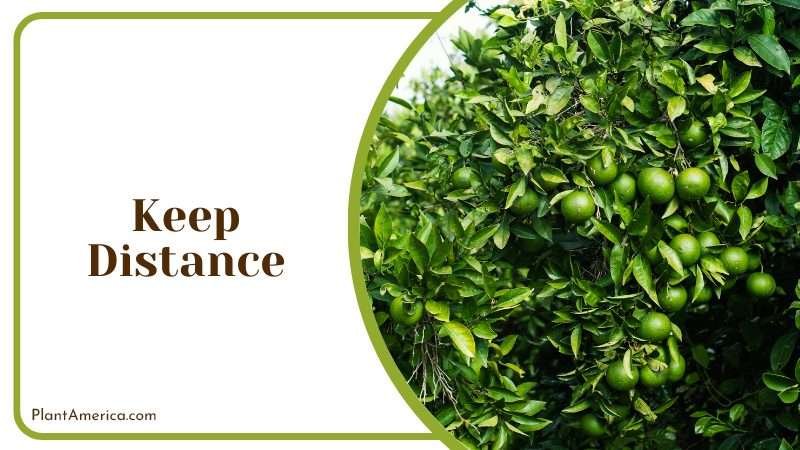
On the other hand, when it comes to the dwarf varieties, the space kept can be set between six and 10 feet apart. The distance to space your fruitful trees will depend on the variety. The bigger the tree, the more space you’ll need.