
How to transplant hostas saves you time when you decide to relocate your beauties from one location to a new one. You will need to carefully preserve the plant’s roots and use the right depth when transplanting them.
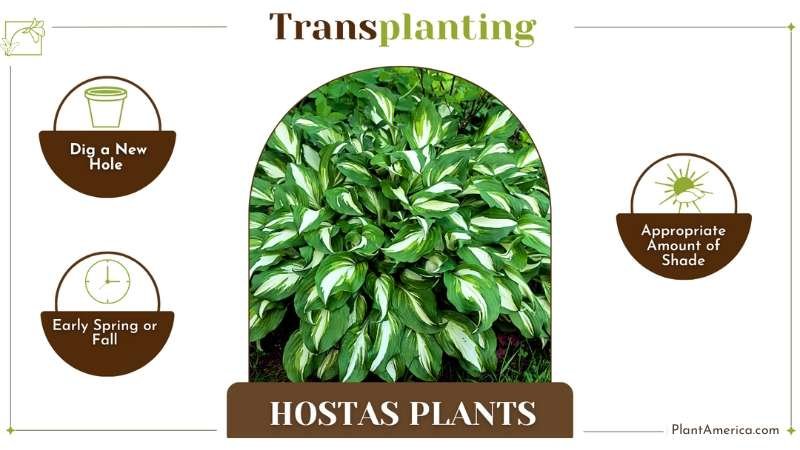
Relocate your hostas of the Asparagaceae family if you notice that they are overcrowded. This guide will assist you with the factors you have to look at and the steps to follow when you want to plant hosta beauties in new locations.
Factors to Take Into Account When Transplanting Hostas
Factors to take into account when transplanting hostas include the root length and variety. The size, leaf color, and pattern also play essential roles that determine the success of your efforts to transplant hosta. Don’t forget to consider the growth habit and time.
– Root Length and Variety
Some hostas have long and spreading root systems while others have shorter and more compact ones. Understanding these differences is important when you are deciding which hosta plants to transplant. Hosta varieties with long and spreading root systems are a bit challenging to transplant. This is because their extensive root networks can be more delicate and prone to damage during the transplanting process.
Examples of hostas with long root systems include Hosta sieboldiana and its cultivars, such as Elegans and Frances Williams. These varieties often have large, robust leaves, which explains why they develop substantial root systems to support the foliage.
Hosta varieties with shorter and more compact root systems are typically easier to transplant. Their root systems are generally more contained within the clump, making them less vulnerable to damage during the transplanting process. Examples of hostas with shorter root systems include smaller varieties like hosta Blue Mouse Ears or Patriot.
– Leaf Structure and Size
When transplanting hosta beauties, the size of their leaves plays a vital part. Hostas exhibit a range of leaf sizes, from big and broad to small and compact. If you’re dealing with hostas that have larger leaves, extra caution is necessary. These big leaves are delicate and more susceptible to damage. Imagine trying to maneuver them without being gentle – you could end up tearing or bruising those precious leaves.
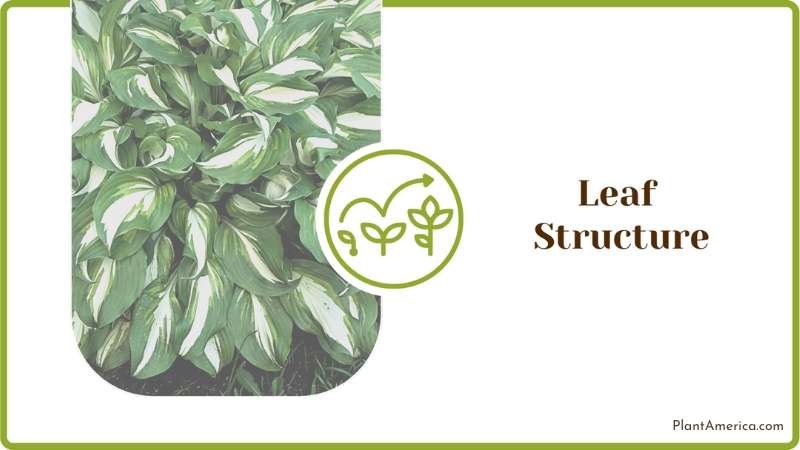
If you are working with hostas that have smaller leaves, you’re in a more favorable position. Due to their compact size, there is less risk of tearing or injury. However, it’s still crucial to handle them with care, regardless of their smaller leaf size.
– Leaf Color and Pattern
When you want to plant a hosta, you should consider the effects of leaf color and pattern. If you have hosta varieties with variegated or patterned leaves, you should give them some extra attention. We advise that you handle these hostas with care to avoid damaging or distorting the leaf patterns, as failure to do so can significantly impact their aesthetic appeal.
Preserving the integrity of the leaf patterns is crucial. Consider using gentle handling techniques, ensuring that you don’t excessively bend or fold the leaves. If you do so, you are helping to maintain the distinct and beautiful patterns that make these hostas so unique.
Additionally, vibrant leaf colors are a key element of many hosta varieties. To retain the vibrant colors after transplanting, you should select a location that provides the appropriate amount of shade. This will help prevent color fading or loss due to excessive sunlight exposure. Along with proper care and watering, you can ensure that your hostas retain their vibrant colors for a visually stunning display.
– Growth Habit
Hostas are truly fascinating plants with their unique growth habits that add charm to any garden. Each variety displays its own personality, whether it forms neat mounds, cascades gracefully, or spreads through rhizomes to create a beautiful ground cover. When transplanting hosta plants, you should consider their growth habit to ensure optimal growth and visual appeal.

If you have hostas that form near mounds like the Golden Tiara and Stiletto, be sure to provide them with adequate space to grow comfortably. Giving them enough room allows their individual beauty to shine, while also maintaining the desired aesthetic. Providing ample spacing between these hostas will allow them to thrive and showcase their orderly nature.
For hostas with cascading habits, it is good to consider providing more support. Check if the walls or edges of the container in which you are growing your plant can handle the foliage weight. Choose sturdy structures or provide additional support to maintain elegance and prevent damage. With hostas that spread through rhizomes, containment is crucial so use barriers or designate planting areas to prevent overpowering neighboring plants.
– Time to Transplant
If you’re contemplating on the proper season to transplant your hostas, early spring or fall are optimal times. Transplanting hostas in the fall can be advantageous as the warm soil promotes root growth and allows the plants to establish themselves before winter. However, you will need to complete the transplanting process before the onset of winter to protect your plants from frosty conditions.
Early fall is often regarded as the absolute best time to transplant hostas. If your question was, “Can I transplant hostas in the summer?” The answer is yes, but you need to note that transplanting hostas during the hot summer months can be more challenging for the plants. We advise you to plant hostas in the period when they are in the dormant phase.
How to Transplant Hostas Effortlessly
To transplant hostas effortlessly, start by preparing where you want to plant them. Digging them and dividing the hosta should follow. After that, you can plant hostas and backfill the holes in the new location. Taking care of the hostas is crucial after transplanting.
1. Prepare the Hosta’s New Location
Before you transplant hosta plants, make sure you dig a new hole in its future home. Add a couple of scoops of manure or mold of the leaves in the hole. Find the right balance that allows the hosta to adapt and thrive in the natural soil. Let the transplanted hosta settle comfortably in its new spot, as it gets ready to grow.

If you want to transplant hostas into pots, select an appropriate-sized pot with drainage holes. The size of the drainage holes is important to ensure excess water can escape freely. We recommend you use a pot with drainage holes with a diameter of approximately 0.6 to 1.3 centimeters. Having multiple drainage holes is advisable for better drainage.
Good drainage is crucial for potted hostas and you should distribute multiple holes evenly across the pot’s bottom to prevent water pooling. Create additional holes if needed and clear any blockages. Poor drainage can cause waterlogged soil, root rot, and stunted growth. That is how to transplant hostas in pots.
2. Dig Up the Hostas
When it’s time to dig up your hosta plant, it is best to choose a cloudy day following rainfall. You can even water the plant beforehand to loosen the soil around it. This will soften the soil and make the digging process easier.
To begin, place your tool straight to the bottom of your plant, creating a circular trench that is approximately 25 centimeters from the bottom. Then, angle the spade toward the plant and gently lift it up. As you do this, you will get a sense of the root clump’s size. Remember, preserving more roots will help the plant adapt better to its new home.
If the root clump is large and heavy, consider asking someone for assistance. Be careful to minimize root damage to prevent the plant from going into shock. Once the plant is out of the hole, lightly tap off any excess soil to make the move easier. However, be sure to retain some soil around the root ball to aid in the plant’s transition.
3. Divide Your Plants
Be sure to divide hosta plants if they have grown big. Carrying out this step will make it more manageable. It is a great way to expand your hosta collection or share some with your loved ones. Dividing hosta requires careful handling to curb damage to the plant.

Use your reliable spade to meticulously divide the hosta plant into smaller sections. Exercise caution and take your time to execute precise cuts, as this will safeguard the health of each divided piece. These divided sections are the ones that you will transplant to new locations.
4. Replant and Backfill the Soil
When planting your hosta in the hole, ensure that the top is aligned with the surrounding soil. This helps the plant to settle in comfortably in preparation for healthy growth. As you are filling your holes with the soil that you previously removed, take care to pack it firmly but avoid making it overly tight. This step is crucial for establishing strong soil-to-root contact, ensuring that the hosta receives the necessary nutrients and support.
After completing the backfilling process, step back and evaluate the planting site. Confirm that the hosta is securely positioned and that the soil level is even around the plant. This attention to detail contributes to the overall stability of the hosta and its ability to thrive in its new home.
To aid a successful transition for your plant, give it a gentle watering. This promotes root establishment and supports overall health, especially in the first days after you have transplanted the hosta. Additionally, this will reduce shock when transplanting hostas.
5. Take Care of Your Transplants
You need to continue managing your transplants after relocating them. Provide enough water to them for moisture. Enough watering will curb the chances of wilting or the complete death of your beauties. You can also put mulch to help you retain moisture and reduce weed growth.

As the growing season progresses, you’ll be able to evaluate the outcome of your efforts. Neglected plants may exhibit some shoots in the following growing period and those that were maintained well will resume their typical growth patterns. Therefore, you need to provide ample attention and care to your recently transplanted hosta.
Frequently Asked Questions
– Can You Transplant Hostas Anytime?
No, you cannot transplant hostas anytime. The recommended periods for transplanting hostas are during their dormant phases in late fall or earlier in spring, as this allows them to recover more easily from the transplant shock and establish their roots successfully.
If you have been thinking, “Can I transplant hostas in the summer?” this is a bad idea. The summer sun could be too strong for your hostas.
– How Long Does it Take for Transplanted Hostas to Establish?
It can take a few weeks to months for transplanted hostas to establish. During this period, you should give them enough water and attention to aid in their recovery and the development of their new root systems. Once they have established themselves, they start growing and flourishing just like before.
Conclusion
The straightforward steps explained in this guide will make your transplanting process for the hostas easy. Before you leave, look at these main points one more time!
- When transplanting hostas, keep in mind that larger leaves are more delicate and prone to damage, while smaller ones are easier to handle.
- Choose a location with the right shade to maintain vibrant leaf colors.
- Give your hostas enough space to grow comfortably based on their growth habit.
- If the root clump is sizable and weighty after digging, it is advisable to seek assistance from someone to prevent plant damage or avoid straining yourself.
Now, you mastered the necessary factors and steps you need to transplant hostas and increase beauty in your yard. Go and implement them now!
References
- https://www.academia.edu/10636399/How_to_Grow_Practically_Everything
- https://www.academia.edu/33768540/RAPD_Analysis_of_Hosta_Species_and_Cultivars
- https://www.academia.edu/44810991/Growth_flowering_and_leaf_character_variation_of_hosta
- https://www.researchgate.net/publication/284342996_Hosta_A_plant_for_flower_arrangement