
Plants with velvet leaves’ origins are traced back to 2000 B.C. in China being used as fiber. The velvet leaves are named after their characteristic of being lengthy, soft, and covered in short hairs.
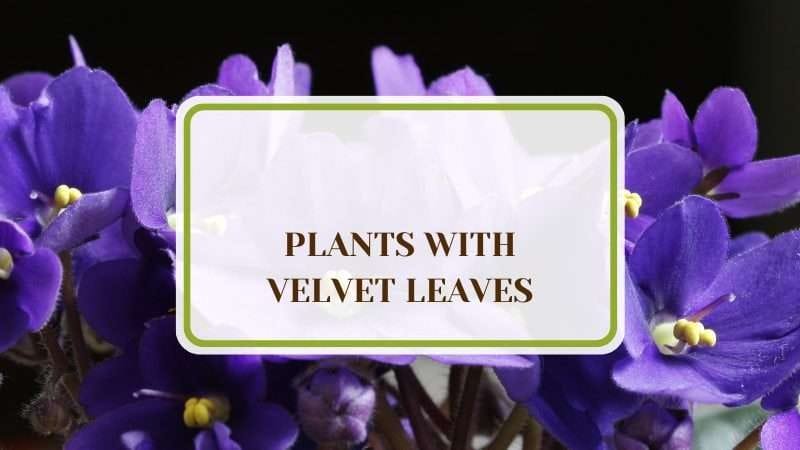
The leaf plant does not exceed seven feet in height because they are shrub-like. The velvet leaf can also be referred to as the velvet weed, buttonweed, China-jute, and Indian mallow.
To know more about these plants read this article.
A List of Plants With Velvet Leaves To Add to Your Home and Garden
There are various species of plants with velvet leaves which can be indoor plants and some that are for outdoor purposes such as in the garden. To learn more about the types of plants with velvet leaves and their uses and care tips, follow the tables below.
1. Philodendron micans
| Benefits |
|
| Uses |
|
| Distinguishing characteristics
|
|
| Care |
|
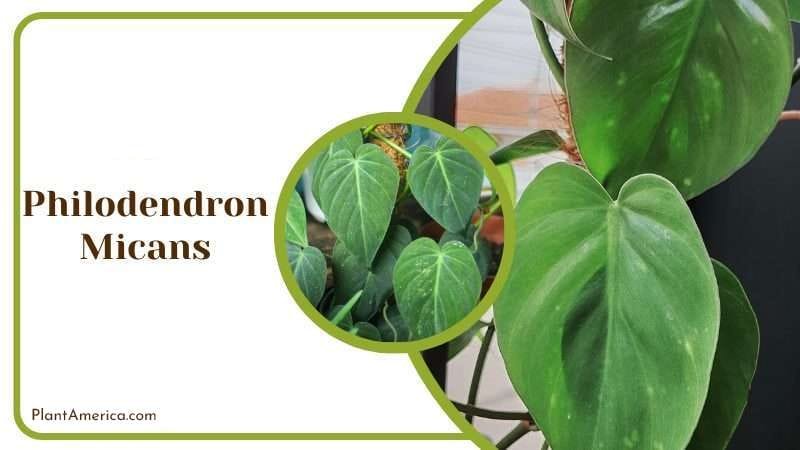
Philodendron micans is also referred to as the velvet leaf philodendron. The popularity of this plant has made it scarce locally, so to find it you need to search online. The plant is cheap and long-lasting even with little care. The velvet leaf philodendron makes a huge difference in your households or gardens.
2. Alocasia Black Velvet
| Benefits |
|
| Uses |
|
| Distinguishing characteristics |
|
| Care |
|
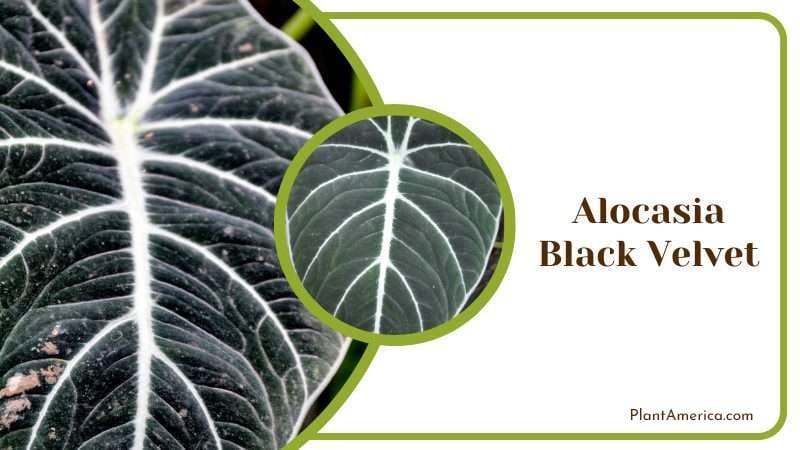
These originate from the South East. Too much water in the plant pot will lead to the rotting of the plant roots. It is mostly grown for its leaves that have many uses. The black velvet is also called the Little Queen Alocasia or Black Velvet Elephant Ear.
3. Purple Passion
| Benefits
|
|
| Uses |
|
| Distinguishing characteristics |
|
| Care |
|
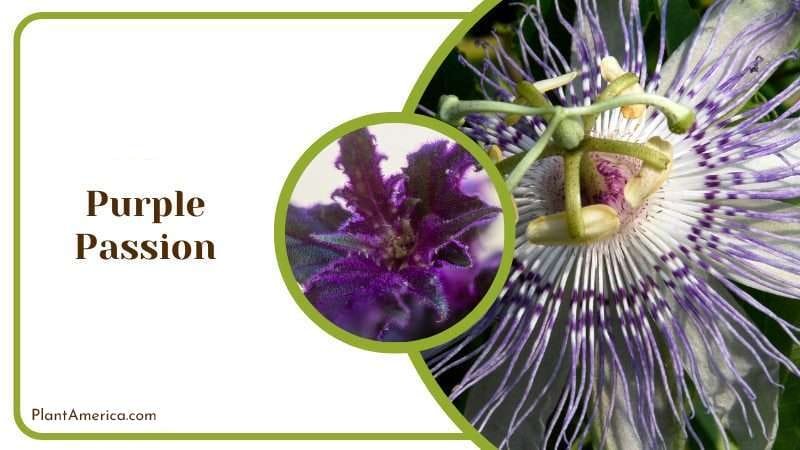
The purple passion is also known as Gynura aurantiaca, which comes from a Greek name that is a combination of female and tail. The plant is commonly known as the velvet plant and is native to southeastern Asia.
4. Calathea Jungle Velvet

| Benefits |
|
| Uses |
|
| Distinguishing characteristics |
|
| Care |
|
The velvet plant is commonly known as the prayer plant. It was named the prayer plant due to its ability to close its leaves at night making it look like it’s praying. There are many species of the Calathea velvet plant. Calathea warscewiczii originates from South and Central America.
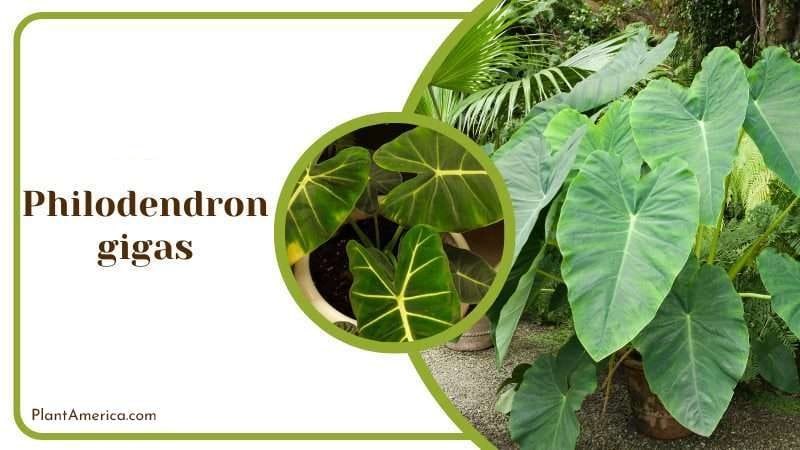
5. Philodendron gigas
| Benefits |
|
| Uses |
|
| Distinguishing characteristics |
|
| Care |
|
Philodendron gigas is a giant vine-like plant that is native to Panama. This is one of the outdoor plants with velvet leaves. The plant was discovered in 1997 and that is when its popularity grew. It thrives best in most humid areas so it is advisable to keep it within such spaces.
6. Velvet Leaf

| Benefits |
|
| Uses |
|
| Distinguishing characteristics |
|
| Care |
|
The velvet leaf was originally introduced for fiber uses but its edible parts made it flop as a commercial fiber plant. It is now being used as a food crop to produce noodles, flour, and spices.
The velvet leaf was discovered in China 3000 years ago and this plant grows up to three to eight feet tall. The plant belongs to a class B noxious weed class and it is normally grown on farms, unlike the rest of the plants with velvety leaves, which are common flowers.
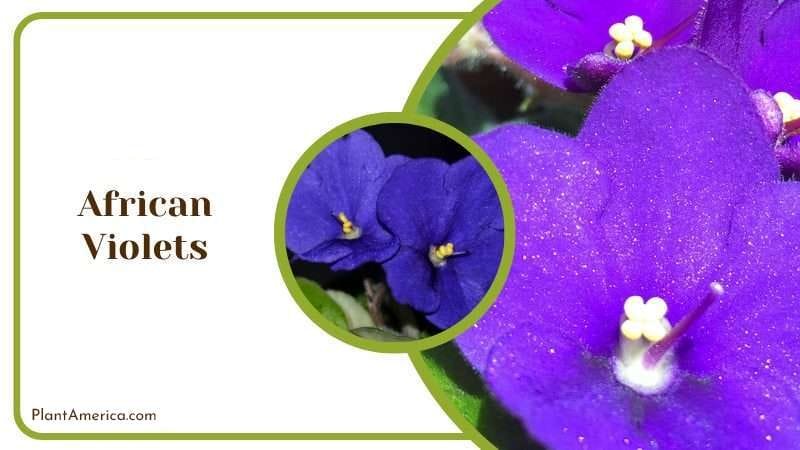
7. African Violets
| Benefits |
|
| Uses |
|
| Distinguishing characteristics |
|
| Care |
|
The beautiful velvet is found in Eastern Africa. This is a cheap plant because it is readily available and requires low maintenance. The plant needs pruning and propagation here and there and the beauty part of the plant is it blooms all year round. You should consider having one for your bedroom.
References
- Frances Case. Purple Passion Fruit. Britannica.
Retrieved from https://www.britannica.com/plant/purple-passion-fruit - Velvetleaf, Abutilon theophrasti. University of Wisconsin-Madison Division.
Retrieved from https://hort.extension.wisc.edu/articles/velvetleaf-abutilon-theophrasti/ - Velvetleaf. Britannica.
Retrieved from https://www.britannica.com/plant/velvetleaf - Velvetleaf. Michigan State University.
Retrieved from https://www.canr.msu.edu/weeds/extension/velvetleaf - Velvetleaf – Abutilon theophrasti. Michigan State University.
Retrieved from https://www.canr.msu.edu/resources/velvetleaf-abutilon-theophrasti