
Indoor fruit trees are a fun and delicious way to grow some of your fresh produce without a large yard or big greenhouse. Whether you have a sunny windowsill, a porch, or a greenhouse, we’ll show you how to grow 16 stunning fruit tree varieties that will thrive inside your home.

From citrus fruits like lemons and limes to exotic berries and figs, you’ll discover some of the easiest fruit trees to nurture on a windowsill or under grow lights. By following a few simple tips for watering, feeding, pruning, and overwintering your indoor trees, you’ll soon be picking fresh fruits like grapes, oranges, and even bananas to enjoy year-round!
Indoor Fruit Trees You Can Grow and Cultivate
1. Dwarf Meyer Lemon

- Growing season: All year, Spring
- Leaf shape: Dark glossy leaves, Elliptical
- Specific needs: Medium-light, High humidity
- Common pest: Spider mites, Scale insects
The dwarf Meyer lemon is a compact variety of the popular Meyer lemon, perfect for growing indoor fruit trees. Dwarf Meyer lemon trees produce smaller yet still delicious deep yellow fruits with a sweeter yet tangy flavor. Maintain medium to high humidity around 60 percent with a humidifier or trays of pebbles and water. Water thoroughly when the soil surface feels slightly dry and mist the foliage regularly.
Expect fruit production to begin within one to three years from a mature grafted tree. Monitor closely for signs of common citrus pests like spider mites that cause stippling and scale insects that suck plant sap. You can easily transplant your Meyer lemon tree to a more “secure” and safe space.
2. Lady Finger Banana

- Growing season: All year
- Leaf shape: Long, slender leaves, Elongated
- Specific needs: Humidity over 50 percent, Warm temperatures
- Common pest: Mealybugs, Scale insects
The Lady Finger banana is a dwarf variety perfect for growing indoor fruit trees. As the sweetest banana, Lady Finger produces harvests of small banana “fingers” with super sweet yellow fruit with a honey-like flavor. Use a humidifier or pebble trays to maintain optimal moisture levels for the plant’s shallow roots.
Grow the tree in warm temperatures between 65 and 85 degrees Fahrenheit year-round. Lady Finger bananas thrive in warm tropical conditions and require consistent heat. Provide supplemental warmth over the winter months if needed. Water the tree thoroughly when the surface soil feels slightly dry. Allow the top layer to mostly dry out between waterings.
Feed monthly during spring and summer with diluted balanced liquid fertilizer, and monitor closely for signs of common banana tree pests like scale insects that attach to stems and suck plant sap or mealybugs that feed on new foliage and fruit.
With proper care, this indoor banana tree will reward you with petite yet super-sweet bananas to snack on or add to smoothies or banana bread. Follow these optimal conditions to help your Lady Finger banana tree thrive inside, producing its sweet “finger” bananas for your indoor fruit garden.
3. Dwarf Olive
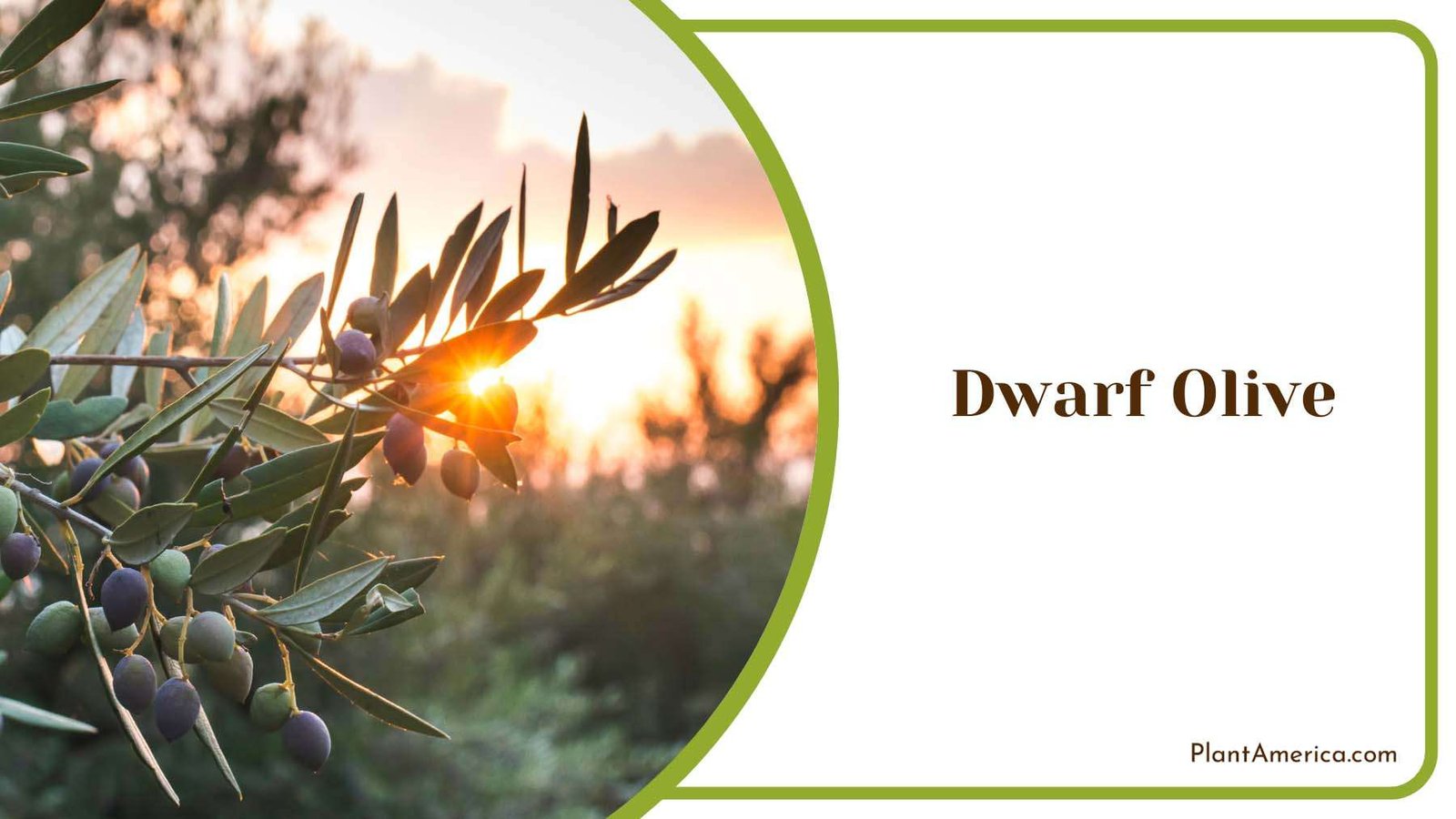
- Growing season: All year, Spring
- Leaf shape: Narrow, Oval leaves
- Specific needs: Well-drained soil, Warm temperatures
- Common pest: Aphids, Scale insects
The dwarf olive is a compact variety of the common olive tree perfect for growing indoor fruit trees. Dwarf olives produce petite yet still delicious black olives with rich flavor. Maintain warm temperatures between 65 and 75 degrees Fahrenheit year-round. Olive trees thrive in warm Mediterranean conditions and require consistent temperatures.
Water the tree thoroughly when the top one to two inches of soil feel slightly dry. Allowing the top layer to mostly dry out between waterings helps prevent issues. Fruit production typically begins within three to five years once the tree reaches maturity.
Feed monthly during spring and summer with a balanced liquid fertilizer at half the recommended concentration. Monitor closely for signs of common olive tree pests like scale insects that attach to stems and branches and aphids that cluster on new foliage.
With regular fertilizing and proper care, this indoor olive tree will reward you with abundant harvests of rich flavorful black olives to snack on or add to Mediterranean dishes. Follow these optimal conditions to help your dwarf olive thrive inside, producing delicious olive fruit for your indoor fruit garden.
4. Dwarf Dahoon Holly

- Growing season: All year, Spring
- Leaf shape: Dark green, Oval leaves
- Specific needs: Well-draining soil, Part sun
- Common pest: Spider mites, Scale insects
The Dwarf Dahoon holly is a compact variety of the evergreen Dahoon holly perfect for growing indoor fruit trees. Dwarf Dahoon hollies produce clusters of bright red berries that ripen in fall and winter, persisting into spring.
Water the tree thoroughly when the top one inch of soil feels slightly dry. Allowing the top layer to partially dry out between waterings helps prevent root issues. Fruit production typically begins after three to five years once the tree reaches maturity. Feed the holly once monthly during the growing season with balanced liquid fertilizer. Monitor closely for common holly pests like mites that feed on foliage and scales that attach to stems and branches.
With regular fertilizing and proper care, this indoor berry tree will reward you with abundant harvests of vibrant red berries to enjoy fresh or add to holiday decor. Follow these optimal conditions to help your dwarf Dahoon holly thrive inside, producing bright berries for your indoor fruit garden.

- Growing season: All year, Winter
- Leaf shape: Dark green, Oval leaves
- Specific needs: High humidity, Warm temperatures
- Common pest: Canker worms, Scale insects
The dwarf navel orange is a compact variety of the popular navel orange tree perfect for growing indoor fruit trees. Dwarf navels produce small yet still delicious oranges with sweet pulp and juice.
Feed the navel orange once monthly from spring to fall with a balanced citrus fertilizer. Monitor closely for signs of common citrus pests like scale insects that attach to stems and citrus canker that causes leaf drop and dieback.
With proper care, this indoor citrus tree will reward you with small yet sweet navel oranges for snacking or adding to recipes. Follow these optimal conditions to help your dwarf navel orange thrive inside, producing petite yet flavorful oranges for your indoor fruit garden.
6. Date Palm

- Growing season: All year, Spring
- Leaf shape: Long feather-like leaves, Pinnate
- Specific needs: High humidity, Warm temperatures
- Common pest: Mealybugs, Aphids
The date palm is a lovely indoor fruit tree that produces delicious dates. Water the tree thoroughly when the topsoil feels slightly dry. Allow the top layer to partially dry out between waterings to prevent root rot. Fruit production typically begins within three to five years once the palm reaches maturity.
Feed the date palm monthly during spring and summer with balanced palm fertilizer. Monitor closely for common palm pests like mealybugs that attach to leaf bases and develop into masses of flying insects and aphids that cluster on new growth.
With proper palm care, this indoor fruit tree will reward you with harvests of sweet Medjool or honey dates to enjoy fresh or incorporate into recipes. Follow these optimal growing conditions to help your date palm thrive inside, producing its fruit for your indoor fruit garden.
7. Key Lime
- Growing season: All year, Spring
- Leaf shape: Dark green, Oval leaves
- Specific needs: High humidity, Warm temperatures
- Common pest: Mealybugs, Scale insects
The key lime is a compact citrus tree perfect for growing indoor fruit trees. Dwarf key limes produce small yet flavor-packed limes with refreshingly tart juice. Maintain high humidity between 50 to 60 percent through regular misting and trays of pebbles filled with water under the pot. Keep the soil consistent but not soggy.
Water the tree thoroughly when the top one to two inches of soil feel slightly dry. Allow the top layer to partially dry out between waterings to prevent root rot. Fruit production typically begins within three to five years.
Feed the key lime once monthly during spring and summer with a balanced citrus fertilizer. Monitor closely for common citrus pests like scale insects that attach to stems, leaves, and fruit, mealybugs that cling to leaf veins, and aphids that suck plant sap.
With proper care, this indoor citrus tree will reward you with delicious little key limes to squeeze into drinks or add to authentic recipes. Follow these optimal conditions to help your dwarf key lime thrive inside, producing its intensely flavorful miniature limes for your indoor fruit garden.
8. Cherry Fig

- Growing season: Summer, Fall
- Leaf shape: Deeply lobed, Glossy leaves
- Specific needs: Well-draining soil, Warm temperatures
- Common pest: Spider mites, Leafhoppers
The Cherry Fig is a dwarf variety of common figs perfect for growing indoor fruit trees. Cherry Figs produce petite yet still delicious purple-skinned figs with bright red pulp and sweet flavor Grow the tree in well-draining soil to prevent root rot. Figs need soil that allows excess water to drain freely. Mix coir, perlite, or sand into the potting mix.
Feed the fig monthly with a balanced liquid fertilizer from spring to fall. Monitor closely for common fig tree pests like spider mites that cause stippling and yellowing of leaves and leafhoppers that feed on foliage and spread disease.
With proper fig care, this indoor fruit tree will reward you with petite yet flavor-packed Cherry Fig fruits to enjoy fresh or add to desserts. Follow these optimal growing conditions to help your dwarf Cherry Fig thrive inside, producing its sweet purple fruits for your indoor fruit garden.
9. Dwarf Apple

- Growing season: Spring, Late summer
- Leaf shape: Oval, Serrated leaves
- Specific needs: Chilled winter rest period, Well-draining soil
- Common pest: Aphids, Scale insects
The dwarf apple is a compact variety of common apple trees perfect for growing indoor fruit trees. Dwarf apples produce petite yet still flavorful apples with crisp flesh and mildly sweet juice.
Grow the tree in well-draining soil to prevent root rot. Apples need soil that allows excess water to drain freely. Use a potting mix amended with perlite or coarse sand. Maintain warm temperatures between 60 and 80 degrees Fahrenheit during the growing season. Apples require exposure to chilling temperatures and then warm conditions to produce optimum fruit.
Water the tree thoroughly when the top one to two inches of soil feel slightly dry. Feed the apple tree monthly with a balanced fruit tree fertilizer from spring to fall. Monitor closely for common apple tree pests like mealybugs and scales that attach to branches and aphids that cluster on new growth.
With proper care, this indoor fruit tree will reward you with petite yet flavorful dwarf apples to enjoy fresh or bake into pies and crisps. Follow these optimal conditions to help your dwarf apple thrive inside, producing its miniature yet still delicious apples for your indoor fruit garden.
10. Kaffir Lime

- Growing season: Year-round
- Leaf shape: Broad, Wrinkly leaves
- Specific needs: High humidity, Warm temperatures
- Common pest: Mealybugs, Scale insects
The Kaffir lime tree is a dwarf citrus perfect for growing indoor fruit trees. Kaffir limes produce aromatic lime-like fruits used to flavor authentic Thai dishes. Water well when the top one to two inches of soil feel slightly dry. Allow the top layer to partially dry out between waterings to prevent root rot. Fruit production typically begins within three to five years.
Feed the Kaffir lime once monthly during spring and summer with a diluted balanced citrus fertilizer. Monitor closely for common citrus pests like scale insects that attach to stems and foliage and mealybugs that cling to leaf veins.
With proper care, this indoor citrus tree will reward you with fruits to cook with for authentic Thai dishes. Follow these optimal conditions to help your Kaffir lime thrive inside, producing its uniquely aromatic limes for your indoor fruit garden.
11. Dwarf Peach
- Growing season: Year-round, Late spring
- Leaf shape: Lobed, Serrated leaves
- Specific needs: Chilled winter, Well-drained soil
- Common pest: Peach tree borers, Aphids
The dwarf peach is a compact variety of the common peach tree perfect for growing indoor fruit trees. Dwarf peaches produce petite yet still delicious peaches with tender flesh and sweet flavor. Grow the tree in well-draining soil to prevent root rot. Peaches need soil that allows excess water to drain freely. Use a potting mix amended with perlite or coarse sand.
Water well when the top one to two inches of soil feel slightly dry and allow the top layer to partially dry out between waterings. Fruit production begins within three to five years. Feed the peach tree monthly during spring and summer with a balanced fruit tree fertilizer, and monitor closely for common peach pests like aphids that cluster on new growth and peach tree borers that burrow into tree trunks.
With proper care, this indoor fruit tree will reward you with petite yet juicy sweet peaches to enjoy fresh, bake into pastries, or preserve for later. Follow these optimal conditions to help your dwarf peach thrive inside, producing its miniature yet still flavorful fruits for your indoor fruit garden.
12. Dwarf Jujube
- Growing season: Summer, Fall
- Leaf shape: Oval, Leathery leaves
- Specific needs: Well-draining soil, Warm temperatures
- Common pest: Spider mites, Scale insects
The dwarf Jujube is a compact variety of the common jujube tree perfect for growing indoor fruit trees. Dwarf jujubes produce petite yet flavor-packed fruits with crisp, juicy flesh and a mildly sweet taste. Grow the tree in well-draining soil to prevent root rot. Jujubes need soil that allows excess water to drain freely. Mix perlite or sand into the potting mix.
Feed the dwarf jujube once monthly during spring and summer with a balanced liquid fertilizer. Monitor closely for common jujube pests like mites that feed on foliage and scales that attach to branches.
With proper care, this indoor fruit tree will reward you with petite yet flavor-packed jujube fruit to enjoy fresh, in recipes, or dried. Follow these optimal conditions to help your dwarf jujube thrive inside, producing its miniature yet sweet fruits for your indoor fruit garden.
13. Loquat
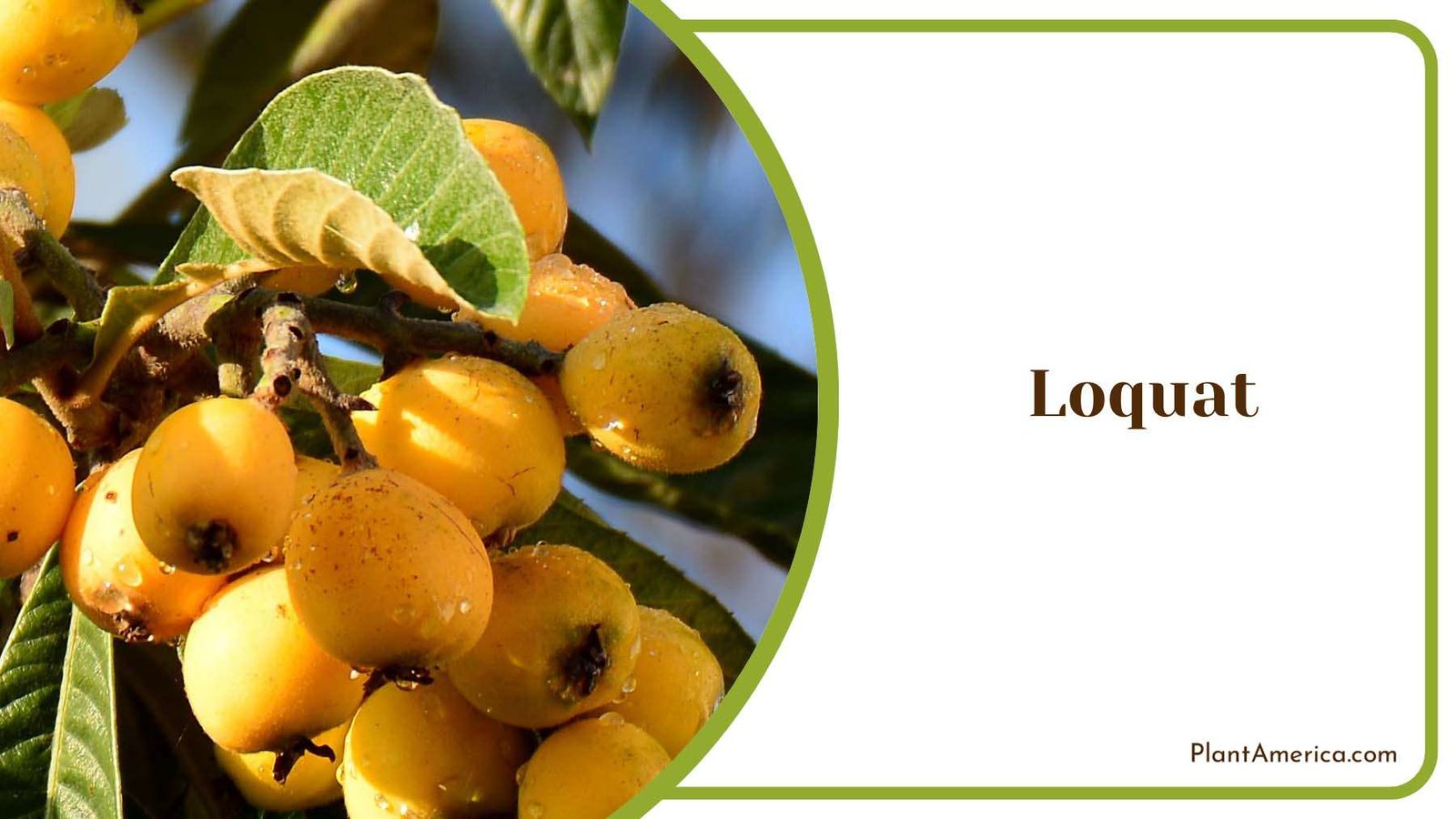
- Growing season: Year-round, Spring
- Leaf shape: Dark green, Oval leaves
- Specific needs: Balanced fertilizer, High humidity
- Common pest: Aphids, Scale insects
The loquat is an evergreen tree perfect for growing indoor fruit trees. Dwarf loquats produce clusters of small yet aromatic fruits with a mildly sweet flesh and floral overtones. Feed the loquat once monthly during spring and summer with a balanced liquid fertilizer. Monitor closely for common loquat tree pests like scale insects that attach to stems and aphids that cluster on new foliage.
With proper care, this indoor fruit tree will reward you with clusters of aromatic miniature loquat fruits to enjoy fresh or used in baked goods. Follow these optimal conditions to help your dwarf loquat thrive inside, producing its sweet petite fruits for your indoor fruit garden.
14. Calamondin Orange
- Growing season: Year-round
- Leaf shape: Oval, Dark green leaves
- Specific needs: High humidity, Warm temperatures
- Common pest: Mealybugs, Scale insects
The calamondin orange is a compact citrus perfect for growing indoor fruit trees. Calamondin oranges produce fragrant miniature orangettes with a tangy-sweet flavor and thin peel. Feed the calamondin orange once monthly during spring and summer with a diluted balanced citrus fertilizer. Monitor closely for common citrus pests like scale insects that attach to stems and foliage and mealybugs that cling to leaf veins.
With proper care, this indoor citrus tree will reward you with clusters of fragrant miniature oranges to make marmalade, flavor rice dishes, and season cocktails. Follow these optimal conditions to help your calamondin orange thrive inside, producing its sweet petite orangettes for your indoor fruit garden.
15. Dwarf Pear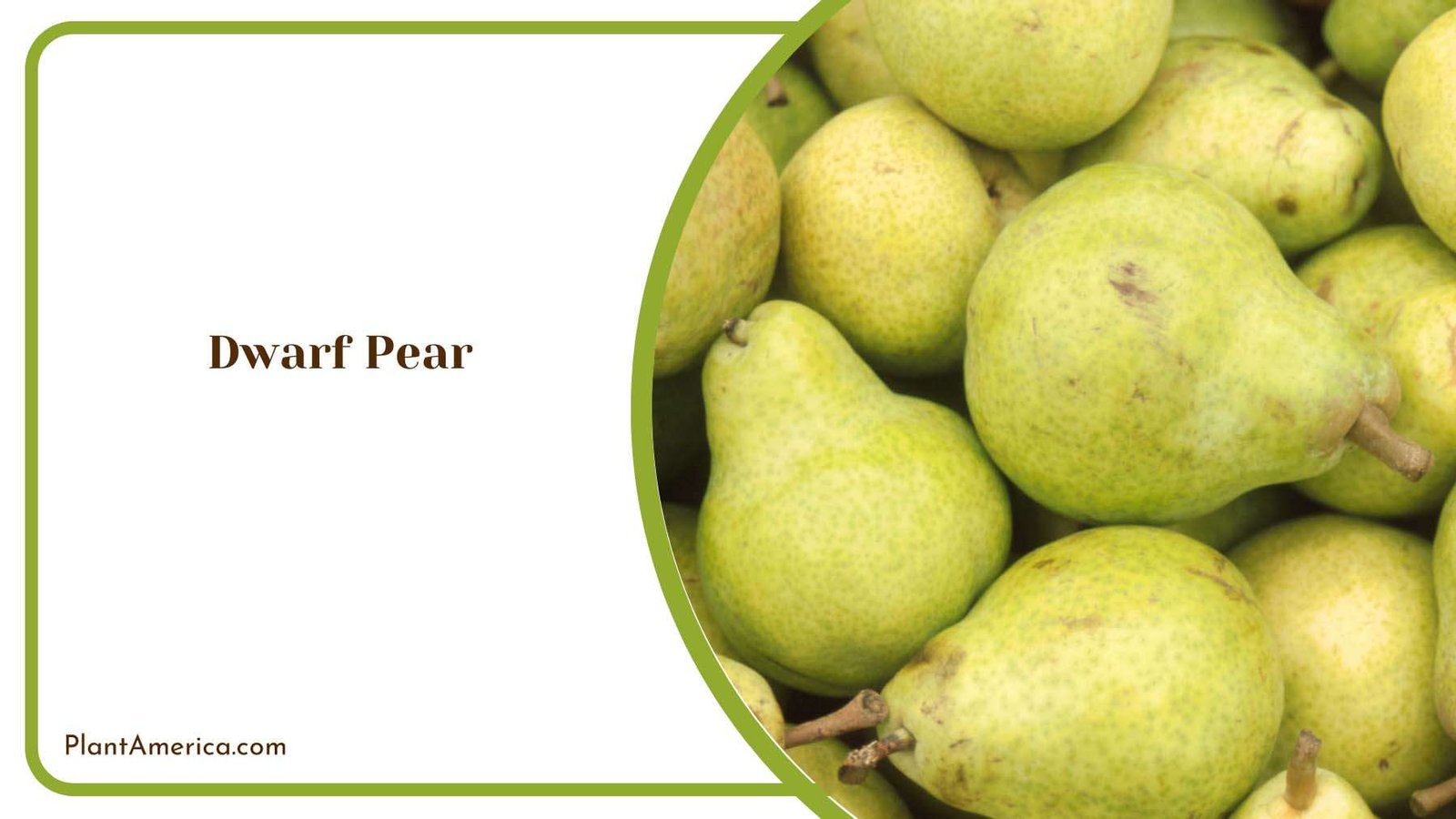
- Growing season: All year, Late summer
- Leaf shape: Dark green, Lobed leaves
- Specific needs: Chilled winter, Well-draining soil
- Common pest: Pear psylla, Scale insects
The dwarf pear is a compact variety of the common pear tree perfect for growing indoor fruit trees. Dwarf pears produce petite yet still flavorful pears with crisp flesh and mildly sweet juice.
Pears need dormancy to flower and fruit the following season. Grow the tree in well-draining soil to prevent root rot. Pears need soil that allows excess water to drain freely. Mix perlite or coarse sand into the potting mix.
Feed the dwarf pear monthly from spring to fall with a balanced fruit tree fertilizer. Monitor closely for common pear pests like scales that attach to branches and pear psylla that suck plant sap and produce honeydew.
With proper care, this indoor fruit tree will reward you with petite yet sweet delicately flavored pears to enjoy fresh, poached, or baked into desserts. Follow these optimal conditions to help your dwarf pear thrive inside, producing miniature pears for your indoor fruit garden.
16. Dwarf Pecan
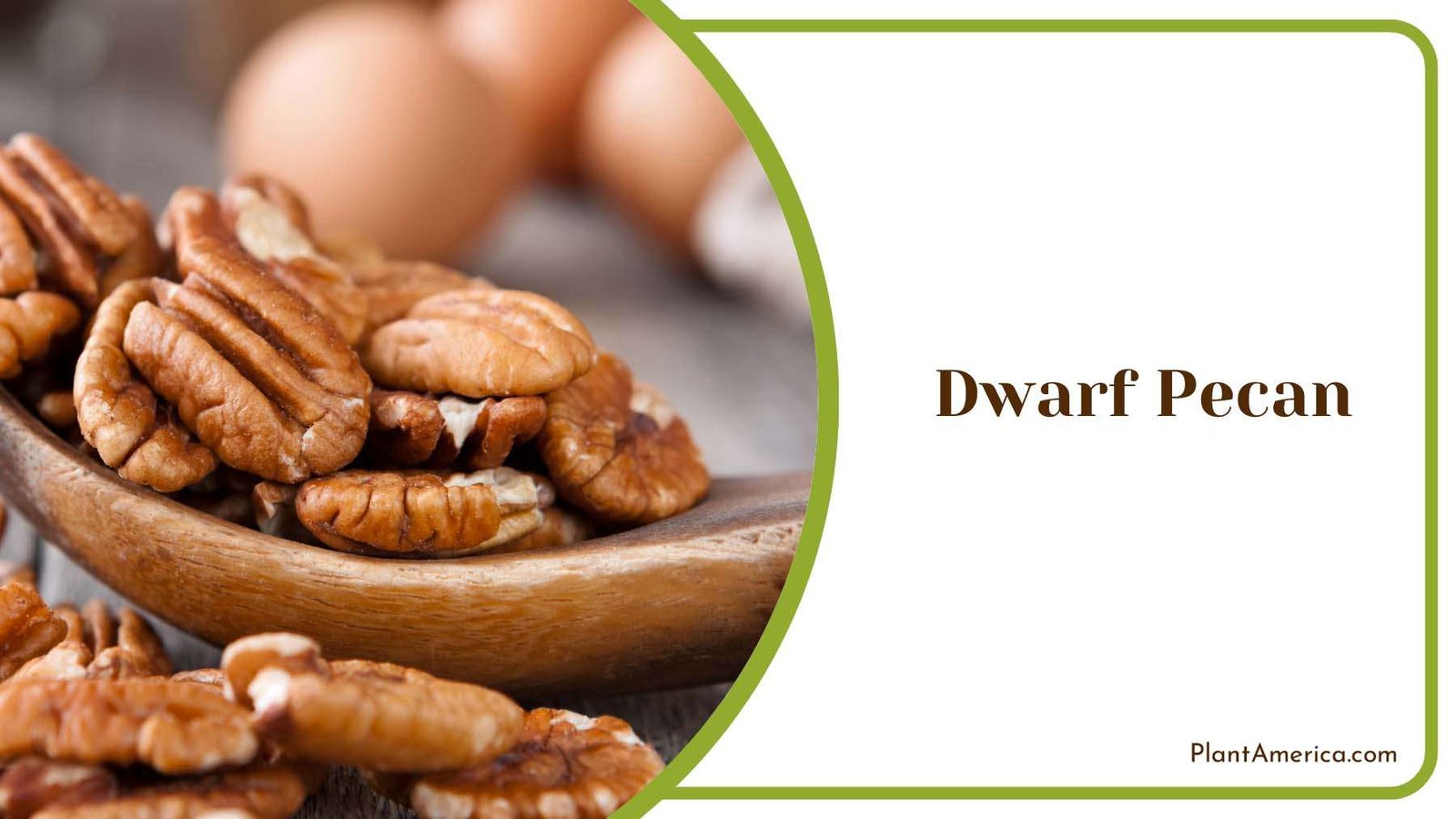
- Growing season: Fall, Winter
- Leaf shape: Pinnately, Compound leaves
- Specific needs: Chilled weather, Well-draining soil
- Common pest: Pecan nut casebearer, Aphids
The dwarf pecan is a compact variety of the common pecan tree perfect for growing indoor fruit trees. Dwarf pecans produce petite yet savory pecan nuts with a mildly sweet flavor. Grow the tree in well-draining soil to prevent root rot. Pecans need soil that allows excess water to drain freely. Mix perlite or coarse sand into the potting mix.
Feed the dwarf pecan monthly from spring to fall with a balanced fruit tree fertilizer. Monitor closely for common pecan tree pests like pecan nut casebearers that damage nutshells and aphids that suck plant sap. With proper care, this indoor fruit tree will reward you with petite yet savory pecan nuts to snack on, chop into baked goods, or incorporate into recipes.
Follow these optimal conditions to help your dwarf pecan thrive inside, producing miniature pecan nuts for your indoor fruit garden.