
The Sansevieria night owl plant of the Asparagaceae family is an excellent choice for someone looking for a beautiful plant to add to their home décor or for those who simply want a low-maintenance houseplant.
This Dracaena genus plant can be grown both indoors or outdoors successfully, but it typically prefers growing conditions that are more consistent with being kept indoors.
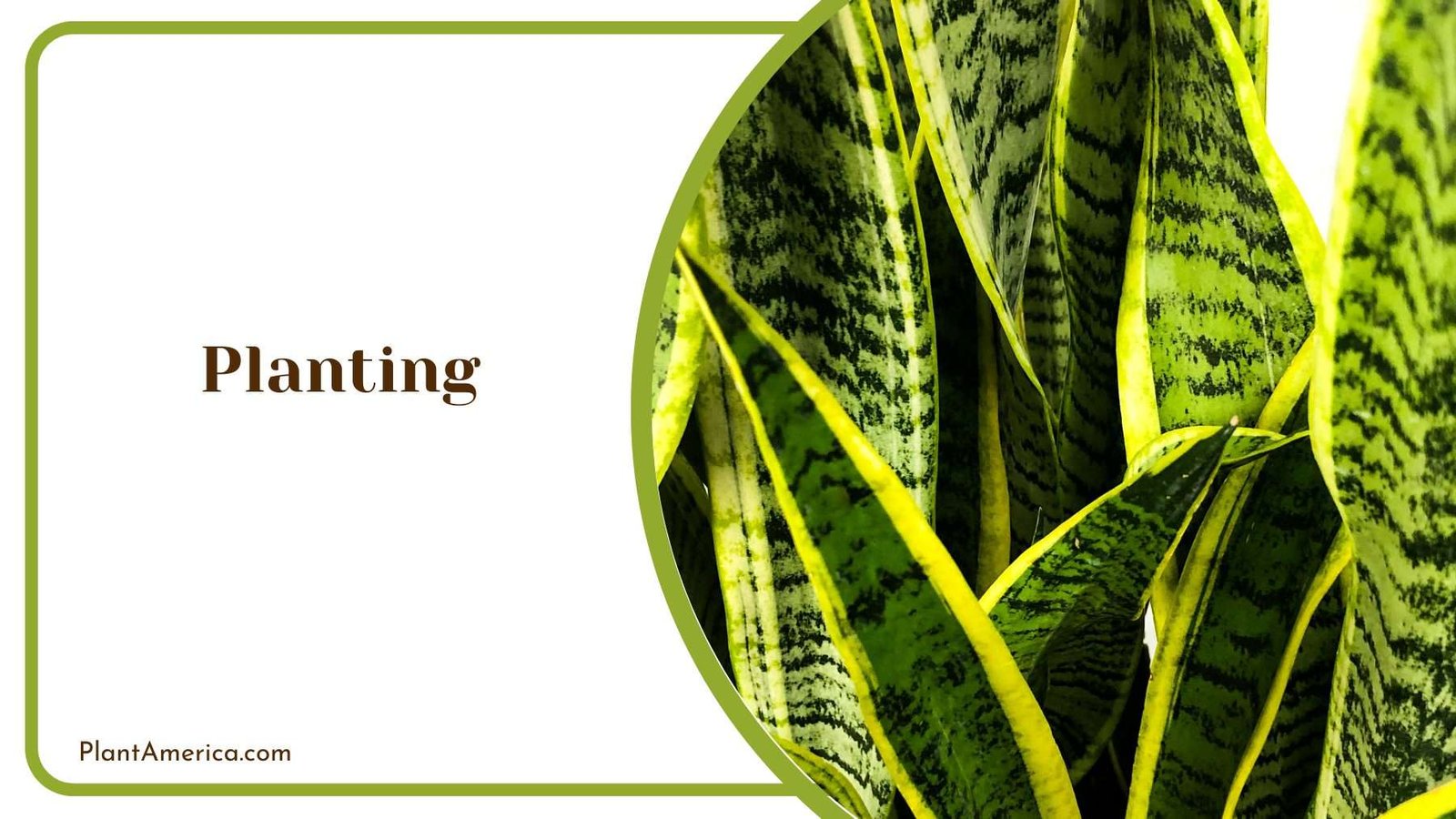
The leaves of this plant are long and narrow, with sharp points on their end, and they grow in a rosette pattern, reaching up to 3 feet long.
Our experts have curated this complete guide to taking proper care of your Sansevieria Night Owl, so go ahead and dive in!
Sansevieria Night Owl Care
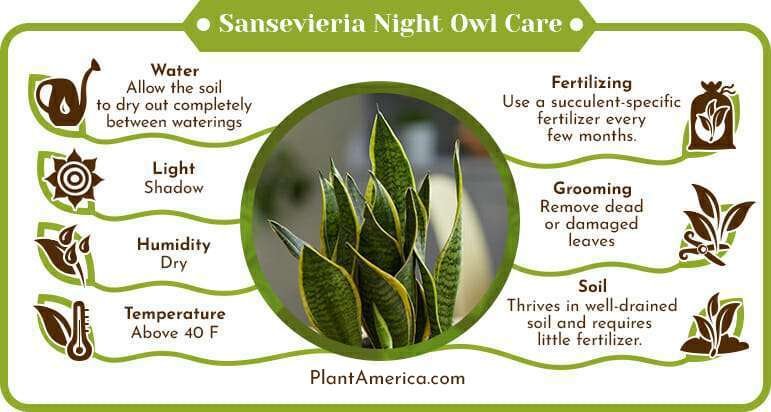
This plant is an extremely low-maintenance plant, making it an excellent choice for anyone looking for a houseplant that requires little attention. It does best in shady areas with low light conditions and can survive minimal watering.
This plant is succulent, so it does not need to be watered very often. Overwatering can be detrimental to the health of the plant, so the best time to water your plant is when the soil is completely dry.
This makes the snake plant the perfect plant for homes or offices where caretakers may not have much time to devote to upkeep. To care for your plant, simply be sure to provide it with adequate water when the soil is completely dry and allow it to bask in a shady area.
To care for your plant, consider following these tips:
- Place your plant in a shady area that receives low light conditions.
- Water the plant sparingly, only when the soil feels dry to the touch.
- Fertilize your plant once every few months and use a succulent-specific fertilizer.
- Allow the plant to dry out completely between waterings to prevent root rot.
With these simple steps, you can ensure that your plant will stay healthy and thrive for many years to come!
 Water Requirements
The plant has very low water requirements, making it an excellent choice for anyone looking for a houseplant that can tolerate periods of drought. This plant grows well in shady areas with low light conditions and requires only minimal water to stay healthy.
To care for your plant, be sure to water it sparingly when the soil feels dry to the touch and allow it to dry out completely between waterings to prevent root rot. You may need to water this plant more frequently during the warmer months and less frequently during the cooler months.
Alternatively, you can use a spray bottle to mist your plant with water if it starts to wilt, but avoid overwatering as this, again, can cause root rot.
 Light Requirements
The plant does best in shady areas with low light conditions, making it an excellent choice for indoor growing. This plant can tolerate partial sun to full shade outdoors, making it versatile and easy to care for.
To ensure that your plant stays healthy and thriving, provide it with plenty of indirect sunlight or other bright, but not direct, lighting.
Your plant needs indirect sunlight to thrive. If you live in an area with low light conditions, you may need to provide your plant with additional light using grow lights.
– Outdoors
Several different species of Sansevierias can be grown outdoors. Some of these include trifasciata, cylindrica and laurentii.
However, it is essential to bear in mind that not all Sansevieria varieties can withstand direct sunlight or colder temperatures, so it’s essential to choose a species that is best suited for your climate and growing conditions.
 Soil Requirements
The plant is a succulent plant that thrives in well-drained soil and requires little fertilizer. When planting your plant indoors or outdoors, it’s essential to choose a container with suitable drainage holes in the bottom and fill the bottom with gravel before adding potting soil.

You can also mix organic matter such as compost into the top layer of soil when planting your Sansevieria to provide additional nutrients and improve overall drainage.
You should choose a well-draining potting mix that contains perlite or sand to prevent excess moisture buildup in the soil. Additionally, you can consider adding some fertilizer to the mix at planting time to provide your plant with extra nutrients.
 Temperature Requirements
The snake plant is hardy in USDA zones 10 through 12 and can tolerate around 40 degrees Fahrenheit temperatures. In colder climates, it’s best to grow this plant indoors or in a greenhouse for it to stay healthy and happy throughout the year.
When growing your Sansevieria outdoors, be sure to place it in an area protected from wind and cold winter conditions. It would be best to bring this plant indoors during the cold winter months, if possible.
 Humidity Requirements
The plant does best in dry environments with low humidity, making it a great choice for homes or offices. To ensure that the air around your plant stays dry, you can use a humidifier or place your plant on top of pebbles to help improve airflow and prevent excessive moisture buildup.
Additionally, rotate your plant regularly and keep it away from any heat sources such as radiators, fireplaces, or vents to prevent moisture damage and reduce stress on the plant.
 Fertilizing Requirements
The Snake plant is a low-maintenance plant that doesn’t require much fertilizer, but you can give it an occasional boost with a succulent-specific fertilizer every few months.
When fertilizing your plant, be sure to follow the instructions on the package and apply the fertilizer sparingly to avoid damaging the plant’s roots.
– When to Fertilize
Many people find that fertilizing these plants is essential for promoting healthy growth and development. Generally speaking, you should provide your plant with fertilizer during the spring and summer months, when it is actively growing and producing new leaves.
Some good options include slow-release organic fertilizers or a liquid fertilizer that provides balanced nutrition to your night owl plant. Whether you are just starting out with caring for your plant or are an experienced gardener, it’s essential to do your research when choosing the best fertilizer for your specific needs.
 Pruning Requirements
The plant is a low-maintenance plant that typically doesn’t require any pruning. However, if you notice any dead or damaged leaves on your plant, you can remove them by gently trimming them back with clean and sharp scissors.
Be sure to prune off any stems that appear discolored or off-colored to prevent the spread of disease and ensure that your plant stays healthy and vibrant.
You typically do not need to prune your plant since it grows in a rosette shape that naturally sheds old leaves. However, you may wish to remove any brown or yellow leaves
Repotting
You should repot your plant every 1-2 years or when the roots start to become pot-bound. Choose a container with good drainage holes and use well-draining soil to prevent root rot.
Planting
Whether planting your plant indoors or outdoors, the process is pretty similar. For indoor growing conditions, you will want to plant your plant in a container at least 12 inches deep and 10 inches wide.
- Fill the bottom of the container with gravel to help with drainage, and then fill it up halfway with potting soil. Gently remove your plant from its current pot and place it in the new container.
- Fill in the rest of the container with potting soil, making sure to press it down around the base of the plant. Water your plant thoroughly.
- You will want to choose a location that gets partial sun to full shade for outdoor growing conditions. Before planting, the soil should be well-drained and amended with organic matter such as compost.
- Dig a hole that is twice the width and depth of the root ball of your plant. Carefully remove your plant from its pot and place it in the hole. Backfill the hole with soil and water your plant thoroughly.
This striking succulent thrives in shady spaces and you can grow them successfully indoors and outdoors. With its dark green leaves and easy care requirements, the plant makes a great addition to any home or garden!
Propagation
The Sansevieria plant is a relatively easy plant to propagate and can usually be done using one of two methods: division or cuttings.
– Division
The easiest way to propagate your plant is by division. Simply divide the plant into smaller sections using clean, sharp scissors or a knife and repot each section in its container filled with well-draining potting soil.
You can then water the divisions regularly and keep them in a sunny location until they have established new roots and grown enough to thrive independently.
– Stem Cutting

To propagate your plant using cuttings, follow this comprehensive guide:
- Start by taking a cutting from one of the stalks and allowing it to dry out for several days.
- Leave about 2 inches of the stem attached to the leaf stalk, and then place the cutting in potting soil with good drainage.
- Place your cutting in a sunny location and keep it moist until new growth appears, at which point you can begin to reduce the watering frequency as needed.
- Whether you choose to propagate your plant using division or cuttings, be sure to provide plenty of bright light and water until it has fully established itself.
Sansevieria plant babies are relatively easy to care for as long as you provide them with indirect sunlight, water them sparingly, and give them a well-draining potting mix. Additionally, be sure to inspect your new plants regularly for signs of pests or diseases and take steps to resolve the issue as soon as possible.
Problems
The plant is a low-maintenance plant that typically doesn’t experience any problems. However, it can be affected by certain pests and diseases if not properly cared for or placed in the right environment.
Some common problems with these plants include root rot, brown or yellow leaves, and pests such as aphids, mealybugs, or scale insects. You can typically resolve these problems by following the proper care instructions for the plant.
– Pests
Common issues with this plant include mealybugs, root rot, and brown leaves. To prevent these problems from occurring, make sure only to use clean pots and soil when planting your Sansevieria.
– Weak Plant
You should provide it with adequate sunlight and humidity levels, and avoid over-fertilizing the plant to prevent damage from nutrients runoff.
– Root Rot
One of the most common problems with this plant is root rot, which can occur if the plant is overwatered or if the soil is too wet. To prevent root rot, be sure to water your plant only when the soil feels dry to the touch and allow the plant to completely dry out between watering.
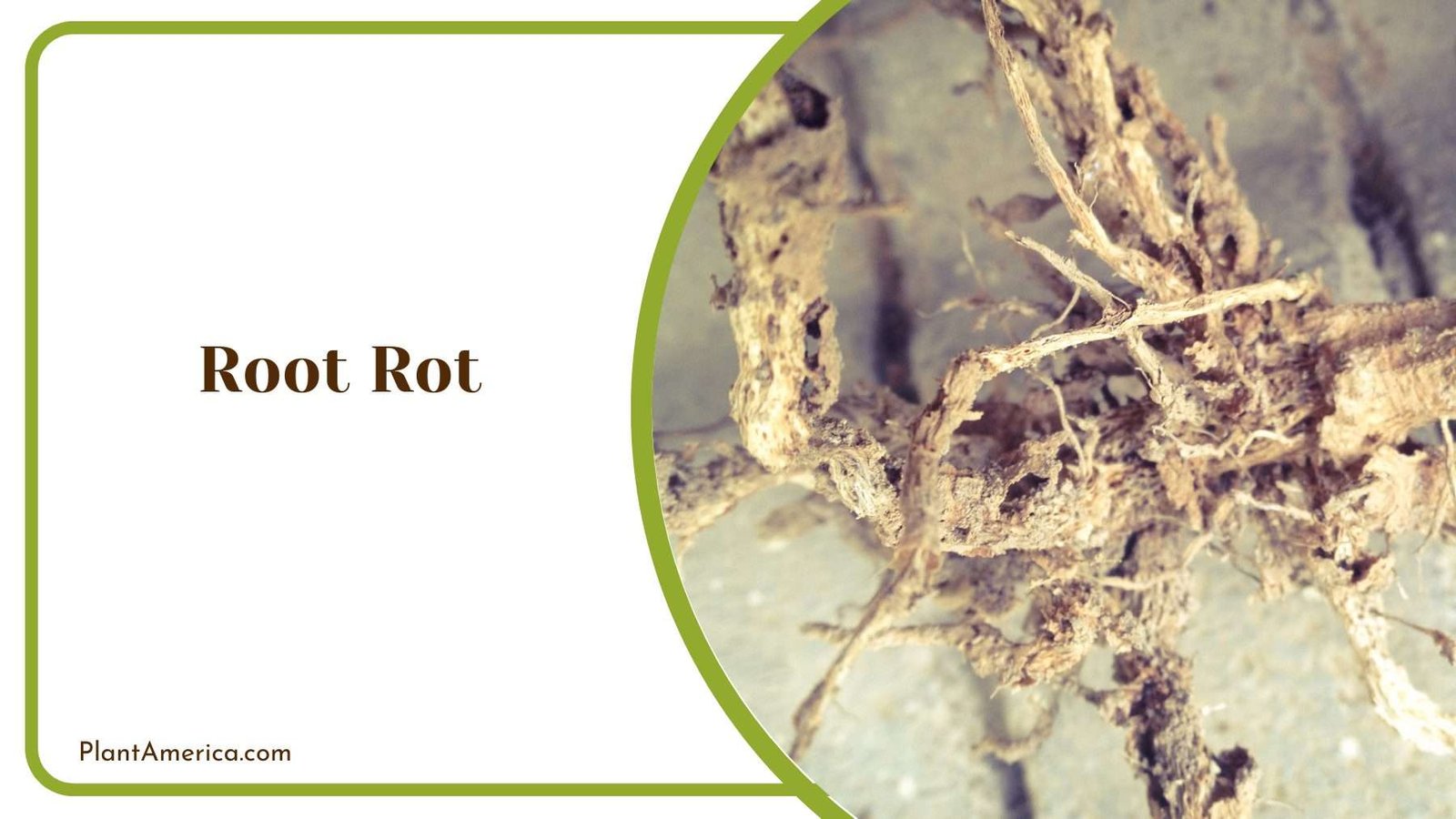
Additionally, choose a container with good drainage holes and use well-draining soil to ensure that excess moisture can escape easily.
– Brown or Yellow Leaves
Another common problem with the plant is brown or yellow leaves, which various factors can cause. Low light conditions, excessive moisture, and poor soil quality are some of the most common causes of leaf discoloration.
To prevent these problems from affecting your plant, provide your plant with plenty of indirect sunlight and high-quality soil that drains well to ensure that excess moisture doesn’t build up around the roots.
Additionally, you can use a humidifier or place your plant on top of pebbles to increase air circulation and reduce stress on the plant. If you notice any brown or yellow leaves on your plant, remove them as soon as possible and take steps to resolve the underlying cause.
Moreover, regularly inspect your plant for signs of pests such as aphids, mealybugs, or scale insects, and treat the plant accordingly if necessary.
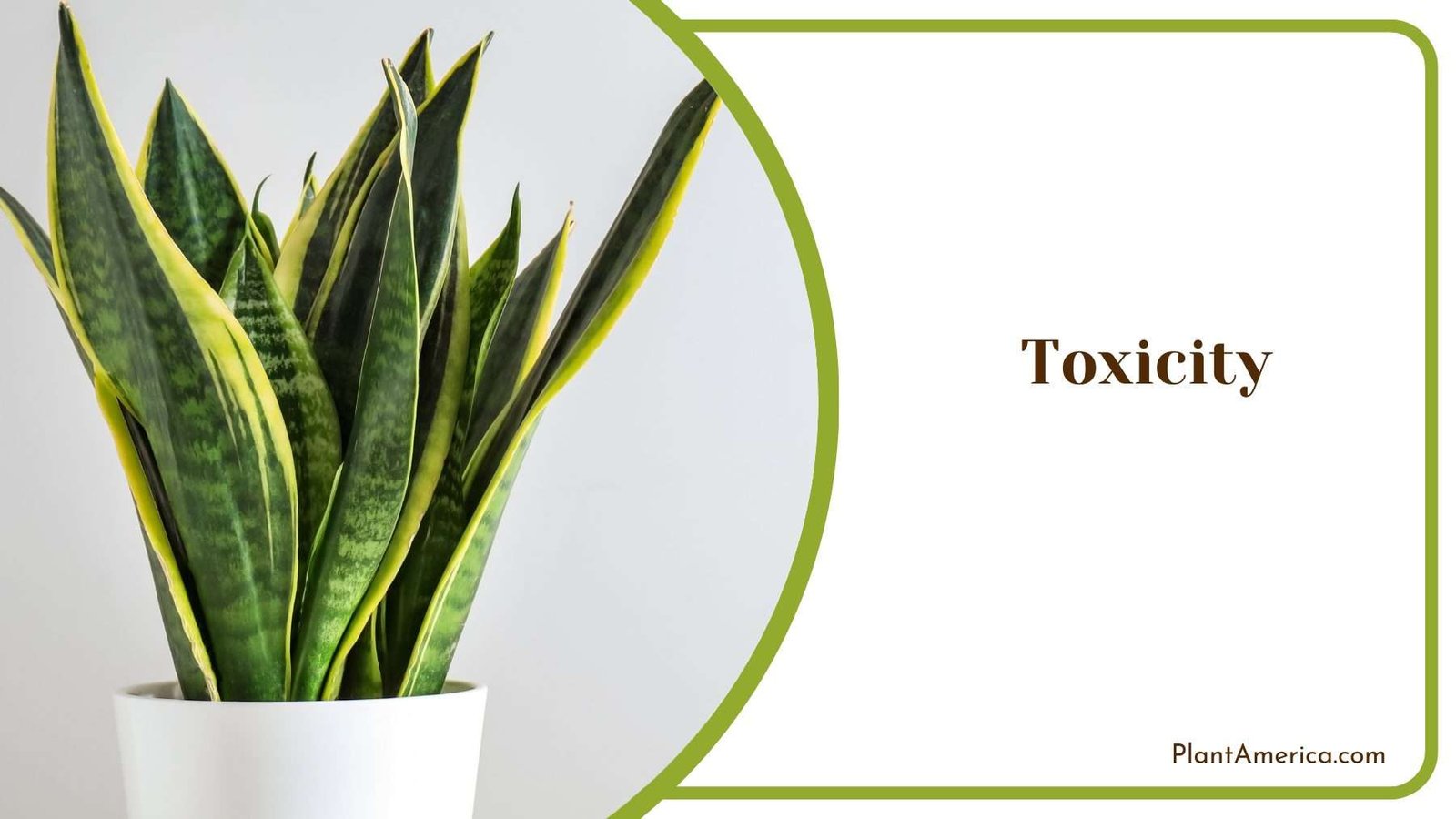
– Toxicity
Sansevieria plant is not considered toxic to humans and should be safe if used as an ornamental plant. However, it is suggested to keep plants at a place where children and animals can not reach them. This step will prevent accidental consumption.
Owl night is not toxic to pets. However, it is always best to keep plants out of reach of children and animals to prevent them from eating the leaves or stems.
Final note & Tips:
It grows well in low-light conditions, so it is an excellent choice for those who want to grow an attractive houseplant without the hassle of providing enough natural light. It also tolerates drought well, making it ideal for those who often forget to water their plants.
The Sansevieria Night Owl is a type of snake plant native to the African region. It is a member of the Asparagaceae family and is closely related to other plants in this family.