
Popular flowers can bring joy and beauty to any outdoor space this season. This guide will cover some of the best garden flowering plants, from classic perennials to buzz-worthy newcomers. Whether you want cascading blooms, sprays of fragrance, or bold, colorful shapes, there’s a flower here to match your style and garden conditions.
 So read on to discover promising picks for sunny, partial shade, or even compact spots, along with tips for planting and care to fill your yard with floral delights all spring, summer, and beyond.
Popular Flowers That Are Gracing Every Garden This Season
1. Calla Lily
- Growing season: Summer, Spring
- Leaf shape: Linear, Narrow
- Specific needs: Moist soil, Partial shade
- Common pests: Aphid, Scale insects
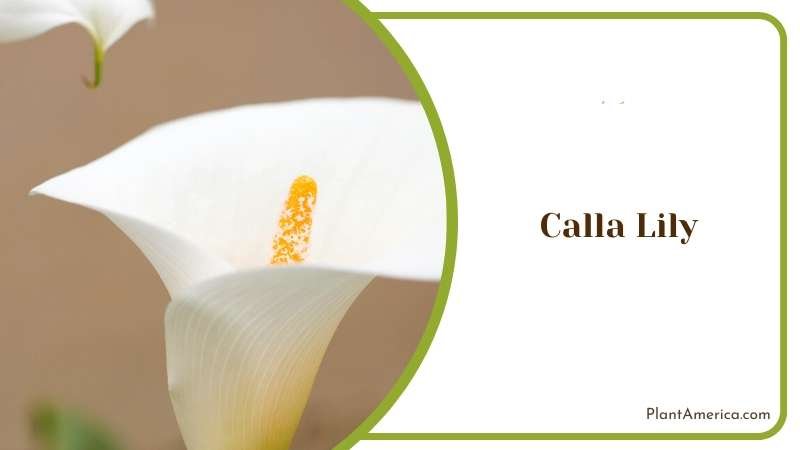
The graceful calla lily produces showy white, pink, or yellow trumpet-shaped blossoms in spring and summer. These flowering plants add elegance to gardens and landscapes with their upright growth habit and large, tropical-looking leaves.
Calla lilies grow best in moist, well-drained soil and partial shade. While generally pest-free, aphids can occasionally be a problem, so keep an eye out for these sap-sucking insects.
Calla lilies are useful filler flowers that bloom reliably for months on end. If you deadhead the spent blossoms, you can extend their season further. Calla lilies grow from rhizomes that multiply slowly over the years to increase your stock of these charming plants.
2. Rose
- Growing season: Summer, Spring
- Leaf shape: Linear, Compound
- Specific needs: Full sun, Well drained soil
- Common pests: Aphid, Japanese beetles
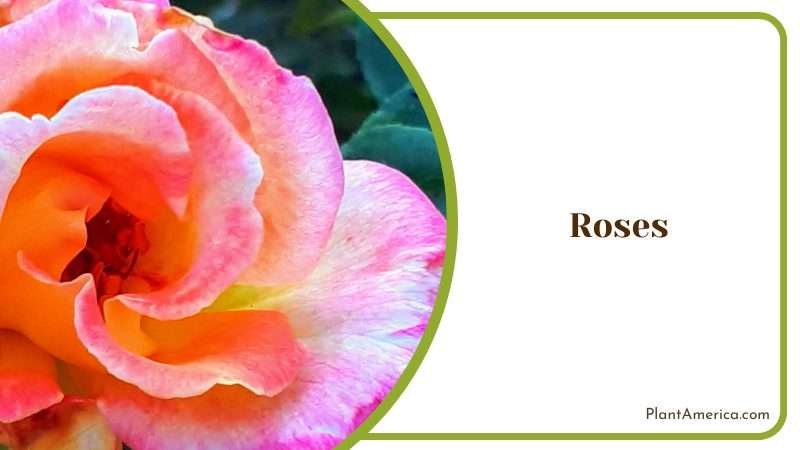
Roses are beloved flowers for their intoxicating fragrance and profusion of colors. They bloom all spring and summer on thorny shrub bushes. For the best results, roses need full sun, well-drained soil, and regular pruning to encourage new growth.
While generally hardy plants, pests like aphids and Japanese beetles may attack rose flowers and leaves.
Roses produce several flushes of blossoms from spring through fall if you adequately fertilize and deadhead spent flowers. Some roses bloom only once in spring, while others continue blooming throughout the growing season.
The variety of rose types, from miniatures to climbers, means there’s a rose perfectly suited to your garden space and taste.
3. Dahlia
- Growing season: Summer, Fall
- Leaf shape: Lobed, Broad
- Specific needs: Full sun, Rich soil
- Common pests: Aphid, Spider mites
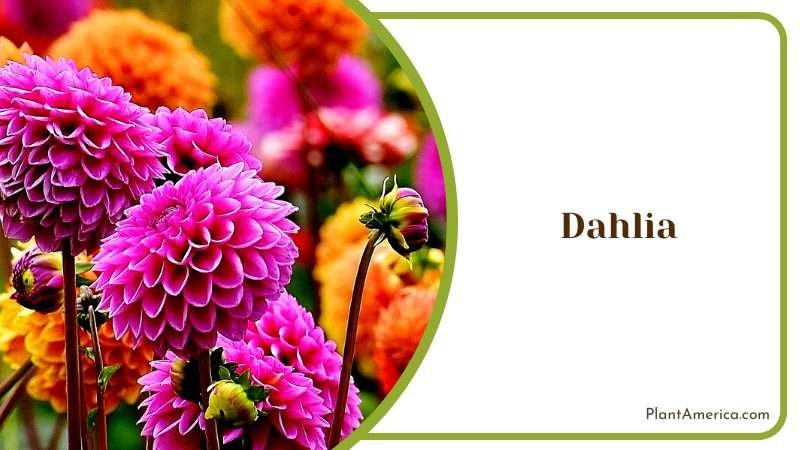
The dahlia is a colorful summer and fall bloom bearing an abundance of eye-catching blossoms in shades of red, pink, yellow, purple, and white. They thrive in warm, sunny locations with rich, fertile soil. Dahlias attract aphid and spider mite pests when planted in dry conditions.
Dahlias produce larger blooms as the season progresses, peaking in late summer through early fall. In colder climates, you’ll need to dig up the tubers before frost and store them over winter.
Dahlia varieties range from compact types to giants over two feet tall, suitable for beds, borders, and container displays. These long-blooming flowers are a gorgeous addition to late-season gardens.
4. Tulip
- Growing season: Spring
- Leaf shape: Linear, Narrow
- Specific needs: Well drained, Full sun
- Common pests: Aphid, Thrips
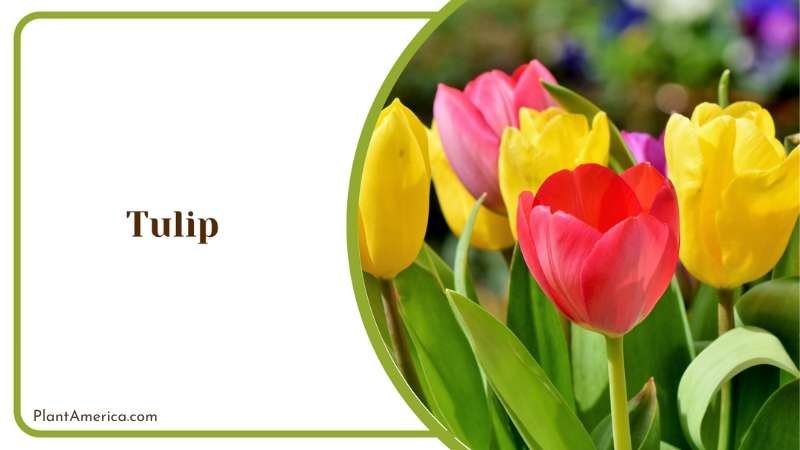
Tulips produce cheerful spring blooms in a vibrant rainbow of colors. They grow best with full sun and well-drained soil to prevent root rot. In their native environment, tulips bloom early before the leaves emerge, so they do not need as much water once in bloom. However, aphids and thrips can be problematic on tulip buds and leaves.
Tulips are easiest to grow from bulbs, which you plant in the fall for spring blooms the next year. Tulips come in many forms, from tall to dwarf, fringed to lily flowered.
An old favorite, tulips add a cheerful pop of color to the early spring garden. They naturalize easily and self-sow for more blooms year after year.
5. Sunflower
- Growing season: Fall
- Leaf shape: Compound, Palmately
- Specific needs: Moist soil, Full sun
- Common pests: Aphid, Birds
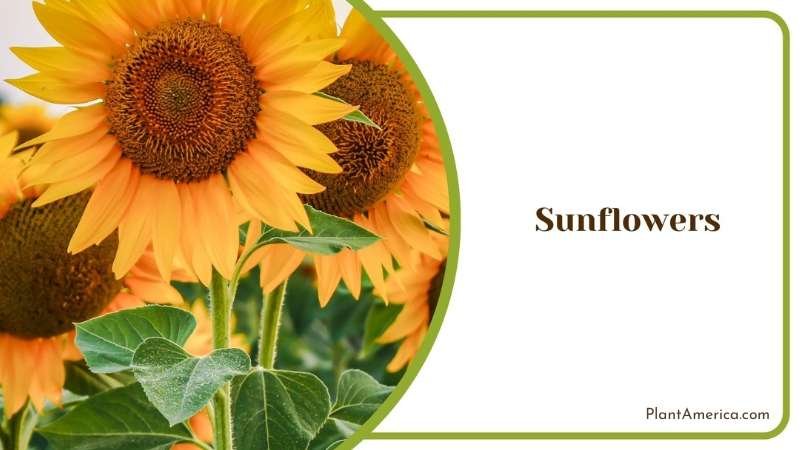
The giant sunflower brings cheerfulness to gardens and landscapes with its eye-catching size and daisy-like blooms ranging from yellow to mahogany red.
Sunflowers grow best in full sun with consistent moisture in the soil. Aphids can infect the buds, while birds may feast on the seeds once the flowers mature.
Sunflowers produce numerous blooms throughout summer and early fall on sturdy hollow stems over ten feet tall. Individual flowers range in diameter from less than three inches to over two feet across.
Sunflowers are now grown in a rainbow of smaller varieties suited for borders and containers. The seeds are a nutrient-rich treat for birds in winter.
6. Lavender
- Growing season: Spring, Summer
- Leaf shape: Linear, Narrow
- Specific needs: Well drained, Full sun
- Common pests: Aphid, Spider mites
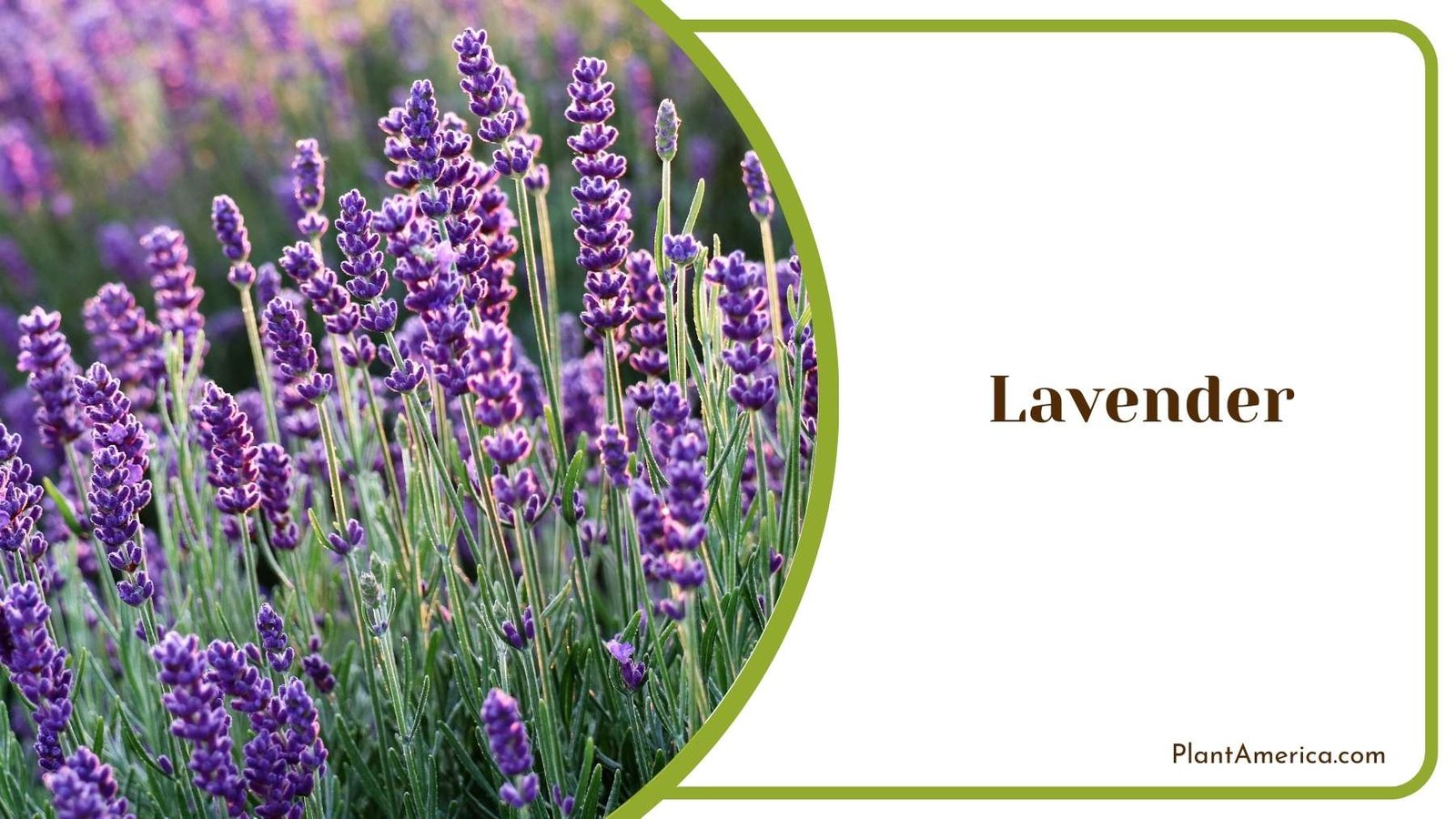
Lavender blooms in summertime with beautiful aromatic spikes of purple flowers. Once established, these hardy plants thrive in full sun and well-drained soil with low water needs.
As with many herbs, aphids and spider mites may feed on lavender leaves and buds when the soil is too moist. Therefore, it is recommended to always control the moisture level for the best growth.
Lavender reblooms year after year on woody shrubs with gray-green foliage. For best flowering, prune back lavender after it blooms in summer. Harvest the fragrant leaves to dry for sachets or potpourri. The oil from lavender has a calming and soothing effect.
7. Daisy
- Growing season: Spring, Summer
- Leaf shape: Toothed, Lobed
- Specific needs: Well drained, Full sun
- Common pests: Aphid, Thrips
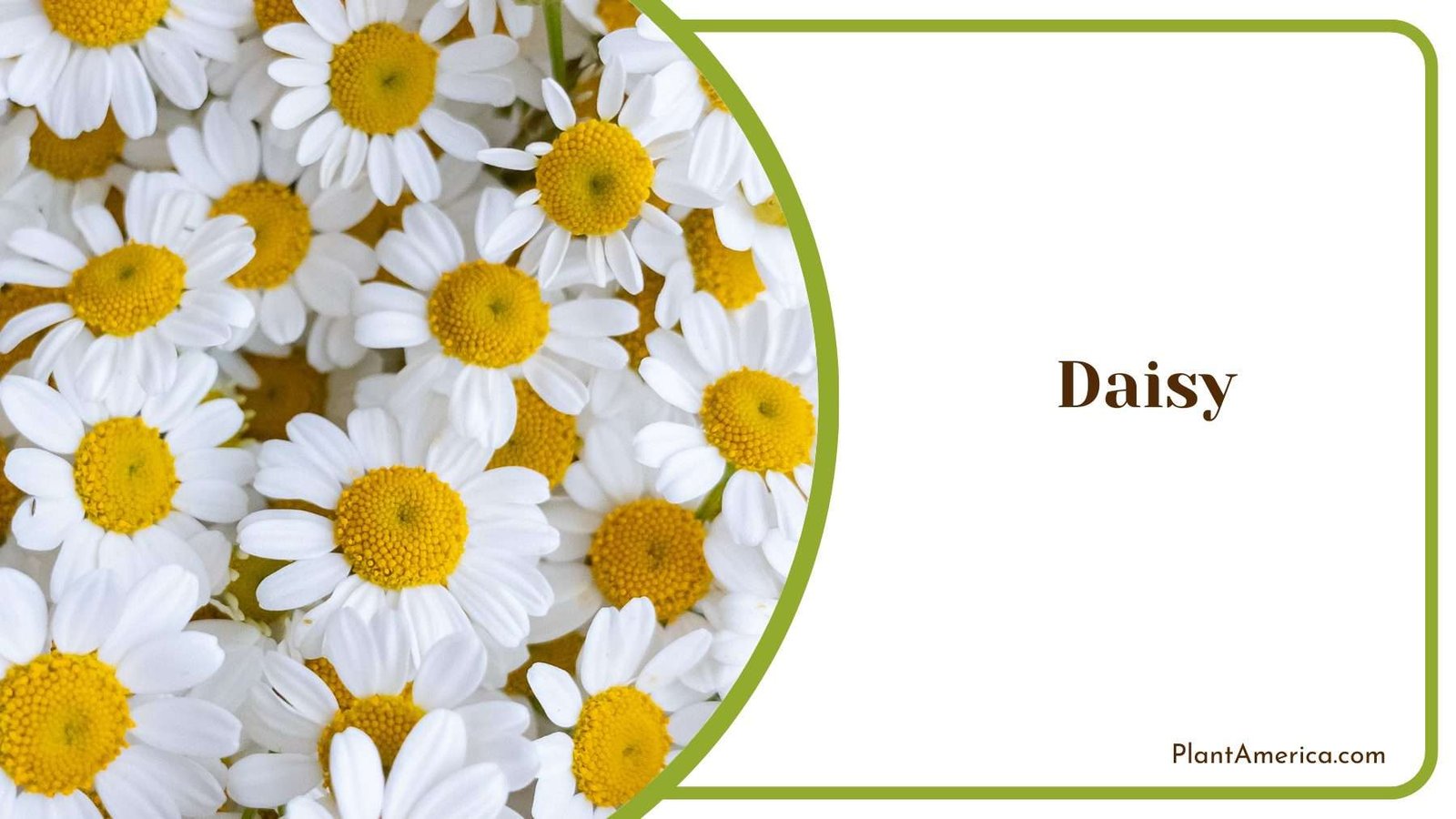
Daisies produce many cheerful flowers in white, yellow, or purple shades all season. They grow properly in full sun and well-drained soil. These perennials are tough and pest-resistant, though aphids may sometimes cluster on new growth.
Daisies produce an abundance of flowers over a long period from spring onwards. While not long-lived, individual plants will bloom reliably for several years. This is one of the reasons to make them one of the most popular plants.
Daisies come in many sizes, from the annual few-inch Pyrenean daisy to the towering Shasta daisy. Selected species have a lovely fragrance that permeates the summer air.
8. Lily

- Growing season: Summer
- Leaf shape: Linear, Narrow
- Specific needs: Rich soil, Moist soil, Full sun
- Common pests: Snails, Slugs
Lilies produce beautiful trumpet-shaped or starry blooms in white, orange, pink, and red shades. They grow best with consistently moist, rich soil and full sun-to-light shade. While generally pest-free, slugs and snails may chew holes in the leaves of these plants.
Lilies grow flowers in mid to late summer on tall stalks rising above lush foliage. Individual flowers last only a few days, but successive buds ensure a long blooming season.
Lily varieties range from upright Oriental hybrids to fragrant, downward-facing Trumpet lilies. Bulbs multiply over the years for an increasing show.
9. Peony
- Growing season: Spring
- Leaf shape: Linear, Palmately
- Specific needs: Well drained, Full sun
- Common pests: Aphid, Japanese beetles
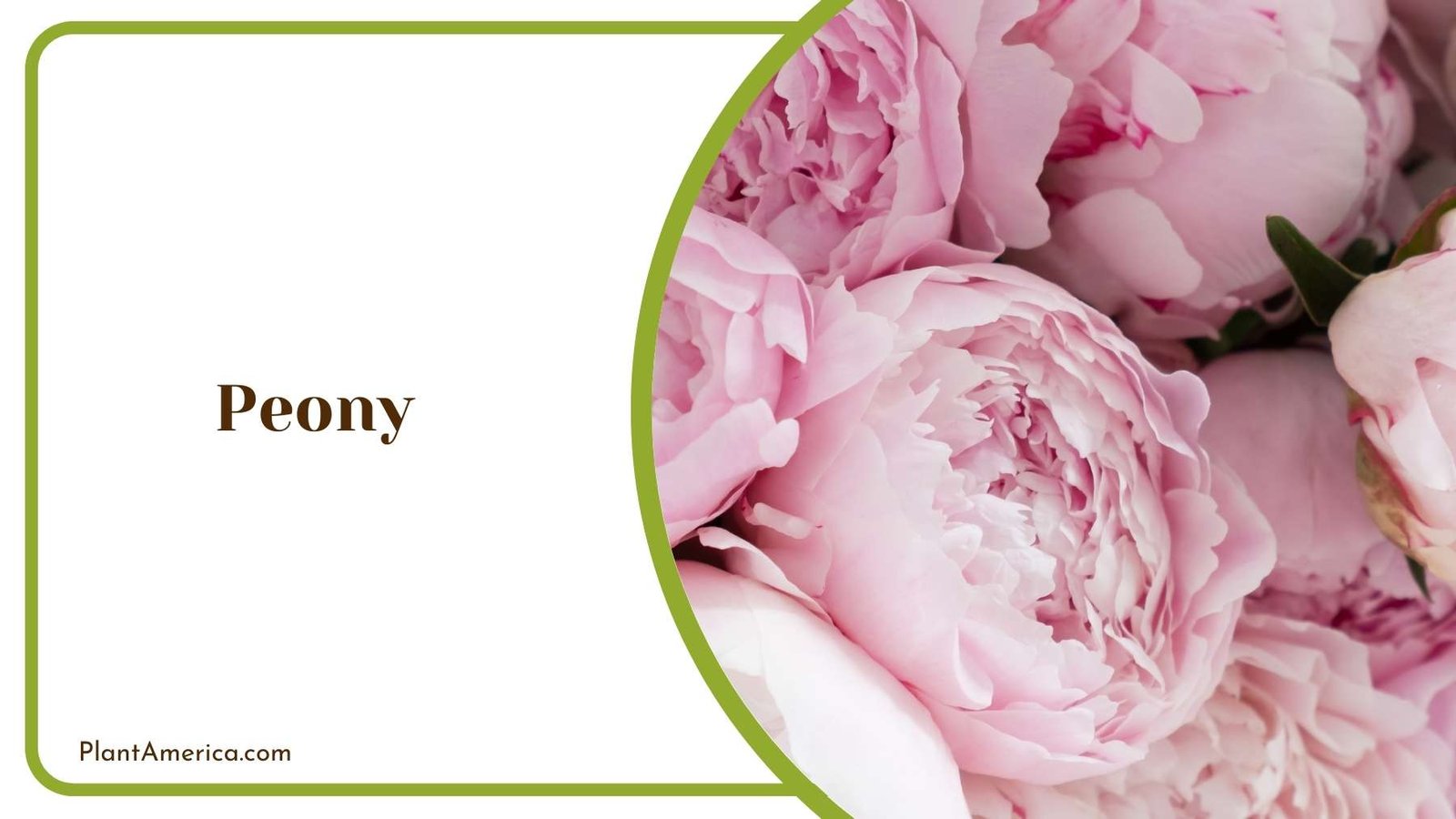
They grow great in full sun with well-drained soil to prevent root rot. Japanese beetles may chew on the leaves and flowers but are easily controlled.
Peonies produce large, fragrant flowers on thick stems in early spring, the same as many other perennials.
Tall shrub peonies grow over four feet, while smaller herbaceous varieties reach two-three feet. A variety of choices are available, including intersectional types. Peonies are long-lived plants that can remain in one spot for decades, becoming more prolific with age.
10. Hydrangea

- Growing season: Summer
- Leaf shape: Oval, Toothed
- Specific needs: Moist soil, Rich soil, Partial shade
- Common pests: Japanese beetles, Spider mites
Hydrangeas are shrubs prized for their large heads of colorful cone-shaped blossoms in pinks, blues, and purples. They prefer rich, moist soil and partial shade.
Japanese beetles will chew on the leaves, while spider mites can make the leaves turn yellow and drop.
Hydrangeas bloom on new wood, so pruning after flowering encourages more blossoms the next year. The flower color of some types changes from blue to pink depending on soil pH.
Hydrangeas come in different sizes, from compact mop heads to towering ligustrum-leaf types. Devoid of fragrance, hydrangeas are prized mostly for their vivid, long-lasting blooms.
11. Iris

- Growing season: Spring, Summer
- Leaf shape: Sword like, Flattened
- Specific needs: Well drained, Full sun
- Common pests: Borers, Root rot
Irises produce colorful blossoms in white, blue, yellow, and purple shades. They grow best with full sun and well-drained soil to prevent root rot. Borers can sometimes tunnel into rhizomes, causing damage.
Bearded iris blooms reliably in spring, while most others flower during late spring and summer. Irises offer a range of sizes, from dwarf species only six inches tall to tall bearded types over three feet.
Blooms last only briefly, but sequential buds ensure a succession of iris flowers. Easy to divide, irises spread slowly to cover large areas in pounds.
12. Hibiscus
- Growing season: Summer, Fall
- Leaf shape: Lobed, Palmately
- Specific needs: Moist soil, Rich soil, Full sun
- Common pests: Aphid, Spider mites
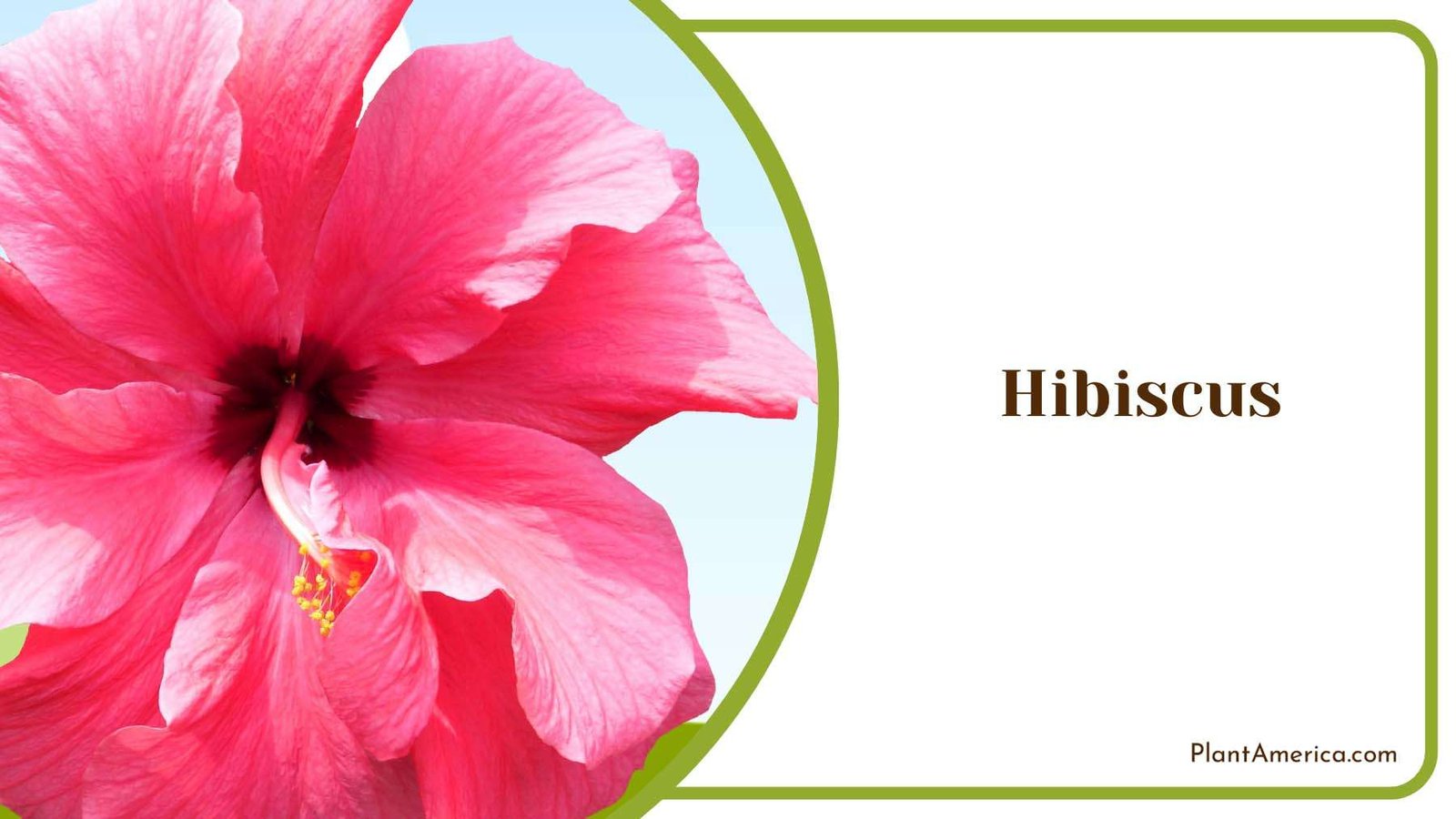
Tropical hibiscus shrubs produce showy flowers in summer and fall in vivid colors like red, orange, pink, and white. They thrive in fertile, consistently moist soil and full sun exposure. It is important to note here that aphids and spider mites may affect the plant when conditions are dry.
Hibiscus shrubs bloom nonstop from summer through fall if conditions are optimal. Deadheads fall off to encourage new growth.
Choose Compact, bushy trees for borders and taller varieties for background planting. Hibiscus flowers are not fragrant, but the blooming lasts just one day and is replaced by successive buds for a long show.
13. Clematis

- Growing season: Spring, Summer
- Leaf shape: Linear, Compound
- Specific needs: Well drained, Full sun
- Common pests: Aphid, Scale insects
Clematis vines produce showy spring, summer, and fall flowers in colors ranging from purple, blue, and pink to white. They grow best on trellises or pergolas in full sun with well-drained soil. Aphids and scale insects may feed on new growth affecting flowers.
Clematis vines bloom from spring through fall, depending on the variety. Pruning After Flowering Encourage bushier growth and more flowers in the following season. Clematis Are easy to grow and will clothe fences and arbors with color all season long.
14. Petunia
- Growing season: Spring, Summer
- Leaf shape: Linear, Simple
- Specific needs: Moist soil, Rich soil, Full sun
- Common pests: Aphid, Thrips
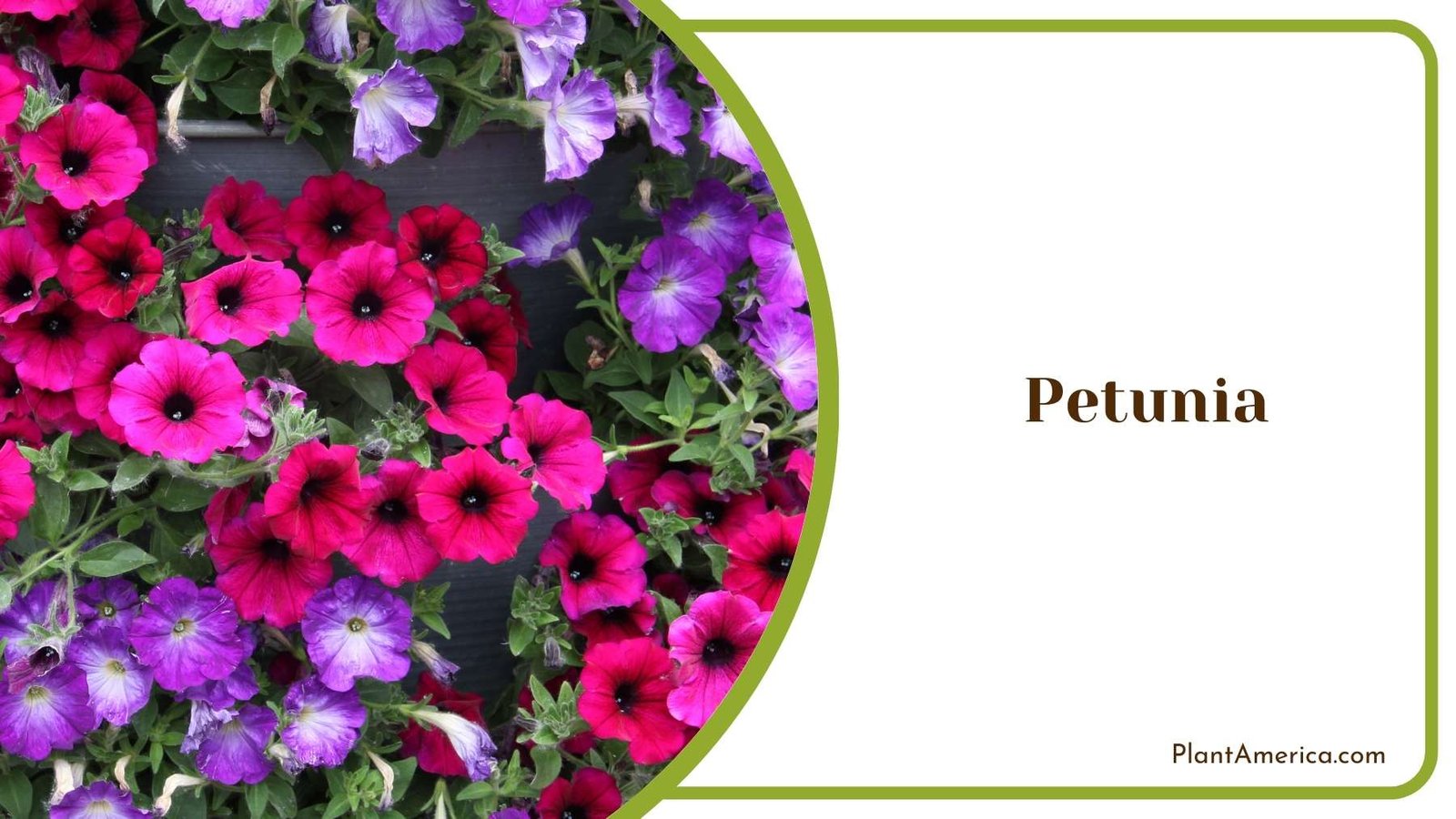
Petunias produce colorful, fragrant funnel-shaped flowers in shades of white, purple, pink, and burgundy from spring through fall. They prefer moist, well-draining, rich soil and full sun exposure for optimal growth and flowering.
While generally pest resistant, aphids can sometimes cluster on young Petunias, sucking sap and distorting leaf shape. Regular inspection and removal by hand or spraying with insecticidal soap can help keep aphid populations under control.
Petunias flower almost continuously if given optimal conditions, including ample water, fertile soil, and sun. Deadheading blooms regularly throughout the season, encouraging bushier growth and flower production. Petunias come in various styles, from trailing varieties ideal for hanging baskets to compact, mounded types suitable for borders.
Most petunia species are strongly fragrant, with large double blooms filling the air with their sweet scent day and night. Some cultivars boast frills, stripes, and unique blotches that add visual interest to standard funnel shapes.
15. Pansy
- Growing season: Spring, Fall
- Leaf shape: Simple, Rounded
- Specific needs: Moist soil, Rich soil, Partial shade
- Common pests: Aphid, Slugs
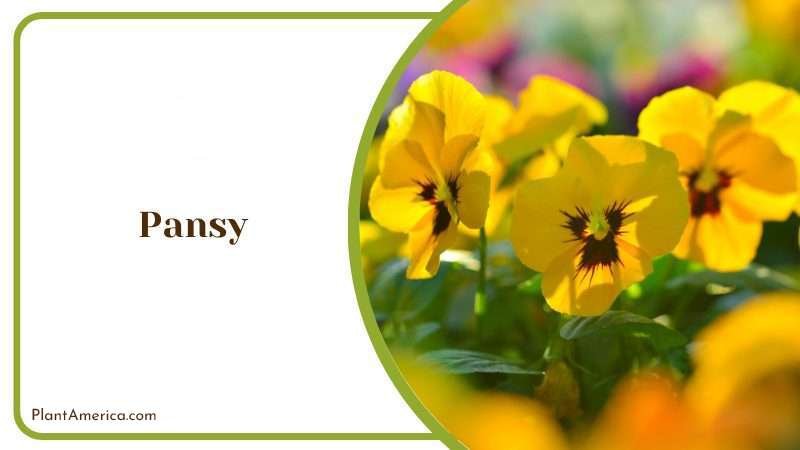
Pansy plants produce cheerful blooms in shades of yellow, purple, blue, and white that flower reliably from early spring through fall. They prefer consistently moist, well-draining, nutrient-rich soil and partial shade from hot afternoon sun for optimal growth and bloom.
Aphids and slugs may cause minor damage by feeding on leaves and flowers, leaving curling leaves and holes in blooms. Regular monitoring and hand removal of pests and spurts of water from a hose can help keep populations under control.
Pansies start flowering as soon as early spring and continue through fall, especially if spent blooms are regularly deadheaded to encourage new growth. Compact-growing varieties suit tight spaces and containers on patios, decks, and porches. While generally pest-free, pansies appreciate consistent moisture to support continuous blooming.
Pansies have a sweet, herbal fragrance that perfumes the garden in full bloom. Typically available in single, semi-double, and fully double-bloom forms, pansies offer attractive variations in color patterns and petal shapes for added visual interest.
16. Chrysanthemum

- Growing season: Fall
- Leaf shape: Lobed, Palmately
- Specific needs: Well drained, Full sun
- Common pests: Aphid, Thrips
Chrysanthemum plants produce abundant, cheerful daisy-like blooms in shades of yellow, bronze, purple, and white, predominantly in the months of autumn. They grow best in sandy, well-draining soil that is fertile but not overly rich and full sun exposure.
Under very dry conditions, spider mites and aphids may infect foliage, causing leaves to curl, yellow, and/or drop prematurely. Regular watering, pruning of diseased parts, and insecticidal soap treatments help control infestations and reduce damage.
Chrysanthemums bloom in a veritable rainbow of colors from late summer through fall until the first frost. Shearing back spent blooms at the base regularly during the season encourages new lateral shoot growth and the production of larger flowers on sturdier stems.
These perennial plants come in varieties suited for specific uses such as cut flowers, ornamental garden borders, and low-growing groundcovers. While not powerfully fragrant like some flowers, mums emit subtle herbal aromas that contribute to their ornamental appeal.
17. Geranium

- Growing season: Fall, Spring, Summer
- Leaf shape: Compound, Palmately
- Specific needs: Well drained, Full sun
- Common pests: Aphid, Mealybugs
Geraniums produce cheerful, colorful umbrella-like flowers in shades of pink, purple, and white from spring through summer and into early fall. They grow best in well-draining, fertile soils that do not remain soggy and have full sun exposure.
Aphids and mealybugs may infect foliage when soil moisture fluctuates dramatically, feeding on plant sap and leaving honeydew that promotes sooty mold. Regular pruning of affected parts, hosing plants off with water, and targeted insecticide application may help control infestations.
Geraniums bloom almost nonstop once flowering starts in spring, continuing to produce colorful flowers through hot summer weather and sometimes even well into fall. Deadheading spent flowers regularly throughout the growing season encourages new basal shoots and additional blossoms.
Cranesbill geraniums produce beautiful foliage in addition to their showy umbrella-like blooms, often with deeply lobed, intricately veined leaves that add visual interest all season. Some scented geranium varieties also offer spicy, minty, or citrusy fragrances.
18. Coneflower
- Growing season: Summer
- Leaf shape: Lobed, Palmately
- Specific needs: Well drained, Rich soil, Full sun
- Common pests: Aphid, Japanese beetles
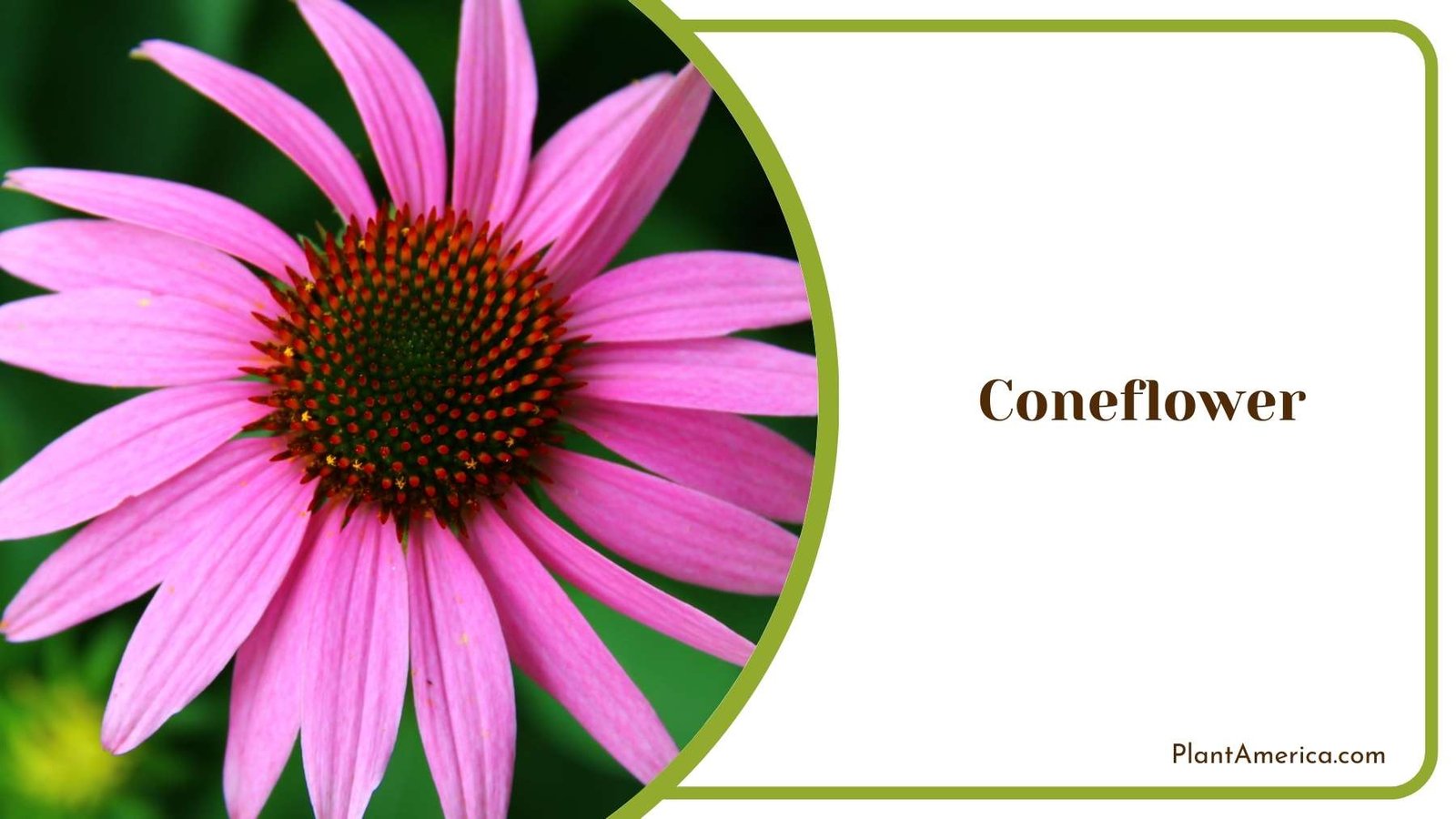
Coneflower plants produce cheerful, daisy-like flower heads in shades of pink, purple, and white, predominantly from summer into early fall. They grow best in fertile, well-draining soil and full sun exposure for optimal growth and blooming.
Japanese beetles, when abundant, may chew on coneflower foliage, leaving a lace-like appearance. Regular inspection, hand removal of beetles, and targeted insecticide application may limit damage.
Coneflowers bloom in midsummer and typically continue until the first light frosts of fall, especially if deadheaded, to encourage rebloom. Varieties include well-known favorites like purple coneflower, western coneflower, and yellow coneflower, among many others.
While not particularly fragrant, coneflower blossoms attract bees, butterflies, and other great pollinators to the garden. The distinctive cone-shaped centers provide an interesting texture contrasting with the flat daisy-like petals.
The extended bloom time from summer into fall, coupled with the wide assortment of flower colors and single and double varieties, make coneflowers a relatively low-maintenance perennial that provides colorful interest in the late summer garden.
19. Sweet Pea

- Growing season: Spring, Summer
- Leaf shape: Lobed, Pinnately
- Specific needs: Well drained, Full sun
- Common pests: Aphid, Slugs
Sweet pea vines produce delightfully fragrant blossoms in shades of white, pink, purple, and striped color combinations, predominantly in spring and early summer. They grow best when provided sturdy support like trellises, fences, or wire cages in well-draining, fertile, moist soil.
Aphids and slugs may cause damage to new growth by feeding on leaves and stems, leaving behind curled leaves and chewed holes. Regular inspection and hand removal of pests and targeted spraying can help limit the damage.
Sweet peas bloom profusely when conditions are ideal, including regular deadheading of spent flowers, consistent moisture, and full sun exposure. ‘Ladder’ cultivars produce fragrant flowers along the vine stems for a maximal display. The intoxicating fragrance of sweet peas fills the air, drawing people into the garden to experience the heady scent up close.
For a maximum display, providing sweet pea vines with strong vertical support structures like a tripod of canes or A-frames allows them to climb upwards, fully exposing colorful blossoms and sweet perfume. The cheerful blossoms add vibrant splashes of color and clouds of fragrance to patios, arbors, and garden borders.
To extend their bloom season, deadheads spend flowers regularly and provide generous support from the onset of growth. Deep watering during periods of drought helps sweet peas continue flowering prolifically through midsummer.
20. Azalea
- Growing season: Spring
- Leaf shape: Elliptical, Palmately
- Specific needs: Moist soil, Acidic soil, Full sun
- Common pests: Aphid, Lace bugs
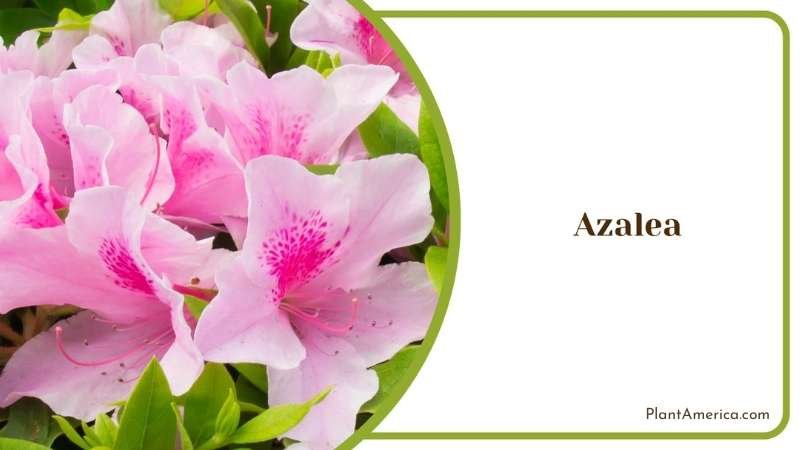
Azalea bushes produce stunning blooms during early spring before their leaves emerge for the season. Chains of colorful pink, red, and white flowers radiate from the branches, filling the garden with vibrancy. The azalea shrubs prefer moist, acidic soil and partial shade to thrive. When azalea lace bugs are abundant, they can create stippling on the foliage, detracting from the lush display.
The fragrant blossoms produced by azaleas bloom relatively briefly during early spring when not many other plants bloom. The colorful flowers provide a welcome sight after a long winter. Pruning deadheads after they fade can help shape the plant and encourage future blooming. Azaleas come in either evergreen or deciduous forms and have various shades of colors to choose from.
Azaleas pair well with rhododendrons to create a stunning spring garden display with contrasting textures and abundant pastel blooms. While azalea plants are relatively short-lived, typically lasting around 10 to 15 years, they tend to bloom reliably each spring as long as they are cared for properly. Their showy spring display makes azaleas a worthy addition to any garden space.
21. Daffodil
- Growing season: Spring
- Leaf shape: Linear, Narrow
- Specific needs: Well drained, Full sun
- Common pests: Few pests
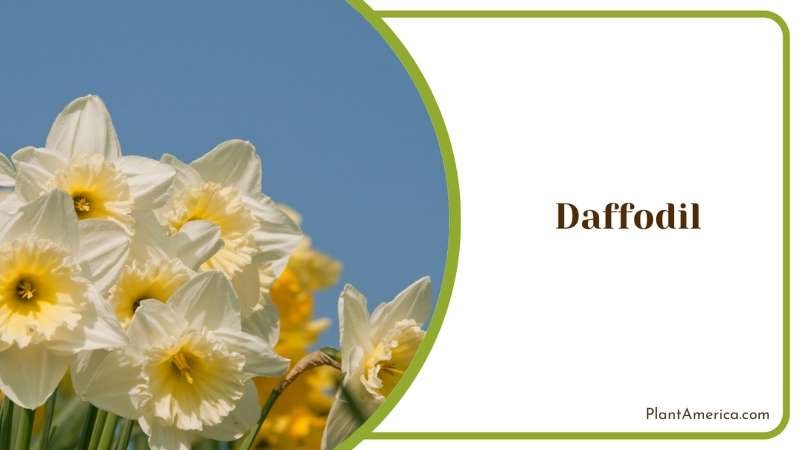
Daffodil flowers burst into bloom cheerfully in bright yellow and white shades at the beginning of spring, often before the foliage emerges for the coming season. They grow their best in sandy, well-draining soil and with full sun exposure to maximize their blooms.
Daffodils are surprisingly pest-resistant, with few common gardening problems, making them easy-care spring bulbs. They produce one flush of delightfully fragrant blossoms in early spring that spread cheer for several weeks. Varieties include trumpet daffodils, double blossoms, poetic and cut types.
Once the flowers fade, gardeners should trim the leaves to the ground level to encourage spring regrowth the following year. The bulbs tend to multiply over time in the garden, resulting in an increasingly larger spring show of blooms each season. Daffodils come to signify the arrival of warmer weather and the impending summer months.
Their cheery, vibrant blooms signal hope and renewal after the dreariness of winter. Daffodils brighten gardens and hearts alike, representing rebirth and glad tidings.
22. Carnation
- Growing season: Summer
- Leaf shape: Lobed, Simple
- Specific needs: Well drained, Full sun
- Common pests: Aphid, Spider mites
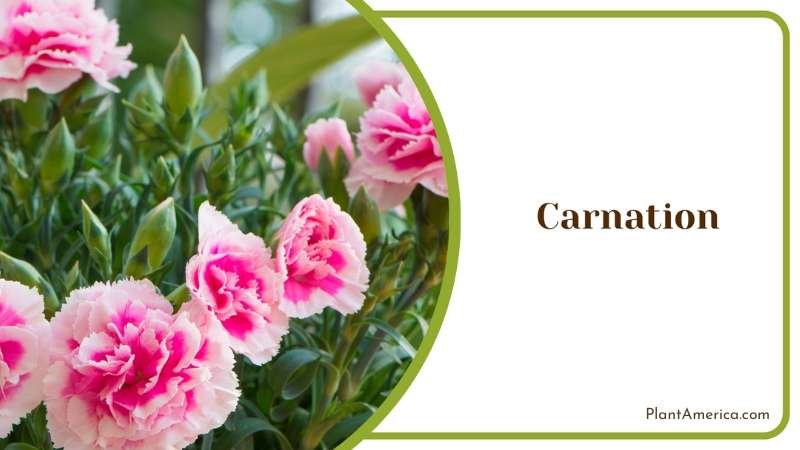
Carnation plants produce ruffled, clove-scented blossoms in shades of pink, red, and white during the spring and summer. They grow best in well-drained soil and prefer full sun exposure for optimal blooming. When conditions become especially dry, spider mites can cluster on the foliage, detracting from the display of flowers.
If carnations are given adequate water and nutrients, they will flower continuously from spring into summer. Pruning or cutting spent blooms encourages new growth while taking advantage of their sturdy, long stems, which make them excellent cut flowers. Carnations come in dwarf, standard, and tree varieties to suit different garden spaces. The intoxicating fragrance of clove-pink carnations fills the air, spreading to surrounding areas.
These cheerful blossoms add vibrant color and sweet scent to the garden, delighting the senses. At every stage of growth, from tightly furled buds to fully opened blooms, carnations bring pleasure.
Their long vase life makes them a welcome addition to home bouquets and arrangements. Though some varieties bloom largely in spring, others continue flowering into summer and beyond. Overall, carnations offer the garden reliable color, fragrance, and longevity.
23. Poppy
- Growing season: Summer
- Leaf shape: Lobed, Palmately
- Specific needs: Well drained, Full sun
- Common pests: Few pests
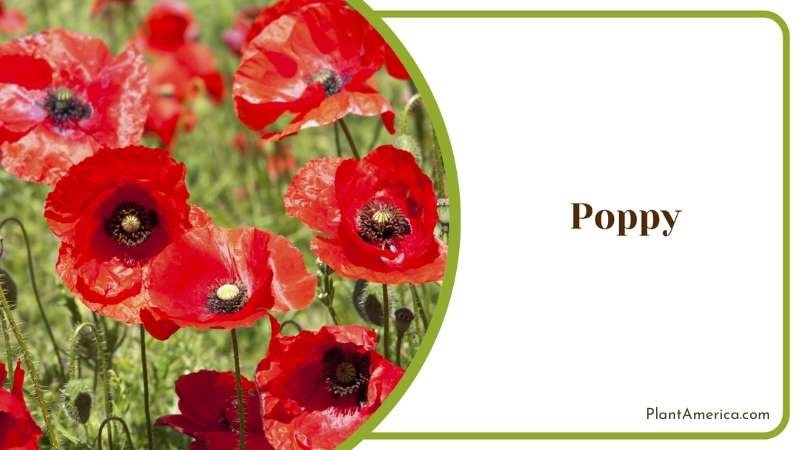
Poppy plants produce cheerful, papery blossoms in vivid red, orange, and white colors in spring and summer. They grow best in well-draining soil and with full sun exposure to maximize flowering.
Poppies are surprisingly pest-resistant and trouble-free flowers, making them a low-maintenance addition to gardens. They bloom in late spring and continue through summer, especially if spent flowers are regularly deadheaded to encourage new bud formation.
Varieties of poppies include California, Icelandic, Oriental, and corn poppies. The large, showy blossom heads of poppy flowers last briefly before fading, adding a sense of impermanence and fleeting beauty to the garden. Once spent, the plants tend to self-sow and rebloom the following year.
While poppy flowers are seldom fragrant, they add a cheerful splash of vivid color to the spring and summer garden that brightens spirits. Their crinkly texture and unusual shapes provide visual interest that contrasts with other blooms. The blaze of red poppies, in particular, symbolizes happiness and hope, lifting the spirit. Though short-lived, poppy flowers leave a lasting imprint on the heart and mind.
Conclusion
Many popular flowers can bring beauty, color, and fragrance to your garden this season.
- Peony bushes produce beautiful cup-shaped single or double blooms in classic pink, red, and white shades.
- Lilies produce beautiful trumpet-shaped or starry blooms in white, orange, pink, and red shades.
- Tulips produce cheerful spring blooms in a vibrant rainbow of colors.
- The giant sunflower brings cheerfulness to gardens and landscapes with its eye-catching size and daisy-like blooms ranging from yellow to mahogany red.
Flowers have the power to uplift our spirits and connect us with the rhythms of nature. Consider adding a few promising blooms this year to enjoy watching them flourish and delight all who see them. Your garden will be all the more lovely for having a bit of living art in full bloom.