
Full sun plants Texas provide gorgeous color and texture in our hot, sunny gardens. If you live in the Lone Star State and want plants that can handle the heat and high temperatures, we’ve got some top picks for you.

In this article, we’ll cover the best perennial flowers, shrubs, groundcovers, and ornamental grasses that thrive when given at least six hours of direct sunlight each day and discuss plants native to Texas as well as popular non-native varieties that have adapted to our climate. So if you’re ready to add some low-maintenance beauties to your landscape, keep reading for our list of full sun plants ideal for Texas gardens.
15 Full Sun Plants Texas that Thrive in Harsh Texas Heat
1. Agave

- Growing Season: Spring, Summer, Fall
- Leaf Shape: Long, Lanceolate
- Specific Needs: Full sun, Good moisture
- Common Pest: None
Agaves are evergreen plants with thick leaves that form a rosette shape at the base. They are native to arid regions and do extremely well in Texas’ hot, dry summers. Agaves require minimal water once established, making them perfect for forgotten spots in the landscape.
The thick leaves store water that helps the plants survive long periods with no rainfall. Agaves add an exotic, sculptural element to the garden and come in various sizes and leaf variegations depending on the species.
You’ll be a thick-leaved wonder when you put these cactus cousins front and center in your tough Texas garden! While they stay low maintenance, just don’t forget about watering this agave amigo at least a smidge when things heat up.
2. Blue Daze

- Growing Season: Spring, Summer
- Leaf Shape: Long, Narrow
- Specific Needs: Full sun, Good drainage
- Common Pest: None
Blue daze, also known as Florida pale meadow beauty, is a tough perennial wildflower native to Texas and the Southeast. The flowers form clusters of bright blue button-like blooms atop slender stems from spring through fall. During summer’s heat and humidity, the blue daze keeps on blooming!
The long, narrow green leaves provide a fine-textured, grass-like appearance. Blue daze spreads by self-sowing which will keep it coming back year after year. This easy-to-grow native wildflower thrives in full sun with well-drained soil. Simply provide a little supplemental irrigation during extreme heat waves, making blue daze a blue beauty you can count on in the full sun spots of your Texas heat-beating garden.
Add these sun-loving blooms to beds, borders, and containers for a naturalistic touch that doesn’t demand a lot of your time or money. Blue Daze is sure to be a long-lasting Texas garden friend.
3. Brittlebush
- Growing Season: Spring, Summer, Fall
- Leaf Shape: Linear, Narrow
- Specific Needs: Low water, Good drainage
- Common Pest: None
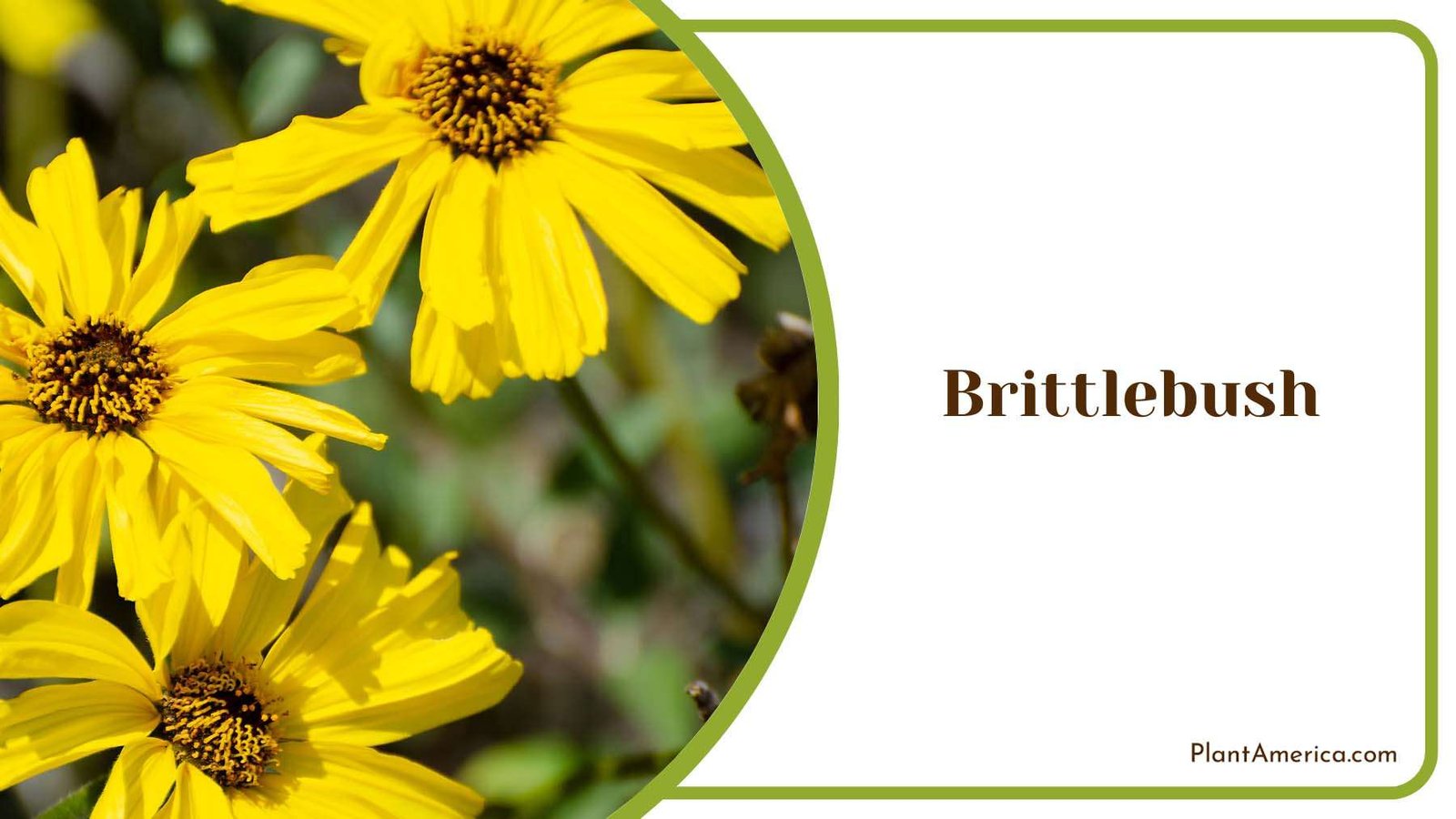
Brittlebush is an iconic desert plant native to West Texas and northern Mexico. The common name refers to the woody, brittle stems that characterize this drought-tolerant wildflower. Also called ‘skeleton weed’, brittlebush blooms profusely in spring and fall with brilliant yellow daisy-like flowers and ferny foliage.
During summer, brittlebush drops its leaves to conserve moisture but will quickly re-grow foliage with the first autumn rains. The lacy, linear green leaves provide fine texture to the landscape during the growing season. Come summer’s heat, brittlebush goes dormant, dropping its leaves in an attempt to conserve moisture.
This low-maintenance wildflower thrives with minimal care in dry soil and full-blast sun exposure. Simply water infrequently during spring and fall to keep the brittlebush blooms brimming in your Texas tough garden. The sculptural skeleton-like form of brittlebush brings a native desert vibe to full sun landscapes, providing habitat and nectar for beneficial pollinators.
4. Purple Coneflower
- Growing Season: Spring, Summer
- Leaf Shape: Basal rosette, Oblong
- Specific Needs: Full sun, Moisture
- Common Pest: Aphids, Mites
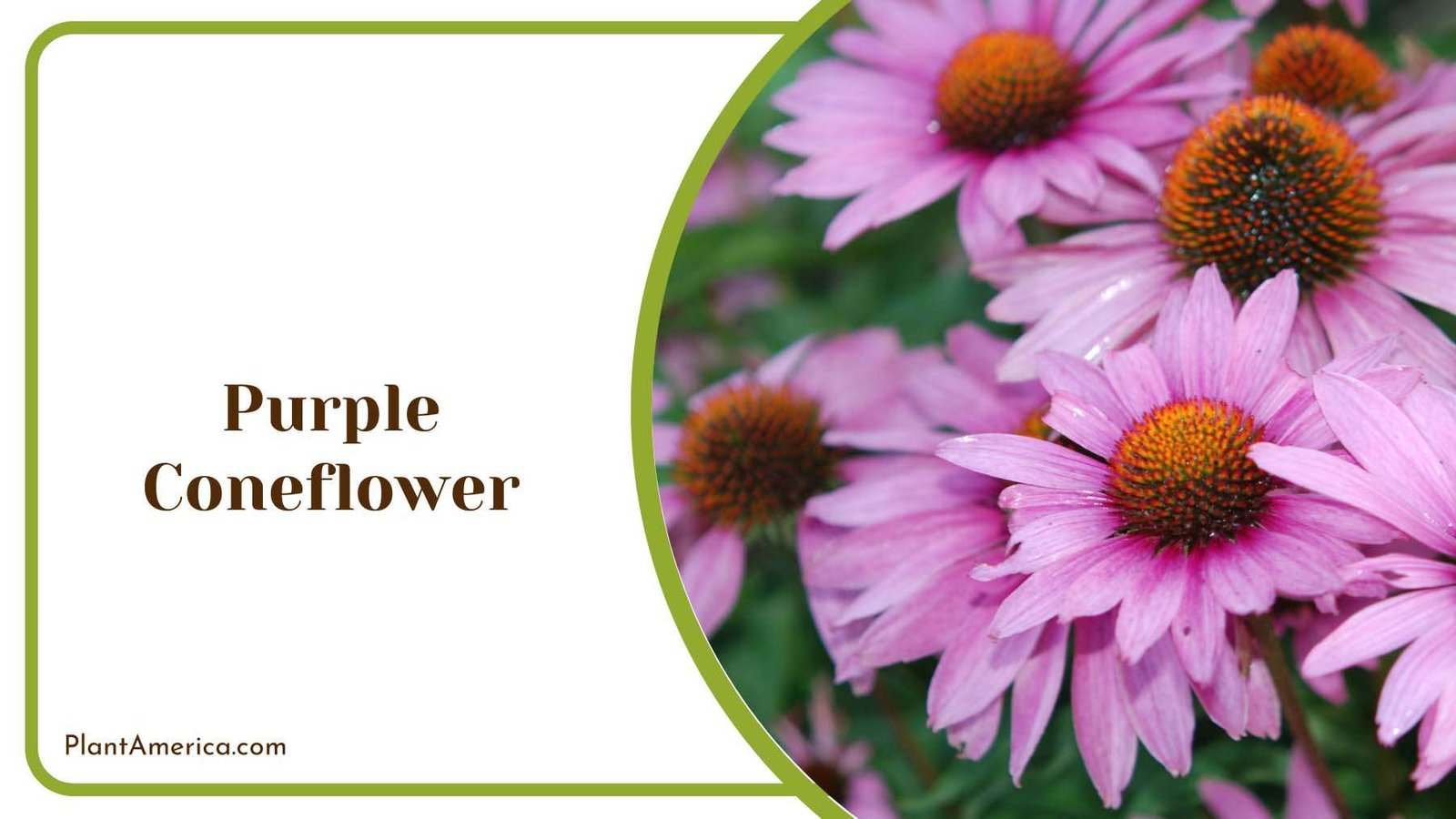
Purple coneflower, also known as echinacea, is a long-blooming perennial daisy native to Texas and the Great Plains. The cheerful purple flowers bloom from spring through fall, attracting beneficial pollinators like crazy to your Texas garden.
The oblong gray-green leaves form a basal rosette and remain attractive even after the flowers fade. The deep purple cone-shaped flower heads, up to four inches wide, sit atop strong sturdy stems perfect for cutting.
Though drought tolerant once established, purple coneflower appreciates regular watering during extreme heat to keep blooming. Amend the soil with compost and mulch well to retain moisture. Provide protection from harsh winds and afternoon sun during the peak of summer.
While quite tough in general, maintain vigilance for common pests like aphids that may cluster on new growth. Hand-pick them off or spray them with insecticidal soap. Despite a few precautions, purple coneflower displays its staying power with a long bloom time that will thrill you year after year in any Texas-tough sunny garden bed or container.
5. Beebalm
- Growing Season: Spring, Summer
- Leaf Shape: Oval, Elliptical
- Specific Needs: Moisture-rich soil, Full sun
- Common Pest: Japanese beetles, Aphids
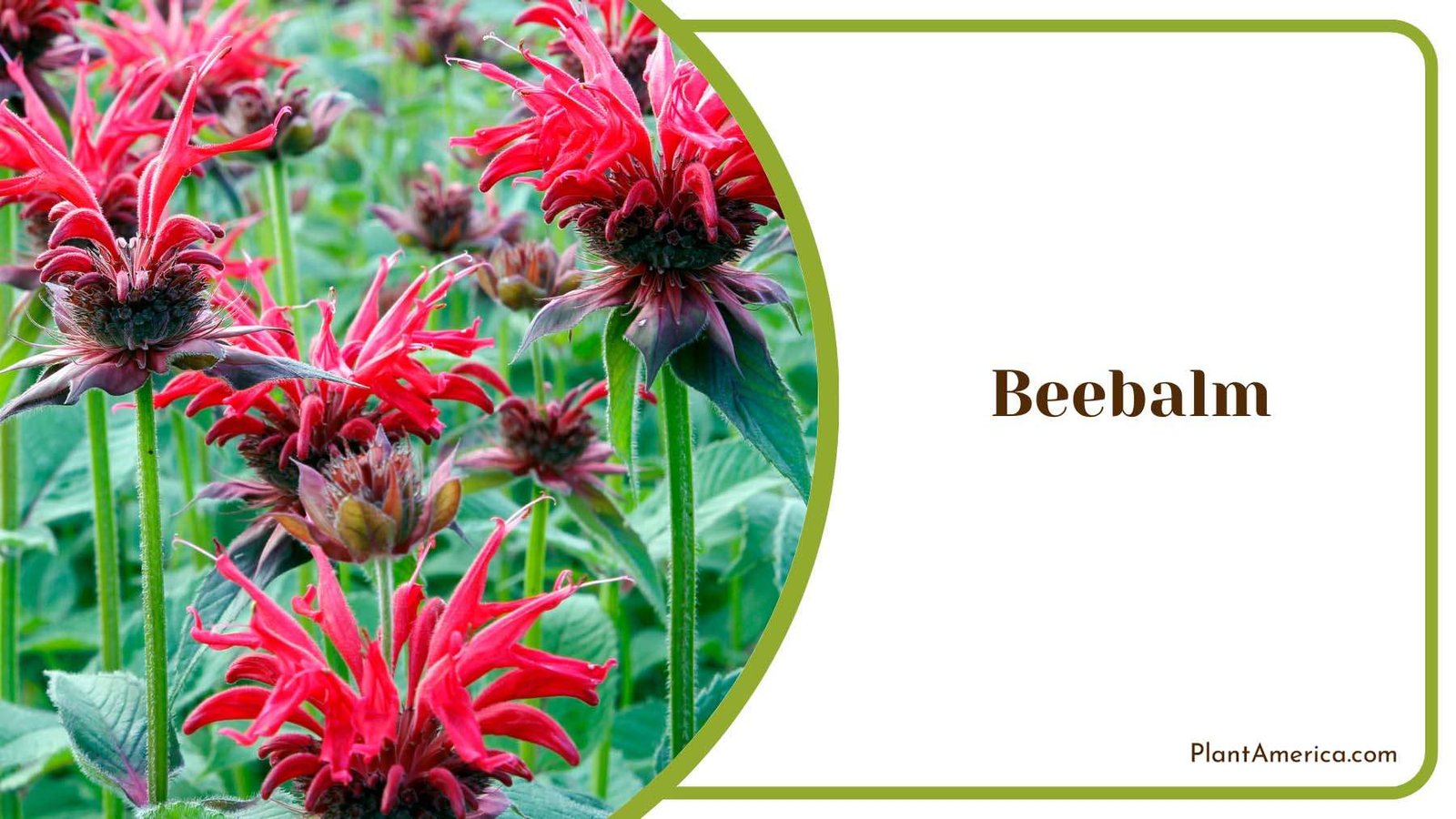
Beebalm, also known as bergamot or horsemint, is a clump-forming herbaceous perennial native to southeastern North America. The cherry red, pink, or purple flowers bloom in terminal spikes from spring through fall and attract nectar-seeking pollinators like mad.
The fragrant oval leaves provide an herbal aroma when brushed against and remain attractive throughout the growing season. The square stems and whorls of hairy leaves help distinguish bee balm from similar-looking plants.
Though generally tough in full sun and well-drained soil once established, bee balm appreciates regular water during extreme heat and rich, organic soil amendments to keep blooming nonstop during warm months. Be on the lookout for pests like Japanese beetles that may chew on foliage. Hand-pick them off in the morning when they’re slow-moving.
With large showy flowers and a scent that assaults the senses, bee balm brings the old-fashioned herb garden to life in full sun spots of your Texas-tough landscape. The unique fragrance and long bloom time ensure this wildflower relative earns its keep year after year.
6. Blackfoot Daisy
- Growing Season: Spring, Summer, Fall
- Leaf Shape: Linear, Narrow
- Specific Needs: Full sun, Dry soil
- Common Pest: None
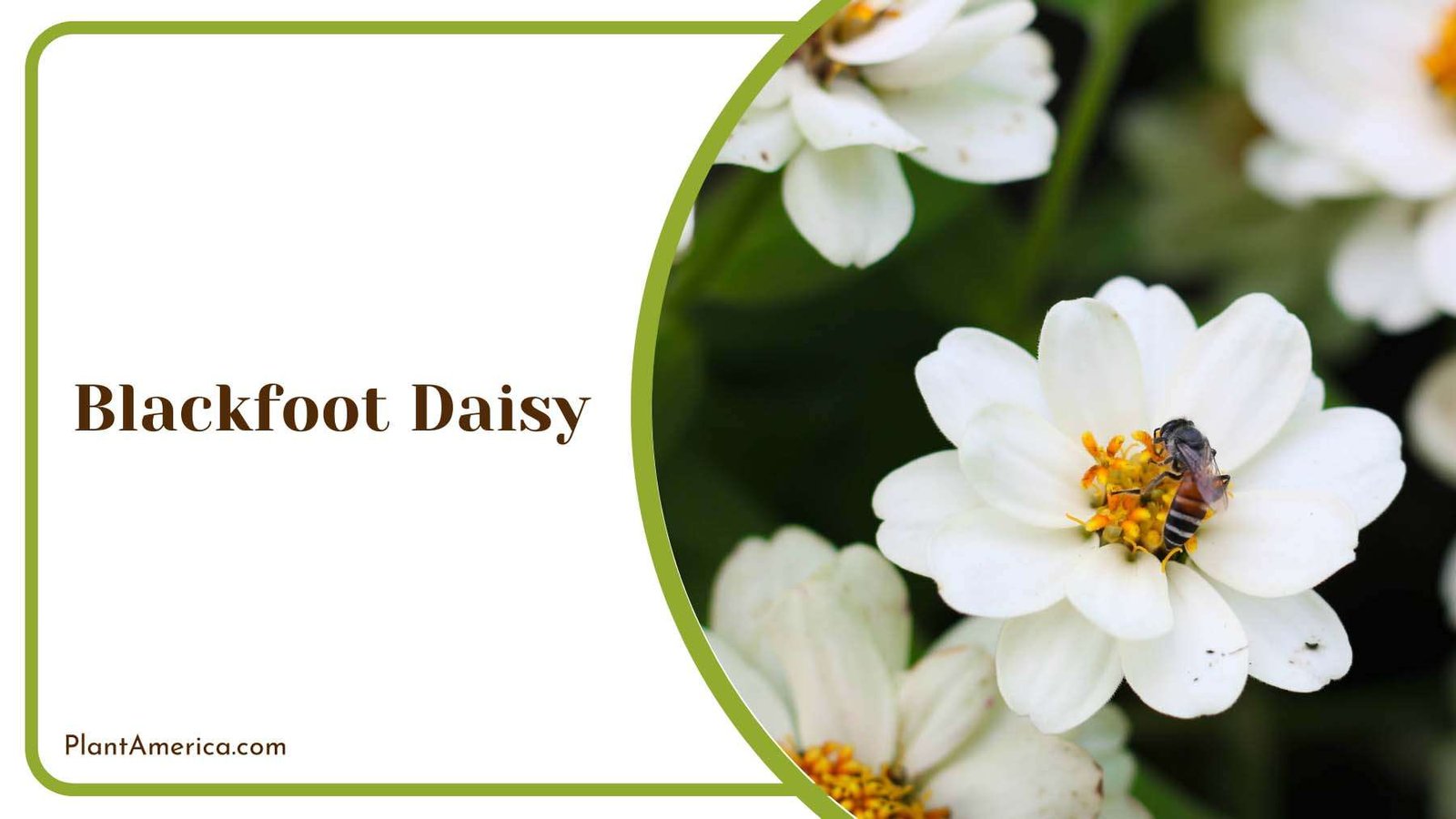
The Blackfoot daisy is a sterile, clumping perennial wildflower. The common name refers to the dark ring that forms at the base of the stems. From spring through fall, Blackfoot daisy produces an impressive display of one to two-inch yellow daisy flowers with dark brown centers. The narrow gray-green leaves are narrow, linear, and covered with fine hairs, giving the foliage a silvery appearance.
Being a desert native, the Blackfoot daisy is extremely drought tolerant once established and thrives with infrequent watering in hot, dry conditions. The woody root system allows the plants to survive long stretches between rainfall.
Provide excellent drainage and amend the soil with coarse sand or small gravel to mimic the rocky desert habitat. Space plants 12 to 18 inches apart to allow the mounds to spread.
Though low maintenance, hand-pull any emerging weeds and avoid overhead irrigation to reduce disease problems. Check for insect pests and damage periodically, spraying with insecticidal soap if needed.
Blackfoot daisy effortlessly adds an otherworldly texture and pops of cheerful yellow color to full-sun beds, borders, and rock gardens all summer through fall. The subtle flowers and silvery foliage ensure this tough Texas wildflower is an all-star in any harsh, high-heat landscape.
7. Blanket Flower
- Growing Season: Spring, Summer, Fall
- Leaf Shape: Elliptical, Basal rosette
- Specific Needs: Full sun, Rich soil
- Common Pest: Aphids, Japanese beetles
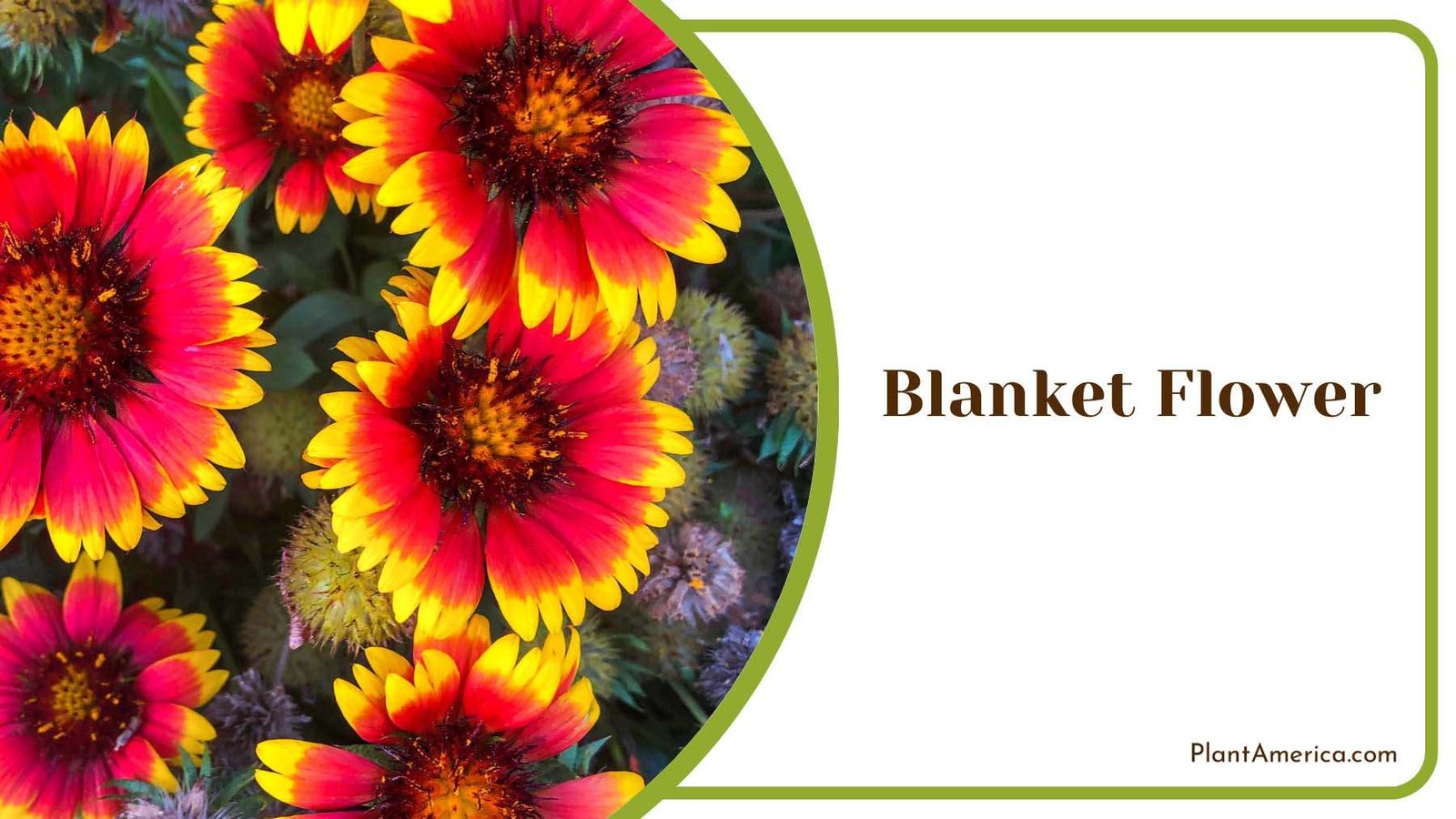
Blanket flower is a long-blooming perennial wildflower native to central and eastern North America. Large daisy-like flowers in vibrant colors like orange, red, and yellow bloom from summer through fall, attracting butterflies and beneficial insects to the garden.
The elliptical green leaves form a basal rosette and provide an attractive backdrop for the showy flowers that sit atop sturdy stems perfect for cutting. The deep green leaves often take on purplish hues in cooler weather.
Though generally thriving in average, well-drained soil, blanket flowers flourish in rich, organic soil with regular watering during periods of extreme heat and low humidity. Amending the soil with compost and providing occasional liquid fertilizer will reward you with longer bloom time and larger flowers.
Hand-pick Japanese beetle larvae from the soil before flowers open in spring. Monitor for aphid infestations and spray infested plants with strong streams of water to dislodge the pests. Despite an occasional thirst and a few pest issues, blanket flower reliably delivers nonstop color all summer and fall in full sun beds, borders, and containers. The big cheery flowers and adaptable nature ensure this Texas wildflower favorite earns a spot in any harsh climate garden.
8. Burro Tail
- Growing Season: Spring, Summer, Fall
- Leaf Shape: Oval, Paddle shaped
- Specific Needs: Minimal water, Gritty soil
- Common Pest: None
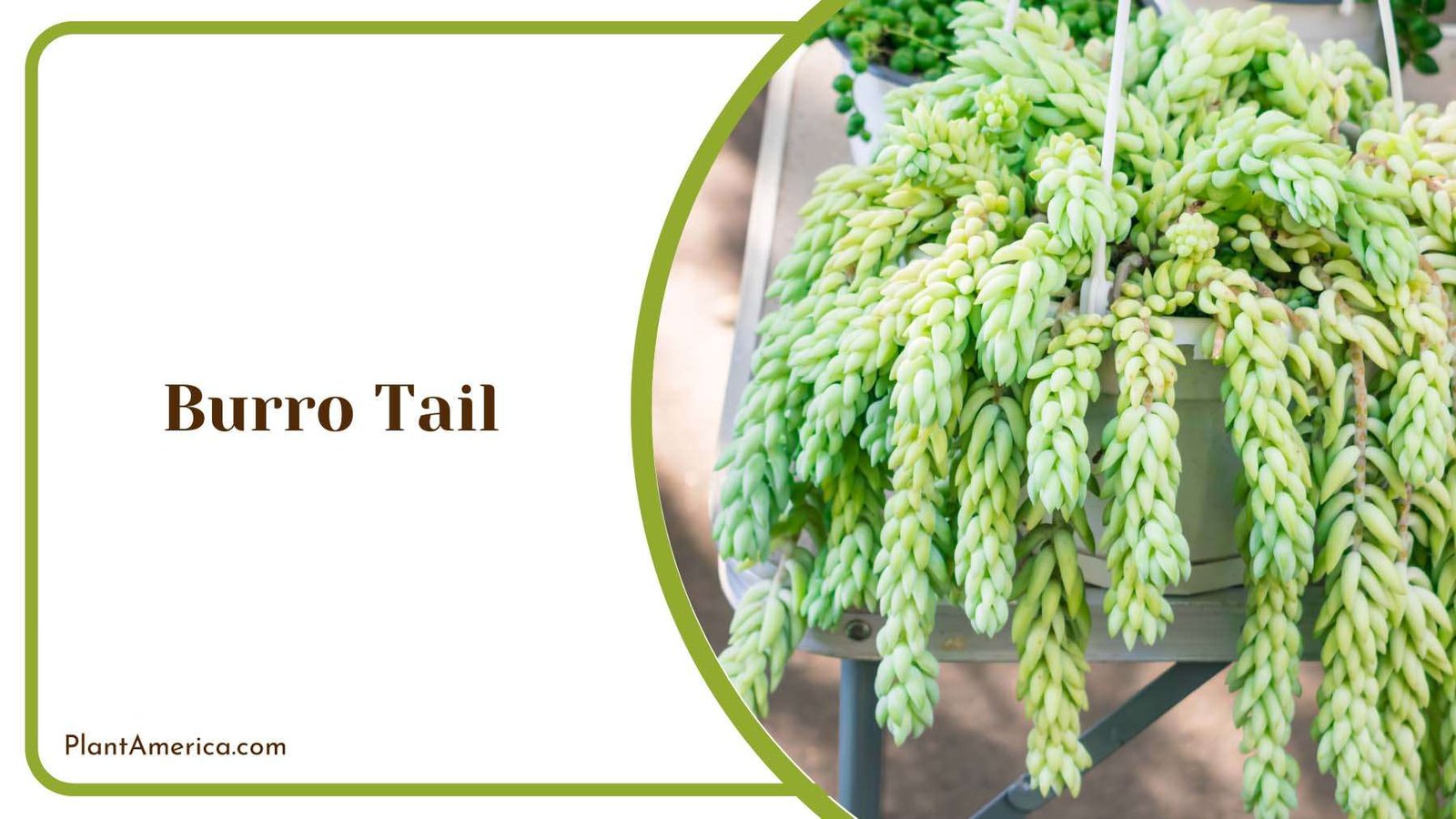
Burro tail, also known as burro’s tail or donkey tail, is an iconic succulent native to Mexico and parts of the Southwestern U.S. The common name refers to the long, pendant leaf stems that resemble a donkey’s tail.
The paddle-shaped fleshy leaves come in various shades of green, blue, or silver and form rosette clusters at the stem tips. The leaves are covered in thick waxy coatings to minimize water loss, allowing the plant to survive on very little water.
Being an extremely drought-tolerant succulent, burro tail thrives with infrequent watering once established and enjoys near-neglect conditions – so long as the soil drains quickly. Amend the cactus and succulent potting mix with perlite, pumice, or grit to help ensure the soil drains fast enough between waterings.
Though generally low maintenance, the burro tail may shed lower leaves as it ages. Simply trim off any brown, shriveled leaves and leave the roots undisturbed. Adding clumps of this easy care, xeric beauty is a perfect way to bring a southwestern flair to any tough Texas heat landscape. The low-water needs and low-profile rosettes ensure your burro tail thrives for years with very little TLC.
9. Chaparral Daisy
- Growing Season: Spring, Summer
- Leaf Shape: Linear, Thread-like
- Specific Needs: Full sun, Dry soil
- Common Pest: None
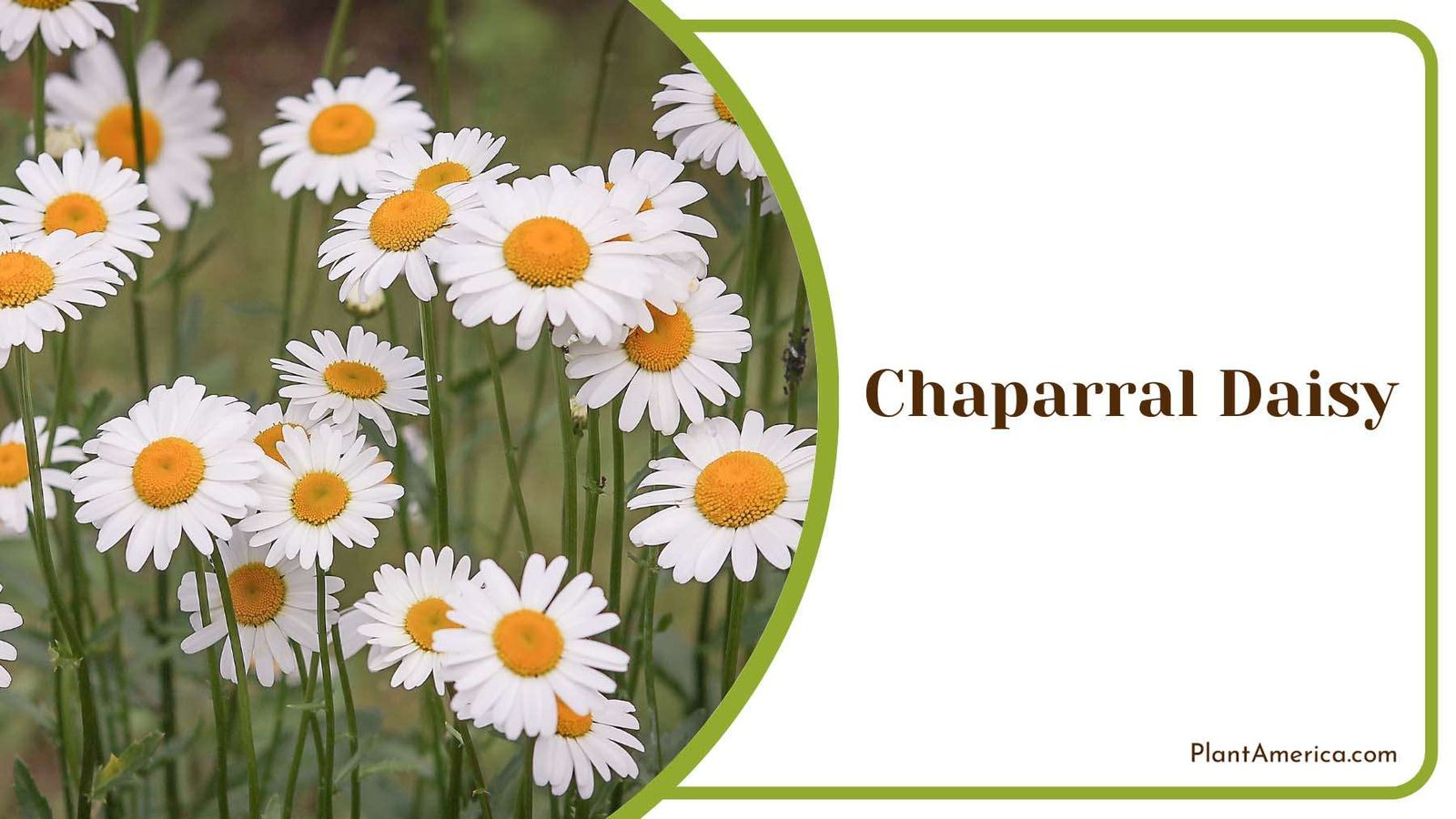
The Chaparral daisy is an iconic perennial wildflower native to the Southwestern United States and Northern Mexico. The common name refers to its occurrence in chaparral habitats. From spring through summer, the Chaparral daisy produces cheerful yellow daisy flowers, one to two inches across, atop slender zig zag stems. The flowers emerge above a rosette of thread-like, linear leaves that remain attractive even after the flowers fade.
Being a desert native, the Chaparral daisy is extremely drought tolerant once established and thrives in hot, dry conditions with infrequent water. The deep roots allow the plants to survive long periods between rainfall.
Provide excellent drainage by amending the soil with sand or gravel. Space plants 12 inches apart to allow room for clump-forming habit. Avoid overhead watering to reduce disease potential. Though very low maintenance, hand-pull any emerging weeds and check occasionally for signs of insect damage. Spray with insecticidal soap if needed.
Adding drifts of these cheerful yellow blooms to full sun beds and borders brings a casual wildflower look to any southwestern garden. The subtle foliage and low water needs to ensure this Texas toughie thrives year-round with minimal tender loving care.
10. Elijah Blue Grama Grass
- Growing Season: Spring, Summer
- Leaf Shape: Narrow, Smooth
- Specific Needs: Full sun, Dry soil
- Common Pest: None
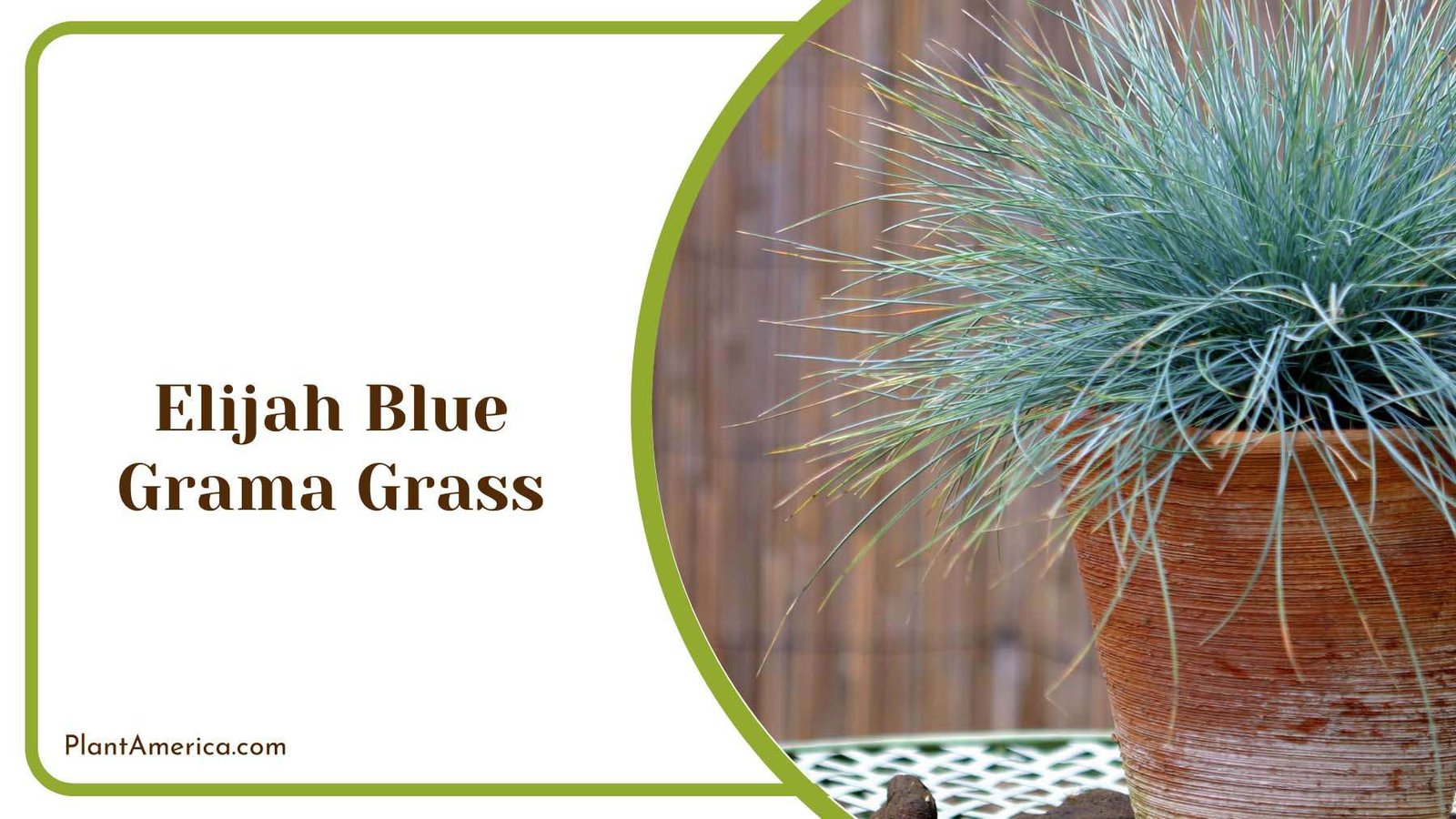
Elijah blue grama grass is a tough, clump-forming ornamental grass native to the southwestern United States. The common name refers to the silvery-blue leaves that turn purplish in fall and winter.
From early summer through fall, Elijah blue grama grass produces cascading panicles of tiny white to purplish flowers above the narrow fine textured foliage. The silvery-blue color of the leaves is most prominent in spring and fall but fades somewhat during the heat of summer.
Being a desert native, Elijah blue grama grass requires extremely minimal care once established. It thrives in hot, dry conditions with infrequent watering and enjoys lean, well-drained soil that mimics its native habitat.
Space plants at least 12 to 18 inches apart to allow the clumps room to spread. Elijah blue grama grass forms a tight sod that helps prevent weeds from invading. Simply cut back the old foliage before new growth emerges in early spring.
Adding clumps of this graceful Texas native grass to beds, borders and containers bring a natural desert flair while requiring nothing from you but to sit back and admire its subtly shifting silver hues all year long.
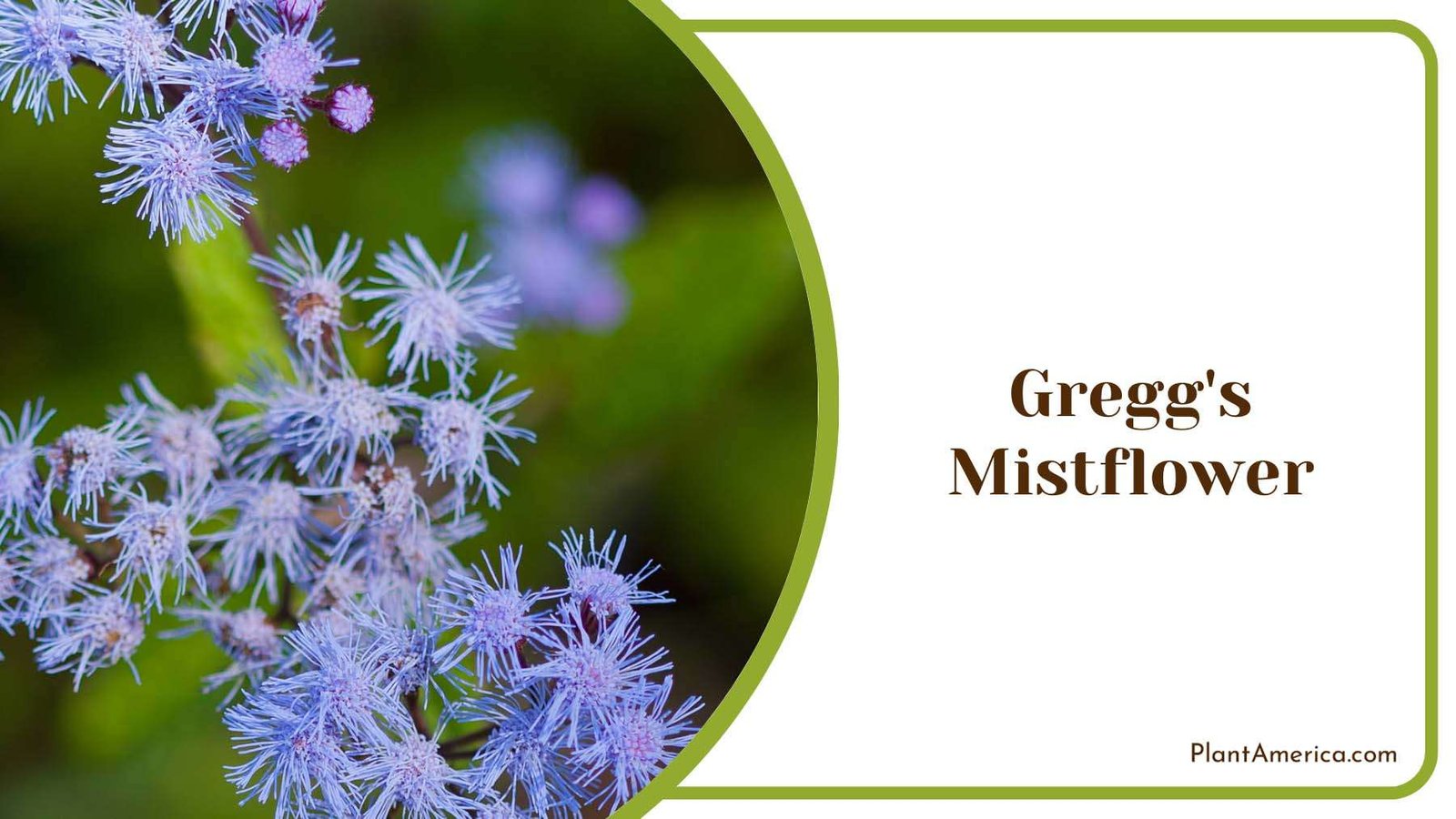
11. Gregg’s Mistflower
- Growing Season: Spring, Summer
- Leaf Shape: Long, Lance shaped
- Specific Needs: Full sun, Average soil
- Common Pest: None
Gregg’s mistflower is a shrubby perennial wildflower native to Texas and neighboring Gulf states. Bottlebrush-like flower spikes emerge in spring and summer atop the multi-stemmed bush.
The glossy lance-shaped leaves remain attractive throughout the growing season, providing a backdrop for the showy spikes of white to light purple flowers. As the blooms mature, they take on a soft lavender hue before fading to tan.
Though generally adaptable, Gregg’s Mistflower truly shines with humidity. Amending the soil with organic matter and occasional liquid fertilizer will reward you with longer bloom time and larger flower spikes. Provide protection from harsh winds that may damage the blooms or shallow-rooted nature of the plant. Space plants at least three feet apart to allow room for the multi-stemmed habit.
Despite a few cultural needs, Gregg’s Mistflower brings a naturally elegant prairie chic vibe to full sun beds, borders & mass plantings throughout summer. The funnel-shaped blooms attract beneficial pollinators, ensuring this Texas native wildflower remains a reliable showstopper.
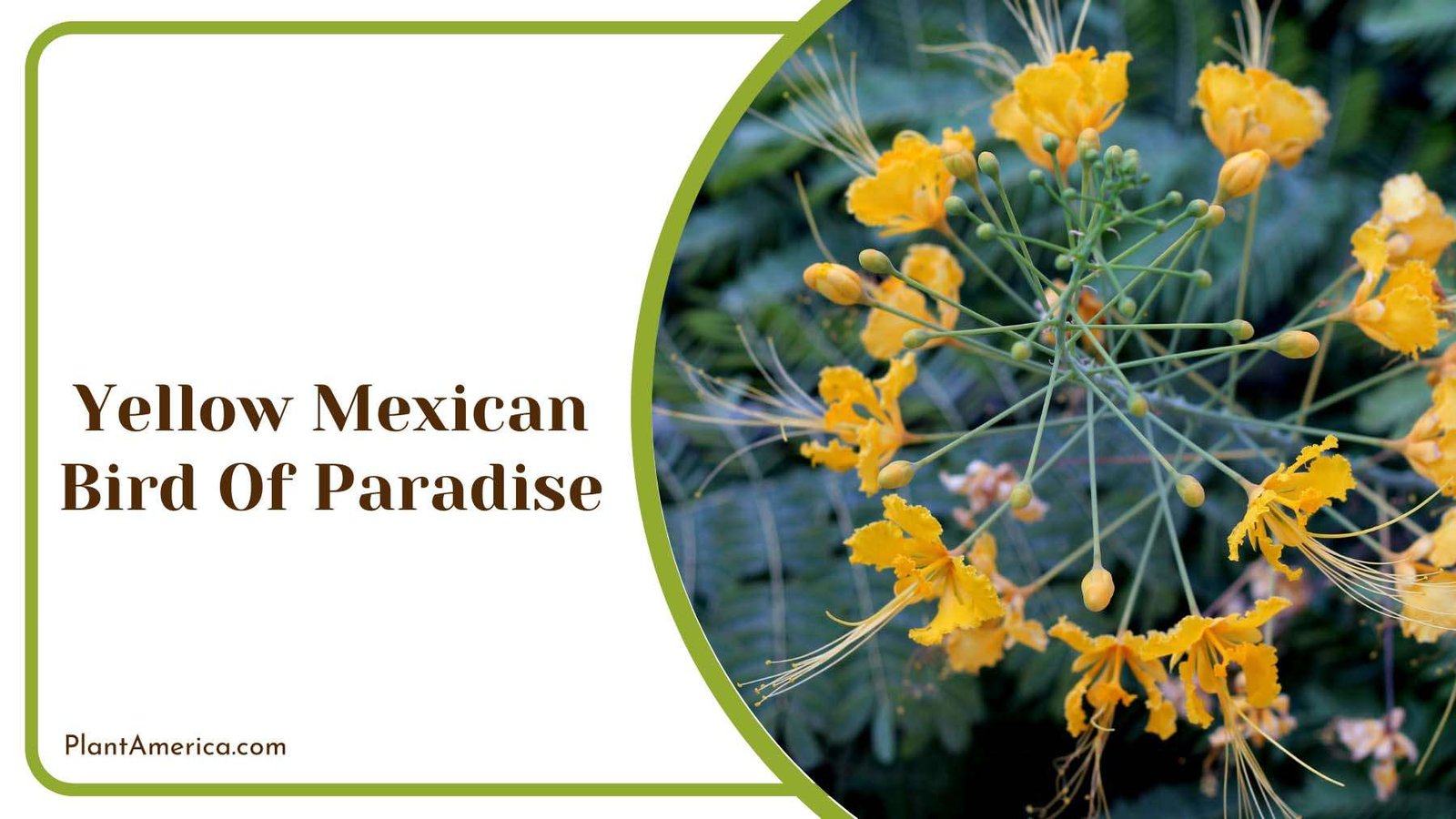
12. Yellow Mexican Bird of Paradise
- Growing Season: Spring, Summer, Fall
- Leaf Shape: Long, Lanceolate
- Specific Needs: Full sun, Good moisture
- Common Pest: None
Yellow Mexican bird of paradise is an exotic perennial flowering shrub native to Mexico and Central America. Showy yellow tubular flowers bloom continuously from spring through fall, dramatically accenting any Texas landscape.
The lanceolate green leaves remain attractive year-round, providing an excellent backdrop for the golden orange blooms. During winter, the semi-evergreen foliage may drop partially but quickly re-grows once spring arrives.
Though generally drought tolerant once established, the yellow Mexican bird of paradise truly puts on a show with consistent soil moisture throughout the growing season. Water deeply and infrequently during extreme heat to encourage more bloom. Prune back leggy stems in late winter before new growth emerges. Monitor periodically for pests and quickly remove any affected foliage.
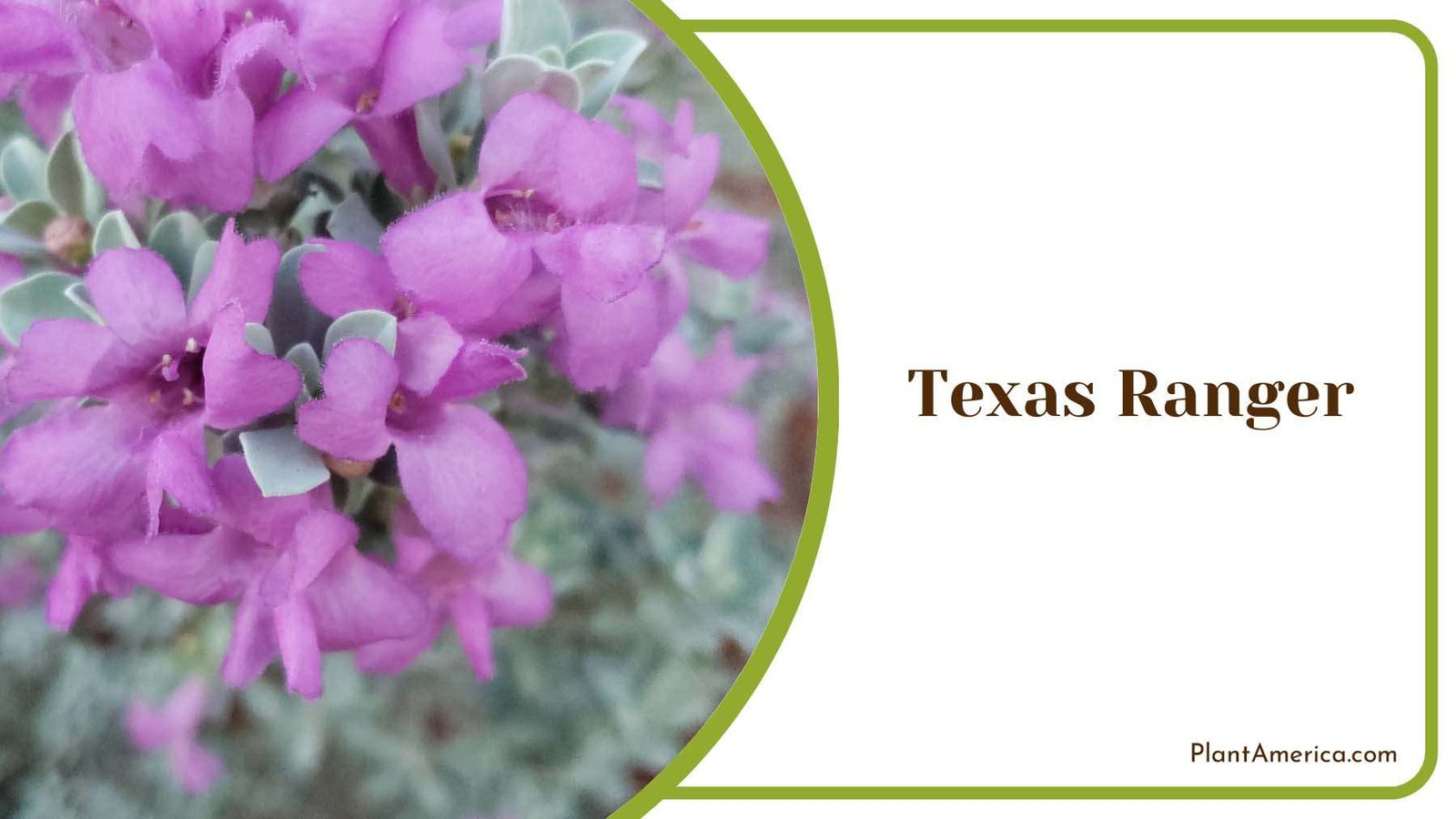
13. Texas Ranger
- Growing Season: Spring, Summer, Fall
- Leaf Shape: Long, Needle-like
- Specific Needs: Full sun, Dry soil
- Common Pest: None
Texas ranger is an endemic perennial wildflower native only to Texas and the Edwards Plateau. Large clusters of fragrant lavender to purple flowers bloom continuously from spring through fall. The needle-like silver-gray leaves remain attractive throughout the year, giving the foliage a soft, textured appearance. As Texas ranger ages, it forms large mounded clumps that perfectly spill over rock walls and terraces.
Being a native of extremely dry limestone cliffs, Texas ranger requires minimal care once established. The plant thrives in hot, dry conditions with infrequent water and lean well-drained soil that mimics its native habitat.
Space plants at least two feet apart and amend the planting soil with compost to improve moisture retention. Prune back any leggy or damaged stems. Though generally trouble-free, monitor periodically for insect pests and quickly remove any affected foliage.
Adding drifts of this uniquely Texan toughie to full sun beds and borders brings a subtle sophistication with adaptability, ensuring this native wildflower remains a reliable landscaping tool even in the hottest, driest parts of the Lone Star State!
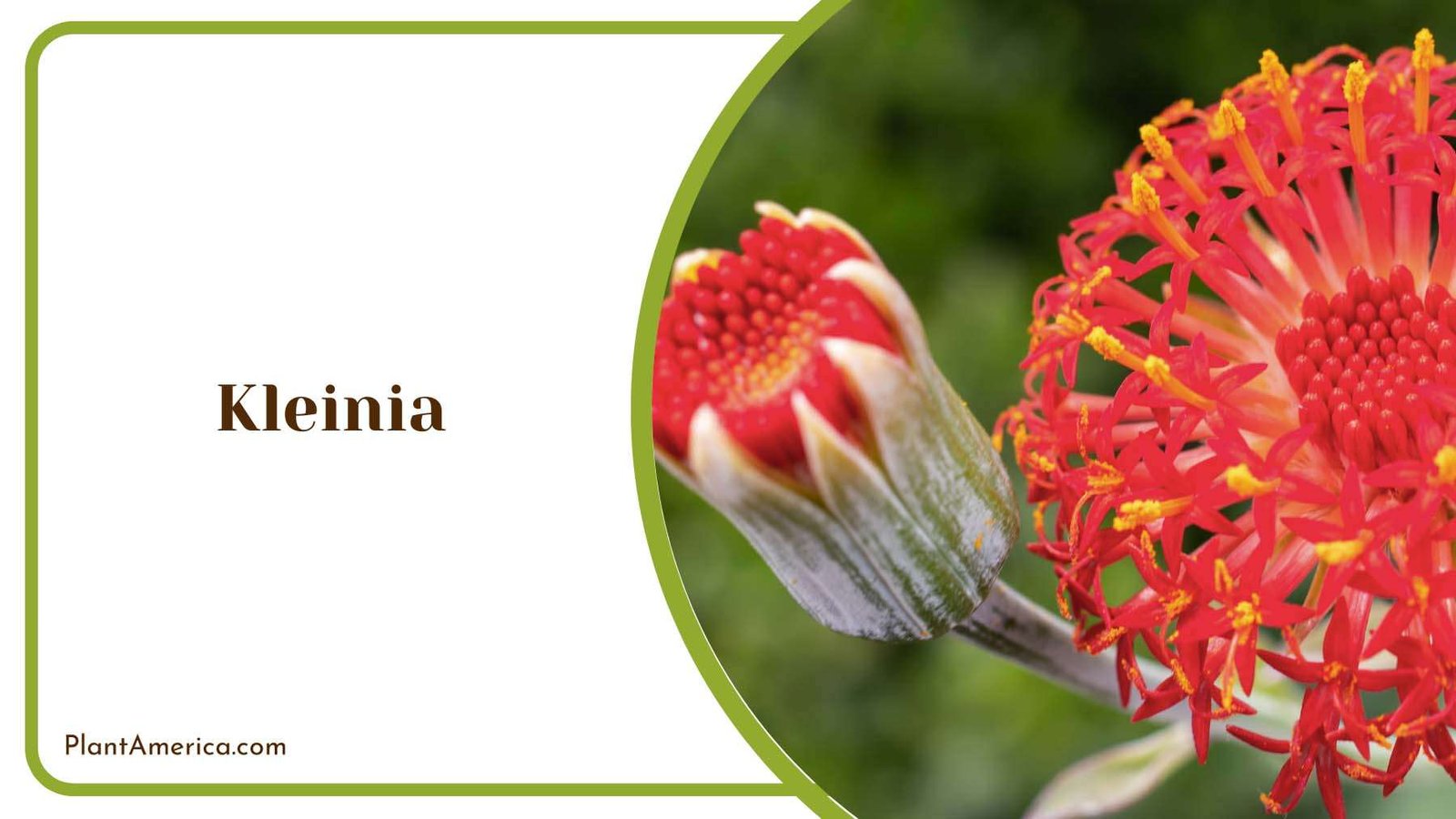
14. Kleinia
- Growing Season: Spring, Summer
- Leaf Shape: Linear, Oblong
- Specific Needs: Full sun, Good drainage
- Common Pest: None
Kleinia, also known as shuttleworthia or alba, is a succulent perennial shrub native to the desert and rocky regions of Africa and the Middle East. Clusters of yellow or white daisy-like flowers bloom from spring to summer atop the woody, branched stems.
The oblong to linear green leaves provide a fine-textured backdrop for the profuse blooms. During summer’s heat, Kleinia may shed some lower leaves to conserve moisture but will quickly re-grow foliage with the first autumn rains.
Being an extremely drought-tolerant succulent shrub, Kleinia thrives with infrequent watering once established and enjoys fast-draining soil conditions. Amend the planting soil with perlite, decomposed granite, or sand to help ensure the soil drains fast between waterings.
Though generally trouble-free, monitor periodically for insect pests and quickly remove affected foliage. Spray with neem oil or insecticidal soap if issues persist. Adding large mounds of this easy care, southwestern shrub effortlessly brings a native-style flair to any tough Texas heat landscape. The architectural form and brilliant flowers shine beautifully year-round with minimal maintenance.
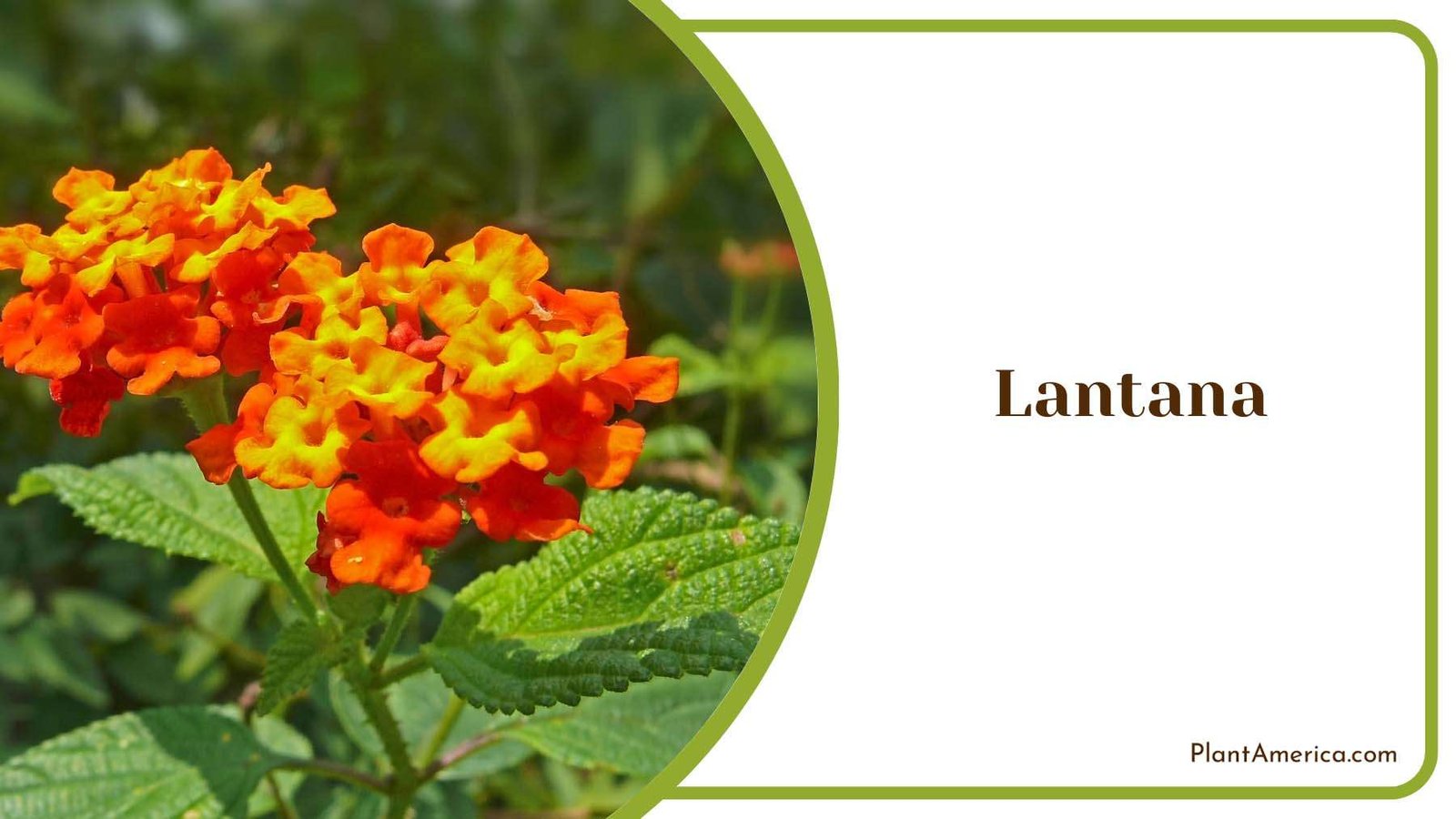
15. Lantana
- Growing Season: Spring, Summer, Fall
- Leaf Shape: Oval, Elliptical
- Specific Needs: Full sun, Good moisture
- Common Pest: Lace bugs, Mealybugs
Lantana is a tough, sprawling evergreen shrub clustered with heads of colorful flowers in pink, yellow, orange, and red blooms nearly continuously from spring through fall. The glossy elliptical to oval green leaves provide an attractive backdrop for the vibrant blooms. During winter, lantana drops many leaves but quickly re-grows lush foliage once spring arrives.
Though generally drought tolerant once established, lantana truly puts on a show with consistent soil moisture throughout the growing season. Water deeply and infrequently during extreme heat. Amend the soil with compost and apply balanced liquid fertilizer each spring to boost flower production. Prune regularly to maintain a compact shape.
Monitor periodically for lace bugs, small insects that feed on foliage and cause stippling. Texas landscape with this remarkably easy-care, evergreen shrub! The nearly nonstop bloom from spring to fall and adaptability to hot, dry conditions ensures lantana shines brightly year-round.
Conclusion
There are many tough, sun-loving plants that can thrive in Texas’s harsh conditions with minimal care:
- Texas ranger is an endemic perennial wildflower native only to Texas and the Edwards Plateau with large clusters of fragrant lavender to purple flowers that bloom continuously from spring through fall.
- Elijah blue grama grass is a tough, clump-forming ornamental grass native to the southwestern United States
- Burro tail, also known as burro’s tail or donkey tail, is an iconic succulent native to Mexico and parts of the Southwestern U.S with pendant leaf stems that resemble a donkey’s tail.
Though some seasonal care may be needed, most of the full sun plants on this list have shown they can handle Texas’s extreme temperatures, humidity, and unpredictable weather with grace and resilience. With the right plants and a bit of know-how, even the harshest conditions can be transformed into a place of hidden beauty and bounty.