
Texas flowering trees transform your outdoor space with vibrant spring blooms and summertime colors. Texas flowering trees are majestic additions to any landscape with their vibrant blooms and lush greenery.
Whether you want spring color, summer shade, or summertime blooms, these versatile flowering trees have you covered from fragrant crepe myrtles to hard-working maples, we’ll walk you through picking the perfect tree to suit your yard and style, So if you’re looking to transform your outdoor space with the help of some gorgeous blossoms and hardy native trees, keep reading for the ultimate list of Texas flowering trees.
Texas Flowering Trees to Add to Your Garden This Spring
1. Redbud
- Growing season: Spring.
- Leaf shape: Oval, Round.
- Specific needs: Full sun, Acidic soil.
- Common pest: Scale insects, Aphids.
Redbud is one of the earliest Texas flowering trees to bloom, often displaying its clusters of vibrant pink flowers as early as February. Native to the eastern United States, redbuds thrive in our region’s hot summers and require little care once established. Redbud trees grow mediumly and have an oval crown shape, typically reaching 20 to 30 feet tall and spreading 15 to 25 feet wide at maturity.
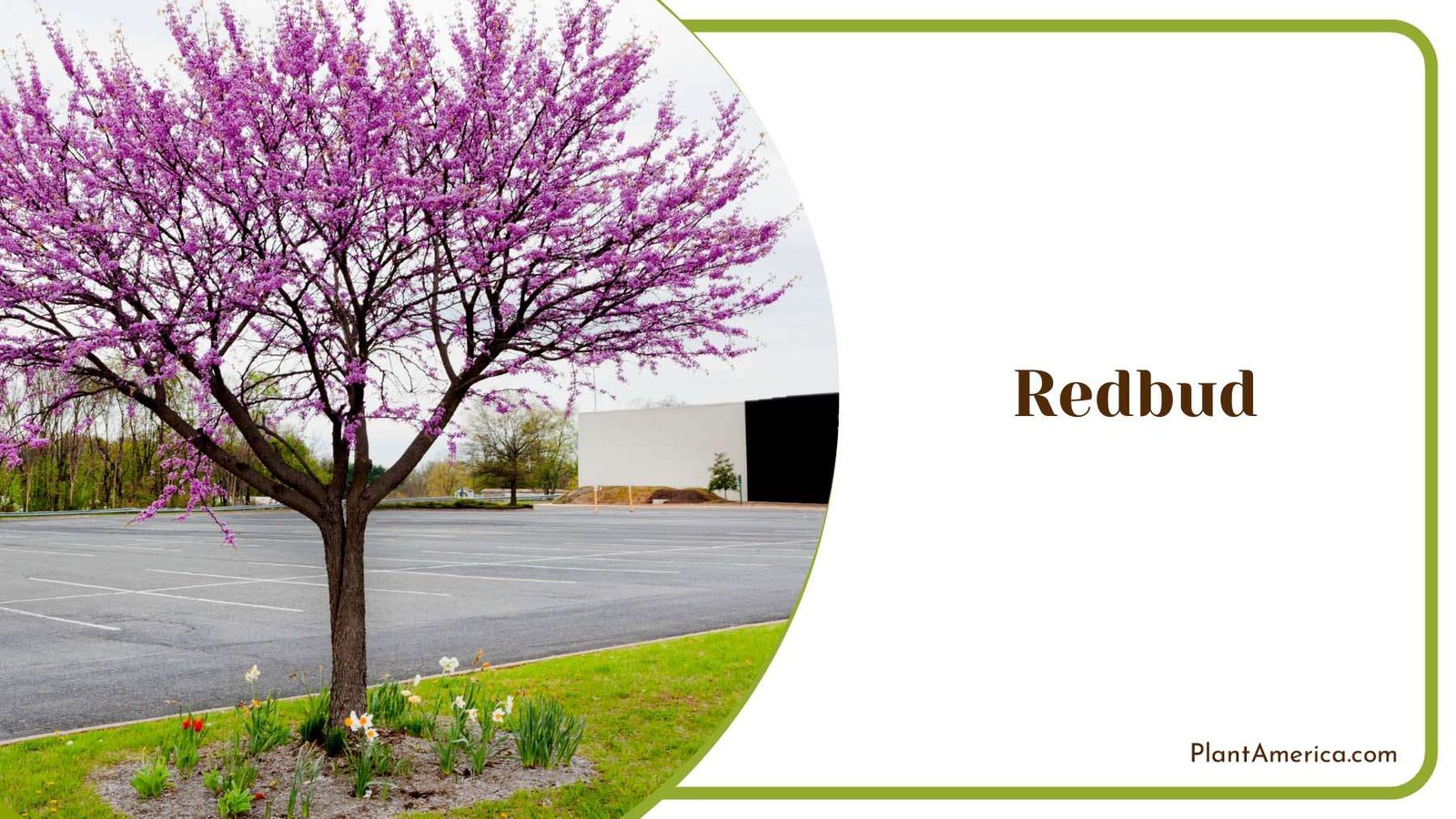
They make an excellent choice for smaller yards and foundation plantings due to their proportional size and drought tolerance once established. Redbuds offer sky-high ornamental appeal in the landscape due to their graceful branches covered in delicate rosy-pink or lavender flower clusters in springtime before taking on an attractive pea-green foliage color for the remainder of the year that turns buttery gold in fall.
2. Crape Myrtle
- Growing season: Summer.
- Leaf shape: Oval, Lanceolate.
- Specific needs: Full sun, Acidic soil.
- Common pest: Scale insects, Barklice.
The crape myrtle is the most well-known and widely used Texas flowering tree. Native to Asia, crape myrtles offer an abundance of colorful summer blooms in shades from white to vibrant fuchsia. They grow quickly and require little care once established, making them a favorite for low-maintenance landscapes.
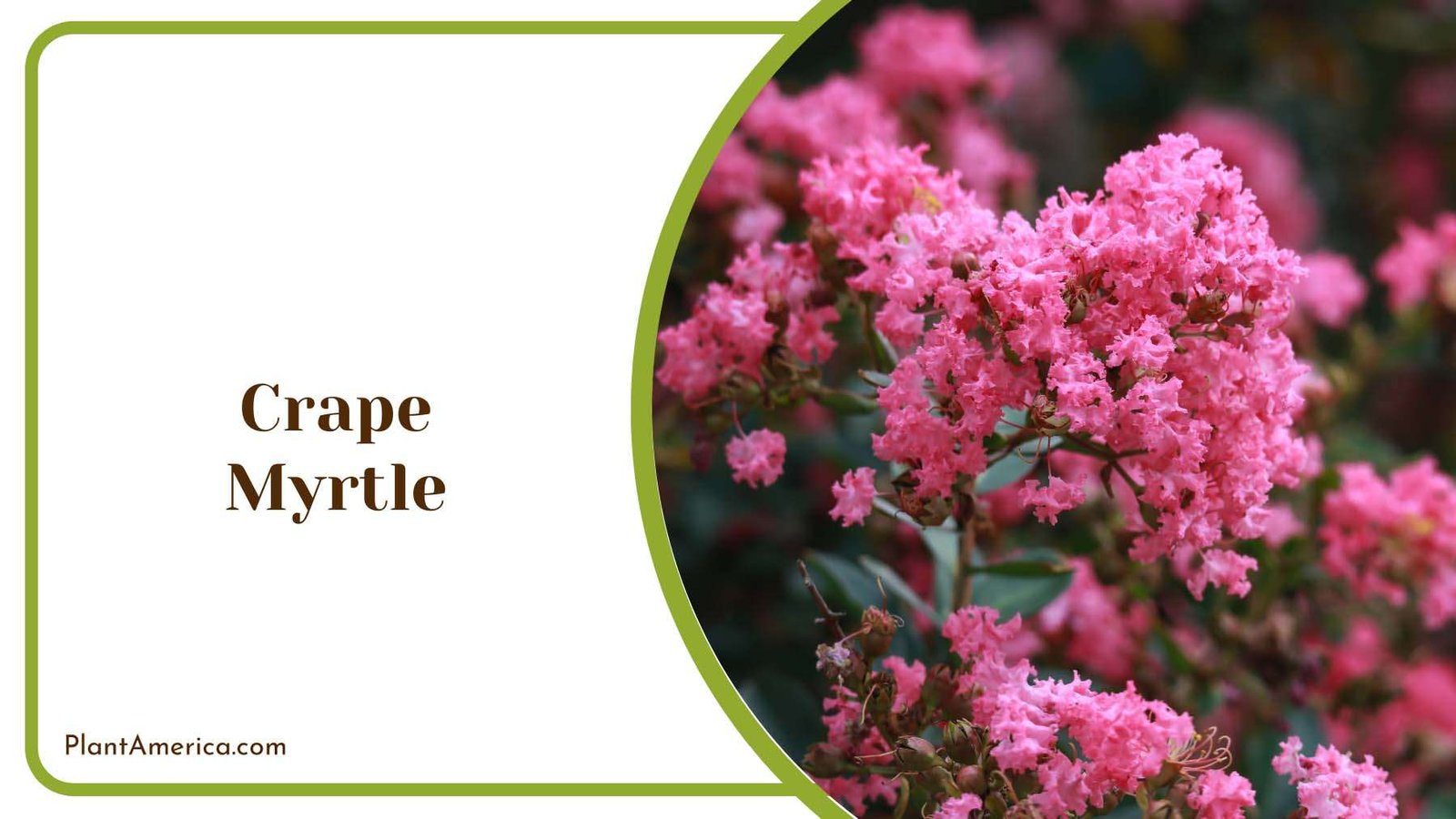
Crape myrtles have an upright, often vase-shaped form and can reach heights between 15 to 30 feet tall at maturity with several inches of annual growth. Their leaves are oval to lance-shaped and are medium to dark green.
When planting crape myrtles, aim for at least six hours of full sun exposure daily and well-draining soil on the acidic side. Regular pruning can keep crape myrtles full and shapely. Common pests include barklice, which feed on sap and weaken branches, and scales that cluster on twigs and sap young growth.
3. Yaupon Holly
- Growing season: Winter.
- Leaf shape: Oval, Ovate.
- Specific needs: Shade, Acidic soil.
- Common pest: Caterpillars, Mealybugs.
The yaupon holly is a staple evergreen tree well-suited to adorning landscapes across subtropical Texas with its continual ornamental attributes. Forming picturesque round-headed habits quickly as it matures at a medium pace, yaupon holly reaches heights allowing extensive coverage between 15 to 30 feet tall. Its dense canopy is perfectly shaped for privacy screens, hedgerows and boundaries.
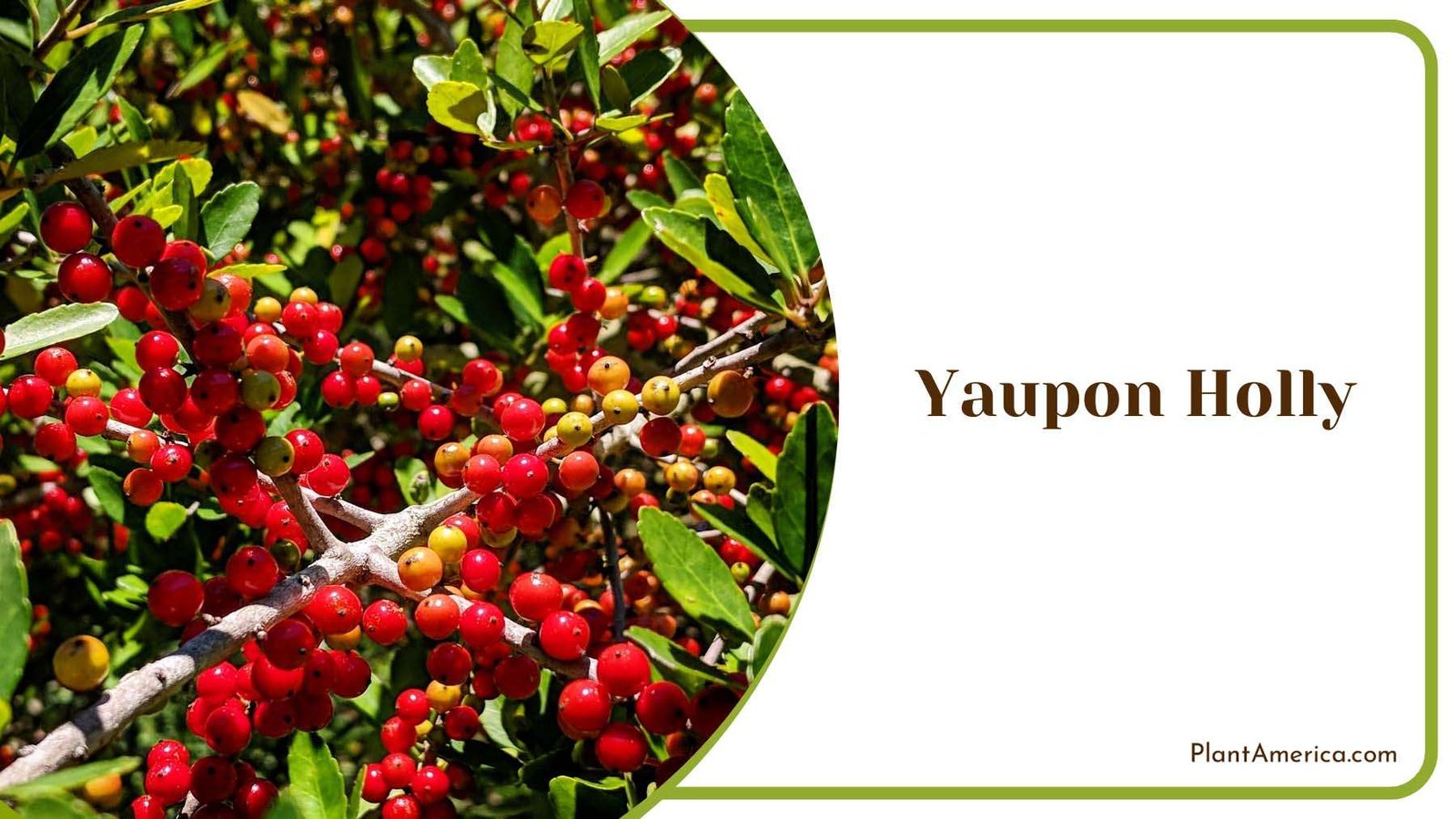
The glossy ovate to oval leaves provide beautiful texture year-round in variegated shades of dark green, offset by contrasting veins. Wildlife habitats shelter within this verdant foliage, thriving with protective cover and nectar sources.
Come wintertime, small clusters of creamy white tubular flowers emerge directly from the wood, filling landscapes with subtle blooms. These later yield to clusters of bright red berries prized by migratory and resident birds alike through early spring.
Well-drained acid soil suits yaupon holly best, though they prove moderately tolerant of other conditions provided sufficient irrigation during establishment. Partial shade to full sun exposure suits them perfectly across southeastern Texas. Found naturally near streams and fields, their hardiness withstands drought and typical temperature extremes once established.
Low maintenance evergreens, yaupons require minimal care beyond periodic pruning to maintain shapes. Their dense branching forms graceful screens, hedges and privacy barriers while habitat and foraging perks sustain ecosystem services all year.
Beyond functionality, yaupons contribute exquisite natural beauty in leaf, flower and fruit through all seasons as icons of Lone Star landscapes. Their hospitable environments improve wherever they establish within native plantings.
4. American Smoketree
- Growing season: Spring.
- Leaf shape: Elliptic, Ovate.
- Specific needs: Full sun, Well-drained soil.
- Common pest: Scale insects, Aphids.
The American smoke tree is aptly named for the fragrant blue-gray smoke-like clusters of flowers that appear on its gnarled branches in springtime. A medium-sized flowering tree native to the central and eastern United States, the American smoke tree has an irregular branching structure giving it a bushy, somewhat sprawling form.
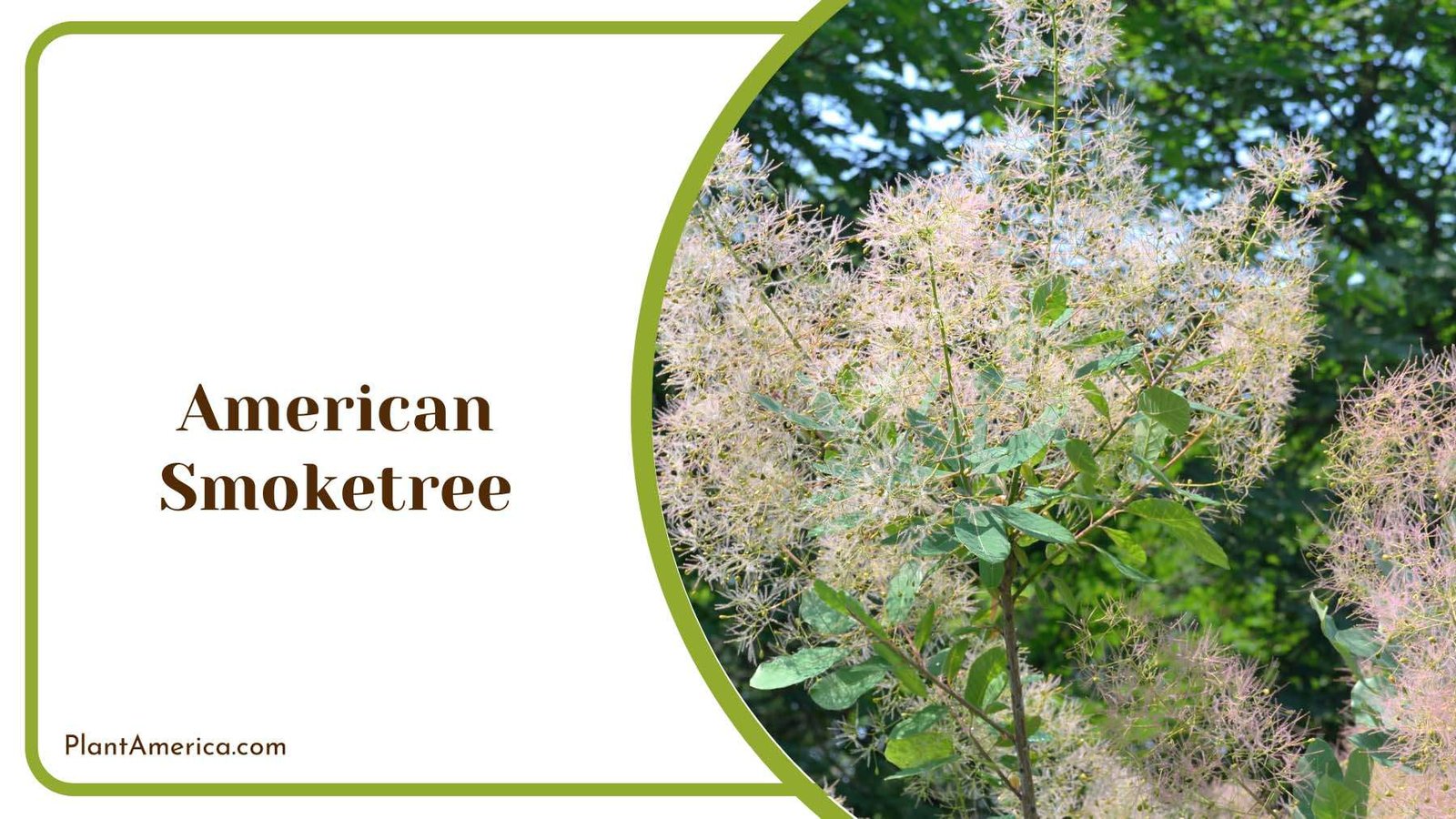
Mature smoke trees reach heights between 15 and 30 feet tall. The elliptic to ovate of the American smoke tree leaves turn yellow, orange, and red in fall. American smoke trees prefer full sun and well-draining soil.
5. Desert Willow
- Growing season: Spring.
- Leaf shape: Narrow, Linear.
- Specific needs: Full sun, Well-drained.
- Common pest: Caterpillars, Aphids.
The desert willow is an attractive small flowering tree native to southwestern United States and northern Mexico. It features loose, wispy branches draped with narrow linear leaves that turn yellow in autumn.
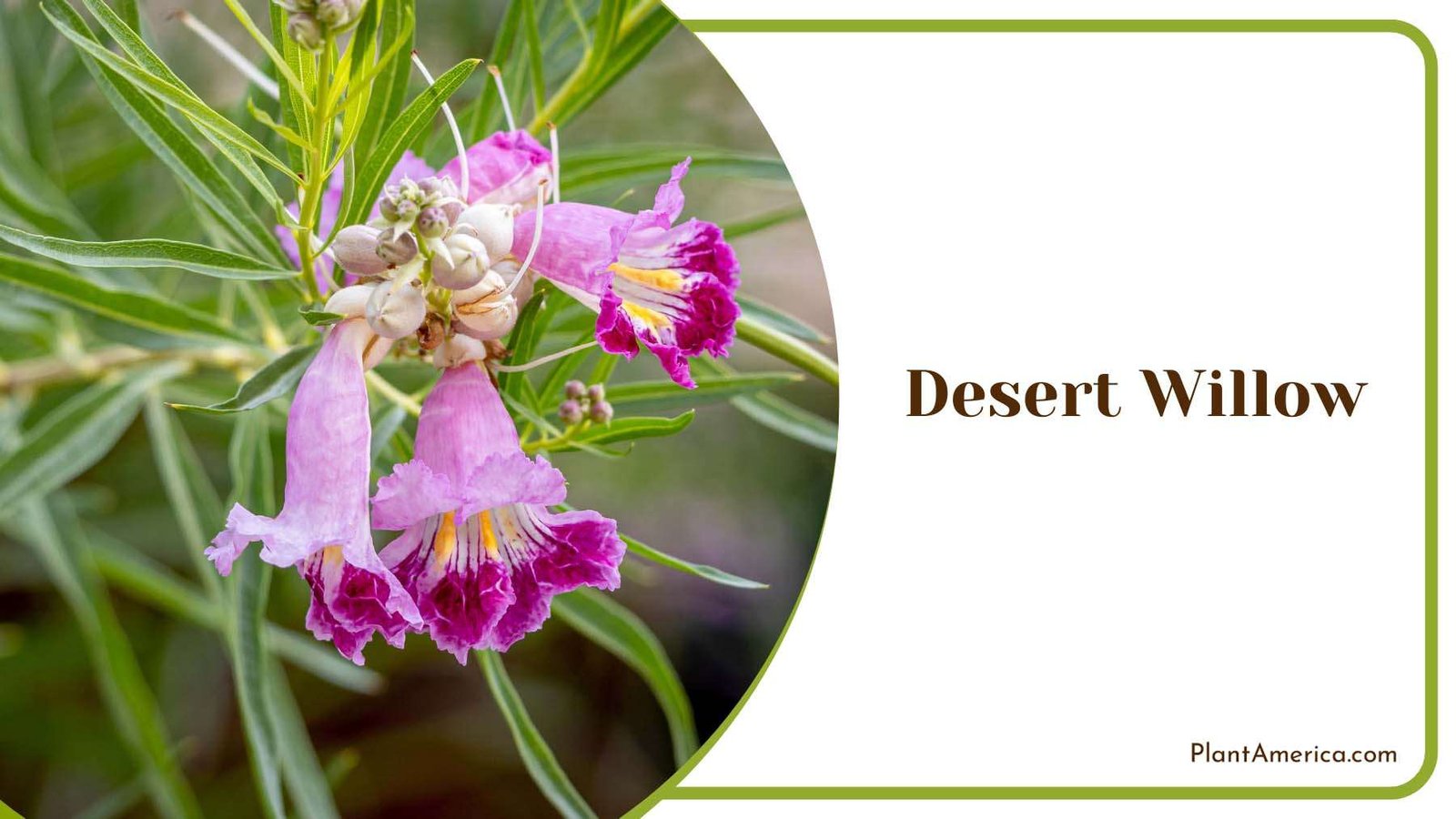
The desert willow erupts in springtime with drooping clusters of bright yellow flowers. Desert willows are vase-shaped and grow between 15 to 30 feet tall at maturity, with a spreading canopy reaching 20 feet wide. They do well in full sun and well-draining soil. After flowering, pruning can help maintain a desired shape.
6. Mexican Buckeye
- Growing season: Spring.
- Leaf shape: Palmate, Five-Seven lobes.
- Specific needs: Full sun, Well-drained soil.
- Common pest: Caterpillars, Aphids.
The Mexican buckeye is a medium-sized deciduous flowering tree native to southern Texas and Mexico. It features beautiful palmate leaves with five-seven deep lobes that emerge copper-colored in spring and turn yellow in fall.
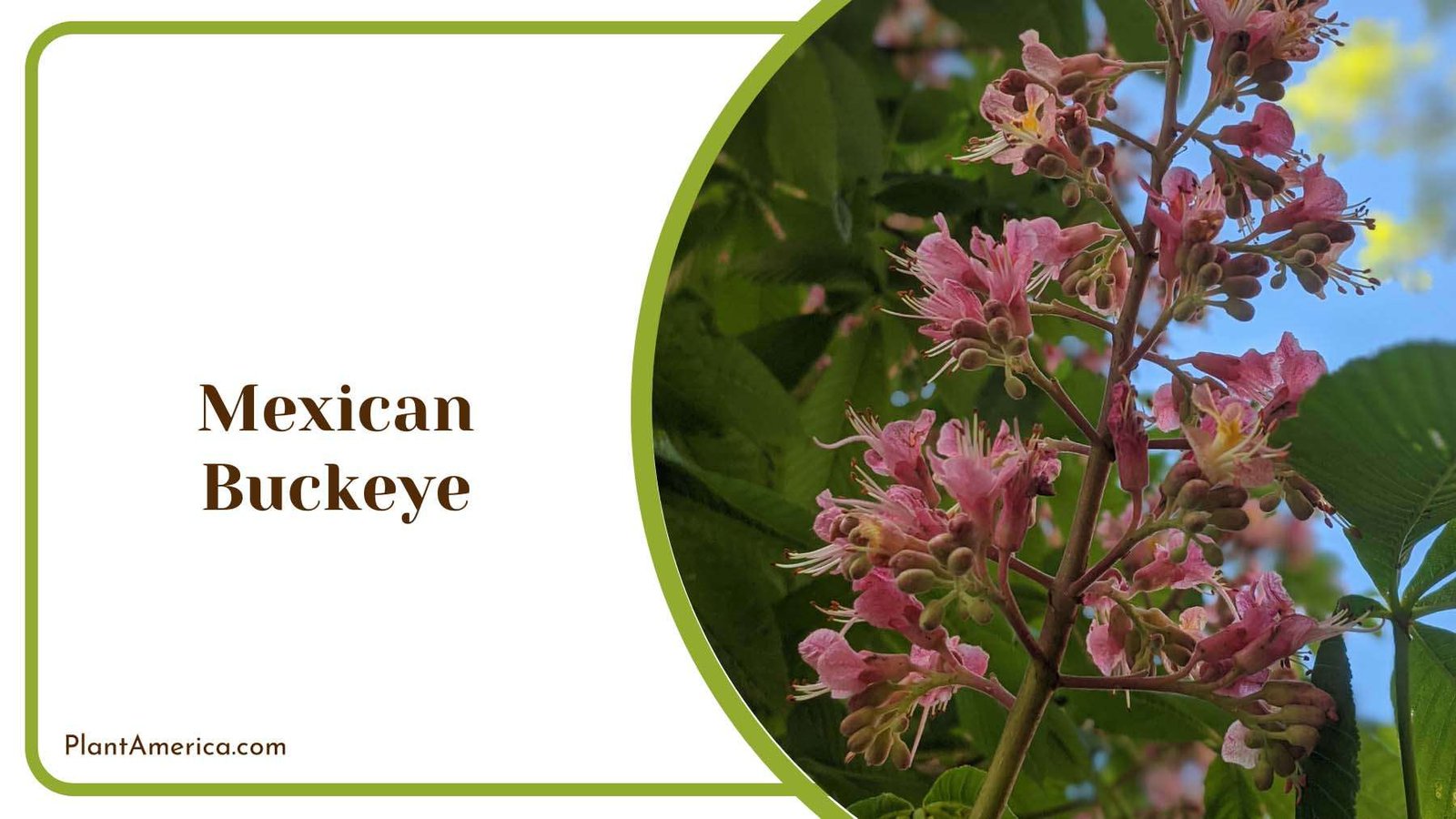
The Mexican buckeye erupts in springtime with showy clusters of reddish-pink, tubular flowers. Mexican buckeyes grow between 20 to 30 feet tall at maturity with a somewhat weeping, rounded form.
They prefer full sun and fast-draining soil. Pruning after flowering can help remove deadwood and maintain a shapely form. Common pests include aphids which secrete honeydew on leaves, and caterpillars, which cause defoliation.
7. Pink Powder Puff
- Growing season: Spring.
- Leaf shape: Oblong, Elliptic.
- Specific needs: Full sun, Well-drained soil.
- Common pest: Scale insects, Caterpillars.
The pink powder puff tree is a small flowering tree native to Texas and northern Mexico. True to its name, it produces puffs of bright pink flowers in springtime that cover its branches and resemble cotton candy.
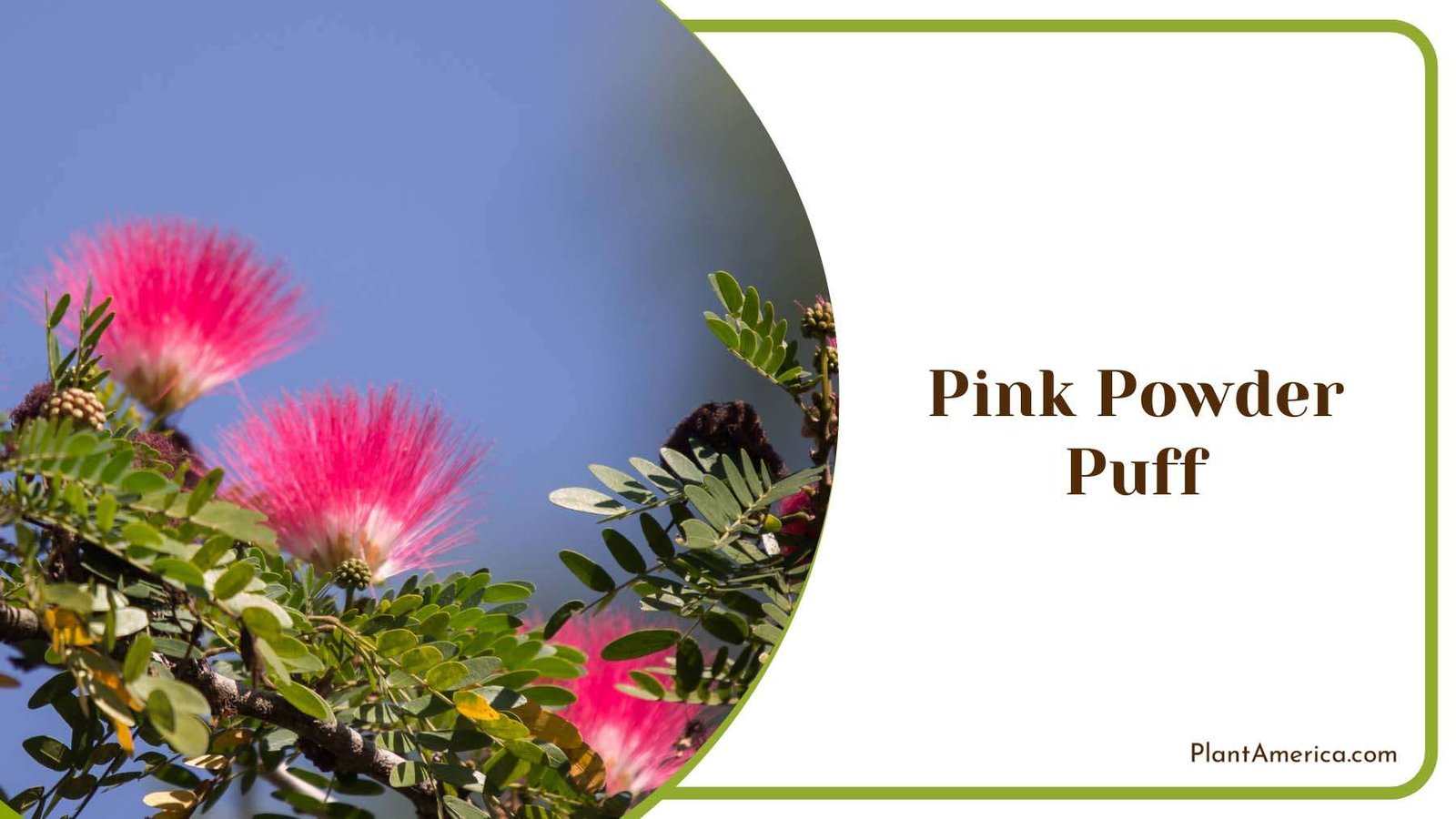
Pink powder puffs are upright, often vase-shaped, and reach heights between 15 and 20 feet tall at maturity. The elliptic to oblong leaves of the pink powder puff tree turn yellow in autumn. These trees thrive in full sun and well-draining soil.
After flowering, pruning can help maintain a desired shape. Common pests include scales that adhere to twigs and secrete honeydew and caterpillars which can denude foliage. Regular dormant oil sprays in late winter and targeted organic or chemical insecticides at first signs of infestation can help manage pests.
8. Mexican Plum
- Growing season: Spring.
- Leaf shape: Oblong, Elliptic.
- Specific needs: Full sun, Well-drained soil.
- Common pest: Scale insects, Aphids.
The Mexican plum tree is an attractive small flowering tree native to southern Texas, northern Mexico, and coastal regions. Mexican plums offer clusters of fragrant white flowers in spring and tasty purple plums in summer.
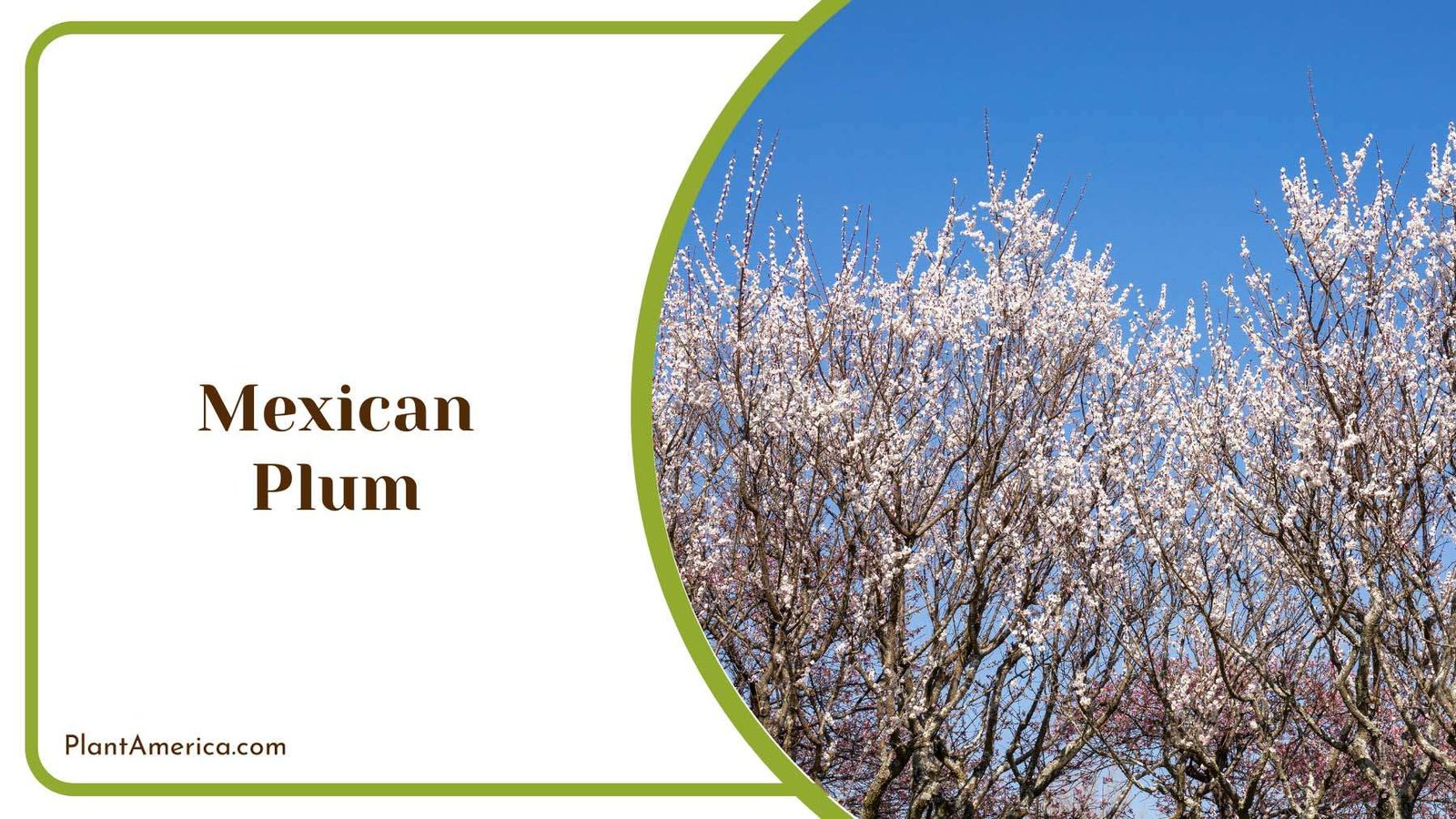
They are upright, vase-shaped, and reach heights between 15 and 30 feet tall at maturity. The elliptic to oblong leaves of Mexican plum trees turn yellow or red in autumn. Mexican plums thrive in full sun and well-draining soil.
After fruiting, pruning can help maintain a shapely form. Common pests include aphids that infect flower buds and new growth and scales that adhere to twigs. Regularly spraying targeted organic or chemical insecticides at the first signs of infestation can help manage these pests.
9. Eve’s Necklace
- Growing season: Spring.
- Leaf shape: Oval, Lanceolate.
- Specific needs: Full sun, Well-drained soil.
- Common pest: Caterpillars, Aphids.
Eve’s necklace is a small deciduous flowering tree native to Texas and northern Mexico. In spring, it produces delicate clusters of hanging white flowers resembling pearl strands. Eve’s necklace trees have an upright, often vase-shaped form and reach heights between 15 and 25 feet tall at maturity.
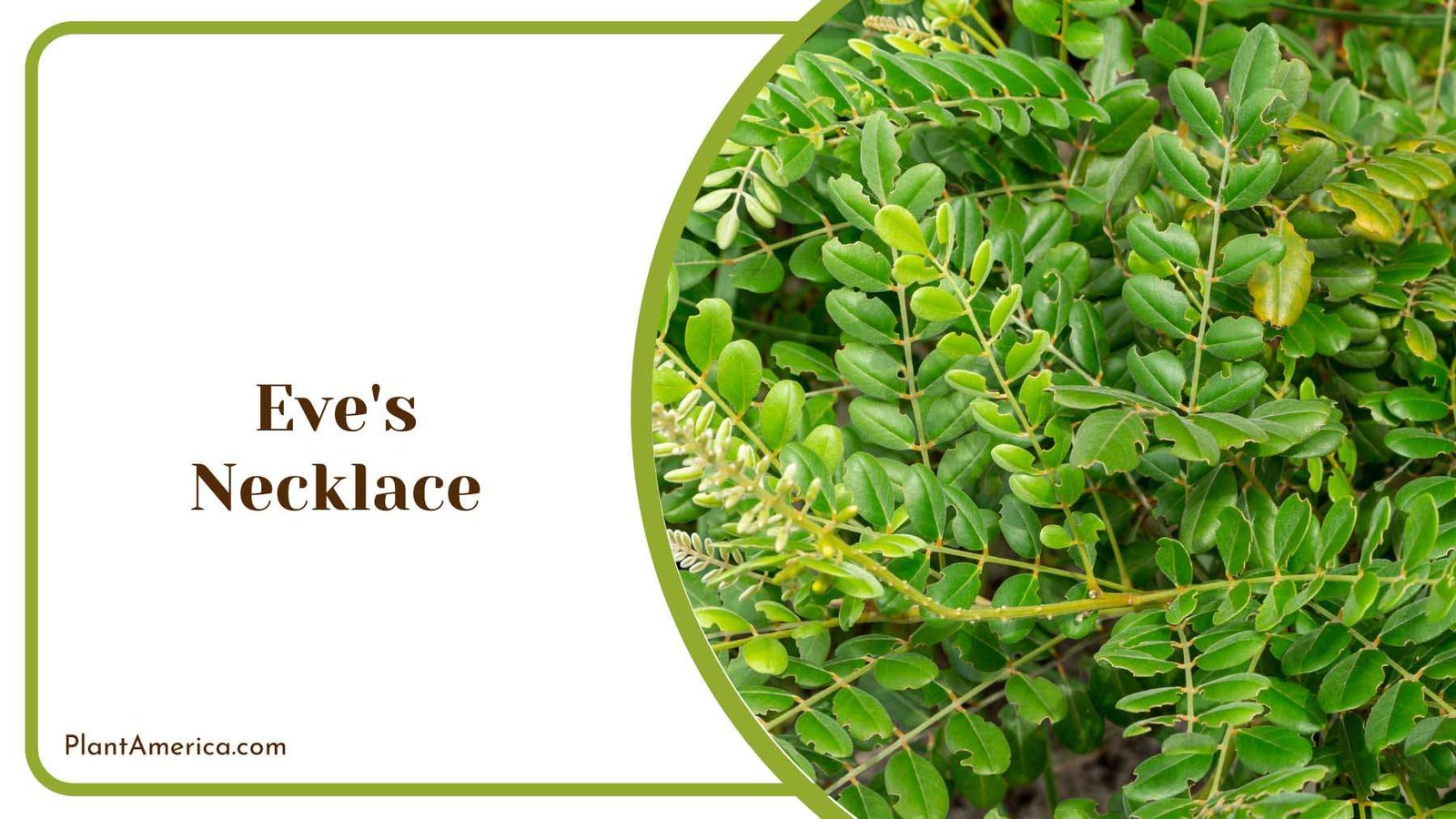
The lance-shaped leaves of Eve’s necklace turn yellow in autumn. These trees thrive in full sun and well-draining soil. After flowering, pruning can help maintain a desired shape. Common pests include aphids which secrete honeydew, and caterpillars, which can chew holes in leaves.
10. Texas Mountain Laurel
- Growing season: Spring.
- Leaf shape: Oblong, Lanceolate.
- Specific needs: Shade, Acidic soil.
- Common pest: Scale insects, Caterpillars.
The Texas mountain laurel is an elegant evergreen small flowering tree native to Central and West Texas. In spring, it produces clusters of fragrant pink to lavender flowers. Texas mountain laurel trees have a pyramidal to oval shape and reach heights between 15 and 20 feet tall at maturity.
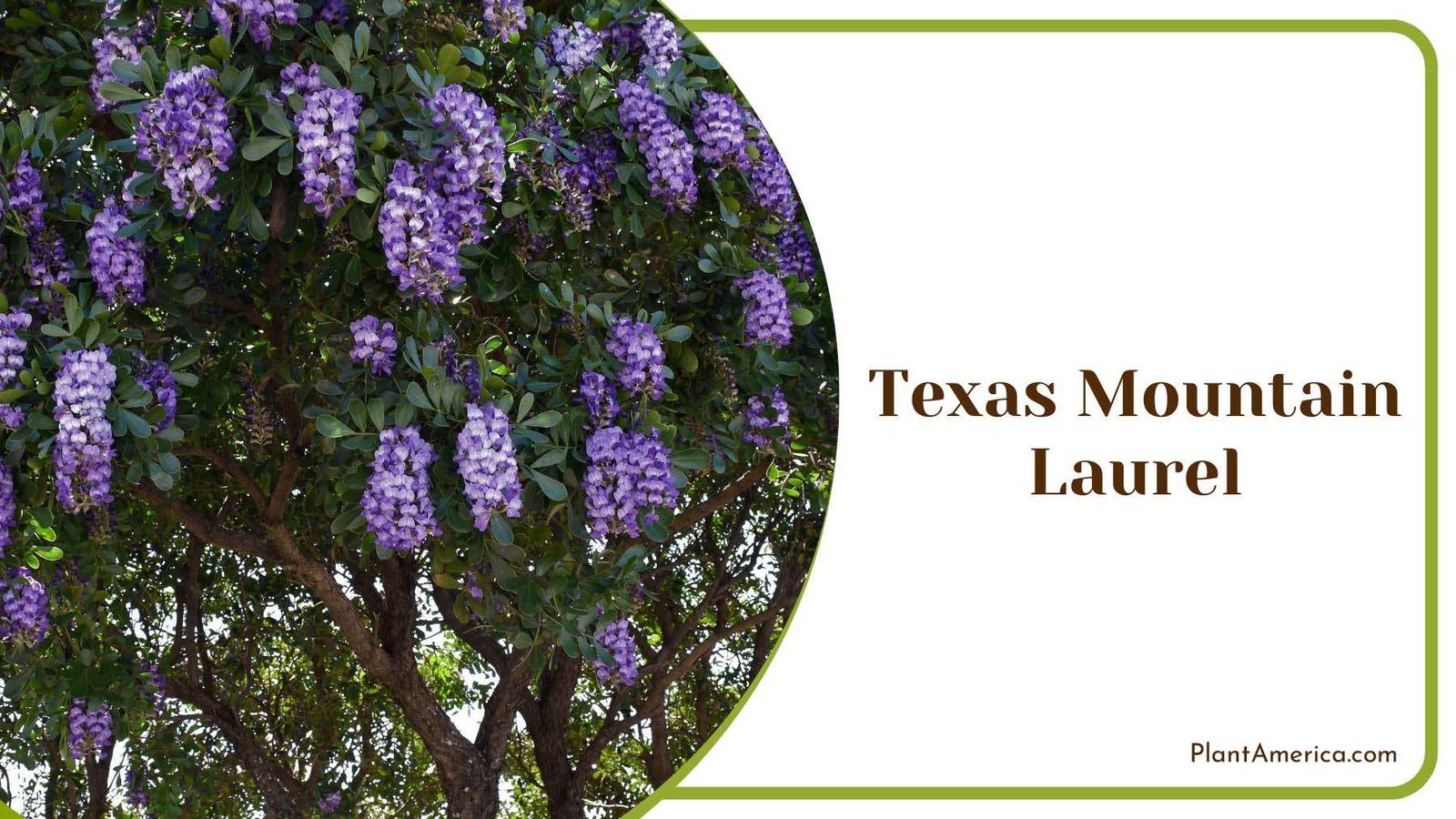
The oblong to lance-shaped leaves of the Texas mountain laurel are dark green and glossy. These trees thrive in partial shade and acidic, well-drained soil.
11. Persimmon
- Growing season: Fall.
- Leaf shape: Ovate, Oblong.
- Specific needs: Full sun, Well-drained soil.
- Common pest: Scale insects, Borers.
The persimmon is an attractive medium-sized deciduous tree native to Texas and the southeastern United States. In fall, it produces an abundance of orange fruit that remains on the tree into winter, providing food for wildlife.
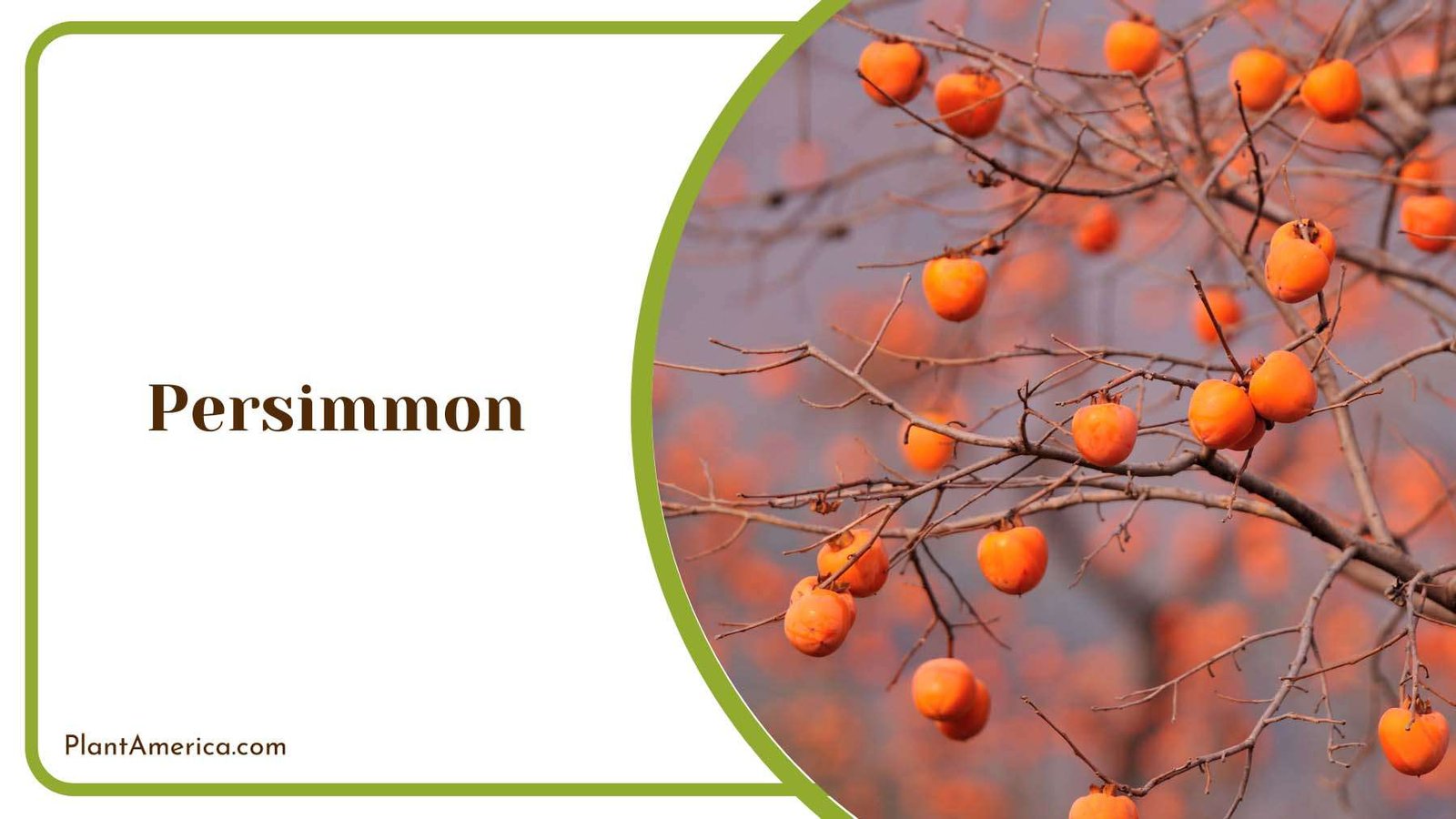
Persimmons have an upright, often spreading form and reach heights between 20 to 30 feet tall at maturity. The oval to oblong leaves of persimmon trees turn yellow to orange in autumn. Persimmons thrive in full sun and well-draining soil.
12. Fernbush
- Growing season: Summer.
- Leaf shape: Fernlike, Elliptic.
- Specific needs: Full sun, Well-drained soil.
- Common pest: Leafhopper, Scale, Twig borer.
The fern bush is an attractive small evergreen flowering tree native to Texas and the southern United States. Its fern-like foliage creates an airy, delicate texture and habit year-round. In summer, the fern bush produces cascades of fragrant white flowers.
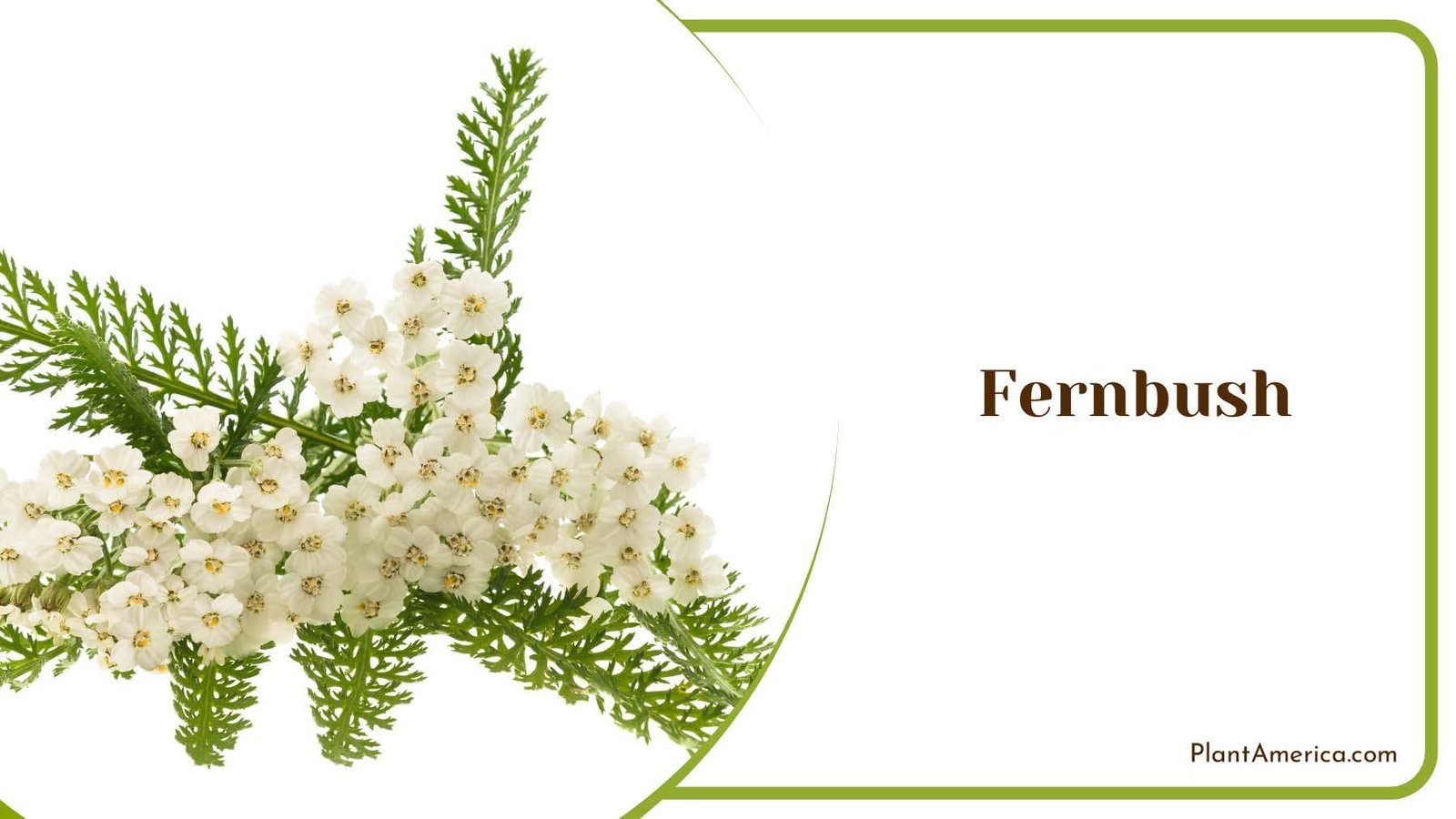
Fern Bushes grow between 15 to 25 feet tall at maturity with a broadly rounded shape. They prefer full sun and well-draining soil. Regular pruning after flowering can help maintain a desired form.
Common pests include leafhoppers that damage new growth, scale insects that adhere to branches, and twig borers, which tunnel into small limbs. Regular dormant oil sprays in late winter combined with targeted organic or chemical insecticides at first signs of infestation can help manage pests.
13. Texas Pistachio
- Growing season: Fall.
- Leaf shape: Pinnate, Compound.
- Specific needs: Full sun, Well-drained soil.
- Common pest: Scale insects, Aphids.
The Texas pistachio is an attractive medium-sized deciduous flowering tree native to Central and West Texas. In autumn, it produces an abundance of burgundy red fruit that remains on the tree into winter, providing food for wildlife.
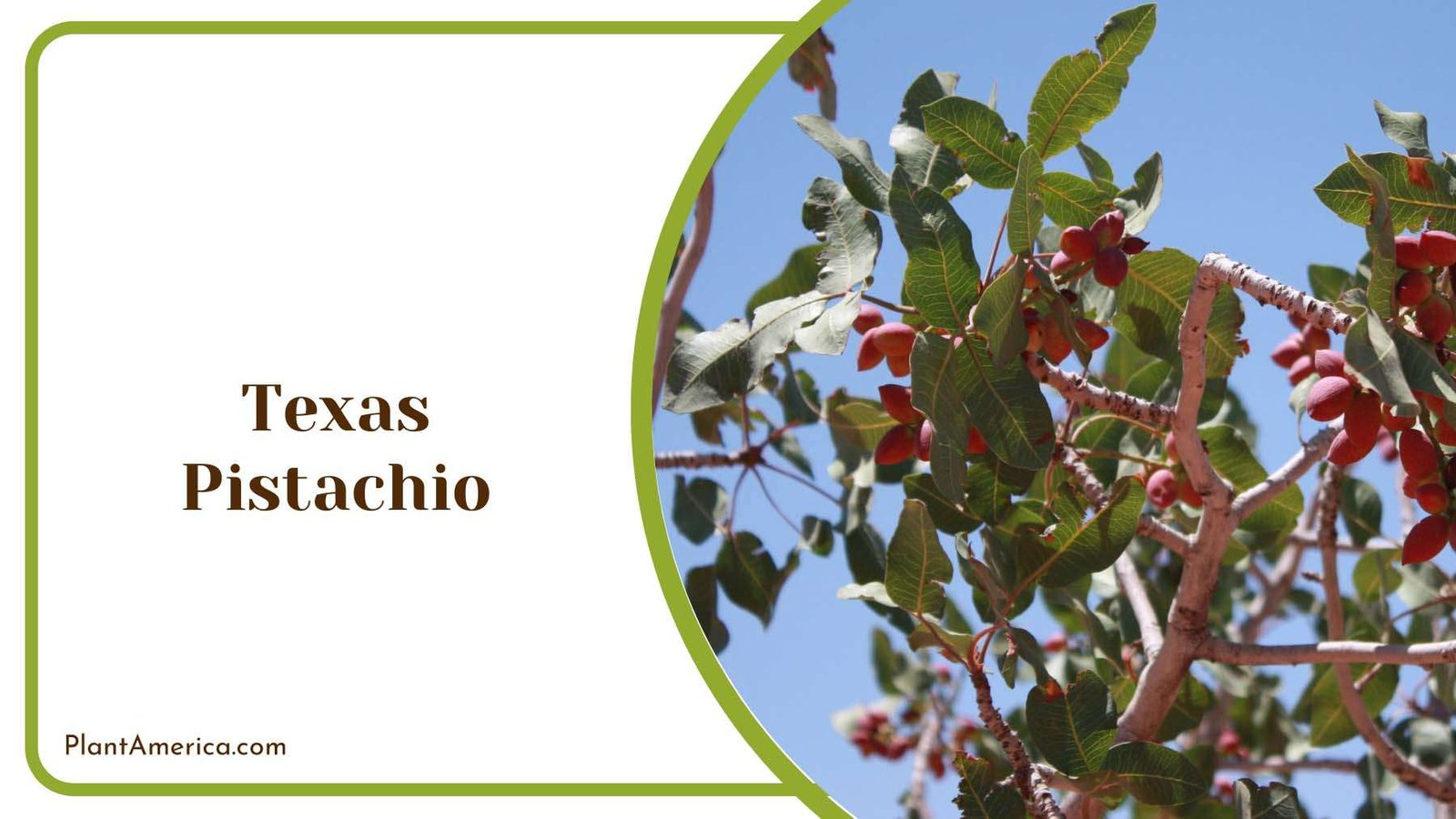
Texas pistachios have an upright, often spreading form and reach heights between 20 to 30 feet tall at maturity. The pinnately compound leaves of Texas pistachio trees turn golden yellow in autumn. Texas pistachios thrive in full sun and well-draining soil.
After fruiting, pruning can help maintain a desired shape. Common pests include scale insects which adhere to twigs and secrete honeydew, and aphids which feed on new growth. Regular dormant oil sprays in late winter and timely removal of infested branches can help manage these pests.
14. Goldenball Leadtree
- Growing season: Winter.
- Leaf shape: Compound, Alternate.
- Specific needs: Full sun, Well-drained soil.
- Common pest: Borers, Aphids.
The goldenball leadtree is an attractive small flowering tree native to Texas and Mexico. In winter, it produces globe-shaped clusters of fragrant yellow flowers. Goldenball leadtrees have an upright, often spreading form and reach heights between 15 to 30 feet tall at maturity.
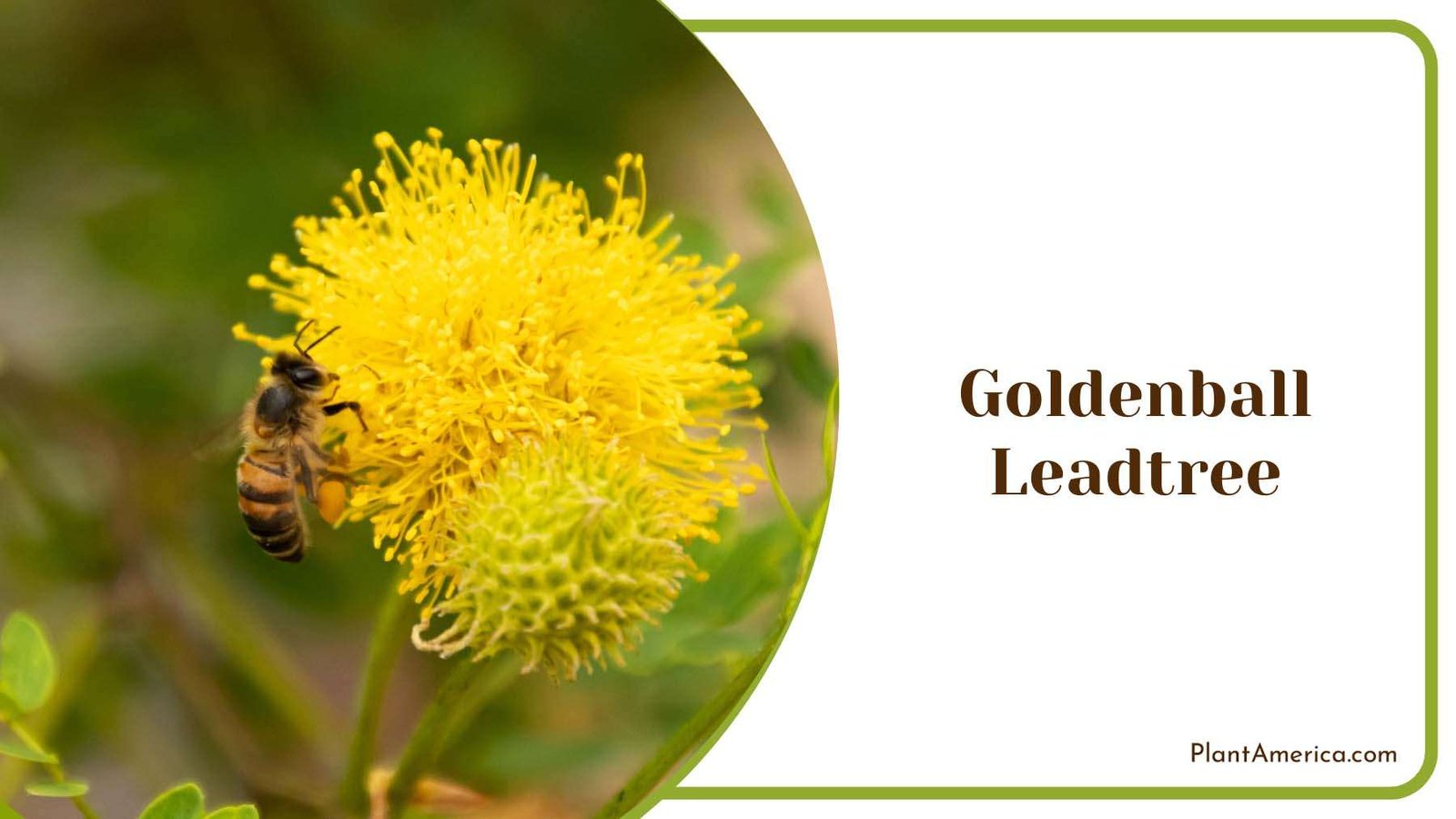
The alternate and compound leaves of golden ball lead trees turn yellow to orange-red in autumn. Golden ball lead trees thrive in full sun and well-draining soil. After flowering, pruning can help maintain a desired shape.
Common pests include aphids which feed on new growth, and borers, which tunnel into twigs and branches. Regular dormant oil sprays in late winter and timely removal of infested wood can help manage these pests.
15. Roughleaf Dogwood
- Growing season: Spring.
- Leaf shape: Ovate, Elliptic.
- Specific needs: Full sun, Shade, Well-drained soil.
- Common pest: Scale insects, Caterpillars.
The rough-leaf dogwood is an attractive small flowering tree native to Texas and the southern United States. In spring it produces clusters of flowers, white in color followed by blueberries. Roughleaf dogwoods have a loosely pyramidal to a rounded shape and reach heights between 15 to 25 feet tall at maturity.
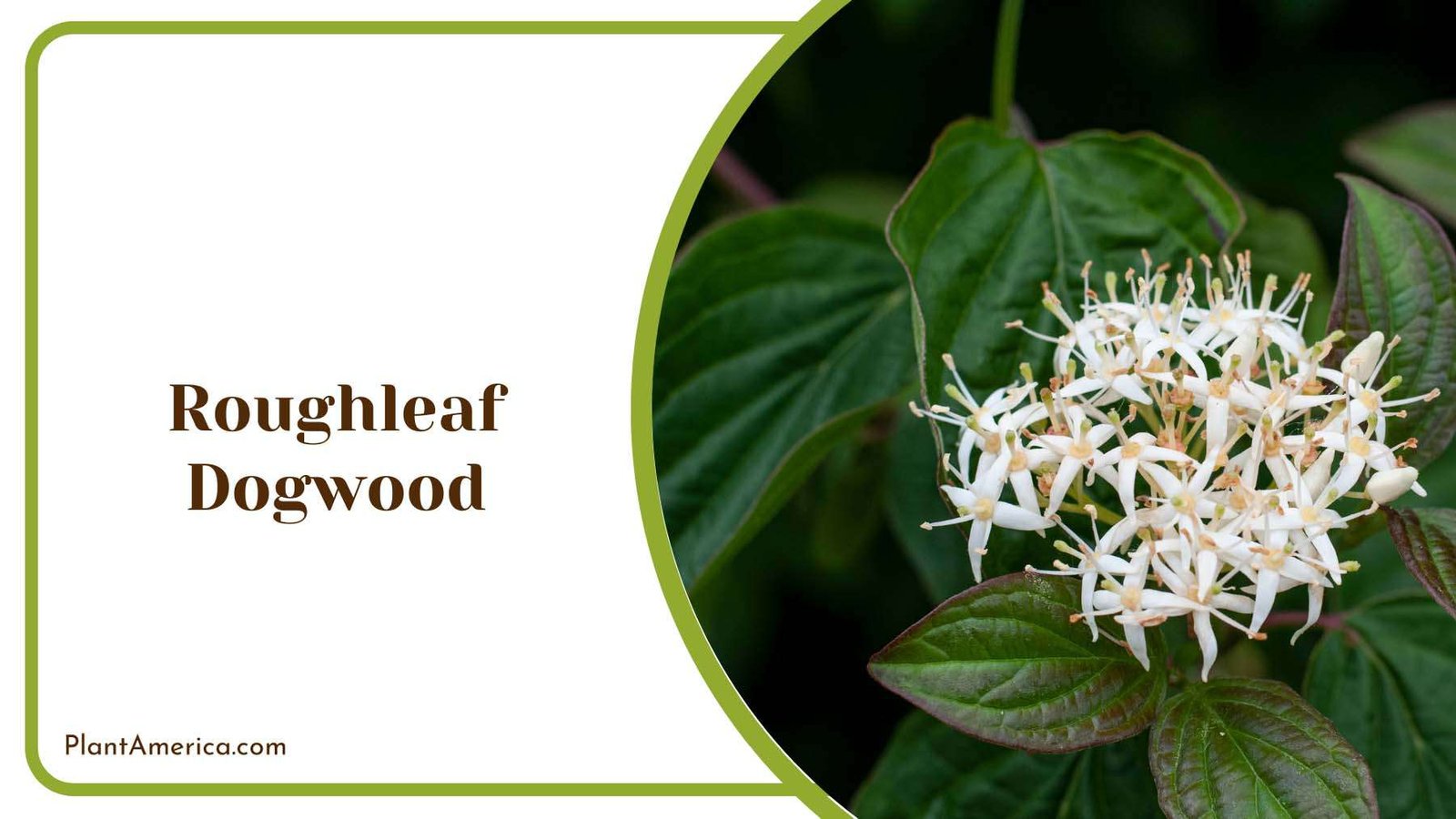
The ovate to elliptic leaves of the rough-leaf dogwood are medium to dark green and rough textured. These trees survive in full sun to partial shade and acidic, well-draining soil. Common pests include scale insects which adhere to branches, and caterpillars, which chew holes in foliage.
16. Bigtooth Maple
- Growing season: Fall.
- Leaf shape: Palmate, Lobed.
- Specific needs: Full sun, Shade, Acidic soil.
- Common pest: Scale insects, Leafminers.
The bigtooth maple is a small to medium-sized deciduous tree native to Texas and the southern United States. In autumn, it produces stunning yellow, orange, and red fall foliage. Bigtooth maples have an oval to rounded crown and reach heights between 15 to 30 feet tall at maturity.
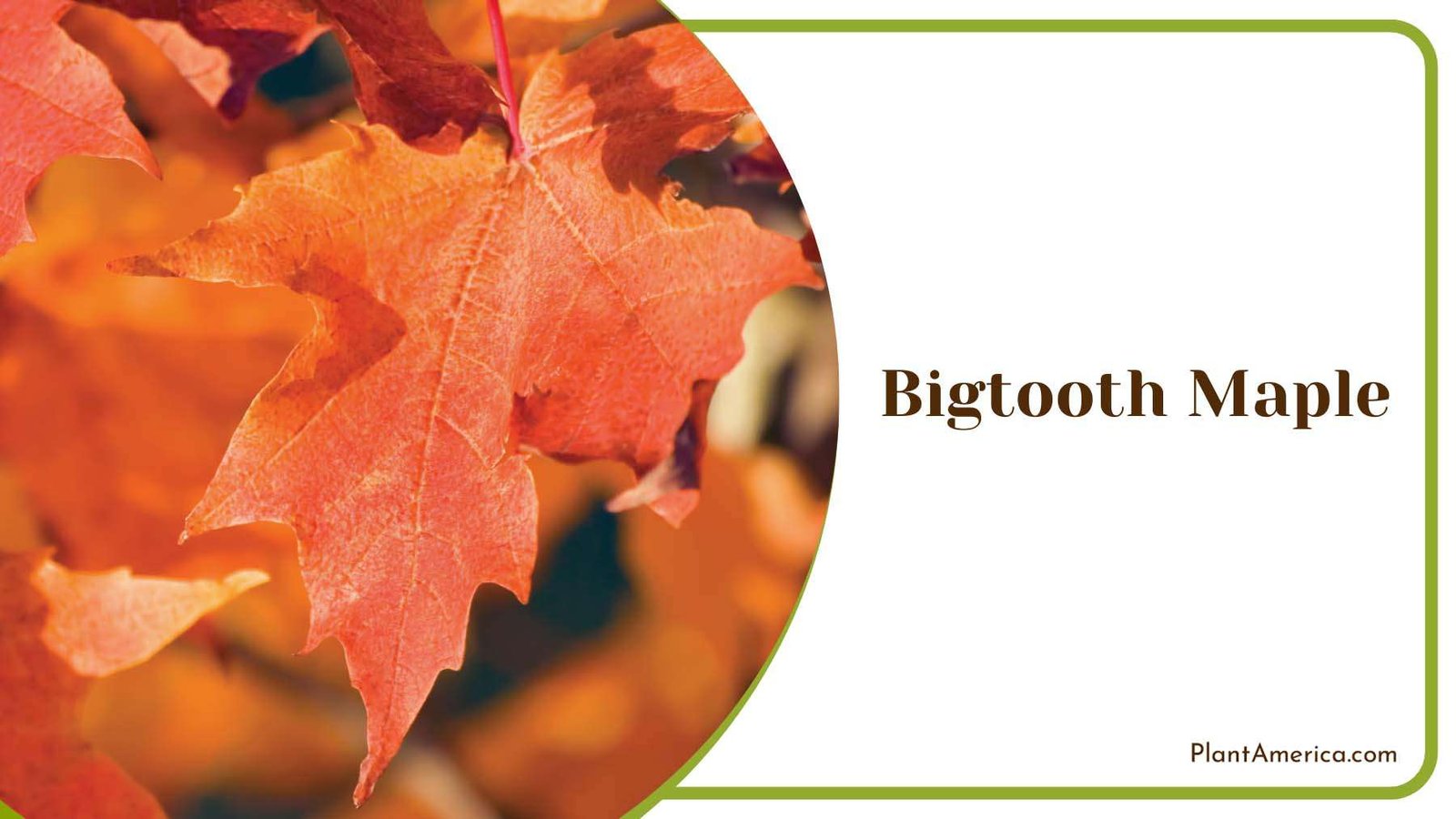
The palmate leaves of the bigtooth maple with three to five lobes emerge coppery in spring and turn vibrant colors in fall. These trees survive in full sun to partial shade and moist, acidic soil.
Common pests include leafminers which burrow between leaf surfaces, and scale insects which adhere to branches. Regular dormant oil sprays in late winter combined with targeted organic or chemical insecticides at first signs of infestation can help manage pests.
With its spectacular autumn color, neat rounded shape, and small stature, the bigtooth maple makes a superb choice for adding small flowering tree appeal to any Texas landscape.
17. Texas Sage
- Growing season: Winter.
- Leaf shape: Narrow, Linear.
- Specific needs: Full sun, Well drained soil.
- Common pest: Scale insects, Aphids.
The Texas sage is an attractive small evergreen flowering tree native to Central and South Texas. In winter, it produces showy spikes of purple flowers. Texas sage trees have an upright, often vase-shaped form and reach heights between 15 to 20 feet tall at maturity.
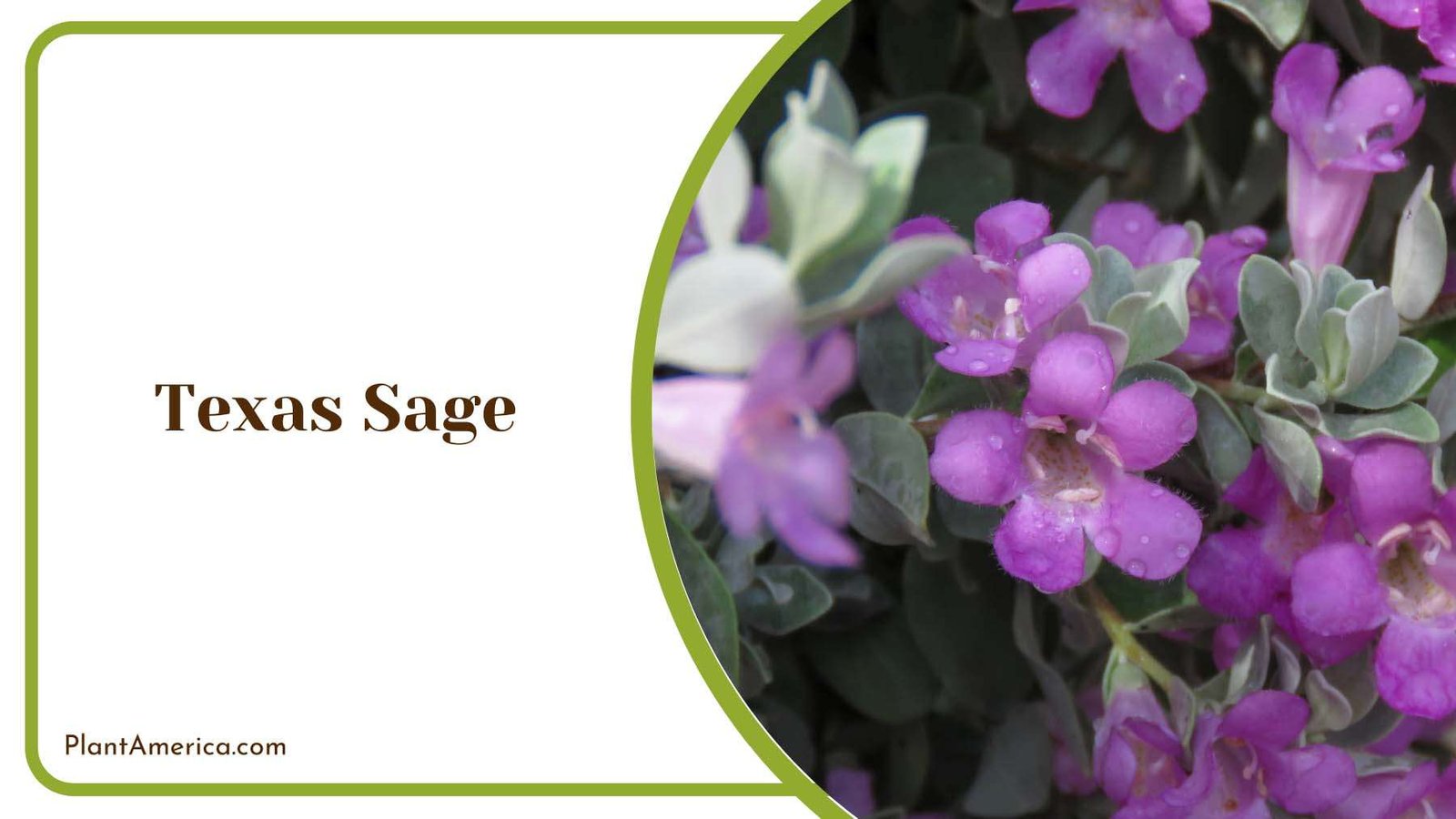
The linear leaves of the Texas sage are medium green and aromatic. These trees thrive in full sun and well-draining soil. Common pests include aphids which secrete honeydew on foliage and scale insects, which adhere to branches.
Regular dormant oil sprays in late winter combined with targeted organic or chemical insecticides at first signs of infestation can help manage pests.
18. Carolina Buckthorn
- Growing season: Spring.
- Leaf shape: Ovate, Alternate.
- Specific needs: Full sun, Shade, Average soil.
- Common pest: Few common pests.
The Carolina buckthorn is a small deciduous shrub or tree native to the southeastern United States. In spring, it produces clusters of greenish-white flowers, followed by purple berries in summer. The Carolina buckthorn grows mediumly and has an upright, often vase-shaped form.
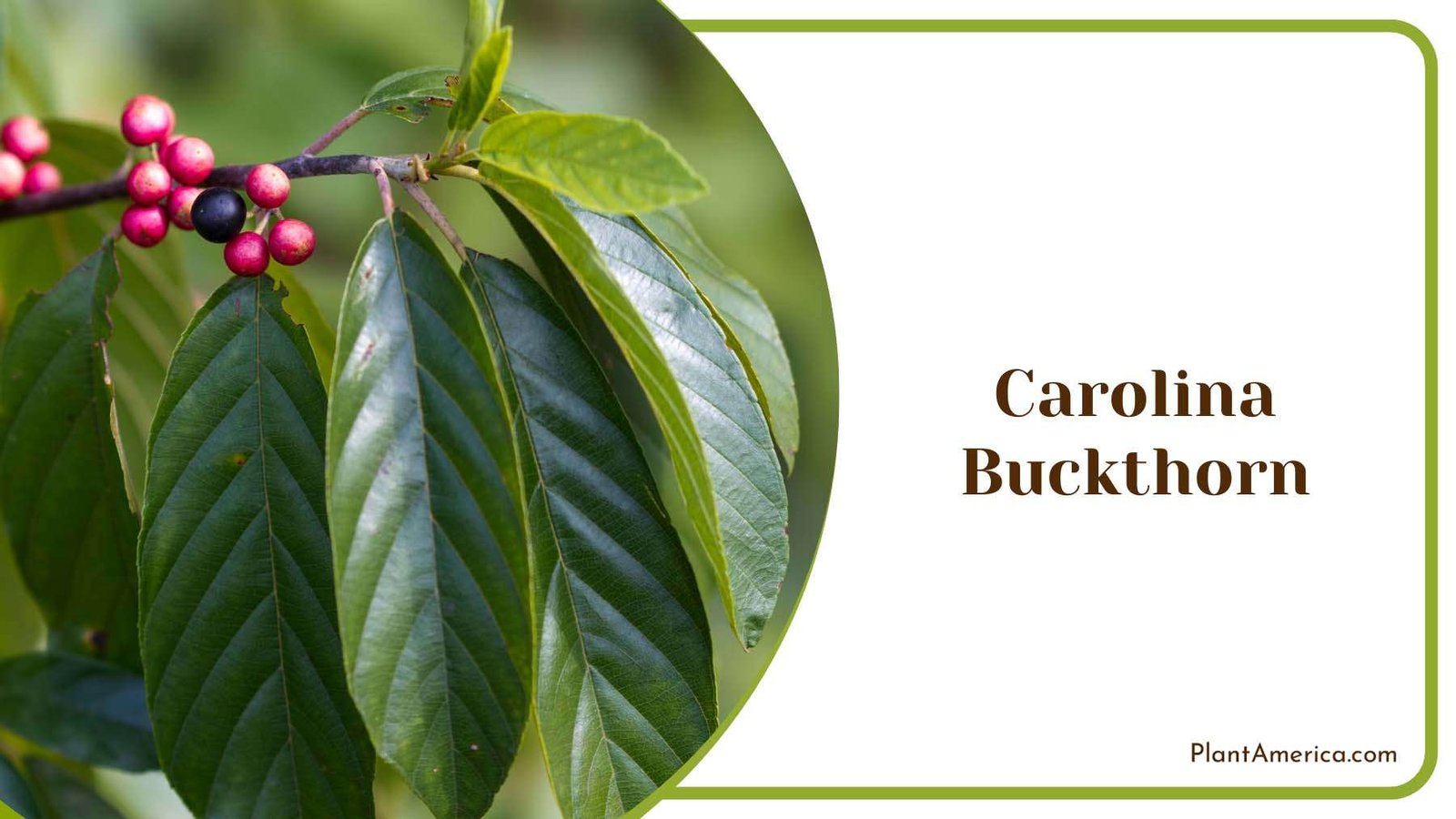
Mature shrubs reach heights between eight to 15 feet tall and have a rounded crown shape. The alternate, ovate leaves of the Carolina buckthorn turn yellow to purple in autumn. Carolina buckthorns grow best in full sun to partial shade and average, well-draining soil.
Few major pests or diseases commonly trouble Carolina buckthorn plants. Occasionally insects like leaf-feeding beetles, Japanese beetles, and spider mites can become an issue. Keeping the plant well-watered and fertilized as needed helps ward off these minor pests.
19. Arborvitae
- Growing season: Year round.
- Leaf shape: Flat, Scalelike.
- Specific needs: Full sun, Moist soil.
- Common pest: Mites, Bagworms, Scales.
The arborvitae is an attractive evergreen tree with a narrow, columnar form. Native to North America, arborvitae grow relatively quickly and make excellent privacy screens and hedges. Mature arborvitae trees reach heights between 20 to 50 feet tall with a width of eight to 15 feet.
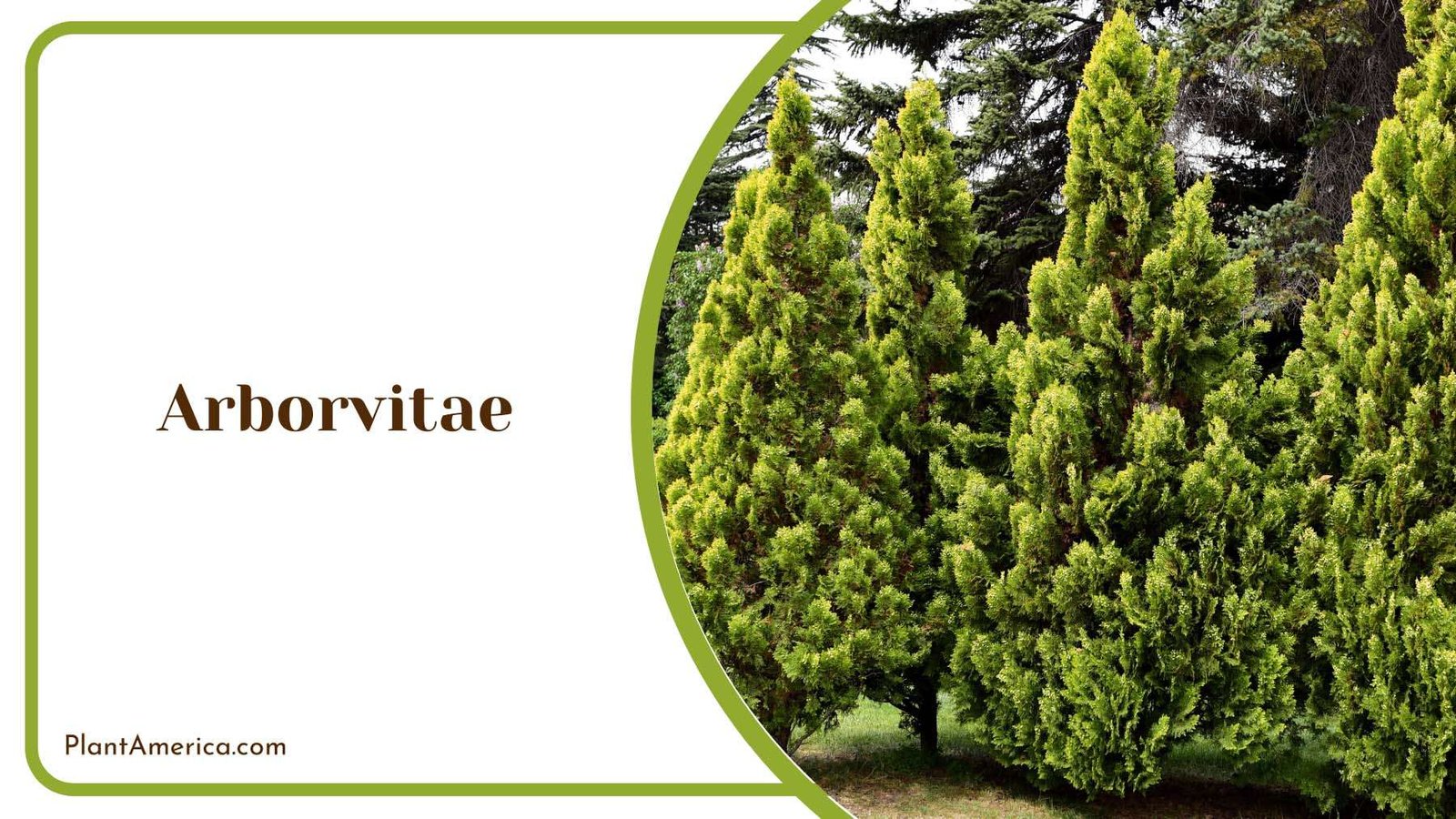
Their flat, scale-like leaves offer year-round texture and interest. When planting arborvitae, aim for full sun to partial shade and moist but well-draining soil.
Common pests include spider mites which feed on leaves causing discoloration; bagworms which spin silk bags and feed on foliage; and scale insects, which adhere to twigs and branches.
Regular horticultural oil sprays targeting these pests during winter dormancy can keep the infestation under control.
With its narrow profile, aromatic foliage, and year-round greenery, the arborvitae makes a superb choice for adding evergreen structure and screening appeal to any landscape.
20. Northern Catalpa
- Growing season: Spring, Summer.
- Leaf shape: Heart shaped, Oblong.
- Specific needs: Full sun, Moist soil.
- Common pest: Japanese beetles, Caterpillars.
The northern catalpa is a medium to large deciduous tree is native to the Midwestern and Eastern United States. It produces panicles of trumpet-shaped white flowers in spring, followed by long seed pods in summer.
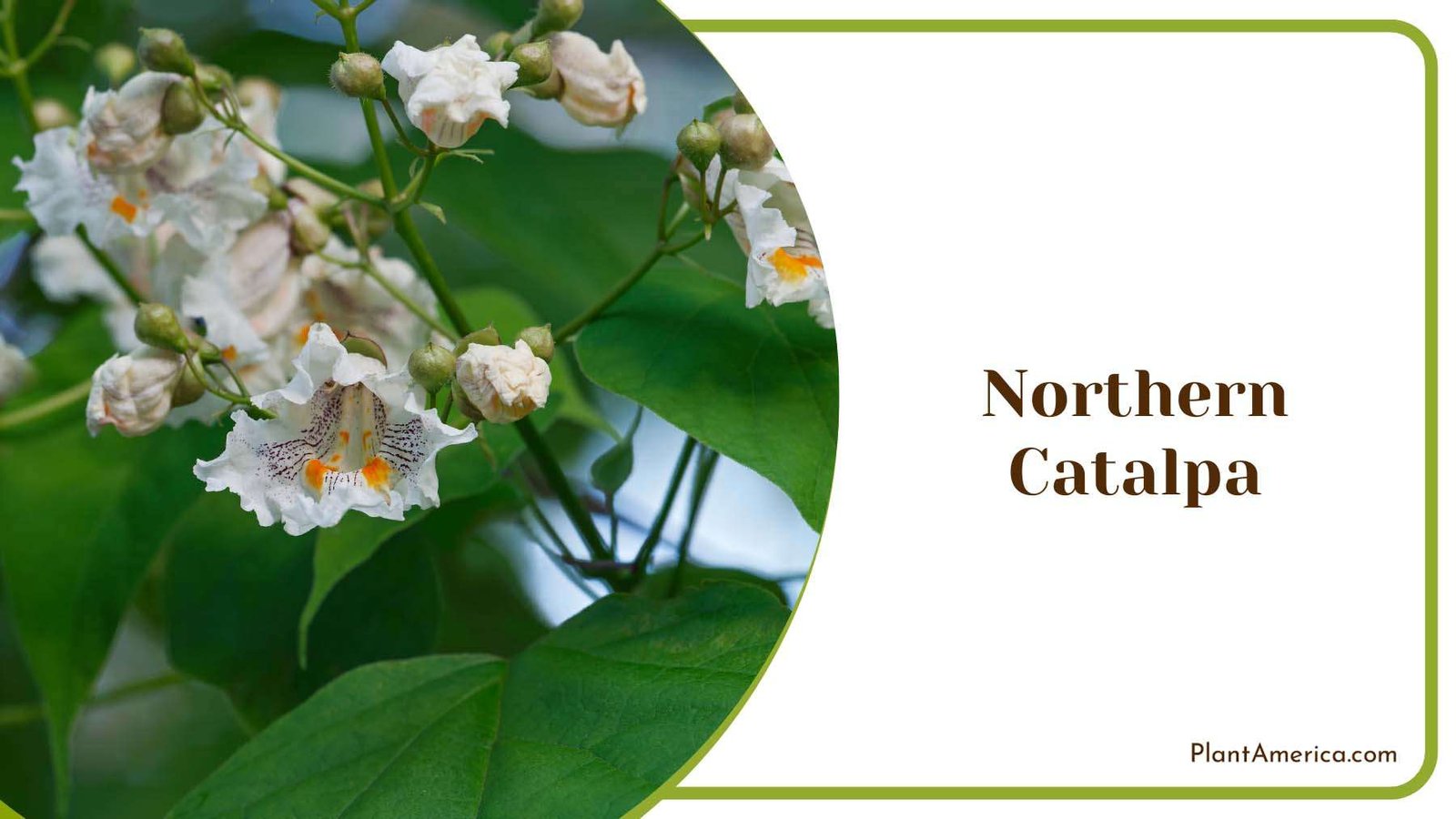
Northern catalpas grow quickly and have an upright, often spreading form. Mature trees reach heights between 30 to 60 feet and have a rounded to spreading crown shape. The heart-shaped leaves of the northern catalpa turn yellow to purple in the fall before dropping. Northern catalpas grow best in full sun and moist, well-draining soil.
Common pests include Japanese beetles, which feed on leaves causing shot-hole damage, and caterpillars, which chew large holes in foliage. Regular applications of organic or chemical insecticides targeting these pests at the first signs of infestation can help manage issues.
With its showy spring flowers, long bean-like seed pods, and fast growth rate, the northern catalpa makes an interesting choice for adding ornamental appeal and height to any landscape.
Conclusion
Flowering trees providing ornamental value with blooms, fall foliage colors, shapes, and winter interest
- Texas pistachio produces an abundance of burgundy red fruit that remains on the tree into winter, providing food for wildlife.
- Redbud is one of the earliest Texas flowering trees to bloom, often displaying its clusters of vibrant pink flowers as early as February.
- The rough-leaf dogwood is an attractive small flowering tree native to Texas that produces clusters of flowers, white in color followed by blueberries.
The gorgeous selection of native flowering tree covers offers many options depending on your size, lighting, soil conditions, and the season you wish to highlight in your garden. Any of these hardy trees will thrive with minimal care while providing you and wildlife with years of beauty and joy in your outdoor space.