
How to transplant a snowball bush is a very common question that is asked. Snowball bushes or snowball bush viburnums are bushes with green flowers with fuzzy leaves that change their colors over time.

All bushes of Snowball are hybrids of the viburnum plant, and with cross-pollination, you can plant snowball bushes directly from seeds. This guide will discuss how we can successfully transplant snowball trees.
What Factors to Consider When Transplanting a Snowball Bush
The factors to consider when transplanting a Snowball bush are the needed light requirement, the proper potting techniques, adequate watering, and some other factors like temperature and light requirements in order to make the plant thrive for times to come.
1. Best Time to Transplant
The ideal time to transplant a Japanese Snowball is in the fall or early spring. When you are transplanting a sapling or planting a snowball, remember that the ideal time helps you understand what you want to expect from the plant.

If you plant the viburnum opulus at the ideal time, the chances of growth will double, and the plant will give you exceptional results. You must not miss the ideal time and grow snowball after spring to achieve what you want.
So, always find the ideal time and transplant this unique plant in your garden. When you transplant, aim for a day with mild temperatures and overcast skies to minimize shock to the plant.
2. Temperature Requirements
The ideal temperature for snowball bush should be between 40-70 degrees Fahrenheit. At this temperature, these plants can grow effectively and establish their roots. These plants cannot tolerate extreme heat, so protect them from sweltering temperatures.
3. Light Requirements
These trees prefer to grow in partial or complete sunlight. They need a minimum of 6 to 8 hours of sunlight a day. When you select a location, always make sure that the place receives enough sunlight..
4. Proper Pot
Mainly, these trees are grown outside, but if you have limited space, you can also produce these trees in pots or containers. Always use a large container or pot with a well-drained hole. If you want to move your plant, use a plastic pot because it’s easy to handle from one location to another.
5. Watering
Take the soil you discarded during digging and backfill the hole, then gently tamp it down to remove air pockets. Now, it is time to give the water to the newly transplanted plant to settle down with the soil.
Don’t over-water your plants because it is not suitable for their health. A suggested schedule is almost 1 inch per week, but if you live in a sweltering climate, you can increase the water limits, but again, don’t over-water your snowball. Furthermore, applying the organic mulch layer can conserve soil moisture.
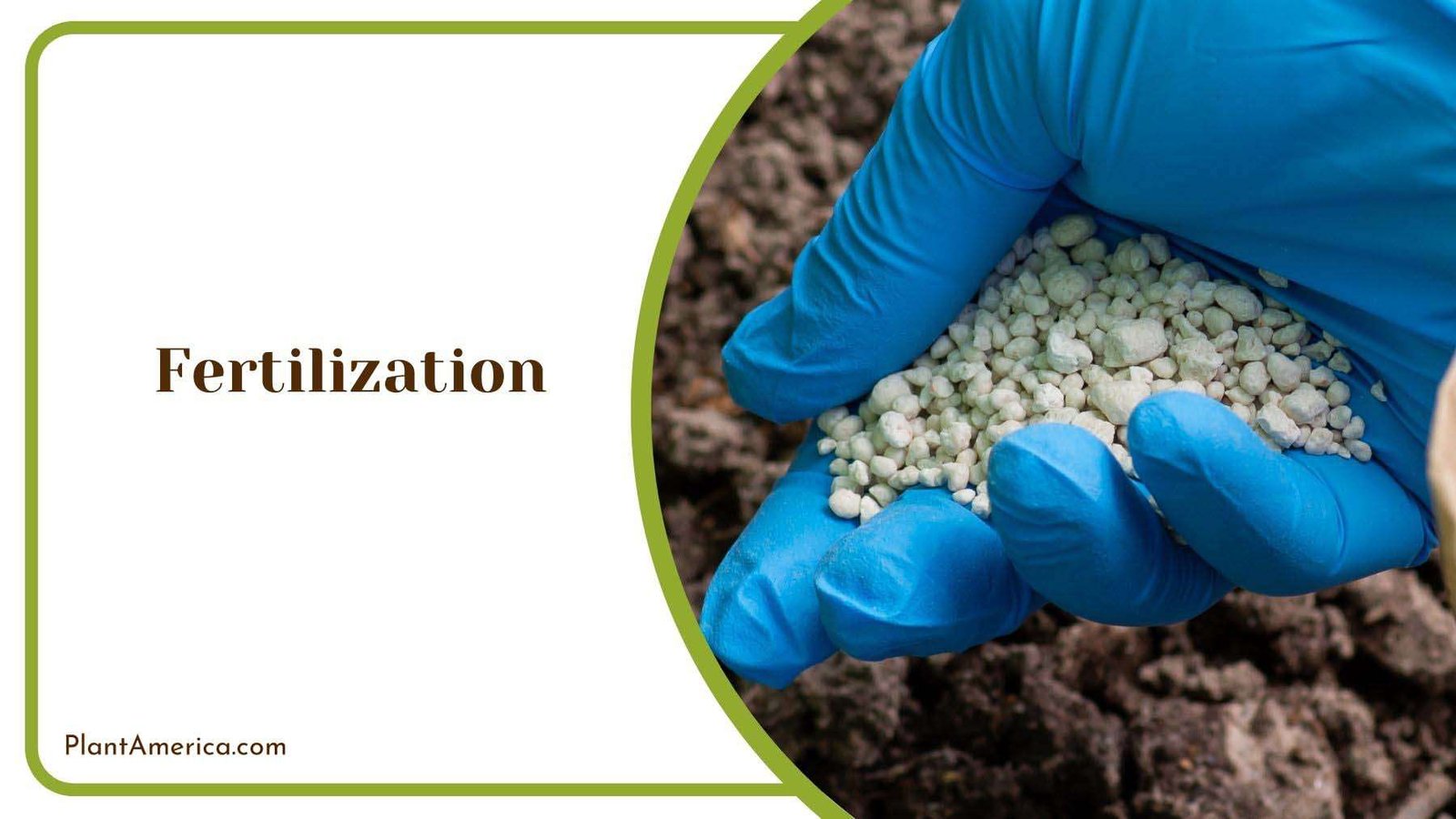
6. Fertilization
Fertilize your Snowball viburnums in the spring because it is a suitable time for fertilization, and plants take full advantage of it. Fertilize your plant with the slow-release fertilizer. Make sure not to go overboard; fertilizing too much can inhibit the plant’s growth if it gets too much nitrogen. Slightly acidic soil is used in fertilizer to improve soil drainage.
How to Transplant a Snowball Bush Successfully
To transplant a snowball bush successfully, you need to have essential tools, find the best location to transplant, adequate water to fulfill the deficiency of nutrients, prepare the hole, and ensure the plant gets enough care to thrive. Propagating Japanese Snowball bush is straightforward and done in several ways.
1. Gather Your Tools
It would help if you carried the essentials to transplant this wonderful plant. Proper tools will help you save time and protect you from going wrong.
Here is a list of tools you should always carry when transplanting Chinese snowballs.
Shovel: A sturdy shovel with a sharp blade is vital for proper digging to transplant the Snowball.
Pruning shears: These tools are used for trimming and pruning snowballs before and after transplanting.
Garden Gloves: Wearing gloves is the best way to protect your hands from insects and any potential irritants in the soil.
Garden hose: Adequate watering is crucial to maintaining fragrant moss health, especially in the beginning. You have to give them water regularly.
Burlap or Tarp: A piece of trap can protect the plant while transporting or when you prepare the new hole to transplant the Snowball bush-cutting
2. Find the Location
Once you get the right time and perfect tools, it is time to find the location where you want to transplant your Snowball. Chinese snowball viburnums require proper sunlight with well-drained soil for growing professionally. However, this plant needs ample space for the mature size, typically around 8 to 12 feet in height and width.
Well-drained and acidic soil is the best type for snowball plants, but it is not too particular because it can grow in any soil and prefers acidic soil. If your selected soil is not well-drained or acidic, you can use compost to make it well-drained.
3. Prepare the Hole
Dig a hole with the help of a shovel and ensure that the hole diameter is about three times larger than the size of a root ball. The depth of the prepared hole is equal to the current root ball because it will provide ample space for the roots to spread and establish themselves in the new spot.
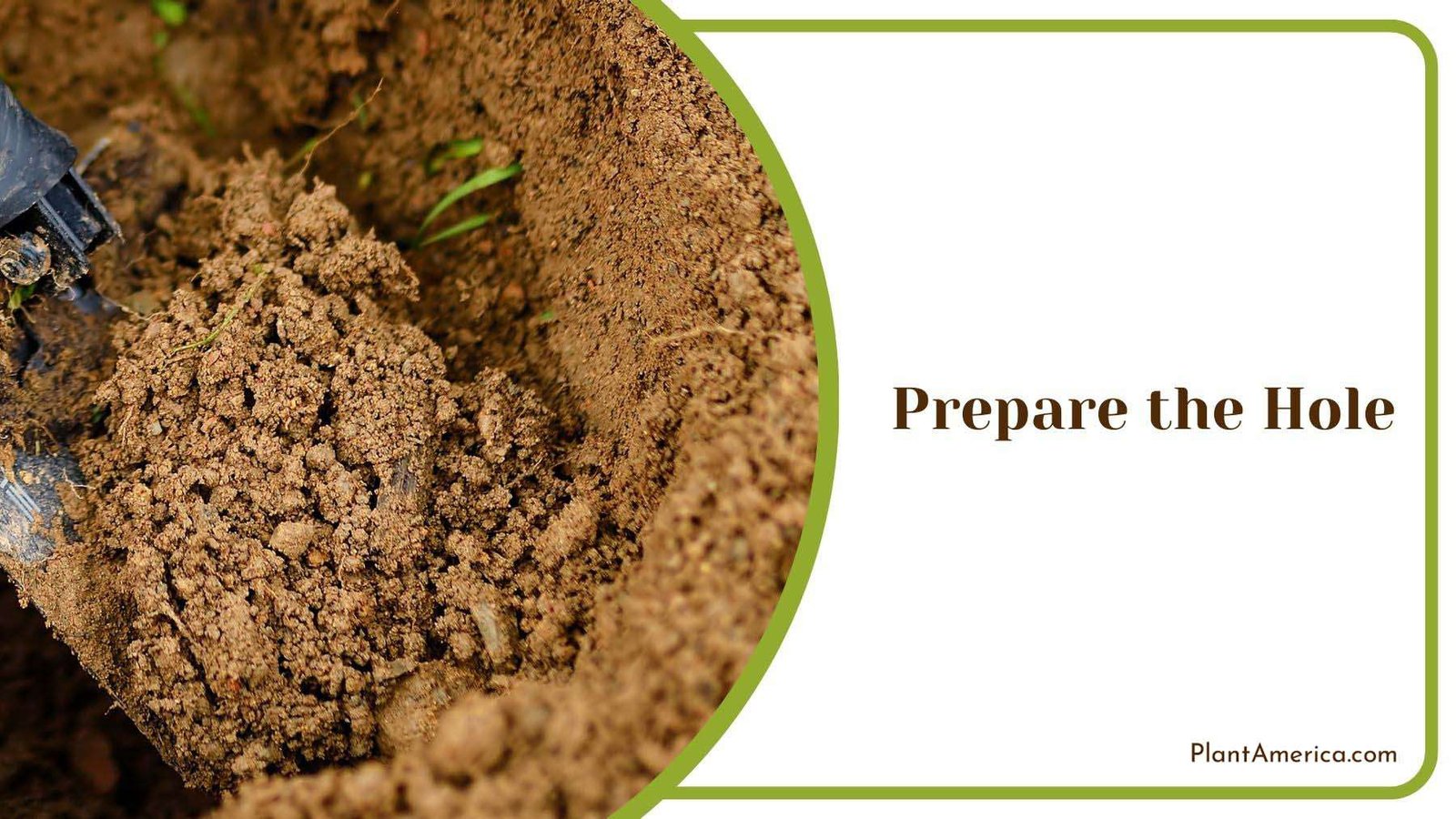
Clean the hole and remove all kinds of weeds and debris because it can damage the plant’s health and turn its leaves yellowish. Once a Snowball turns their leaves yellowish, it is too late to save the plants’ lives.
4. Prune the Bushes
Pruning the bushes is essential to reduce the stress from roots. Aim to remove one-third of the plant and focus on removing dead leaves and branches. Don’t cut the healthy part of the plant. Pruning will help Snowball allocate its energy toward root growth, and the plant’s lifespan will also increase.
In addition, regular pruning rejuvenates the old bushes and encourages new shoots. So, ensure that you always prune the bushes of Snowball before and after transplanting.
5. Transplant With Care
Now, it’s time to shift the Snowball to its new home where it has to live its whole life. Hold the plant gently because, at this point, they are very delicate. If the plant has extensive roots and it feels they can be damaged, then you should use a wheelbarrow for support.
Then place it in the hole’s center, and the root ball’s top should be level with the surrounding soil. Before transplanting the snowball into a hole, ensure it is clean and free from debris and common pests.
6. Apply 4 Inches of Mulch Layer
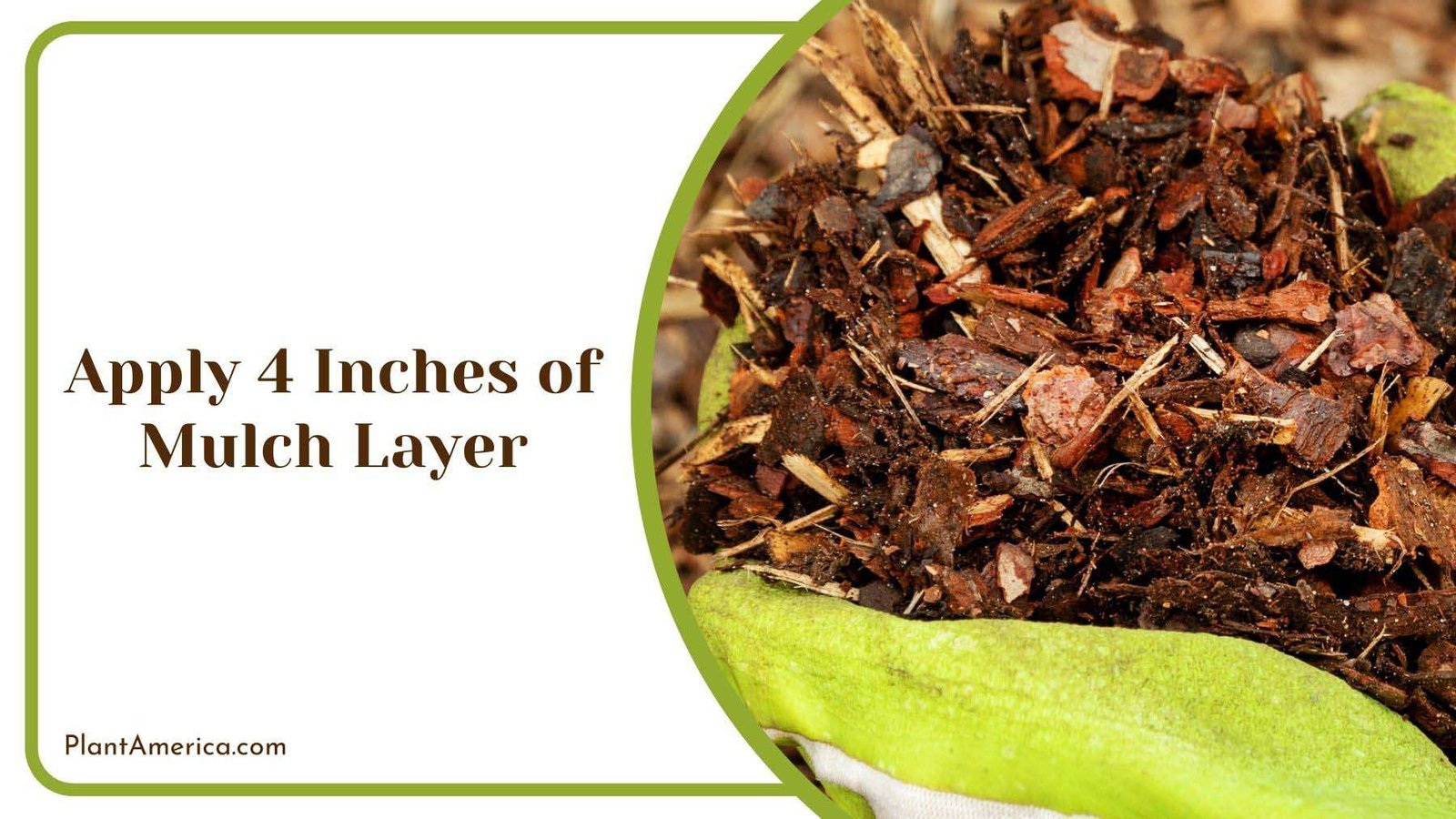
Lay a mulch layer around the base of the plant because it retains moisture and maintains the soil temperature. Another benefit of this mulch layer is that it protects the plants from diseases and pest attacks. There are two types of mulch layers present in the market: one is organic, and the second is inorganic. To grow Snowball, the organic layer is perfect because it prevents plant diseases and produces them efficiently.
7. Monitor and Care
Keep a close eye on the transplanted fragrant snowball. Be patient if you are still waiting for results. Watering them regularly can maintain the overall progress. Sometimes, transplanting can be stressful for snow bushes, so with proper care and attention, you can reduce their stress, and see your snowball plant adapt to its new location and thrive in its new home.
How to Care for Snowball Plant After Transplantation
To care for a snowball plant after transplantation is essential for prolonged health, and it involves providing proper sunlight for the photosynthesis process, keeping the soil moist and not wet, and last but not least, the soil should be well drained because well-drained soil prevents trees from different perilous diseases.
These are the best ways to care for snowball bushes; proper care will rejuvenate the plant and help them grow as soon as possible. There are some tips to keep in mind about snowball bush care.
1. Remove Suckers From the Base
Suckers are an offshoot of the trees and look like branches of snowballs that are growing from the ground level. Remove these offshoots from the tree’s base because they suck the essential nutrients for plant growth. Pruning shears are the best tool to cut the suckers. Removing suckers allow the plant to retain all the nutrients that make it healthy and strong.
2. Remove Dead Branches
Cut off dead branches and blooms in the blooming season, which starts in March and ends in July. In this period, remove all kinds of branched and dead leaves. By doing that, the branches grow back, and they would be much healthier this time.
3. Water When Soil Dries
Check your plant twice a week; water a snowball plant if you feel the area is dry. It is essential when your tree is young and delicate. A water deficiency can wilt the plant and eventually kill it if left unchecked. Be sure to water at the base of the plant, not because it ensures that the roots decently absorb the water.

Frequently Asked Questions
– How to Transplant a Snowball Bush From Cuttings
To transplant a snowball bush from cuttings, choose a healthy, non-flowering branch from the snowball cut 4-6 inches from the selection area and remove the 1/3 leaves from the snowball bush cuttings, then prepare the hole in the earth and place the cutting into the hole.
You can add multiple cuttings in the same hole, but ensure they don’t touch each other. Water them regularly, and they will start growing. Transplanting a Snowball Bush from cuttings can be a rewarding way to propagate a new plant.
– How To Transplant a Snowball Bush in the Fall
To transplant a snowball bush in the fall, start root pruning after the blooming of Snowball in June and then dig a large hole where you can nicely place the plant’s root ball. Fill the holes with soil and water them immediately after transplanting.
– Can You Divide a Snowball Bush?
Yes, you can divide a snowball bush if your bushes are mature. You can grow more bushes by cutting from healthy and young plants. Care is vital for more growth. If you want to propagate your plant, then choose the method that is best for plant health.
– Can You Root a Snowball Bush in Water?
Yes, you can root a snowball bush in water by taking a healthy cutting of 8 to 10 inches long, removing all spare leaves, and dipping the cutting into the water. Cover the container with plastic wrap. This will help to maintain humidity around the plant.
– How Deep Are Snowball Bush Roots?
Snowball bush roots are 8 to 12 deep, and snowball bush viburnum roots proliferate and provide exceptional results. But again, it depends upon multiple factors, such as where we are transplanting the plant or how healthy the snowball tree root is.
Don’t choose an old fashioned snowball bush; always go for a fresh and healthy snowball bush root system.
Conclusion
The snowball plant shows globe-shaped flower clusters that catch the eye. These clusters consist of several white flowers that bloom in late spring to early summer and a must have in every garden, so if you are thinking about transplanting know that:
- If you want to make your garden attractive with trees, Snowball is the best choice for gardens due to its low maintenance.
- The transplanting procedure is straightforward with the right steps and techniques.
- You must follow the steps for transplantation so that the snowball trees can be part of your lush green garden.
There you go! Now that you have read the complete article, it’s time to follow these instructions and transplant Snowball bushes to give your landscape a new look!