
Types of pine cones might seem similar at first glance, but there are, in fact, many distinctive varieties that come in a range of shapes, sizes, and textures across different pine tree species. In this article, we’ll explore unique pine cone varieties – from the tiny cones of table-top pines to the gangly cones of lodgepole pines and beyond.

We’ll look at what makes each cone type special – from their spiral symmetry and protective scales to the winged seeds they guard within.
Types of Pine Cones for the Perfect Backyard Design
1. Austrian Pine Cones

- Growing Season: Spring, Summer
- Leaf Shape: Needle, Narrow
- Specific Needs: Acidic soil, Full sun
- Common Pests: Weevils, Bark beetles
The Austrian pine produces distinctive cones that are cylindrical in shape, with thick, overlapping scales. The cones mature in one growing season and then release winged seeds as they dry out. The needles of the Austrian pine are in bundles of two, twisted at the base. This pine species prefers full sun and acidic, well-draining soil. Common pests include bark beetles that burrow under the outer bark.
The cylindrical cones of the Austrian pine give this species a very distinctive and uniform appearance. The scales of the cones are thick and tightly overlapping, forming a rigid cylinder about four to six inches long. As the cone matures through the growing season, its color shifts from green to grayish-brown.
In the fall, the cone scales open up to release the winged seeds within before the cone eventually dries up and falls to the ground intact. The unmistakable conical shape of the Austrian pine, supported by its twisted needles, makes these trees easily recognizable from a distance.
2. Ponderosa Pine

- Growing Season: Spring, Summer
- Leaf Shape: Needle, Narrow
- Specific Needs: Acidic soil, Sandy
- Common Pests: Weevils, Mountain pine beetle
The ponderosa pine produces large, cylindrical cones that are among the largest of any pine species. The cones are five to 12 inches long and three to six inches wide when mature, with thick scales that are separated by deep grooves. The needles of the ponderosa pine are long, dark green, and bundled in threes. This pine prefers sandy, acidic soil and full sun. Common pests include mountain pine beetles that bore under the bark.
The colossal cones of the ponderosa pine are genuinely awe-inspiring, resembling small artillery shells while still on the tree. As the cone develops, its scales expand outward, leaving deep grooves between them that help shed water and protect the ripening seeds within.
Mature ponderosa pine cones are an imposing brownish-gray color, five to 12 inches long and three to six inches wide, among North America’s most enormous pine cones.
When the cone scales dry and open during autumn, they unleash a torrent of winged seeds carried aloft by foraging animals and drifts of wind alike. The sheer size and military-esque appearance of the ponderosa pine cones make them genuinely distinctive among types of pine cones.
3. Whitebark Pine
- Growing Season: Spring, Summer
- Leaf Shape: Needle, Narrow
- Specific Needs: Acidic soil, Well-draining soil
- Common Pests: Weevils, White pine blister rust
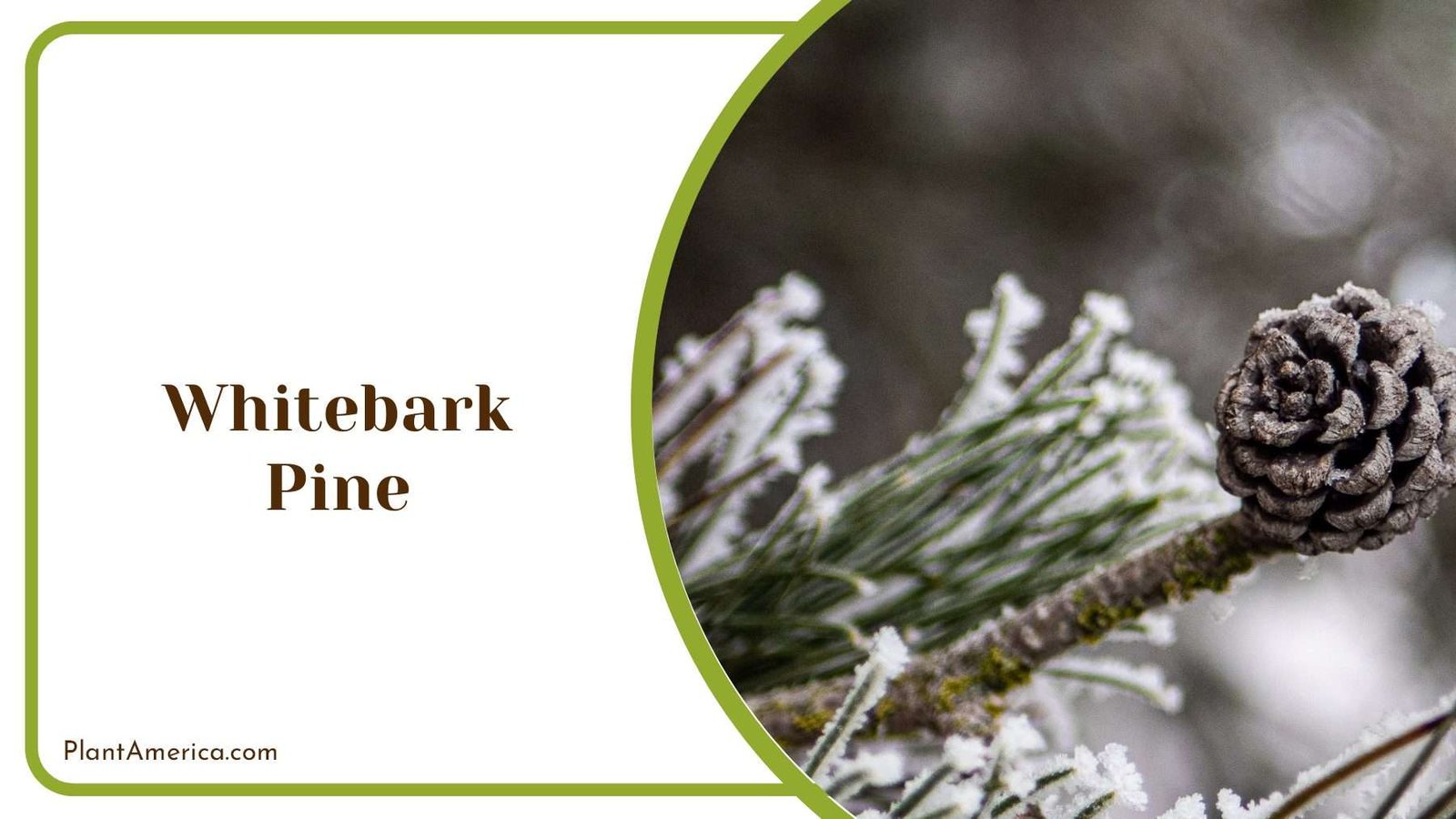
The whitebark pine produces cones that are rounded to egg-shaped, with papery scales that are thin, gray, and wrinkled when mature. The immature cones are purple-green in color. The needles of the whitebark pine are bundled in fives, curved and sharply pointed. This pine species prefers well-draining, gravelly soil and high elevations. Common pests include white pine blister rust fungus that damages needles and cones.
The papery cone scales of the whitebark pine give this species’ cones a very soft, wrinkled appearance, quite distinctive from other types of pine cones. Immature cones are purple-green but transition to pale gray as they mature, with the cone scales unfolding into loose, wispy flaps.
At full maturity, whitebark pine cones are roughly rounded or egg-shaped, only about one and a half to three inches long, and covered in fine hairs and resin that help protect the seeds within. When the cone scales peel back during autumn, they expose a bounty of winged seeds cached inside that are designed for maximum wind dispersal – a critical adaptation given the harsh, high-elevation environments typically inhabited by this important ecological species.
4. Mugo Pine cones

- Growing Season: Spring, Summer
- Leaf Shape: Needle, Narrow
- Specific Needs: Acidic soil, Well-draining soil
- Common Pests: Weevils, Spider mites
The mugo pine produces small, ovoid cones that are only about a half to one and a half inches long. The immature cones are purple but transition to yellowish-brown at maturity. The cone scales are thin and have wavy edges. The needles of the mugo pine are stiff and twisted and occur in bundles of two. This pine prefers acidic, well-draining soil and full sun. Common pests include spider mites that feed on the needles, sucking out the plant fluids.
The petite cones of the mugo pine are genuinely minute, barely longer than a thumbnail when mature. Immature cones emerge purplish-green but transition to brown as they ripen, revealing thin scales with wavy edges that help maximize surface area for seed dispersion. Due to their small size, mugo pine cones can quickly go unnoticed.
However, their diminutive stature is well-suited to this pine species’ densely branched structure and slower growth habit. The mugo pine is commonly used as a compact, ornamental landscape specimen where its miniature cones can serve as decoration long after the needles have fallen in winter.
5. Loblolly Pine cones

- Growing Season: Spring, Summer
- Leaf Shape: Needle, Narrow
- Specific Needs: Acidic soil, Moist soil
- Common Pests: Weevils, Bark beetles
The loblolly pine cone is cylindrical in shape and irregularly twisted, measuring four to 10 inches long when mature. The cone scales are thick and spiny with protruding umbo. The needles are bundled in threes and six to 12 inches long. This pine species prefers moist, acidic soil and full sun. Common pests include bark beetles that bore under the outer bark and weevils that feed within cones and needles.
The contorted, cylindrical loblolly pine cones are recognizable due to their twisted shape and large size. Immature cones emerge bluish-green but mature into brown, measuring four to 10 inches long and roughly two to four inches wide. Unlike many other types of pine cones, loblolly pine cone scales have a prominent umbo – a nub-like bump at the tip.
The thick, curved cone scales help protect the seeds through seasons of moisture and heat in the Coastal Plain, where this pine species is native. With its spiky needles and gnarled cones, the loblolly pine has an imposing presence in Southern landscapes.
6. Scots Pine cones

- Growing Season: Spring, Summer
- Leaf Shape: Needle, Narrow
- Specific Needs: Acidic soil, Well-draining soil
- Common Pests: Weevils, Aphids
The Scots pine produces oval cones that are two to four inches long and covered in sticky resin when mature. The cone scales are thick and flexible, with a distinct tingling at the tip. The needles are bundled in twos and up to three inches long. This pine prefers sandy, acidic soil and full sun. Common pests include pine weevils that bore into mature cones and lay larvae within seeds.
The resinous cones of the Scots pine are recognizable due to their dark color, oval shape, and highly prickly scales. Immature cones emerge purple-green but mature into a thick, dark brown color covered in sticky resin, which acts as both protection from insect invasion and a fire retardant.
The thick scales of the Scots pine cone are remarkably flexible, able to close tightly over the ripening seeds within before flapping open during autumn to release the seeds. The heavily resinous nature of Scots pine cones helps this species thrive in dry, nutrient-poor soils across much of Europe and into western Asia, where its distinctive cones symbolize hardiness and adaptation.
7. Limber Pine cones
- Growing Season: Spring, Summer
- Leaf Shape: Needle, Narrow
- Specific Needs: Acidic soil, Well-draining soil
- Common Pests: Weevils, Pine bark beetles
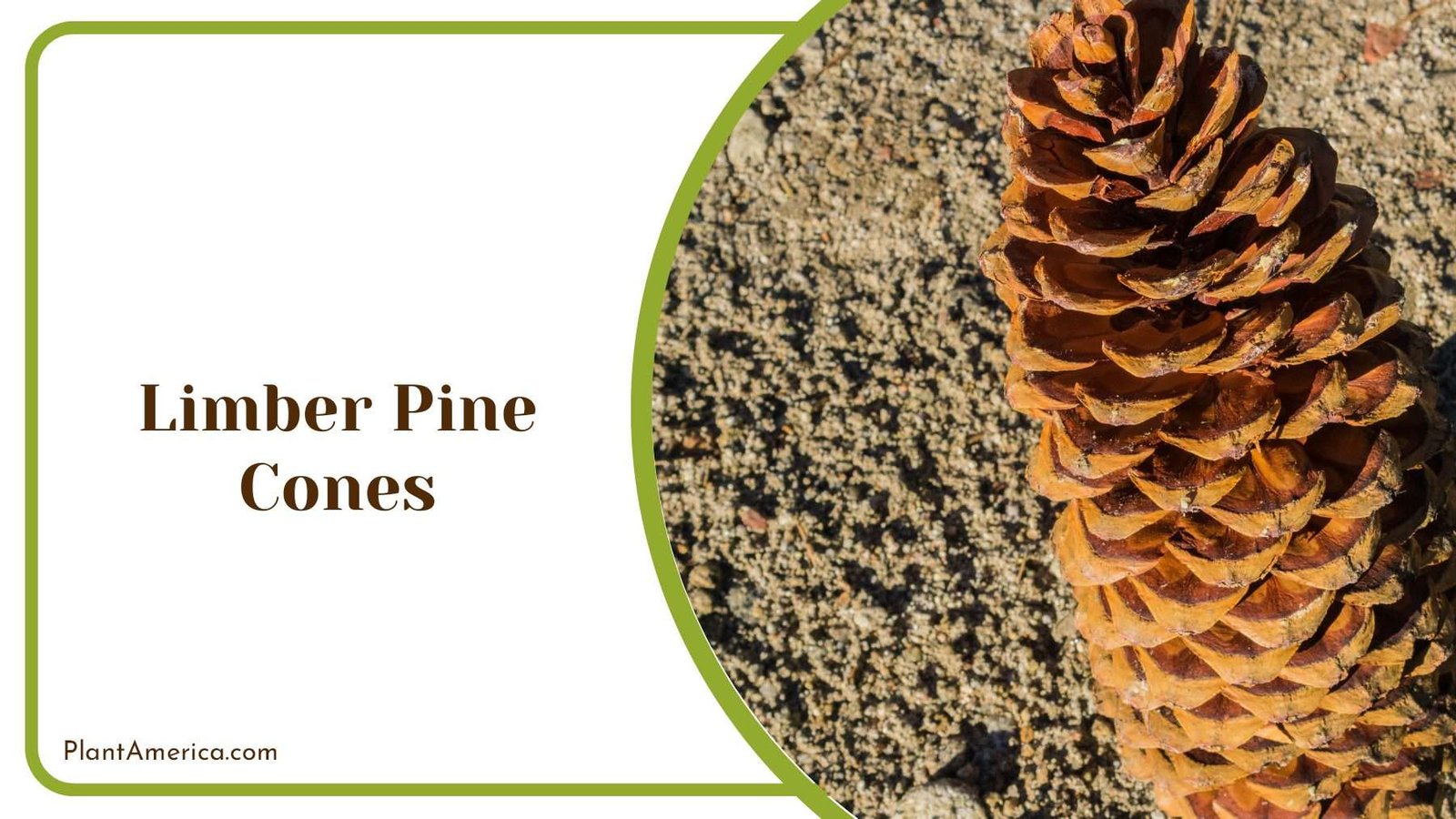
The limber pine produces conical cones that are two to five inches long with flexible, papery scales. The cone scales have elongated umbo and are covered in a waxy blue powder. The needles are bundled in fives and occur in pairs. This pine species prefers extremely well-draining soil and grows at high elevations. Common pests include bark beetles that burrow under the outer bark.
The limber pine’s gently curved, conical cones of the limber pine are easily identified due to their pale-blue dusty color, extremely flexible scales, and small stature. Immature cones emerge purple but transition to grayish-blue at maturity as a fine coating of waxy powder develops on the cone scales. The protective powder helps prevent moisture loss in the arid, high-elevation environments typically inhabited by the limber pine.
The cone scales are papery-thin yet remarkably flexible, able to repeatedly move with changes in humidity before finally splitting open in late summer to release the winged seeds within. The diminutive stature of limber pine cones, rarely exceeding three inches long, reflects the slow growth and highly adaptive nature of this tree in tough environments.
8. Table-mountain Pine cones

- Growing Season: Spring, Summer
- Leaf Shape: Needle, Narrow
- Specific Needs: Acidic soil, Well-draining soil
- Common Pests: Weevils, Pine bark beetles
The table-mountain pine produces uniquely shaped cones that are squat and cylindrical when immature, becoming urn-shaped at maturity with the scales strongly reflexed. The cone scales are thick with soft spines. The needles are bundled in twos and up to 2 inches long. This pine species prefers well-draining soil and occurs on hot, sandy slopes. Common pests include bark beetles that burrow under the outer bark.
The bizarrely urn-shaped cones of the table-mountain pine are truly distinctive, with strongly reflexed scales that form a rounded opening at the tip. Immature cones emerge upright and cylindrical but quickly take on an urn-like shape as the thick, soft-spined scales contort downward and outward, maximizing surface area to disperse seeds.
Mature table-mountain pine cones are stocky, ranging from two to three inches long and roughly the same in width, and colored a dusky brown. When ripe, the urn-shaped cone opens at the apex to release seeds from within its cavity. The contorted shape and heat tolerance of table-mountain pine cones reflects the stressful environments this species has adapted to in the mountains of South Africa, where it lives up to its name.
9. Japanese White Pine cones
- Growing Season: Spring, Summer
- Leaf Shape: Needle, Narrow
- Specific Needs: Acidic soil, Well-draining soil
- Common Pests: Weevils, Mites
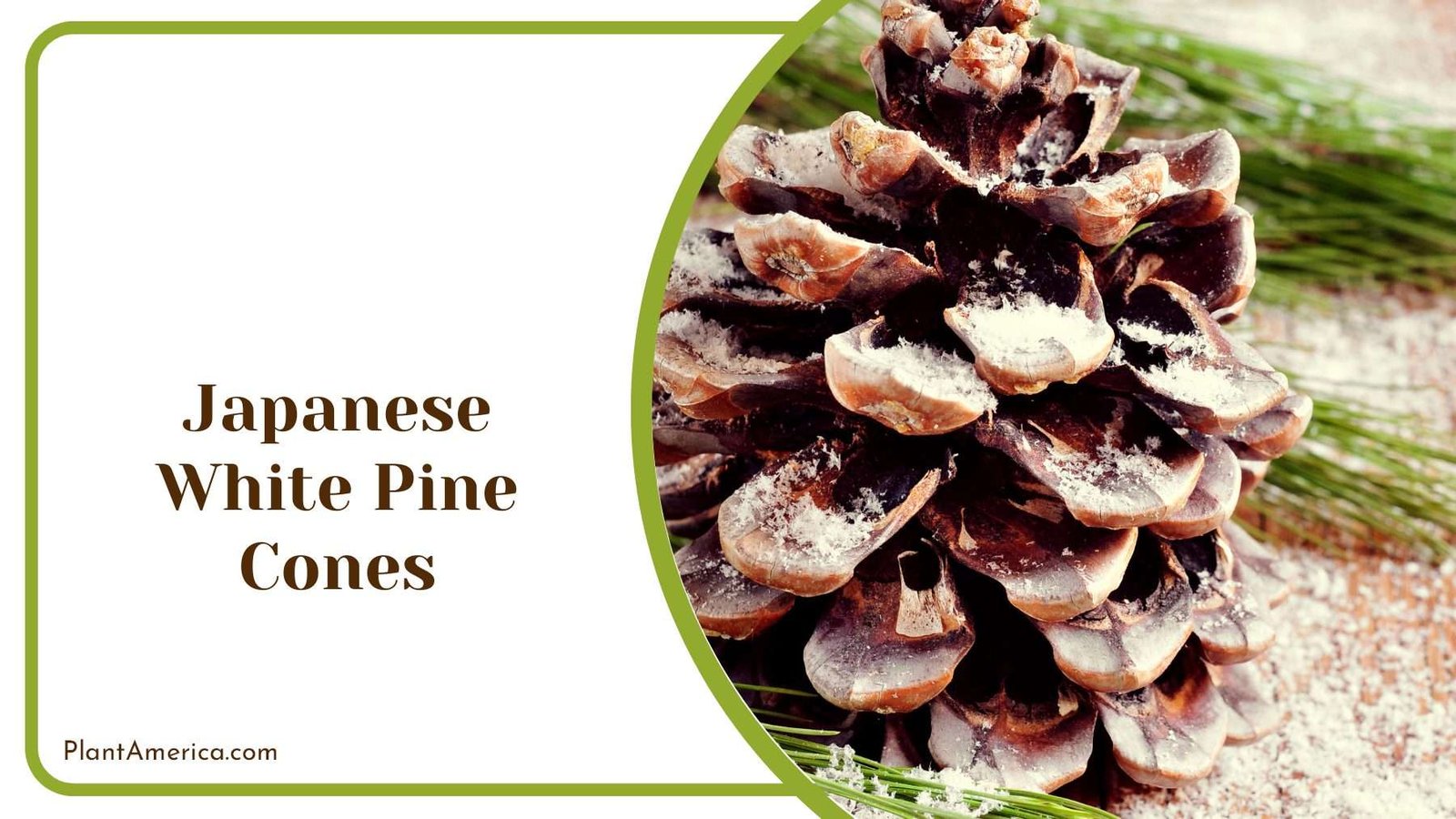
The Japanese white pine produces globular to ovoid cones that are two to four inches with thin, flexible scales. The cone scales are pale blue to gray when mature and have small recurved prickles. The needles are bundled in fives and stiff. This pine species prefers well-draining soil and full sun. Common pests include white pine weevil larvae that feed within cones and seeds.
The petite yet elegant cones of the Japanese white pine are truly a sight to behold. Immature cones emerge light purple but transition to a pale grayish-blue color at maturity due to fine indumentum of wax and resin on the cone scales. The thin yet flexible scales are covered in small recurved prickles and unfold freely once mature, allowing winged seeds to disperse easily.
Globular to ovoid in shape and only two to four inches long, Japanese white pine cones are compact yet architecturally impressive, resembling small sculptures more than plant organs. This aesthetic beauty, combined with the ability of Japanese white pines to thrive in urban settings, has made them a popular ornamental landscaping choice where their diminutive cones can shine.
10. Lodgepole Pine cones
- Growing Season: Spring, Summer
- Leaf Shape: Needle, Narrow
- Specific Needs: Acidic soil, Well-draining soil
- Common Pests: Weevils, Mountain pine beetle
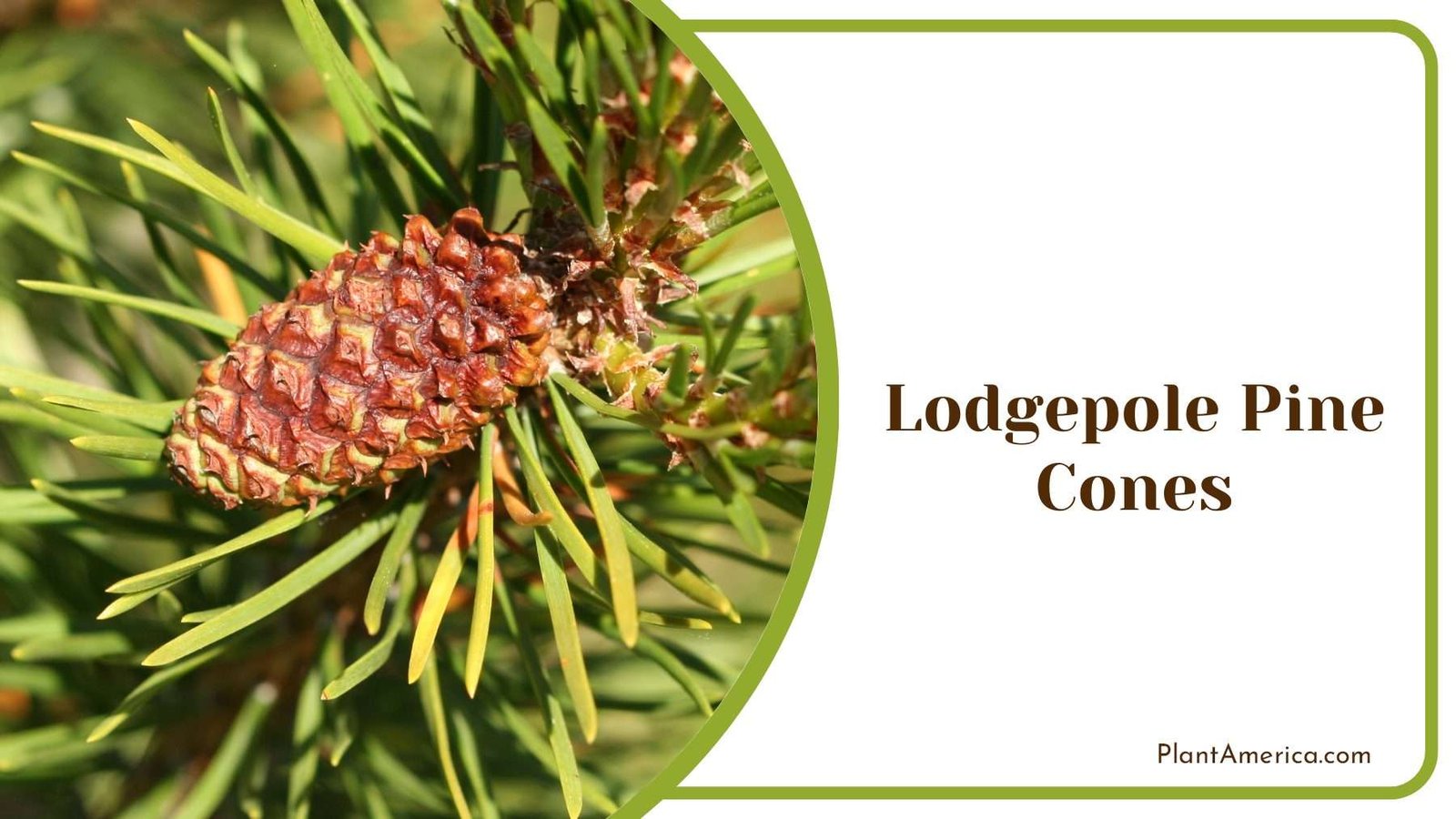
The lodgepole pine produces cylindrical cones that are three to eight inches long with thick, overlapping scales. The cone scales are covered in stiff bristles that aid in the wind dispersal of seeds. The needles occur in bundles of two and are moderately long. This pine species prefers well-draining soil and full sun. Common pests include mountain pine beetles that bore under the outer bark.
The cylindrical cones of the lodgepole pine are instantly recognizable due to their length, thick scales, and cover of stiff bristles. Immature cones emerge bluish-green but mature to a grayish-brown color, ranging from three to eight inches long.
The thick, tightly overlapping cone scales are triangular in shape and covered in stiff, V-shaped spines that serve to snag the fur of animals and the clothes of humans, helping disperse seeds far and wide. The long, cylindrical shape of lodgepole pine cones, combined with their adaptability to poor soils and tolerance for harsh conditions, reflects the success of this species across vast boreal forests of the northern hemisphere.
11. Sand Pine cones
- Growing Season: Spring, Summer
- Leaf Shape: Needle, Narrow
- Specific Needs: Acidic soil, Well-draining
- Common Pests: Weevils, Southern pine beetle
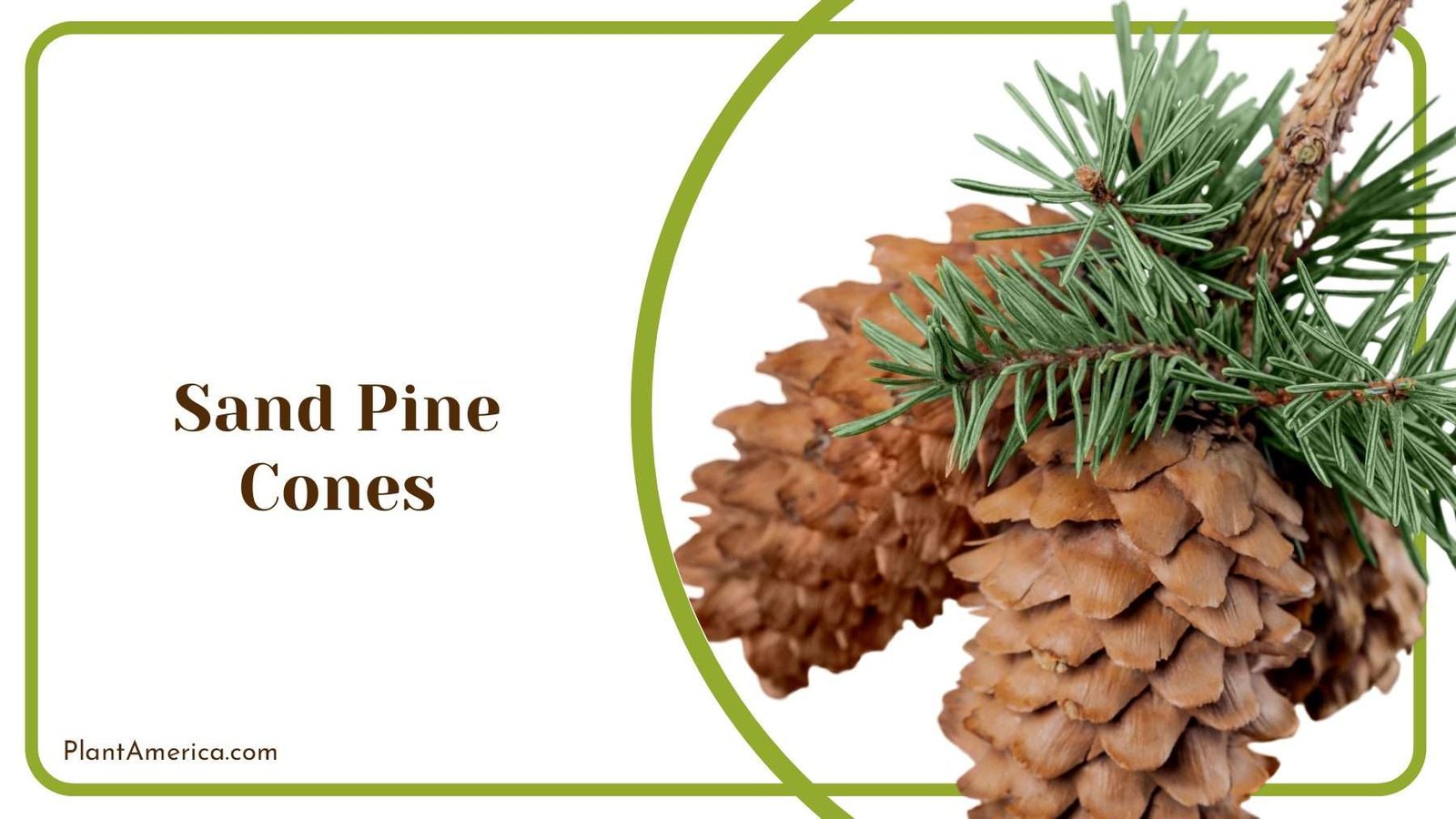
The sand pine produces conical cones that are two to five inches long with stiff, rigid scales that are thickened and recurved at the tips. The cone scales are covered in gray or brown indumentum. The needles are bundled in twos and short. This pine species prefers dry, sandy soils and grows in coastal areas. Common pests include southern pine beetles that bore tunnels under the outer bark.
The stiff, recurved scales of the sand pine form distinctive conical cones that are truly well-adapted for dispersal in dry, windy coastal environments. Immature cones emerge purple but mature to a grayish-brown color due to resinous coatings on the thick, rigid cone scales.
The tough, recurved scale tips nicely complement the conical cone shape, maximizing exposure to winds for seed dispersal while also providing extra durability against abrasive sandblasting. At maturation, the cone scales reflex upward, exposing the winged seeds within. The prickly, conical cones of the sand pine – ranging from two to five inches long when mature – epitomize the adaptations required for this species to thrive in harsh coastal scrub ecosystems.
12. Aleppo Pine cones
- Growing Season: Spring, Summer
- Leaf Shape: Needle, Narrow
- Specific Needs: Acidic soil, Well-draining soil
- Common Pests: Weevils, Pine processionary moth caterpillars
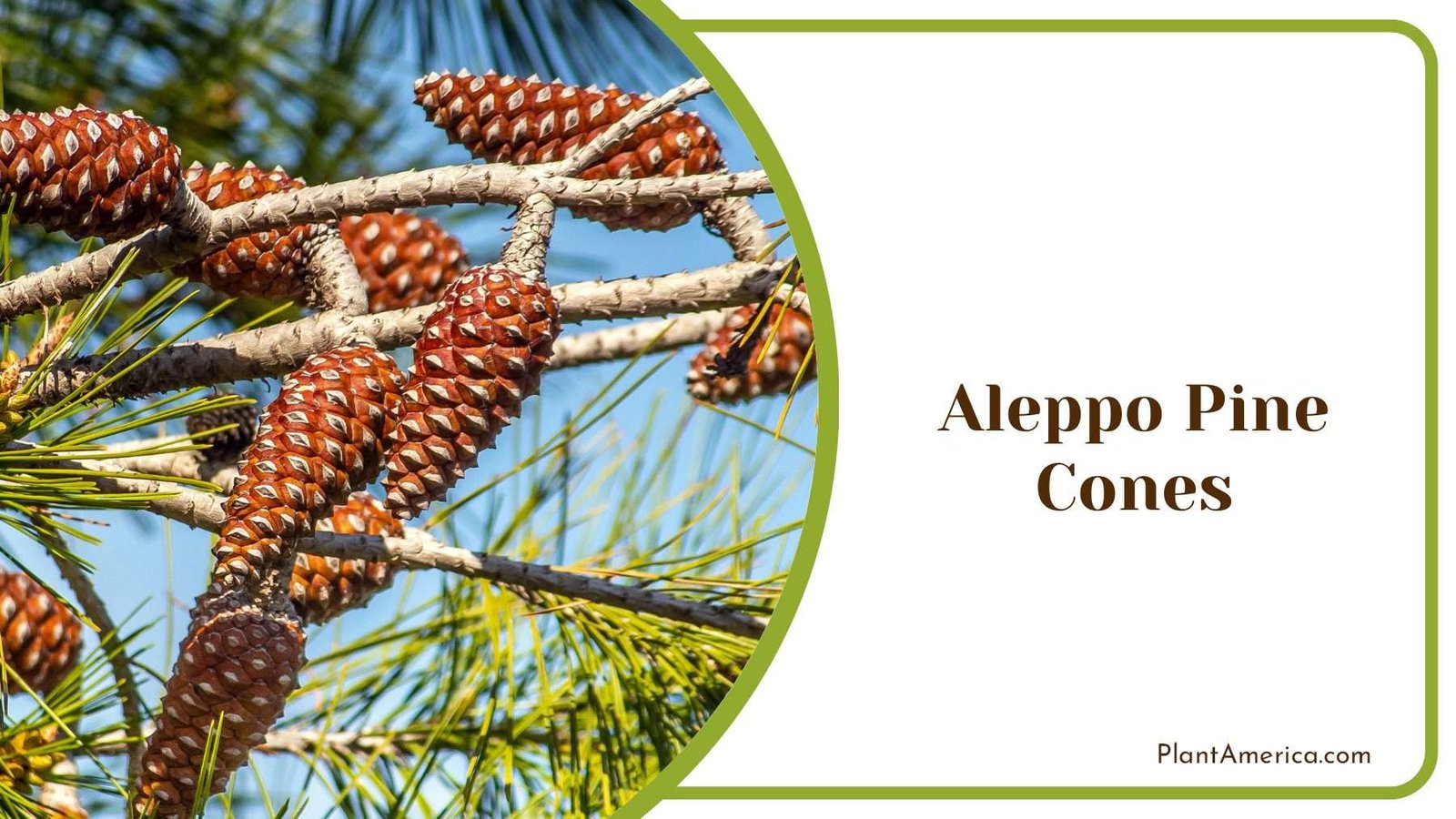
The Aleppo pine produces ovoid to cylindrical cones that are four to eight inches long and covered in stiff, recurved spines. The rigid cone scales are thick and tough. The needles are bundled in twos and bluish-green in color. This pine species prefers dry, alkaline soil and full sun, growing in Mediterranean scrubland. Common pests include pine processionary moth caterpillars that feed on needles and cones.
The thick, recurved scales of the Aleppo pine form conical to cylindrical cones that are incredibly tough and durable in the harsh, dry heat of the Mediterranean environment. Immature cones emerge purple but transition to dark gray at maturity as resinous coatings form dense layers on the cone scales.
The stiff, spine-like projections of the cone scales maximize exposure to breezy winds common in Aleppo pine habitat, aiding the dispersal of seeds. Once mature, from four to eight inches long, the cone scales reflex outward, unleashing a hail of winged seeds ready to colonize new territory.
The prickly, durable cones of the Aleppo pine epitomize the adaptive traits that have allowed this species to become so widespread across the Mediterranean basin despite extreme environmental pressures.
13. Maritime Pine cones
- Growing Season: Spring, Summer
- Leaf Shape: Needle, Narrow
- Specific Needs: Acidic soil, Well-draining
- Common Pests: Weevils, Pine processionary moth caterpillars
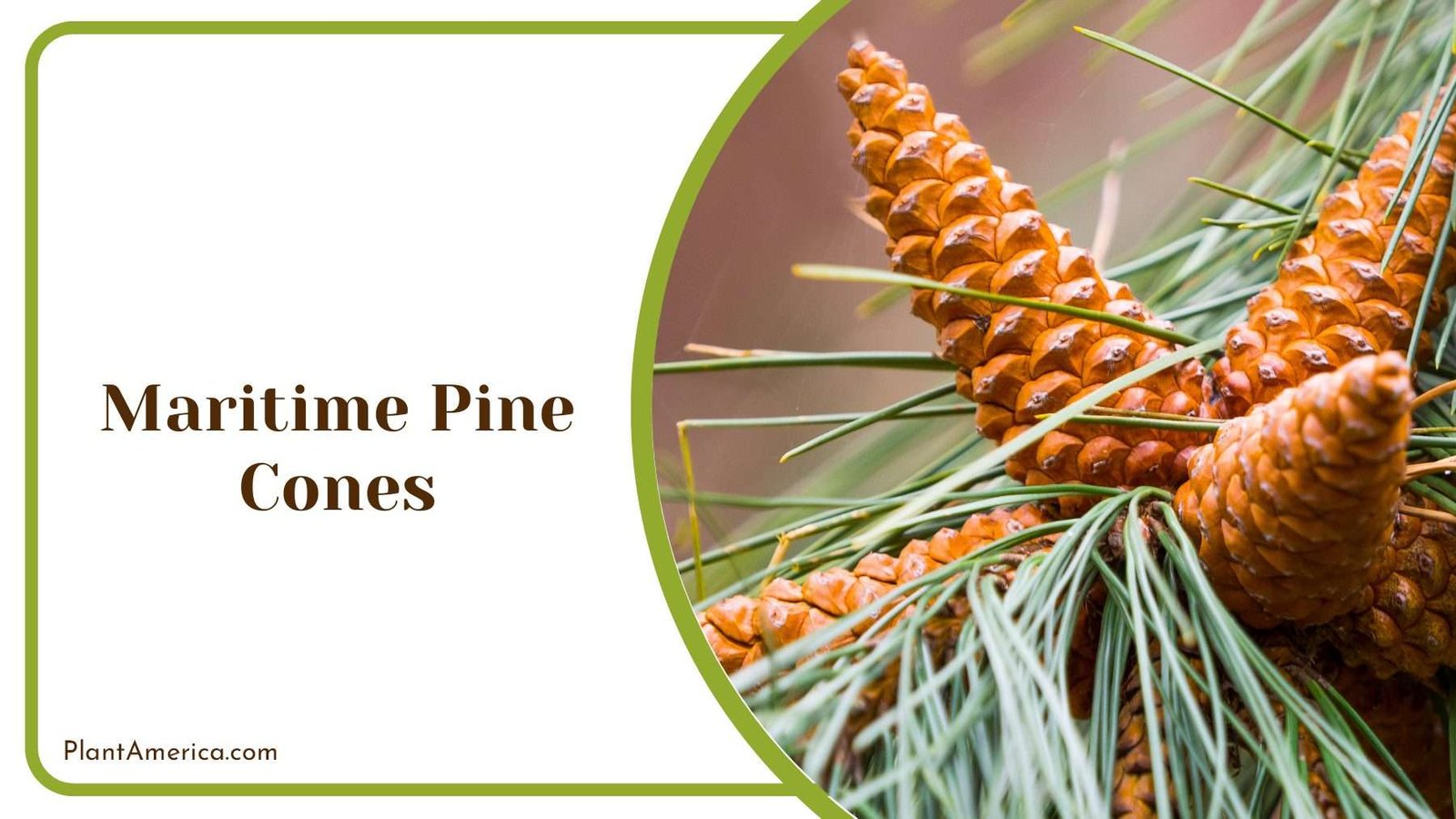
The maritime pine produces ovoid cones that are three to six inches long with thin, flexible scales. The cone scales are dark green when immature but age to grayish-brown. The needles are bundled in twos, short and blue-green. This pine prefers well-draining, limestone soil and Mediterranean conditions. Common pests include pine processionary moth caterpillars that feed on needles and young cones.
The thin yet flexible scales of the maritime pine form petite yet elegant ovoid cones that are well-suited to dispersal by sea winds along coastlines. Immature cones emerge dark green but age to a dusty grayish-brown color as resin secretion increases on the cone scales. The thin cone scales are naturally curved backward, maximizing exposure to coastal breezes that help disperse the abundant seeds produced within each cone.
The outer coating of resin acts as a water barrier and protection against abrasion from wind and sand. At three to six inches long, when mature, maritime pine cones are petite yet sturdy, reflecting this species’ adaptation to thrive in the harsh, exposed environments along Mediterranean coasts where it grows abundantly.
14. Coulter Pine cones
- Growing Season: Spring, Summer
- Leaf Shape: Needle, Narrow
- Specific Needs: Acidic soil, Well-draining soil
- Common Pests: Weevils, Sharpshooters
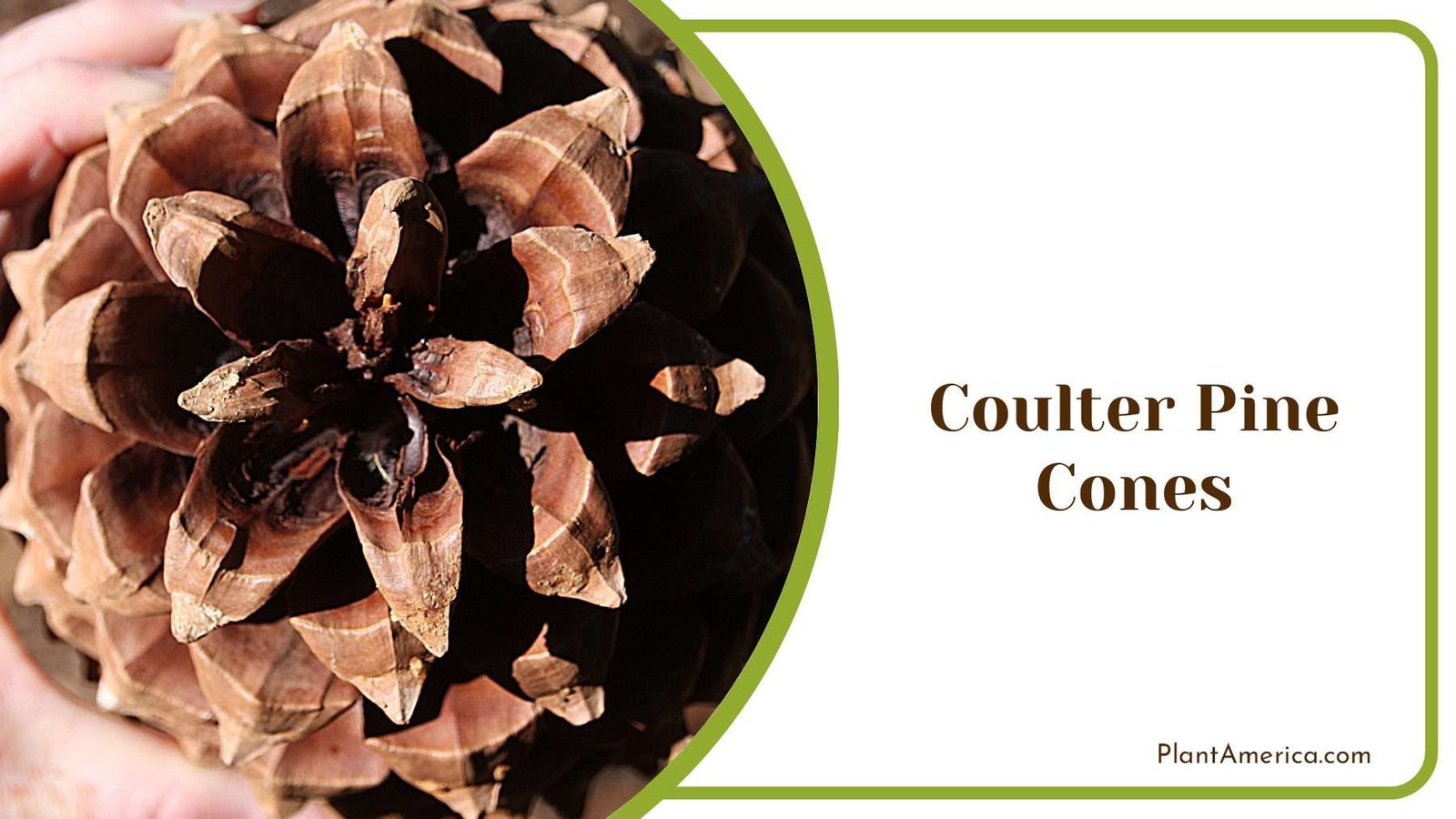
The coulter pine produces massive cones that are cylindrical, with thick, spiny scales. The cones mature in one season and then release winged seeds. The needles of the coulter pine are in bundles of three and up to 15 inches long. This pine species prefers well-draining soil and full sun. Common pests include sharpshooters that suck sap and weevils that feed within cones and seeds.
The gigantic conical cones of the coulter pine are truly impressive, measuring eight to 24 inches long when mature. As the cone develops, its scales expand outward and upward, leaving deep grooves between them that help shed water and protect the ripening seeds within.
Mature coulter pine cones are an imposing brownish-gray color and massive in size, making them the largest of any pine species found in North America. When the cone scales dry and flakes open during autumn, they unleash a torrent of winged seeds that are carried aloft by strong winds. The sheer enormity of the coulter pine cones makes them truly iconic and recognizable among types of pine cones.
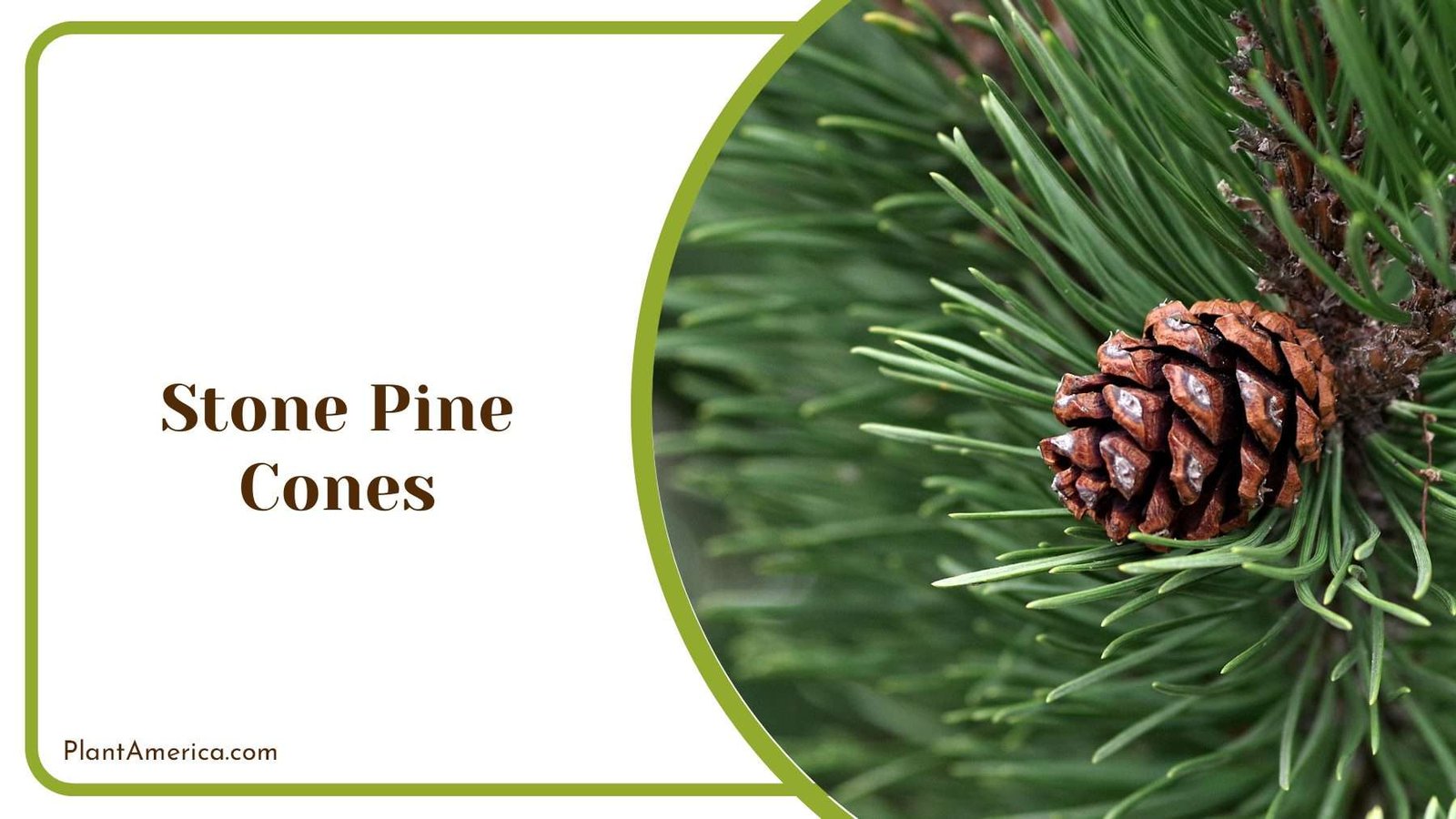
15. Stone Pine cones
- Growing Season: Spring, Summer
- Leaf Shape: Needle, Narrow
- Specific Needs: Acidic soil, Well-draining soil
- Common Pests: Weevils, Gall wasp larvae
The stone pine produces ovoid to cylindrical cones that are 4 to 10 inches long with thick, rigid scales that are strongly recurved. The cone scales are covered in brown “bristles.” The needles are bundled in twos, stiff and dark green. This pine species prefers dry limestone soil and Mediterranean climates. Common pests include gall wasp larvae that feed within cones and aphids that suck sap.
The thick, recurved scales and rigid bristles of the stone pine form distinct cylindrical to ovoid cones that are perfectly adapted to Mediterranean heat and abrasion. Immature cones emerge purple but mature to a chestnut brown color as resin secretion increases on the cone scales.
The rigid, recurved scale tips maximize exposure to drying breezes and rough handling by seed-dispersing animals. Ranging from four to 10 inches long, stone pine cones are sized for maximum durability. Open cone scales release a deluge of wind-dispersed seeds, ensuring the regeneration of this hardy pine species in the hot, rocky soils of the Mediterranean basin where it is naturally found.