
Peperomia Napoli nights is a hybrid semi-succulent species of the Piperaceae family from Central America that is becoming wildly popular as a houseplant all over the world. This Peperomia genus plant has certain unique cultural requirements that must be fulfilled before it can exhibit its gorgeous foliage.
If you are planning to take care of this plant or already have one in your possession, our plant experts have developed a guide to teach you everything you need to know about this beautiful plant.
What Is the Peperomia Napoli Nights?
The Peperomia Napoli nights is a hybrid succulent plant native to Central America that is known for its silver-green glossy foliage and small size that would fit most places in your house. Also known as Peperomia caperata napoli nights, it makes a wonderful houseplant that is very simple to look after.
– Peperomia Napoli Nights: A Description
This plant is a hybrid species created from a cross between the Peperomia peruviana and the Peperomia marmorata.
This plant is kind of small and grows only up to a foot tall maximum. Peperomia napoli nights leaves are heart-shaped and glossy, silver-green in color with thick red veins running through them. Peperomia napoli nights flowers grow on brightly colored spikes during spring. These are, however, quick, short-lived and insignificant.
Care
The Peperomia Napoli Nights plant is one of the easiest plants to grow. You will have a healthy and happy plant by following some simple care requirements. Learn to care for peperomia napoli nights like a total professional using our comprehensive guide given below.
 Water Requirements
As semi-succulent plants with a penchant for storing water in their leaves, the water requirements of Peperomia Napoli are as simple as it gets.
Find out what they are below.
– How Often Should Peperomia Napoli Nights Be Watered?
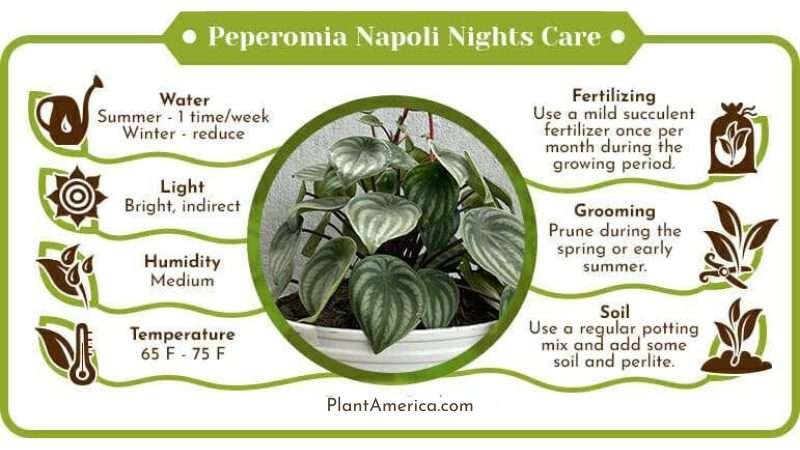
This is a plant that needs to be watered only once every week or every other week in the summer, depending on your local temperature. During wintertime, you will need to water this plant even less than this.
If you own a moisture probe, then it can be a great tool to determine when and how often to water your Napoli plant. Dip this probe in your soil. A three or four reading on this probe is the best time to water.
A one or two reading means that your soil is so dry that you should’ve watered it long before, whereas a reading higher than four means you should hold off on watering for a while.
Don’t worry if you don’t own a moisture probe because you can simply use a pencil to determine how dry your soil is. Never water this plant until at least the topsoil has dried up completely.
Don’t forget to adjust your watering frequency in the fall and wintertime. This is because not only will your plant need less water during these months but the said water will also take longer to evaporate from the soil.
– What Is the Right Way To Water?
Directing the beam of water towards the soil at the base of the plant is the right way to water the Peperomia Napoli Nights plant. Water slowly and use a moderate amount of water each time. At the end of each watering session, your soil should be moist but not wet or soggy at all.
Allow the excess water to drain out of the drainage hole and collect in the tray placed underneath, then drain this water out as well. Your plant might get fungal rot if this water is allowed to collect under it for long.
 Light Requirements
The Peperomia napoli nights is a plant that needs only medium to bright light that is either indirect or filtered. Exposure to direct light will cause this plant to get sunburnt. Keep the Peperomia napoli nights planted indoors in a room full of bright light coming from the windows. This plant will continue to grow and thrive even if it isn’t placed close to said windows.
Ideally, an eastern or a northern-facing window is most suitable for keeping this plant. This is because both windows receive only three to four hours of direct sunlight that is mild enough for this peperomia to tolerate. Even then, consider placing a screen on the windows if your plant is placed too near it.
If the windows in the room face towards the west or south, then take special care that sunlight doesn’t fall directly onto your plant. This plant will continue to grow even under lower light conditions, but it is still better to place it somewhere bright.
 Soil Requirements
The soil for Peperomia Napoli nights plant should be well-draining and loose. This allows not only proper drainage of water from the soil but also gives roots enough space to grow freely.
You can take a regular potting mix and then add some soil and perlite to it. These ingredients are excellent when it comes to loosening up the soil. Loam is another thing that can be added in place of sand when you repot peperomia napoli nights.
 Temperature Requirements
The Peperomia Napoli night plant needs consistently high temperatures all year round. Maintain them at a range of 65 to 75 degrees Fahrenheit. In fact, the higher the temperature, the better this plant grows.
Just keep in mind that high temperatures go hand in hand with high humidity levels. If the air is dry then you need to increase its moisture content to prevent your plant from burning. Find out more about the humidity needs of this plant in the next section.
 Humidity Requirements
Medium to moderately-high levels of humidity are needed to grow the Peperomia plant indoors. Most houses have at least this much humidity inside. You can also try placing them in the bathroom or in the kitchen where the air is slightly more moist than the rest of the house.
Humidity trays are our favorites! Simply take any shallow tray and fill it with medium-sized pebbles and water, then place the pot containing your plant on top of this tray such that the bottom of the pot touches the pebbles and not the water. The evaporating water will increase the humidity around your plant.
Misting is another option you can utilize to increase humidity. We recommend you mist your plant in the early evening. Buy a humidifier and set its settings to the level of humidity that you need.
Keeping similar plants close together will also increase humidity around them. Did you know that air-conditioners and vents remove moisture from the air and produce dryness? Don’t place the peperomia plant near these appliances.
 Fertilizing Requirements
This plant doesn’t really need fertilizer all that much. However, you can use a mild succulent fertilizer once per month during the growing period of the plant between spring and summer.
Don’t forget to dilute the fertilizer that you are using no matter what its original strength was. Simply spray your plant lightly with the diluted fertilizer. After two to three months, flush your soil with copious water to get rid of any built-up toxins that are common after fertilizer use.
 Pruning
If you want to prune your Peperomia Napoli nights plant, do it during the spring or early summer months to help the plant regain its health quickly. Pruning or trimming your plant will make it look neater and healthier.
Propagation
It is super easy to propagate the Napoli nights peperomia plant at home all by yourself. However, you should always take multiple propagations at a time because not all of them will be successful. This is completely normal and shouldn’t discourage you at all.
Learn how to do this below.
– Using Leaves
Take a medium-sized leaf and tear it from the parent plant gently. We always pick the leaf near the node and gently twist it off. Now cut the leaf off in two parts and bury it in fresh soil in a small pot.
You can also put rooting hormone on the cut leaf as this increases your chances of propagation. In a couple of months, tiny new leaves will start emerging if your propagation has been successful.
– Using Stem Cuttings
Take a healthy-looking stem piece from your peperomia plant and cut it using clean gardening scissors. Take a cup or a vessel, fill it with water and place your stem cutting in it.
Keep this vessel in a place where it receives bright, indirect light. Change the water once every month or when it becomes visibly dirty.
It will take around a month for the first leaf to appear, and even longer for it to grow. When you see that the stem cutting has a couple of leaves about 2 to 3 inches long, then it’s finally time to plant these in a pot.
Problems
Thankfully, the Peperomia Napoli nights plant is quite problem-free for the most part. Some of the common problems that it does face are also easy to solve and not very serious.
Learn all about these problems in detail below.
– Pests and Bugs
The most common insects that attack Peperomia plants are spider mites, mealybugs and whiteflies. Peperomia plants are fortunately not susceptible to insect and pest attacks very frequently. However, you might have to deal with them occasionally, especially if your plant is undergoing conditions of stress.
– How To Deal With a Pest Attack
The first thing you need to do is to keep a constant check on your plants.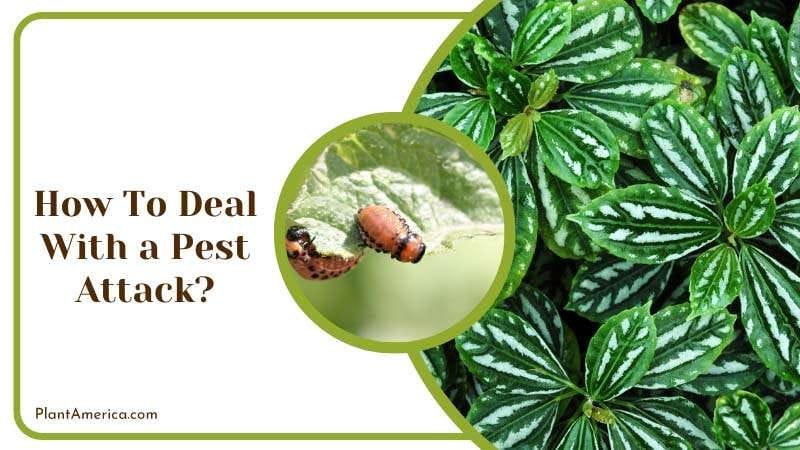
Keep an eye on the presence of any webbing on the underside of the leaves, visible spots, and pricks on the upper side as well as the physical presence of pests hidden below the leaves.
Wash your plant with soap and water to get rid of these pests. With mealybugs, you can also apply neem oil using a cotton swab to remove them manually. Insecticides should be your last option since they contain harsh chemicals.
– Leaf Shedding
It’s completely normal to have the lower leaves of your Napoli nights plant shed at a regular interval, but if you notice the leaves falling off at an alarming pace then the most probable cause is that temperatures are lower than 50 degrees Fahrenheit. Increase the heat around your plant to fix this condition.
– Overwatering
If you are watering your plant before giving its soil a chance to dry at least halfway through, then it is being overwatered.
Some signs of overwatering you might experience are as follows:
- Wilted, fragile leaves
- Squishy and plump leaves
- Occasionally, scab-like growths might start growing on your plant
Adjust your watering schedule and stick to a healthy watering routine so your plant will go back to normal.
– Brown Leaves
Brown leaves are a sign that your plant is being underwatered or the air is too dry for them. Improve your plant’s hydration by adjusting its watering schedule.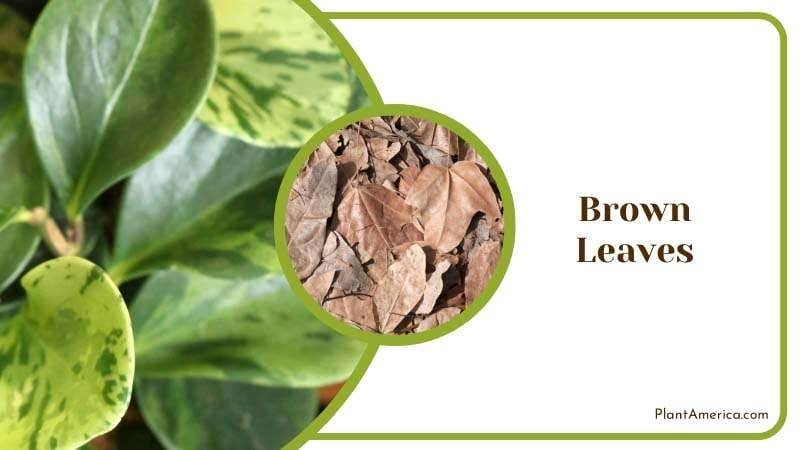
Also, improve the humidity around your plant using any of the various methods we have given above.