
Translucent small clear worm has sparked curiosity among garden enthusiasts and homeowners alike. These worms can either make your garden healthy or harm it (there’s no in-between).

So, are they our friends or foes in reality? Let’s quickly dive into their world and find out.
What is a Translucent Small Clear Worm?
️⚡ A translucent small worm is a worm/worm-like creature that is “clear,” hence the name. The transparency is primarily due to their simple body structure, mainly consisting of water and a lack of pigmented tissues. They are translucent, so they can “camouflage” into their environment to protect themselves from predators.
Translucent tiny creatures, often no larger than a few millimeters, can be mystifying; especially when encountered unexpectedly. Their clear, almost gel-like appearance might make them seem out of place, especially when they are seen wriggling through soil or water. But that’s where they live! Now, it’s time to learn translucent worm types!
– Earthworms – Tiny White Worms
Many of us are familiar with the common earthworm. While they aren’t always translucent or clear, some smaller varieties, like pot worms, might appear translucent when young.
Earthworms eat dead leaves (decaying matter), turning them into nutrients that roots can use. If you spot a worm in your garden wriggling in a wavy motion with a segmented body, it’s most likely an earthworm.
– Wireworms
Wireworms are the babies of click beetles. But there’s no need to be worried when you spot these translucent small clear worms in the house (as they don’t harm much).

These worms are skinny and long, and their bodies are hard. While mostly residing in gardens, they sometimes find their way into homes. If you see them, it might mean there are click beetles around.
– Flatworms (Planarians)
Flatworms, or planarians, are non-segmented worms with a flat body and can be found in water and damp land. It might be a planarian when you spot a translucent small clear worm in garden, particularly in moist areas.
They have a simple appearance with a distinct head. Some believe them to be clear worm parasites, but most planarians you find in gardens are harmless and feed on small particles or tiny organisms.
– Leeches
They have a segmented body and can be pretty stretchy. Although they are mostly known for their blood-sucking habits, not all leeches feed on blood.

Some of them consume small particles or tiny aquatic animals. A type of leech that may look translucent when young is often called little white worms. Even though leeches might seem a bit creepy, they have a purpose in the water ecosystem and are used for medicinal reasons.
– Aquatic Larvae
If you see worms in water, they might be in the early stages of different insects that live in water. These larvae are usually in the developmental stage before they turn into adults. They have a simple, elongated body and might wriggle or swim in the water.
– Fungus Gnat Larvae
Are you seeing a translucent small clear worm with black head? Then, it’s a fungus gnat larvae! These are little worms that you might see moving around in your houseplants, especially in the upper layer of the soil.

The term tiny clear worms in houseplant soil usually refers to these larvae. They feed on fungus, hence the name “fungus gnats.” Although they generally don’t harm the plants, a large number can be a nuisance.
Other translucent worms include:
- Plant-parasitic nematodes (parasitic worms)
- Free-living nematodes (beneficial nematodes).
- Omnivorous nematodes (predatory nematodes)
- Fungivorous nematodes
- Bacterivorous nematodes
Where Do Translucent Clear Worms Come From?
Translucent clear worms come from infected hosts (humans, animals, etc.) or aquatic environments. Remember that they like damp environments and tend to show up after it rains a lot or in soils with too much water. So, you will also see them when the environment gets favorable for them.
– From Infected Hosts
Translucent, small, clear worms can sometimes originate from infected hosts. Some worms live inside plants, animals, or even humans, not always causing harm, but sometimes they do.
Plants: Some potted plants can host these tiny worms, especially nematodes. When the number of these worms is small, the plant might not show any signs of distress. But the plant might become weak or even die when there are many worms.
Animals: Some animals, especially those that live in or near water, can get infected by worms. For instance, fish might swallow worm larvae when they drink water. These young forms can develop inside it and turn into fully-grown worms. The cycle continues when the fish dies or gets eaten by another animal.
Humans: Though it’s not pleasant to think about, humans can also play host to certain types of worms. These might enter the body through contaminated food, water, or skin. They might live in the intestines or other parts of the body.
When a host, be it a plant, animal, or human, gets infected, it can spread the worms to its surroundings. For example, if an infected fish dies in a pond, it can release the worms into the water. Similarly, if an infected plant gets uprooted, the worms might end up in the soil and find a new place to live.
– Aquatic Environments
Water, whether a pond, stream or even a puddle, can be a haven for translucent, small, clear worms. Ponds and Lakes: These still-water bodies can have many tiny worms. They might be free-living, so they move around freely and feed on small particles in the water.
If you have a pond in your garden and spot translucent worms in water, they might have come from the soil, plants, or air.
Streams and Rivers: Moving water can also host these worms. They might feed on organic matter that flows with the water or on small organisms that live in the stream. If you ever collect water from a stream and let it settle, you might see worms at the bottom after some time.
Puddles: You might notice tiny worms in puddles after a rain shower. These worms could have come from the soil, washed away by the rain. Or they might have fallen from potted plants or trees. Puddles offer them a temporary home where they can live till the water dries up.
– Favorable Environmental Conditions
Like all living creatures, translucent worms have specific environmental conditions they prefer, such as:
Moisture: One of the most crucial factors for these worms is moisture. Damp places give these worms the moisture they need to move around and eat. That’s why after a rain shower or if you water your garden, you might notice an increase in their presence. Wet soil or damp surroundings are a playground for these tiny critters.
Organic Materials: These worms primarily feed on organic or decaying matter. It is like a buffet for them, whether decaying plants, fungi, or other microscopic beings. Gardens with compost, mulch, or decaying leaves often see a surge in worm activity because of the abundant food source.
Mild Temperatures: Extreme cold or hot temperatures aren’t suitable for these worms. They prefer mild, temperate climates where they can remain active without getting frozen or overheated. That’s why, during scorching summer days or cold winter nights, they may burrow deeper into the soil or find shelter to protect themselves.
Shelter: These worms need shelter from predators and harsh environmental conditions like any other creature. Loose soil, under rocks, within decaying logs, or plant roots, provides them with the necessary protection. They can quickly move through these spaces, avoiding anything that could harm them.
Low Light: These worms aren’t big fans of direct sunlight. Too much brightness can dry them out and hurt them. That’s why they are most active during dawn or dusk or on cloudy days when the sun isn’t too intense. If you ever try to spot them, these are the best times to find them actively moving around.
What Are the Benefits of Translucent, Small, Clear Worms?
Translucent small worms have many benefits, but the top ones are that they aerate the soil and enrich it further with nutrients. As a result, plants keep flourishing. They also “filter out” the soil from harmful chemicals, which keeps the roots thriving.
– Nutrient Recycling – Can Enhance Soil Quality
Another critical thing about see-through, small worms is how they help recycle nutrients.
Breakdown of Organic Matter: These worms feed on various organic materials, from decaying leaves to other microscopic organisms. As they consume this matter, they break it down into simpler components.
Beneficial for Plants: With the nutrients from the worm castings readily available, plants can easily absorb them (so they won’t face nutrient deficiency).
– Helps Soil Biome
Every ecosystem depends on a web of interactions, a series of give and take that keeps the balance. Translucent small worms are pivotal in feeding the soil biome in the intricate soil ecosystem.
Feeding Microorganisms: The activities of translucent small worms are beneficial for the microscopic life in the soil. When these worms break down stuff from plants and animals, they create simpler stuff. This “simpler stuff” becomes food for many bacteria and fungi (the foundations of the soil’s food chain).
Stimulating Soil Life: Beyond being a direct food source, the mere activity of these worms stimulates other soil life. As a result, there’s a burst of life and movement every time these worms are present and active.
– Bioremediation
Bioremediation is a method where living things are used to clean up/eliminate pollutants. In the context of translucent small worms, their role in bioremediation is subtle but significant.
Some species of these worms can feed on specific pollutants or toxic substances. For instance, certain types of nematodes are known to consume and neutralize heavy metals in the soil. As they remove these toxins, they render them inert or less harmful, cleaning the soil.
If a region has a declining worm population or these creatures exhibit signs of stress, it might indicate an underlying issue with pollution or other environmental threats.
What Problems Can Translucent Small Worms Cause In Your Garden?
Translucent worms can cause lots of problems if their numbers increase. They can help spread fungal and bacterial infections. Furthermore, these worms can also disturb the soil structure with their behavior, which can stress roots and lead to crop loss.
– Plant/Seedling Damage
Seedlings are young and tender and are the future of any garden. It’s, therefore, quite distressing when they face threats, and translucent, small, worms can sometimes be the culprits.
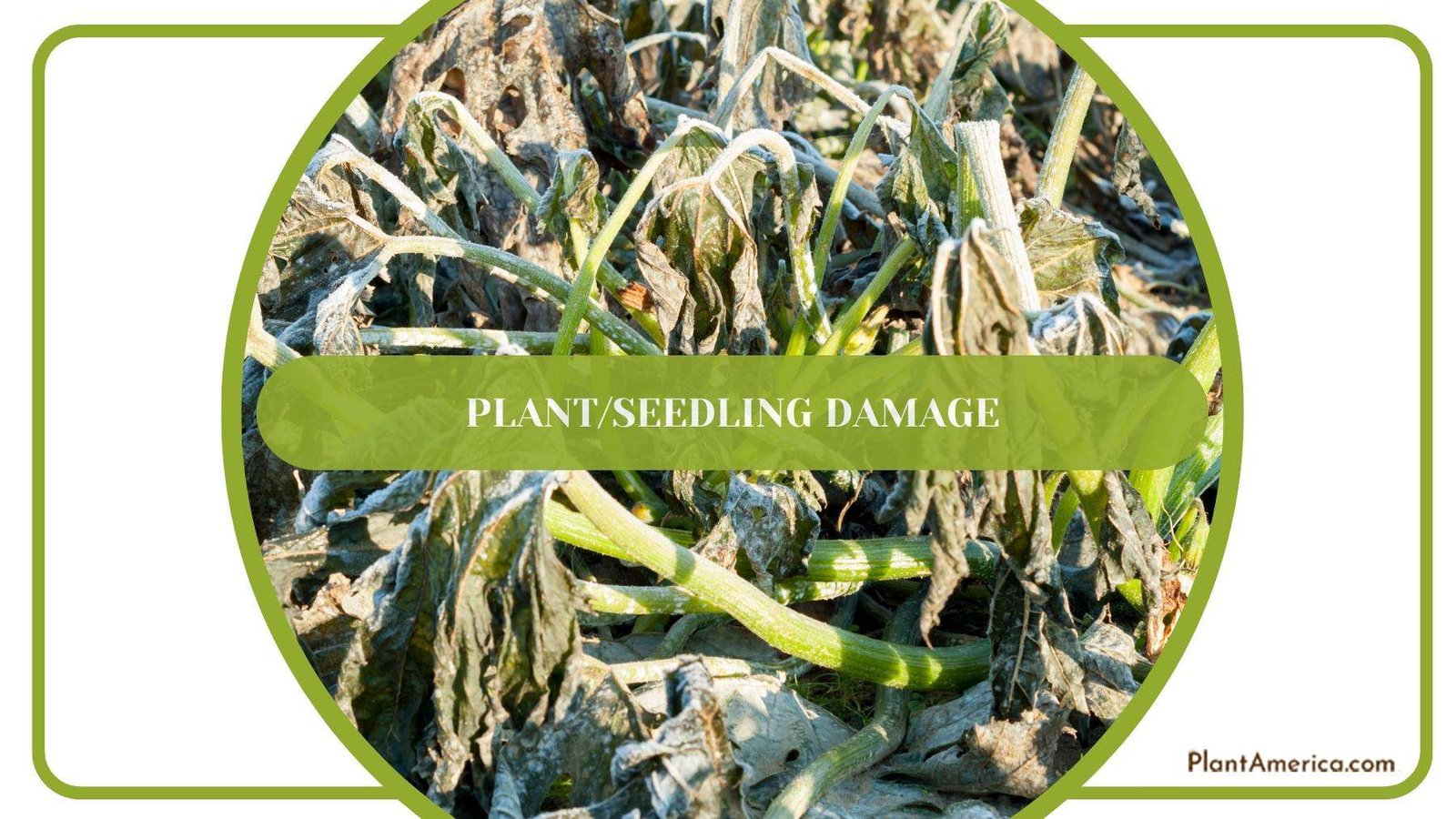
Direct Consumption: Some species of these worms, particularly certain nematodes, are known to feed on the roots of young plants.
Weakening Plants: Even if these worms don’t directly consume the plants, their activity around the roots can weaken the seedlings.
Limiting Growth: Worms feeding on the roots can limit a seedling’s growth. The plant can’t absorb nutrients effectively with damaged roots, leading to death.
– Crop Loss
For those who farm or garden for sustenance, worms can sometimes threaten the harvest.
Attacking Edible Roots: Some garden crops, like carrots or radishes, grow beneath the soil. Worms that feed on or damage these can lead to a direct loss of edible produce.
Reducing Yield: Even if the worms don’t target the part of the plant we eat, by affecting the plant’s overall health, they can reduce the overall yield of the crop. For instance, a tomato plant with damaged roots might produce fewer tomatoes.
– Can Disrupt Soil Structure
While many worms are known to better the soil structure, the activities of worms can be less beneficial in specific scenarios.
Over-Aeration: If there’s an overabundance of these worms, their tunneling can lead to excessive aeration, making the soil too loose.
Altering Soil Composition: As these worms feed and excrete waste, they can sometimes change the soil’s chemical composition. In cases where there’s a high concentration of these worms, this could make the soil less favorable for specific plants.
– Fungal and Bacterial Infections Transmission
Translucent, small worms move through the soil, interacting with various microorganisms.
Carrying Pathogens: If a part of the soil is infected with certain fungi or bacteria harmful to plants, these worms can carry these pathogens as they move, spreading the disease.
Creating Entry Points: Their feeding activity, especially around plant roots, can create wounds or entry points. These can become gateways (like doors) for harmful germs, making spreading infections easier.
– Decreased Aesthetics
In some cases, particularly in moist conditions, the movement of these worms can leave visible trails or patterns on the soil’s surface, which some gardeners might find unattractive.
Other aesthetic damages are as follows:
Wilted or Damaged Plants: Plants affected by these worms, either due to root damage or disease transmission, can appear wilted, discolored, or stunted. This can disrupt the uniform look of a garden or flower bed.
Signs of Overpopulation: In cases of worm overpopulation, you might find clusters or piles of these creatures, especially in moist and shaded areas.
How Do You Control Translucent Small Worms?
You control translucent small worms by manually removing them, using neem oil, or diatomaceous earth. For severe infestations, chemical pesticides might be necessary. You can also use solarization and floating row covers to deter these worms. Using at least two of these measures for faster results is better.
– Hand Picking/Manual Removal
The simplest method can sometimes be the most effective, especially when dealing with visible infestations. Here’s how hand-picking can be a helpful approach:
Observation: The first step is always to observe and identify where these worms are most concentrated. Early mornings or just after a rain shower are the best times to check, as the worms are most active then.
Hand Picking: With gloves, you can manually pick these worms from the soil, plant roots, or wherever they are found. It’s a careful process but ensures you eliminate only the bad guys without hurting the helpful ones.
Collect in Containers: Place these worms as you pick them in a container. You can then decide whether to relocate them far from your garden or use them as food for chickens or fish if you have them.
Frequent Checks: Manual removal is a continuous process. You’ll need to check regularly, especially during the peak growing season, to ensure the worms don’t return significantly.
– Apply Neem Seed Oil
Neem seed oil is a natural pesticide that affects the hormonal system of pests (including worms), preventing them from growing. It doesn’t immediately kill the worms but reduces their numbers over time.
Application:
- Mix neem oil with water per the recommended ratio (usually provided on the product label).
- Spray it on the affected areas.
- Cover the soil around the plants and the plant’s base, as the worms are most likely present.
Safety: Neem oil is safe for most beneficial insects, birds, and mammals, making it an environmentally-friendly choice. However, wearing gloves while handling and spraying it is always a good idea.
Regular Use: For effective results, apply neem oil every 7-14 days or more often if you notice a severe infestation.
– Diatomaceous Earth
DE comprises tiny fossilized aquatic organisms or diatoms. Their skeletons are sharp and can cut through the tough coverings of different pests, like see-through small clear worms. When they’re cut, these worms dry out and die.
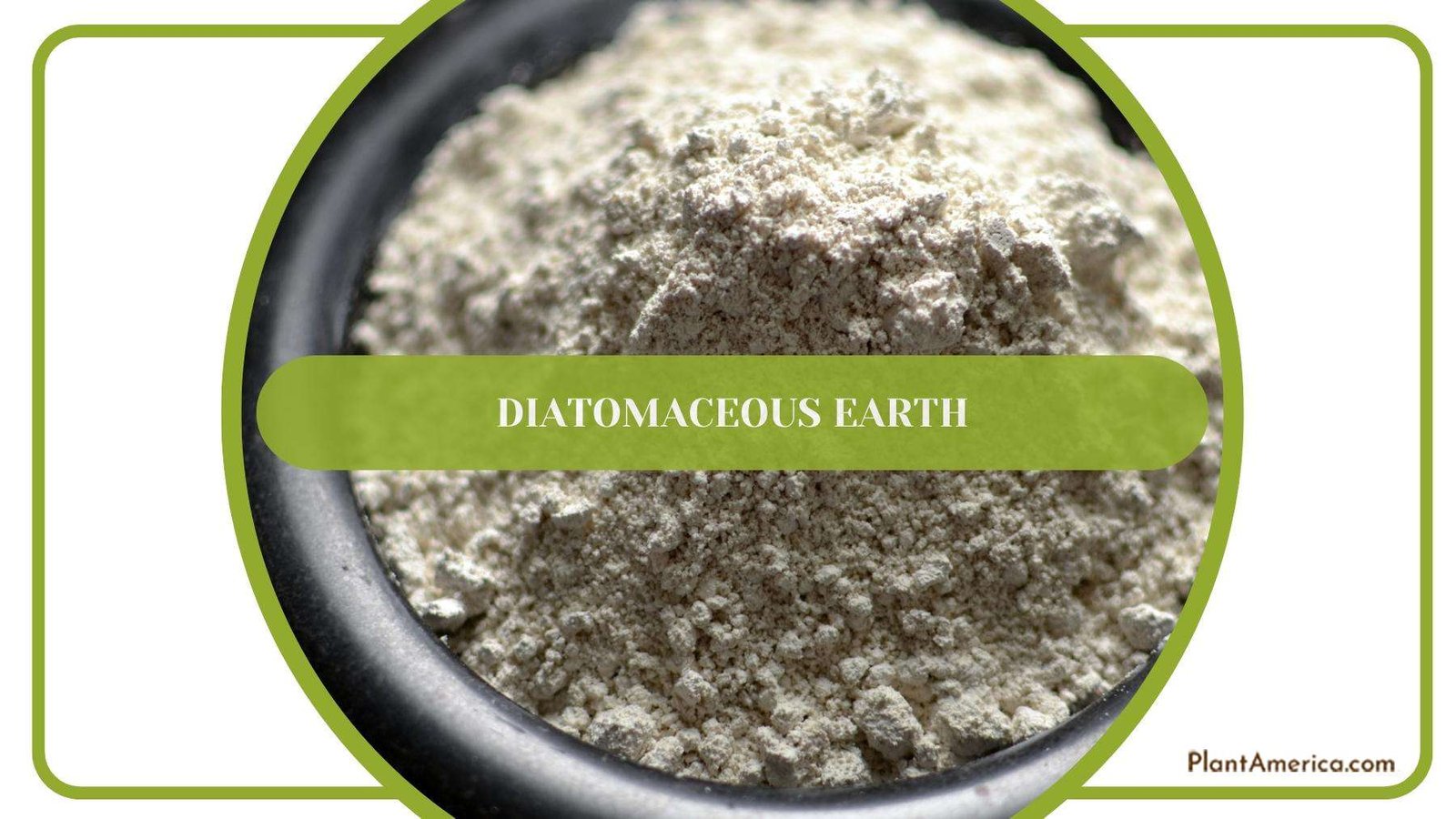
Application: Sprinkle diatomaceous earth over the soil surface where you’ve noticed the worms. If you’re dealing with worms on plants, apply a thin layer on the foliage, ensuring you cover the areas where the worms frequent.
Safety Precautions: While DE is non-toxic, it’s a fine powder that can irritate the lungs if inhaled. Always wear a mask when applying it. Also, ensure you’re using food-grade DE, not the type used for pool filtration, which can be harmful.
Rain and Watering: DE works best in dry conditions. If it rains or you water your garden, you might need to reapply DE, as its effectiveness diminishes when wet.
– Floating Row Covers
A physical barrier is another great way to keep worms away from your plants. This is where floating row covers come into play. They let light, air, and water reach your plants but stop pests from getting in.
Installation:
- Place hoops or arches over the rows of plants you wish to protect.
- Drape the cover over these supports, ensuring the plants are fully covered.
- Secure the edges with soil, stones, or specialized clips to keep the cover in place and prevent pests from slipping underneath.
Benefits:
- Protection from Various Pests: While designed for our worm issue, these covers protect plants from various pests, including insects and birds.
- Microclimate Creation: The covers can provide a warm environment, thus accelerating plant growth, especially in early spring or late fall.
Considerations: Be mindful when using row covers during the flowering phase of plants that require pollination, such as squash or cucumbers. These covers can prevent pollinators from accessing the flowers, so they should be removed during this phase.
– Soil Solarization Also Works
Using the sun’s energy can be a strong way to fight worm infestations in your garden soil.
Procedure:
- Clear the Area: Start by clearing the garden bed and removing any plants, weeds, or debris.
- Moisten the Soil: Wetting the soil helps in conducting heat more effectively.
- Cover with Plastic: Lay a clear plastic tarp over the soil, pulling it tight to the ground. “Fix” the edges in the soil to trap the heat. The plastic should be in contact with the soil surface.
- Duration: Leave the plastic in place for at least four to six weeks during the hottest part of summer. You want to raise the soil temperature to levels lethal for pests, generally between 110 and 125 degrees Fahrenheit at a depth of about 6 inches.
– Use of Chemical Pesticides
While chemical solutions are not the first choice for many gardeners, they can be effective when dealing with large-scale infestations.
Choosing the Right Pesticide: Numerous pesticides are available in the market, so picking one specifically effective against translucent small worms is crucial. Always read the label and ensure it suits your problem and plants.
Application: Most chemical pesticides come in a spray form. Apply uniformly, ensuring you cover the affected areas thoroughly. Avoid spraying during the hottest part of the day or when it’s windy to prevent the chemical from drifting or harming non-target plants.
Environmental Impact: Be aware that chemical pesticides can adversely affect the environment. Choose eco-friendly options if available, and always use chemicals as a last resort.
Re-entry Time: Most pesticides will have a specific waiting period before you can re-enter the garden. Ensure you adhere to this period to avoid any potential health risks.
That’s everything about how to control translucent worms with easy methods.