
How to transplant gardenia of the Rubiaceae family is a talent many gardeners have mastered. If you still need to figure it out, don’t worry.
This article is here to guide you every step of the way!
Factors to Consider for Gardenia Transplantation
Timing, soil, watering, and temperature are just some of the considerations when transplanting the gorgeous gardenia. Let’s check out all of them.
– Best Time to Transplant
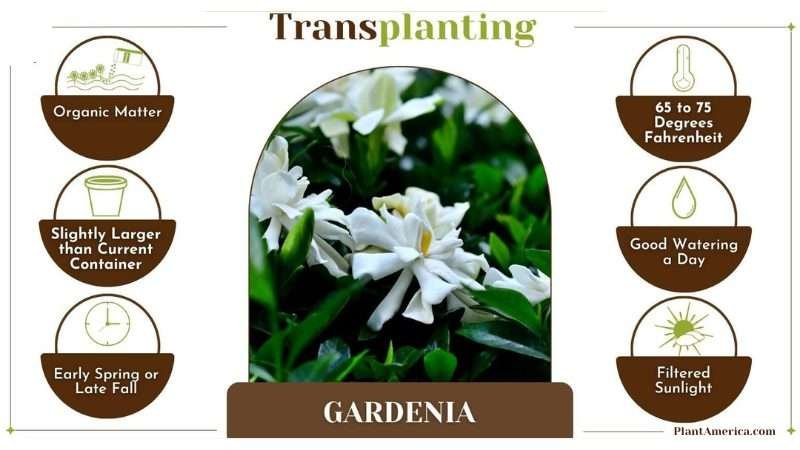
The best time to transplant gardenias is during the early spring or late fall when the plant is in a semi-dormant state. During these seasons, gardenias are less active in terms of growth and flowering, which minimizes stress on the plant during the transplantation process.
Spring allows the gardenia plant to establish its roots before the heat of summer, while fall provides a window of opportunity before the onset of winter cold. Avoid transplanting during the height of summer or in the dead of winter, as extreme temperatures can shock the plant and reduce its chances of successful establishment.
– Soil and Fertilization
Gardenias flourish in soil that is both well-draining and slightly acidic, ideally falling within a soil pH range of 5.0 to 6.0. To create the optimal environment for these beautiful plants, you need to prepare the soil mixture really well.
This involves adding organic matter to enrich it and ensuring that water can drain freely, thus avoiding the problem of waterlogged roots. In terms of fertilization, select a balanced, slow-release fertilizer specifically formulated for acid-loving plants.
– Watering (Before and After Transplanting)
Prior to transplanting your plant, give it a good watering a day or two ahead of time to ensure that the plant’s roots are well-hydrated, making them more resilient during the transplantation process. Once the transplant is completed, keep the soil consistently moist to provide the necessary support for root establishment.
– Temperature Requirements
Gardenias thrive in moderate temperatures ranging from 65 to 75 degrees Fahrenheit as this temperature range promotes healthy growth and flowering. Transplanting during extreme heat or cold should be avoided, as it can cause shock and stress to the plant.
To ensure a successful transplant, choose a time when the weather falls within this optimal temperature range.
– Proper Pot (Potting Medium) or Ideal Spot
If you’re repotting, ensure it is slightly larger than the current container to allow room for root expansion. Select a potting medium that provides good drainage and is rich in organic matter to support healthy root development.
If transplanting in the ground, choose a location with well-drained soil and partial to full sunlight, as gardenias thrive in these conditions. Both the right pot and ideal spot will provide the necessary foundation for your gardenia to flourish in its new environment.
– Light Requirements
Gardenias thrive in bright, indirect sunlight, making them ideal for locations with filtered sunlight or partial shade. Inadequate light can lead to reduced flowering and leggy growth. To meet their light needs, ensure your gardenia receives at least four to six hours of indirect sunlight daily, protecting them from the harsh, direct midday sun, which can scorch their delicate leaves.
How to Transplant a Gardenia
Transplanting a gardenia involves assessing it, collecting the tools, and preparing the plant, as well as the new planting site. Once you have everything prepared, dig up the plant, transplant it, and provide post-transplant care. Let’s look at the steps in greater detail!
1. Assess the Shrub
Check the gardenia for signs of disease, such as yellowing leaves, black spots, or fungal growth. Trim affected or dead branches with sterilized pruning shears.

Inspect the gardenia root system, avoiding harm to the roots. Healthy roots are firm, white, and well-established. Trim brown, mushy, or rotting ones with clean, sharp pruning shears.
Evaluate the gardenia’s size and shape to match its new spot or pot. Prune for balance and reduce legginess if needed. Watch for pests like aphids or scale insects and address infestations before transplanting using insecticidal soap or neem oil.
Consider the gardenia’s age and health. Younger, healthier plants transplant better. If it’s mature or in poor health, consider propagation through cuttings instead.
2. Gather Your Tools
Preparing for a successful gardenia transplant requires a few key tools. Start with a sturdy shovel for careful root ball excavation and pruning shears to trim unhealthy branches. If using a new pot, ensure it is slightly larger and have an acidic plant potting mix ready.
You’ll need a bucket and watering can for soil preparation and hydration. Protect your hands with gardening gloves, use a trowel for precise planting, and keep a sharp knife or pruners handy for root adjustments.
3. Water the Soil Pre-Transplant
A day or two before the planned transplant, thoroughly water the soil surrounding the gardenia. This pre-soaking serves two purposes: it softens the soil, making it easier to dig up the plant, and it hydrates the root system, reducing the risk of gardenia transplant shock.
Avoid over-saturating the soil, as excessively wet conditions can lead to soil compaction and may prove problematic for root health. If the gardenia is in a container, ensure that water drains freely from the bottom, preventing the roots from sitting in standing water.
4. Prepare the New Spot with Fertilization
Gardenias grow best in slightly acidic soil with a pH between 5.0 and 6.0, so test the soil and adjust the pH if necessary. You can use a soil test kit or consult your local nursery for guidance.
Once you have determined the pH of the soil, incorporate organic matter, such as compost or well-rotted manure, into the planting area. This improves soil structure, provides all the essential nutrients, and aids in water retention.
Gardenias benefit from the application of slow-release fertilizer to provide a consistent source of nutrients over time. Choose a balanced fertilizer with a formula like 10-10-10 or 14-14-14, which indicates the ratio of nitrogen, phosphorus, and potassium.
When applying the fertilizer, follow the recommended dosage on the product label. It’s typically measured in ounces or tablespoons per square foot. Make sure that you evenly spread the fertilizer over the planting area and work it into the soil to a depth of about six inches. Avoid direct contact between the fertilizer and the gardenia’s roots, as this can cause root burn.
5. Dig Up the Gardenia Plant
Use a sharp shovel to dig a circular trench around the gardenia, keeping it at a distance from the plant’s base to avoid damaging the roots. The trench should be wide enough to accommodate the root ball while ensuring minimal root disturbance. As you dig, angle the shovel inward to create a slight slope underneath the root ball, making it easier to lift.
Once the trench is complete, work your way carefully around the gardenia, loosening the soil and root system in the process. With the roots exposed and the plant loosened, use both hands to lift the gardenia from its current location, taking care to support the root ball.
Avoid pulling or tugging on the plant, as this can damage the delicate roots. If the gardenia is in a pot, tap the sides of the container to loosen the root ball before carefully sliding it out.
6. Transplant the Gardenia
Place the gardenia into its new location, making sure that the level of the root ball matches the depth it was planted in its previous spot. This helps maintain the plant’s stability and overall health. Carefully fill the hole with the prepared soil, gently tamping it down as you go to eliminate air pockets that could prevent root development.
7. Water the Soil Post-Transplant
Saturate the soil around the gardenia to allow water to deeply penetrate. This settles the soil, eliminating air pockets that could harm the delicate roots. After the initial watering, monitor the soil’s moisture level closely in the days and weeks following transplantation.

Keep the soil consistently moist but not waterlogged as overly wet conditions can lead to root rot. Gardenias are particularly sensitive to drought, so avoid letting the soil dry out completely between waterings. In hot and dry conditions, you may need to water more frequently.
When watering, water the soil around the base of the gardenia rather than overhead. Watering at the base helps prevent fungal issues and keeps the foliage dry, reducing the risk of disease. Using a soaker hose or a drip irrigation system is pretty effective for targeted watering.
8. Mulch the Soil
The type of mulch you choose matters. Organic mulches, such as pine straw or wood chips, gradually break down over time, enriching the soil with nutrients. As they decompose, they contribute to the overall health of the gardenia. Make the layer about two to three inches thick.
When applying mulch, be cautious not to pile it against the plant’s stem, as this can create a moist environment conducive to rot and pest infestations. Instead, maintain a mulch-free zone around the base of the plant. Regularly replenishing the mulch layer helps to maintain its effectiveness, as it can decompose and thin out over time.
9. Provide Post-Transplant Care
Keep the soil around the gardenia plant consistently moist but avoid overwatering, as waterlogged soil can lead to rotting root issues. Water the plant at its base rather than overhead to prevent leaf diseases.
Apply a slow-release, balanced fertilizer that’s specially formulated for acid-loving plants like gardenias. Fertilize in early spring and once more in late summer to provide much-needed nutrients for growth and flowering. Avoid over-fertilization, which can harm the plant.
Prune to remove dead or diseased branches and encourage bushier growth. Limit pruning during the post-transplant period to reduce stress on the plant. Monitor the gardenia for signs of stress, such as wilting leaves or yellowing foliage. If you see any, address any issues promptly to prevent further damage.
Protect the plant from extreme weather conditions. If frost is expected, cover the gardenia with a frost cloth or move container-grown gardenias indoors to a more sheltered location.
FAQs
– How Can You Transplant Gardenia in Pots?
You can easily transplant gardenia in pots, simply select a pot slightly bigger than the current one and use a well-draining acidic potting mix. Water the gardenia a day or two before transplanting, then carefully remove it from the current pot, keeping the root ball intact.
Plant the gardenia at the same depth in the new pot, fill gaps with fresh soil, and water thoroughly. Place the potted gardenia in a bright, indirect sunlight spot and maintain consistent, moderate watering to keep the soil moist but not waterlogged.
– How Can You Transplant Gardenia Cuttings?
You can easily transplant gardenia cuttings, just take a four to six-inch cutting with a leaf node. Optionally, use a rooting hormone. Plant it in well-draining soil, and cover it with plastic for a mini greenhouse effect. Put in bright, indirect light, keep soil moist, and high humidity.
Once roots form, transplant as usual. Care for it like an established plant.
Conclusion
Relocating your gardenia plant doesn’t have to be difficult, and we’ve proved it with this guide. Let’s go over the key gardenia care points before we wind things down.
- To transplant your gardenias, check factors like timing, soil, and light conditions to ensure success.
- Adequate watering, but not overwatering, is a must for post-transplant care.
- Use a balanced, slow-release fertilizer formulated for acid-loving plants.
- Pruning should be minimal during the post-transplant period.
- Provide consistent light conditions and protect the plant from extreme weather.
With this guide in your hand, gardenia growing is simpler, and easier, resulting in more beautiful blooms!