
“When to repot peace lily?” is a query many lily owners want to find the answer to. Ideally, this plant should be repotted in spring every year or after two years.

In this article, our experts will list all the different signs your plant gives you when it is ready for a new home. You also learn what happens when the plant is not repotted on time.
When to Repot the Peace Lily Plant?
Ideally, the peace lily should be replanted in early to mid-spring every other year. It should be repotted as soon as its roots begin to come out of the holes at the bottom or from the surface. The absence of new growth and dehydration are other common indications of repotting.
– When It Stops Growing
This plant stops growing when it is ready to be repotted in a larger pot. The logic behind this is simple: the growth of stems and new leaves depends on the roots’ development. When a plant overgrows its old pot, its roots become cramped and have no room to grow. Consequently, the foliage and stems above the ground will also show stunted growth.
Take notice if the plant stops producing new leaves despite the best growing conditions. It might be placed under the brightest light and watered and fertilized correctly. This plant should grow at least a few large leaves every year.
Another sign is that the new leaves formed will be noticeably smaller in size.
– When Its Roots Begin To Grow From Holes
The drainage holes under plant pots are essential for draining excessive water. Once a plant becomes too big, its roots begin to escape by coming out of these holes at the bottom. This is a clear-cut sign that you cannot delay repotting any longer.

If it has been over a year since the plant was potted in a single plant, check the holes at the bottom regularly. Even if it isn’t spring season, the plant should be removed from the old pot; otherwise, the roots might die from a lack of food.
– Roots Come Up to the Surface
Repot peace lilies when their roots begin to come up to the soil’s surface. This happens for the same reasons that roots start to come out of the bottom holes. They become too cramped in the pot and begin to come out in search of air.
Sometimes, the roots come out of the holes simultaneously at the bottom and the soil surface. Other times, they come to the surface because the soil and dirt have clogged the drainage holes. This usually happens when the plants are watered incorrectly for a long time.
– Roots Begin to Circle the Bottom
When growing large peace lily plants in circular pots, the plant roots eventually begin to encircle the soil. They become closely packed together and compete with each other for food. This competition for food and water slows down the plant’s overall growth.
Above the ground, you can tell something is wrong because of the plant’s poor health. Its leaves will begin to show a yellowish discoloration or begin to wilt. Let the pot dry for a few days before its scheduled watering to check if this is the case. Gently lift the entire plant from the pot and the soil and see if the roots encircle it.
– The Soil Dries Too Quickly
Once this plant becomes root bound in the soil, it begins to overcrowd the soil. Hard rocky material might remain wedged between the roots, but the organic matter is definitely squeezed out. This is organic matter like peat, moss, or compost is basically what holds water in any potting mix.

Soil also naturally disintegrates over time in quality and should be replaced every two years. The organic constituents of the soil break down as the roots slowly take up their nutrients.
You can tell that this happens when the soil dries quickly, even when it has been watered recently.
– When It Hasn’t Been Repotted in Years
Plants are not meant to be kept in a single pot for years and years to come. As they grow and spread their roots, they need more space after a certain period of time. It has been a couple of years since you last repotted your peace lily plant; it definitely needs it.
Considering the average growth rate of these plants, they should be repotted every two to three years. These plants grow much quicker when placed under direct, bright sunlight for most of the day. In such a case, repotting every year should be on your schedule to keep the roots from suffocating.
How to Repot a Peace Lily at the Right Time?
Water its soil thoroughly to repot a peace lily at the right time and remove it from the old container. Examine and cut off rotten parts or be used for propagation. Mix loose soil with perlite and coco coir and repot the plant.
– Carry Out Soil Prep First
The ideal potting mix for these plants is light, airy, and loose. It should be composed of particles that do not decay quickly and will last one to two years until repotting. The larger grains prevent the soil from compaction while keeping it aerated and draining.

It also needs to be rich in organic matter to keep the roots healthy and retain a suitable quantity of water. An ideal soil mix for repotting peace lilies uses three parts of perlite, three parts of bark chunks, and three pieces of coco coir. The only organic constituent needed is just one part of worm castings.
– Get The Pots Ready
Next up is choosing the perfect new home for repotting these plants. Go for a bigger pot that is only two inches larger in diameter than the root ball of the plant. For this, you need to first take the plant out of its current container and measure the diameter of the roots. Check that the number and size of holes at the bottom of the new pot are more than that of the current pot.

The material of the pot should either be terracotta or pure clay. Metallic pots look classy and elegant but get hot and cold too quickly. Using these can give the plants a pretty bad transplant shock. The same is the case with ceramic and plastic pots that provide poor ventilation to the roots.
– Get The Tools Ready
Get a pair of gardening shears ready in case a need for dividing the roots arises. A garden knife will help remove the old soil from the periphery of the old pot. These tools should be disinfected using rubbing alcohol, bleach, or 70 percent alcohol in water. Wear thick rubber gloves when handling these tools during a repotting session.
– Take the Old Plant Out
Water peace lily roots thoroughly the day before repotting to prevent shock and help loosen the soil. Use the knife to pry the soil away from the sides of the pot. Remove the plant as gently as possible to avoid damaging the roots.
Lay the entire plant on a plastic sheet and remove the old potting soil between the roots. Old yellowing leaves, wispy stems, and root rot parts should be trimmed off using shears. This is the time to take out root branches for further propagation and to divide the plant if it is too big.
– Repot Carefully
Fill one-third of the new container with the newly mixed and sterile soil. Lightly mist the soil with water from a spray bottle. Then, carefully put the plant’s roots inside the container over the soil. Fill the rest of the pot around the roots with the soil, making sure not to compact it too much.
How Do You Look After a Reported Peace Lily?
Water it right after a transplant to look after a repotted peace lily. Do not put it back under direct sun immediately; instead, provide low light for a couple of days. Temperatures between 70 to 85 degrees Fahrenheit and humidity above 85 percent are essential too.
– Watering It Immediately
Watering the plant abundantly after repotting helps the roots to cope with transplant stresses. Pour fresh water over the soil until it drains out the holes at the bottom of the new pot. Touch the surface of the soil because it should feel damp to touch.
Afterward, resume the old watering schedule for this plant. The best approach is to dry the top two inches of soil and only water the plant. The soil will naturally take longer to dry in winter, so it must be watered less often.
– Placing It in the Right Position
Putting peace lilies under the bright sun makes them grow the healthiest. Immediately after a transplant, however, you need to place the plant under low light conditions. This is done to help the plant deal with the stresses of repotting better.
Gradually increase the exposure to light over a period of several days until it is strong enough to tolerate direct sun.
– Warm Temperatures
Peace lily care occurs the best when daily temperatures around it are between 70 to 85 degrees Fahrenheit. This is a warmth-loving plant that should be especially warm after a transplant. Below 60 degrees, it undergoes cold shock and begins to drop leaves off. Above 85 degrees, the leaves burn and turn brown around their edges.

– Moderate Humidity Levels
Plant care for Peace Lilies clearly states humidity levels above 75 percent. The minimum possible humidity levels should be 50 percent all year round. After the transplant, the plant might undergo shock if humidity is inadequate.
Maintaining these humidity levels is okay for people living in hot, humid, and rainy areas. For drier climates, a humidifier must be bought and run all day. A pebble tray filled with clean water can also be put under the new peace lily pot.
– By Fertilizing Regularly
It is essential for the plant’s health not to fertilize it for six weeks after repotting. Otherwise, you might have to deal with a nasty case of peace lily repotting shock. During this, the plant either turns yellow completely or begins to exfoliate its leaves rapidly.
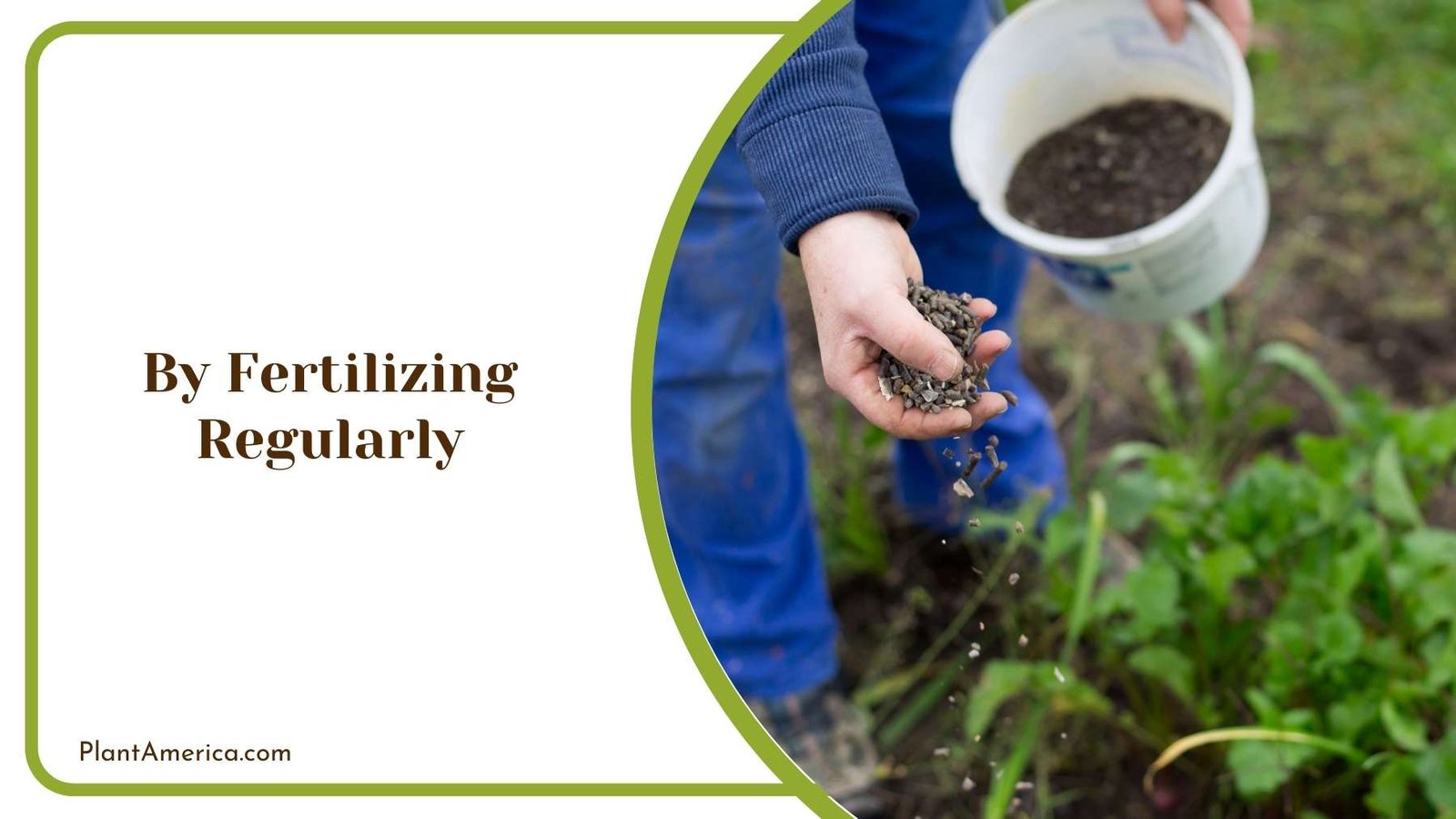
Once the six-week time period is up, regular fertilizing can be safely resumed. The best feed for this plant is a liquid fertilizer with an NPK ratio of 10:10:10. All store-bought fertilizers should be diluted with water to half their concentration before being sprayed on the newly potted plants. This can be applied twice a month, which is the most frequent.
Conclusion
Peace lily should be repotted every second year or when root-bound symptoms appear. Here’s what you should not miss out:
- The best time to repot this plant is spring to early summer. Repotting a peace lily houseplant in winter is not recommended as the risk for shock is higher.
- The plant should be repotted when its roots start to push out of the soil, it stops growing, and the soil starts getting dry faster.
- Dividing peace lily before repotting is a good idea for propagating new plants.
- After repotting, water the plants immediately, but do not fertilize for another six weeks.
After this step-by-step guide on when and how to repot your peace lilies, we bet you are motivated enough to give your own plant a new home!