
Types of bushes provide an incredible range of options for your landscape. From evergreens to flowering shrubs, hedges, and ground covers, there are beautiful plants for any space that requires minimal effort to thrive for years.
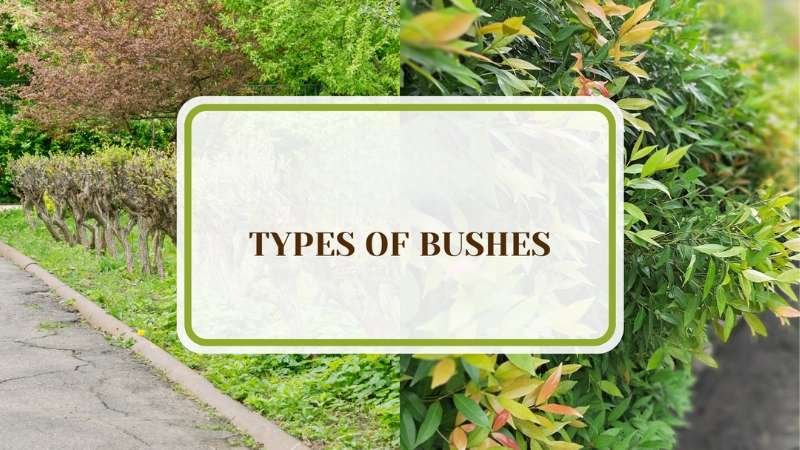
This post covers the best bushes to consider incorporating into your yard and garden. Whether you have partial shade, full sun, or anywhere in between, we’ll give you tips on care requirements and ideal uses to find the perfect bushes to add breathtaking color, fragrance, and year-round interest to your outdoor space.
Types of Bushes That Are Perfect To Fill Your Garden
1. Butterfly Bush
- Growing season: Spring, Fall.
- Leaf shape: Narrow, Mid to Dark Green.
- Specific needs: Partial Shade, Moderate Water.
- Common pest: None.
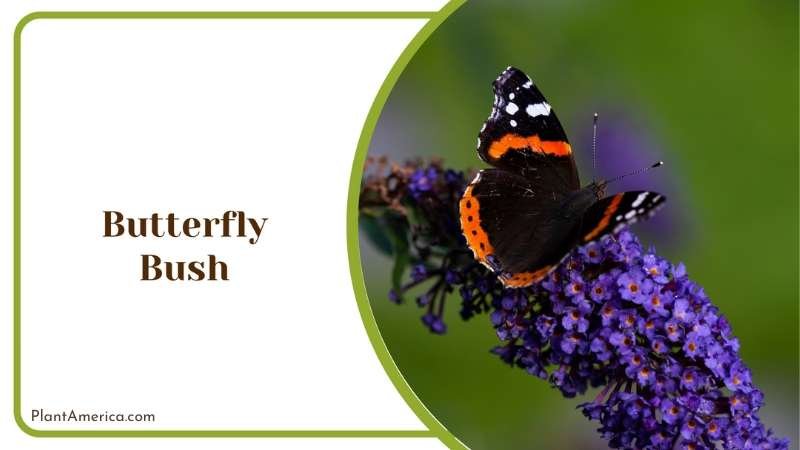
Butterfly bushes thrive in partial shade, producing abundant tubular flowers in summer that attract hummingbirds, bees, and butterflies in droves. The arching and willowy shrub form requires almost no pruning, growing into a naturally beautiful shape determined by genetics and environmental conditions.
The profuse blooms of butterfly bush appear in clusters on upright branches, covering the plant in a blanket of color in hues of blue, pink, purple, or white. The tubular flowers emit nectar that lures in pollinators, providing them with a rich source of nectar and pollen during their busy season.
Butterfly bushes require minimal care beyond fertilizing in early spring and deadheading spent flower clusters as they fade. Fertilizer should be applied before new growth emerges to boost blooming and vigor. Most butterfly bush cultivars tolerate most soil types as long as the soil drains well, preventing root rot.
Regular watering during dry periods will be needed while the plants are established. However, once mature, butterfly bushes are drought-tolerant and can survive on occasional deep watering. Overwatering should be avoided to prevent foliage from yellowing and dropping.
The willowy, arching shape and prolific flowering of butterfly bushes make them ideal for adding color, texture, and movement to landscaped borders, courtyard gardens, and along pathways. Their natural form requires almost no pruning beyond the selective removal of damaged or crowded branches.
With such low maintenance requirements, butterfly bushes have become extremely popular additions to modern gardens. Their ability to thrive in various soils and conditions, tolerate neglect, and bloom continuously throughout summer with little care has earned them a place in gardens worldwide.
When planted in full sun, butterfly bushes will bloom the heaviest but tend to be short-lived. However, when sited in partial shade with regular watering and pruning, these shrubs can yield many years of dependable color and nectar for winged visitors that rely on them as a vital food source during mating and brood-rearing seasons.
2. Mountain Laurel
- Growing season: Spring, Fall.
- Leaf shape: Oval, Leathery, Mid-Green.
- Specific needs: Partial Shade, Low Water.
- Common pest: None.
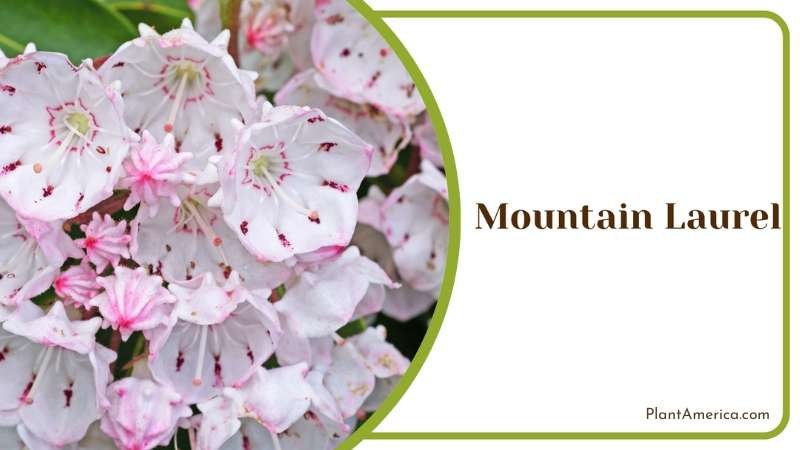
Mountain laurel thrives in partial shade with their clusters of fragrant pink, white, or rose blooms attracting hummingbirds and native bees like bumblebees. The arching evergreen shrub forms a naturally full and mound-shaped canopy with minimal pruning required to maintain its dense, full habit.
Mountain laurel plants produce abundant blooms in spring and summer, covering the glossy dark green laurel leaves in a profusion of colorful flowers. The dangling bell-shaped blooms release an intoxicating fragrance that perfumes the surrounding area.
Mountain laurel requires minimal care beyond annual pruning immediately after blooming to shape and maintain a compact form. Dead, damaged, or crossing branches should be removed at this time to maximize flowering the following year.
The mountain laurel thrives in acidic, well-drained soil that remains constantly moist but is not soggy. An organic mulch layer around the base of the plant can help conserve moisture during hot, dry periods while maintaining a cool, even temperature in the root zone. However, care must be taken to not mound excess mulch against the trunk, which can damage the plant.
Full sun exposure and exposed sites should be avoided as mountain laurel prefers filtered light and protection from excess heat and drought. Watering should only be done during extreme drought and then applied deeply and slowly. Laurel leaves that turn yellow or brown indicate overwatering.
The arching mound shape, dense canopy, dark green foliage, and profusion of sweetly scented blooms make mountain laurel a superb choice for foundation plantings, informal hedges, and mixed shrub borders. Its evergreen nature provides textural interest year-round.
With proper pruning and care of its moisture and light requirements, a single specimen of mountain laurel can spread to form a sizable evergreen island capable of transporting its owners back to earlier times through its old-fashioned beauty and fragrance. Its hardy nature and adaptability make it suitable for growing from South Carolina to Canada.
Once established, mountain laurel shrubs are quite long-lived and reliable if provided with rich, acidic soil that is consistently moist but well-drained. The mountain laurel’s natural grace, generous blossoms, and sweet fragrance more than justify the minimal pruning and care required to coax its full splendor each spring and summer.
3. Blue Star Juniper
- Growing season: Spring, Summer, Fall.
- Leaf shape: Scaly, Blue-Green.
- Specific needs: Full Sun, Low Water.
- Common pest: None.
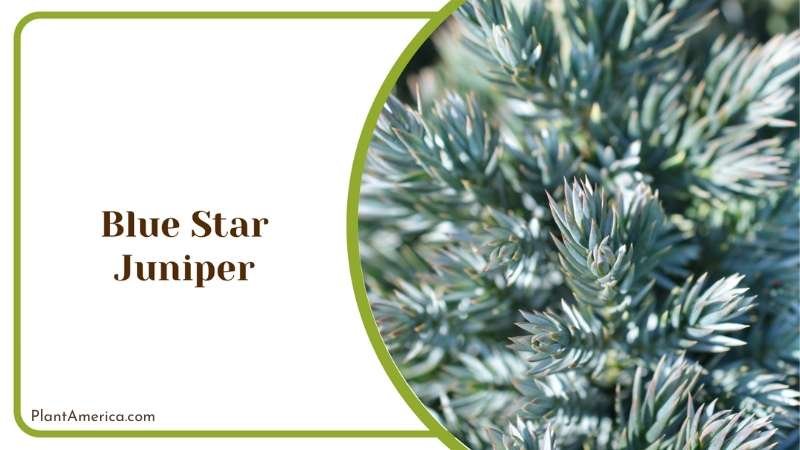
Blue star junipers thrive in full sun with their distinctive blue-green needle-like foliage and ascending branch pattern that creates a naturally sculptural evergreen shrub. The blue star juniper requires almost no pruning to maintain its attractive form.
The blue-green coloring of the foliage is caused by a waxy bloom or powdery coating that covers the needles, reflecting blue light and making the plant appear frosted. This unique coloring is most noticeable in spring and early summer, gradually fading to a deeper green as the plant matures.
Blue star junipers require minimal care consisting mainly of occasional watering during dry spells. They are well-suited to hot, arid climates due to their low water requirements once established. The junipers thrive in well-draining soil conditions and can tolerate most environments as long as the soil does not remain soggy after rains or watering. Overwatering should be avoided to prevent foliage from browning and needles from dropping prematurely.
An application of organic mulch around the base of the blue star juniper can help conserve moisture during dry periods while protecting the shallow roots from temperature extremes. However, care should be taken to avoid mounding excess mulch against the trunk, which can damage the plant.
The low-maintenance and sculptural nature of the blue star juniper makes it an ideal choice for adding evergreen structure and year-round color to landscapes. The blue foliage tones stand out beautifully against contrasting plantings of purple, red and orange flowers or variegated foliage. The juniper’s narrow form also lends itself well to confined spaces and can be grown in containers on patios or porches.
With only minimal pruning requirements to shape when young, a blue star juniper planted in the right growing conditions will provide its owner with years of reliable beauty through heat, humidity, and seasonal changes, bringing a touch of the exotic indoors through its radiant blue-green hues and architectural form. An excellent choice for xeric or low-water landscapes, this distinctive juniper truly deserves a place in any garden.
4. Witch Hazel
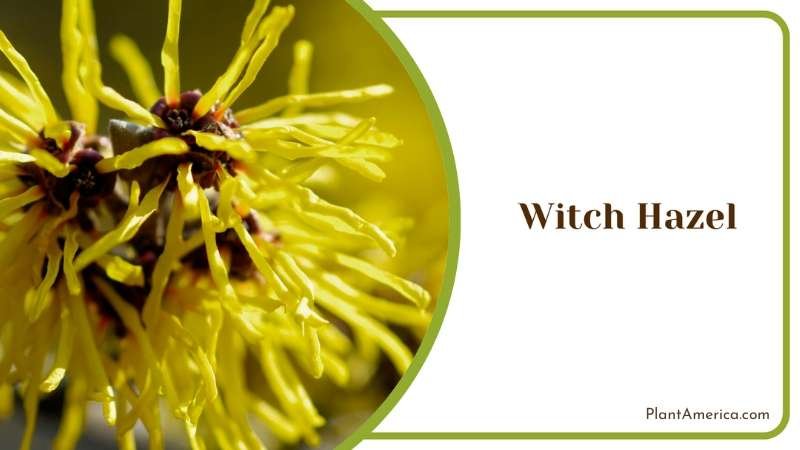
- Growing season: Fall, Spring.
- Leaf shape: Elongated, Mid Green to Yellow.
- Specific needs: Partial Shade, Moderate Water.
- Common pest: None.
Witch hazels thrive in partial shade, capturing the attention of any gardener when their vibrant blossoms erupt in winter when little else is flowering. The loose arching form of the witch hazel shrub requires minimal pruning to maintain its naturally wild and picturesque shape.
The vivid yellow or orange blooms of the witch hazel occur on stems leftover from the previous year’s growth, providing a floral display that brightens the dullest days of winter. The intensely fragrant flowers attract early emerging pollinators like bees and hoverflies, signaling that spring is on the way.
Witch hazels require moderate care beyond regular watering during dry periods, especially in winter and early spring while the plant is flowering. They thrive in moist, slightly acidic soil that is rich in organic matter. Fertilizing in early spring before new growth emerges can boost blooming and vigor.
Pruning the witch hazel immediately after it finishes flowering will help maintain a balanced shape and size while promoting repeat blooming the following winter. Flowering stems can be removed to just above an outward-facing bud. Minor shaping or removal of damaged and rubbing branches may also be done at this time.
The arching and spreading habit of the witch hazel makes it an excellent choice for adding visual depth and year-round texture to shrub borders or mixed perennial plantings. Its phantom flowers and fragrance in the coldest months of winter offer a soothing taste of the coming spring.
With moderate care and moisture during establishment, a witch hazel planted in the right location will reward its owner for decades with its cheerful cascade of blooms during what can be the bleakest part of the year. Its arching branches provide shelter and protection for birds, adding to the plant’s wildlife value.
The witch hazel’s natural tendency to spread can be controlled through regular pruning and division of mature specimens. Once established, these unassuming yet enchanting shrubs will reliably greet each new year with their uplifting bursts of color and fragrance for many years to come.
5. Crape Myrtle
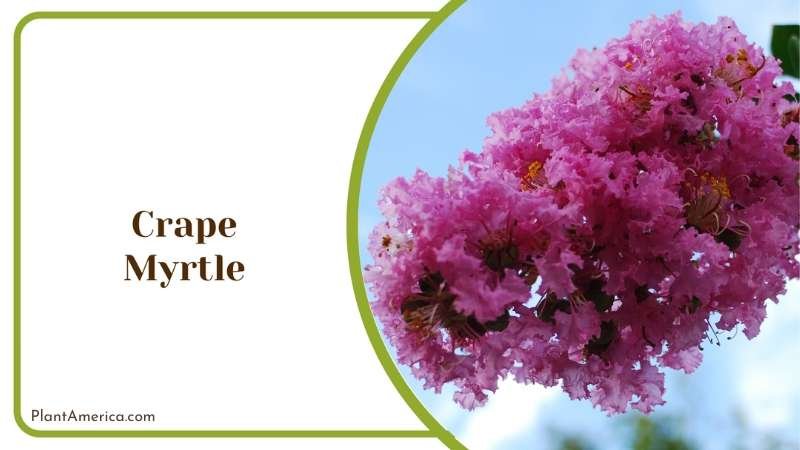
- Growing season: Spring, Fall.
- Leaf shape: Oval, Elliptic, Mid-Green.
- Specific needs: Full Sun, Moderate Water.
- Common pest: None.
Crape myrtles thrive in full sun, producing showy branching panicles of blooms in summer that attract butterflies and hummingbirds with their nectar-rich flowers. The small to medium tree forms range from compact and rounded to vase-shaped and columnar, requiring minimal pruning beyond the removal of suckers from the base and deadheading old flower clusters.
The spectacular blooms of crape myrtles appear in a dazzling array of colors from white to pink, red, and burgundy on the new season’s growth. When in full bloom, the trees become living torches that can light up an entire landscape. The foliage tends to drop after flowering, exposing the colorful branches and trunks through fall and winter and adding aesthetic interest in the off-season.
Crape myrtles need moderate care that includes watering one to two times per week during their main bloom period from June through August. They prefer well-draining soil and are tolerant of a wide range of soil pH levels. Fertilizing in early spring before new growth emerges will boost flowering and vigor.
Pruning crape myrtles right after they finish flowering is recommended to maintain their shape, promote larger blooms the following season, and encourage the development of a sturdy branching structure. Up to one-third of older branches should be removed to stimulate new growth. Suckers that arise from the base of the plant should also be cut off.
Crape myrtles thrive in hot, humid summer climates and are remarkably adaptable to a wide range of soil conditions. They have few pest or disease issues when properly pruned and maintained and can live for decades, adding architectural interest through their stunning multi-trunked forms, colorful blooms, and leafless winter shapes.
With regular pruning, fertilizing, and summer watering, crape myrtles will reward their owners for many years with their vibrant summer displays and year-round structural aesthetic. Their tough, durable nature and versatility make them suitable for planting in landscapes, along roadsides, and in larger courtyards and parks.
6. Persian Lilac
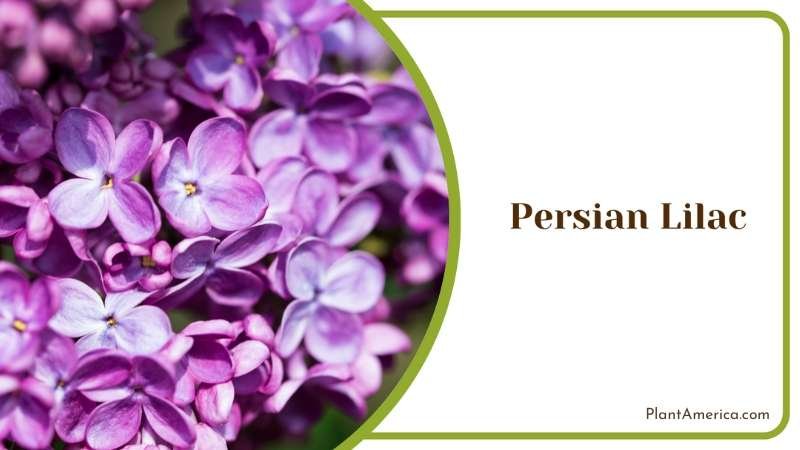
- Growing season: Spring, Fall.
- Leaf shape: Narrow, Oblong, Mid-Green.
- Specific needs: Partial Shade, Moderate Water.
- Common pest: None.
Persian lilacs thrive in full sun, producing fragrant clusters of lilac blooms in spring before leaf growth emerges. The arching and rounded shrub form requires minimal pruning beyond shaping and selective removal of older stems and water sprouts.
The sweetly scented lilac flowers appear in shades of pale to dark purple in conical panicles rising above the bare branches. Their fragrance can perfume an entire garden, attracting bees and butterflies in abundance. Once the blooms fade, elliptic green leaves emerge to provide textural contrast and summer interest.
Persian lilacs prefer well-draining alkaline soil and very little summer irrigation once established. They thrive in hot, dry conditions and benefit from winter dormancy. Fertilizing should be done sparingly as excess nutrients can promote much growth at the expense of flowering.
Pruning immediately after blooming is key to maintaining the shrub’s rounded habit and promoting repeat blooms the following spring. Older stems should be thinned out to allow younger growth to emerge. Dead, damaged, and crossing branches should also be removed along with suckers that sprout from the base.
The low-maintenance nature, old-fashioned charm, and ability to thrive with neglect make Persian lilacs ideal for low-water landscapes, small gardens, and limited maintenance zones. Their rounded, spreading habit and profusion of fragrant spring blooms add beauty and grace to modern settings.
With proper pruning, sparse fertilizing, and minimal summer irrigation, a Persian lilac shrub can live for decades — rewarding its owner year after year with cascades of sweetly scented blooms in spring and textural contrast provided by its dark green leaves during summer and fall.
The tough, thorny branches and coarse grey bark add winter interest while deterring browsing deer. Persian lilacs are well-suited to hot, dry climates and notoriously tolerant of urban pollutants — thriving in conditions that challenge many other flowering shrubs. With so few requirements and so much to give in return for minimal care, the adaptable Persian lilac truly deserves a valued place in any landscape.
7. English Laurel
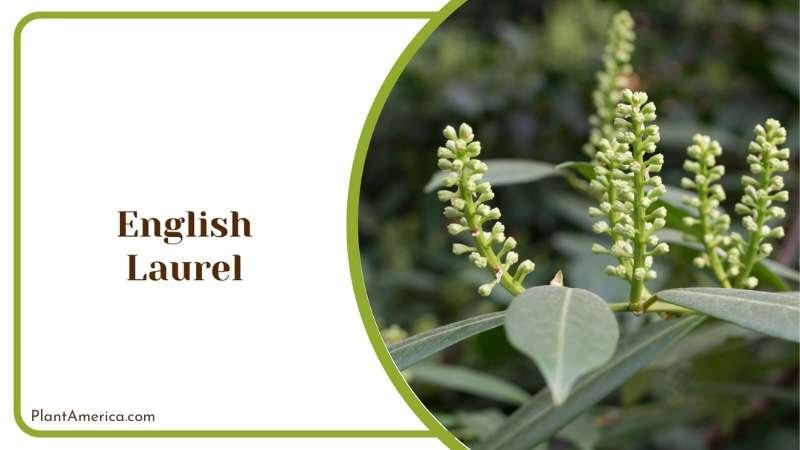
- Growing season: Year Round, Evergreen.
- Leaf shape: Oblong, Glossy, Mid to Dark Green.
- Specific needs: Partial Shade, Low Water.
- Common pest: None.
English laurels thrive in partial shade, prospering beneath the dappled light of mature trees with their glossy evergreen foliage that remains attractive year-round. The dense, bushy shrub form benefits from minimal corrective pruning to maintain a classically formal shape.
The dark green, leathery leaves of English laurel provide rich foliage color and texture in the winter garden when many other plants lost their leaves. The dense canopy of foliage gives the shrub a neat, clipped appearance even without pruning.
English laurels require minimal care consisting mainly of occasional watering during dry spells. They thrive in acidic, well-draining soil conditions and can tolerate moderate drought once established. Overwatering should be avoided as it can cause the foliage to turn yellow and drop prematurely.
Pruning immediately after flowering in spring and again in late summer or early fall helps maintain the shrub’s size and shape. New growth can be thinned to open interior foliage to light. Dead, damaged, and awkwardly placed branches should be removed.
The classically formal habit and evergreen nature of English laurel make it an ideal choice for hedges, foundation plantings, and as a year-round foliage backdrop in shrub borders. The dense canopy provides privacy screening and acts as a natural sound barrier.
With proper pruning, drainage, and moisture control, English laurel shrubs can grow quite large, becoming features in their own right within the landscape. The glossy foliage remains virtually pest and disease-free under ideal growing conditions.
When placed correctly and provided with occasional pruning and care, English laurel will reward its owner for decades with its neat, compact form and rich dark foliage that continue to fill garden beds with year-round grace and formality through every season.
8. Flowering Almond
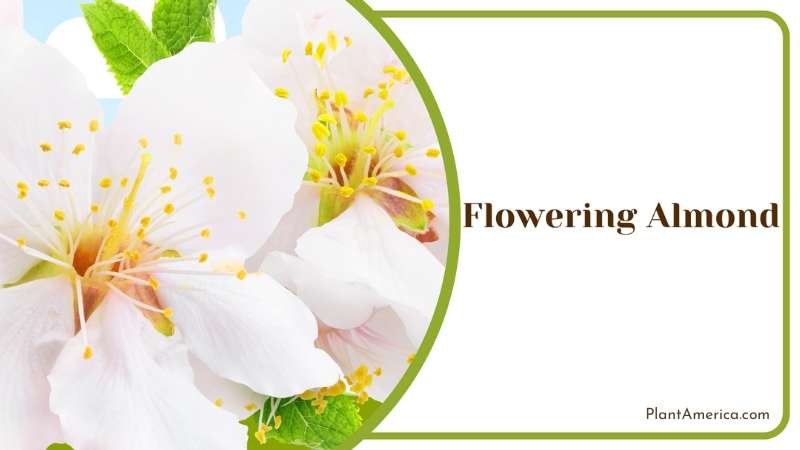
- Growing season: Spring, Deciduous.
- Leaf shape: Elliptic, Glossy Green then Yellow.
- Specific needs: Full Sun, Moderate Water.
- Common pest: None.
Flowering almonds thrive in full sun, bursting into bloom in early spring with a profusion of fragrant pink or white flowers that appear before the leaves emerge. The sprawling, untamed shrub form benefits from minimal pruning beyond selective thinning.
The sheer abundance of delicate blossoms that cover flowering almond shrubs in spring transforms them into confetti-filled clouds of color. Their sweet, perfume-like fragrance can fill an entire garden, announcing the arrival of warmer days to come.
Flowering almonds require only occasional care beyond fertilizing in spring and selective pruning immediately after blooming. They prefer alkaline, free-draining soil amended with organic matter. An organic mulch layer will help conserve moisture, especially while the plants are young, establishing, and flowering.
Watering should be done regularly during the blooming period and while plants are young to encourage strong root growth. However, once established, flowering almonds become fairly drought-tolerant shrubs that can survive on occasional deep watering during extended dry spells.
The sprawling, thicket-forming habit of flowering almonds, combined with its early profusion of blooms, make it a welcome addition to shrub borders and mixed plantings. The long arching branches cascade gracefully over neighboring plants, providing visual depth and seasonal contrast.
With regular fertilizing, pruning, mulching, and watering while young, flowering almond shrubs will reward their owners for many years with their ethereal clouds of fragrant blooms in early spring, which signal that warm weather, longer days, and a new growing season are just around the corner.
Once established, flowering almonds become fairly drought-tolerant and low-maintenance, requiring little beyond the occasional prune or trim to keep their rangy growth in check and promote health and vigor for decades to come.
9. American Beautyberry
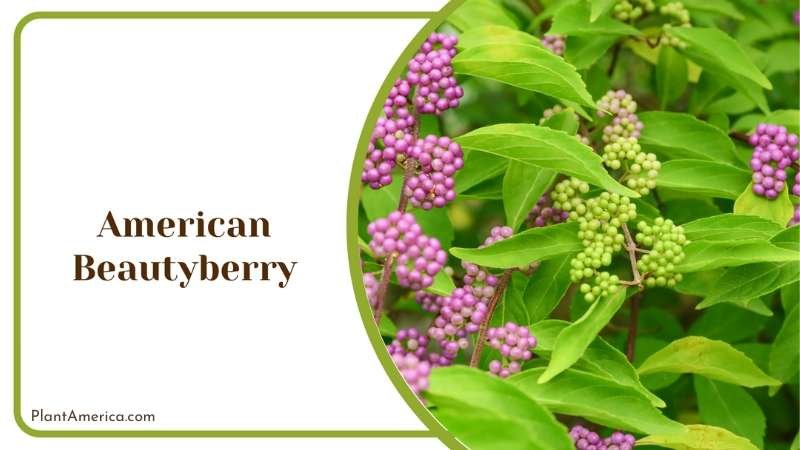
- Growing season: Summer, Fall.
- Leaf shape: Oval, Elliptic, Mid-Green.
- Specific needs: Partial Shade, Moderate Water.
- Common pest: None.
American beautyberry thrives in partial shade, producing ornamental clusters of purplish-black berries that persist on the branches through fall and into winter. The arching and spreading shrub form benefits from minimal pruning beyond selective thinning.
The vibrant purple berries of American beautyberry emerge after fluffy white blooms appear in summer, eventually coating the arching branches and providing showy winter interest. Though inedible, berries are favored by native songbirds and small mammals as a valuable food source during lean months.
American beautyberry shrubs require moderate care beyond regular watering during dry periods. They prefer moist, acidic soil that is rich in organic matter. Fertilizing in early spring before new growth emerges will boost foliage growth and berry production.
Pruning immediately after the beautyberry finishes flowering is recommended to maintain its arching, picturesque shape and promote heavy berry production. Dead, damaged or rubbing stems should be removed along with average-sized stems to stimulate the growth of larger fruiting stems.
The spreading, vase-shaped habit of the American beautyberry, combined with its vibrant ornamental berries make it a gorgeous addition to mixed shrub borders, naturalized areas, and rain gardens. Its arching habit provides vertical layers within the landscape.
With proper pruning, fertilizing and moisture requirements met, American beautyberry shrubs can reward their owners for decades with their showy winter display and valuable wildlife benefits. Full sun exposure and excessive heat should be avoided as both can reduce berry production.
Once established, beautyberry plants become fairly low maintenance and tough, tolerating drought, humidity, and temperature extremes when sited in partial shade with consistently moist, acidic soil. The arching branches form a naturally graceful silhouette and provide year-round texture and color transitioning from the white blooms of summer to the purple berries of winter.
10. Dwarf Norway Spruce
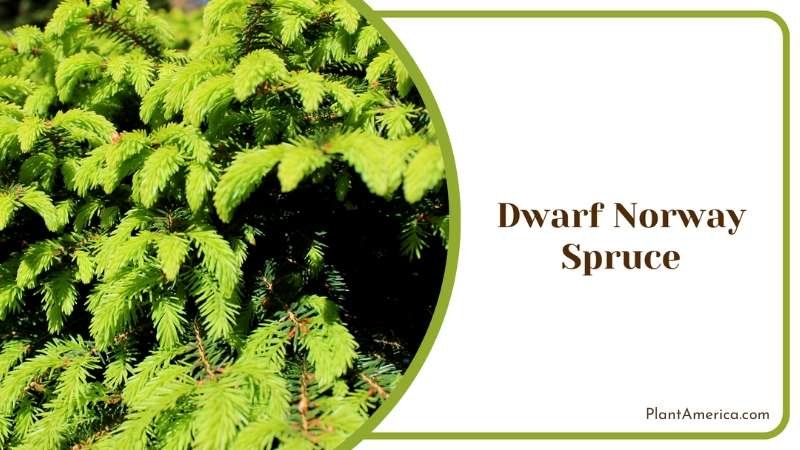
- Growing season: Year Round, Evergreen.
- Leaf shape: Blunt Soft Needles, Dark Green.
- Specific needs: Partial Shade, Low Water.
- Common pest: None.
Dwarf Norway spruce thrive in partial shade, producing dense clumps of dark green evergreen needles even when confined space is limited. Their miniature stature and naturally pyramidal form require minimal pruning and shaping while young.
The diminutive scale and dense growth habit of dwarf Norway spruce make them ideal for filling small garden nooks, foundation plantings, rock gardens, and containers. Their stiff branches radiate out from a central leader producing a picturesque mounded shape.
Dwarf Norway spruce requires minimal care consisting mainly of occasional watering during dry spells. Once established, they become fairly drought-tolerant, thriving on seasonal rainfall and only intermittent irrigation. The spruce prefer well-draining soil conditions and can tolerate most environments as long as the soil does not remain soggy.
Overwatering should be avoided to prevent needle desiccation and premature browning/shedding. Applying an organic mulch layer around the base of the plant can help conserve moisture while protecting shallow roots from temperature extremes. However, care must be taken to avoid mounding excess mulch against the trunk.
The small stature and narrow growth habit of dwarf Norway spruce make them well-suited for use as foundation plantings, low hedges, accent trees, and filler plants in mixed borders. Their dense evergreen canopy provides year-round screening and natural sound absorption.
With proper drainage, moisture control, and minimal shaping while young, dwarf Norway spruce specimens can grow for decades, rewarding their owners with their compact stature, mounded shapes, and ability to thrive in contained spaces while expressing classic conifer form. When sited correctly, these diminutive spruce prove that big things indeed come in small packages.
11. Hydrangea
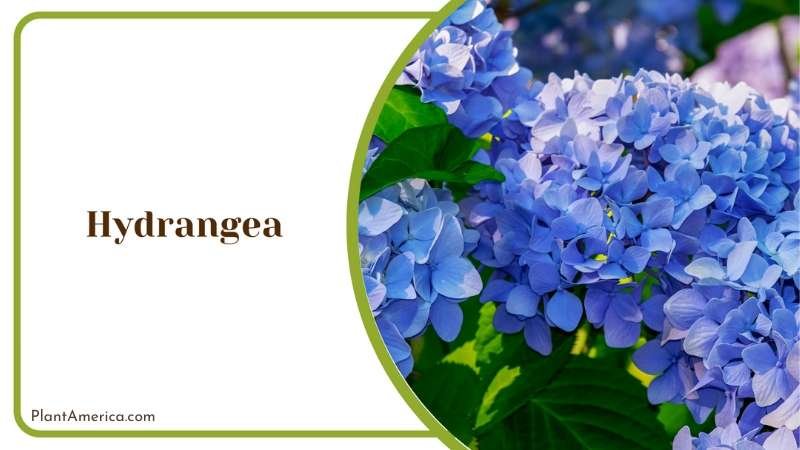
- Growing season: Spring, Fall.
- Leaf shape: Oval, Elliptic, Mid-Green.
- Specific needs: Partial Shade, Moderate Water.
- Common pest: None.
Hydrangeas thrive in partial shade, producing showy flower heads in summer that change color based on soil pH levels. The mophead and lacecap shrub forms require minimal pruning to maintain their rounded shape.
The spherical blooms of hydrangea appear in a wide palette of colors ranging from white to blues, pinks, and reds. As the pH of the soil changes, so do the flower colors, providing an interactive display for observant gardeners. The striking blooms persist for several months, eventually transforming into decorative seed pods.
Hydrangeas require moderate care that includes regular watering, especially during flowering and fruit sets. They prefer moist, richly organic, and acidic soil. Fertilizing in early spring before new growth emerges will boost flowering and stem strength.
Pruning old flower stalks in late winter promotes new basal growth that will produce larger blooms the following season. Dead, damaged, and overly congested stems should also be removed at this time. Mophead hydrangeas benefit from light thinning to allow interior stems to grow.
The rounded, mounded habit of hydrangeas along with their long-lasting blooms make them ideal for mixed shrub borders, foundation plantings, and patio containers. Panicle and lacecap hydrangea varieties are prized for their interesting inflorescence structure atop distinctive stems.
With consistent moisture and correct pruning, hydrangea shrubs can reward their owners for years with their showy blooms that change in fascinating ways based on soil pH. An application of organic mulch around the base of the plant helps conserve moisture and suppress weeds.
Hydrangeas prefer rich, continually moist soil that is high in organic matter. When sited in appropriate conditions and provided with regular fertilizing, pruning, and moisture, these adaptable and undemanding shrubs have the potential to thrive for decades, growing larger with each passing year while reliably producing those stately blooms that have captured gardeners’ hearts for generations.
12. Clethra
- Growing season: Summer, Deciduous.
- Leaf shape: Ovate to Oblong, Dark Green.
- Specific needs: Partial Shade, Moderate Water.
- Common pest: None.
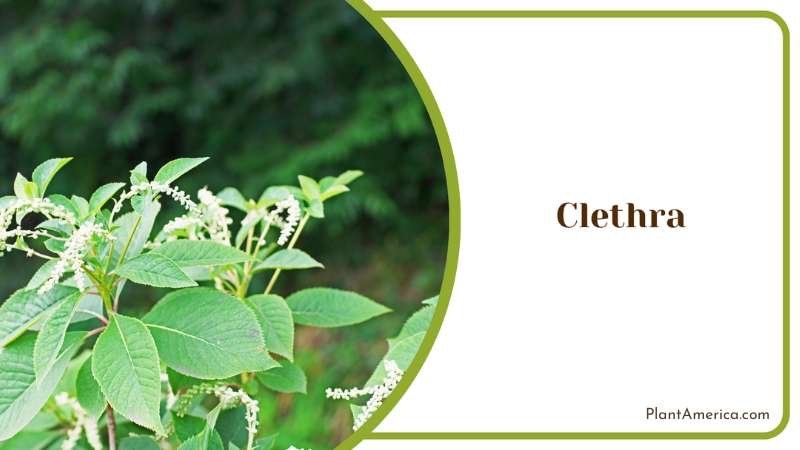
Clethra shrubs thrive in partial shade, producing fragrant white flowers in cone-shaped spikes during summer that attract hummingbirds and butterflies with their nectar. The upright arching form requires minimal pruning beyond the removal of dead wood and selective thinning.
The sweetly scented blooms of clethra appear in late summer right as most other plants are winding down, making them a valuable addition for extending the season of interest within the garden. Once the flowers fade, color is provided into fall by the emerging foliage, which often turns golden yellow before dropping for winter.
Clethra shrubs need moderate care including regular watering during hot, dry periods to prevent wilting. They prefer constantly moist, highly organic, and acidic soil conditions. Fertilizing in early spring before new growth emerges will boost flowering and vigor.
Pruning immediately after clethra finishes flowering helps maintain the plant’s size, shape, and structure. Dead branches should be removed as well as those that rub or cross. Selective thinning lets interior stems emerge for fuller growth the following season.
The upright and arching form of clethra, combined with its fragrant late-summer blooms, make it an excellent choice for mixed shrub borders, foundation plantings, and naturalized areas. Several small varieties provide options for confining spaces.
With proper pruning, fertilizing, and consistently moist acidic soil conditions, clethra shrubs can reward their owners for years with their sweetly scented flowers at a time of year when fragrance is especially welcome. Full sun exposure and windy, exposed sites should generally be avoided as both reduce flowering potential.
Once established, clethra proves fairly adaptable and reliable, thriving for decades when sited in partial shade and amply watered throughout their growing season. The upright arching habit of the branches provides structure and vertical layers within the landscape while their fragrant blooms perfume the summer air and attract beneficial pollinators in abundance.
13. Lilac
- Growing season: Spring, Deciduous.
- Leaf shape: Oblong, Simple Margins, Glossy Green.
- Specific needs: Full Sun, Moderate Water.
- Common pest: Japanese Beetle, Aphids.
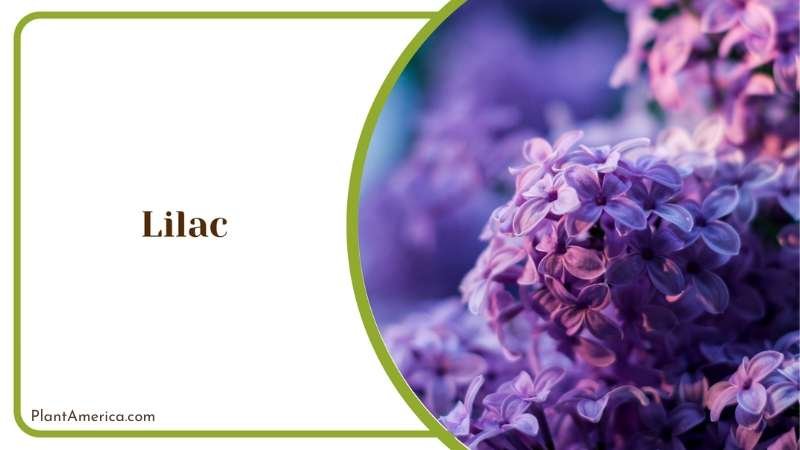
Lilacs thrive in full sun, producing fragrant panicles of violet, pink, or white blooms in spring right as the plant begins to leaf out for the growing season. The arching and sprawling shrub form requires minimal selective pruning beyond thinning.
The sweetly scented flowers are produced in conical panicles rising high above the branches, at a time of year when little else is blooming. Their fragrance can perfume an entire garden, attracting bees, hummingbirds, and butterflies in abundance before the nectar-rich blooms fade.
Lilacs need moderate care including regular watering during hot, dry periods to prevent wilting and leaf drop. They prefer free-draining, slightly alkaline soil conditions that are not overly fertile. Fertilizing in early spring before bloom promotes robust growth and larger flower clusters.
Pruning immediately after the lilac finishes flowering helps maintain the plant’s size, shape, and vigor for repeat blooming the following spring. Dead, damaged, and crossing stems should be removed as well as the oldest branches to stimulate the growth of younger wood.
The arching habit of lilacs along with their ornamental spring blooms makes them ideal for mixed shrub borders, foundation plantings, and naturalized wooded areas. Their early-season flowers and fragrance are highly valued additions to the landscape.
With consistent moisture and pruning, lilac shrubs can reward their owners for decades with their sweetly scented blooms right as spring begins and days are getting longer and warmer. Monitor for pests like Japanese beetles and treat them as needed to minimize damage.
Once established, lilacs prove reliable and low-maintenance if provided with full sun exposure, well-draining soil, and regular pruning. The arching branching habit provides a structure within the landscape while their fragrant flowers perfume the spring air and provide a feast for pollinators.
14. Viburnum
- Growing season: Spring, Deciduous.
- Leaf shape: Ovate to Elliptic, Margined, Mid-Green.
- Specific needs: Partial Shade, Moderate Water.
- Common pest: Viburnum Leaf Beetle, Aphids.
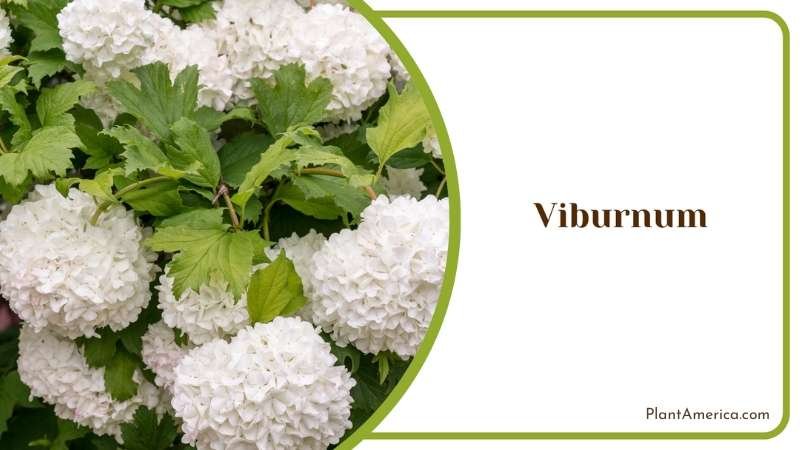
Viburnums thrive in partial shade, offering an array of ornamental attributes that vary by species including flowers, berries, fall foliage colors, and winter bark textures. The upright and rounded shrub forms require minimal selective pruning beyond thinning.
Viburnums produce clusters of showy white or pink blooms in spring that often provide crucial nectar for pollinators as they emerge from hibernation. The blooms on many species are followed by ornamental red, blue, or blackberries that mature in summer to provide food for birds through winter.
The fall foliage colors of viburnums range from yellows and bronzes to vibrant reds depending on the cultivar. Once the leaves drop, the exfoliating bark of some varieties adds winter interest.
Viburnums need moderate care including regular watering during hot, dry periods to prevent wilting. They prefer constantly moist, highly organic, and acidic soil conditions. Fertilizing in early spring before new growth emerges will boost flowering and vigor.
Pruning immediately after the viburnum finishes flowering helps maintain the plant’s size, shape, and structure. Dead, diseased, and twiggy growth should be removed as well as stems that rub or cross. Thinning opens interior foliage for fuller plants the following year.
The upright and rounded architecture of viburnums allows them to fill spaces in mixed borders, foundation beds, and hedgerows. Several compact, small varieties provide options for confined areas.
With proper pruning, moisture, and nutrition, viburnum shrubs can reward their owners for years with ornamental features that transition throughout each season. Monitor for pests like viburnum leaf beetles and treat them as needed to minimize defoliation.
Once established, viburnums prove fairly adaptable and reliable, thriving for decades when sited in partial shade and amply watered. Their multiple seasons of interest provide visual layers from spring blooms through winter bark textures. With so many options to choose from, there is certainly a viburnum to suit any garden’s needs.
15. Kerria
- Growing season: Spring, Deciduous.
- Leaf shape: Simple, Ovate, Glossy Green Midrib.
- Specific needs: Partial Shade, Low Water.
- Common pest: None.
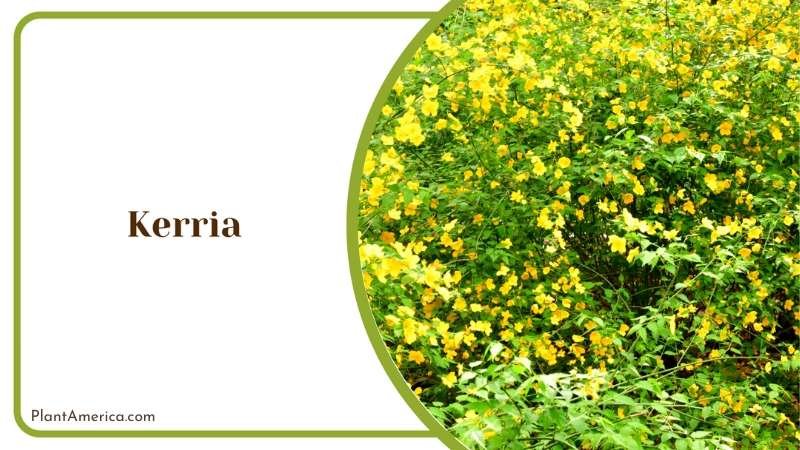
Kerrias thrive in partial shade, producing profuse clusters of bright yellow, double blooms in spring right as the plant begins to leaf out for the growing season. The arching and rounded shrub form benefits from minimal selective pruning beyond the removal of dead or damaged stems.
The cheerful bright yellow flowers are produced abundantly in clusters at a time of year when few other plants are in bloom. Their presence in the early garden can provide a visual jolt of color that enlivens normally drab winter landscapes.
Kerrias require minimal care beyond occasional watering to establish the shallow root system. Once established, they become fairly drought-tolerant, thriving on seasonal rainfall. Kerrias grow best in free-draining, moderately fertile soils.
Fertilizing in early spring before the plant blooms promotes lush growth and heavier flower production. Pruning immediately after flowering helps promote a compact habit for repeat blooming the following year. Dead stems and crossing branches should be removed during pruning.
The arching and rounded shrub form of kerria allows it to fill spaces in mixed borders, foundation beds, and naturalized plantings. Its early-season blooms provide visual punctuation in the winter garden.
With consistent moisture while young, kerria shrubs can reward their owners for years with their cheery blooms right as spring begins and days are getting longer. Monitor for possible aphid infestations and treat with organic remedies as needed.
Once established, kerrias prove fairly reliable and low maintenance, thriving for decades when sited in well-draining soil and provided with regular pruning and occasional watering during dry spells. Their arching rounded habit and profusion of bright blooms provide layers of winter and early spring interest to complement other garden plantings.
16. Oleander
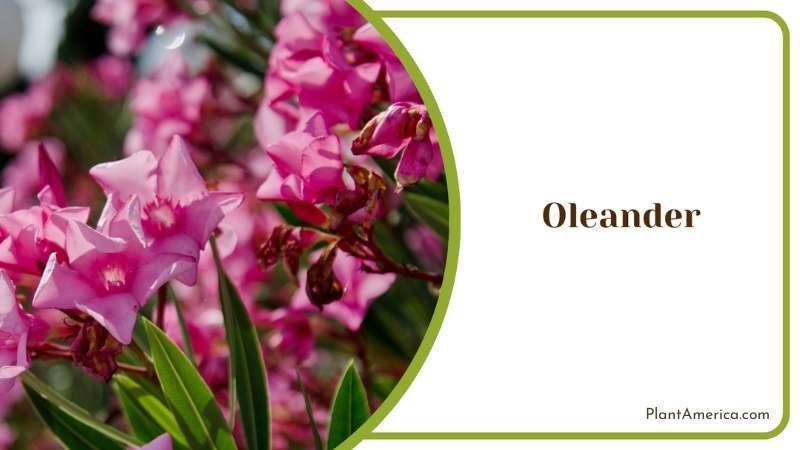
- Growing season: Spring, Fall.
- Leaf shape: Narrow, Oblong, Leathery.
- Specific needs: Full Sun, Moderate Water.
- Common pest: None.
Oleanders thrive in full sun with their fragrant pink, red, or white blooms throughout summer. The upright columnar shrub benefits from minimal pruning. Oleanders need moderate care beyond regular watering during hot, dry periods. They prefer well-draining, slightly alkaline soil.
Add fertilizer in early spring before new growth emerges. Prune dead branches and after blooming maintain size and shape. Monitor foliage for spider mites and treat as needed with horticultural oil spray.
Sun-loving oleanders thrive in warm, dry climates but remain virtually pest-free with adequate drainage, fertilizer, and irrigation. Their upright forms create privacy and add color to borders or pathways. The lively blooms attract hummingbirds, butterflies, and other beneficial pollinators.
While poisonous if ingested, oleanders provide useful nectar and habitat for garden inhabitants. They have few seasonal demands yet provide ceaseless visual interest from year to year. The timeless elegance of their columnar shape makes them an adaptable addition to any landscape design.
Though delicate-looking, oleanders require toughness and resilience to withstand the heat, drought and wind of xeric environments. Their tenacity teaches that outward softness often belies inner strength. The flowers’ vibrant yet brief life reminds us to appreciate each fleeting moment of beauty amid hardier permanence. With proper care, oleanders graciously share their fragrant charm season after season, enriching gardens through longevity and constancy.
17. Fringe Flower
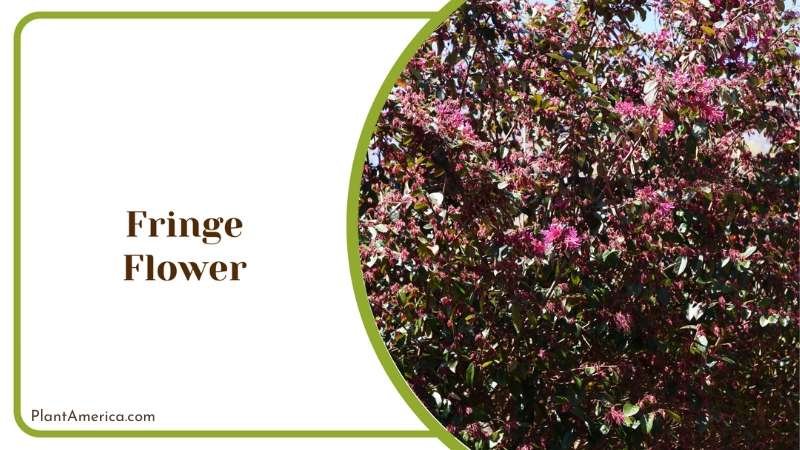
- Growing season: Summer, Deciduous.
- Leaf shape: Lobed, Glossy, Elliptic to Ovate.
- Specific needs: Partial Shade, Moderate Water.
- Common pest: None.
Fringe flowers thrive in partial shade with their frilly white to pink lacecap blooms in summer, providing months of visual interest. The upright rounded shrub habit requires minimal pruning to maintain its attractive mounded shape.
Fringe flowers need moderate care beyond regular watering during hot, dry periods of summer. They prefer moist, acidic soil that is rich in organic matter and well-draining. Before planting, amend the soil with organic matter like compost or leaf mold to ensure the soil retains moisture well while allowing for adequate drainage.
Fertilize fringe flowers in early spring before new growth emerges with a plant food formulated for acid-loving plants. The fragility of the blooms means pruning should ideally be done immediately after flowering to improve the shape, size, and compactness of the shrub.
Provide natural and structural protection from deer and cottontail rabbits by planting fringe flowers in areas with low ground cover vegetation that would attract browsers. Deer seem to avoid the plants due to their pungent, unpleasant smell. Utilize physical barriers like fencing or repellents as needed to protect emerging leaf growth and flower buds from being eaten.
Monitor fringe flowers for pest and disease issues like spider mites, aphids, leaf spots, and powdery mildew. Symptoms of these issues include yellowing or distortion of leaves, webbing on branches, and growth of fuzzy gray or white mold on foliage. Treatments may involve neem oil sprays, insecticidal soaps, or targeted fungicides.
18. Sweetshrub
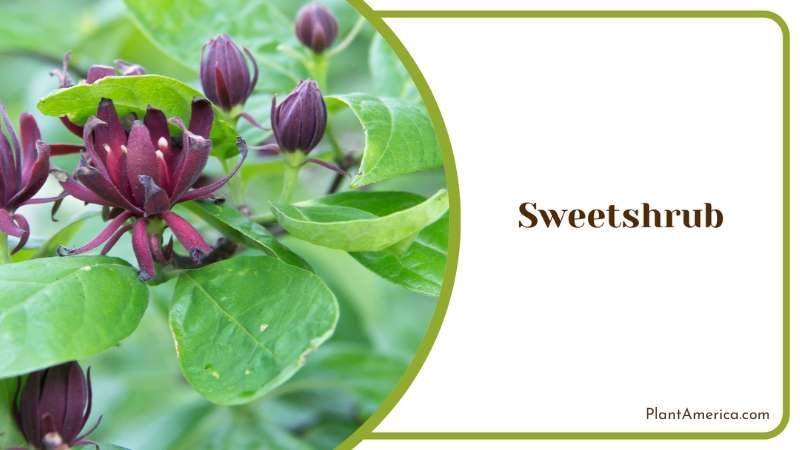
- Growing season: Spring, Deciduous.
- Leaf shape: Elliptic, Mid-Green, Complex Texture.
- Specific needs: Partial Shade, Low Water.
- Common pest: Leaf Spot, Mites.
Sweetshrub thrives in partial shade with its profuse white, slightly fragrant flowers in spring. The arching rounded shrub requires minimal pruning and makes an attractive addition to borders, foundation plantings, and groupings in cottage gardens. The graceful mounded habit and arching branches bear multitudes of fragrant white flowers from mid-spring through early summer that attract beneficial pollinators like bees and hummingbirds.
Sweetshrub needs minimal care beyond occasional watering during dry periods. They grow best in well-drained soil with compost added before planting. Fertilize once in early spring before new growth begins with a balanced, slow-release plant food that works its way into the root system over several months to strengthen new growth.
Pruning immediately after flowering helps promote a compact habit and repeat blooming on sweetshrub. Their soft foliage makes them a low-maintenance shrub except for occasional pest and disease issues. Keep an eye out for leaf spot, a fungal disease that creates yellow spots on the foliage.
Applying a fungicide spray specifically made for leaf spot disease as soon as symptoms first appear can help prevent the issue from spreading. Dead or diseased leaves should be removed and disposed of properly whenever pruning.
19. Boxwood
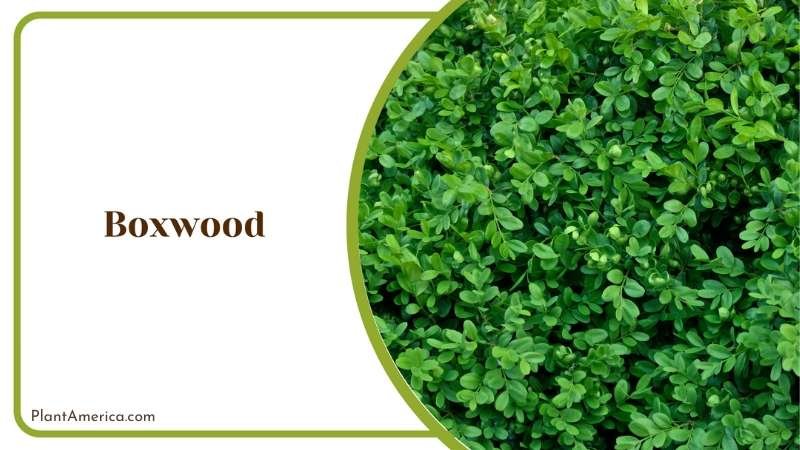
- Growing season: Year Round, Evergreen.
- Leaf shape: Elliptic, Leathery, Glossy Green.
- Specific needs: Partial Shade, Low Water.
- Common pest: Boxwood Leafminer, Mites.
Boxwoods thrive in partial shade with their dense evergreen foliage. The rounded compact shrub benefits from shearing to maintain formal size and shape.
Boxwoods need minimal care beyond occasional watering during dry spells. They thrive in acidic, well-draining soil and tolerate most conditions as long as the soil drains. Avoid overwatering, which can cause foliage to yellow and drop. Prune to shape after winter and monitor for boxwood leafminers and mites, treating with horticultural oil spray as needed.
20. Japanese Pieris
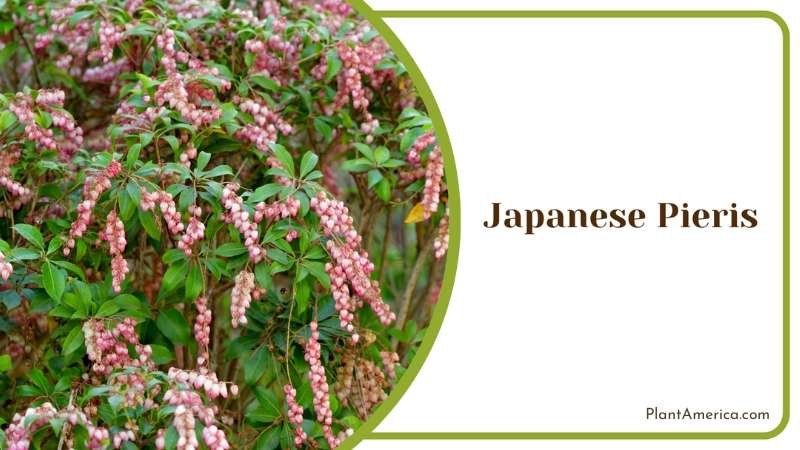
- Growing season: Spring, Evergreen.
- Leaf shape: Clustered Elliptic, Glossy Green.
- Specific needs: Partial Shade, Low Water.
- Common pest: None.
Japanese pieris thrive in partial shade with their profusion of white bell-shaped blooms in spring. The arching rounded evergreen shrub requires minimal pruning.
Japanese pieris need minimal care beyond occasional watering during dry spells. They thrive in acidic, well-draining soil and tolerate most conditions as long as the soil drains. Avoid overwatering which can cause foliage to turn brown and drop prematurely. Prune to shape after flowering when needed. Apply mulch but keep it away from the trunk.
21. Juniper
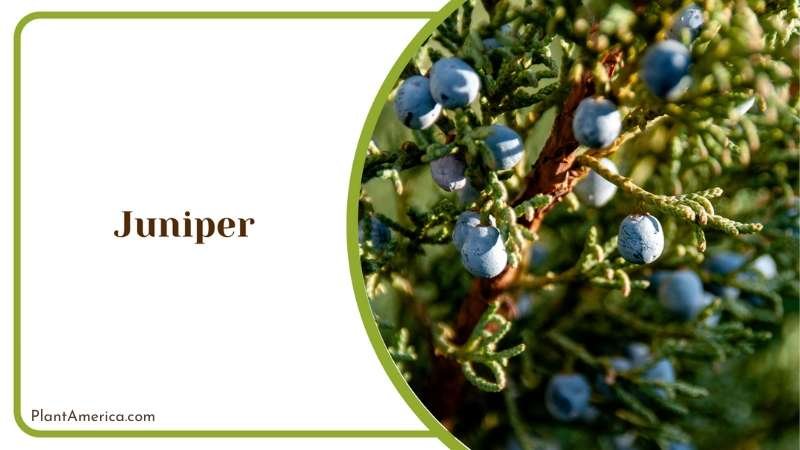
- Growing season: Year Round, Evergreen.
- Leaf shape: Scaly, Aromatic Needles, Mid-Green.
- Specific needs: Full Sun, Low Water.
- Common pest: None.
Junipers thrive in full sun with their softly rounded evergreen needles. The pyramidal shrub form requires minimal pruning when young to maintain their shape.
Junipers need minimal care beyond occasional watering during dry spells. They thrive in well-draining soil and tolerate most conditions as long as the soil drains. Avoid overwatering which can cause foliage to turn brown. Apply mulch to conserve moisture but avoid touching the trunk. Prune only as needed to maintain a full pyramidal shape when young.
22. Euonymus
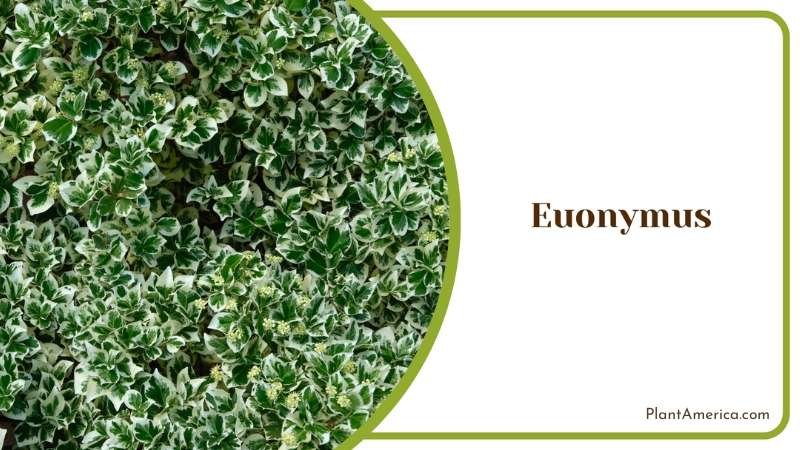
- Growing season: Fall, Deciduous.
- Leaf shape: Elliptic, Simple Margin, Mid-Green.
- Specific needs: Full Sun to Shade, Low Water.
- Common pest: None.
Euonymus thrive from full sun to shade with their vibrant scarlet fall color. The upright rounded shrub requires minimal pruning.
Euonymus needs minimal care beyond occasional watering during dry periods. They tolerate most soil types as long as the soil drains well. Fertilize in early spring before new growth. Prune as needed while avoiding summer pruning, which encourages excessive regrowth. Provide winter protection from extreme cold in colder zones.
23. Holly
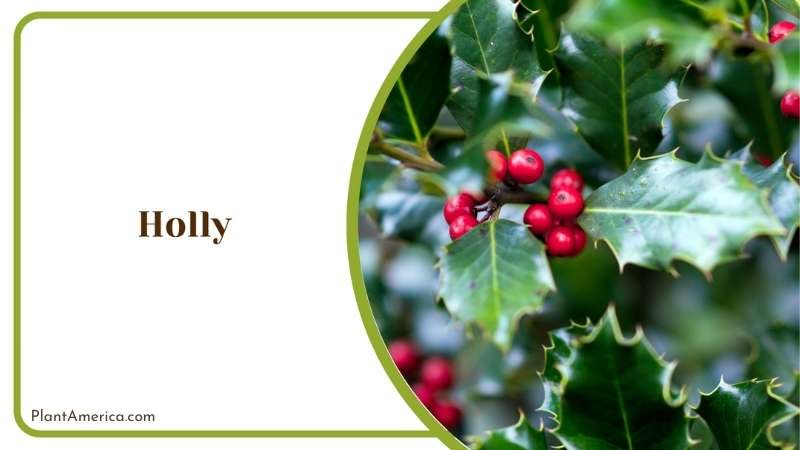
- Growing season: Year Round, Evergreen.
- Leaf shape: Spinose, Simple Margins, Glossy Green.
- Specific needs: Full Sun to Shade, Low Water.
- Common pest: Mites, Scale insects.
Hollies thrive from full sun to partial shade with their dense evergreen spiny foliage and ornamental red berries. They require minimal pruning.
Hollies need minimal care beyond occasional watering during dry spells. They tolerate most soil types as long as the soil drains well. Fertilize in early spring before new growth arises. Prune after winter to shape and maintain size. Monitor for pests like mites and scale insects, treating with horticultural oil spray as needed.
24. Kalmia
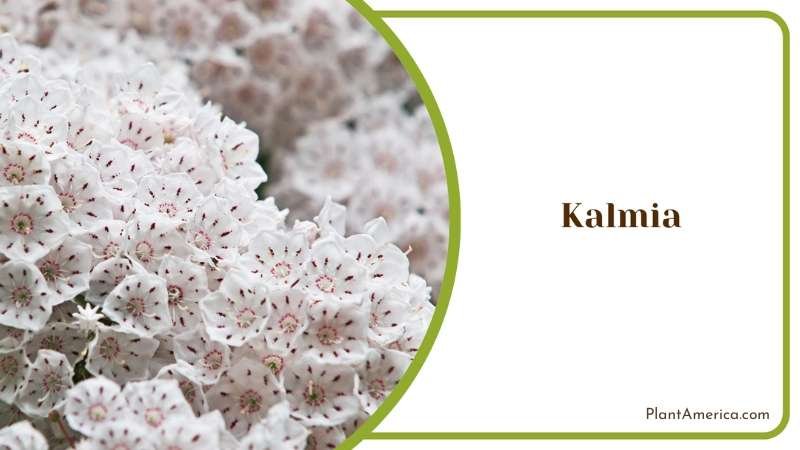
- Growing season: Spring, Evergreen.
- Leaf shape: Leathery, Simple Margins, Mid-Green.
- Specific needs: Partial Shade, Low Water.
- Common pest: None.
Kalmia thrives in partial shade with their profusion of brightly colored blooms in spring. The low, spreading shrub requires minimal pruning.
Kalmia needs minimal care beyond occasional watering during dry spells. They prefer acidic soil with adequate drainage and moisture retention. Fertilize in early spring before new growth arises. Prune immediately after flowering and remove dead or diseased branches as needed. Provide winter protection from extreme cold in colder zones.
25. Dogwood
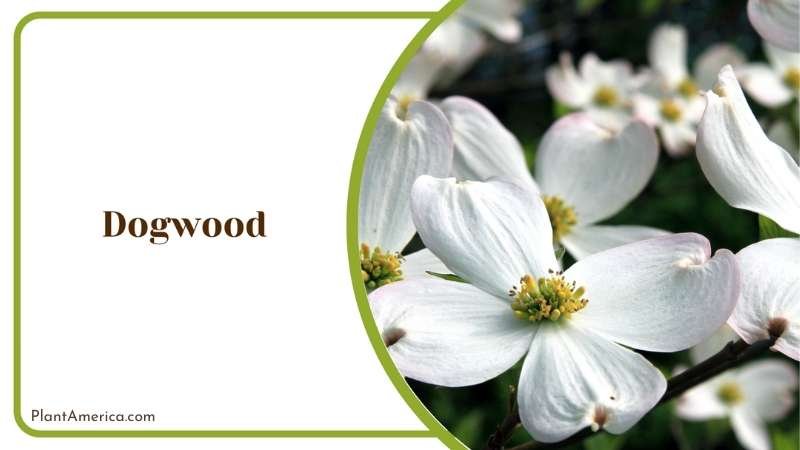
- Growing season: Spring, Deciduous.
- Leaf shape: Simple, Elliptic, Glossy Medium Green.
- Specific needs: Partial Shade, Moderate Water.
- Common pest: None.
Dogwoods thrive in partial shade with their profuse blossoms of white, pink, or red in spring. The multi-stemmed oval-shaped shrub requires minimal pruning.
Dogwoods need moderate care beyond regular watering, especially during hot dry periods. They prefer moist, acidic soil that is rich in organic matter. Fertilize in early spring before new growth arises. Prune immediately after flowering to maintain size and promote repeat blooming. Monitor for pests like spider mites and treat them as needed.
26. Spruce
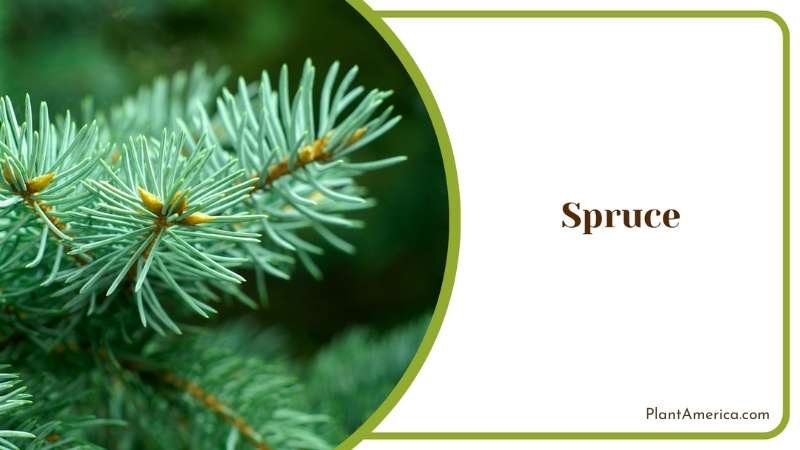
- Growing season: Year Round, Evergreen.
- Leaf shape: Blunt Soft Needles, Dark Green.
- Specific needs: Partial Shade, Low Water.
- Common pest: None.
Spruces thrive in partial shade with their dense evergreen growth. The pyramidal conical shrub form requires minimal pruning and shaping when young.
Spruces need minimal care beyond occasional watering during dry spells. They thrive in well-draining soil and tolerate most conditions as long as the soil drains. Avoid overwatering which can cause foliage to turn brown and shed prematurely. Apply mulch but keep off the trunk. Prune irregular or damaged growth as required.
27. Hibiscus
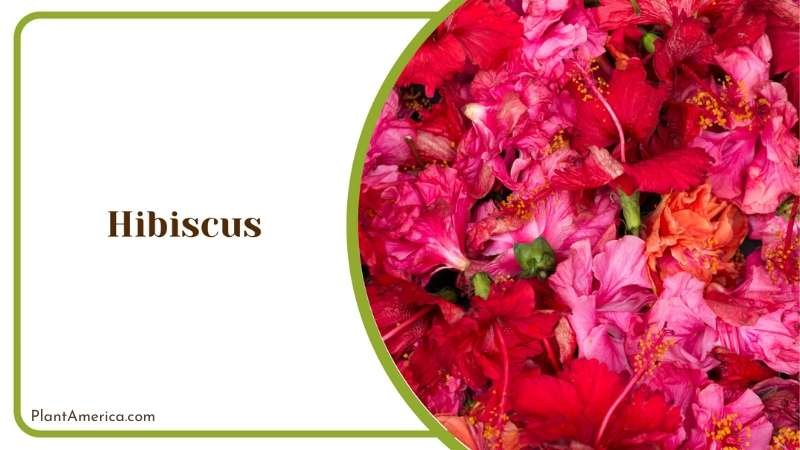
- Growing season: Summer, Deciduous.
- Leaf shape: Palmately Lobed, Mid-Green to Bronze.
- Specific needs: Full Sun, Moderate Water.
- Common pest: None.
Hibiscus thrive in full sun with their vibrant blooms in summer that attract hummingbirds and butterflies. The upright multi-stemmed shrub requires minimal pruning.
Hibiscus needs moderate care beyond consistent moisture, especially during times of bloom. They prefer moist, well-drained soil that is rich in organic matter. Fertilize regularly during the growing season. Prune minimally after the first frost to shape and maintain size. Monitor for pests like aphids, mites, and whiteflies and treat them as needed.
28. Ninebark
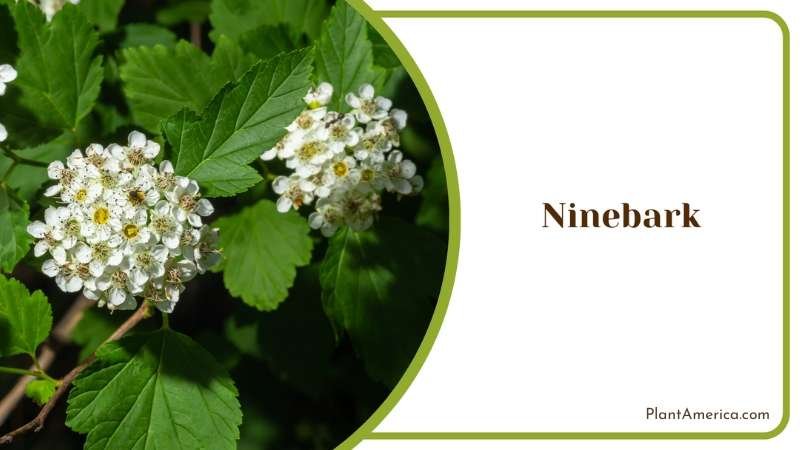
- Growing season: Spring, Fall.
- Leaf shape: Simple, Elliptic, Mid-Green to Bronze.
- Specific needs: Partial Shade, Moderate Water.
- Common pest: None.
Ninebarks thrive in partial shade with their ornamental peeling bark and colorful foliage in fall. The multi-stemmed shrub requires minimal pruning.
Ninebark needs moderate care beyond consistent moisture, especially during hot dry periods. They prefer moist, well-drained soil that is rich in organic matter. Fertilize regularly during the growing season. Prune minimally after the first frost to shape and maintain size. Ninebark is fairly pest and disease resistant, with few issues under proper care.
29. Fatsia
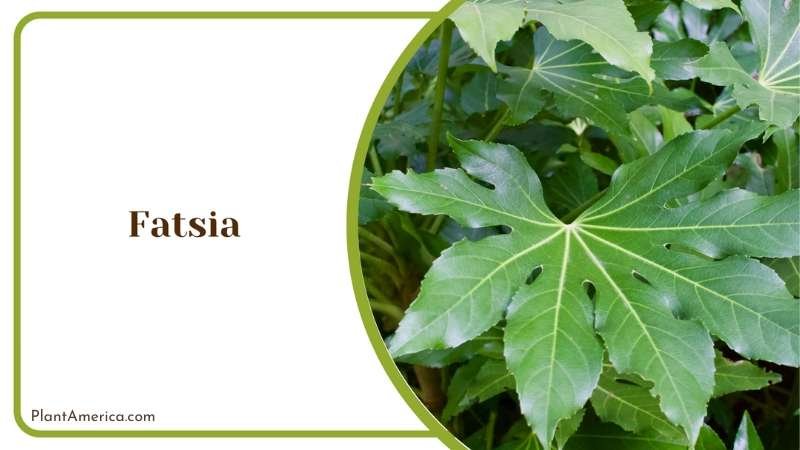
- Growing season: Year Round, Evergreen.
- Leaf shape: Palmately Compound, Glossy Green.
- Specific needs: Partial Shade, Moderate Water.
- Common pest: None.
Fatsia thrives in partial shade with their broad, leathery, and glossy evergreen leaves. The rounded upright shrub requires minimal pruning when young.
Fatsia needs moderate care beyond regular watering, especially during hot dry periods. They prefer moist, well-draining soil that is rich in organic matter. Fertilize regularly during the growing season. Prune minimally as needed to maintain shape and size. Fatsia is fairly pest and disease resistant with few issues under proper care.
30. False Cypress
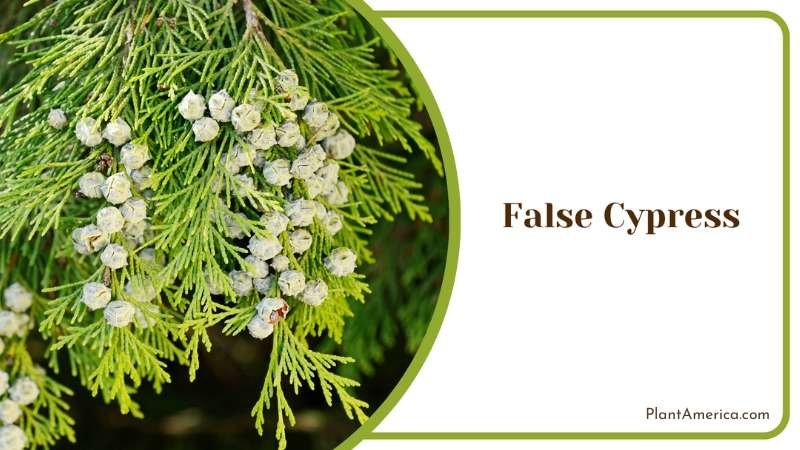
- Growing season: Year Round, Evergreen.
- Leaf shape: Scale Like, Aromatic Mid Green.
- Specific needs: Full Sun, Low Water.
- Common pest: None.
False cypress thrive in full sun with their tight columnar evergreen growth. The conical shrub requires minimal pruning when young.
False cypress needs minimal care beyond occasional watering during dry spells. They thrive in well-draining soil and tolerate most conditions as long as the soil drains. Avoid overwatering which can cause foliage to turn brown. Apply mulch to conserve moisture but avoid touching the trunk. Prune as needed while young to maintain a columnar shape, and avoid summer pruning which encourages excessive regrowth.
31. Barberry
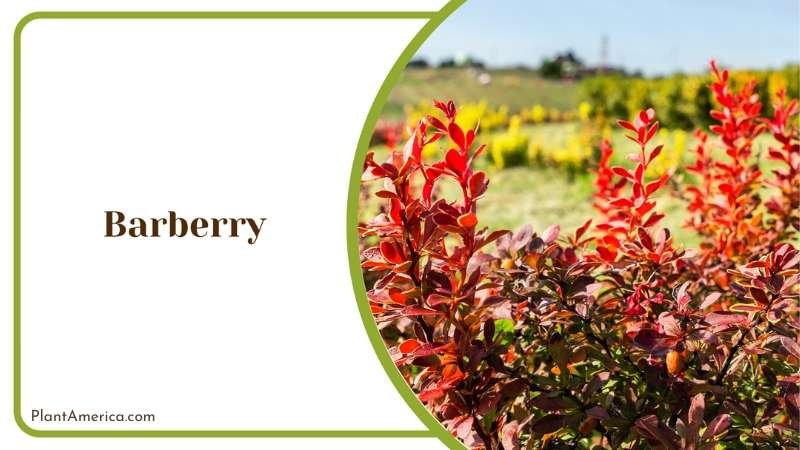
- Growing season: Spring, Fall.
- Leaf shape: Simple Margins, Variable Color.
- Specific needs: Full Sun to Shade, Low Water.
- Common pest: None.
Barberries thrive from full sun to partial shade with their ornamental berries, foliage color, and fall foliage. The upright rounded shrub requires minimal pruning. Barberries need minimal care beyond occasional watering during dry periods.
They tolerate most soil types as long as the soil drains well. Fertilize in early spring before new growth arises. Prune as needed while avoiding summer pruning, which encourages excessive regrowth. Monitor for rust disease and treat as needed with fungicide. Some varieties have spines that provide natural deer repellency.
32. Red Twig Dogwood
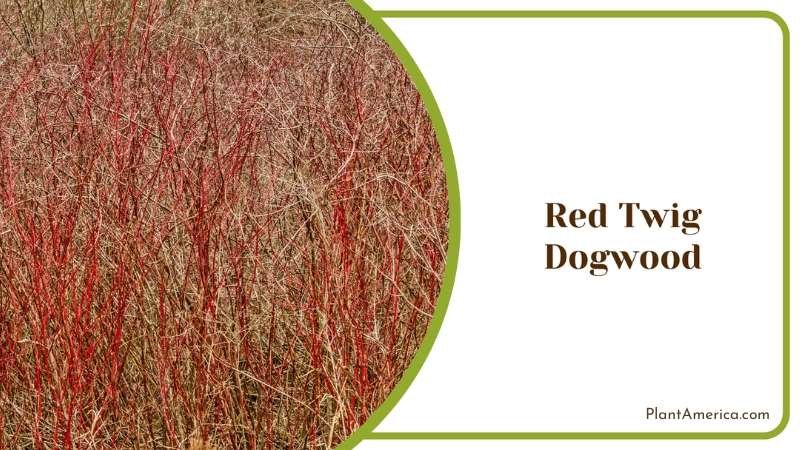
- Growing season: Spring, Fall.
- Leaf shape: Simple, Elliptic, Emerges red.
- Specific needs: Partial Shade, Moderate Water.
- Common pest: None.
Red twig dogwood thrives in partial shade with their brightly colored red stems visible in winter and showy white blooms in spring. The multi-stemmed shrub requires minimal pruning.
Red twig dogwood needs moderate care beyond regular watering during hot, dry periods. They prefer moist, acidic soil that is rich in organic matter. Fertilize in early spring before new growth arises. Prune immediately after flowering to maintain size and promote repeat blooming. Monitor for pests like scale insects and treat them as needed. Twig dogwood thrives in wetlands or naturalized areas.
33. Oakleaf Hydrangea
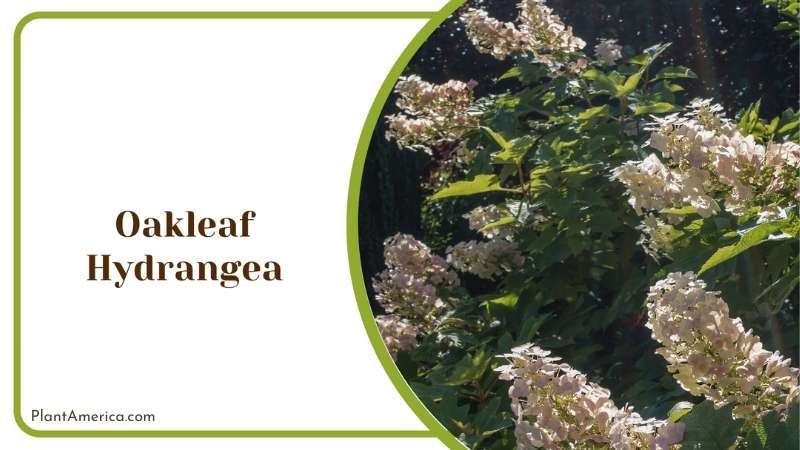
- Growing season: Spring, Fall.
- Leaf shape: Lobed, Mid-Green that matures bronze.
- Specific needs: Partial Shade, Moderate Water.
- Common pest: None.
Oakleaf hydrangea thrives in partial shade with their showy cone-shaped white to pink blooms in summer and brilliant red and purple fall foliage color. The rounded shrub requires minimal pruning.
Oakleaf hydrangea needs moderate care beyond regular watering, especially during hot and dry periods. They prefer moist, acidic soil that is rich in organic matter. Fertilize in spring before new growth emerges. Prune after flowering to promote compact habit. Plants benefit from light applications of lime in acidic soil to raise the pH and produce bluer flower stalks.
34. Deciduous Shrub
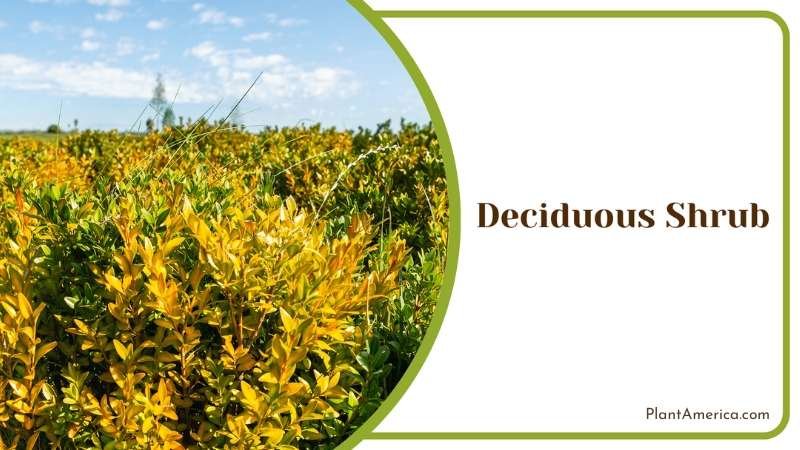
- Growing season: Variable, Deciduous.
- Leaf shape: Lobed, Mid-Green that matures bronze.
- Specific needs: Full Sun to Partial Shade, Moderate Water.
- Common pest: Depends on Specific Shrub, Mites.
Deciduous shrubs provide year-round garden interest based on their seasonal foliage, flowers, fruits, and fall color. They require minimal to moderate pruning to maintain shape and encourage optimal growth.
Deciduous shrubs need minimal to moderate care based on specific needs. Most thrive in well-draining soil and prefer full sun to partial shade. Regular watering is essential during dry periods. Fertilize in early spring before new growth arises. Prune after spring blooms and fall leaf drops based on the individual plant’s requirements to promote growth and habit. Common pests and diseases will vary by specific shrub type.