
Texas shade plants offer diverse colors, textures, and interests for your landscape. If you have shady areas in your yard that leave you grabbing more plants to fill the space, we’ve got some shade-friendly plants that will thrive in harsh Texas conditions.

Whether you live in North or Central Texas, you’ll find options that handle high heat, humidity, and sporadic rainfall from iron-clad stalwarts like a cast iron plant to colorful native stars like Turk’s cap. So if you’re ready to fill those empty corners with an explosion of color and life, keep reading to discover 15 tough-as-nails Texas shade plants you’ll love.
15 Perfect Texas Shade Plants You Will Appreciate and Love
1. Cast Iron Plant
- Growing Season: Spring, Summer
- Leaf Shape: Long, Strappy
- Specific Needs: Partial shade, Consistently moist soil
- Common Pests: Scales, Mites
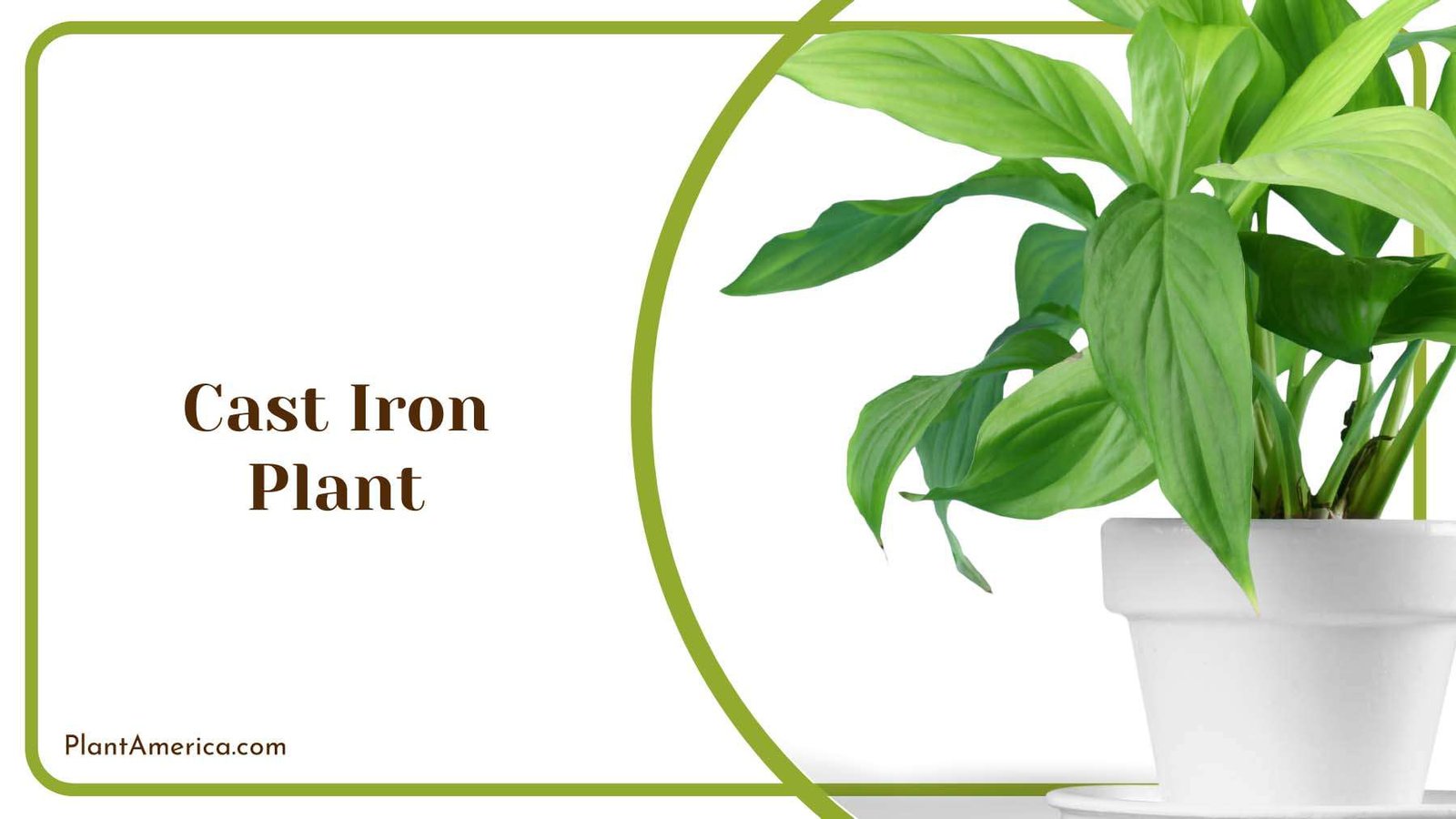
The Cast iron plant thrives in partial shade and the long strappy leaves emerge from a central crown. Cast iron plants grow year-round in mild climates, it is planted in spring in partial shade and moist but well-draining soil, even moisture is provided as leaves expand. Monitor for pests, but the cast iron plant is generally pest and disease free.
The common name comes from the cast iron plant’s ability to endure difficult conditions. The dark green strappy leaves can grow two feet long and have a waxy coating that reduces water loss and the cast iron plant tolerates dry spells, then rebound when watered. Propagate by division in spring.
Cast iron plant’s forgiving nature and lush foliage make it an ideal choice for shady areas where high-maintenance plants would struggle, the arching strappy leaves bring a textural element that contrasts beautifully with broadleaf plants and foliage of varied shapes and colors. Cast iron plants’ simplicity, durability, and architectural quality elevate this often overlooked species into a star plant for any shade garden.
2. Oakleaf Hydrangea
- Growing Season: Spring, Summer
- Leaf Shape: Broad, Rounded
- Specific Needs: Partial shade, Consistently moist soil
- Common Pests: Nematodes, Aphids
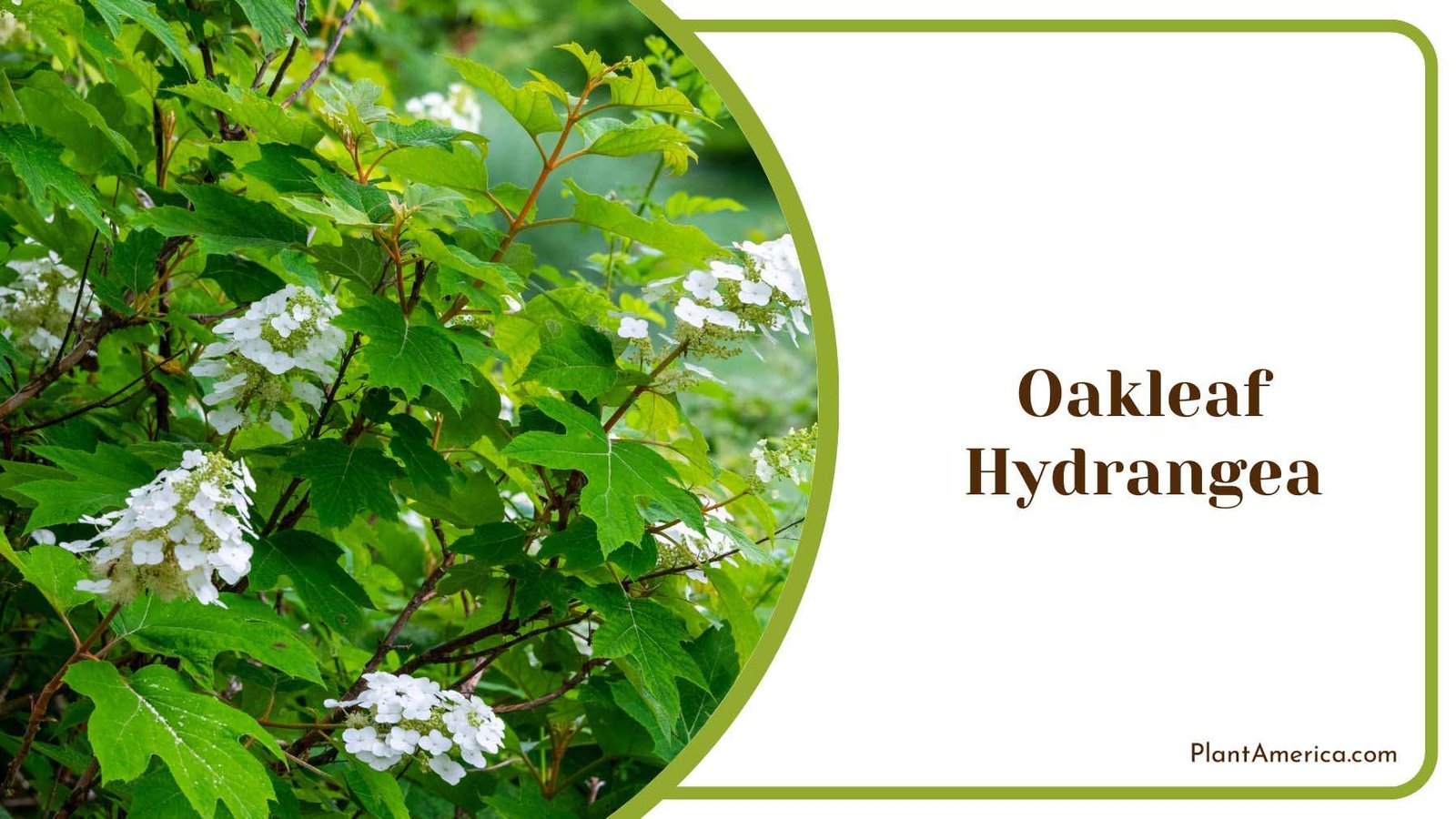
Oakleaf hydrangea emerges with rounded green leaves that mature to a distinctive oak leaf shape, it thrives when planted in spring in partial shade and moist acidic soil. Amend soil with compost and lime to lower pH and provide even moisture as leaves expand. Although you should monitor for pests like aphids, the oakleaf hydrangea is generally pest and disease free.
The rounded flowers bloom white, then mature pink, blue, or purple, while the exfoliating trunk and persistent seed heads bring winter interest. Prune right after flowering to maintain shape. Propagation is by seeds and softwood cuttings. Oakleaf hydrangea’s unique foliage, exfoliating bark, and showy flowers make it a standout choice for shady areas.
The large rounded leaves turn bronze in fall before dropping, and the sturdy stems hold mophead flowers that develop vivid colors. Oakleaf hydrangea’s durability and seasonal beauty elevate this often overlooked native species into a must-have for any garden seeking a durable floral accent for shady zones.
3. Aucuba Japonica
- Growing Season: Spring, Summer
- Leaf Shape: Oblong, Glossy
- Specific Needs: Partial shade, Well-draining soil
- Common Pest: None
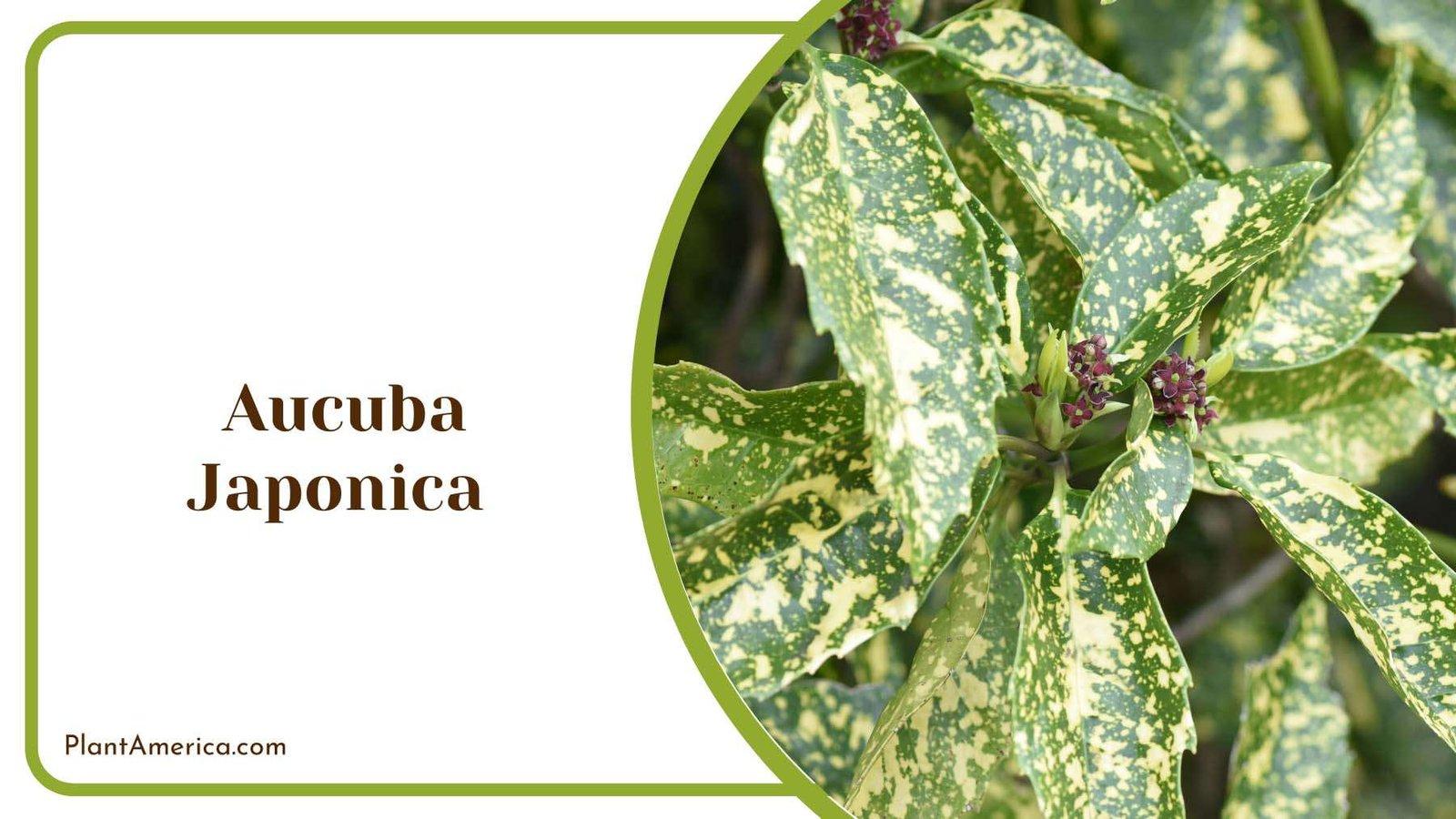
Aucuba japonica emerges with attractive dark green oblong leaves that mature to a stunning deep purple hue. Planted in partial shade and moist, well-draining acidic soil in spring, it thrives with even moisture as leaves develop their colorful display.
Through winter, clustered red berries decorate its branches, sustaining wildlife when other food sources have faded. Regular pruning after flowering promotes a dense, compact form maintained with ease. Propagation is straightforward too through semi-ripe stem cuttings.
Aucuba japonica’s striking foliage coloring, winter berries and tidy rounded form make it an ideal choice for shaded nooks lacking brighter companion plants. As leaves mature from glossy emerald to rich burgundy hues, their tones provide gorgeous contrast.
Low demand once established and a sustaining nature boost Aucuba japonica’s value far beyond other foundation shrubs. Its seasonal evolutions and durability in the shade landscape elevate this often overlooked species to a must-have staple for foundation planting beds beneath trees.
4. American Beauty
- Growing Season: Spring, Fall
- Leaf Shape: Deeply lobed, Ovate
- Specific Needs: Acidic soil
- Common Pest: Aphids, Beetles
American beautyberry is a vibrant, versatile shrub that adds seasonal interest to shaded gardens from spring through fall. Emerging in early spring with attractive deeply lobed dark green leaves, the foliage matures throughout the season to develop lovely purple undersides, creating striking contrast.
Planted in partial shade and moist, acidic soil conditions, it thrives as bright pink daisy-like flowers emerge en masse from summer through early fall. Even after blooming concludes, the flowers persist decoratively on stemmed curls.
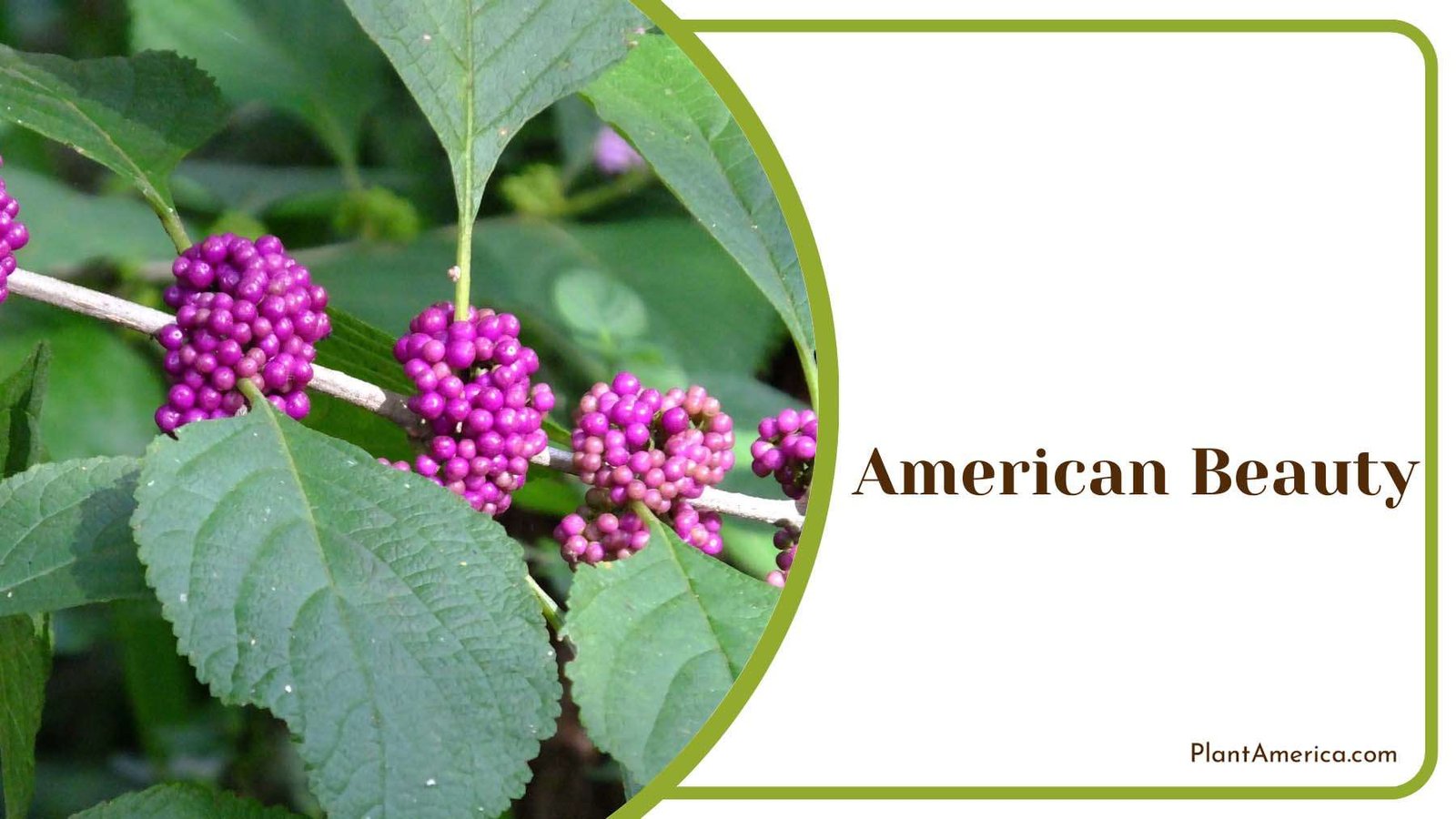
Regular pruning of last season’s flowered stems down to new leafy growth helps maintain the shrub’s compact, tidy shape with ease. Propagation is straightforward as well through collected seed or division of established clumps. Come autumn, the leaves transform into rich burgundy hues just before dropping for winter, followed by the emergence of vibrant purple berries that sustain wildlife through the season.
American beautyberry’s cheerful season-long bloom display, lush texture from varied foliage evolving through deepening tones, and vibrant bright fruits come fall and winter make it a truly unique and outstanding choice for sprucing up shady gardens typically lacking vibrant accent plants.
As a low maintenance, drought tolerant Texas native exceptionally well-adapted to its climate and conditions, it thrives with minimal inputs once established. All of these attributes from its bold flower contrast and foliage evolutions to fruiting entertainment value elevate American beautyberry beyond ordinary native shrubs. An essential asset for any shade landscape, its persevering nature and seasonal contributions add layers of interest throughout the entire year.
5. Malvaviscus Arboreus
- Growing Season: Spring, Summer
- Leaf Shape: Palmate, Compound
- Specific Needs: Partial shade, Well-draining soil
- Common Pests: None
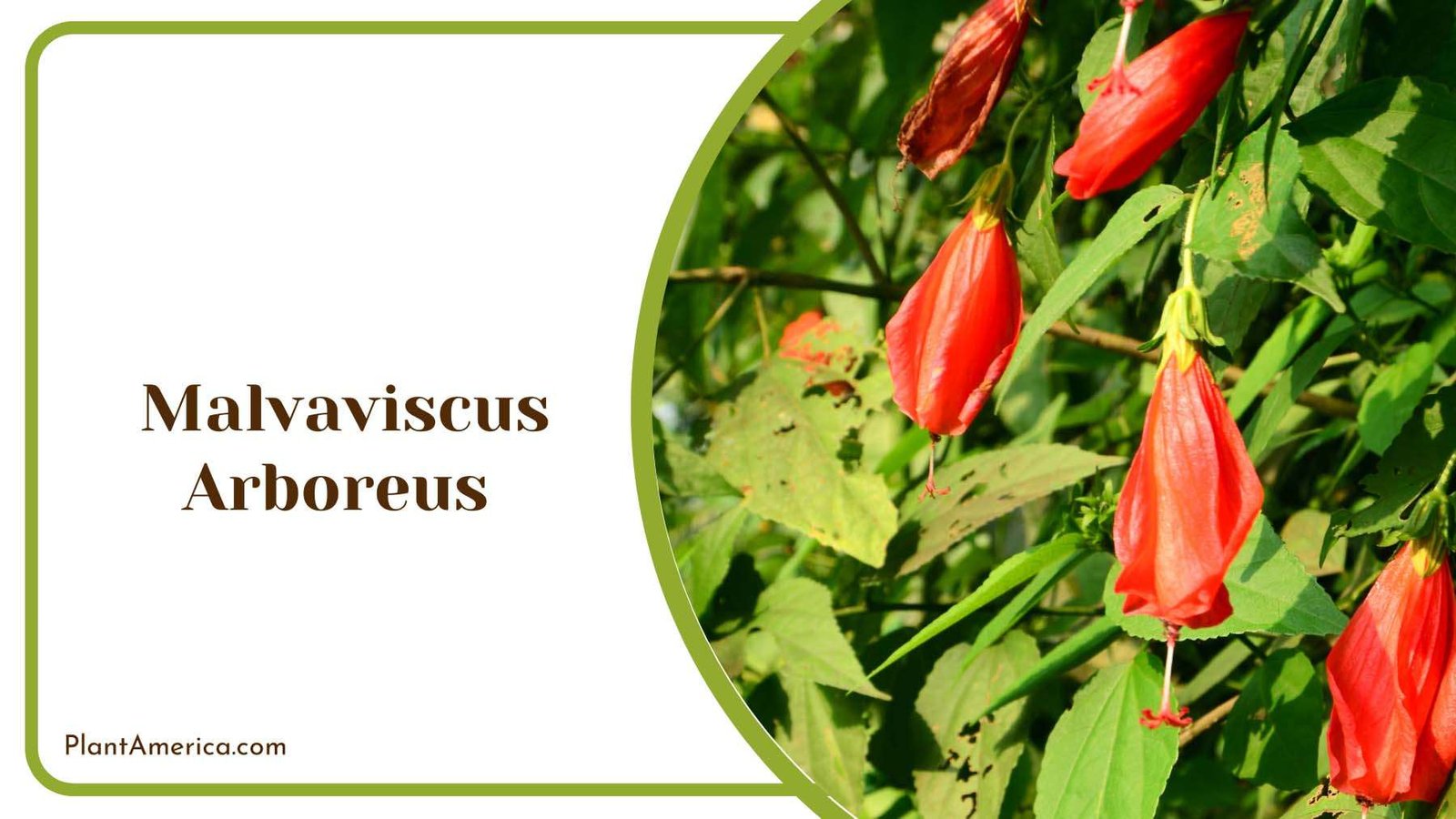
Malvaviscus arboreus emerges with pale green palmate compound leaves that develop a shiny waxy coating as they mature. This perennial shrub thrives when planted in spring in partial shade and moist, acidic soil with a pH of six to six and a half.
The showy clusters of red tubular flowers bloom continuously all summer long, presenting a vibrant display. After flowering concludes in late summer, one should cut stems back to maintain shape and promote new growth. Malvaviscus arboreus is easily propagated through both seed collection and root cuttings.
The plant’s showy flowers, interesting foliage that transitions from glossy green to waxy and shiny, and bright red coloration make it a standout choice for shady areas. The palmate compound leaves initially emerge pale green before developing their glossy waxy coating that reflects sunlight.
Malvaviscus arboreus’ perennial durability gives it a tropical appearance that provides year-round interest. Its season-long bloom from early summer to fall elevates this native Texas plant into an essential addition for any shade garden seeking attractive foliage and continuous colorful flowers over several months.
6. Coral Bells
- Growing Season: Spring, Fall
- Leaf Shape: Basal rosette, Rounded
- Specific Needs: Partial shade, Consistently moist soil
- Common Pests: Black vine weevils, Rarely affected by pests
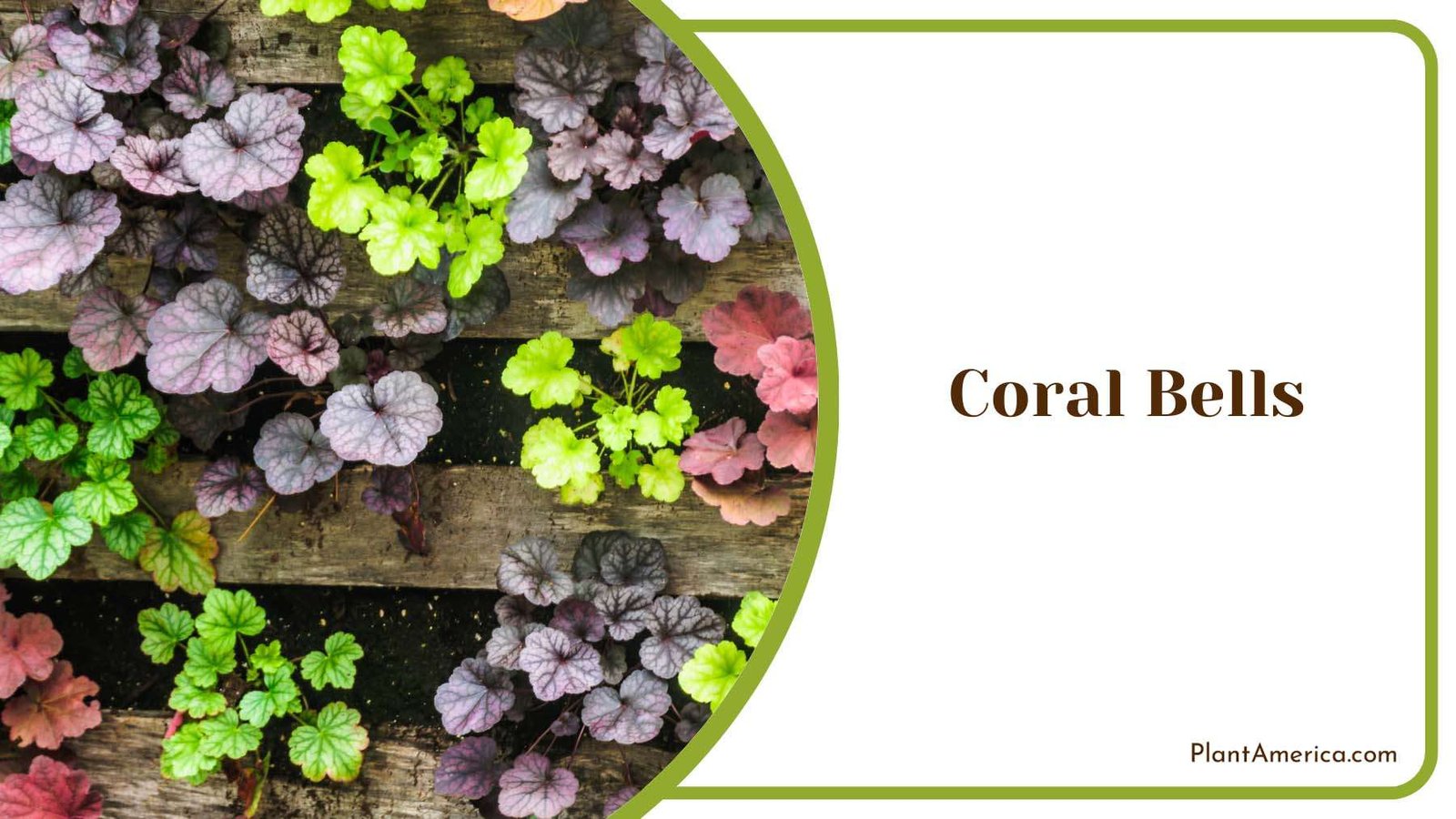
Coral bells emerge with a basal rosette of rounded green leaves that develop pink or red tones as they mature. This hardy perennial thrives when planted in spring in partial shade and moist, well-draining soil. The bell-shaped flowers bloom from reddish pink to white in summer.
One should cut the stems back after flowering to maintain shape and control growth. Coral bells are easily propagated by several methods including seed, division, and root cuttings. The plant’s striking foliage colors, delicate flowers, and fine texture make it a standout choice for shady areas. New rounded basal leaves initially emerge with a vivid green coloration before developing attractive pink or red tones as they mature.
Variegated types with yellow or cream-colored markings on the leaves are also available. Coral bells’ perennial durability, fine texture, and long bloom time over several weeks in summer elevate this classic selection into an essential addition for any shade garden seeking aesthetically pleasing foliage as well as colorful flowers.
7. Ajuga Reptans
- Growing Season: Spring, Fall
- Leaf Shape: Oval, Elliptic
- Specific Needs: Consistently moist soil, Partial shade
- Common Pests: Leaf beetle, Rarely affected by pests
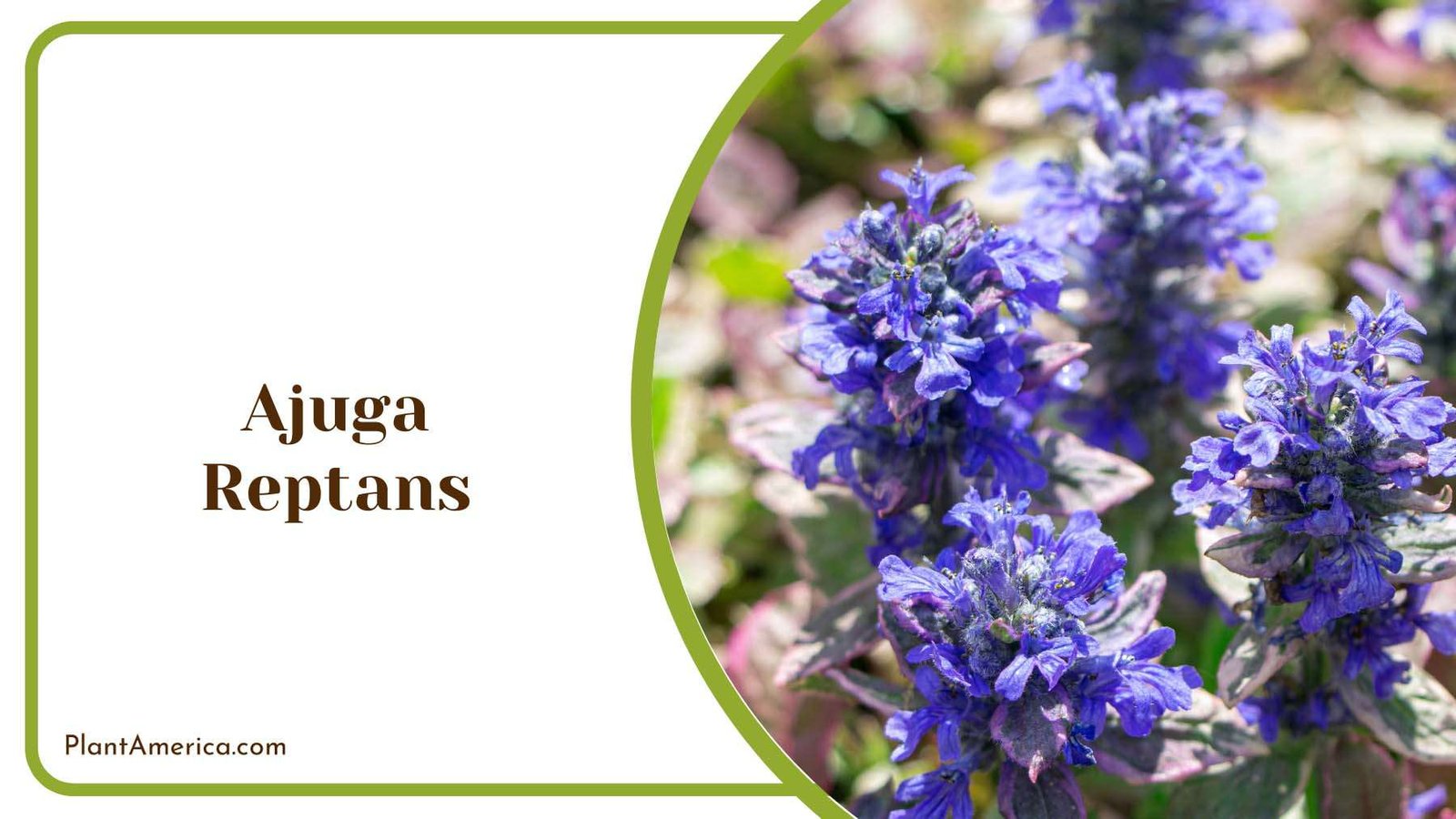
Ajuga reptans emerge with tiny oval green leaves that retain their color year-round and it thrives Hostas. Ajuga reptans is a versatile perennial groundcover perfectly adapted to thrive in shaded garden beds. Emerging in early spring, its fine foliage carpets the dimmest of areas with a lush mat of tiny oval green leaves that retain their rich color year-round. Even in spots with sparse sunlight, ajuga continues growing steadily.
Come spring, delicate clustered spires of gentle blue flowers rise just above the foliage, a striking accent against the dark green. Some reblooming may occur later in milder seasons as well. After flowering concludes, regular pruning promotes a consistently dense, compact habit while also encouraging further blooms. Propagation through division or stem cuttings ensures expansion to fill unused spaces.
Ajuga reptans’ methodical spreading habit allows it to strategically blanket naked ground over time while retaining a tidy appearance. Combined with its fine evergreen texture and periodic pops of vivid blue, it brings an unusually beautiful dynamic to otherwise dull shaded gardens under trees, bushes or structures. Requiring little else besides occasional division or edge trimming, its low demand nature makes ajuga a prudent choice where more high maintenance perennials would struggle.
Perfectly poised to populate narrow strips, blanket between stepping stones or creatively trace winding pathways beneath obstructions, ajuga elevates mundane shaded spots into cohesive beautiful plantings. Its persevering resilient growth and versatile applications cement ajuga reptan’s status as an essential addition for any landscape, particularly those with sparse sunlight.
8. Hostas
- Growing Season: Spring, Fall
- Leaf Shape: Oval, Pointed
- Specific Needs: Partial shade, Well-draining soil
- Common Pests: Slugs, Thrips
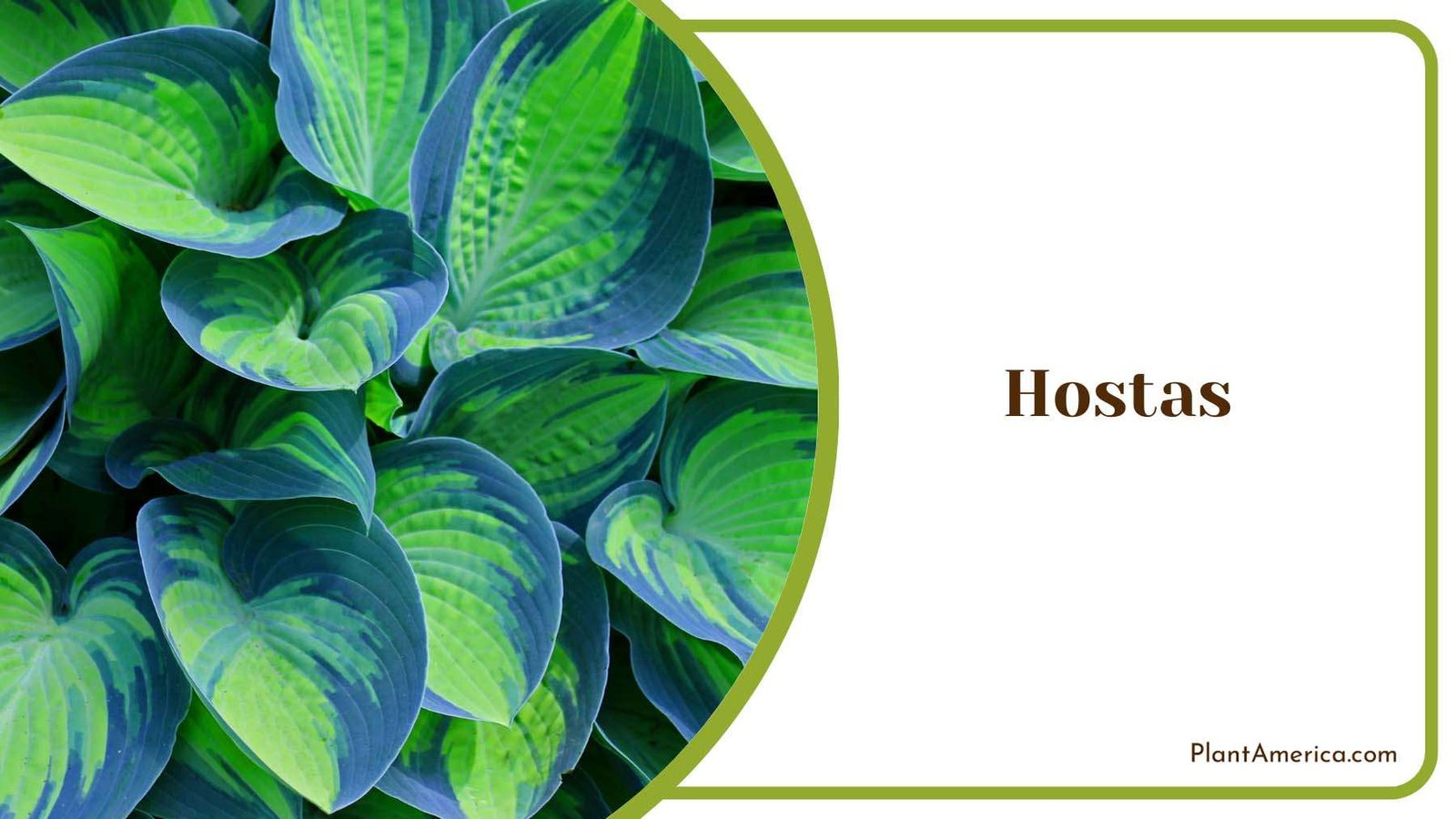
Hostas emerge in early spring with attractive oval to pointed green leaves that continue developing interest throughout the warm months. As they mature, many develop striking variegated patterns of cream, gold or white that provide beautiful contrast in shaded gardens. Planted in moist but well-draining soil with partial shade, hostas thrive comfortably even in difficult hot spots beneath trees.
Come summer, delicate clusters of bell-shaped flowers in shades of white, lavender or purple emerge atop leafy foliage or scapes. After blooming concludes in mid-summer, pruning stems maintains tidy plant form while encouraging further growth. Propagation through dividing crowded clumps ensures abundance to fill unused garden beds.
Hostas’ massive array of leaf shapes, sizes and dramatic color combinations including variegated, blue and green make them endlessly useful for liven enlivening shady areas that typically feature sparse plant selections. Everything from narrow straplike foliage to thick elephant ear contrasts add layers of texture. Combined with their hardiness and resilience, hostas easily outperform competitors.
Their methodical creeping rhizomes allow hostas to gracefully carpet grounds over seasons, becoming befitting permanent plantings that require little else besides occasional division. Vastly different leaf options, perennial nature and ability to spread tamely elevate hostas as essential additions for any landscape challenged by shade. An unrivaled selection, their adaptability is perfectly poised to transform dull gardens into lush oases.
9. Ferns
- Growing Season: Spring, Summer
- Leaf Shape: Pinnate, Separate leaflets
- Specific Needs: Partial shade, Acidic soil
- Common Pests: Mealybugs, Mites
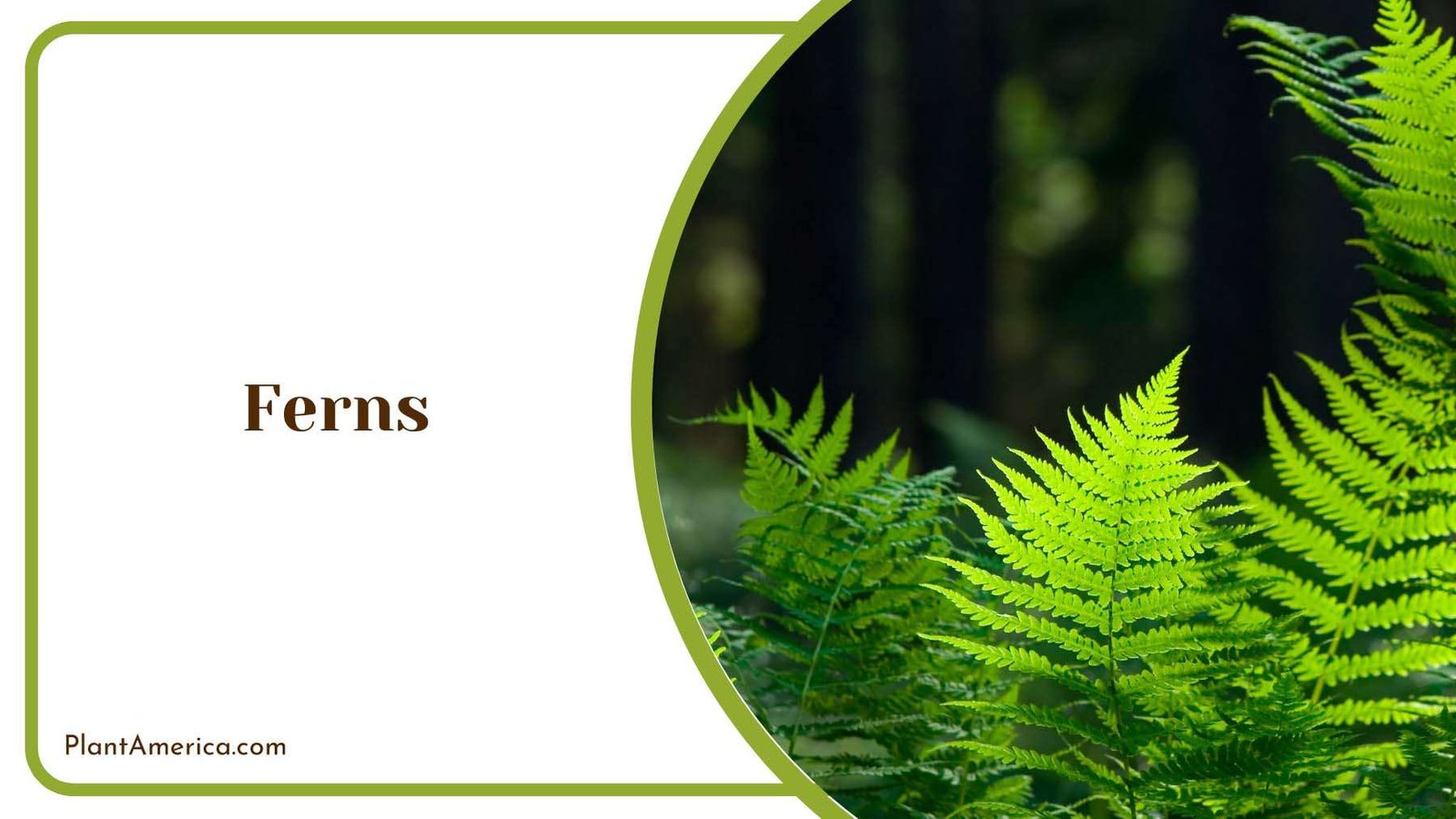
Ferns emerge from dormancy in early spring to produce tiny coiled fiddleheads that unfurl into lush new fronds. When planted in moist, richly organic and acidic soil conditions with partial to full shade exposure, ferns thrive all season. Throughout summer, graceful fronds unfurl further contributing vibrant texture.
Later in the growing period, ferns reproduce via spores developing on undersides of fronds. As spores scatter upon maturity, new plants may emerge nearby to spread the colony gradually. Regular pruning keeps vigorous varieties in shape by removing old decaying frond material. Division of established roots or rhizomes also encourages spread.
Ferns offer an indispensable degree of diversity unmatched by other shade-loving groups, with a seemingly infinite array of frond shapes—from lacy and feathery to coarse and knotted. Delicate maidenhair to stately ostrich selections add layers of texture to the understory. Combined with their persevering resilience requiring little maintenance, ferns excel where many others struggle.
Perfectly poised for carpeting challenging ground beneath trees and shrubs, lining paths, accenting borders or topiaries, ferns skillfully transform dull shadescapes into lush, verdant oases through history and seasons alike. Vast morphological variety and foolproof dependability reinforce ferns as quintessential additions for landscapes tortured by sparse sunlight.
10. David Austin Roses
- Growing Season: Spring, Summer
- Leaf Shape: Compound, Pointed tip
- Specific Needs: Partial shade, Acidic soil
- Common Pests: Spider mites, Japanese beetle
David Austin roses emerge from winter dormancy with glossy compound leaves that continue developing depth of color and texture through the growing season. Planted in rich organic soil with partial afternoon shade and even moisture provided regularly as leaves expand, the bushes thrive vigorously.
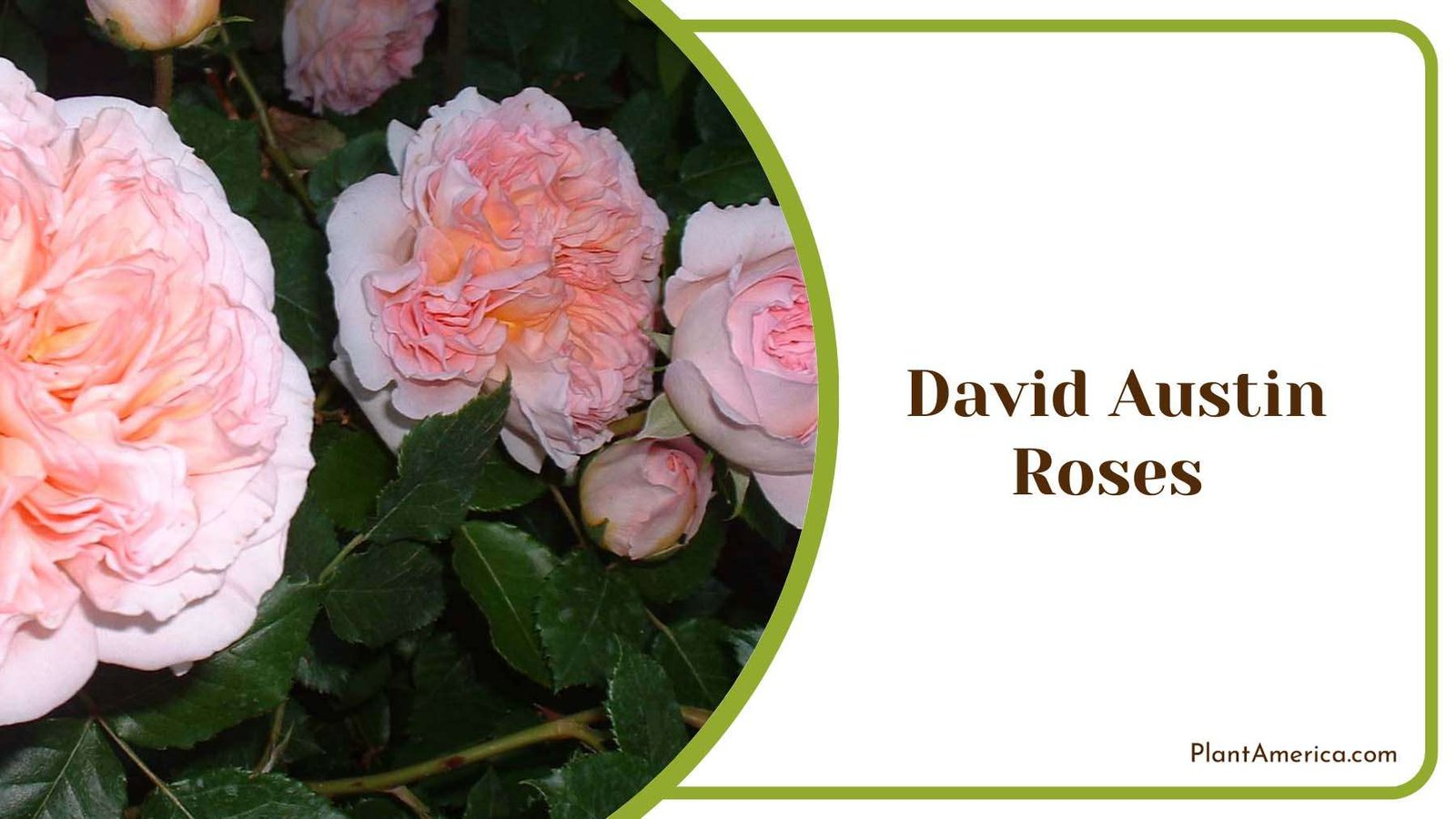
Beginning in early summer, beautiful rosettes in shades of soft pink, buttery yellow, vibrant crimson and coral arrive in long-lasting flushes. Whether fully quartered blooms or loosely cupped, each carries intensity of fragrance unrivaled by most modern hybrids. As temperatures warm, repeat flowering persists exquisitely through changing seasons.
After flowering concludes in fall, selective pruning shapes bushy rounded forms while stimulating further bud production come spring. Propagation through fresh softwood cuttings rooted over summer generates stock easily. Non-stop blooming paired with unparalleled scent elevates these English-style classics.
Perfect for gracing patios or framing walkways with fluttering blooms, David Austin roses thrive with minimal care. Low disease susceptibility means minimizing spraying requirements. With such an immense assortment including climbing and shrub varieties, these iconic roses epitomize English Rose reliance hailed by romantics. Timeless beauty, resilience and fragrance cement their status as garden staples.
11. Hellebores
- Growing Season: Late winter, Spring
- Leaf Shape: Palmate, Basal foliage
- Specific Needs: Partial shade, Well-draining soil
- Common Pests: Aphids, Slugs
Hellebores emerge from winter dormancy in late winter, signaling the imminent arrival of spring with clusters of glossy palmate leaves. Their foliage acquires rugged leathery textures through maturation. When established in rich organic soil with regular moisture yet free drainage and partial afternoon shade, they thrive resiliently.
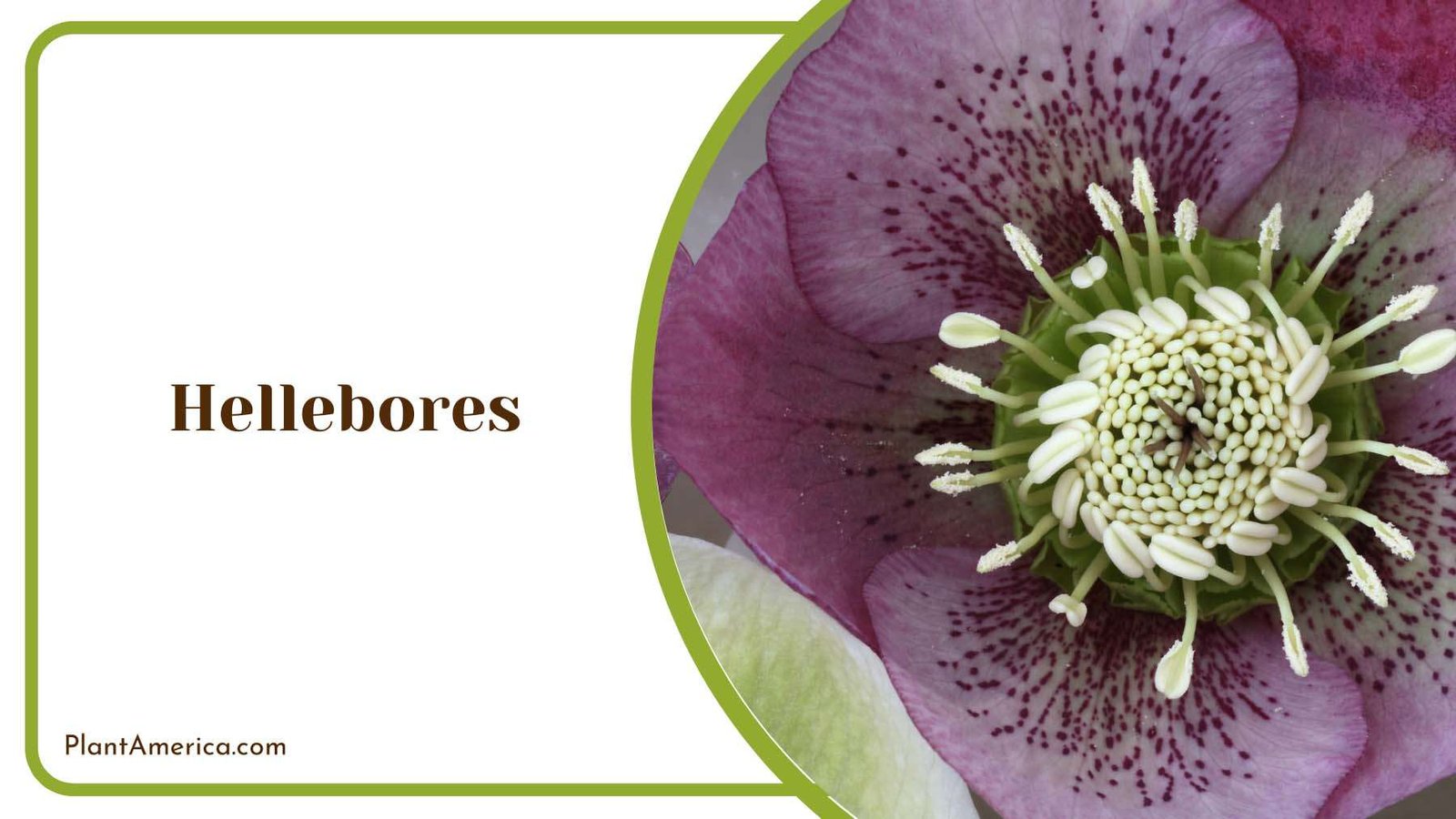
Beginning in mid to late winter, cheerful saucer-shaped blooms bursting in a vast array including hues of pristine white, delicate pink, vibrant coral and deep plum arrive daily to delight when little else colors the garden. As temperatures gradually rise into early spring, hellebores flowering persists gracefully.
After blooms fade, selective pruning shapes dense cushiony form while stimulating further re-rounding come fall. Division of crowding thickened roots in spring, collected ripe seeds in fall or planting out fresh starts ensures multiplying stock effortlessly.
Perfect for establishing beneath canopy trees, crafting woodland naturalism or lining pathways, hellebores dependability coupled with vibrant winter flowering cement their status as indispensable perennials. Low fuss nature requires minimal aside from occasional division. With such a broad selection, hellebores elevate ordinarily bleak winter gardens to verdant tapestries regardless of exposure.
12. Bleeding Hearts

- Growing Season: Spring, Early Summer
- Leaf Shape: Palm-shaped, Compound
- Specific Needs: Partial shade, Consistently moist soil
- Common Pests: Mealybugs, Thrips
Bleeding hearts emerge in early spring to produce attractive rounded palm-shaped compound leaves in clusters along waxy stems. When established in organic, moist yet well-draining mildly acidic soil with afternoon shade, the perennials thrive through summer dormancy.
Come mid to late spring, delicate dangling tubular pink blooms resembling bleeding droplets appear in long graceful curtains along the stems. The charming old-fashioned flowers elicit a sense of nostalgia, perfect for cottage style woodland gardens. After flowering concludes by early summer, pruning stems back maintains a tidy growing habit.
Propagation through seed collection in fall for spring sowing or division of established crowns ensures abundance to carpet mossy areas underneath trees and shrubs. Bleeding hearts grow equally well in full sun when dormant, with leaves forming once warmer weather arrives after frosts have ceased.
The vivid pink emergent blooms coupled with the plants’ graceful weeping habit make bleeding hearts a marvelous nostalgic addition for shaded nooks and crannies. Perfect for carpeting the ground underneath canopy trees or lining a woodland path, the perennials thrive unattended aside from occasional division.
Low water needs and gold autumn foliage bring lasting value through seasons. An essential charm for romantics, bleeding hearts’ delicate beauty, historical appeal, and resilient nature cement their classic status.
13. Camellia
- Growing Season: Late winter, Spring
- Leaf Shape: Simple, Oval
- Specific Needs: Partial shade, Acidic soil
- Common Pests: Camellia scale, Thrips
Camellias emerge from winter dormancy in late winter to produce simple oval waxy leaves of deep emerald hue. When established in rich organic, moist yet freely drained mildly acidic soil in partial afternoon shade, the evergreen shrubs thrive through changing seasons.
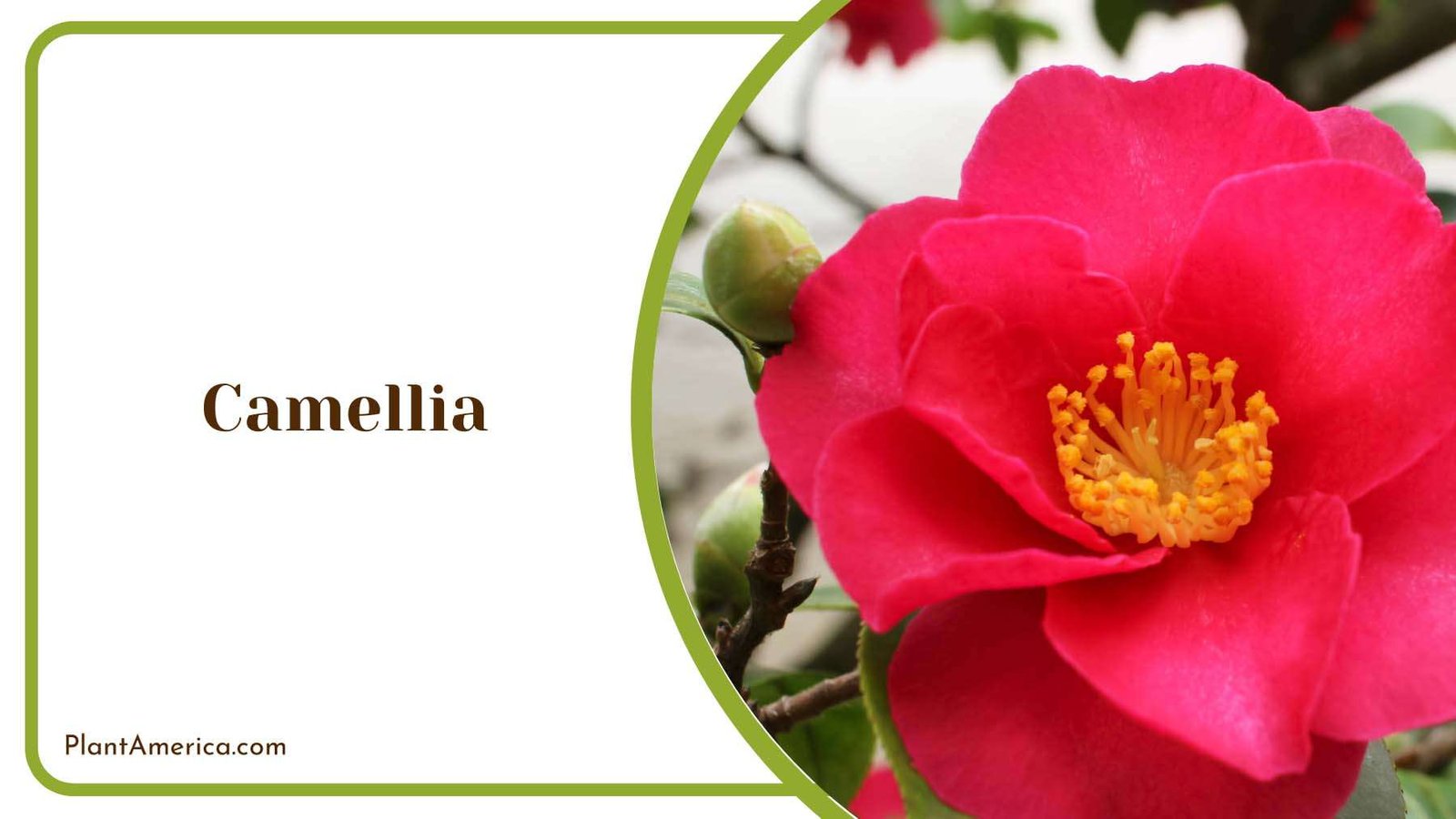
Beginning in early spring, delicate blooms bursting in a splendid array of colors from pristine white to soft pink and vibrant red appear en masse. As temperatures warm, the showy flowers provide vibrant allure long before other plantings emerge from dormancy. Through early frosts the bounty persists, delighting with changing hues.
After flowering concludes, selective pruning shapes dense mounded forms while removing interior deadwood encourages further blooming the following year. Propagation through semi-hardwood cuttings rooted in summer or grafting onto seedling rootstock ensures multiplying stock.
Camellias unparalleled flowers coupled with lush tufted greenery cements their status as quintessential shrubs for woodland or coastal gardens. Providing seasonal beauty regardless of conditions, the winter hardy genus thrives equally in full morning sun when leaves are dormant.
Low maintenance and longevity through decades bring immense value few can surpass. An indispensable staple, camellias unrivaled seasonal contributions cement their place in any shade landscape.
14. Daylilies
- Growing Season: Spring, Fall
- Leaf Shape: Sword-shaped, Strap-like
- Specific Needs: Partial shade, Well-draining soil
- Common Pests: Aphids
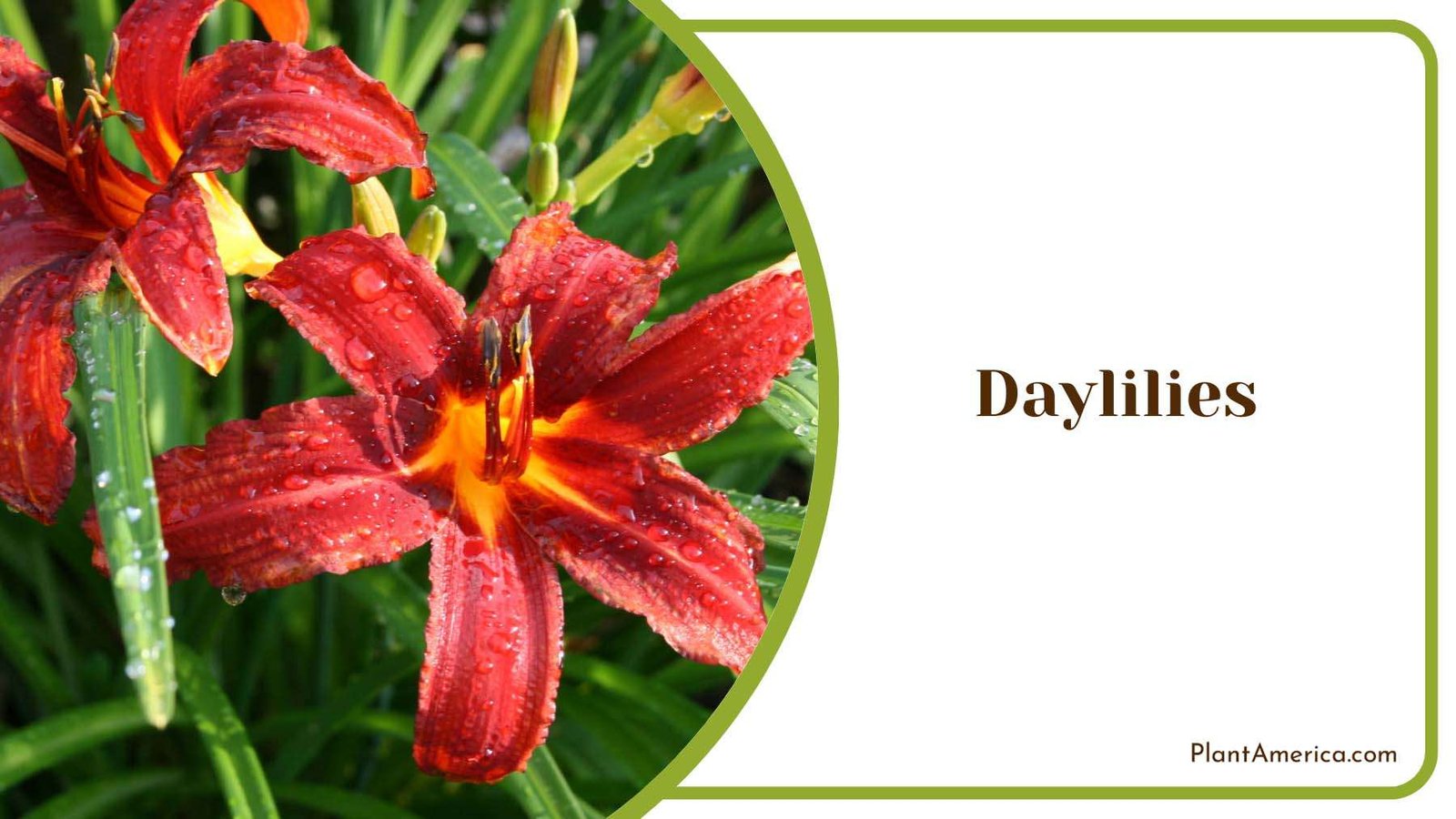
Daylilies emerge in early spring with slender sword-shaped green foliage, signaling the start of their long blooming season. When established in moist but well-draining soil in partial shade, they thrive robustly. Beginning in early summer, cheerful tubular blooms bursting in a vast palette including shades of scarlet, sunset orange, buttery yellow and soft pink appear in succession daily.
As temperatures warm into late summer and early fall, daylilies continue delighting with new colorways opening across crowded fan-shaped leaves. Deadheading spent blooms stimulates further re-rounding, prolonging displays for months. After heavy frost, foliage persists ornately.
Propagation through crowding clump division in spring or fall generates abundant daughter plants to expand colorful massed drifts. Daylilies’ indefatigable nature means establishing large groups requiring minimal upkeep to maintain.
Perfect for brightening shady nooks, daylilies unparalleled cheerful longevity and vibrant hues offer unmatched season-spanning excitement. Mass plantings create tapestries unmatched in conditions unfit for many competitors.
With such an expansive selection across innumerable hybrids and species, daylilies elevate ordinarily dull shade gardens to vibrant masterpieces through late seasons. Their resilience, brilliance and versatility reinforce daylilies’ status as quintessential perennials.
15. Azaleas
- Growing Season: Spring, Summer
- Leaf Shape: Simple, Oval
- Specific Needs: Partial shade, Consistently moist soil
- Common Pests: Azalea lace bug, Caterpillar
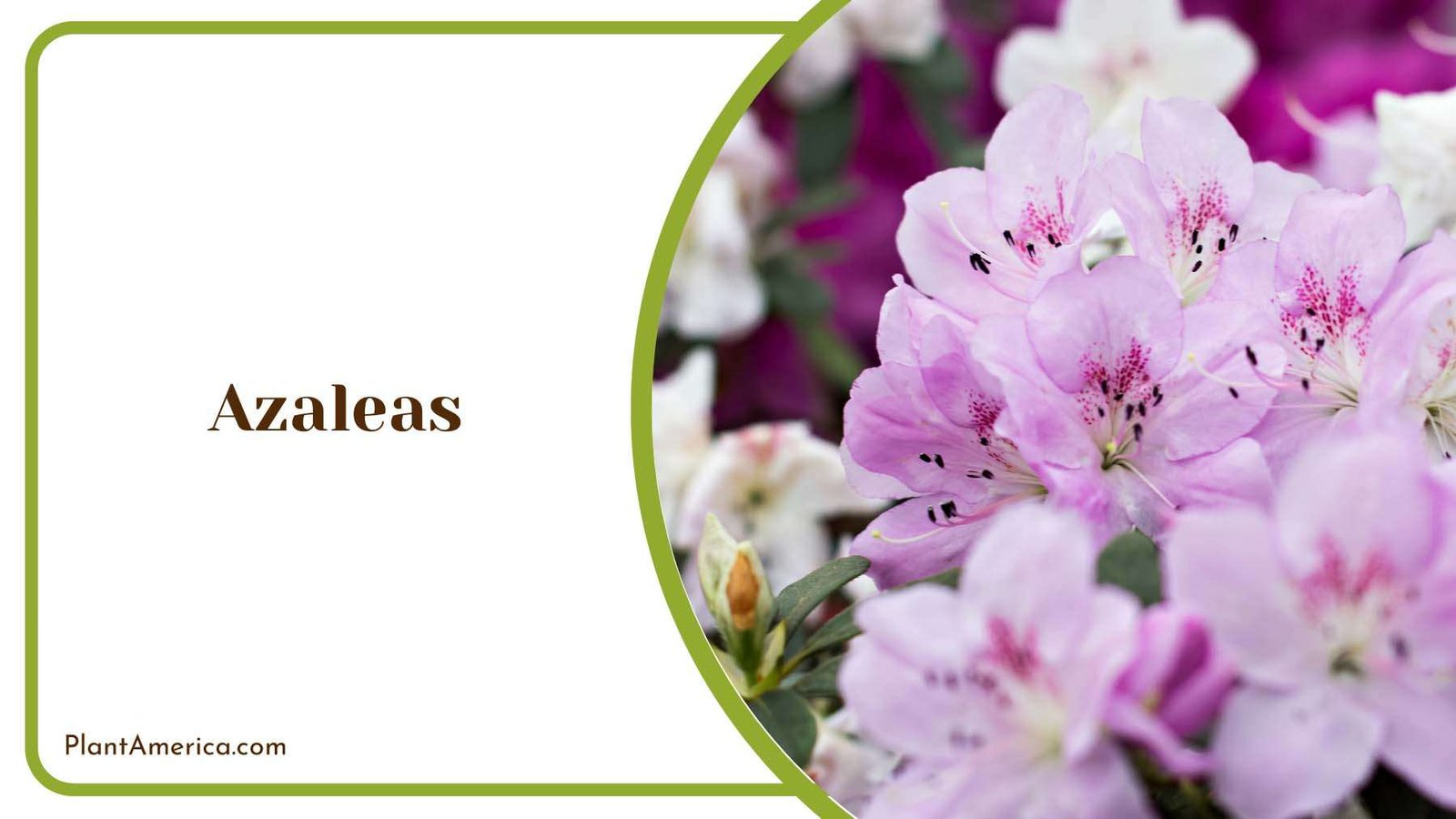
Azaleas emerge in spring with simple oval leaves that develop glossy textures and colors as they mature. They thrive when planted in spring in partial shade and moist acidic soil. Be sure to monitor for azalea lace bugs and treat them with horticultural oil spray. The tubular funnel-shaped flowers bloom in a wide array of colors from early to late spring.
Prune Azaleas after flowering to maintain shape, they are easily propagated by hardwood or softwood cuttings. Azaleas’ hardiness, variety of flower colors, and long bloom time make them a useful addition to any shady garden. The funnel-shaped flowers range from white to dark pink, red and purple blooming in succession. Azaleas’ perennial durability, a vast array of flower colors, and forms elevate this classic selection into an essential addition to any shade garden.