
Taxus yews turning brown is a concern for many gardeners, and quite rightly so! This discoloration means something is wrong in the garden, like unsuitable soil pH, winter stresses, etc.
 But there is no need to be concerned, as you can fix these problems quickly. Stick around to transform your yew’s health journey!
What Causes Taxus Yews to Turn Brown?
Taxus yews turn brown because of excessive watering, unsuitable soil pH, and winter stresses. If you haven’t added fertilizers lately, then the reason behind browning can be mineral deficiencies. Sometimes, pests and disease attacks can also cause the leaves to brown.
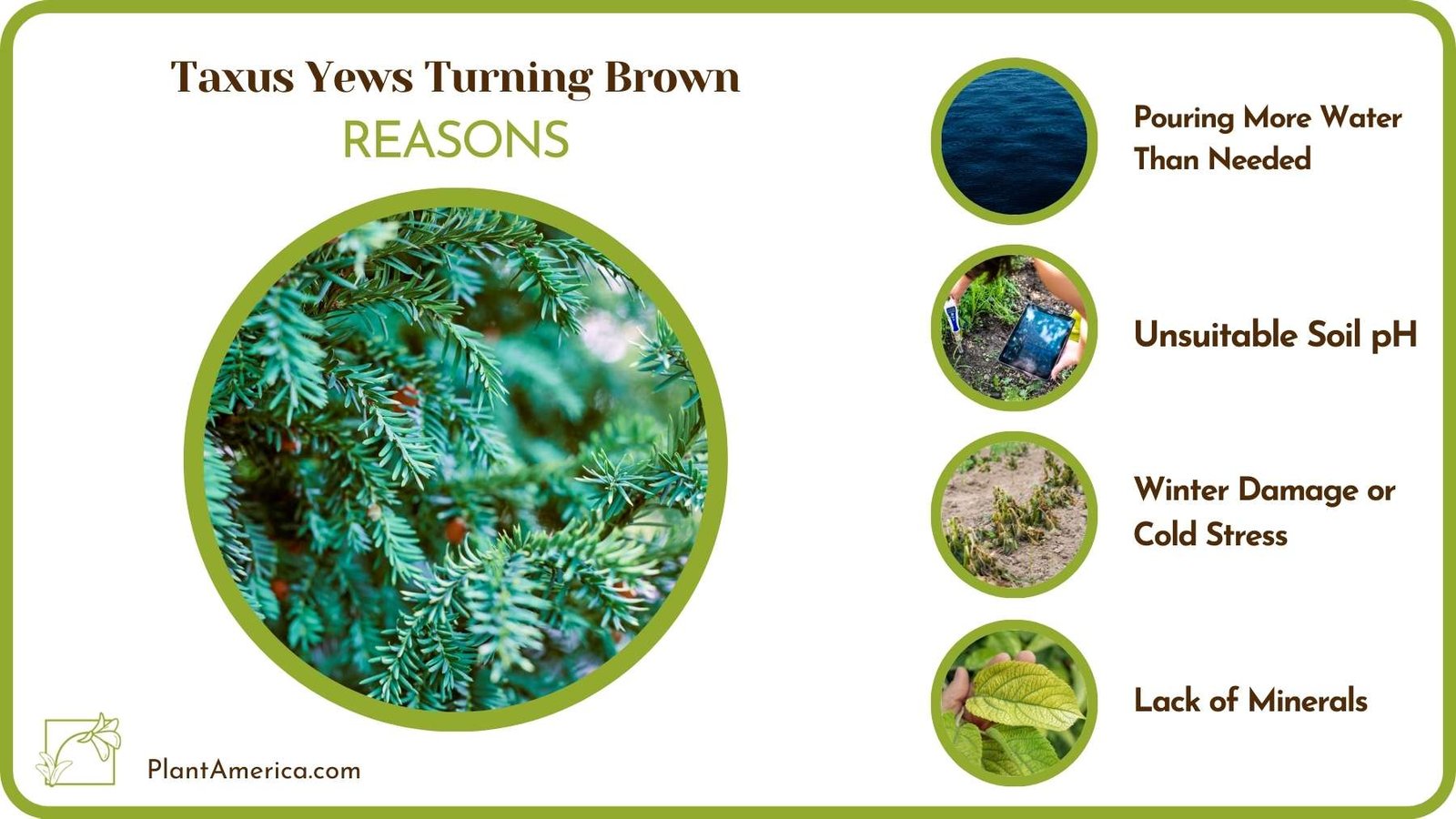
– Pouring More Water Than Needed
When you see taxus yews turning brown and brownish red, one potential culprit is too much water. Plants have a certain thirst level. When that threshold is crossed, it starts to create problems.

For a taxus yew, it’s like being stuck in a prolonged rainstorm without an umbrella. Initially, it might seem alright. But over time, the plant struggles. The ground becomes saturated, making it hard for the roots to breathe.
The roots are vital for nutrient uptake. But when waterlogged, they can’t perform their function efficiently. Sometimes, they can get infected by root rot when they remain underwater for long.
A taxus yew battling rot will show signs of distress. Leaves start to wilt, which is a cry for help. It’s the plant’s way of signaling that something’s amiss underneath.
The roots are the lifeline of a plant. When they’re compromised, the entire plant suffers. So, if you’ve been generous with your watering, it’s crucial to check. Sometimes, the topsoil might feel dry, but a few inches below, it’s a different story.
– Unsuitable Soil pH
For taxus yews, an unsuitable soil pH can wreak havoc, hindering the plant’s ability to absorb nutrients. This, in turn, can lead to the yew leaves taking on a distressed look.
One telltale sign of an unsuitable soil pH is salt damage. Certain minerals/salts can build up when the soil pH is off-balance. Note that Taxus yews are sensitive plants. A slight imbalance in their environment can make them susceptible to such issues.
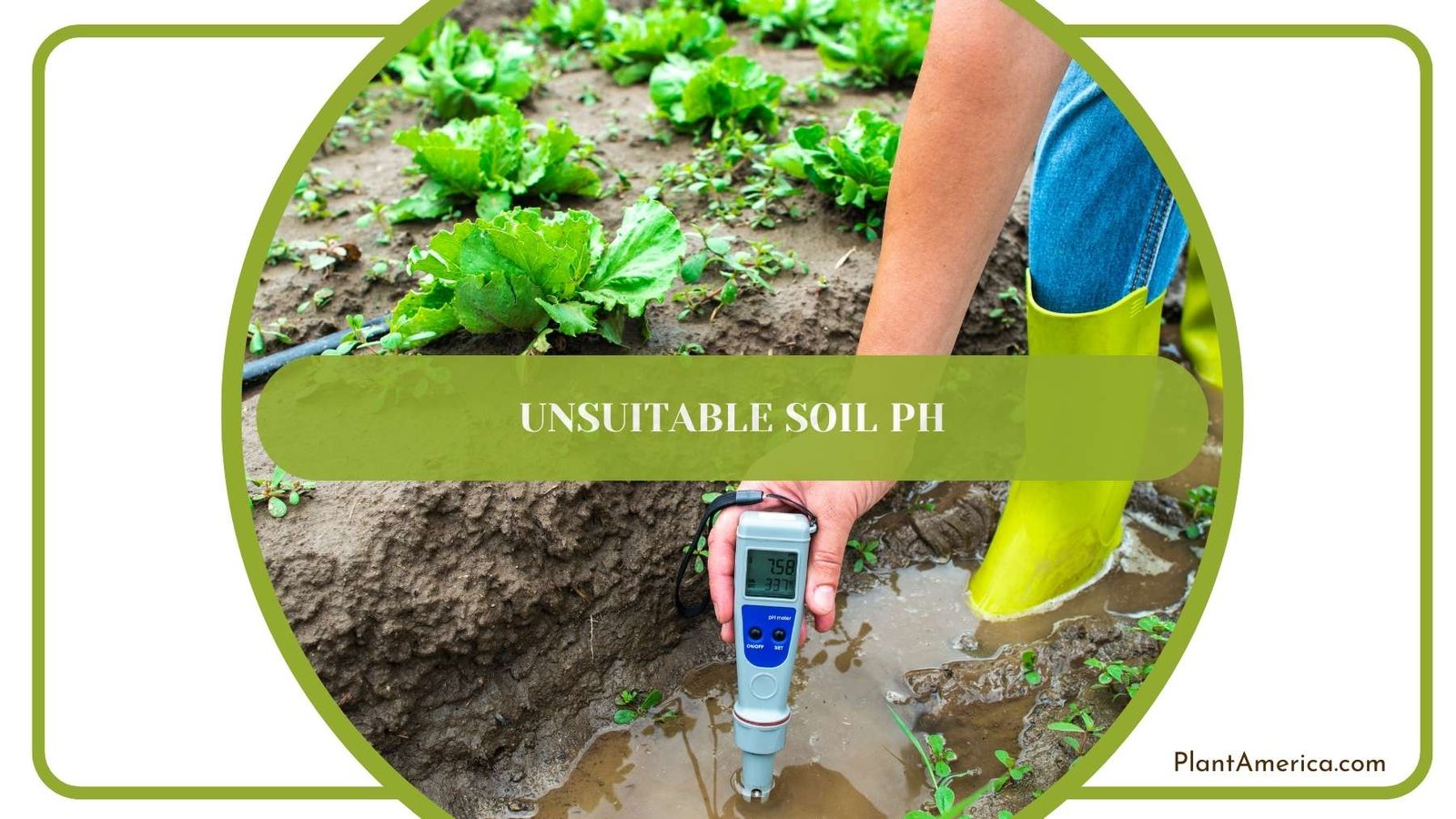
Salt accumulation, in many ways, acts like a blockage. It prevents the plant from getting what it needs. The visible outcome? The yew starts turning brown! This browning isn’t just an aesthetic concern; it indicates deeper, underlying problems.
– Winter Damage or Cold Stress
When there are cold, frosty conditions, it’s no surprise that plants struggle to keep up their vibrant colors. When discussing taxus yews turning brown in winter, it’s crucial to learn about the damage.
Winter damage means the harm caused to plants by icy winds, frosts, and sometimes even snow. Taxus yews, despite being relatively hardy, are not immune to this challenge. Their leaves can begin to discolor, moving from a healthy green to a concerning shade of brown. But how can one differentiate between overwatering and winter-induced browning?
The chill of winter does more than just affect the surface. Beneath the ground, the roots of the yew can also struggle. They find it challenging to take up water from the frozen soil, which can exacerbate issues for a plant already facing cold-induced stress.
– Lack of Minerals
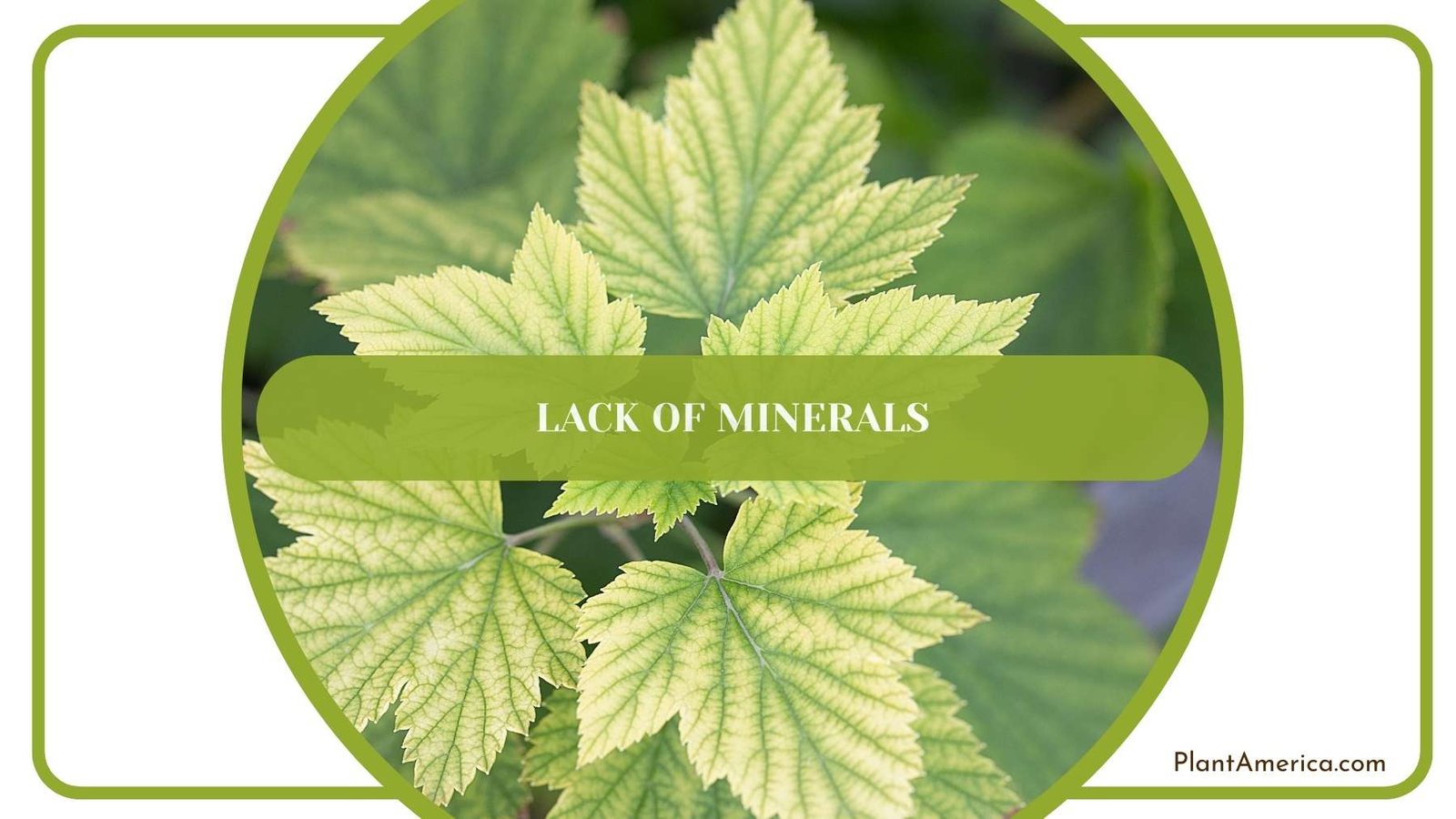
When a taxus yew lacks these essential nutrients, it can’t perform at its best. The plant starts giving out signs, and one of the most common indicators is its leaves turning yellow.
This yellowing is a stark contrast to the usual green. And while many might mistake it for a natural aging process, it’s usually an SOS call. A plant’s coloration is directly tied to its internal health. When the rich, dark green starts fading, it often indicates a deeper issue (which can be mineral deficiency).
Understanding what specific mineral the yew is missing can be a game-changer. For this, you can test your soil to see what it lacks. You can also get the idea by reading the fertilizer label and guessing which ones you haven’t added lately.
– Leaf Scorching: Exposure To Sun
When facing the “yews turning brown summer” issue, sunburn is often at the top of the common problems. Remember that prolonged exposure to harsh sunlight can start to damage the leaves. The intense UV rays scorch the plant, leading to brown needles.
This isn’t a sign of aging or a natural transition but a clear indication of stress. Much like how our skin peels or reddens under excessive sun, yew needles turn brown when sunburned.

When the plant gets too much sunlight, the top leaves become brown. Review your plant’s location to confirm whether the sunburn is the reason behind browning. If it’s facing direct rays in midday, then the reason behind browning is exposure to the sun.
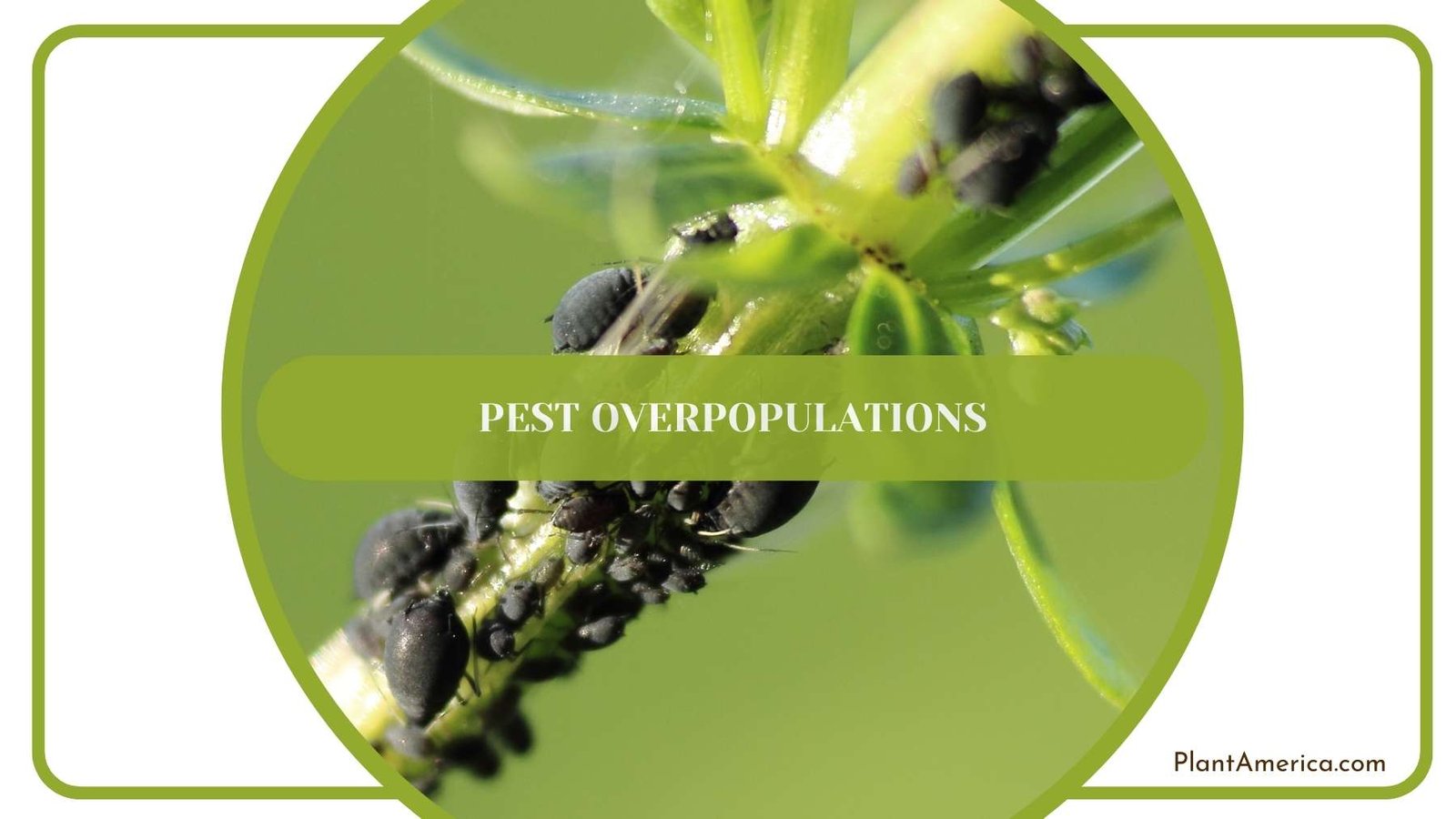
– Pest Overpopulations
Plants face numerous challenges throughout their lifecycle. And, sometimes, the danger lurks much closer than one might expect. One of the after-effects of a cold winter can be taxus yews turning brown after winter.
As temperatures rise post-winter, various pests wake up from their dormancy. Hungry and active, they look for food sources; taxus yews can be an enticing target. These pests can start to nibble on the yews, leading to browning.
It’s essential to keep an eye out as winter transitions into spring. Catching a pest problem early can make all the difference.
– Yews Diseases
Diseases can change your plants’ appearance faster than expected. They affect the internal processes, making it harder for plants to stay healthy. The common disease that leads to browning is yew needle blight. Its symptoms? Yew tree needles turning brown.
Specific fungi cause needle blight. These fungi latch onto the yew, drawing nutrients and causing visible harm. The browning of the needles isn’t just superficial. It’s an indication of a plant battling an infection. But don’t worry; there are many ways to fix the browning.
How to Save Taxus Yews from Getting Brown
To save taxus yews from getting brown, ensure proper soil moisture, and protect plants from temperature extremes. It’s also recommended to place the plants where they can receive indirect light. Furthermore, do insect and disease management whenever yews get attacked by them.
– Keep the Soil Adequately Moist
Watering is a bit of an art when it comes to plant care. Too little, and they dry out. Too much, and you might find yourself dealing with root rot. But there’s a middle ground (a sweet spot) where the soil is adequately moist. This is especially crucial for taxus yews to prevent winter injury.
During winter, it might seem like your plants don’t need as much water because they aren’t growing actively. But that’s a misconception. Taxus yews, like many other plants, can get injured in the winter if their roots dry out.
Therefore, even during the colder months, ensure the soil remains moist but not soggy. It will help the plant combat the harsh conditions and thrive on the other side.

– Deal With the Temperature Stress
Temperature fluctuations can be harsh on yews. It indicates temperature stress if you’ve ever noticed your Japanese yew turning brown after freeze. Here’s what you need to do:
- Mulch Around the Base: Mulching acts as an insulator. It keeps the roots warmer during sudden temperature drops, ensuring they remain active and healthy.
- Choose a Suitable Planting Spot: If you’re planting a new yew or considering relocating an existing one, select a spot that doesn’t get hit directly by cold winds. A little shelter can go a long way.
- Water Before a Freeze: This might sound counterintuitive, but watering before a predicted freeze can help. Moist soil retains heat better than a dry one. This can provide some warmth to the roots during a sudden temperature drop.
Remember, every plant reacts differently to temperature stress. But with the proper precautions, your taxus yew can sail through those chilly days without turning brown.
– Shift Plants to Better Spots
Sometimes, a simple location change is all it takes to resolve an issue. Taxus yews, like any other plants, can show signs of distress if they’re not in their ideal spot. Maybe they’re getting too much sun or placed where cold winds hit them directly.
You can decide on a better location by understanding the yew’s requirements. If your yew is in a pot, moving it is easy. It requires more effort for those planted in the ground, but it can be worth it.
– Remove Pests Immediately
Pests can be the silent destroyers of a garden. They often go unnoticed until the damage is evident. So, regularly monitor your garden to detect them early. We suggest turning the leaves, as pests like to reside on their underside.
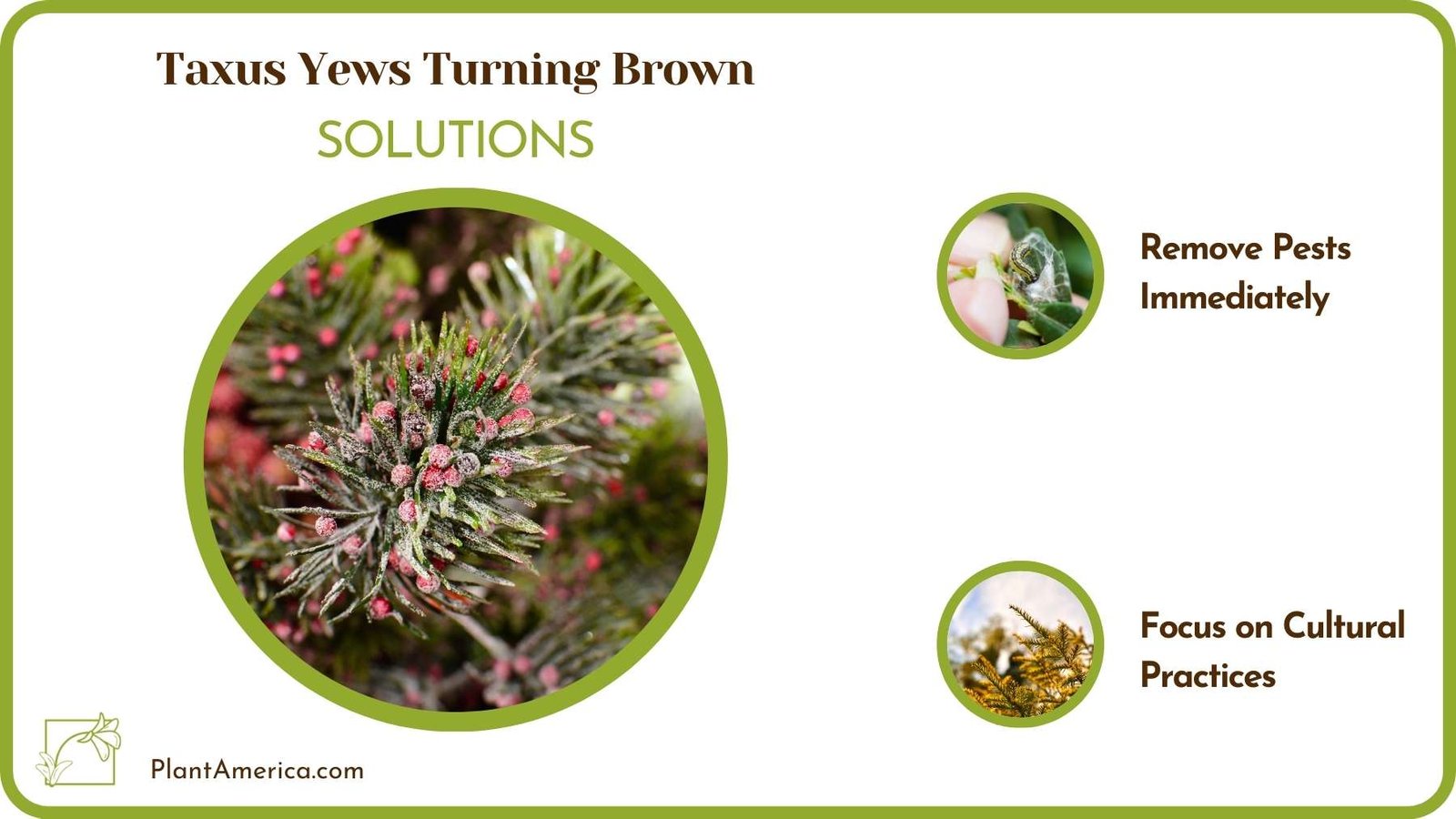
When you spot pests, do these things:
- Use Neem Oil: To deter pests, you can purchase neem oil insecticide from any gardening store. Simply mix it with water and spray it directly on the pests.
- Soap Solution: Dish or insecticidal soap can also be effective against garden pests. Mix it with water and mist the pest-infested areas.
- Alcohol Wiping: If you have rubbing alcohol, take a cotton swab or qi-tip, dip it in the alcohol, and wipe the infested leaves with it.
- Natural Predators: Introduce beneficial insects like ladybugs or praying mantises. They naturally prey on many pests, keeping their numbers in check.
After doing these things, you’ll notice a considerable reduction in pest infestation in a few days.
– Focus on Cultural Practices
Cultural practices are a big part of any gardening. They are critical in maintaining the health and vibrancy of any garden. That’s why you should focus on them whenever you face any problem, like the browning.
- Proper Watering: As mentioned, avoid overwatering. But also ensure the soil doesn’t dry out completely. It’s about striking the right balance.
- Pruning: Regularly trim your yews to remove dead or dying branches. This maintains their shape and ensures better air circulation, reducing the chances of diseases.
- Soil Nutrition: Feed your yews with the right fertilizer (preferably organic). But remember, more isn’t always better and over-fertilizing can harm the plant.
- Clean Leaves Regularly: Dust can settle down on the leaves over time, becoming a breeding ground for pests and pathogens. So, gently rinse or wipe them once a week to ensure they stay healthy.
- Remove Weeds: Whenever you see weeds/unwanted plants, eradicate them immediately with your hands or any gardening tools. Doing this will lessen the stress on your garden plants.
Remember that plants thrive best with attention and understanding, much like humans.
Conclusion
Taxus yews can turn brown due to various causes, including soil pH imbalances, winter stresses, and more. For those keen on ensuring their yews thrive, consider the following steps:
- Regulate soil moisture and avoid excessive watering.
- Shield your yews from extreme temperatures and relocate if necessary.
- Monitor for pests and diseases and take prompt action.
- Ensure the yews have sufficient minerals and nutrients.
Your taxus yews will remain vibrant and lush by actively practicing these measures. It’s that simple!