
“How to transplant a desert rose?” is a query many succulent lovers regularly send us. This plant is known by the scientific name adenium obesum and is a famous bonsai tree in Japan.
As it is usually grown in pots, it eventually needs to be transplanted from its current pot to a bigger one. Jump down to learn how to transplant a desert rose in the ground or in a new pot in this tell-all guide.
What Are Some Factors in Transplanting a Desert Rose?
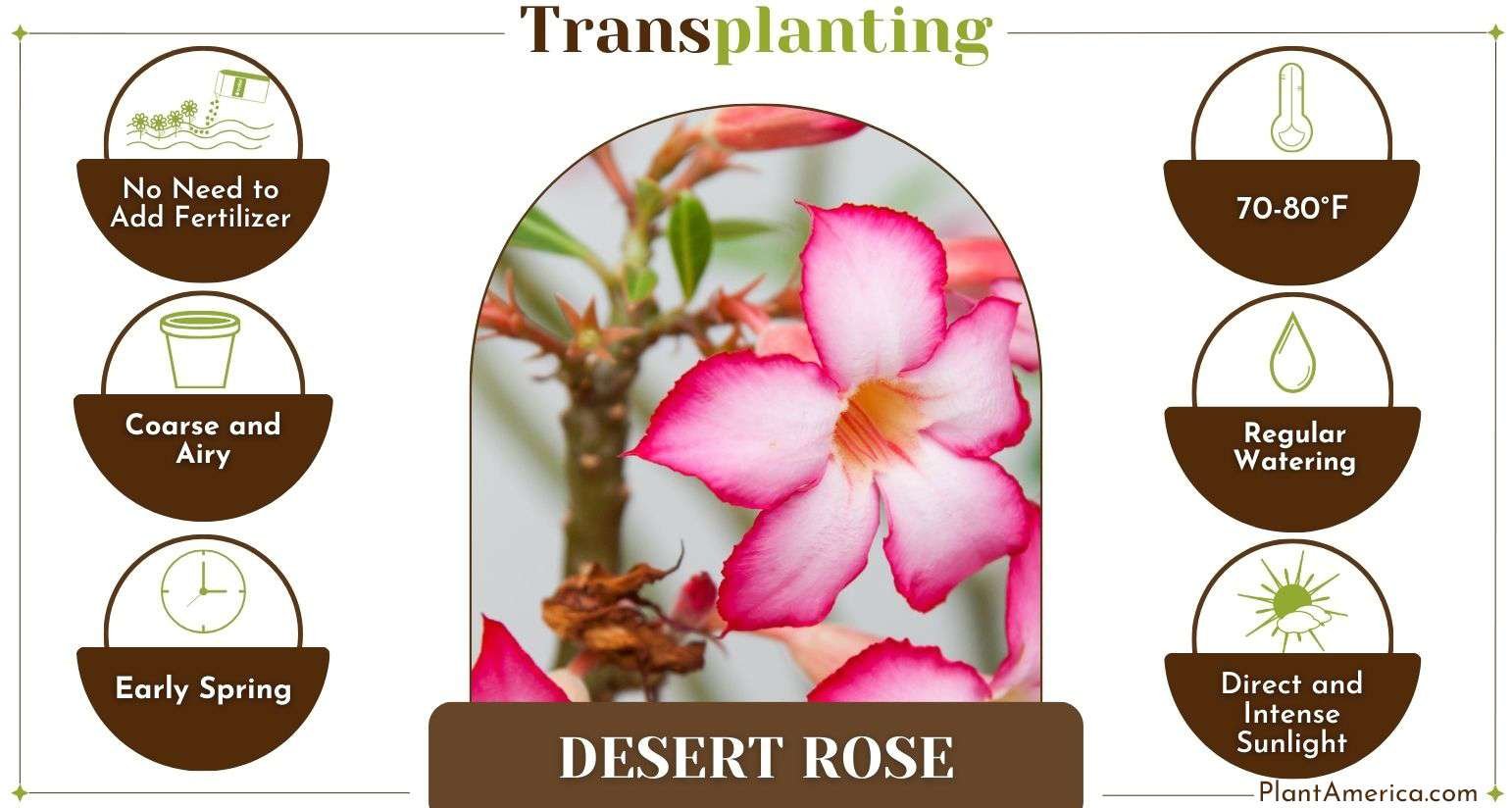
Some factors in transplanting a desert rose are to wait till early spring or summer when the temperature is found to be 70 to 80 degrees Fahrenheit. Buy a cactus mix and modify it using peat and perlite before repotting the plant in a clay or ceramic pot.
– Best Time to Transplant
The best time to transplant this succulent is during warm weather when its growth is at its peak. However, transplanting during peak summer weeks is not recommended because the succulent is stressed. Early to mid-spring time is perfect for transplanting because the temperatures are moderately high without being too hot and dry.
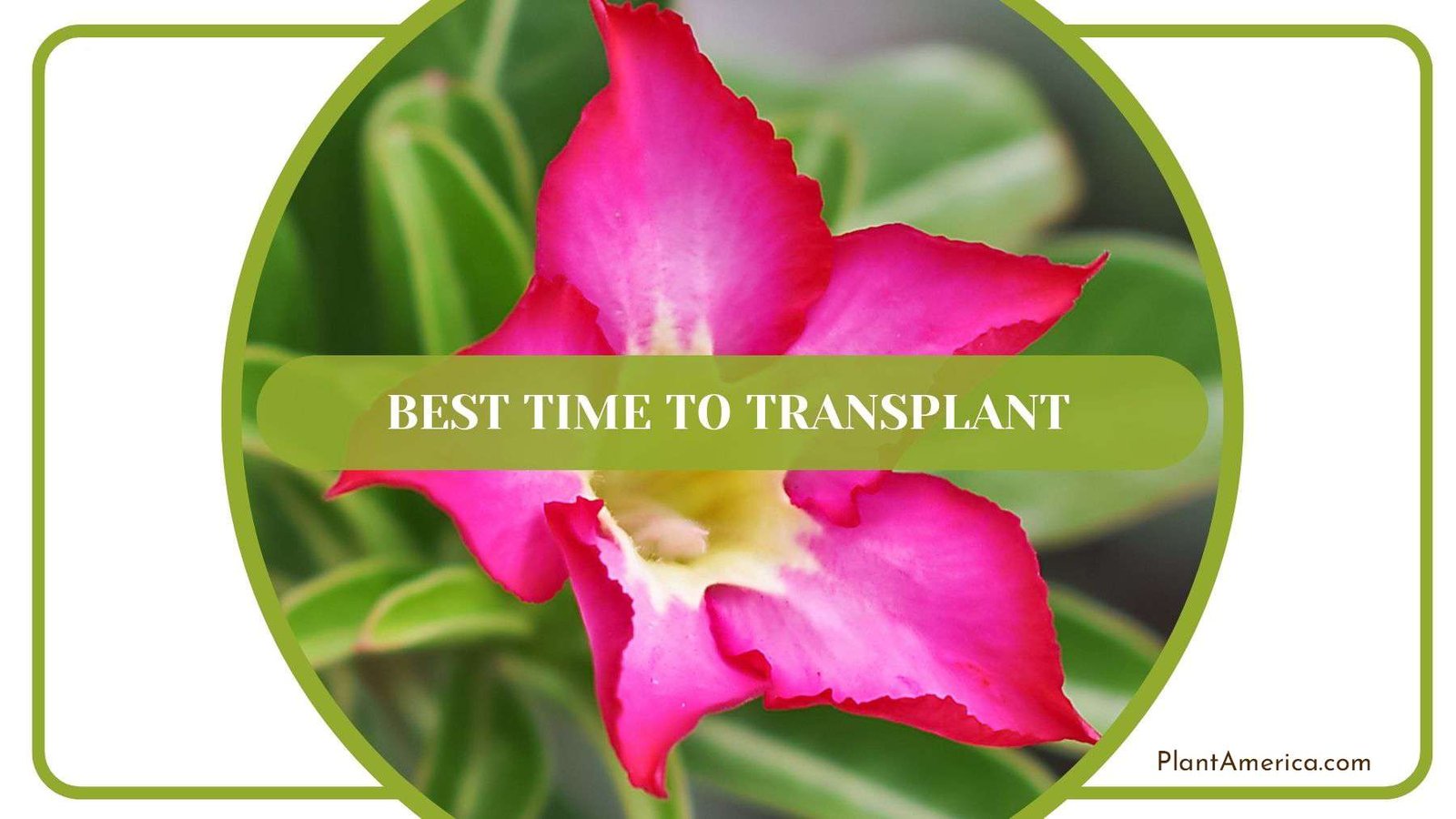
Take your time with a chance to repot this plant during springtime. It can also be repotted successfully in late winter once the thaw breaks. This is usually the time when most succulents come out of their dormancy and begin to grow again.
Occasionally, you will have to carry out an emergency transplant if the roots are too cramped and beginning to die. In such a case, it doesn’t really matter what time of the year it is as soon as proper precautions are taken.
– Fertilization (Soil)
Now, it is not wise to plant desert rose plants in ordinary garden soil for a number of reasons. This is a cactus variety native to dry deserts, and their roots are not used to garden soil. A cactus potting soil suits these plants the most because it is made specifically for them. Go for a mixture that is coarse, loose, and has a pH strictly around 6.0.
Any manufactured cactus mix that is easily available in the market can be used. These mixtures usually dry out too fast, so a small amount of peat or perlite can be added. Another option is mixing equal parts of potting soil with sand and perlite to make your unique mixture. Take care not to add too much peat because, as an organic substance, it tends to be a little acidic.
There is no need to add fertilizer to the potting mix when transplanting. Refrain from fertilization for about a month post-repotting, as the roots are stressed. After diluting it, a 20:20:20 NPK commercial plant food can be given once a month.
– Watering
Watering might not be the most critical aspect of desert rose care because this is a drought-tolerant plant. Still, you must water it regularly every week for one whole month before a transplant. The key is to slowly water the soil until it flows out of the drainage hole. Then, give the plant time until its soil dries down before the next watering.
Watering the potting soil just before taking the succulent roots out of it helps loosen it up. Deep watering with a water volume twice the size of the pot is essential post-transplant. Afterward, of course, you will need to maintain a regular schedule of watering this house plant. Take care to avoid overwatering at all costs to avoid root rot, which is a fatal fungal infection of plants.
– Temperature
70 to 80 degrees Fahrenheit is the temperature range at which these succulents grow and transplant healthily. Below 60 degrees Fahrenheit, even a mature and healthy plant will usually die. A transplanted plant will most definitely not be able to survive temperatures under 60 degrees. Do not even place it on a window sill that stays open at night because it will lead to yellowing leaves and wilting.
– Proper Pot
These plants grow well in round and shallow pots, allowing the soil to dry faster. This, in turn, helps these desert succulents expand their root ball. The best pots for desert roses are made of clay, terracotta, and ceramic. There are numerous advantages of using these pots as compared to fancy plastic or metallic pots.
These pots are porous and allow air to pass through them towards this plant’s roots. It also provides insulation and does not get rapidly heated like metal pots. The overall small size of the plant means that the pot should be about four inches deep and six to 12 inches wide. Another trick is that the new pot should be about two inches bigger in diameter than the root ball.
– Light Requirements
Like most succulents, these plants also need direct and intense sunlight in order to survive. A minimum of six hours of natural sunlight is necessary after repotting. Otherwise the plant will wilt. Light exposure for more than six hours is okay unless the temperatures are scorching. In that case, there is a slight risk of getting sunburned on the thick succulent leaves.

Most of you will be growing this plant inside your homes after repotting. In that case, a southern or an eastern-facing window is best because of six hours of sunlight on a daily basis. You can always use artificial grow lights for succulents if natural light is insufficient.
How to Transplant a Desert Rose Easily?
To transplant a desert rose very easily, start by taking it out of its old pot and wrapping its roots in newspaper. Take a bigger pot with drainage holes and cover them using filter paper. Place the plant in the pot and fill the spaces around the roots with soil.
– Remove the Adenium Obesum From Its Old Pot
The first step is to remove the plant from the ground or its old pot as carefully as possible. Being careless at this point or applying too much pressure can damage the roots. If the mixture is chunky and made of stuff like coco coir and charcoal, then just tipping the pot to the side will help loosen it.
Then, you can gently remove the succulent while loosening the soil mixture. If the soil contains ingredients like peat or sphagnum moss, then it might be challenging to pry the plant out of it. In that case, take a potting knife to loosen the soil from the periphery of the pot. Then, turn the pot on its side and gently shake it as you take the plant out.
Look at the plant to see if it needs any pruning. Always prune less than one-third the size of the entire cactus and that too using sterilized shears. Make all the cuts on the stems at an angle instead of straight cuts. If you want to know how to trim desert rose roots, the same rule also applies in that case.
– Make a Perfect New Soil
To grow desert roses as healthily is perfect. Keep in mind that this plant is succulent and does not grow well in traditional soil. The soil needs to be coarse and very loose; otherwise, the roots will suffocate and die. Take any ordinary cactus mix and make it even looser by adding chunky materials like bark, coco coir, and pieces of charcoal.
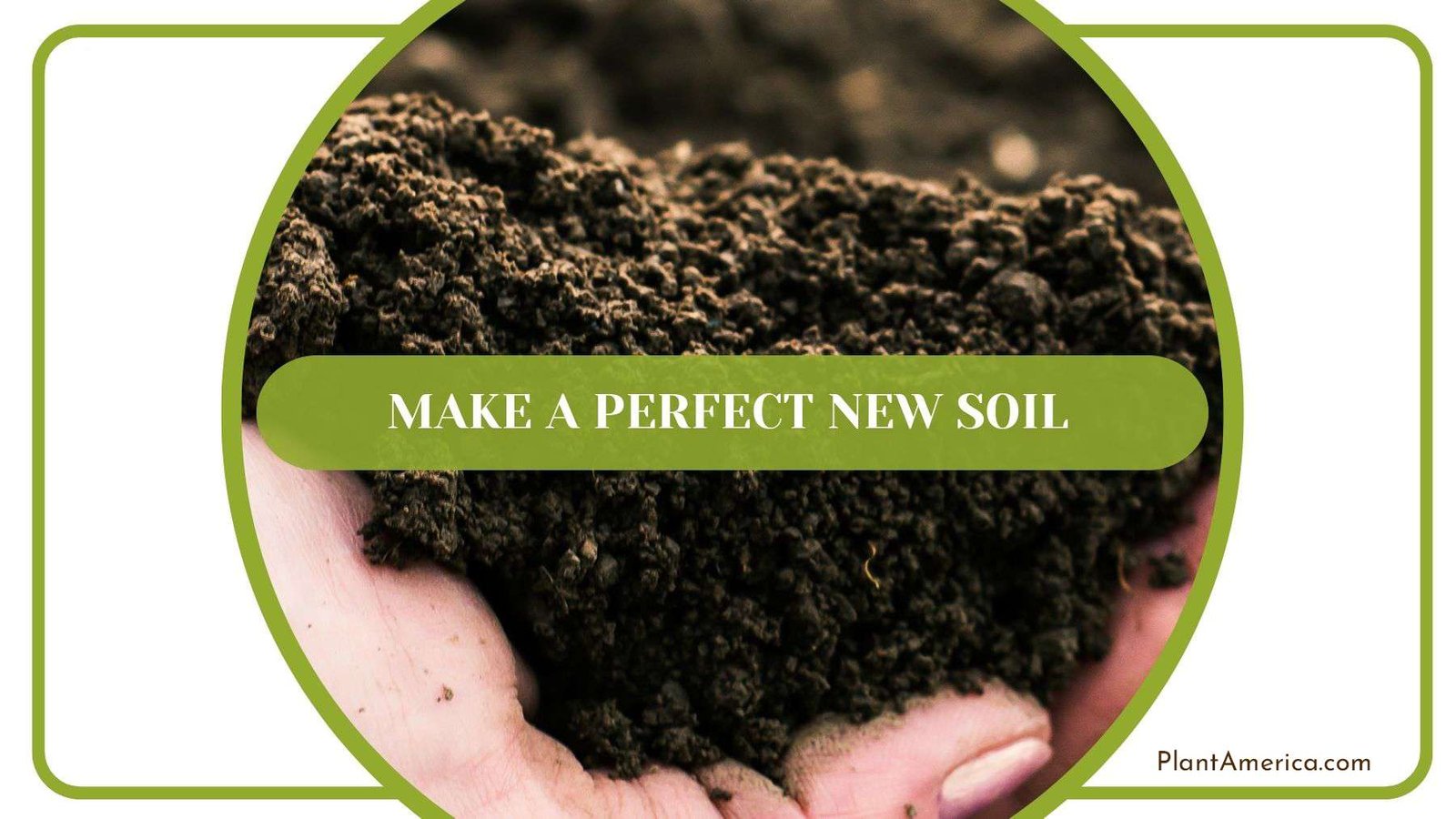
Although it is not necessary, it helps to have the soil sterilized by a professional. Although rare, the mixtures are sometimes infected and might cause the plant to die. Take a look the pH of the soil using a tester to make sure that it is slightly acidic, around 6.0. If it is alkaline, adding a small quantity of peat or moss will help make it acidic.
– Prepare the New Pot
Do not purchase a large pot when you repot desert roses at home. Using a very large pot has a lot of disadvantages, as it will completely bury the entire plant within it. The soil will also stay damp for longer periods, and this will cause the desert rose plant to rot in its roots.
Wash the pot and clean it thoroughly using a disinfectant to prevent spreading infections to the plant. Open up the drainage holes forcefully if they are entirely or partially blocked. Place filter paper in the pot so the smaller soil particles do not leak out of them with water. It is optional, but some people also place gravel in a neat layer over the filter paper for better drainage.
– Place the Plant in Its New Home
Lift the entire plant and place it carefully over the new potting container. Some people prefer pouring a layer of gravel over the filter paper to make drainage even better. The part of the plant from where the roots emerge from the stem should be on the level of the rim of the container.

Now, start filling the empty spaces in the pot around the roots and the stem layer by layer. After spreading each layer of the soil, use the flat end of the shovel to get rid of the empty spaces. Initially, the plant might have trouble staying upright, so place something like a stick alongside it for support.
Frequently Asked Questions
– Can Desert Roses Grow From Cuttings of Stems?
Yes, desert roses can grow from cuttings of stems. This is one of the most commonly used and successful methods of propagating this plant. The stem must be at least eight inches long and healthy to produce a healthy plant.
– Do Desert Roses Grow Better In Pots or Ground at Home?
Desert roses grow better in pots as compared to ground at home. These are typically not indoor plants and grow better outdoors under full, bright sun. They need unique cacti potting soil in order to grow well and do not take roots in ordinary garden soil.
– What Fertilizer Is Best for Desert Roses After a Transplant?
Any well-balanced fertilizer for succulents is best for desert roses after a transplant. Wait a couple of weeks for the cactus to establish its roots in the new pot. Then, provide a monthly feed of diluted cactus fertilizer in an NPK ratio of 20:20:20.
Conclusion
Let us go through a brief conclusion on repotting and pruning desert rose houseplants:
- Plan the transplantation in early spring when temperatures fall around 70 to 80 degrees Fahrenheit.
- Maintain a regular watering schedule a few weeks before repotting so the roots do not get dehydrated during the process.
- Prepare the soil and pot first, then remove the plant from its old pot. You will notice how this significantly decreases any chance of developing transplant shock.
- The soil for these plants is coarse and airy, with excellent drainage.
Remember all the points in this article next spring when you decide to re-pot your favorite succulent.