
Small maple trees are perfect for gardens of any size, offering year-round beauty, low maintenance, and adaptability to many landscapes. Whether you’re looking for a compact shade tree, seasonal color changes, or ornamental bark; dwarf and miniature maple varieties pack a big punch of visual interest into a small space.
We’ll explore some of the best small maples for garden, detailing their distinct features and growing requirements so you can choose the right trees for your yard and enjoyment.
Small Maple Trees that Are a Charming Addition to Any Yard
1. Japanese Maple
- Growing Season: All year.
- Leaf Type: Palmate, Broad, Narrow branching.
- Specific Needs: Partial shade, Moist, well-drained soil.
- Common Pests: Aphids, Mealybugs.
Japanese maples feature delicate, finely dissected palmate leaves that emerge in shades of red, orange, purple, and yellow in fall. The small, multi-trunked trees mature to 15 to 20 feet tall with a similar spread.
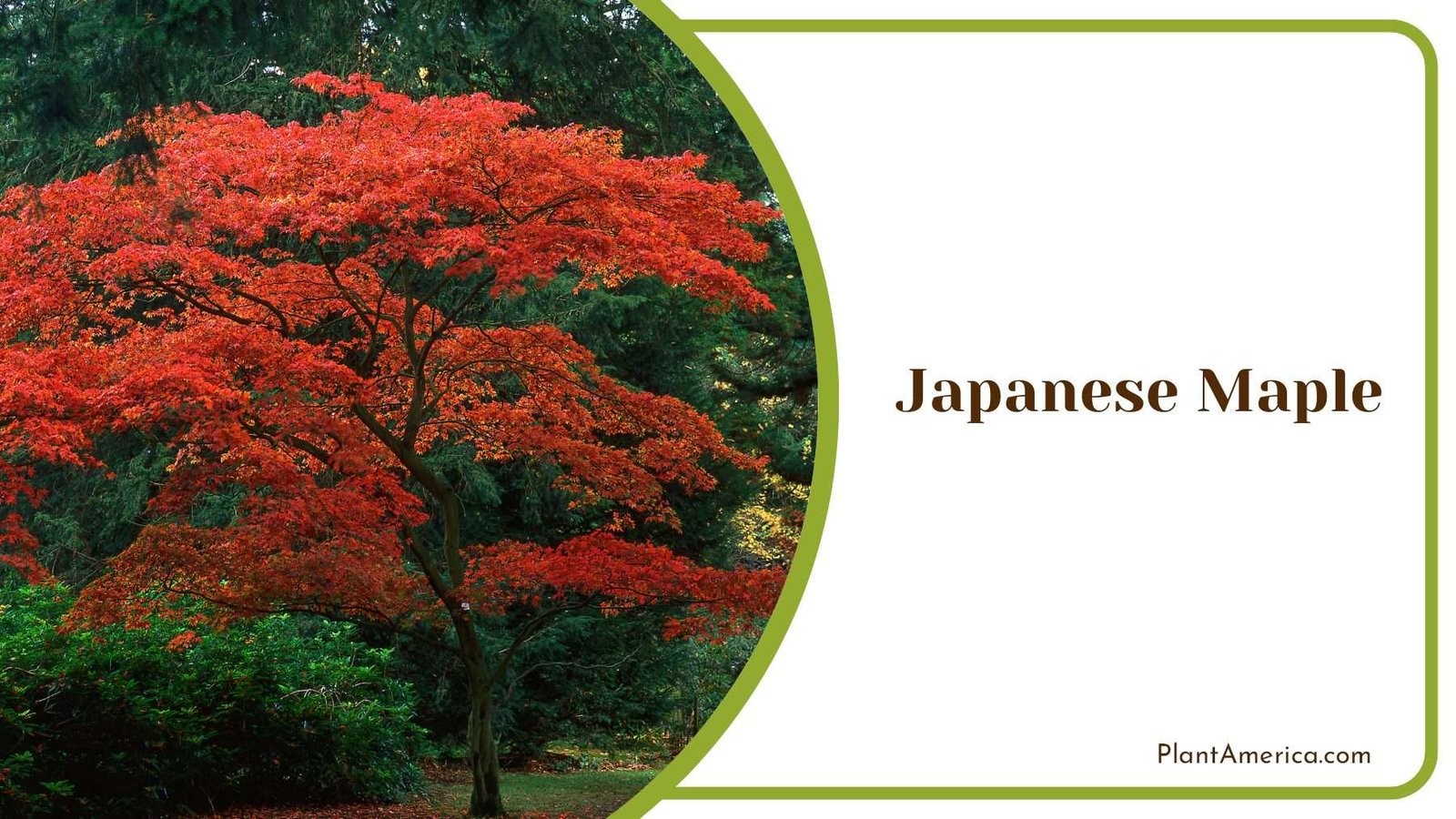
These small maples thrive in partial shade and moist, well-drained, acidic soil. The miniature foliage and narrow branching habit create an ornamental accent that adds visual interest throughout the year.
Regular harvesting of seedlings below the parent tree helps maintain a compact shape. Japanese maples are relatively trouble-free, though susceptible to scale insects and spider mites.
Japanese maples reward gardeners with stunning seasonal color changes and delicate, lacy foliage. In fall, their leaves transform into a kaleidoscope of reds, oranges, and yellows before dropping for winter.
Proper pruning and feeding can make these small maples valuable assets that highlight your landscape for decades. Regular watering during dry periods will also ensure optimal color and growth. Consider displaying Japanese maples in containers to provide portability and flexibility in your garden design.
2. Amur Maple
- Growing Season: Winter, Fall.
- Leaf Type: Palmate, Lobed, Ornamental.
- Specific Needs: Partial shade, Regular pruning.
- Common Pests: Maple leaf cutter, Fungus gnats.
Amur maples form small, upright trees with handsome peeling bark and brilliant fall foliage. Their foliage emerges with five lobes, resembling small palmate Japanese maple leaves.
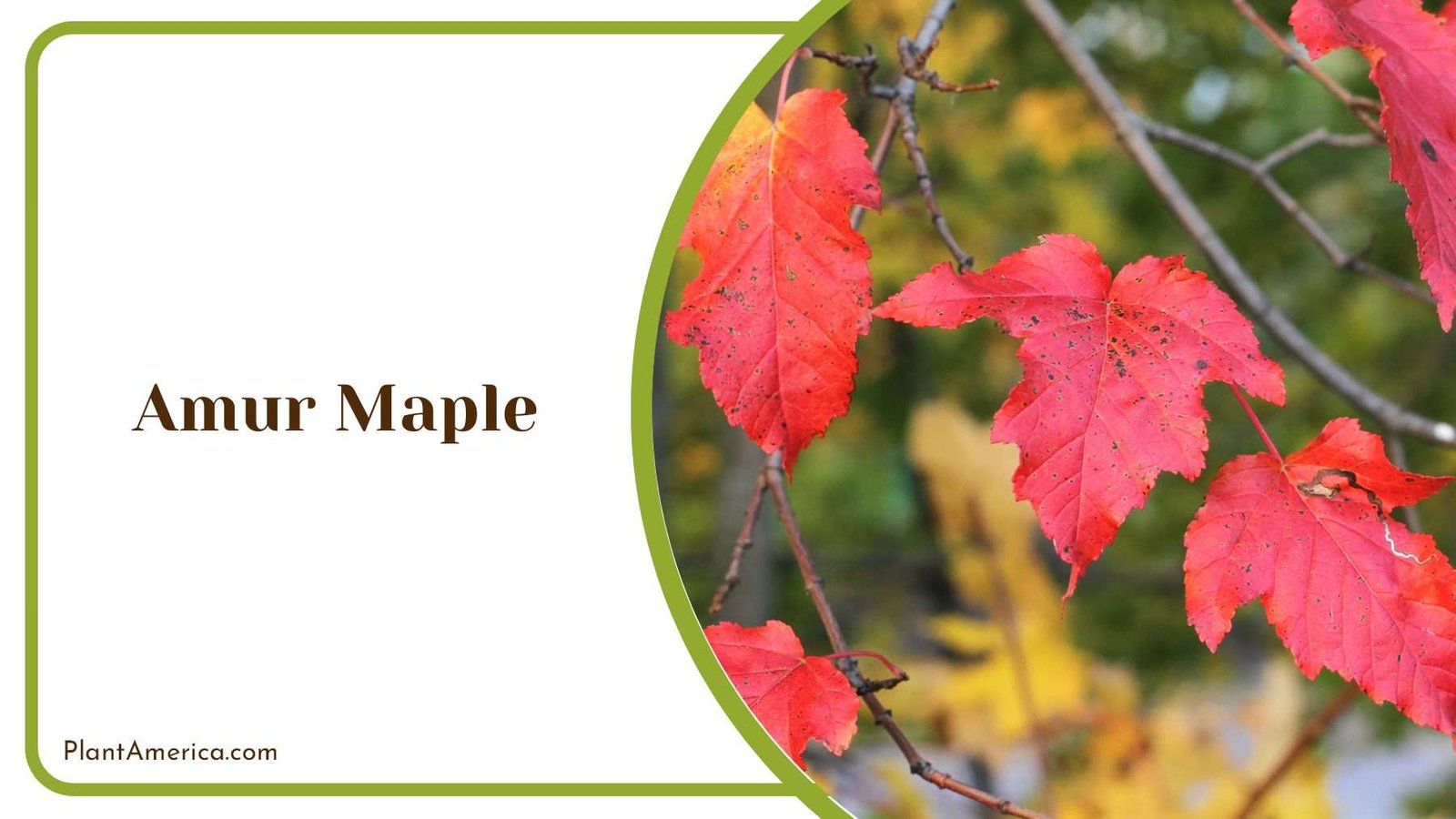 These maple trees grow 15 to 20 feet tall with a 15 to 20 foot spread. They thrive in full sun to part shade and average to wet soil conditions. Amur maples tolerate urban conditions, including pollution, heat, and reflected glare.
Pruning to maintain a multi-trunked vase shape helps control the size and showcase the peeling bark. The trees require little care other than annual fertilizing and occasional pruning to improve structure.
The peeling cinnamon brown and cream-colored bark reveal patches of orange and gray, adding visual appeal even in winter. In fall, the leaves transform into shades of yellow, orange, and crimson before dropping.
With proper site conditions, Amur maples develop into carefree small trees that offer year-round visual appeal. Their peeling multicolored bark, ornamental lobed leaves, and brilliant fall colors provide abundant seasonal interest without requiring much work from the gardener.
3. Contorted Filigree Maple
- Growing Season: Spring.
- Leaf Type: Deeply dissected, Broad.
- Specific Needs: Partial shade, Full shade.
- Common Pests: Spider mites, Aphids.
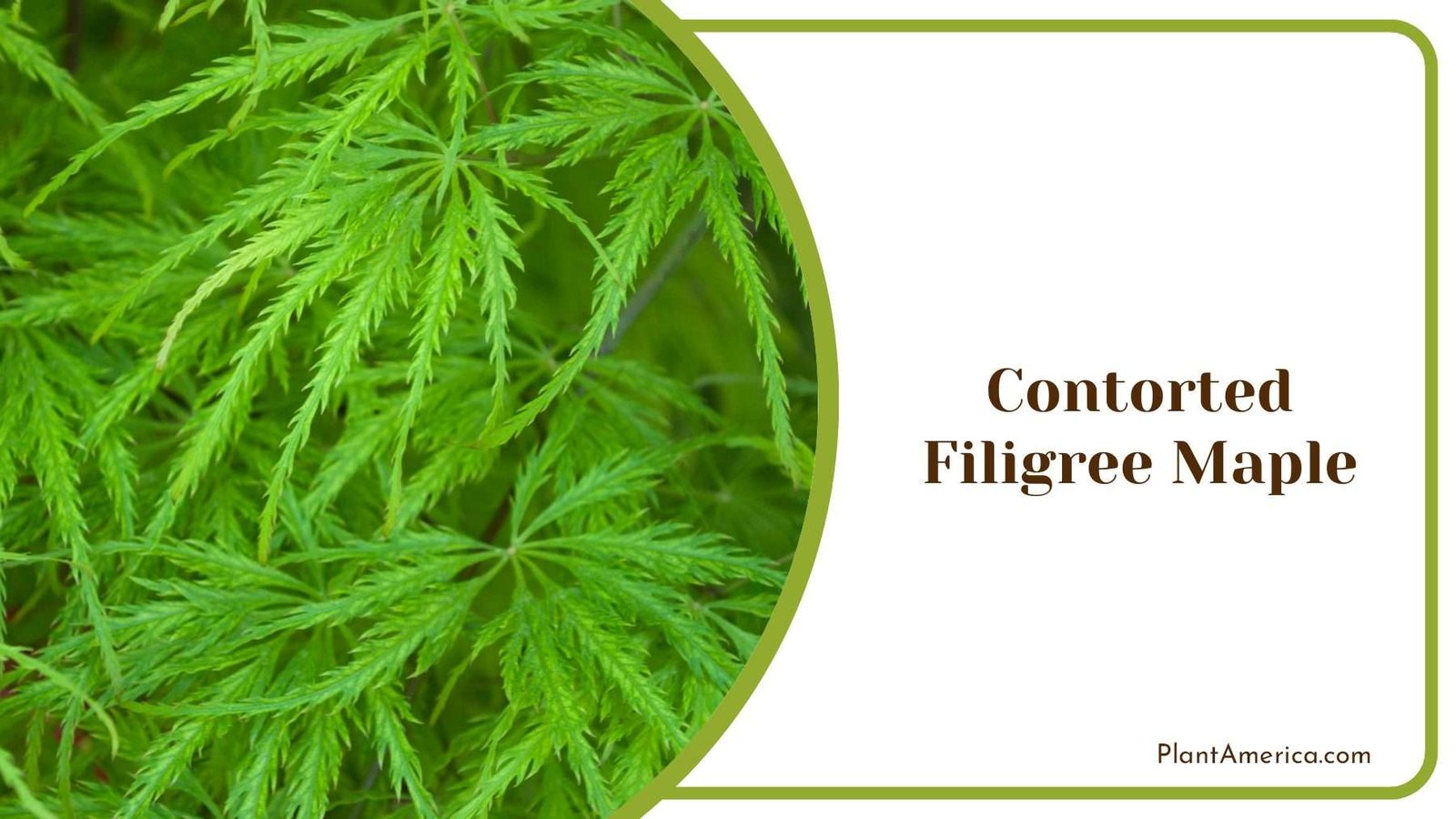
The contorted filigree maple tree features intricately twisted branches and finely dissected leaves resembling lacy filigree. It matures at around eight feet tall and six feet wide.
This small maple thrives in full sun to partial shade and prefers moist, well-drained, acidic soil. The lime green foliage emerges in spring, maturing to a dark glossy green with contorted branches resembling filigree.
In fall, the maple turns brilliant shades of gold, orange, and red. However, the contorted branches remain the main attraction year-round. Regular fertilizing, pruning, and spraying for spider mites help maintain their intricate shape and health.
The twisted trunk and branch structure arise from genetic mutations, creating a natural work of art. Over time, additional trunks and branches may develop, which can be thinned to maintain a balanced formal shape.
With proper care, the contorted filigree maple becomes a long-lived conversation piece that adds a whimsical touch to any landscape. Its intricately contorted branching pattern and finely dissected textured leaves create a natural work of art that demands a second look.
4. Bloodgood Japanese Maple
- Growing Season: Summer, Spring.
- Leaf Type: Palmate, Deeply lobed.
- Specific Needs: Partial shade, Acidic soil.
- Common Pests: Scale insect, Thrips.
The Bloodgood Japanese maple variety produces stunning burgundy-red foliage that emerges maroon in spring, deepening to a rich crimson by summer. This small maple thrives in partial to full shade and moist, organic, acidic soils. The deeply lobed palmate leaves turn smoldering shades of maroon, burgundy, and scarlet in fall.
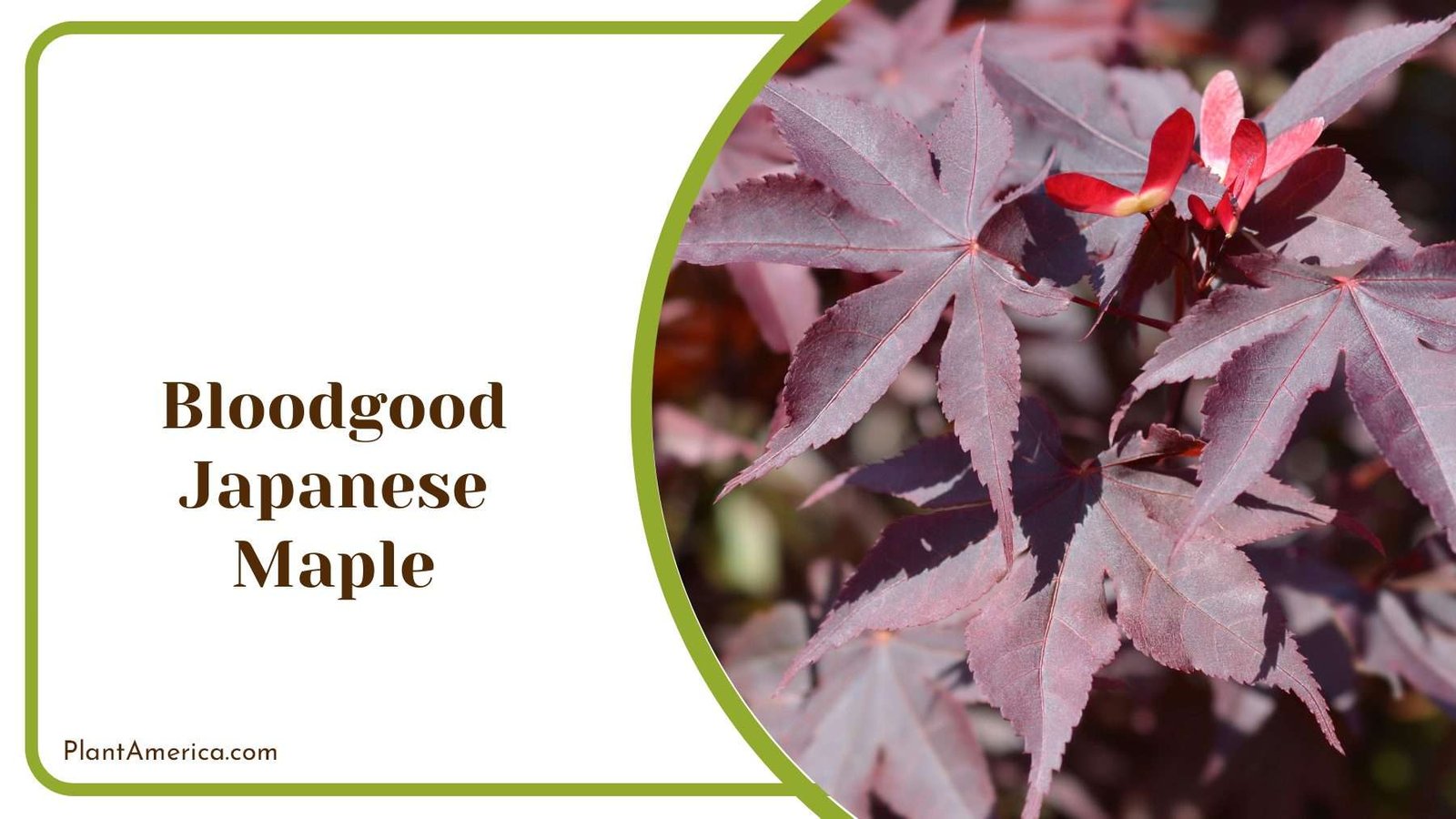 The trees mature at 15 to 20 feet tall with a vase-shaped form. Regular pruning helps maintain a multi-trunked habit that highlights the lovely foliage. During fall, the spectacular leaf color displayed by this Japanese maple variety cannot be matched. Individual leaves transform into intense tones of deep burgundy and scarlet red before dropping for winter.
Some care must be taken to protect this maple’s delicate leaves from sun scald and pest damage. Scale insects sometimes feed on the stems and foliage, leaving telltale signs of sooty mold that must be treated.
With proper pruning, fertilizing, and pest management, the Bloodgood Japanese maple becomes a spectacular small accent tree that provides stunning seasonal color changes. Give this variety the shade and moisture it desires to prolong and intensify its brilliant burgundy displays year after year.
5. Crimson Sentry Japanese Maple
- Growing Season: Mid-summer, Fall.
- Leaf Type: Palmate, Multi trunked.
- Specific Needs: Partial shade, Acidic soil.
- Common Pests: Aphids, Mealybugs.
The Crimson sentry Japanese maple variety produces vibrant burgundy-red foliage that darkens as temperatures cool in fall. This small tree matures around 20 feet tall with a vase-shaped, upright habit. The deep-lobed leaves emerge maroon in spring before coloring up vivid crimson by midsummer.
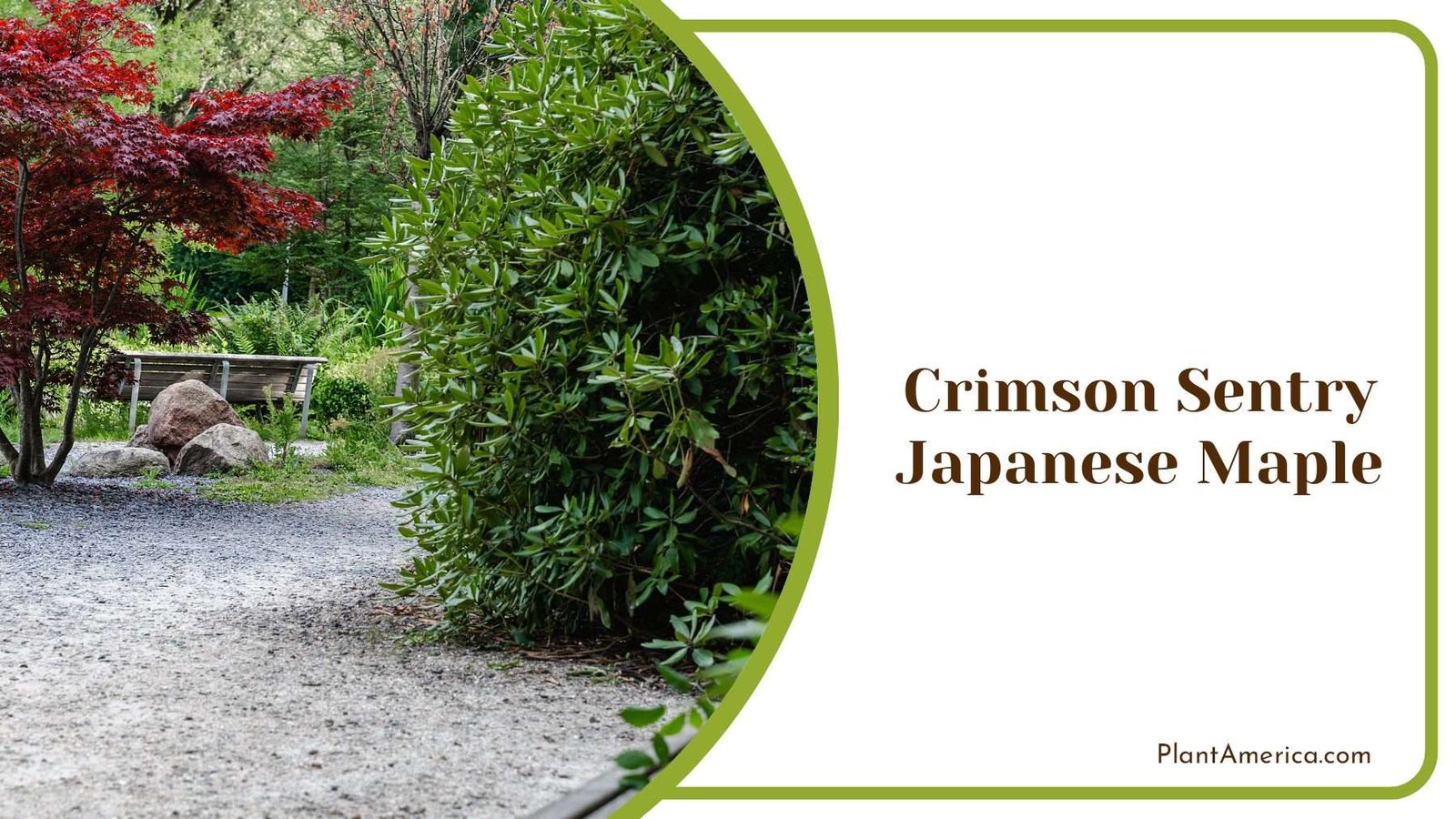
The Crimson sentry thrives in partial to full shade and moist, acidic soils. Regular pruning helps maintain a multi-trunked form that showcases the spectacular foliage. During fall, this Japanese maple’s foliage transforms into even deeper shades of plum, wine, and scarlet before dropping. The brilliant burgundy coloring is on display for much of the growing season.
Some care must be taken to protect this maple’s foliage from sunburn and wind damage. Otherwise, pest problems are relatively low. With proper pruning, fertilizing, and periodic leaf cleanup to remove diseased or damaged foliage, the Crimson sentry Japanese maple becomes an ancient tree that provides spectacular color for much of the year.
Give this variety the shade and moisture it desires to prolong and intensify its stunning burgundy displays. The brilliant crimson foliage and upright form make this an ideal small landscape specimen.
6. Red Sunset Japanese Maple
- Growing Season: Spring, Fall, Mid-summer.
- Leaf Type: Palmate, Red orange foliage.
- Specific Needs: Partial shade, Pest protection.
- Common Pests: None.
The Red Sunset Japanese maple variety produces stunning red-orange foliage that brightly colors up in fall. This small tree matures 15 to 20 feet tall with a vase-shaped, spreading habit. The palmate leaves emerge dark purple in spring before coloring up brilliant red-orange by midsummer.
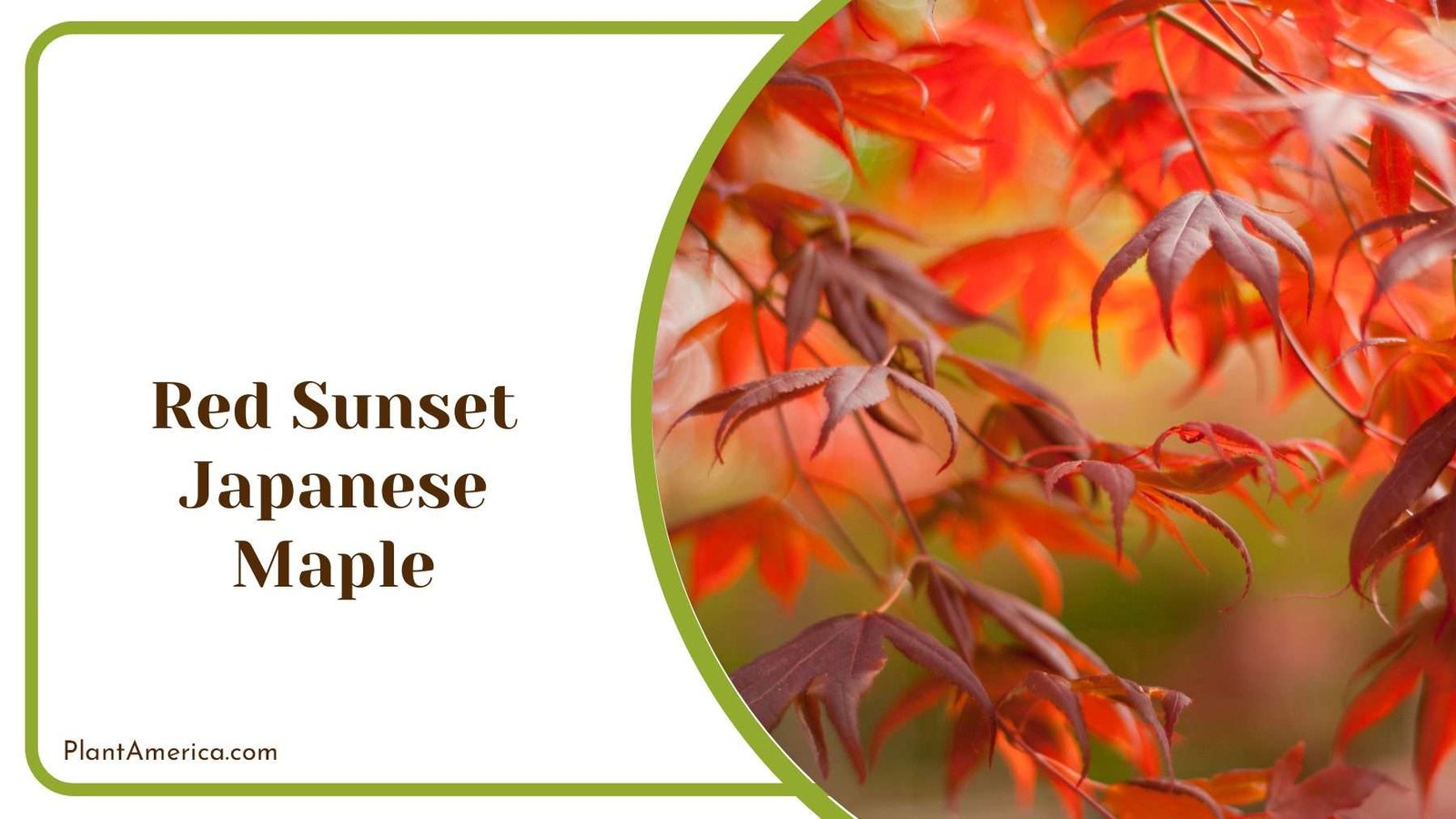
The Red Sunset thrives in partial shade and moist, acidic soils. Regular pruning helps maintain a multi-trunked form that showcases the spectacular foliage. During fall, this Japanese maple’s foliage transforms into even deeper shades of scarlet, orange, and crimson before dropping. The brilliant color display is one of the best among Japanese maples.
Some care must be taken to protect this maple’s delicate leaves from sun scald and wind damage. Pest problems are relatively low.
With proper pruning, fertilizing, and periodic leaf cleanup to remove diseased or damaged foliage, the Red Sunset Japanese maple becomes an ancient tree that provides spectacular color for much of the year.
Give this variety the partial shade and moisture it desires to prolong and intensify its stunning red-orange displays. The brilliant foliage and its spreading form make this an ideal small landscape specimen.
7. Dissectum Variegated Japanese Maple
- Growing Season: Spring.
- Leaf Type: Dissected, Intricate cut.
- Specific Needs: Partial shade, Regular pruning.
- Common Pests: Scale insects, Fungus gnats.
The Dissectum variegated Japanese maple features intricately cut foliage with lovely creamy white variegation. This small tree grows up to 15 feet tall with a spreading habit. The deeply dissected leaves emerge green in spring with blotchy white patches along the veins.
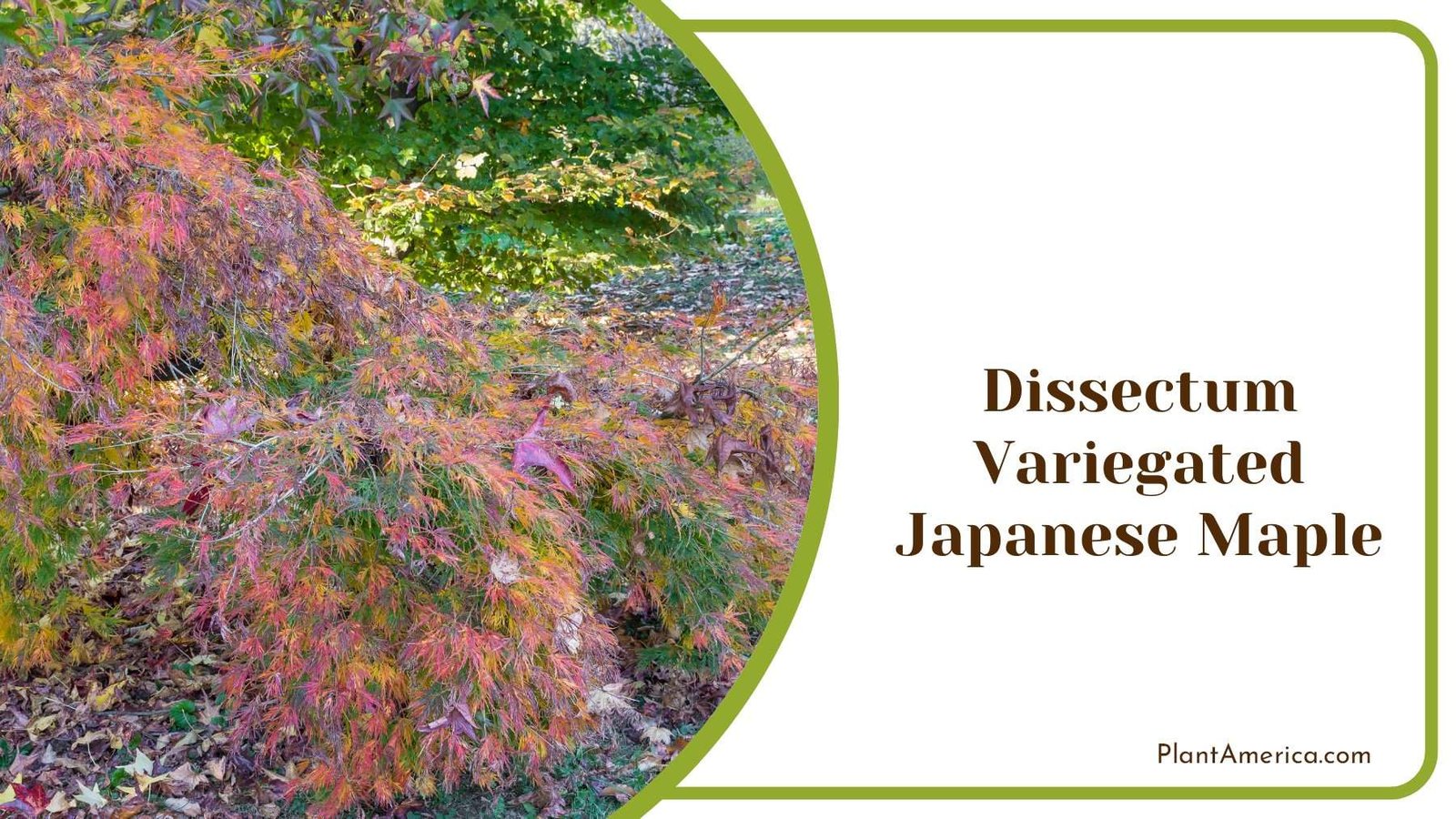
The Dissectum thrives in partial shade and moist, acidic, organic soils. Regular pruning helps maintain a spreading form that showcases the intricate foliage. During fall, this Japanese maple’s foliage transforms into shades of yellow, orange, and crimson before dropping. The delicate variegated leaves remain a highlight throughout the year.
Some care must be taken to prevent sunscald and damage from high winds. Scale insects occasionally feed on the stems, requiring treatment. With proper pruning, fertilizing, and pest management, the Dissectum variegated Japanese maple becomes an accent tree that provides stunning interest year-round.
Give this variety the partial shade and moisture it desires to prolong its delicate variegated foliage displays. The intricately cut leaves and a spreading form make this an ideal small landscape specimen.
8. Tiny Twister Japanese Maple
- Growing Season: Spring, Mid-summer.
- Leaf Type: Palmate, Lobed.
- Specific Needs: Partial shade, Moist acidic soil.
- Common Pests: None.
The Tiny twister Japanese maple features contorted stems and palmately lobed leaves that twist upon themselves. This small tree grows up to 10 feet tall with a weeping, mounded habit. The leaves emerge dark maroon in spring before turning crimson burgundy by midsummer.
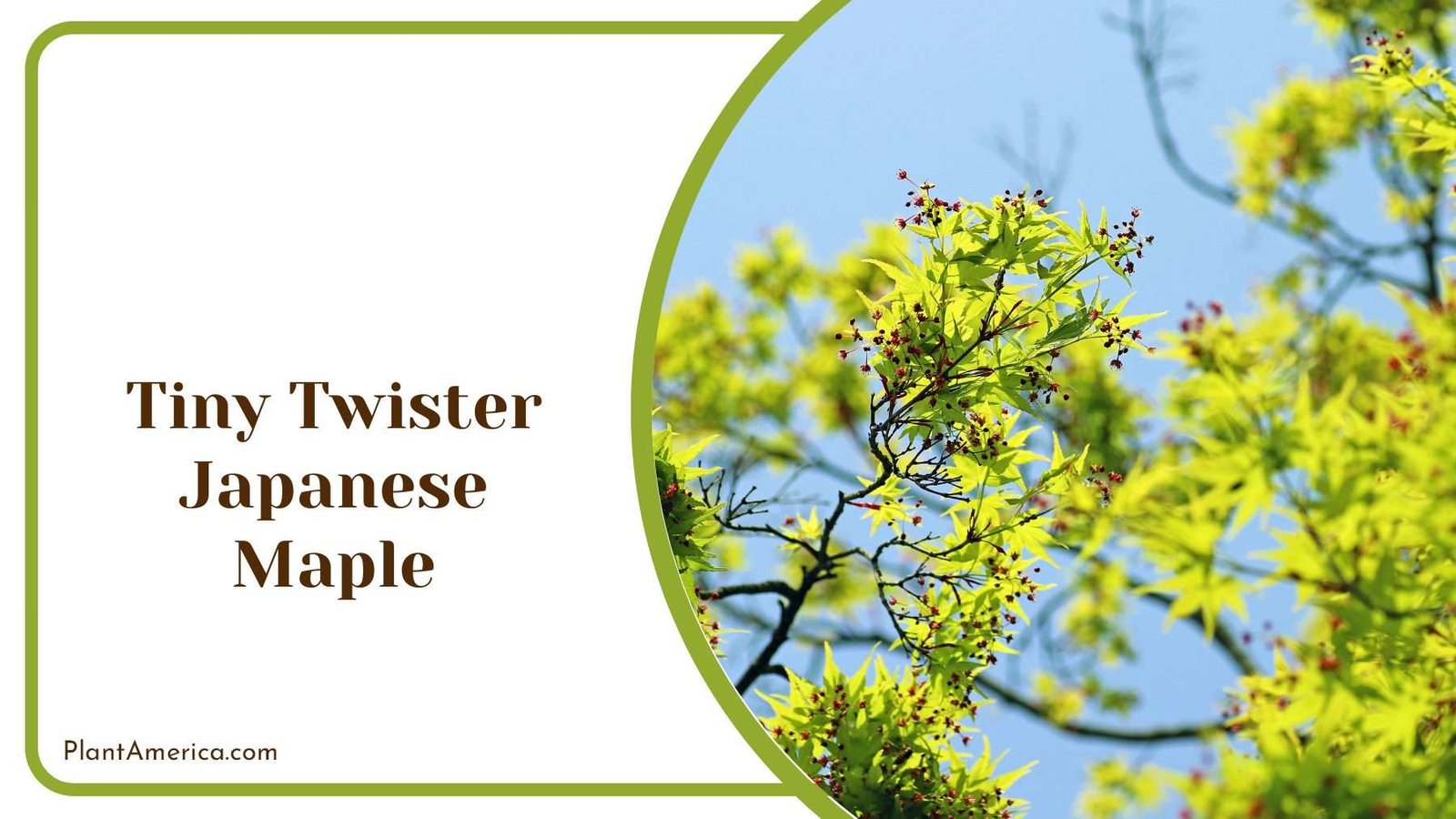 The Tiny Twister thrives in partial shade and organic, moist, acidic soil. Regular pruning helps maintain its characteristic twisted appearance. In fall, the foliage transforms into shades of scarlet and gold before dropping.
The contorted stems remain a highlight throughout the year. Some care must be taken to prevent winds from damaging the delicate, contorted branches. Otherwise, pest problems are relatively low.
With proper pruning, fertilizing, and periodic cleanup, the Tiny Twister Japanese maple becomes an eye-catching accent that provides year-round visual appeal. Give this variety the partial shade and moisture it desires to maintain its contorted, twisting form. The unique stems and ornamental lobed leaves make this an ideal choice for small gardens and containers.
9. Coppertina Japanese Maple
- Growing Season: Spring, Summer.
- Leaf Type: Palmate, Copper foilage.
- Specific Needs: Partial shade, Acidic soil.
- Common Pests: Aphids, Mealybugs.
The Coppertina Japanese maple variety produces beautiful foliage that emerges bronze in spring before maturing to a lustrous copper tone by summer. This small tree grows 10 to 15 feet tall with a vase-shaped, spreading form. The broadly palmate leaves unfurl in a peach color before changing to coppery bronze.
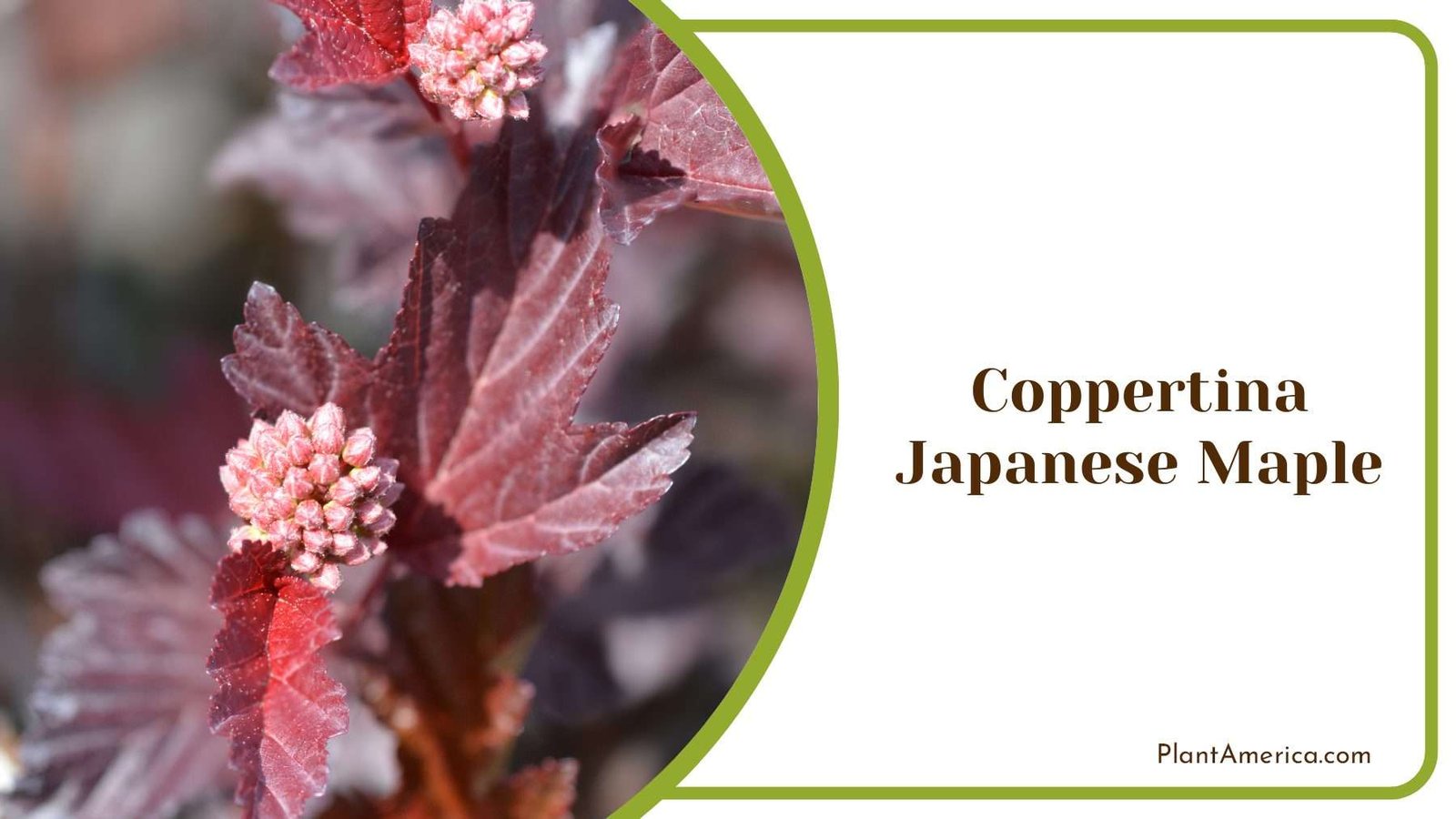
The Coppertina thrives in partial to full shade and organic, moist, acidic soil. Regular pruning helps maintain a multi-trunked habit of showcasing foliage. In fall, the foliage transforms into burnt orange and bronze shades before dropping.
The coppery bronze tones remain a highlight throughout the growing season. Some care must be taken to protect its leaves from sunburn and wind damage. Scale insects can feed on twig crotches, requiring treatment.
With proper pruning, fertilizing, and periodic cleanup, the Coppertina Japanese maple becomes an eye-catching accent that provides year-round visual appeal. Give this variety the shade and moisture it desires to maintain and intensify its coppery bronze foliage displays. The richly-colored leaves and spreading form make this a better choice for small gardens and containers.
10. Emperor’s Cloud Japanese Maple
- Growing Season: Spring, Summer.
- Leaf Type: Deeply lobed, Bronze-purple foilage.
- Specific Needs: Partial shade, Acidic soil, Full sun.
- Common Pests: Scale insects, Fungus gnats.
The Emperor’s Cloud Japanese maple variety produces stunning foliage that emerges bronze-purple in spring before maturing to a rich burgundy tone by summer. This small tree grows between 10 to 15 feet tall with an irregular, spreading form.
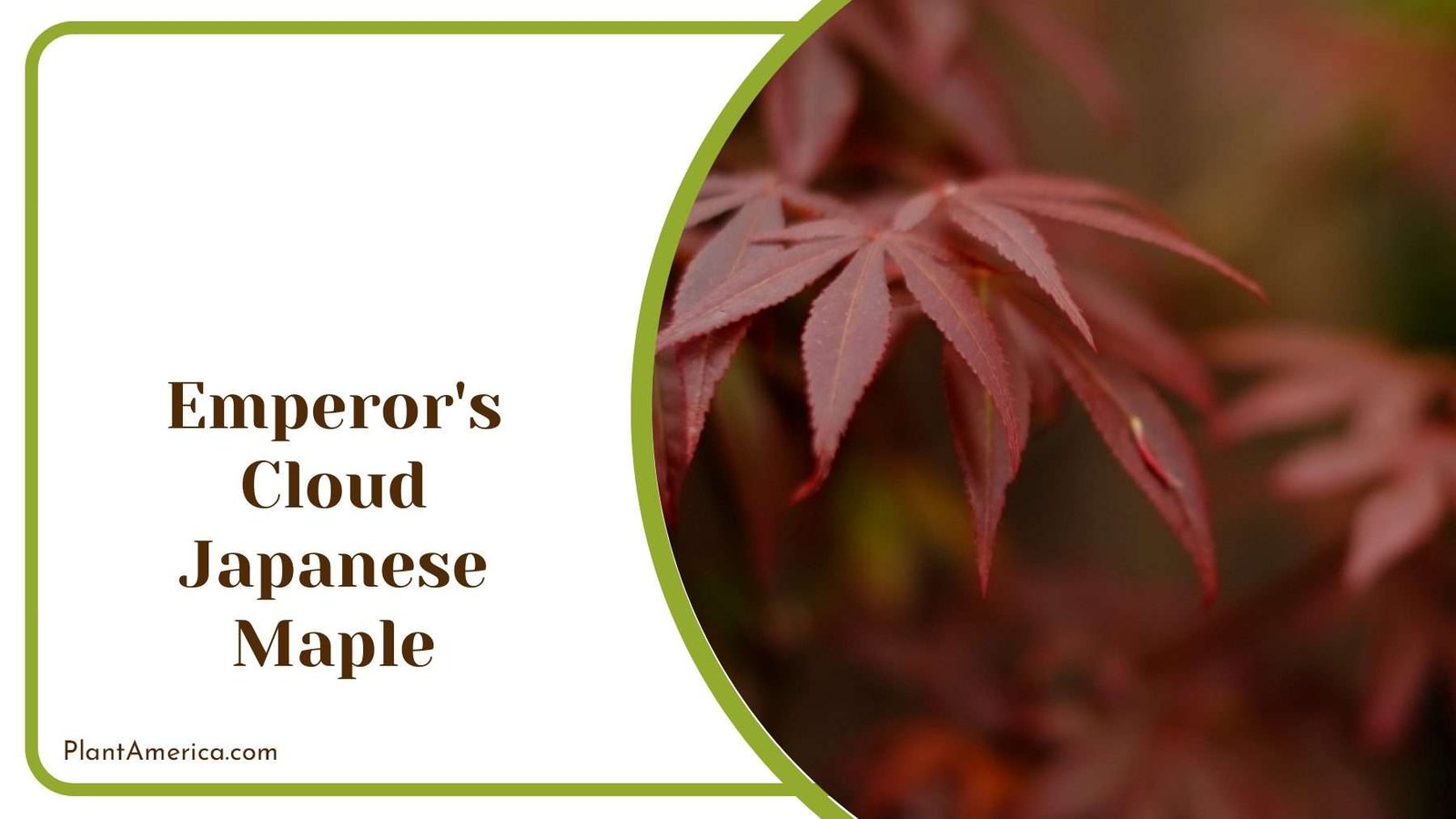
The deep-lobed leaves unfurl bronze-purple, then color up rich burgundy. The Emperor’s Cloud thrives in partial to full shade and organic, moist, acidic soil. Regular pruning helps maintain an informal shape to highlight the lustrous foliage.
In fall, the leaves transform into maroon, plum, and burgundy shades before dropping. The deep burgundy tones remain a highlight throughout the year. Some care must be taken to protect its leaves from sunburn and wind damage. Scale insects can feed on twig crotches, requiring treatment.
11. Orangeola Japanese Maple
- Growing Season: All year.
- Leaf Type: Palmate, Burnt orange foliage.
- Specific Needs: Partial shade, Moist, acidic soil.
- Common Pests: Scales insects, Mealybugs.
The Orangeola Japanese maple variety produces vibrant burnt-orange foliage that remains colorful throughout the season. This small tree grows 10 to 15 feet tall with a rounded, spreading habit. The broadly palmate leaves emerge yellow-orange before deepening to burnt orange.
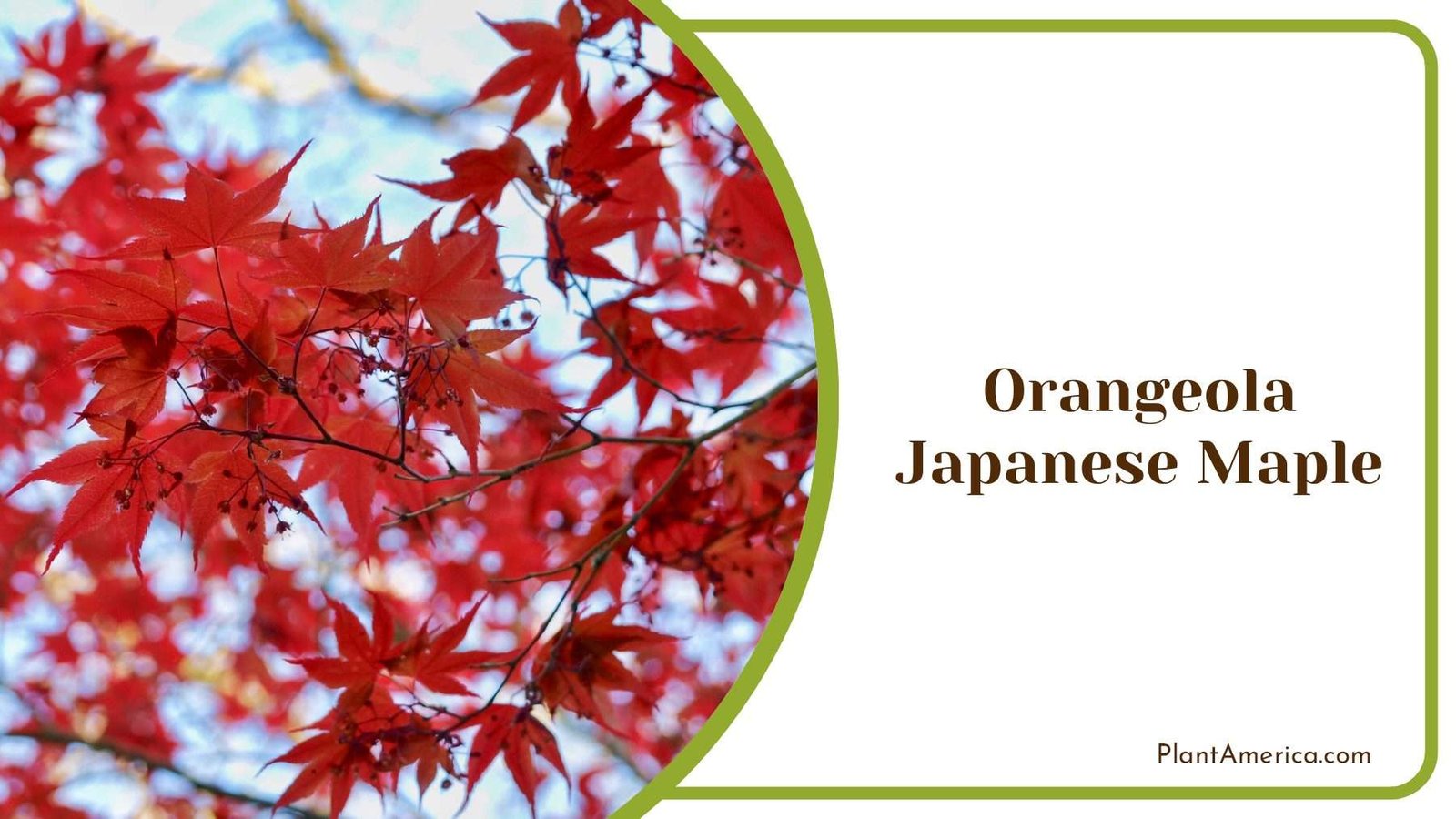
The Orangeola thrives in partial shade and organic, moist, acidic soil. Regular pruning helps maintain a shrub-like shape to highlight the ornamental foliage. In fall, the leaves hold their burnt-orange color until dropping. The vivid tones remain a highlight throughout the year.
Some care must be taken to protect its leaves from sunburn and wind damage. Scale insects can feed on twig crotches, requiring treatment. With proper pruning, fertilizing, and periodic cleanup, the Orangeola Japanese maple becomes an eye-catching accent that provides year-round visual appeal.
Give this variety the partial shade and moisture it desires to maintain and intensify its burnt-orange foliage displays. The bright, colorful palate leaves and rounded form make this an ideal choice for small gardens and containers.
12. Starlight Japanese Maple
- Growing Season: All year.
- Leaf Type: Palmate, White foliage.
- Specific Needs: Partial shade, Acidic soil.
- Common Pests: Scale insects, Thrips.
The Starlight Japanese maple variety produces stunning white-variegated foliage that remains colorful throughout the season. This small tree grows 10 to 15 feet tall with an irregular, spreading habit. The palmate leaves emerge green with splashes of creamy white before deepening in color.
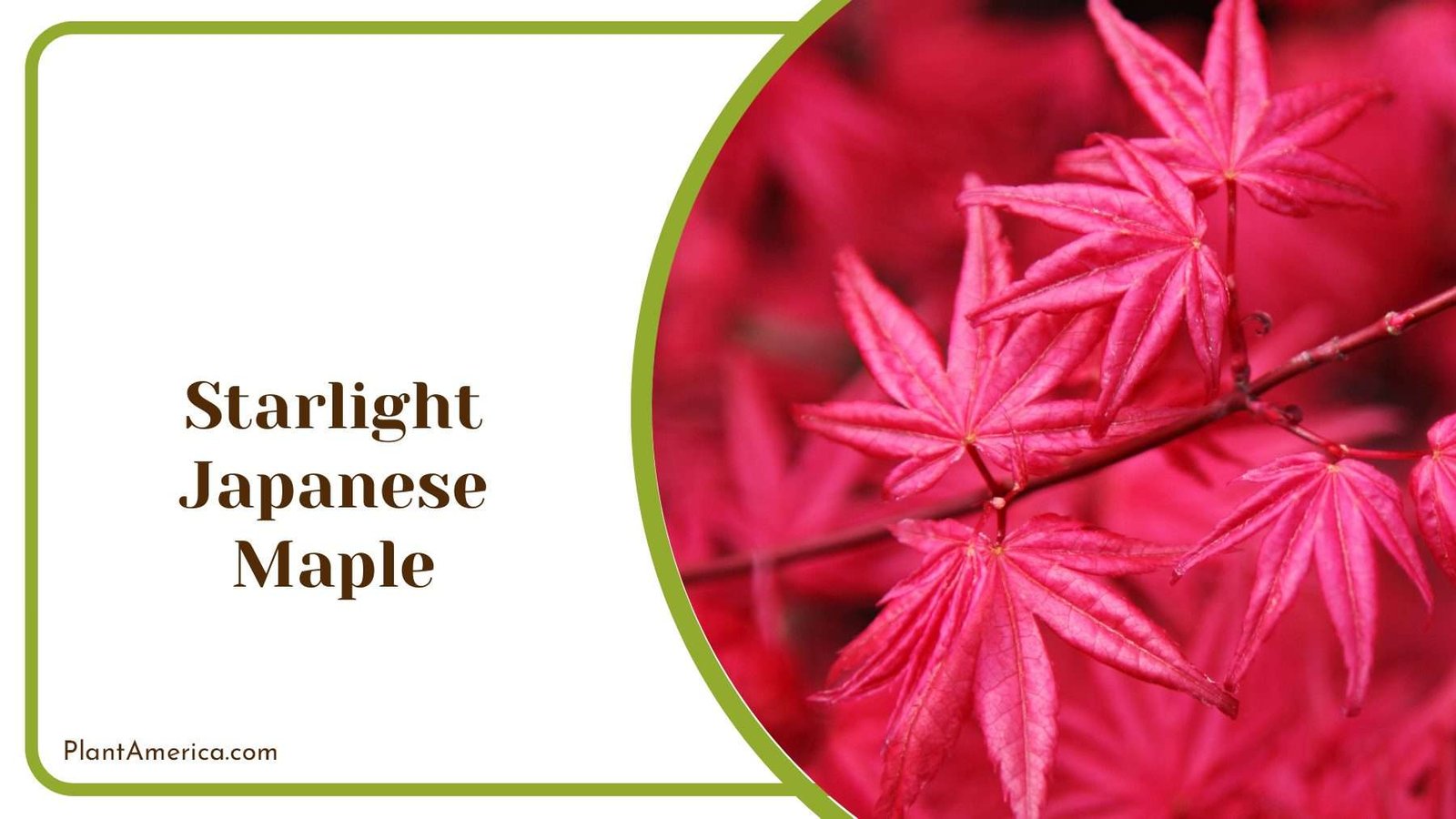 The Starlight thrives in partial shade and organic, moist, acidic soil. Regular pruning helps maintain an informal shape to highlight the ornamental foliage.
In fall, the leaves hold their variegated pattern of green and white until dropping. The white splotches remain a highlight throughout the year. Some care must be taken to protect its leaves from sunburn and wind damage. Scale insects can feed on twig crotches, requiring treatment.
13. Sango Kaku Japanese Maple
- Growing Season: Spring, Summer.
- Leaf Type: Palmate, Turns yellow.
- Specific Needs: Partial shade, Acidic soil.
- Common Pests: None.
The Sango Kaku Japanese maple is prized for its beautifully exfoliating coral bark that contrasts vividly with the green palmate leaves. This small tree grows between 15 to 20 feet tall with an irregular spreading habit.
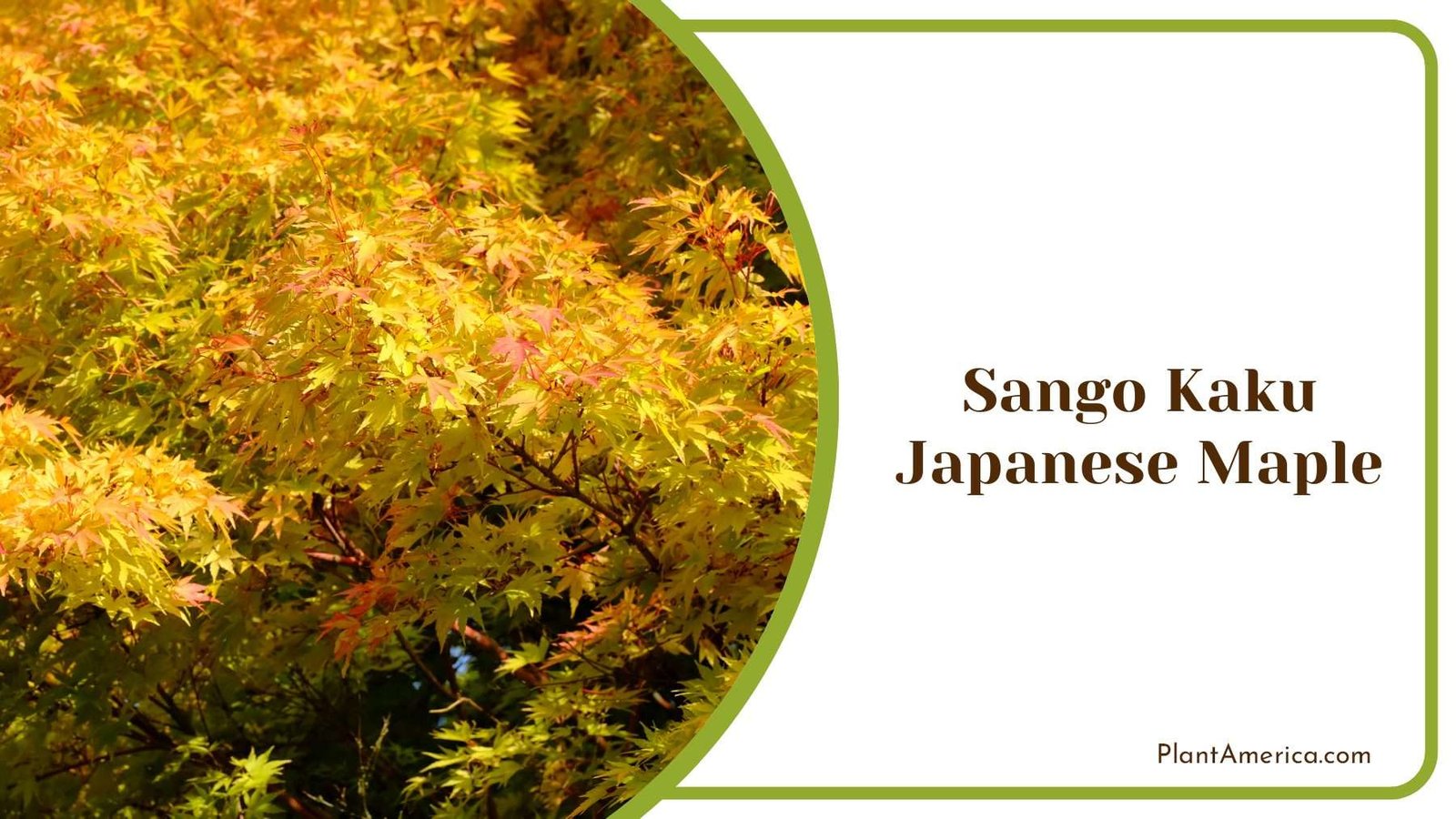
The palmate leaves emerge green in spring and stay that color throughout summer. The Sango Kaku thrives in partial shade and organic, moist, acidic soil. Regular pruning helps maintain an informal shape to showcase the ornamental bark.
In fall, the leaves change to yellow and gold before dropping. However, the coral bark remains the main highlight throughout the year. The exfoliating bark must be pruned regularly to maintain its coral appearance. Otherwise, pest problems are minimal.
14. Green Dwarf Maple
- Growing Season: Spring.
- Leaf Type: Palmate, Small.
- Specific Needs: Partial shade, Full shade, Well-draining soil.
- Common Pests: Scale insects, Thrips.
The green dwarf maple (Acer palmatum ‘Atropurpureum’) produces compact, spreading branches and small green palmate leaves. This small tree grows between 6 feet to 8 feet in both height and width.
 The leaves emerge lime green in spring and mature into dark, glossy green. The green dwarf maple prefers full sun to partial shade and moist, well-draining soil. Regular pruning helps maintain its compact, spreading form.
This maple offers brilliant fall foliage, turning vivid shades of red, orange, and purple. However, the small ornamental leaves remain the main attraction throughout the year. The green dwarf maple is smaller than typical acer palmatums, so scale insects can feed on new growth, requiring treatment. Regular fertilizing and pruning also help maintain a compact shape.
15. Norfolk Island Pine
- Growing Season: Year-round.
- Leaf Type: Needle-like, Long.
- Specific Needs: Bright light, High humidity.
- Common Pests: Aphids, Mealybugs.
The Norfolk Island pine is not a pine but an evergreen conifer native to a remote South Pacific Island. This small tree grows up to 20 feet tall indoors but remains narrow at three to six feet wide. The long, graceful needles emerge in tufts from branches in tight spirals.
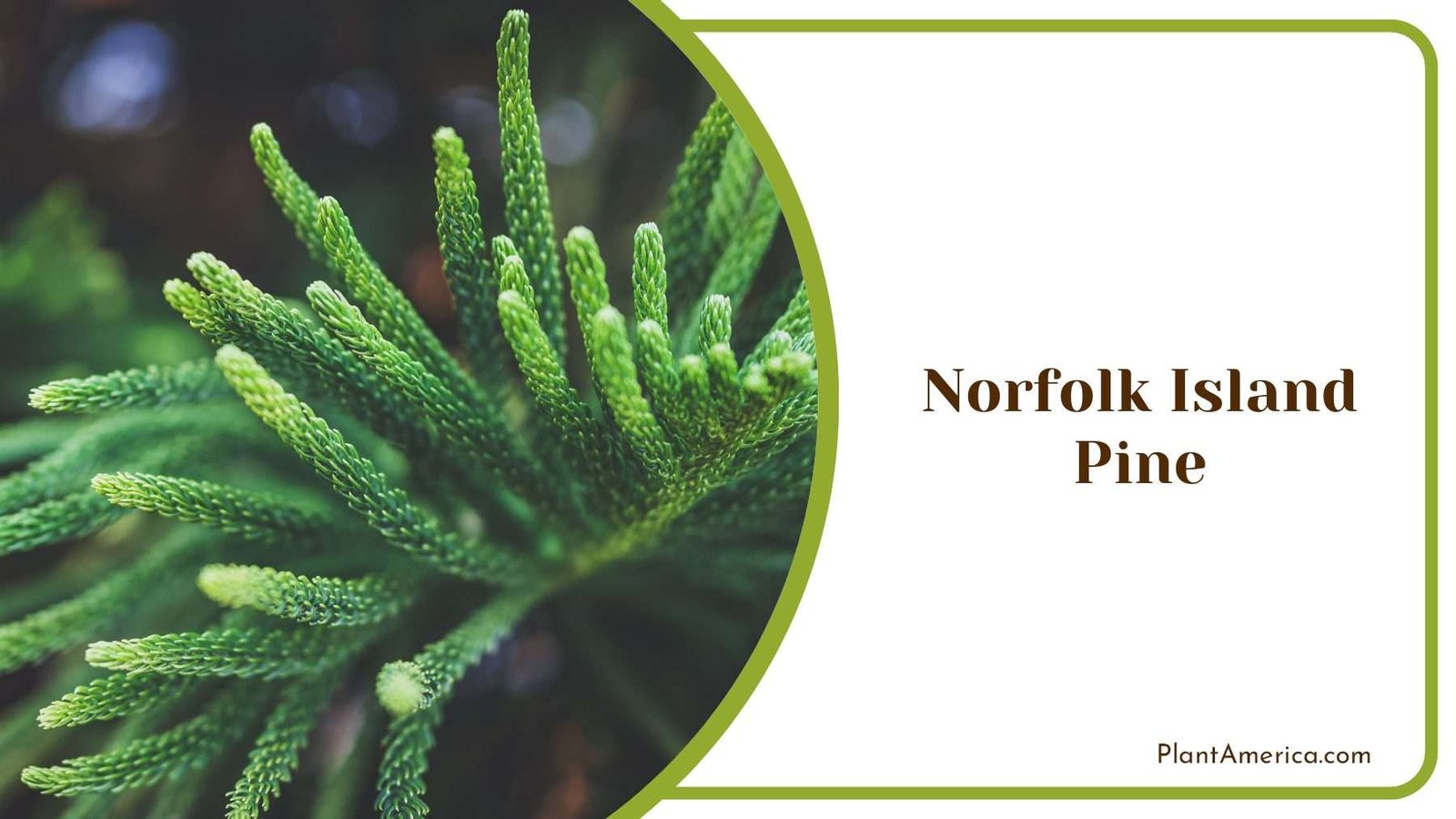
Norfolk Island pines require full sun and consistently moist soil to thrive indoors. They also need high humidity levels between 50 percent to 80 percent. This tree’s narrow form and soft textured, spiral needle arrangement create an ethereal, delicate shape. Little pruning is needed besides removing damaged, diseased or dead needles.
16. October Glory Japanese Maple
- Growing Season: Spring, Autumn.
- Leaf Type: Palmate, Small.
- Specific Needs: Partial shade, Acidic soil.
- Common Pests: Aphids, Mealybugs.
The October glory Japanese Maple variety produces stunning red foliage that brightly colors up in early fall. This small tree grows 15 to 20 feet tall with a spreading habit. The leaves emerge green in spring before transforming into vivid shades of red in early autumn.
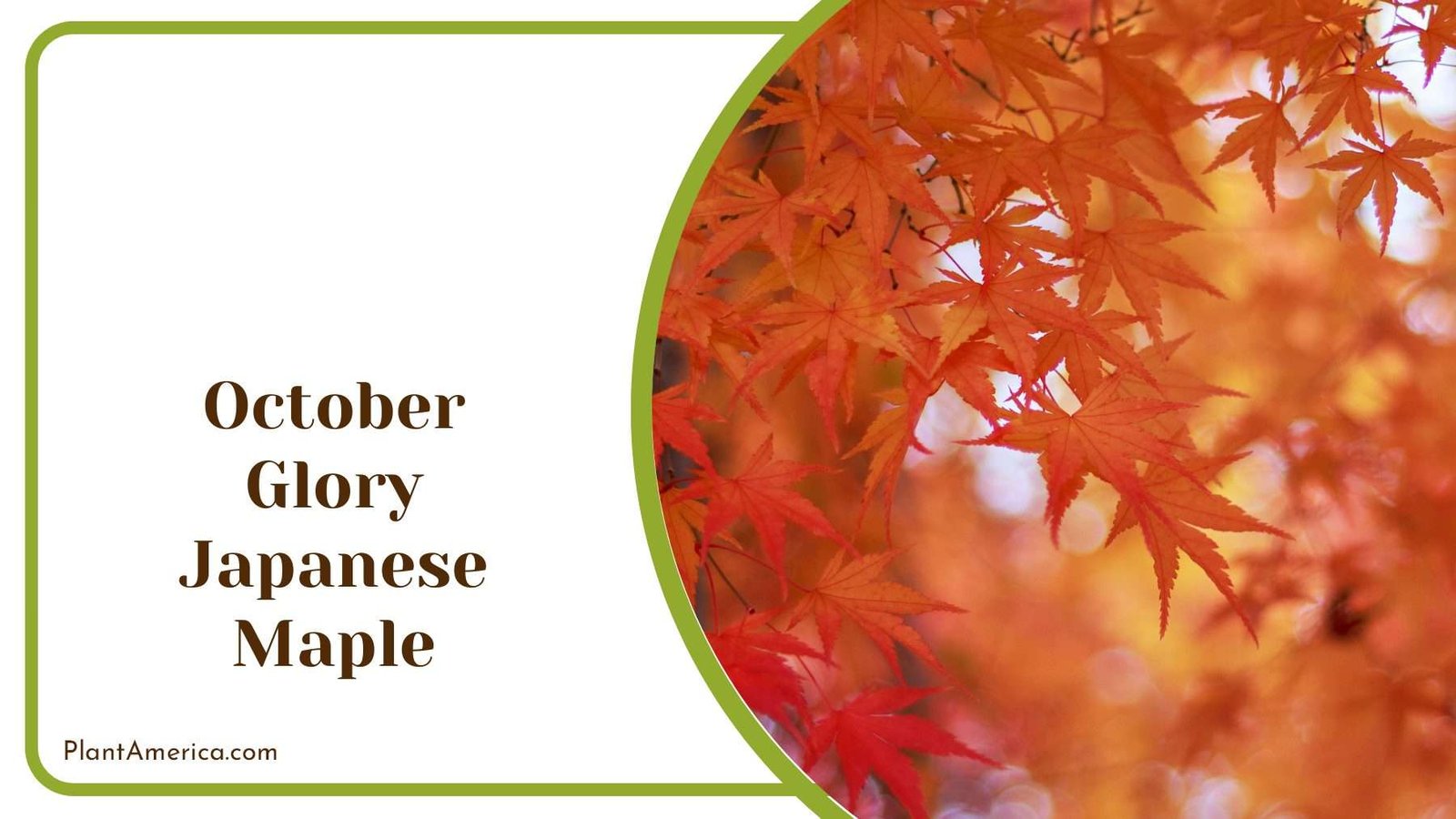
The October glory thrives in partial shade and moist, acidic soils. Regular pruning helps maintain a shrub-like form that highlights the autumn color. The branches have an arching growth habit with dense, spreading foliage.
The deep red fall color typically starts in September and can last up to October. The leaves gradually intensify from orange to crimson to deep burgundy before dropping. Early autumn coloring makes this Japanese maple variety a showstopper in the landscape.
As with most Japanese maples, October glory is susceptible to damage from wind and late spring frosts. Staking young trees and selecting a protected site can help avoid issues. Fertilizing in early spring with an acidic fertilizer promotes healthy leaf growth. Leaf spots and powdery mildew can also be issues, so provide good air circulation and use preventative fungicide sprays.
Pruning October glory Japanese maples in late winter focuses on developing a strong branch structure. Dead, diseased, or overlapping branches are removed while the remaining limbs spread to fill the desired shape. The more sunlight the branches receive, the more intensely the leaves will color in fall.
Mulching around the base of the tree conserves moisture and helps insulate shallow roots from temperature extremes. Pull mulch back slightly from the trunk to avoid moisture and rodent issues. October glory Japanese maples add architectural beauty throughout the year but truly shine during their early and dramatic show of red fall foliage.
17. Japanese Maple Sprengeri
- Growing Season: Summer, Spring.
- Leaf Type: Palmate, Lobed.
- Specific Needs: Partial shade, Full sun.
- Common Pests: None.
The Japanese maple sprengeri produces colorful laceleaf foliage and delicate, weeping branchlets. This small deciduous tree grows 10 to 15 feet tall with a weeping habit. The palmate leaves emerge dark maroon in spring before turning orange and red in fall.
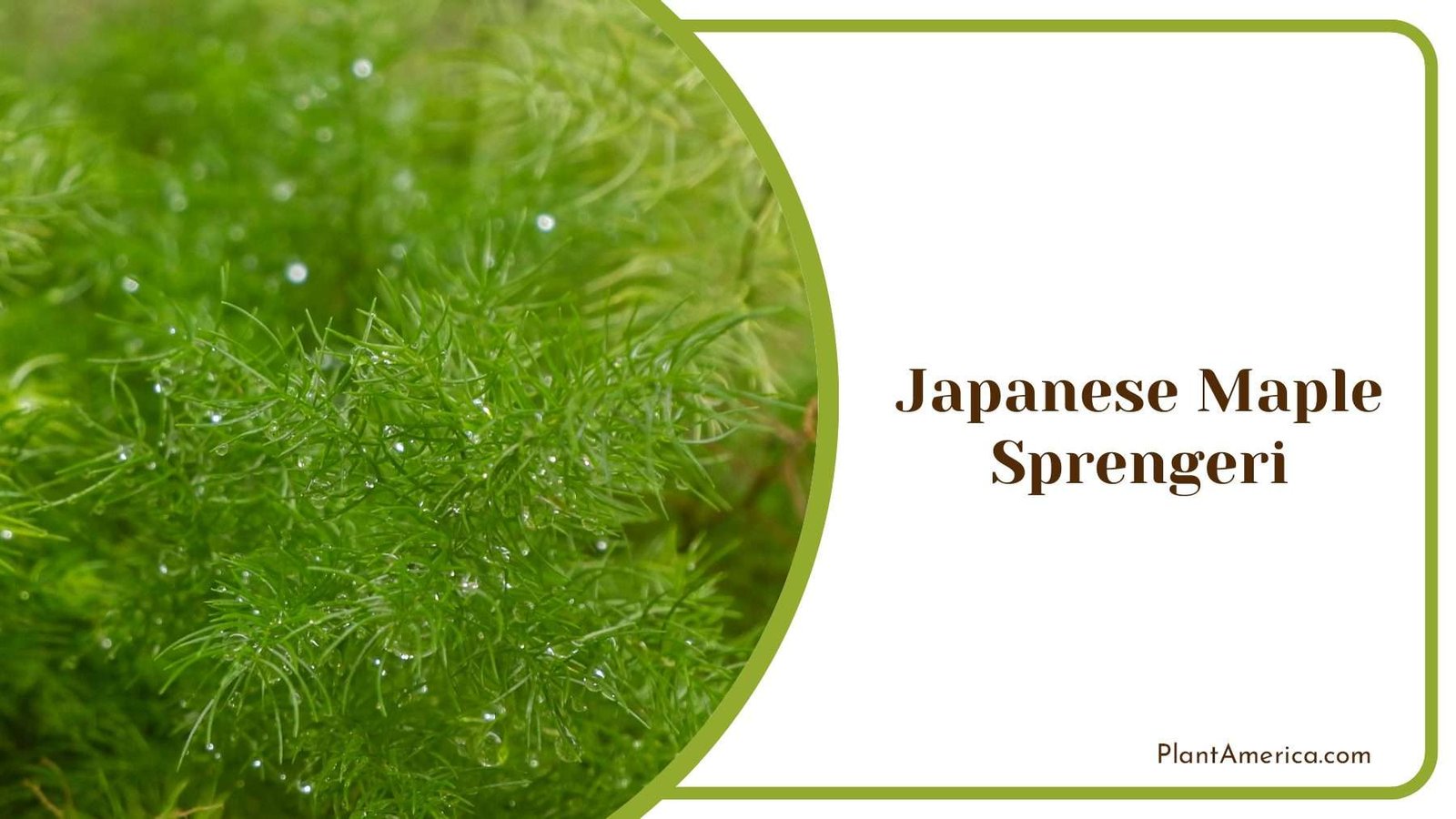
The sprengeri thrives in partial shade and moist, acidic soil. Regular pruning helps maintain a weeping form that highlights its delicate foliage. In fall, the leaves change to vivid shades of crimson, scarlet, and gold before dropping.
The weeping branchlets remain a highlight throughout the year. Some care must be taken to prevent wind damage to the delicate branchlets. Staking young trees can provide support until the branching structure strengthens. Avoiding exposure to strong winds also helps.
Otherwise, pest problems are relatively low for sprengeri maples. The deeply lobed, laceleaf foliage makes these trees susceptible to damage from late spring frosts, so selecting a partly shaded spot that may be slightly warmer during cold nights is recommended.
Fertilizing sprengeri maples in early spring with a low nitrogen, phosphorus-rich plant food promotes luxurious foliage growth and colorful fall displays. Pruning judiciously after leaf fall removes any weakened or diseased branches while maintaining the spreading, weeping shape.
Mulching around the base of the tree helps protect shallow roots and conserve moisture. Keep mulch pulled back slightly from the trunk to avoid issues with moisture and fungal pathogens. Proper spacing allows air circulation, which reduces the risk of problems with powdery mildew and leaf spot.
18. Canadian Red Maple
- Growing Season: All year.
- Leaf Type: Palmate, Oval.
- Specific Needs: Partial shade, Full sun.
- Common Pests: Aphids, Mealybugs.
The Canadian red maple produces brilliant orange-red fall foliage and an upright, oval crown. This medium-sized deciduous tree grows 30 to 50 feet tall with a similar spread. The palmate leaves emerge dark green in spring before turning crimson in autumn.
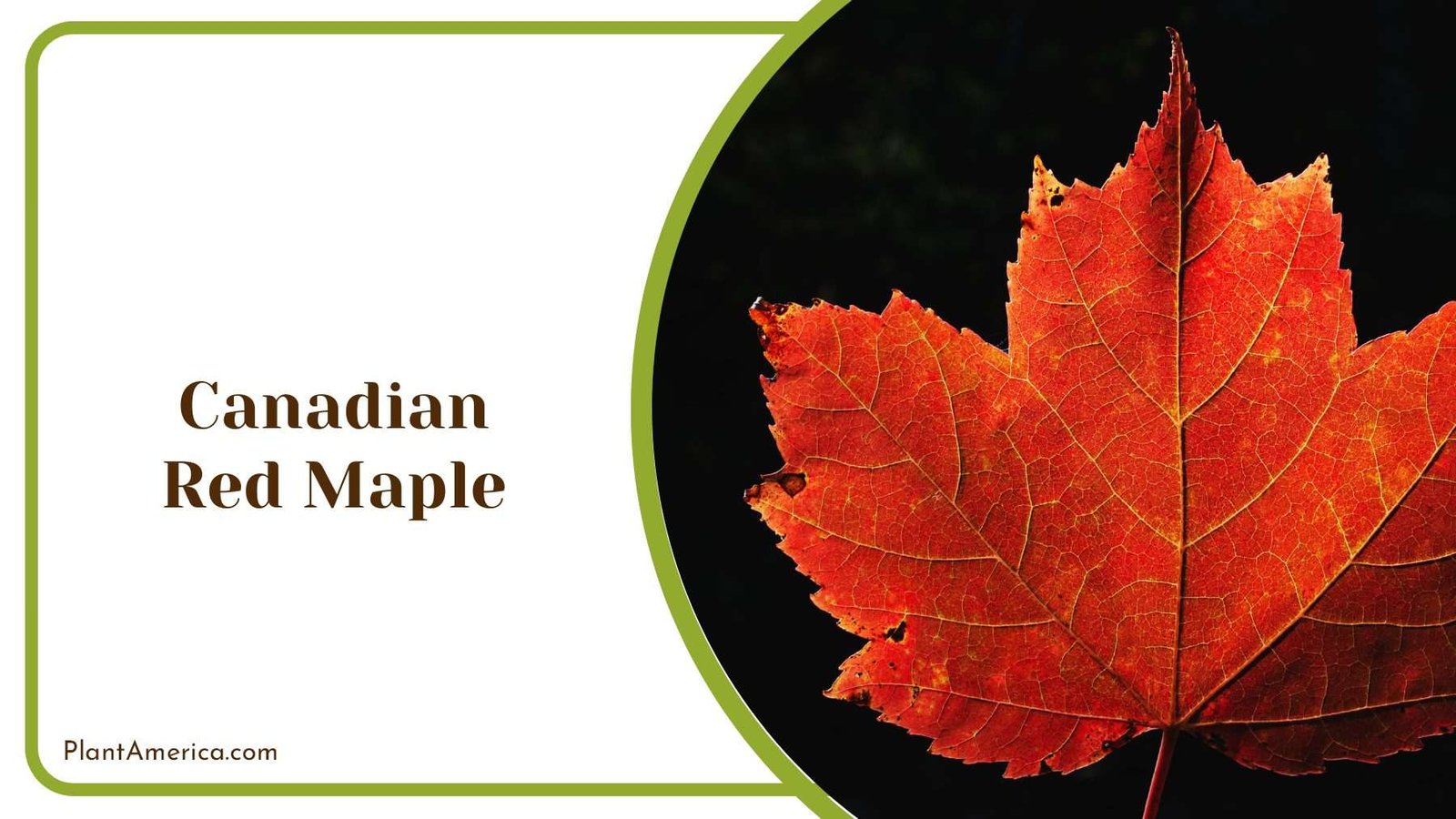 This tree thrives in full sun to partial shade and moist, well-drained soil. Regular pruning helps develop a strong, oval structure. The leaves transform into vivid shades of orange, scarlet, and crimson in fall before dropping. The intense color remains through much of autumn.
Some care must be taken to protect your trees from sunscald and winter damage. As trees mature, aphids, borers, and stem cankers can require treatment. Sunscald occurs when the bare trunk of a dormant tree is suddenly exposed to cold temperatures after a sunny, warm day.
This damages bark tissue and can lead to decay. To avoid sunscald, wrap young tree trunks with paper or burlap for winter protection. Also, maintain a thick layer of mulch around the base of the tree but avoid letting it touch the trunk bark. Removing lower branches to allow light and air circulation will also help prevent fungal problems.
Proper pruning and fertilizing will promote strong, colorful fall displays in your Canadian red maple. Trimming selectively for shape will open the crown to light penetration while removing rubbing or crisscrossing branches. An application of extended-release fertilizer or organic compost in spring provides nutrients to feed new leaves and stem growth throughout the year.