
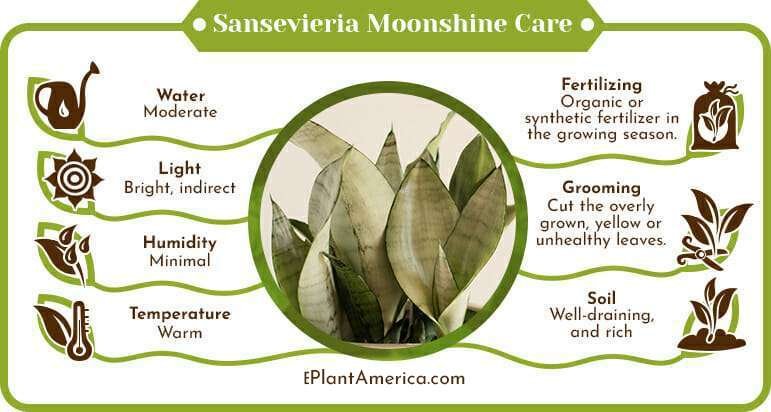
Sansevieria moonshine of the Asparagaceae family, also known as the Snake plant, is a tall, green perennial plant with upright leaves decorated with beautiful patterns and colors. The snake plant is succulent and has over 70 varieties. If you are someone who likes to spend just a few hours a week gardening and want a fresh, tropical plant, then this Dracaena genus plant is for you.
Continue reading to find out how to make your Sansevieria moonshine happy and healthy!
Quick Overview
Here is an overview of the Sansevieria moonshine’s care requirements:
| Requirements | Sansevieria moonshine |
| Light | Prefers bright, indirect sunlight |
| Water | Moderate watering; Overwatering kills it |
| Soil | Well-draining, rich |
| Temperature | Likes to grow in warm weather |
| Fertilizer | Organic or synthetic fertilizer applied in the growing season |
What Is Sansevieria Moonshine?
Sansevieria moonshine is a perennial succulent that has upright leaves decorated with beautiful patterns and colors. They are originally from the tropical regions of West Africa and some parts of Asia.

The snake plant indicates good luck and fertility in African culture, and the Moonshine plant is famous all over the world. This plant is widespread in different continents such as Africa, Europe, and Asia, and the reason behind its popularity is its easy care and adaptability. They require less attention than other plants and only a small space for their growth.
– Asparagaceae Family
It is a family of flowering plants that are monocots with thick and small leaves. Some species of this family are edible while some are known as garden plants. Plants of this family can treat various health-related problems such as coughs, tuberculosis, kidney problems and stomach illnesses.
– Common Names of Sansevieria Moonshine
Sansevieria Moonshine has different common names:
- Mother in law’s tongue
- Sansevieria futura silver offset
- Sansevieria trifasciata moonshine
- Moonlight Sansevieria
- Moonshine snake plant
Sansevieria Moonshine is known as a Snake plant because its leaves are shaped like snakes.
– Leaves
Sansevieria Moonshine has silver-green, broad and pointed succulent leaves.
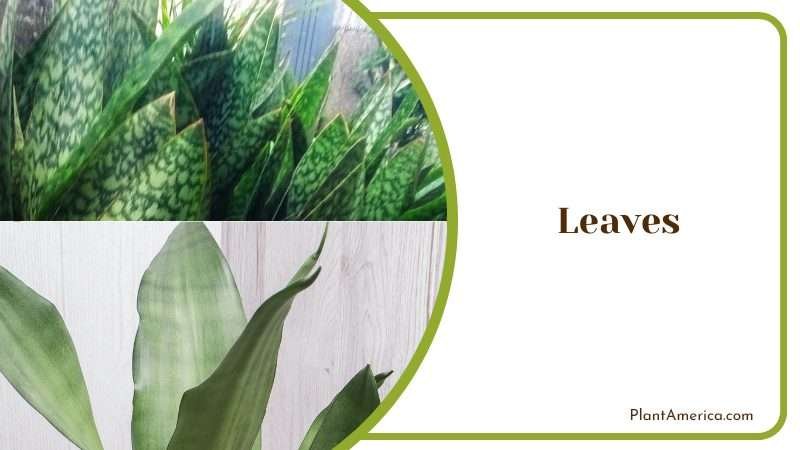
The leaves have faint dark green lines that run along its edges. When the plant grows in low light, the color of the leaves changes from a light green to a dark green color. The leaves grow vertically in a rosette pattern.
– Flowers
The snake plant blooms occasionally. When they bloom, they produce slightly fragrant, creamy-white flowers that grow in clusters.
Sansevieria Moonshine Care
Let us now tackle the details regarding the care that your snake plant needs in the following guide.
 Water Requirements
Sansevieria Moonshine is a succulent plant and drought-tolerant. Water your plant when the soil is dry. The plant does not require much water to grow well.
During summer, you need to water your plant every week.
 Soil Requirements
Use well-drained soil to plant your Sansevieria Moonshine in, and add succulent potting mix, which consists of a general potting mix with perlite and coarse, sandy soil. Perlite helps with fast drainage.

Always use a pot with drainage holes because soggy soil can cause roots to rot.
 Light Requirements
Sansevieria Moonshine requires bright indirect sunlight. The plant can stand in direct light for only a short time, so if you keep the plant in direct sunlight for long, it causes the leaves to burn. The ideal location to place your plant is an eastern-facing window.
 Temperature Requirements
The snake plant grows well in average room temperatures. Temperatures ranging from 55 to 85 degrees Fahrenheit are ideal for its growth.
Sansevieria moonshine temperature tolerance is poor when it comes to cold temperatures. You might have to bring the plant indoors when the temperature drops.
 Humidity Requirements
Sansevieria moonshine requires minimal humidity. The plant can grow best at average room humidity. It is not necessary to mist your plant regularly.
 Fertilizer Requirements
You can give your Sansevieria moonshine a treat by giving it some extra food for proper growth. Fertilize your plant with an appropriate amount of liquid household fertilizer.
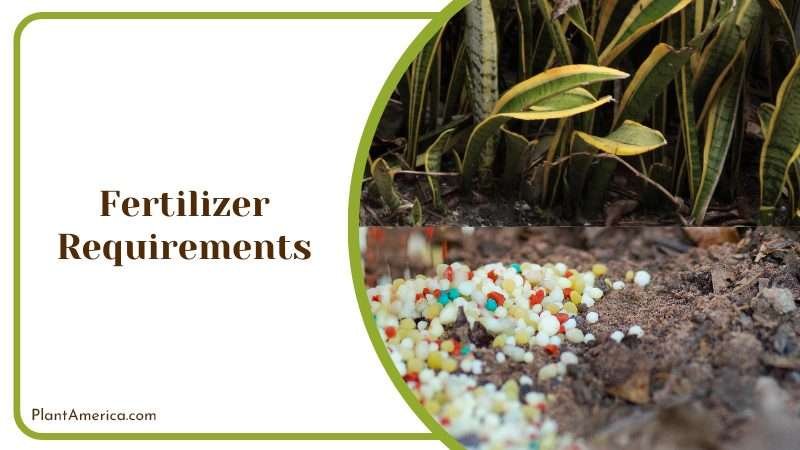
Feed your plant twice a year, in summer or spring. Do not over-fertilize your plant because doing this can burn the plant.
– Growth Rate
Sansevieria Moonshine can grow up to 2 feet tall and 3 to 4 inches wide. They are a low-maintenance plant and have a moderate growth rate. You can plant them in a pot or directly grow them into the soil. The Sansevieria Moonshine plant grows vertically and can cover less space.
– Repotting
Repot your Sansevieria Moonshine every 2-5 years. Always repot your plant at least 1-2 inches below the surface of the pot. Big pots help the plant to grow faster.
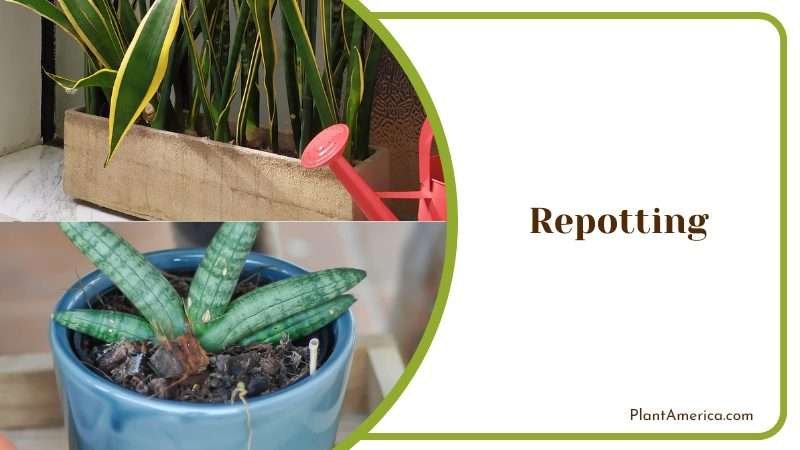
Repot your plant in spring because the growth is fast during this season.
 Pruning
The plant does not require much pruning. You can cut the overly grown, yellow or unhealthy leaves.
– Toxicity
Sansevieria Moonshine is toxic to both pets and humans. The leaves contain saponins, a waxy toxin that protects the plant from insects, grazing animals and fungi. When pets ingest the leaves, it will irritate the mouth and may cause vomiting and gastrointestinal problems.
– Air Purification
The snake plant is an excellent air purifier. The plant helps to purify harmful toxins from the air such as benzene, formaldehyde, xylene and trichloroethylene. In addition, they can convert carbon dioxide into oxygen at night.
Propagation
Propagation is the best way to expand your plant collection. There are different methods of propagation of Moonshine plants.
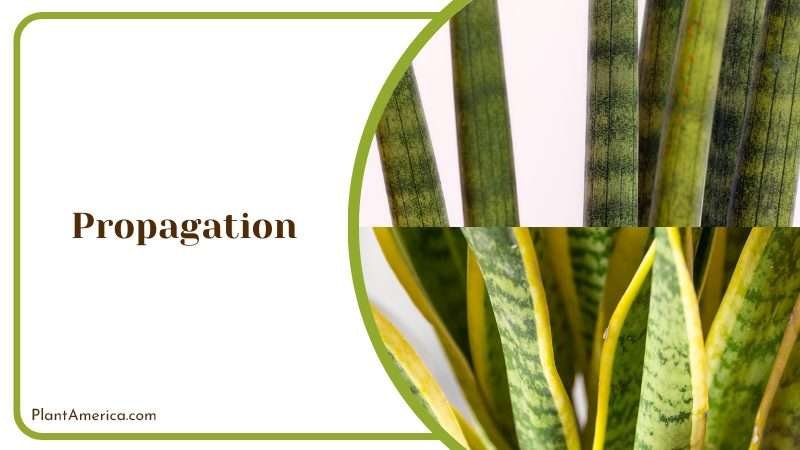
The division method is the most appropriate method for propagating the snake plant because they have a fast-growing root system. Sansevieria moonshine seeds can be planted too, but it is not a recommended method of propagation.
– Propagation by Root Division
This method of propagation is simple. You have to cut a portion of the plant from the main plant to divide them into two.
- Remove the plant from the soil and observe its roots.
- Use a sharp and clean pair of disinfected scissors to cut a portion of your plant.
- Place the cut part of the plant in the air for a few hours.
- Plant it in a well-drained potting mix.
- Keep it moist.
- Observe root development after a few weeks.
– Propagation by Leaf Cutting
A single leaf can also help the plant to propagate.
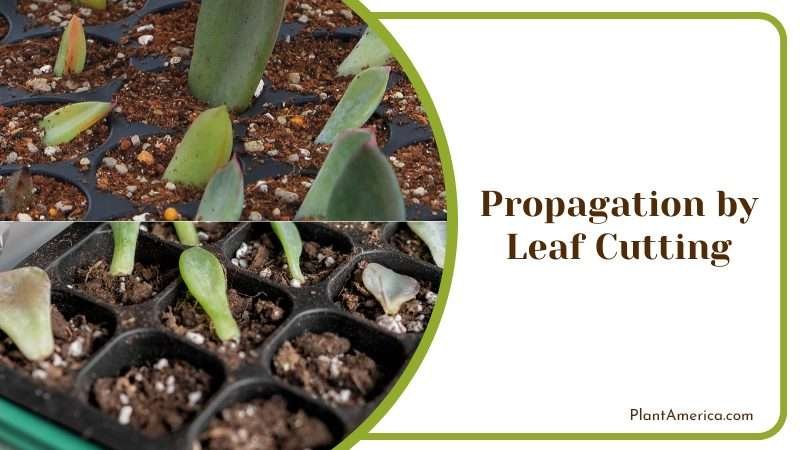
- Cut a leaf into 2 to 3-inch-long pieces.
- Plant the leaf piece in well-drained soil. Bury the cutting 1-inch deep.
- Keep the soil moist.
- Roots will develop after a few weeks and a new plant will sprout soon.
– Propagation in Water
You can also propagate Sansevieria Moonshine in water.
- Take a leaf cutting and put it in water.
- Make sure you change the water after every 1-2 weeks.
- Observe your leaf cutting carefully.
- When the leaves sprout from the cutting and the development of roots starts, plant it in succulent potting soil.
Problems
The snake plant is a low-maintenance plant, but it may face some issues.
– Pests
Pests will often attack the Sansevieria Moonshine plant.
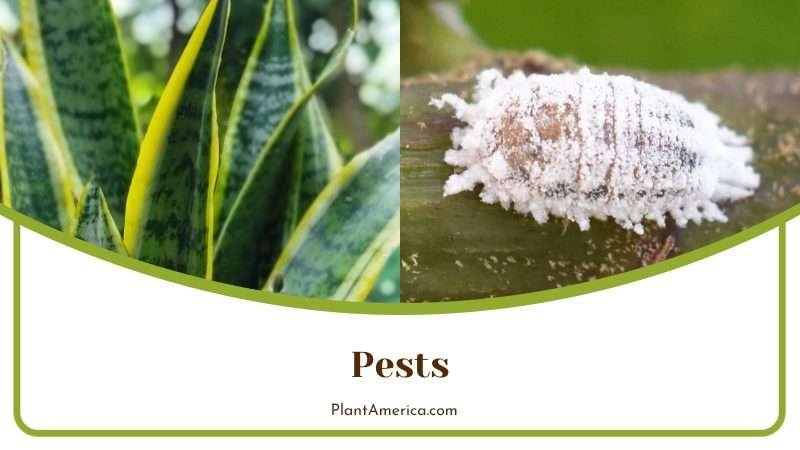
These pests are mealybugs, spider mites, aphids, thrips and sometimes the plant may get fungal infections as well.
-
Spider mites
The spider mites are deep red in color and live insides of leaves. They form white-colored webs which dangle from the thick leaves, and the color of the leaves will turn yellow. Remove the eggs of spider mites by cleaning the leaves with a clean piece of cloth.
-
Mealybugs
Mealybugs are white and small and produce white cotton wool-like substances on the leaves. They distort the growth of the plant and cause drooping of leaves.
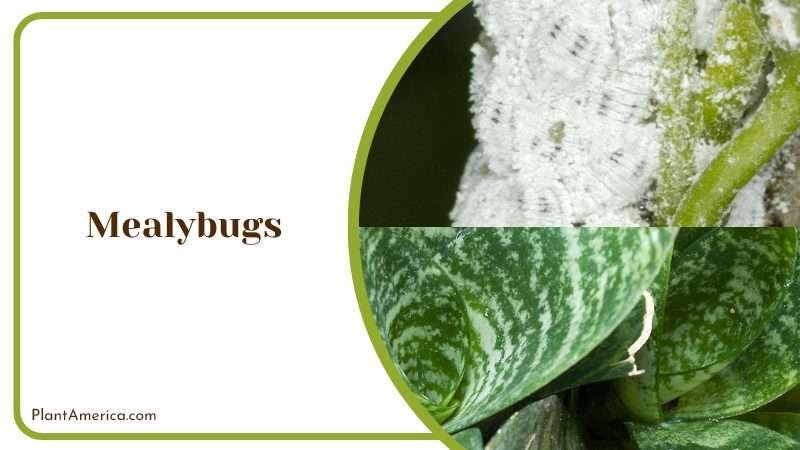
Mealybugs also secrete honeydew, a sticky liquid, and it encourages the growth of mold. These pests suck the sap out of the leaves and harm the plant.
-
Worms
We can easily see the presence of worms on the surface of leaves. The worms make holes in the center or on the edges of the plant’s leaves.
-
Thrips
Thrips are thin and tiny insects that cause the leaves to curl and distort.
– Solutions
You can use different products to get rid of pests from your plant, such as:
- Neem oil
- Soapy water
- Alcohol
- Insecticidal soaps
These chemicals suffocate the pests when they come in contact with them. To prevent infestation of pests, you should regularly wipe the leaves of your Sansevieria Moonshine plant with a damp towel.
– Diseases
-
Root Rot
Root rot is the most common disease in the Sansevieria Moonshine plant. This disease is due to overwatering and occurs when the water can not drain from the pot and the roots remain soggy. Roots may die due to the lack of the availability of oxygen.

Do not overwater your plant. If you think the roots are rotting, take the plant out from the soil and trim the rotten roots before repotting in well-drained soil.
-
Wilting and Brown Spots
Wilting, brown spots and mushy leaves are signs of bacterial or fungal infections. Remove wilting and drooping leaves or leaves that have brown spots to prevent the spread of infections.
-
Soft Rot
This problem develops when your leaves get too much water. The cutting will turn soft and yellow, and the plant may also smell fishy. Remove the rotten leaves and make sure to keep the leaves of your plant dry.
-
Red Leaf Spots
Red spots or reddish-brown spots appear on the leaves when the leaves are too wet and have spores. It is a fungal disease and occurs during spring and summer. The causative agent is Drechslera erythrospila, and this issue can damage the whole plant.

Solve this problem immediately. Do not water your plant much, and avoid your leaves getting wet for long periods of time. You can use fungicides such as sulfur spray or copper-containing fungicides.
-
Brown Edges
The tips of the leaves of the Sansevieria moonshine plant will turn brown in cases of underwatering, lack of light and nutrients, and overdose of fertilizer.
Watering Sansevieria moonshine plant properly can solve this problem. Check the lighting conditions and fertilize your plant only when there is a need to give your plant an extra dose.
-
Southern Blight
Southern blight is a fungal disease. The causative agent of this disease is Sclerotium rolfsii.

Southern blight penetrates the stem of the plant and infects the whole plant. Overwatering or wet leaves will lead to such issues, where white veins will appear on the soil surface and turn the soil dark.
Remove the diseased leaves and use fungicides such as methyl bromide for the treatment.
-
Root Knot
Nematodes are the number one cause of root knot. The name of this specific nematode is Meloidogyne.
Galls will develop on the root, resulting in the wilting of leaves. Remove the wilting leaves and repot your plant in a well-drained potting mix.
-
Blades and Mushy Leaves
If the leaves of your Sansevieria Moonshine plant become mushy, it is an indication that the roots are rotting. Avoid overwatering your plant. Cut off the mushy leaves and repot your plant.
-
Raised Spots or Lesions
If the leaves of your plant develop lesions or edema, it is due to excessive watering of your Sansevieria Moonshine plant. Do not water your plant when the soil is still moist. Water your plant after 2-3 weeks.
Benefits of Sansevieria Moonshine
This plant is very beneficial for us. They are not just ornamental plants, but they also provide several health benefits.
– Natural Air Purifier
According to research by NASA, the Sansevieria moonshine plant is a natural air purifier. It filters the air and is perfect for indoor spaces.
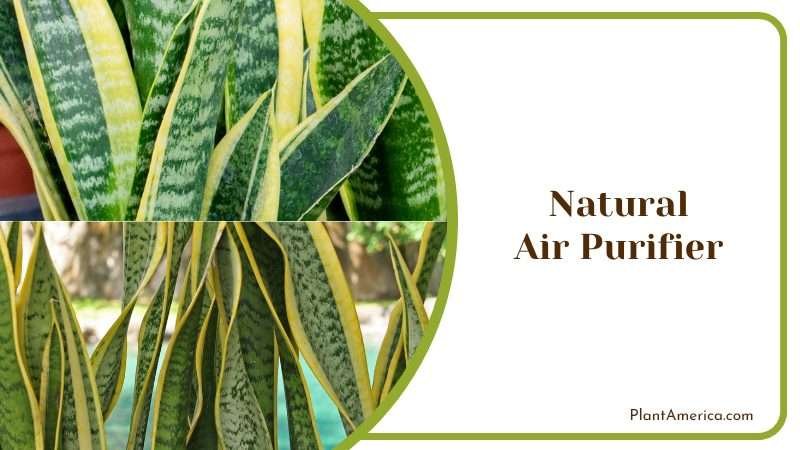
Workplaces such as factories, automobile plants, shops and paint makers can keep this indoor plant to purify the surrounding air.
– Reduces Allergens
The snake plant absorbs toxins like benzene, xylene, formaldehyde and toluene from the air. They also reduce the risk of air-borne allergies.
– Releases Oxygen
The Sansevieria moonshine plant has a remarkable photosynthesis process in which plants convert carbon dioxide into oxygen at night, which helps us to get better sleep.
– Low Maintenance
The Sansevieria moonshine plant is an easy-growing plant. They are drought-tolerant succulent and take less space as they grow vertically. The plant needs low light to grow well.
Varieties
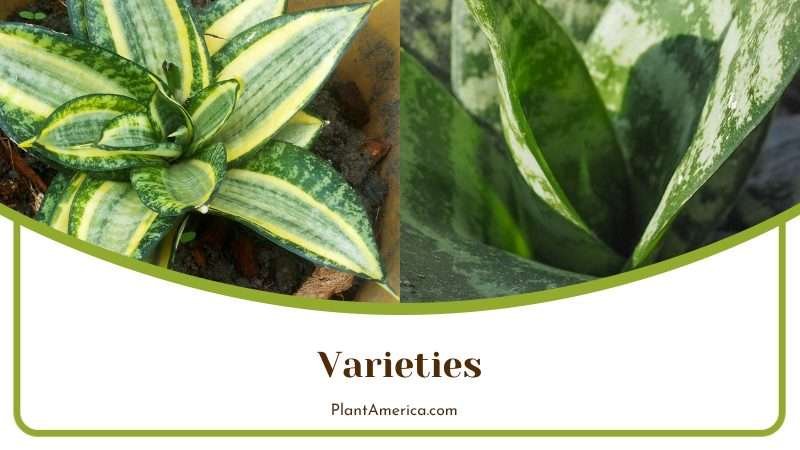
There are different varieties of snake plants, such as:
– Sansevieria Trifasciata
This plant has dark leaves with whitish-gray variegation. The leaves are thin and tall, and the plant also grows taller than most.
– Sansevieria Cylindrica
This is also known as the African Spear. The plant has thick leaves in the form of rosettes, and its leaves are 2.5 to 4.5 feet long and 1.2 inches wide. The color of the leaves is dark green and they are cylindrical.
– Sansevieria Trifasciata Black Gold
This is the best indoor variety of this genus. The leaves of this plant are upright, stiff and dark green with golden edges.
– Trifasciata Robusta
The leaves of this plant are large and wide. They have dark green leaves with light green variegation.
– Trifasciata Laurentii
The leaves of this variety have yellow edges. The plant grows thin and tall.
– Trifasciata Black Coral Variety
This is a gorgeous plant that grows up to a height of 3 feet. The leaves of this plant are dark green with gray horizontal stripes.
– Trifasciata Whitney Variety
The plant is small with dark green leaves. The border of the leaves has greenish-gray variegations.
– Trifasciata Jaboa
This plant is big and pretty with leaves that are long and thick. The border of the leaves has an orangish-red tint, and they have grayish white to medium green variegation.
– Trifasciata Hahnii Robusta
These are called Bird’s Nest Snake Plants. They are short and grow in clumps.
The Sansevieria moonshine plant is similar to two different succulent plants, Aloe vera and Agave. They have a similar appearance as well as temperature and water requirements.