
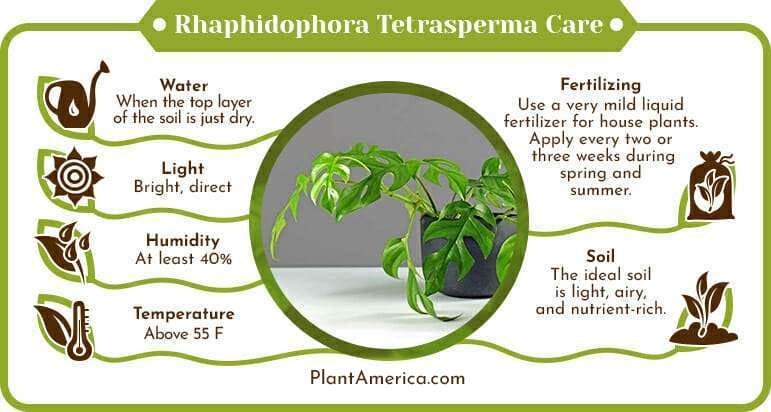
Rhaphidophora Tetrasperma of the Araceae family is also known as mini monstera because of the similarity in the shape of the leaves.
Because it looks like a small monstera plant, this Rhaphidophora genus variety makes an ideal house plant in small spaces.
You’ll love seeing this happy little plant in your flat or apartment, and its compact size even makes it perfect for people living in motorhomes and boats where plants are difficult to grow.
Rhaphidophora Tetrasperma Care Guide
Like all tropical or subtropical plants, the rhaphidophora tetrasperma has very specific growing conditions you must provide to keep these plants healthy and growing.
Because of the confusion about the origins of these plants, they are frequently given incorrect soil, light, and water which can cause a wide range of problems.
This guide will provide the facts other guides don’t include based on the truth about successfully growing these unique and desirable plants.
 Soil Requirements
Many people make the mistake of planting rhaphidophora tetrasperma in a potting soil that is ideal for philodendron or monstera plants. While you may have success growing the tetrasperma this way, you are better off mixing your own medium for growing these plants.
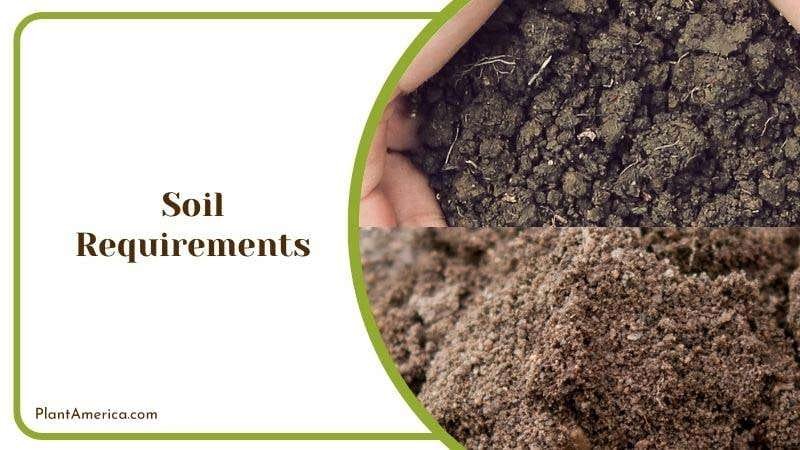
It is important to always remember how the rhaphidophora tetrasperma grows in nature. It is an aerial plant that doesn’t grow in soil. Instead, it sprouts from areas where decomposing detritus provides a nutrient-rich environment. Roots are typically delicate and small but may sprout from vines as the plant climbs.
The ideal soil for rhaphidophora tetrasperma is light, airy, and nutrient-rich. The best way to make the perfect potting soil for these plants is to mix equal parts sphagnum moss, peat moss, perlite or pumice, potting soil, and activated charcoal. The mix should drain very well while providing the proper nutrients for the plant. It is key that you avoid any soil that compacts easily or drains well.
 Fertilizer Requirements
These plants benefit from regular feeding during the growing season. You will have the most success using a very mild liquid fertilizer for house plants. It is always a good idea to dilute the fertilizer to half strength before feeding your plant. Fertilize every two or three weeks during spring and summer to encourage the rhaphidophora tetrasperma to grow quickly.
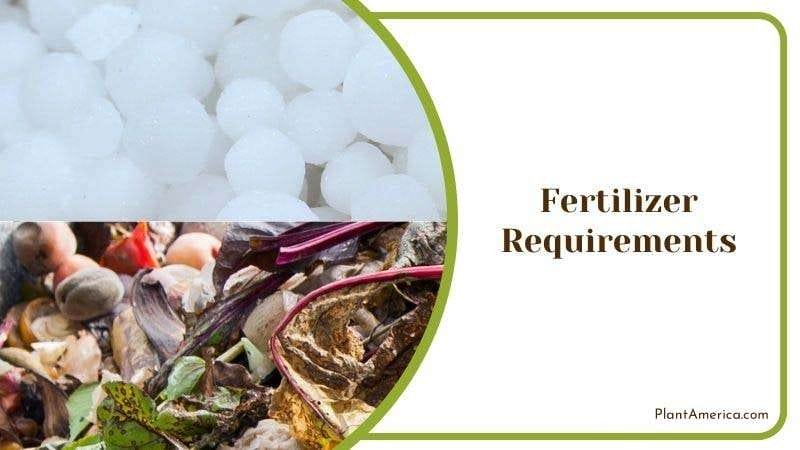
It is important that you monitor your plant carefully when giving fertilizer. The rhaphidophora tetrasperma has delicate, sensitive roots that are easy to burn by overdoing fertilizer. You’ll have the best success taking it easy on the fertilizer.
 Light Requirements
These plants love the light, but you will want to make sure that your rhaphidophora tetrasperma isn’t in direct, bright sunlight. Bright, indirect light is best. Choose an east or west window to provide the optimal amount of light. Southern windows are also a good choice, but you’ll want to keep an eye on the leaves to make sure there isn’t too much light.

Darker homes can use artificial lighting to help provide enough light for the rhaphidophora tetrasperma. You should use a full-spectrum light for growing plants that focuses on a cool or blue light spectrum in the 6500K range. This will encourage root and vegetative growth. Providing warm or red light isn’t necessary for the health of these plants.
Many sources will incorrectly state that these plants will grow in shade. Some shade is okay, but you will see significantly less growth, smaller leaves, and a more “leggy” growth as the plant searches for light.
 Temperature Requirements
Generally, these plants are going to be happy living in average room temperature environments. Like many tropical species, these plants will withstand higher temperatures fairly well, but you’ll want to make sure the plant isn’t in direct sun.
Temperatures below 55 degrees will negatively affect the plant. Avoid leaving the rhaphidophora tetrasperma in conditions where it will get cold. It will stop growing, drop leaves, and die if it experiences cold temperatures.
It is important to pay attention to your house plant when the seasons change. Drafts from open windows, heater or AC vents, and even floor fans can impact the overall health of your plant. Move rhaphidophora tetrasperma away from drafts and prevent big changes in temperature to encourage the best growth.
 Water Requirements
One of the mistakes people often make when growing these tropical plants is providing too much water. The rhaphidophora tetrasperma prefers moist soil, but will not live in wet, sticky, or waterlogged growing medium. If your potting mix drains properly for these pants, you will want to water when the top layer of the soil is just dry. Water slowly so that the roots have plenty of opportunities to absorb liquid. You will let the water run until it comes cleanly through the drainage in your pot.

Watering will be more frequent during the growing season. You may need to water every seven to ten days, and more frequently when temperatures are high. During the dormant season, rhaphidophora tetrasperma may only require watering monthly. Overwatering in the winter may lead to rot, killing your valuable plant.
 Humidity
These plants love humidity, so make sure you are growing it in a place where humidity is at least 40 percent. If your home is particularly dry, you will need to add humidity. You can use a room humidifier if you are growing other, similar plants, but a fine mist spray bottle will also provide humidity in dry conditions.
An evaporative tray can also add attractiveness to your plant while encouraging proper humidity. To make an evaporative tray at home, simply place pumice, stones, or other small objects in a waterproof tray. Add enough water to almost cover the rocks and set your plant on top. Make sure the pot isn’t touching the surface of the water because it will drown the plant.
Repotting
You won’t need to repot this plant very often even though it is a fast-grower. The roots of these plants are delicate and small and prefer to be somewhat more root-bound than similar types of plants.
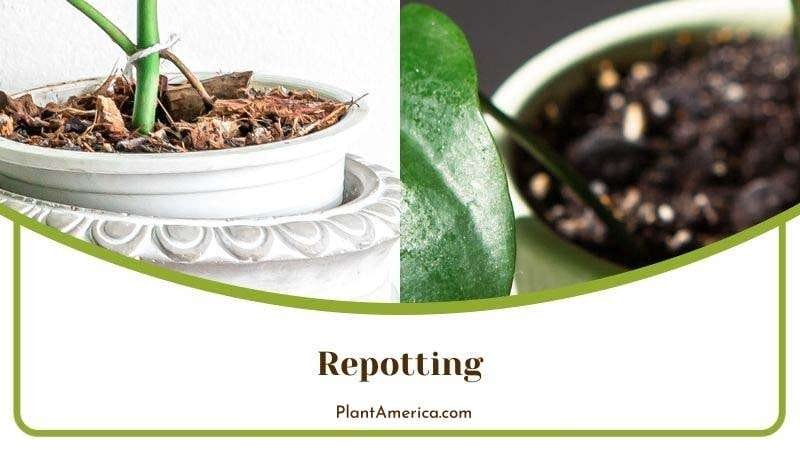
Repotting isn’t necessary every year, so watch for roots growing out the drainage holes or over the top of the pot before repotting. When you select a new pot, make sure it has plenty of drainage and is only slightly larger than the old pot. Too large of a pot will stress the roots and encourage root rot.
When you repot these plants, you will want to work very carefully. The roots are very delicate and will break off easily, causing significant harm to the plant.
It is best to let the soil dry out fairly well before repotting. Gently brush old soil from the roots as best you can before placing the rhaphidophora tetrasperma in a new pot with a fresh potting mix ideal for the plant’s growing conditions. Make sure to examine the roots for signs of rot when you replant.
Propagation Tips for Rhaphidophora Tetrasperma
Propagating these plants is fairly easy in comparison with similar plants. The only way to successfully propagate is through stem-tip cuttings. Cutting rhaphidophora tetrasperma vines to propagate should be done in spring or summer when the plant is growing. This is a good time to prune your plant as well to keep the growth under control.
To make your stem-tip cutting, start with a sharp, sterile knife or scissors and have either a glass of water or freshly mixed potting materials. Select a healthy vine that has new growth to make your cutting. Severe the vine just below a leaf node, then remove two-thirds of the leaves. Immediately place the cutting in water or potting mix.
Roots will form fairly quickly and you may see them start in as little as two weeks. Generally, it will take about one month for the roots to get about one inch long when it is time to transplant the cutting into a potting mix ideal for growing rhaphidophora tetrasperma. The same process can be followed for both rhaphidophora cryptantha and rhaphidophora decursiva.
Common Problems With Rhaphidophora Tetrasperma
These plants don’t have a long list of problems and most home gardeners will get many years of trouble-free life from the rhaphidophora tetrasperma.
Learning to identify and correct issues that lead to problems with these plants is essential for keeping them healthy.
- Leggy Growth: This indicates the plant isn’t receiving enough light. Move your plant to a brighter location and it will begin to grow normally.
- Drooping Leaves: This indicates that you are overwatering your plant. Reduce the frequency of watering and ensure the potting mix drains very well. If the soil is holding water, you should repot with the correct mixture for the plant.
- Curling Leaves: this condition indicates too little humidity. You can use a fine-mist spray bottle or an evaporative tray to increase humidity.
- Brown Edges on the Leaves: The most likely cause is too much heat and light and is common after applying too much fertilizer. Your plant will also develop brown edges on the leaves when it doesn’t get enough water. Make sure temperatures are consistent and you are watering regularly to prevent this problem.
- Dropping Leaves: Unfortunately, if your plant is dropping leaves the most likely culprit is root rot. You will need to make sure the roots are healthy and you should consider repotting the plant into a mix that drains well. In most cases, by the time leaves are dropping, the damage is done. You will likely need to attempt stem-tip cutting to propagate the plant before the rot kills the entire thing.
- Spotted Leaves: This is often caused by spider mites. These sap-sucking pests are difficult to eradicate, but you can make a homemade insecticidal soap that will work. Mix a few drops of dish soap and isopropyl alcohol into a sprayer of water and treat the top and bottom of the leaves. It may take several days and repeated applications to kill all of the mites.