
Reverse osmosis water for plants is an excellent way to help boost further growth. However, is this water as healthy as it is being promoted?

This article will examine reverse osmosis systems and how they produce this water. Carry on reading to learn the significant pros and cons of substituting normal water with RO-filtered water.
What Is Reverse Osmosis Water for Plants?
Reverse osmosis water for plants is a type of filtered tap water from which the majority of minerals have been removed. The water goes through a robust pumping machine that forces the minerals to separate from the water, making it slightly acidic in nature.
– How Reverse Osmosis Works
This process uses a high-pressure pump with a fragile membrane that helps filter out minerals from regular water. The pump increases the water pressure on one side of this membrane and forces the water molecules across this semi-permeable membrane. This process leaves almost 95 to 99 percent of the dissolved salts across the RO membrane.

The more concentrated the water is in nutrients, the more pressure it needs for this osmosis type. This is because concentrated salt solutions have an increased oncotic pressure that must be overcome for the water molecules to move across the membrane.
The water that passes across the membrane and is free of salts is known as the permeate or product water. It is the water that has been deionized or demineralized. The water that cannot cross the membrane and still contains minerals is known as the reject or the concentrated stream of water.
– PH of RO Water
This water is slightly acidic compared to natural water, with a pH of 6.0 to 6.5. This happens because the machine pump filters out many minerals and nutrients that raise their pH. Compare this with pure water with a pH of around 7.0 to 7.5. The pH is sometimes dropped a little too much, and this water is naturally unfit for plant use.
– It Is Free of Chlorine
A regular machine carrying out reverse osmosis can remove a significant quantity of chlorine from the water. However, not even the best machine can remove all of the chlorine that is usually present in tap waters across the US. That is why a carbon block is added to the filtration machine, which helps eliminate up to 98 percent chlorine in water.

How Does Reverse Osmosis Water Help Plants?
– Boosts Plant Growth
The primary reason for using this water is its high water quality. Reverse osmosis removes almost 99 percent of the contaminants present in any water. Not only is this water relatively safe for the plants, but it also boosts the uptake of other nutrients from the soil. You will be surprised at the speed at which the plants start growing once you switch to this water.
– Food Gets Absorbed Rapidly by Roots
Water in the soil is used by plants mainly for keeping themselves well hydrated. Plants also use it to help absorb nutrients from their soil. Too many minerals, salts, and other contaminants in the water prevent other valuable nutrients from being absorbed.
That is why using unfiltered water causes plant malnutrition over the course of a few months. The plants have yellow leaves and stunted growth despite regular feeding and watering. All these problems can be neatly avoided by switching ordinary water with reverse osmosis.
– Suitable for All Kinds of Plants
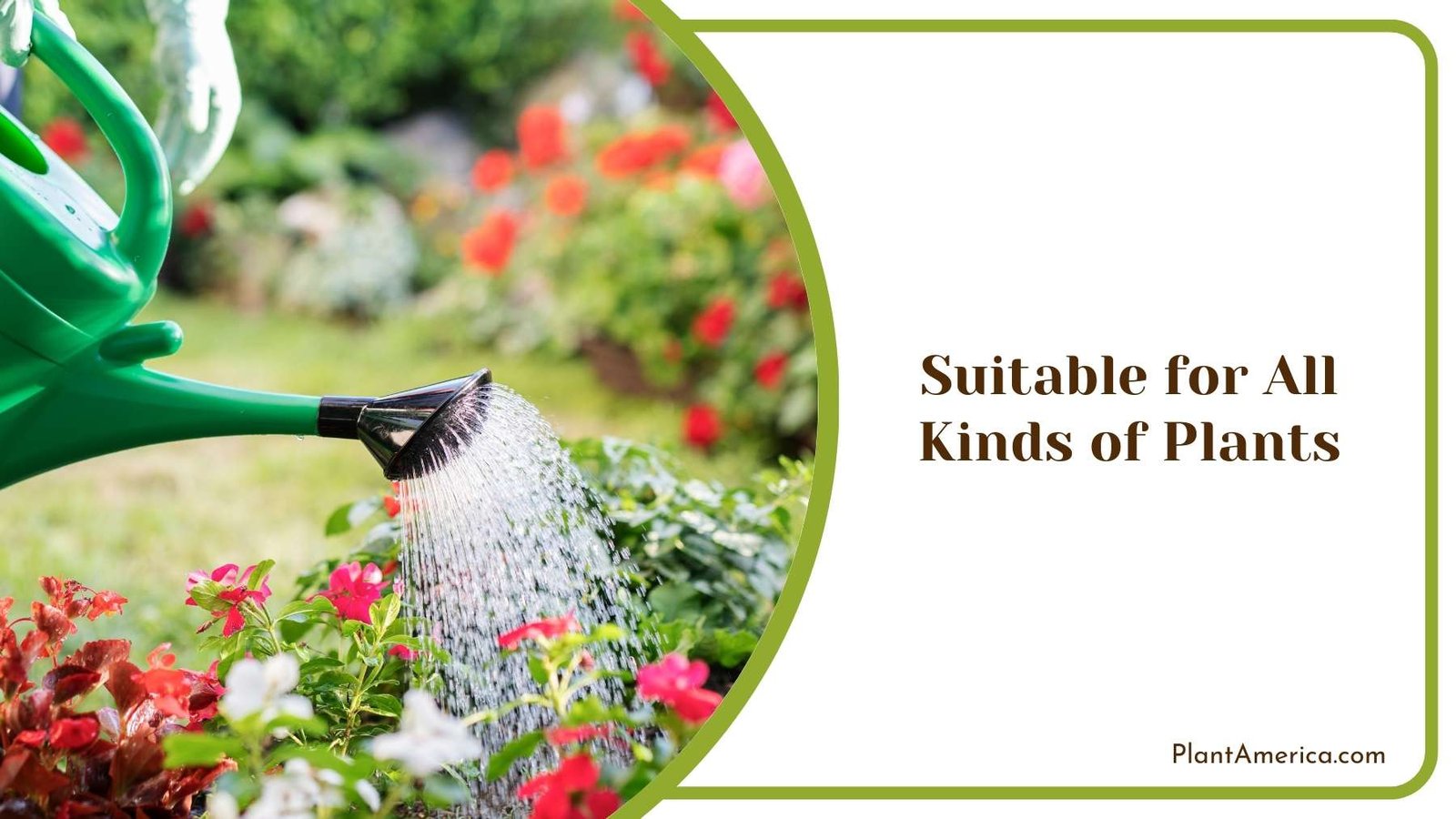
What makes osmosis water good for regular use is the fact that it suits all kinds of plants. You can use it to water plants of all types, indoor and outdoor. It can be used on flower beds, containers, pots, and vegetable gardens with good results.
– Saves You From Contaminants
Nowadays, more and more people are choosing to grow their own fruits and vegetables at home. The goal of all this is to produce organic food that is healthy and free of chemical contamination. Using water from the tap that is full of contaminants on plants defeats this purpose.
– Provides Better Quality Control
Because you know that this water contains almost zero impurities, it gets easy to control what your plants consume. Most gardeners usually mix the soil themselves before planting vegetables and other plants. You also know the ingredients present in the fertilizer that you are using. The only unreliable component left is water from random water sources.
What Are the Drawbacks of Using Reverse Osmosis Water for Plants?
– Lack of Nutrients
This osmosis process removes all the minerals, even the useful ones, from the water. In fact, it has been found to remove more than 98 percent of the minerals from common-use water. This is only sometimes the best for the plant's long-term health because it needs some nutrients in the water to grow properly.
Getting rid of metal ions, chlorine, salts, etc., makes this water safe for plants. However, in normal water, plants need magnesium, calcium, sodium, phosphorus, etc. Water constantly replenishes the soil with these nutrients. In the case of RO water, the soil must be fertilized diligently to avoid growth stunting.
– Might Kill Plants
Using only this water for plants over a period of several months might end up killing them. Water is one of the main ways by which the soil gets its regular supply of essential nutrients for the roots. Most houseplants need to be watered at least twice a week during their periods of active growth.
Compare this to commercial fertilizer that only replenishes soil nutrients once or twice a month. The result is that using this water inevitably leads to a net loss of nutrients from the soil. This has been known to kill plants unless you occasionally switch to other types of water once in a while.
– Is Acidic in Nature
The process of reverse water filtration makes ordinary water turn slightly acidic in nature. If you place a pH paper in this water, you will notice the pH is around 6.0 to 6.5. This water is unsuitable for plants needing alkaline soil, such as lavenders, hydrangea, and cabbages.
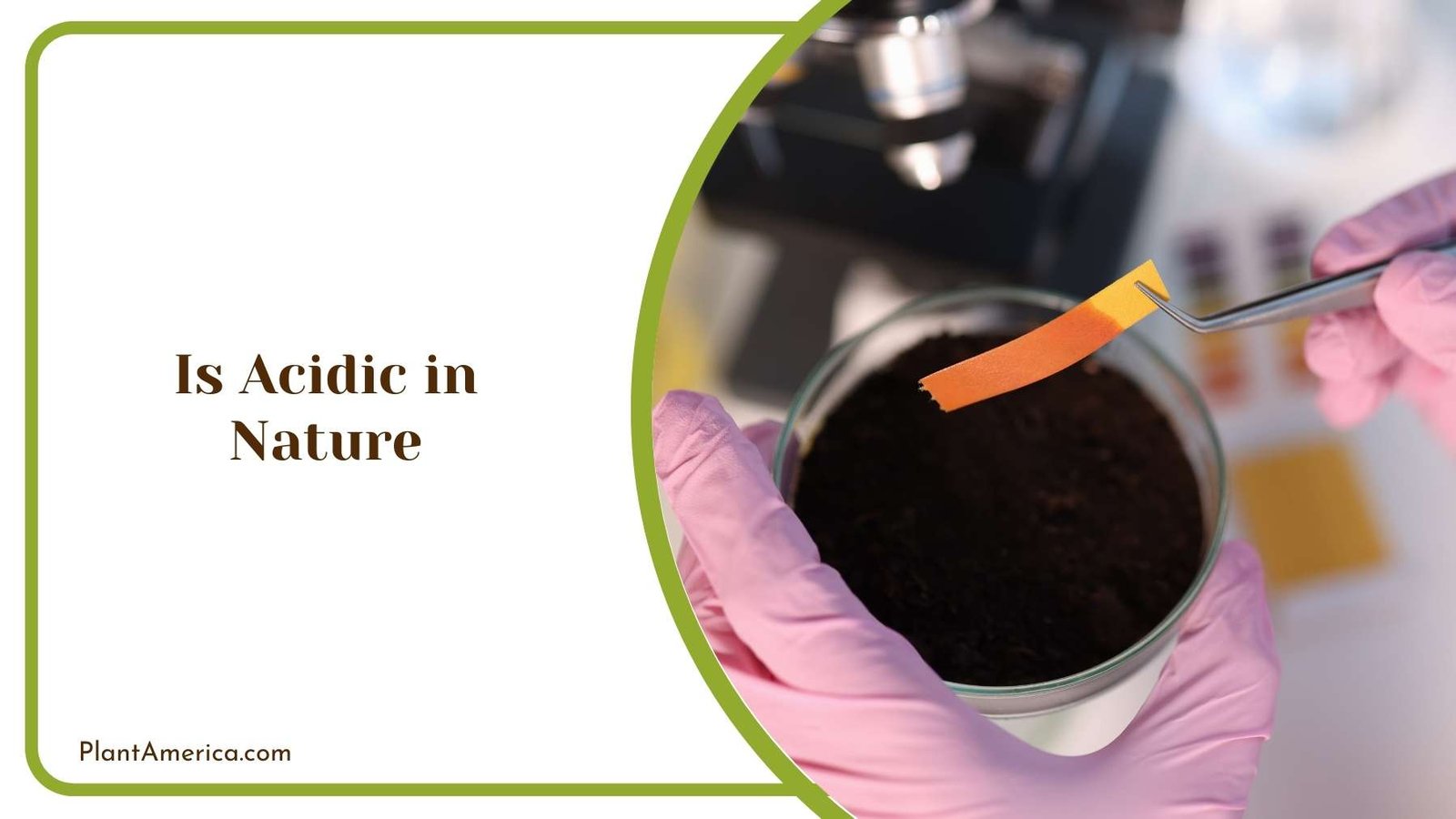
Moreover, long-term use of this water causes the soil to become acidic. Remember that disturbances in the pH of the soil are pretty hard to rectify. Some of these osmosis machine pumps are so strong that the pH of the product water is reduced even further. This is unhealthy for the plants, so you should always check the pH before using this water.
– Increases Cost
No matter how effective this water treatment is, it is not suitable for use at home. Buying a filtration pump that causes this type of osmosis is quite expensive.
Having this machine run all day long means raking up a lot more money in electricity bills as well. A solution to this problem is to purchase this water in bottled form instead. However, even bottled water is quite expensive, considering how many plants you must water and how frequently.
What Other Types of Water Are Used for Plants?
– Distilled Water
Distilled water is one of the best types of water to use on any plant. Water is boiled into steam, which is collected again and recondensed back into the water. During this process, all the harmful contaminants are removed from the water along with the valuable minerals. The pros and cons of using this water are more or less the same as that of RO water.
– Sparkling Water
This is carbonated water and can occasionally be used to water plants. It is rich in particular nutrients like magnesium and potassium, making it an excellent plant food. Sparkling water cannot be used to water plants regularly, though.

– Tap Water
Water from the tap is the most convenient for growing plants and veggies. It requires zero effort and, in some places, is also generally safe. However, this water contains a relatively large amount of heavy metals and salts in most places.
These are naturally not good for the plants or the soils in the long term. Growing plants at home helps to test your plumbing water. Send this water bottle to a nearby laboratory for an expert analysis.
– Rain Water
There is no better water to grow plants than rainwater recently collected. This water is just naturally devoid of most contaminants and heavy metals. It is also the most natural water collected from your side at zero cost.
People who live in rainy areas must take advantage of this natural gift to boost healthy plant growth.
– Spring Water
Springwater comes very close to rainwater when it comes to picking the best water for plants. It is also very safe, free of contaminants, and does not contain harmful pathogens. Of course, it is costly to buy and use regularly because it is rare.
Conclusion
In short, reverse osmosis easily removes contaminants present in ordinary water, making it safe for plant use. Here’s a recap:
- This process uses a strong pump and a semi-permeable membrane to remove impurities like salts and metals from water.
- Having an RO filter eliminates the need to keep other water filters or softeners.
- You can grow vegetables that are entirely safe to eat using this type of water.
- However, it is not recommended to be used continuously for long periods of time because of its acidic nature and lack of valuable minerals.
When growing plants, studies suggest alternating between regular and row water for a fantastic outcome.