
Red peonies of the Paeoniaceae family will add stunning bursts of color to your spring garden, and in this aspect, you have many varieties to choose from. In this article, we’ll cover the types of red peonies with different flower shapes, heights, bloom times, and hardiness levels for any garden.
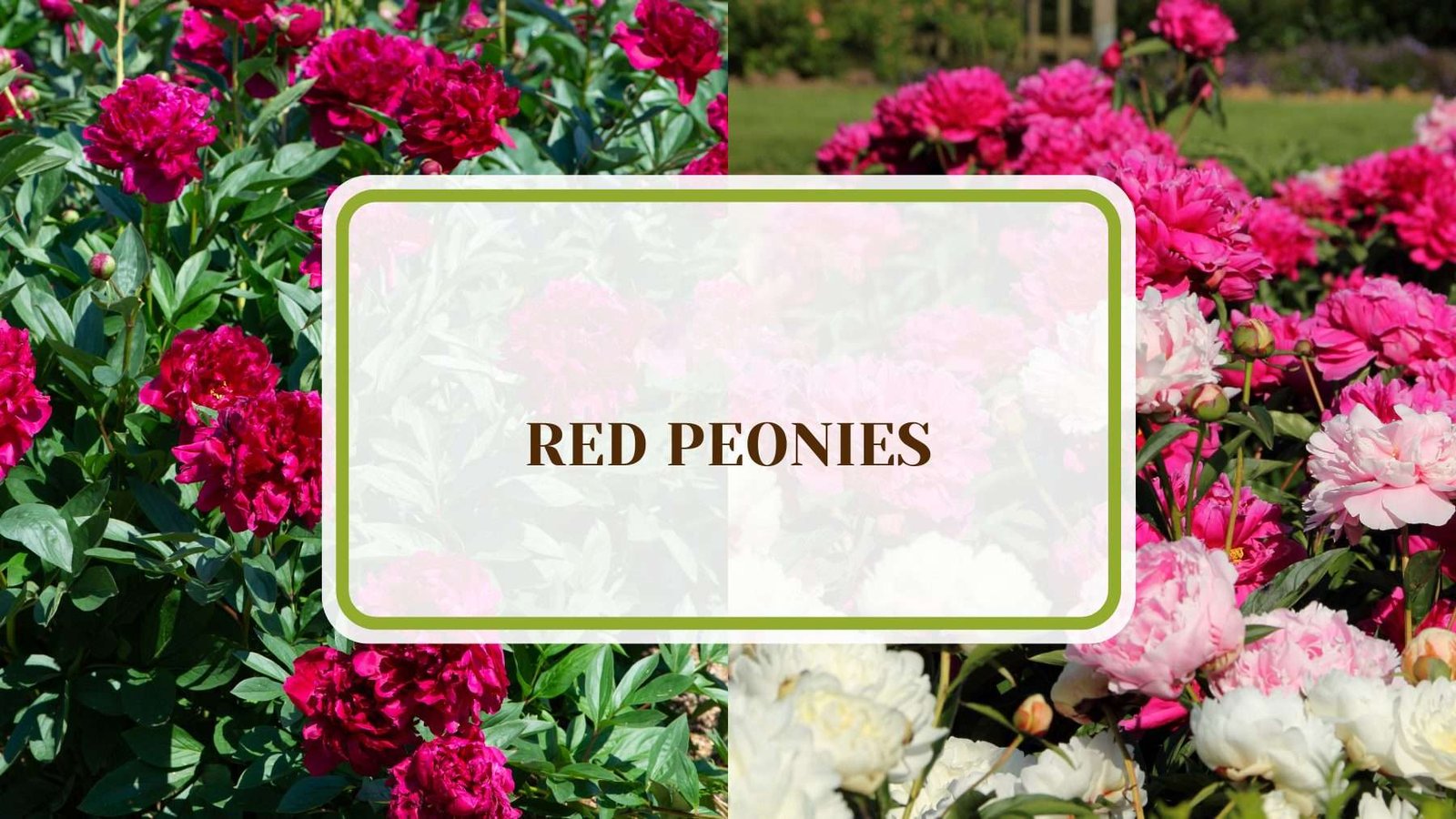
Whether you’re looking for tall upright blossoms, double-layered petals, or flowers that bloom all summer, we’ll introduce you to red peonies that will thrive in your specific conditions. Check out some must-have red peonies to add gorgeous shades of crimson, rose, and cherry to your spring garden!
Red Peonies You Need To Know About for Your Spring Garden
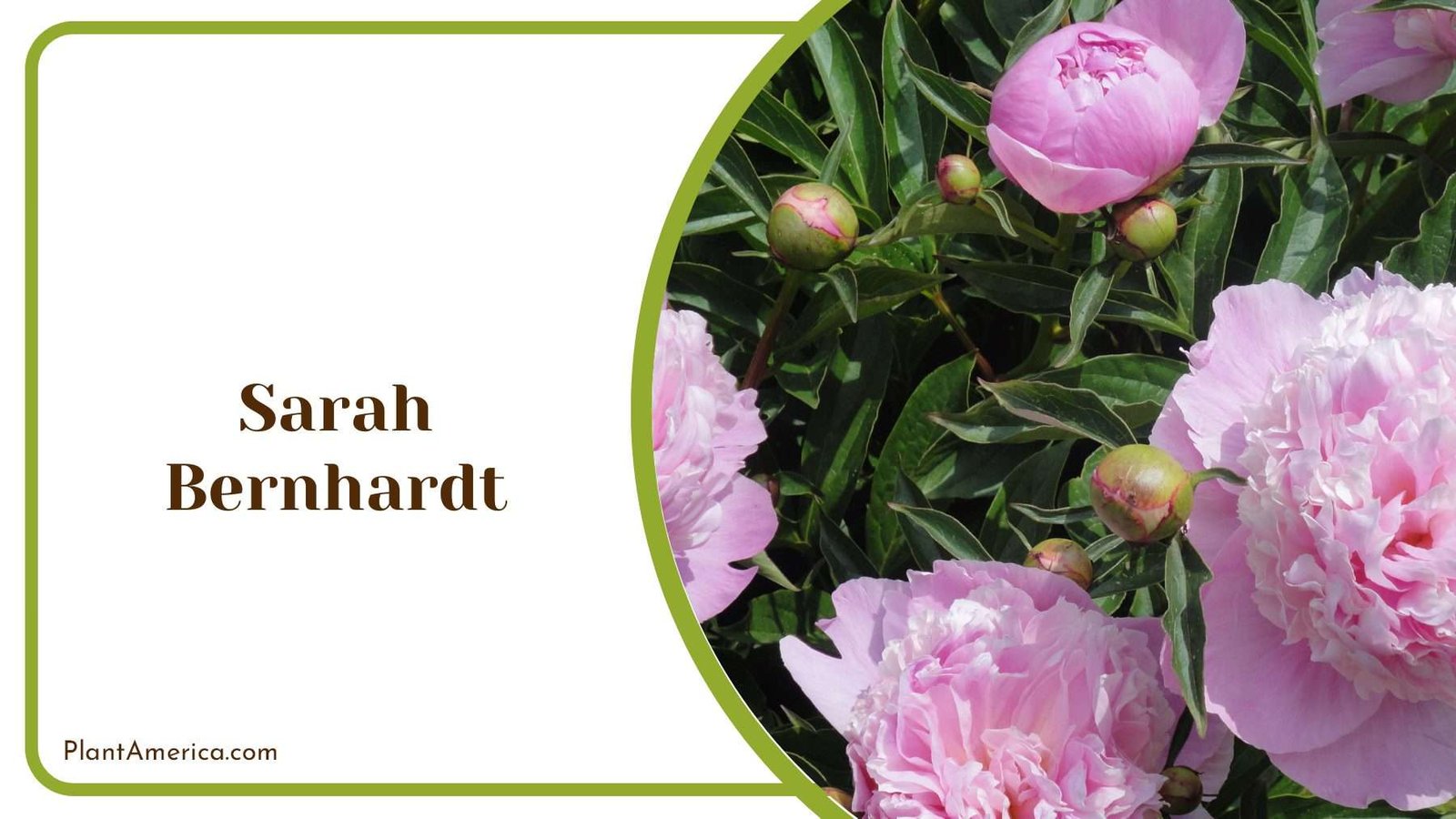
1. Sarah Bernhardt
- Growing season: Early spring, Late spring
- Leaf shape: Palmate, Compound
- Specific needs: Additional pruning, Prefers acidic soil
- Common pest: Aphids, Slugs
Sarah Bernhardt’s peonies produce beautiful dark red blooms that resemble small roses. The ruffled double flowers emerge on long stems perfect for cutting. Sarah Bernhardt peonies require additional pruning beyond the standard post-bloom cuts to maintain a compact, bushy shape that optimizes bloom production the following year.
Pruning helps remove excess shoots from the center of the plant, opening up the canopy for better airflow and sunlight penetration to buds. Pruning should be done in early spring before plants begin actively growing. Cut stems back to outward-facing buds about 12 to 15 inches from the ground.
Check emerging buds regularly in spring for signs of aphid infestation. Remove any aphids you see using a strong jet of water from the hose or insecticidal soap spray. Aphids left untreated can quickly reproduce and sap the plant’s vigor. Spreading slug bait pellets around the base of Sarah Bernhardt peonies in spring and fall helps control slug damage to foliage and tender shoots. Slugs typically seek shelter under peony foliage during moist, mild conditions.
With regular fertilizing, plenty of sunshine, and additional pruning beyond the norm, Sarah Bernhardt peonies will reward you with an abundance of dark red blooms to cut for bouquets and to enjoy in the landscape. This additional care results in a well-shaped, maximally productive peony variety that delivers years of curb appeal.
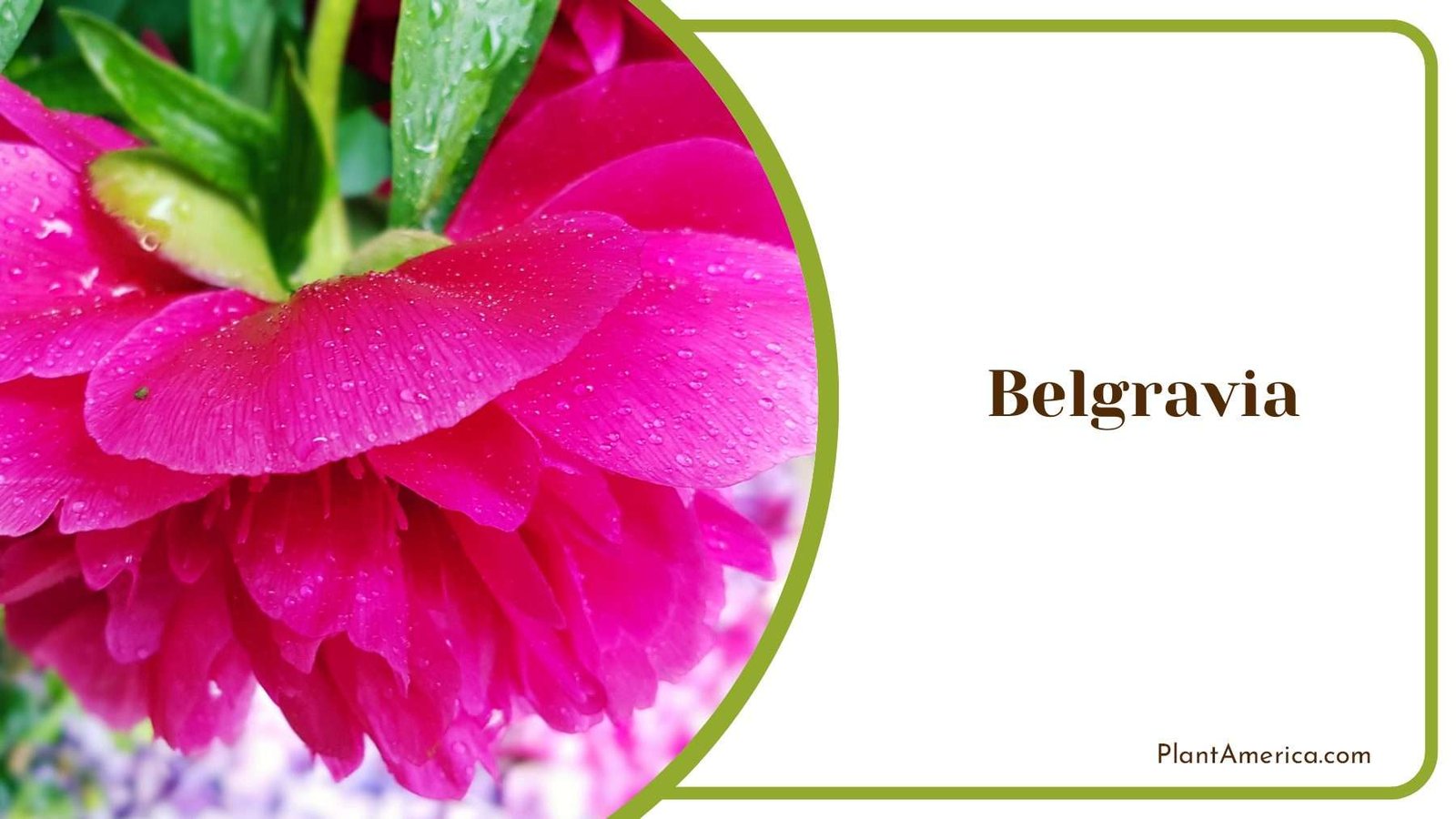
2. Belgravia
- Growing season: Mid to late spring
- Leaf shape: Compound, Double-deep red blooms
- Specific needs: Full sun, Average soil
- Common pest: Aphids, Borers
Belgravia peonies produce stunning double-deep red blooms that resemble roses. They bloom reliably and feature attractive, cuttable stems. Belgravia peonies grow best after receiving full sun for at least six hours daily. The abundant light helps stimulate maximum bloom production and ensures the flowers develop deep red coloration on average soil.
Neutral pH between 6.5 and 7.0 suits these peonies well. If the soil is clay-based, amending it with organic matter like compost, peat moss, or shredded leaves improves drainage and aeration for the roots. Improving the soil before planting helps ensure strong, healthy growth.
Look for aphid infestations and wood borer damage during the spring and summer. Aphids cluster on new growth and foliage, sucking the plant’s sap and weakening it over time. Spraying the affected areas with soapy water or horticultural oil can help control aphid populations. Any borer holes should be sealed with a tree wound dressing to prevent further tunneling by the damaging insects.
Both pests require prompt action to prevent serious issues. Deadheading spent blooms immediately after flowering ends triggers Belgravia peonies to produce additional blooms throughout spring. Removing faded flowers down to a healthy bud or leaf node keeps the plants looking their best. Dividing crowded clumps every three to four years in early spring allows each division to produce larger blooms with fuller crowns.
Pruning stems back to the ground in the fall after leaves drop fully and fertilizing with an all-purpose organic fertilizer in early spring before new growth emerges provides optimal care that results in maximum bloom the following season. With full sun exposure, average, well-draining soil, and attentive care to potential pest issues, Belgravia Peonies will reward you with bountiful deep red blooms for cutting and enjoying in the landscape year after year.
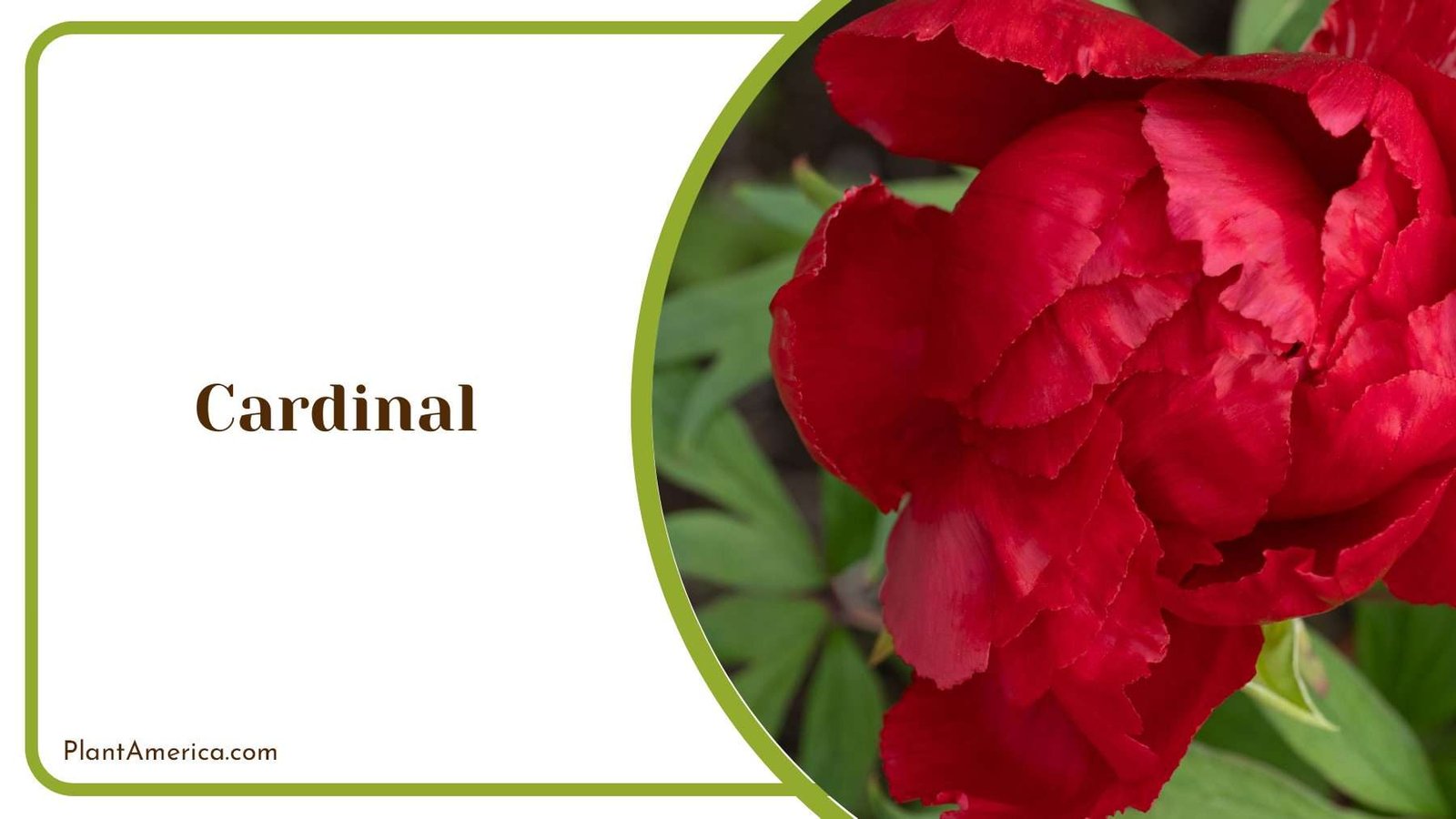
3. Cardinal
- Growing season: Early spring
- Leaf shape: Compound, Dark red blooms
- Specific needs: Full sun, Moist, well draining soil
- Common pest: Aphids, Borers
Cardinal peonies feature fully double dark red blooms resembling small roses. The lush foliage remains attractive until autumn. Cardinal peonies thrive when planted in areas with soil that is both moist and well-draining.
They benefit from soil amended with organic matter like compost, peat moss, or shredded leaves to improve their water-holding capacity while allowing for adequate drainage. This helps ensure the roots receive adequate moisture without becoming soggy.
It’s important to check plants for pests like aphids and indications of borer damage in spring and summer. Aphid infestations appear as clusters of tiny soft-bodied insects on new foliage and flower buds. Sealing borer holes in stems with tree wound dressing helps prevent further damage.
Deadheading (removing) faded blooms promptly after flowering ends triggers the plant to produce additional blooms throughout spring. Deadheading down to a leaf node or healthy outward-facing bud also helps plants look neat.
Congested clumps should be divided every three to four years in early spring before new growth emerges to allow each division ample room to reach its full potential. Pruning stems back to the ground level in autumn after the foliage has fully died back prepares the plants for winter. Fertilizing before new growth in spring boosts growth and flowering for the coming season.
4. Baronne de Prayssac
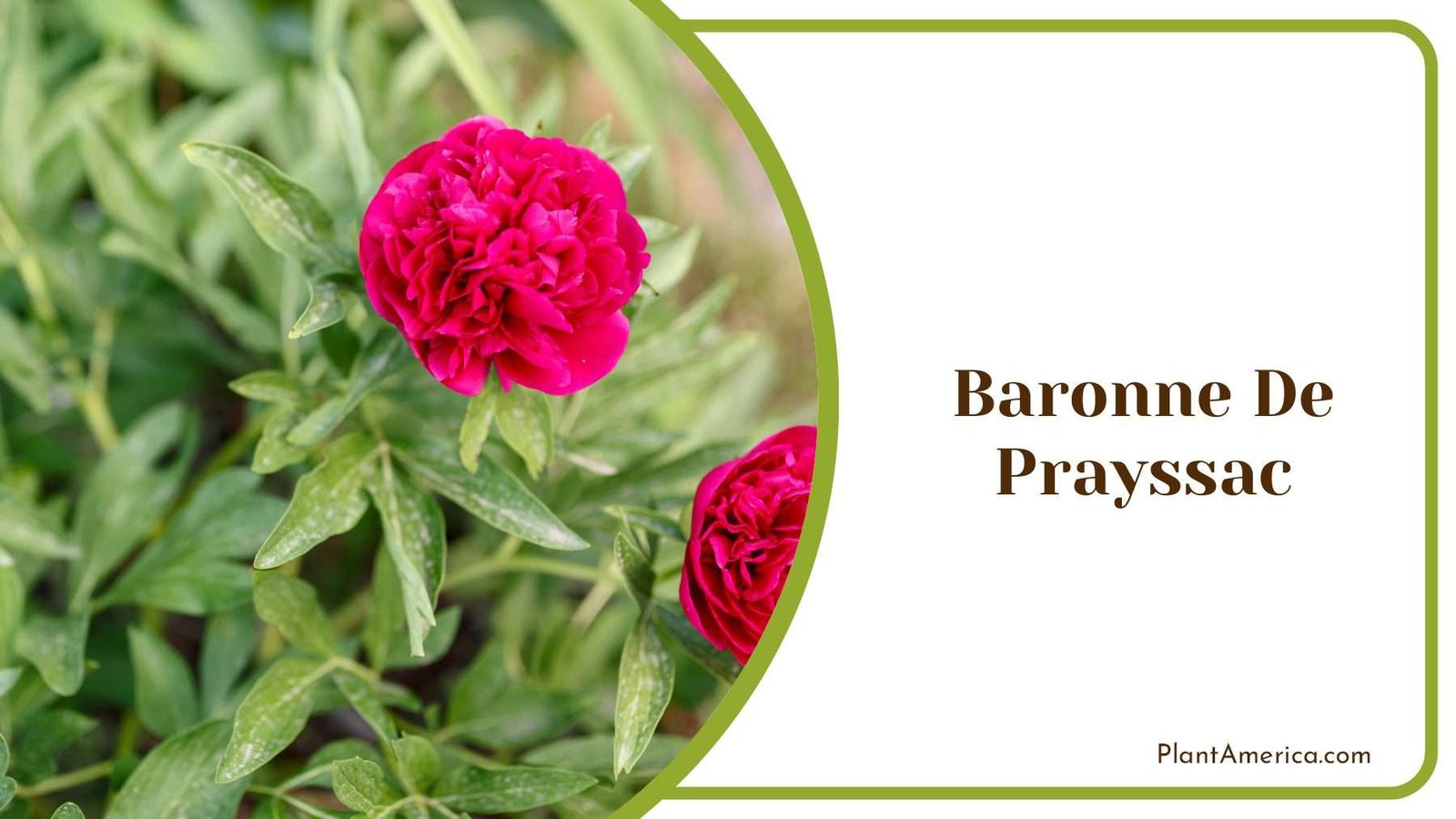
- Growing season: Mid spring, Early summer
- Leaf shape: Palmate, Large
- Specific needs: Good drainage, Normal soil
- Common pest: Slugs, Aphids
Baronne de Prayssac peonies produce large, double bright red blooms resembling roses. The frilly flowers have a lightly spicy fragrance and emerge on sturdy stems up to three feet tall. Baronne de Prayssac peonies require soil with good drainage but retain enough moisture to support healthy growth. They prefer soil with normal amounts of nutrients and are unfussy regarding pH.
However, these peonies do not tolerate standing in wet soils for long periods of time. Well-draining soil that allows excess water to filter through readily is key for optimum growth and vigor. Removing slugs by hand whenever you spot them is an effective organic way to control their damage to foliage and emerging shoots. Spraying plants periodically with insecticidal soap can help manage aphid infestations as they appear.
Pruning deadheaded stems down to the ground after the foliage has fully died back and dropped in late fall prepares these peonies for winter dormancy. Dividing crowded clumps every three to four years during early spring, before buds begin to swell and break dormancy, allows each division adequate room to achieve their full potential.
With soil that offers good drainage while providing ample moisture, limited fertilizing, and regular organic pest management, Baronne de Prayssac peonies will reward gardeners with large, fragrant blooms spring after spring.
5. Madame Butterfly
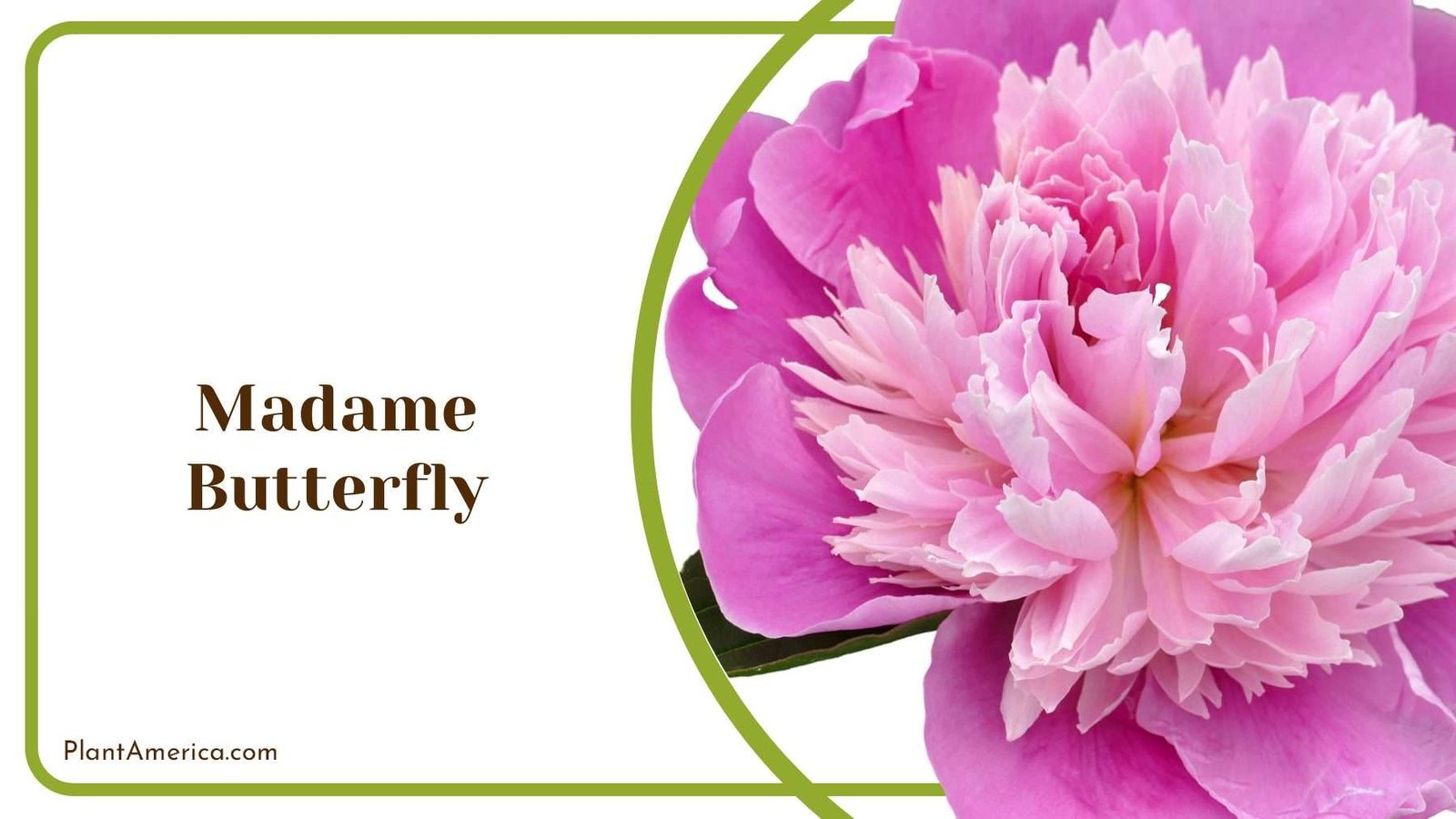
- Growing season: Early to mid spring
- Leaf shape: Palmate, Ruffled petals
- Specific needs: Full sun, Well draining soil
- Common pest: Aphids, Spider mites
Madame Butterfly peonies produce masses of double royal red blossoms resembling butterflies when in bloom. The ruffled petals have a light to medium fragrance. Moist yet well-draining soil is crucial for Madame Butterfly peonies to thrive. While they need regular moisture, soggy wet soil will cause root issues and damage.
The soil should also have normal nutrients to give the plants the necessary minerals and elements. Fertilizing in early spring before new growth starts helps promote large, colorful blooms. Controlling pests is also important to maintain healthy Madame Butterfly peonies. Aphids can be managed using insecticidal soap spray or simply blasting them off with strong streams of water from a hose.
Spider mites are best treated with neem oil or insecticidal soap spray applications to the foliage and stems. Left untreated, both pests can significantly weaken the plants. Due to the strong, upright stems of Madame Butterfly peonies, staking is often optional but may be needed in windy areas. The stems tend to stay rigid enough to hold the weight of the large blossoms.
Deadheading spent blooms helps promote additional flowering throughout the bloom season. Dividing overcrowded clumps can rejuvenate older plants and provide more space for new growth. Pruning stems after leaf fall prepares the peonies for winter dormancy. With the proper care and rich yet well-draining soil, Madame Butterfly peonies will reward gardeners with beautiful red butterfly-like blossoms season after season.
6. Geraldine
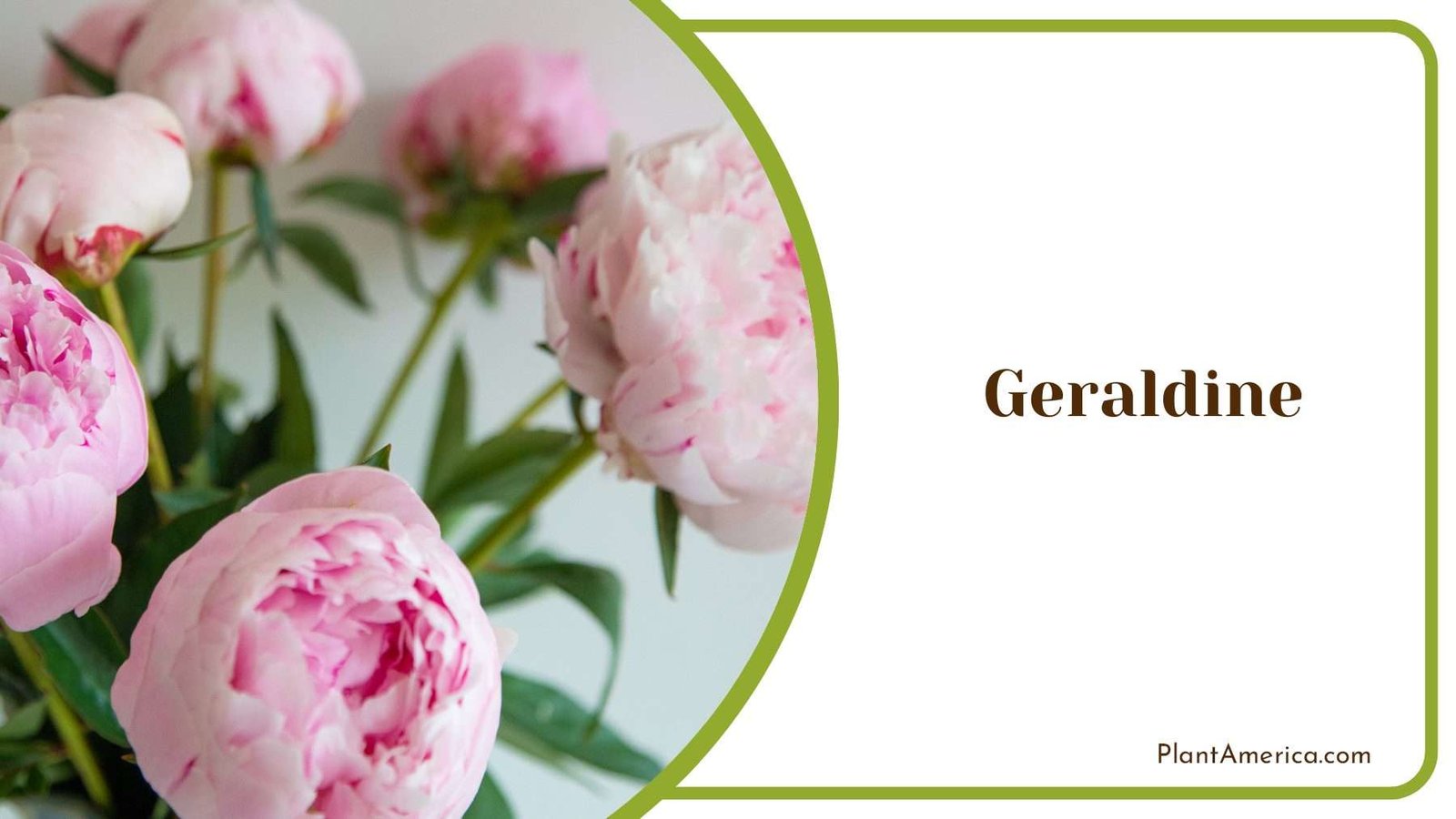
- Growing season: Mid spring
- Leaf shape: Compound, Large
- Specific needs: High organic matter, Moist but well drained soil
- Common pest: Slugs, Aphids
Geraldine peonies produce large semi-double flowers in vibrant red color. The blooms resemble cute florist roses and emit light to medium fragrance. Geraldine peonies require soil with high organic matter content, so incorporate compost into the planting hole.
Handpick slugs and spray plants with insecticidal soap to manage aphids. Deadhead spent blooms to promote more flowering throughout the season.
7. Felix Crousse
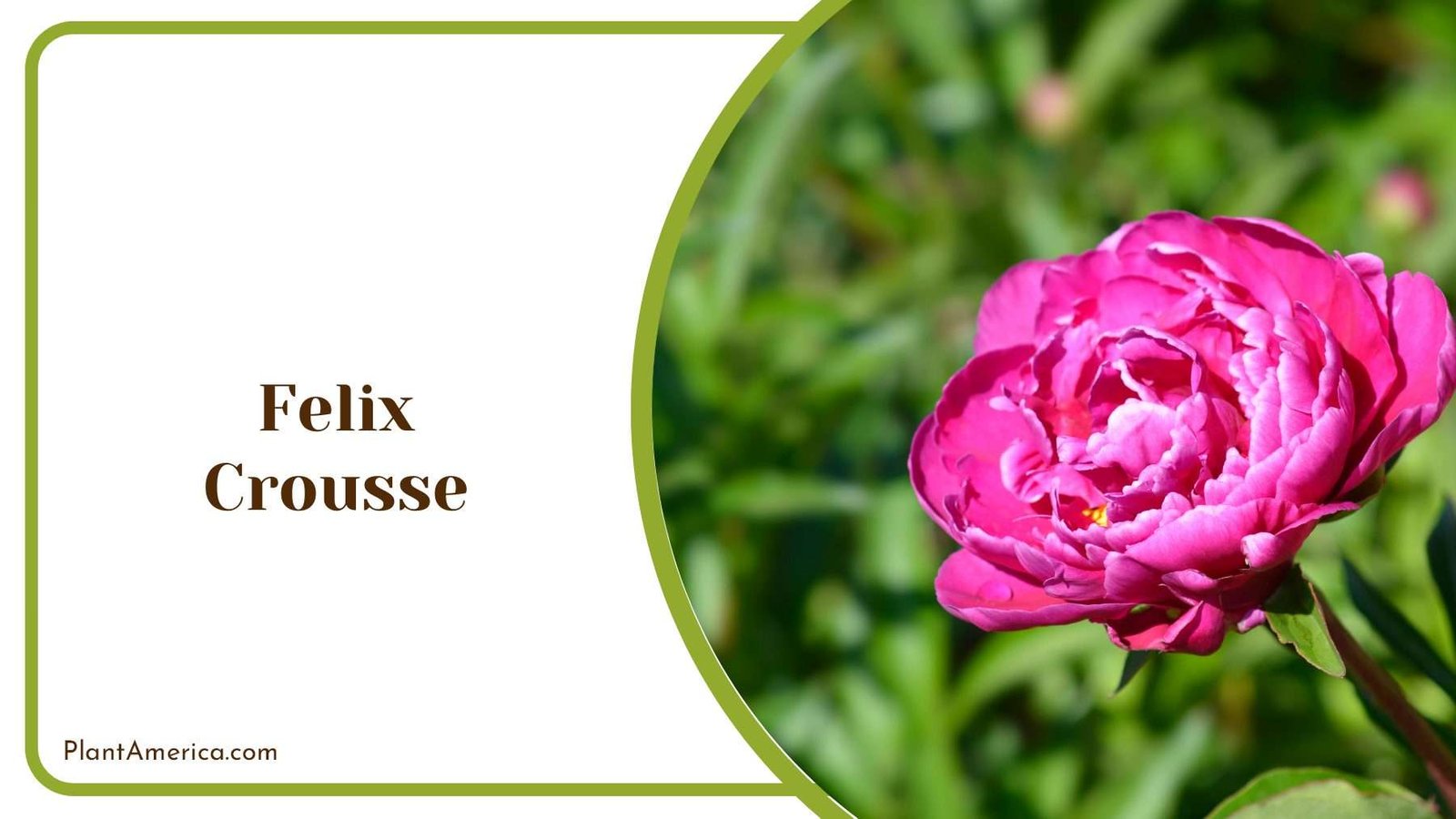
- Growing season: Mid to late spring
- Leaf shape: Palmate, Serrated edges
- Specific needs: Full sun, Slightly acidic soil
- Common pest: Spider mites, Bud worms
Felix Crousse peonies feature bright red semi-double blooms in clusters of two to three flowers. The lush foliage emerges deep green with serrated edges. Felix Crousse peonies thrive in full sun and slightly acidic soil between pH 6.0 and 6.5.
Treat mites with neem oil or insecticidal soap. Handpick and destroy bud worms when noticed. Deadhead blooms as they fail to encourage flowering throughout the season. Divide clumps every three to four years in early spring before new growth emerges.
8. Princess Anne
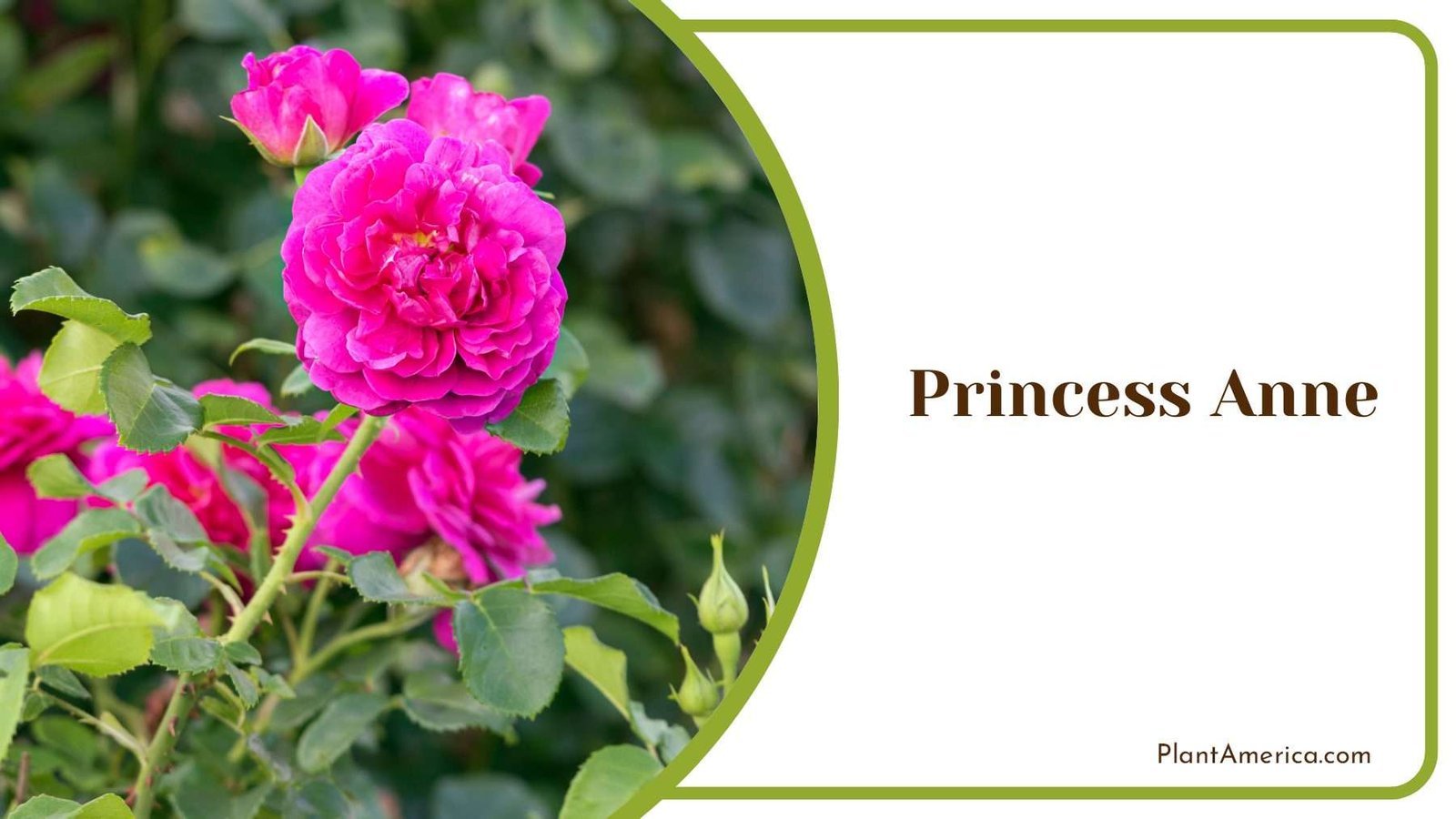
- Growing season: Mid spring
- Leaf shape: Compound, Ruby-red hue
- Specific needs: Loose, fertile soil, Full sun
- Common pest: Aphids, Spider mites
Princess Anne peonies feature showy semi-double blooms in a vibrant ruby-red hue. The lush foliage emerges early and remains neat throughout the season. Princess Anne peonies prefer loose, fertile soil with organic matter.
Control aphids by spraying plants with water or using insecticidal soap. Treat mites with neem oil or insecticidal soap sprays. Deadhead blooms promptly after flowering finishes to stimulate additional bloom production.
9. Red Charm
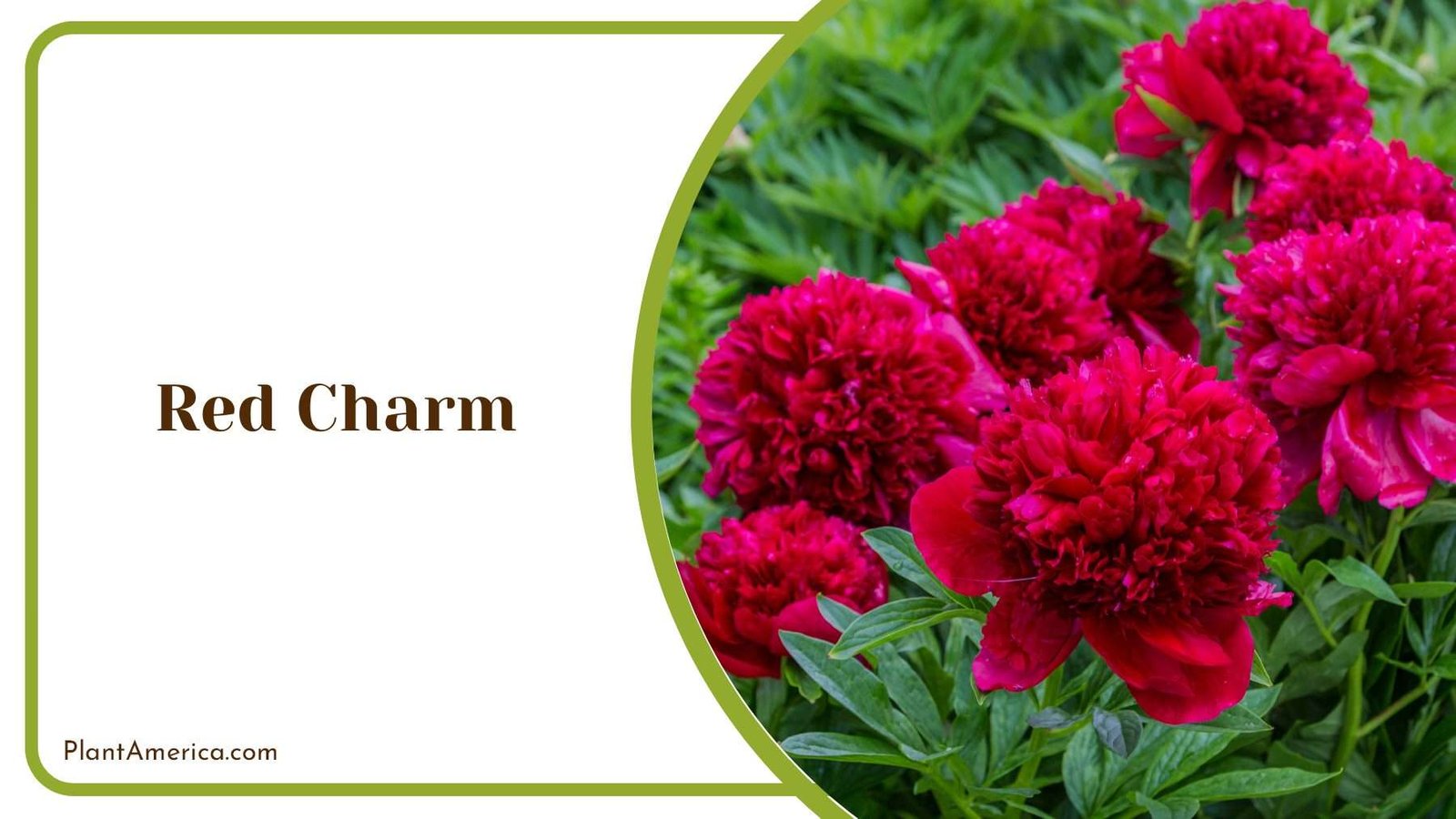
- Growing season: Early spring
- Leaf shape: Compound, Large
- Specific needs: Regular water, Full sun
- Common pest: Borers, Spider mites
Red Charm peonies produce large single blooms in a vivid deep red color. The lush foliage remains attractive until frost. Red Charm peonies require regular watering and full sun. Check stems for borer damage and seal with tree pruning paint. Make use of neem oil and insecticidal soap to control mites. Deadhead blooms promptly after they fade.
10. Boule de Neige
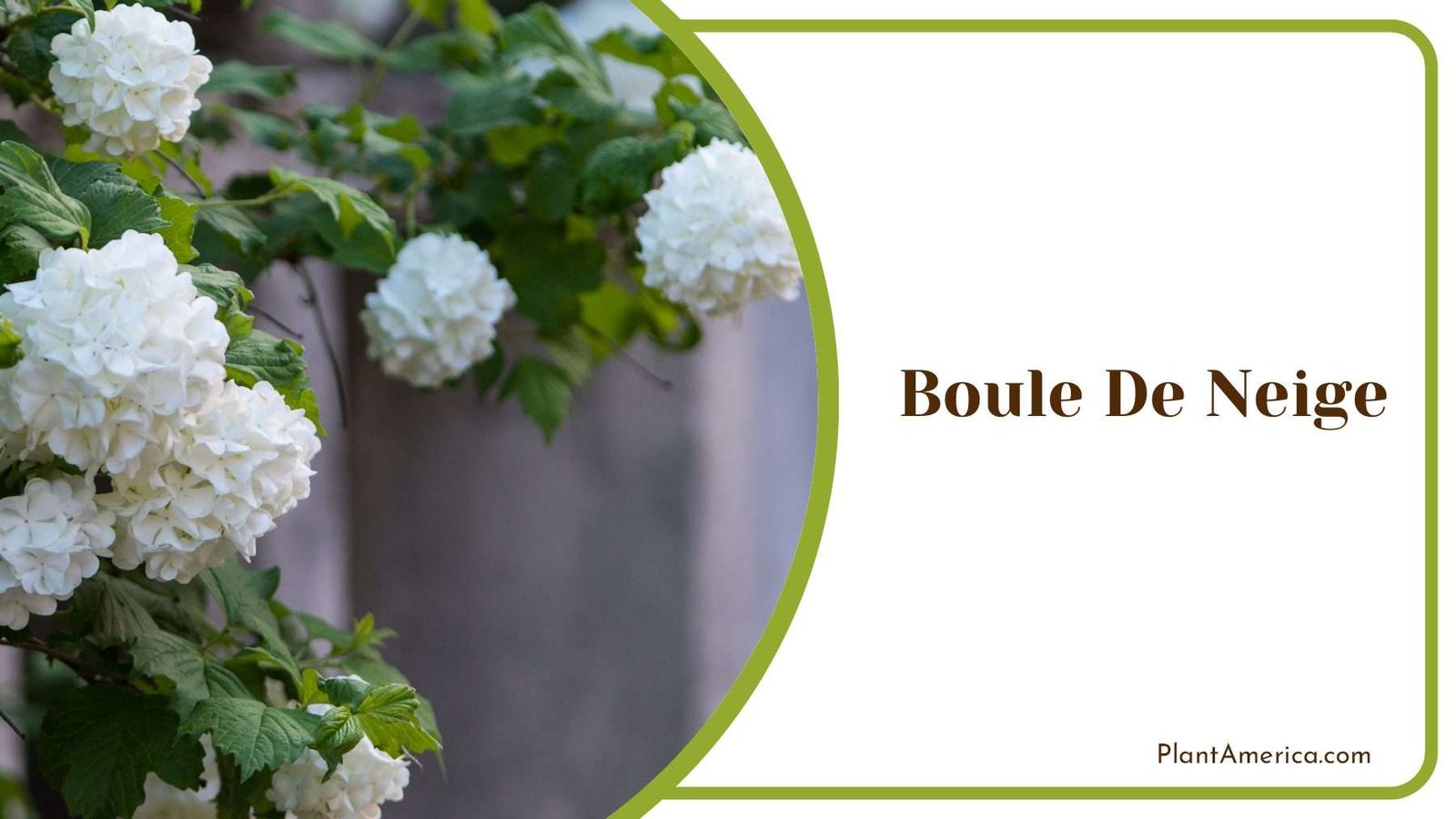
- Growing season: Mid spring
- Leaf shape: Palmate, Large
- Specific needs: Full sun, Well draining soil
- Common pest: Deer, Slugs
Boule de Neige peonies produce large, white blooms resembling snowballs with specks of bright, vivid red. The tight petals emerge on long straight stems. Boule de Neige peonies need well-draining soil and full sun to grow best.
Use deer repellent and spread slug bait pellets to control deer and slug attacks. Deadhead blooms promptly to encourage additional flowering. Fertilize in spring before growth starts and again after blooming to boost vigor.
11. Duchess of Albany
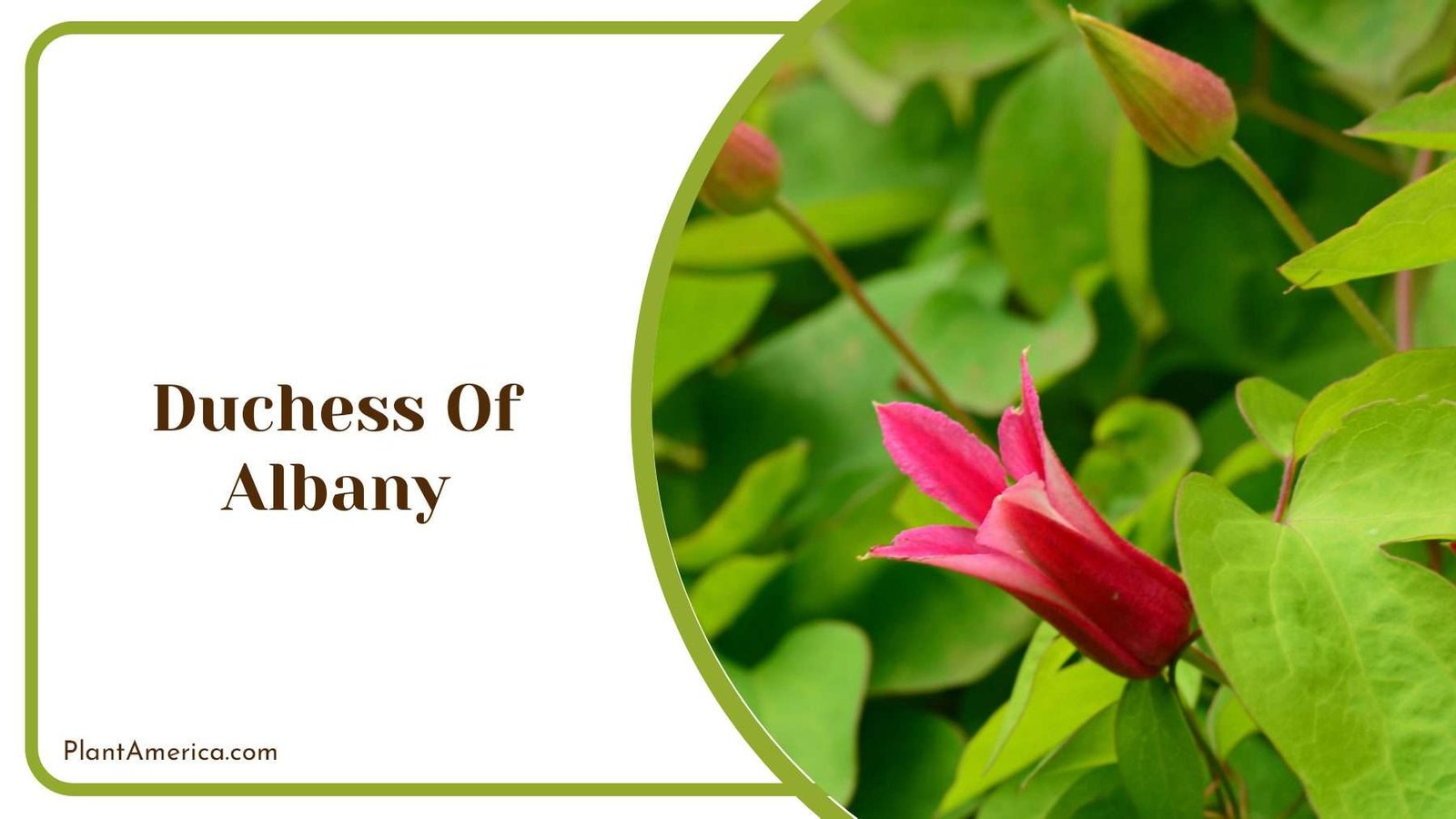
- Growing season: Early spring
- Leaf shape: Compound, Attractive
- Specific needs: Full sun, Moist, well-drained soil
- Common pest: Aphids, Slugs
Duchess of Albany peonies feature stunning, fully double red blooms that emerge on upright stems. The bushy foliage remains attractive until autumn frosts. Duchess of Albany peonies require moist but well-draining soil and at least six hours of sun daily.
Control aphids with insecticidal soap or handpick slugs and spread bait. Deadheading after flowering promotes additional bloom production. Fertilizing in early spring boosts vigor and flower size. Cut stems back in the fall after foliage dies back.
12. Karl Rosenfield
- Growing season: Late spring, Early summer
- Leaf shape: Compound, Large
- Specific needs: Full sun, Loose, moisture-rich soil
- Common pest: Borers, Aphids
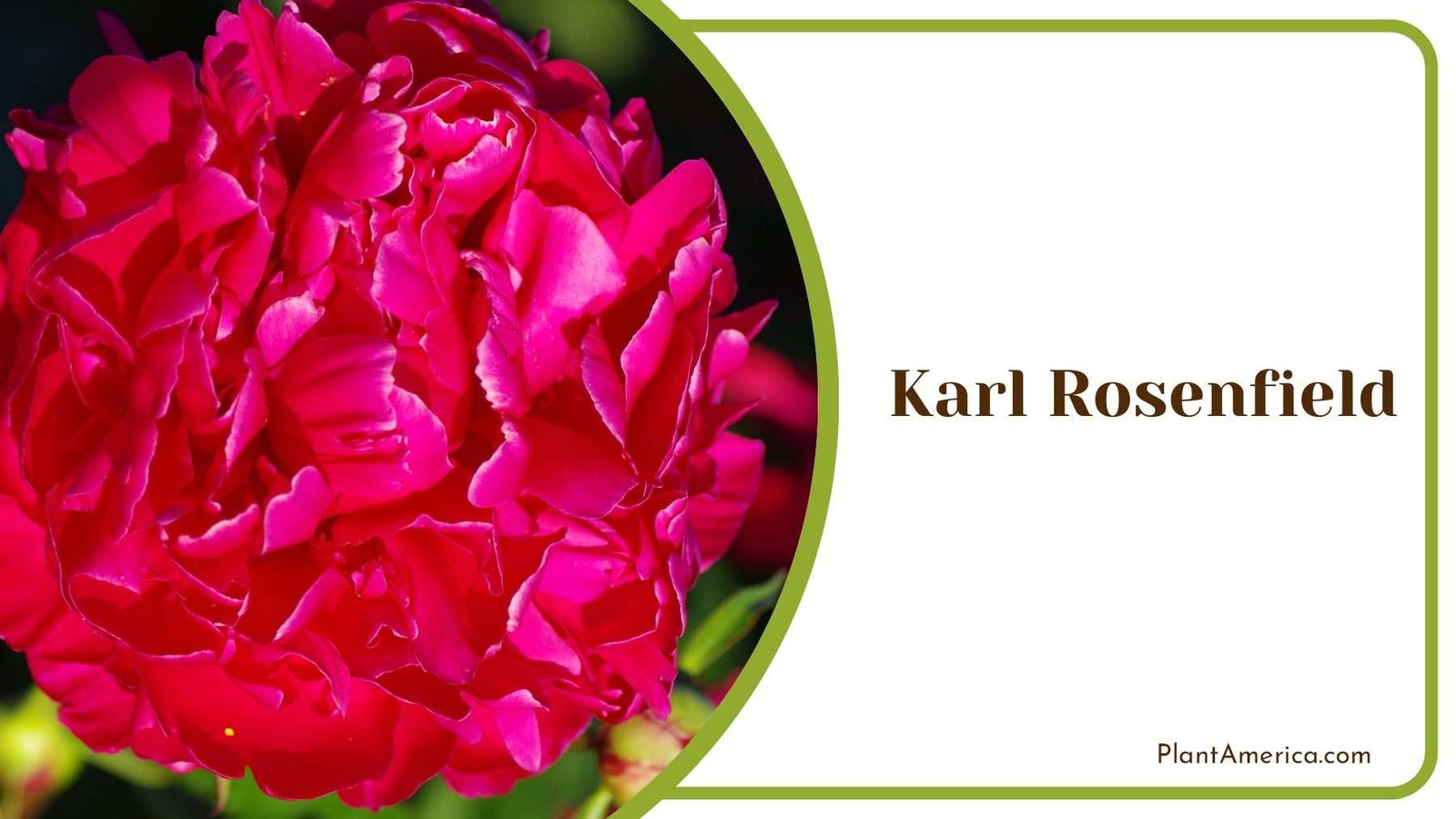
Karl Rosenfield peonies produce large, semi-double dark red blooms. The lush foliage remains attractive until frost. Reblooming occurs from late spring into early summer. Karl Rosenfield peonies need loose, moisture-rich, and organic soil. They require full sun and fertilizing in early spring.
Check stems for borer damage and fill holes with wound dressing. Spray plants to control aphids. Deadhead blooms to encourage more flowering through the season. Divide and prune back stems in late fall.
13. Nippon Beauty
- Growing season: Early spring
- Leaf shape: Large, Compound
- Specific needs: Full sun, Moist, well draining soil
- Common pest: Borers, Aphids
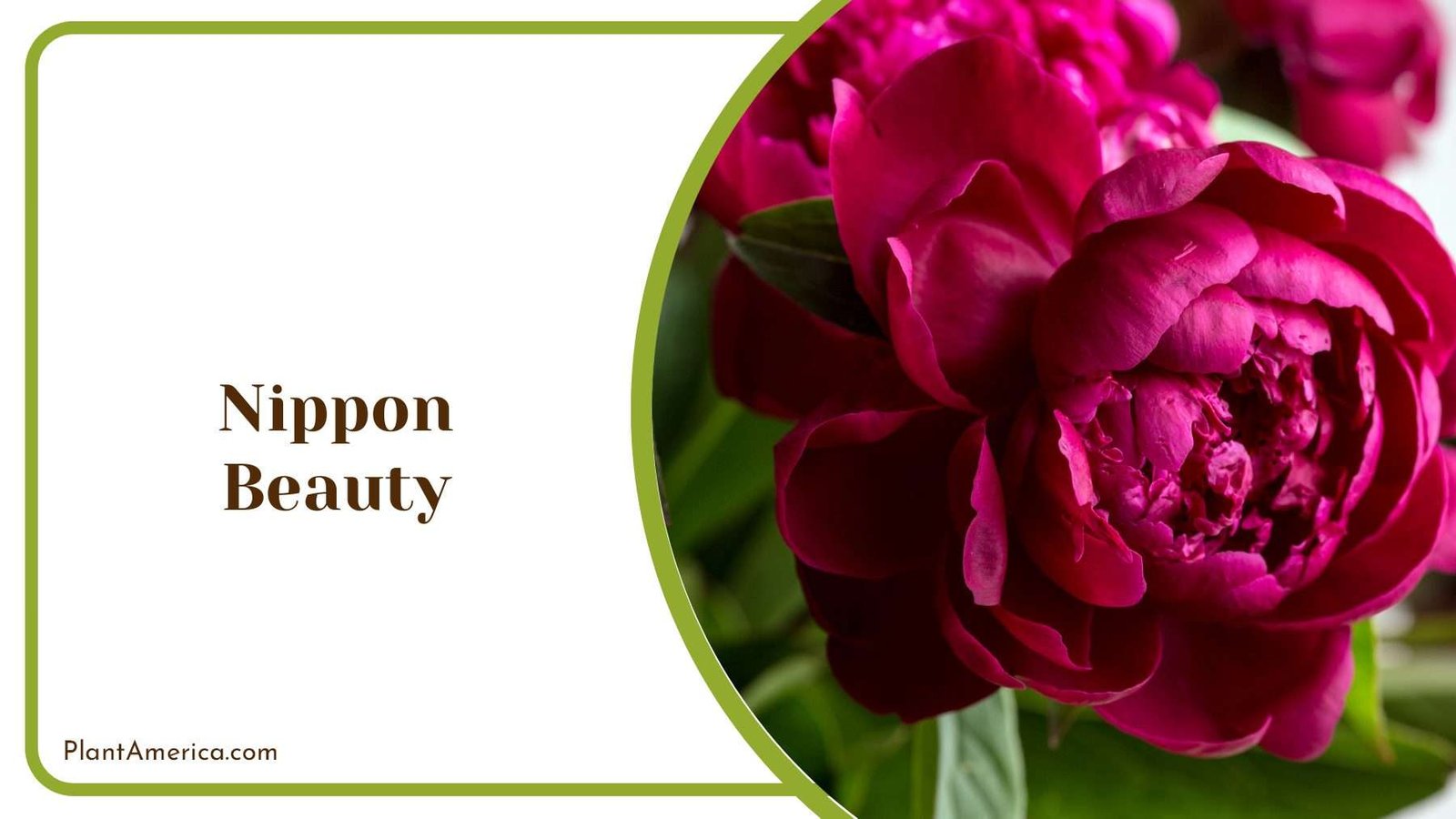
Nippon Beauty peonies produce showy deep red blooms that form a cup with a mild fragrance. The lush foliage remains neat and attractive all summer. Nippon Beauty peonies require moist but well-draining soil and full sun. Fertilize before buds break and flowering fades to boost size and vigor.
Check stems for borer damage and seal holes. Spray insecticidal soap to control aphids. Deadhead faded blooms immediately to promote additional flowering, and divide congested clumps every three to four years in spring. Cut stems back and apply mulch in the fall.
14. Red Emperor
- Growing season: Early spring
- Leaf shape: Large, Compound
- Specific needs: Full sun, Moist, well draining soil
- Common pest: Borers, Aphids
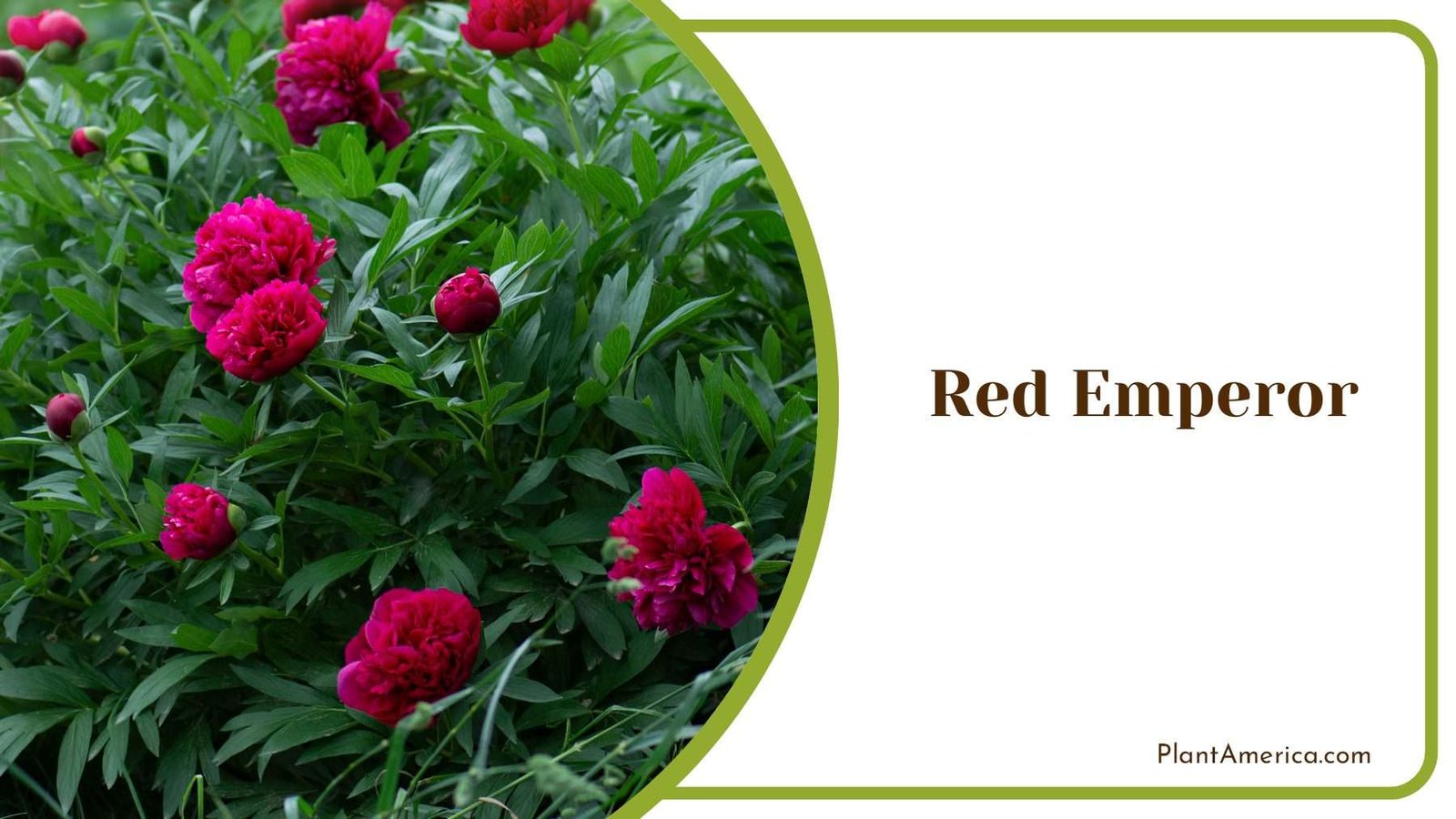
Red Emperor peonies feature gorgeous flowers in a deep reddish violet color. The bushy plants produce masses of red blooms and have compact foliage. Red Emperor peonies require moist but well-draining soil and at least six hours of sun.
Check for aphid infestations and seal borer holes. Deadhead spent blooms to encourage additional bloom production. Divide clumps every three to five years in early spring. Prune and fertilize in the spring.
15. Kirinmaru
- Growing season: Late spring
- Leaf shape: Large, Compound
- Specific needs: Full sun, Moist, fertile soil
- Common pest: Aphids, Spider mites
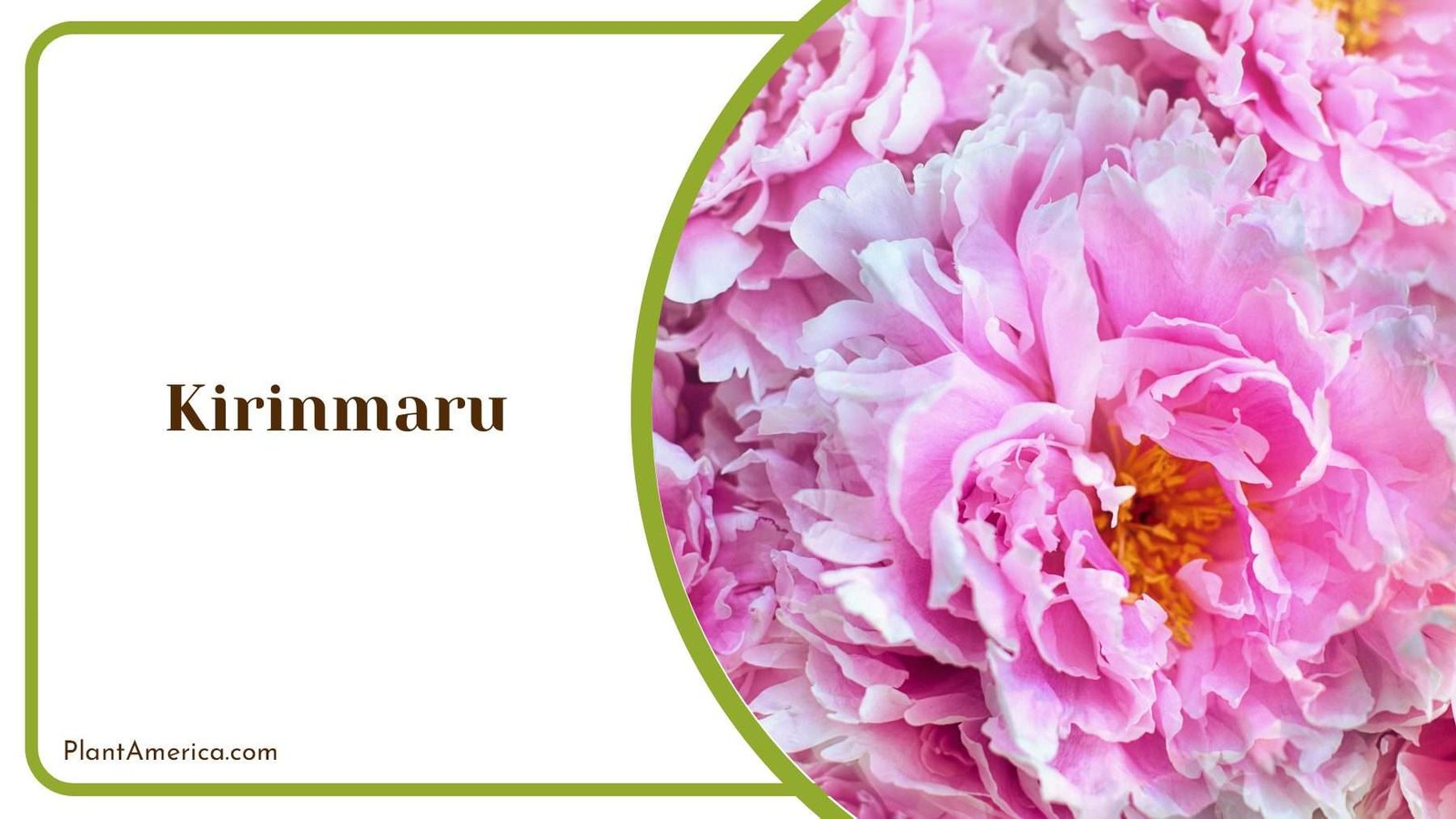
As they age, Kirinmaru peonies produce white blooms streaked with vivid red colorations and outward reflexing petals. The lush foliage remains attractive through summer. Kirinmaru peonies thrive in moist, fertile soil rich in organic matter. It needs at least six hours of direct sunlight to produce colorful blooms.
Control aphids with insecticidal soap and treat mites with neem oil. Deadhead blooms promptly to encourage more flowering throughout summer. Divide and prune stems in fall. Apply fertilizer in early spring.
16. Buckeye Belle
- Growing season: Early spring
- Leaf shape: Large, Compound
- Specific needs: Full sun, Moist, fertile soil
- Common pest: Aphids, Slugs
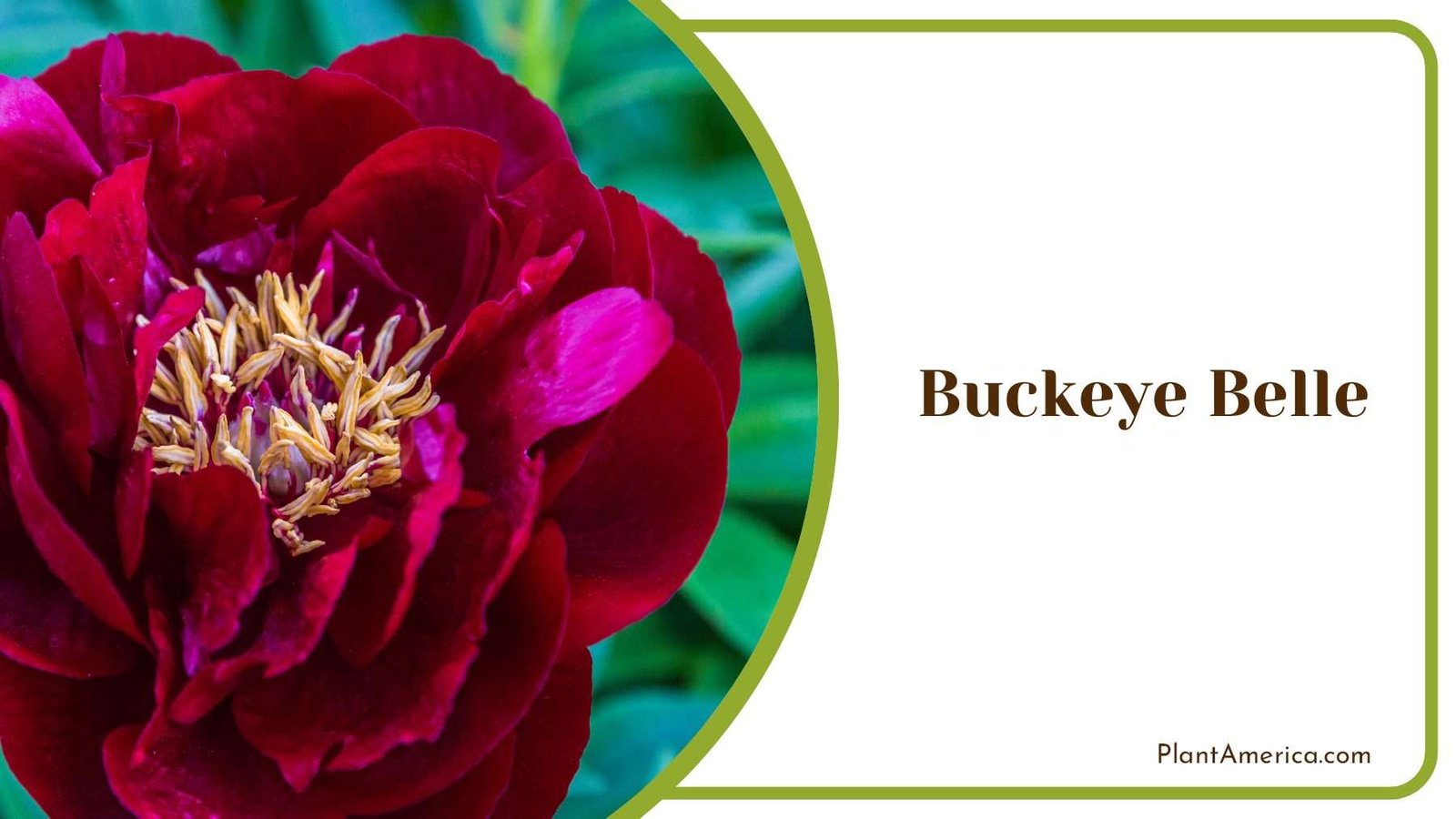
Buckeye Belle peonies produce masses of frilly semi-double blooms in shades of deep crimson with a mild fragrance. The lush foliage remains attractive until fall frost. Buckeye Belle peonies require moist, fertile soil rich in organic matter and full sun. Fertilize in early spring before growth starts.
Handpick slugs and control aphids with insecticidal soap spray. Deadhead faded blooms immediately to encourage more flowering. Divide congested clumps in early spring, and prune stems after leaves drop in fall. Apply mulch for better and healthier growth.
17. Cherry Hill
- Growing season: Mid to late spring
- Leaf shape: Large, Palmate
- Specific needs: Full sun, Well draining soil
- Common pest: Borers, Deer
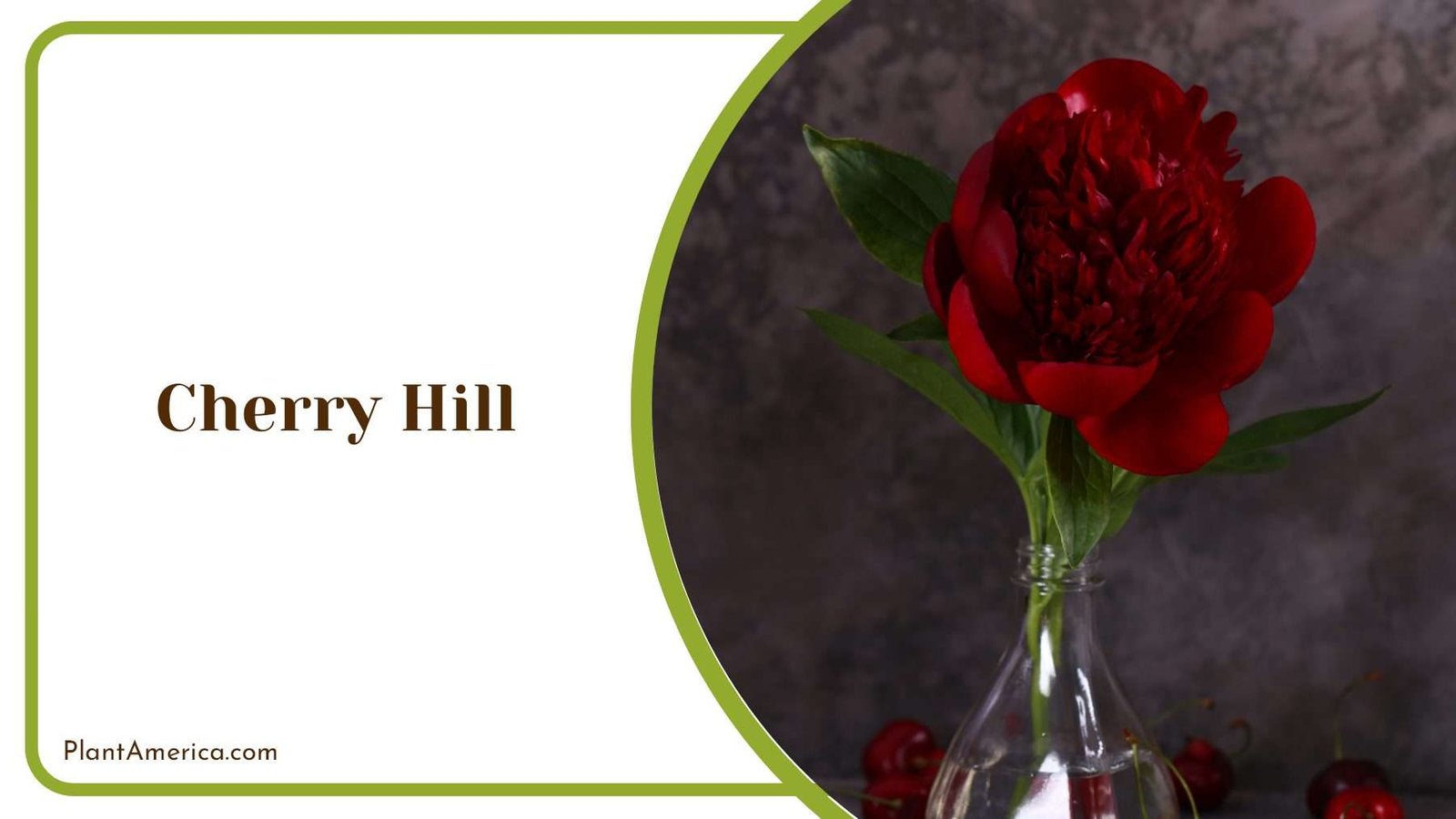
Cherry Hill peonies produce fully double bright red blooms that resemble small roses. The lush foliage emerges deep green and remains attractive all season. Cherry Hill peonies need well-draining soil and full sun to thrive.
Check for borer damage and fill holes. Use deer repellent to keep deer away. Deadhead spent blooms to encourage additional bloom production, and divide clumps every three to four years in early spring before new growth emerges. Prune stems back to the ground in the fall.
18. Red Velvet
- Growing season: Mid spring
- Leaf shape: Large, Palmate
- Specific needs: Full sun, Well draining soil
- Common pest: Aphids, Borers
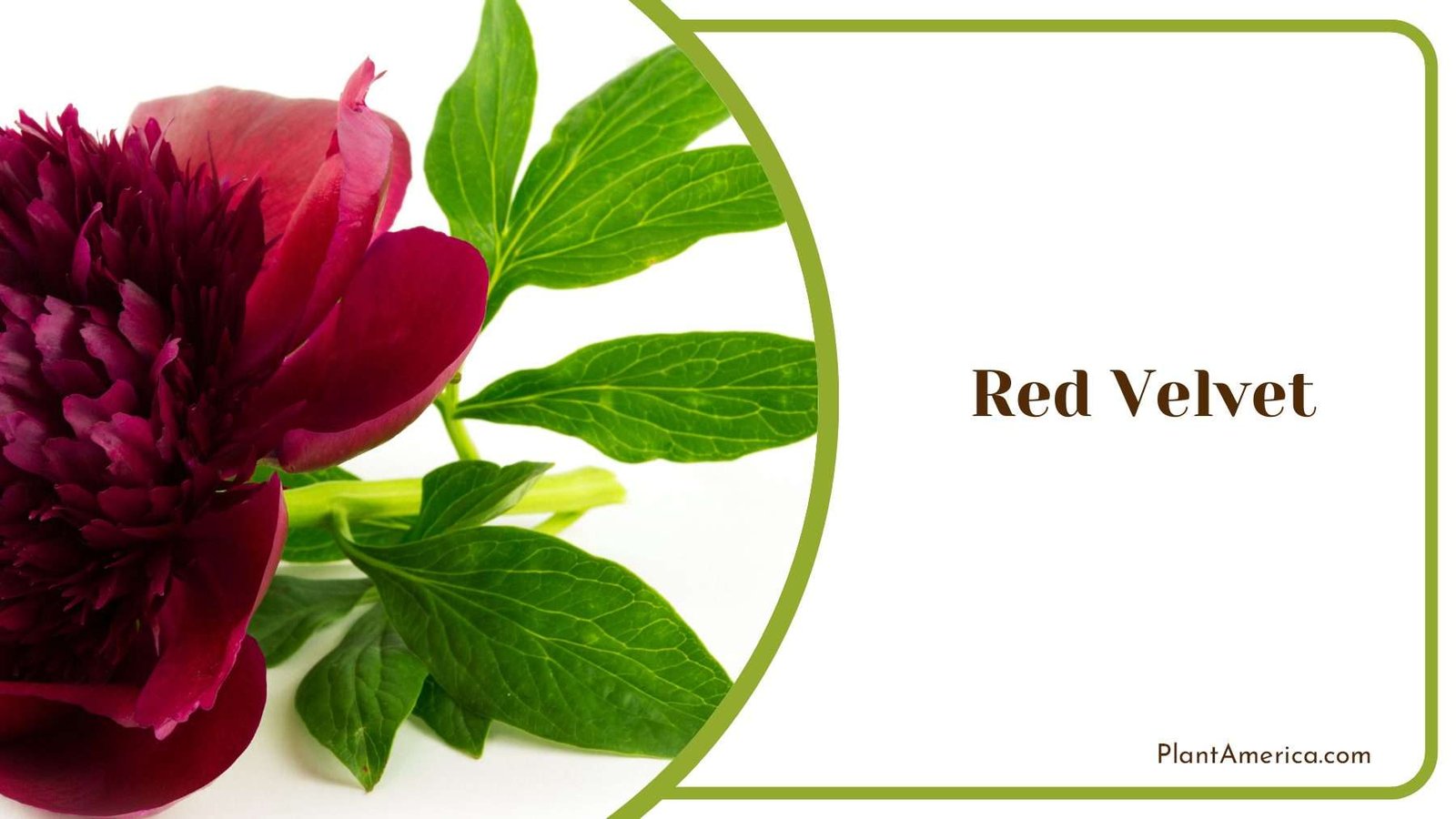
Red Velvet peonies produce stunning, double-deep crimson red blossoms resembling small roses. The lush foliage remains attractive until frost. Red Velvet peonies require full sun and well-draining soil to avoid root rot.
Control aphids and check stems for signs of borer damage and fill any holes. Deadhead blooms immediately to promote more flowering. Divide and prune plants in the fall after leaves drop and fertilize in early spring.
19. Command Performance
- Growing season: Early spring
- Leaf shape: Large, Compound
- Specific needs: Full sun, Moist, well draining soil
- Common pest: Spider mites, Borers
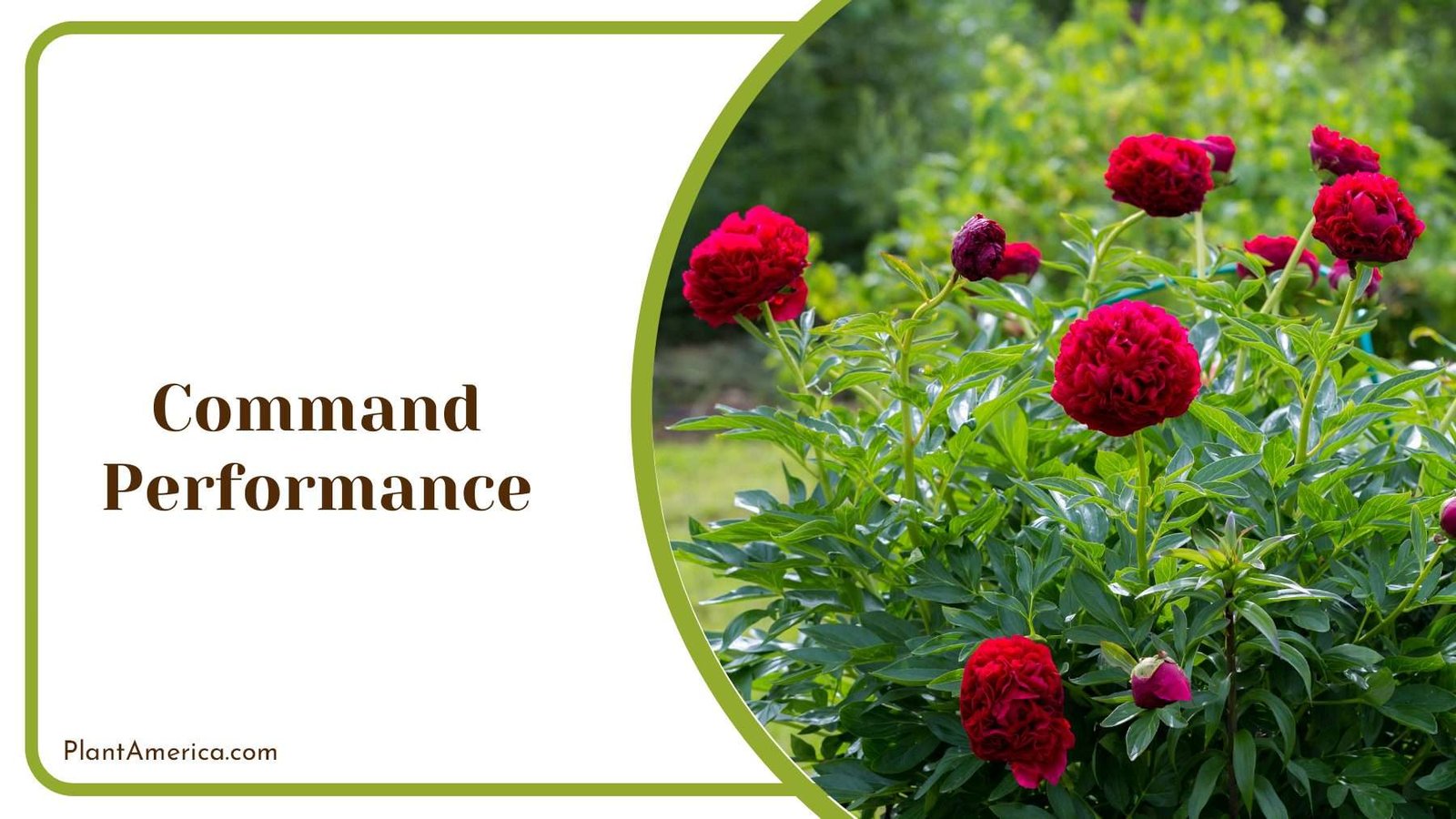
Command Performance peonies produce semi-double medium red blooms marked with a wine-colored ring. The mildly fragrant flowers emerge with attractive deep green foliage. Command Performance peonies require moist but well-draining soil and full sun. Fertilize before new growth emerges and again after blooms fade to boost vigor.
Treat mites with neem oil or insecticidal soap. Check for borer holes and seal with wound dressing. Deadhead faded blooms immediately to promote additional flowering. Divide clumps every three to four years during early spring, and cut stems back after leaves drop and apply mulch in fall.
20. Delaware Chief
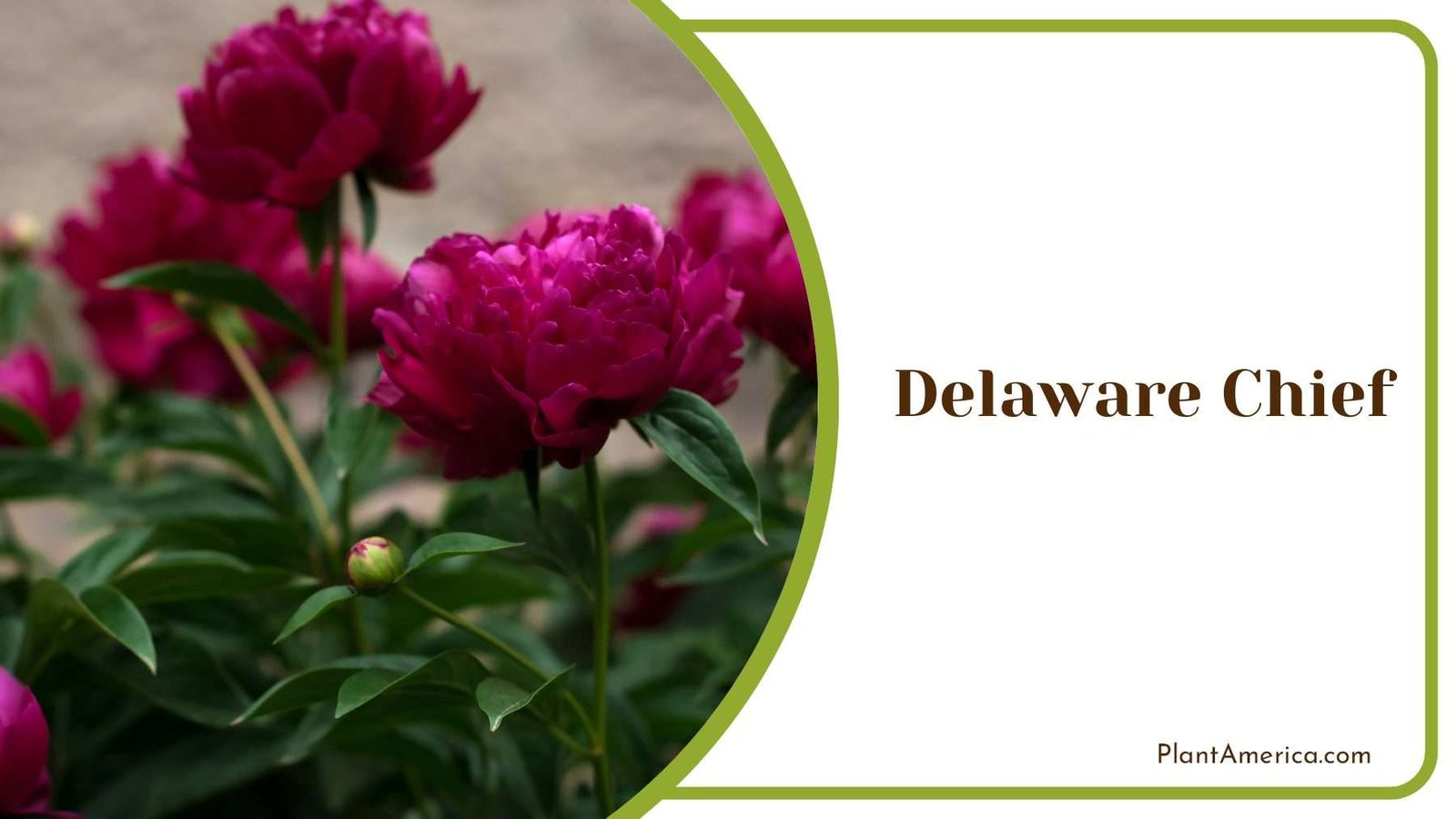
- Growing season: Late spring
- Leaf shape: Large, Compound
- Specific needs: Full sun, Moist, well draining soil
- Common pest: Aphids, Slugs
Delaware Chief peonies produce bright red petals that are fun and frilly. The lush deep green foliage remains attractive through summer. Delaware Chief peonies require moist but well-draining soil and full sun. They prefer a pH between 6.0 and 6.5. Fertilize before and after flowering.
Control aphids with insecticidal soap, and handpick slugs and apply bait pellets. Deadhead blooms immediately after flowering, and divide and prune plants in the fall after foliage dies back. Apply organic mulch in autumn.
21. Diana Parks
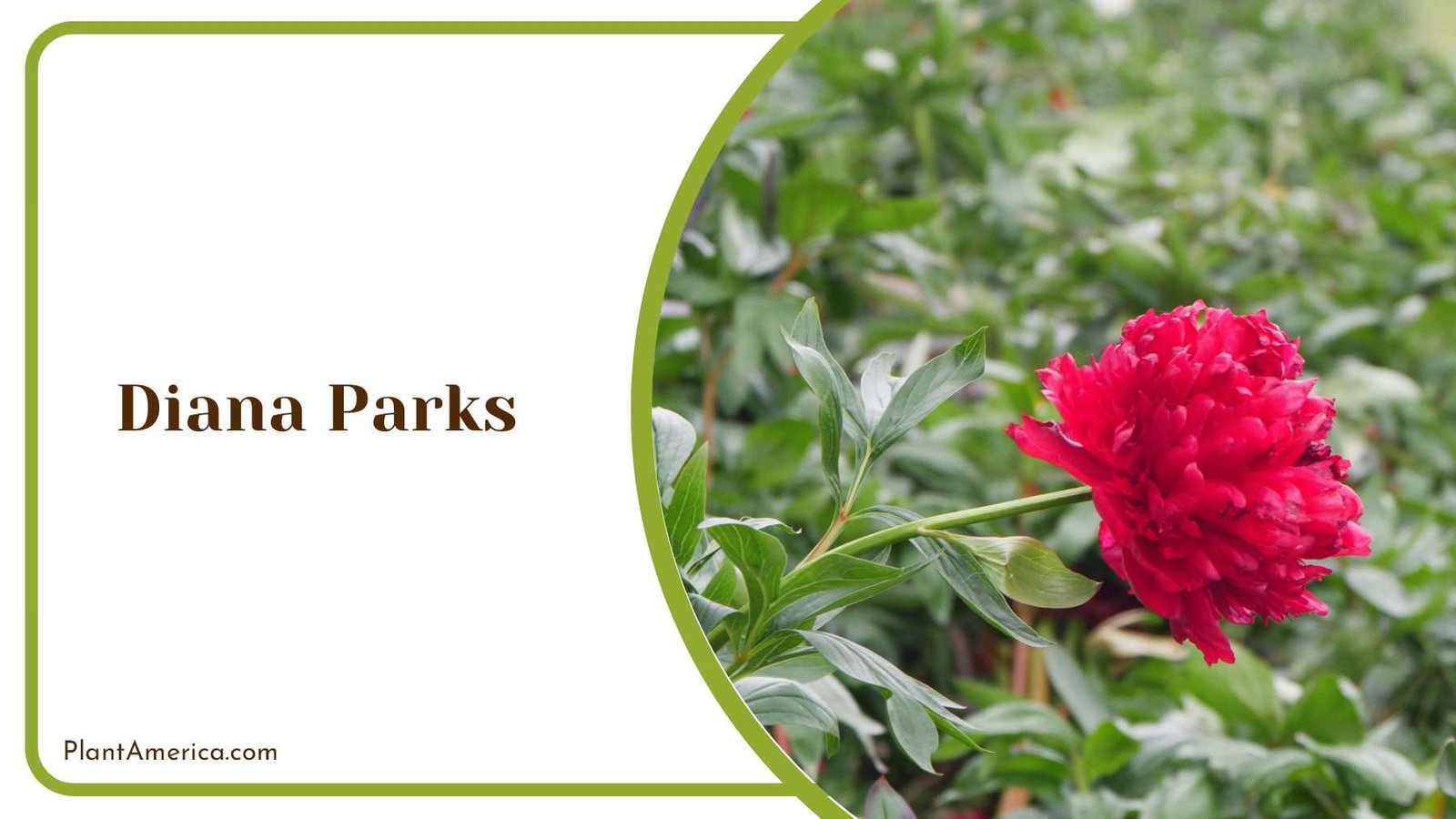
- Growing season: Early spring
- Leaf shape: Large, Palmate
- Specific needs: Full sun, Moist, well draining soil
- Common pest: Aphids, Spider mites
Diana Parks peonies produce fully double crimson red blossoms that give off a pleasant aroma. The lightly fragrant flowers emerge on long straight stems above attractive foliage. Diana Parks peonies require moist but well-draining soil enriched with organic matter and full sun exposure.
Spray plants with water to remove aphids or use insecticidal soap. Treat mites with neem oil or insecticidal soap. Deadhead faded blooms immediately to stimulate more bloom production. Divide and prune plants in early spring and after leaves drop in fall. Apply organic mulch in autumn.
22. Eliza Lundy
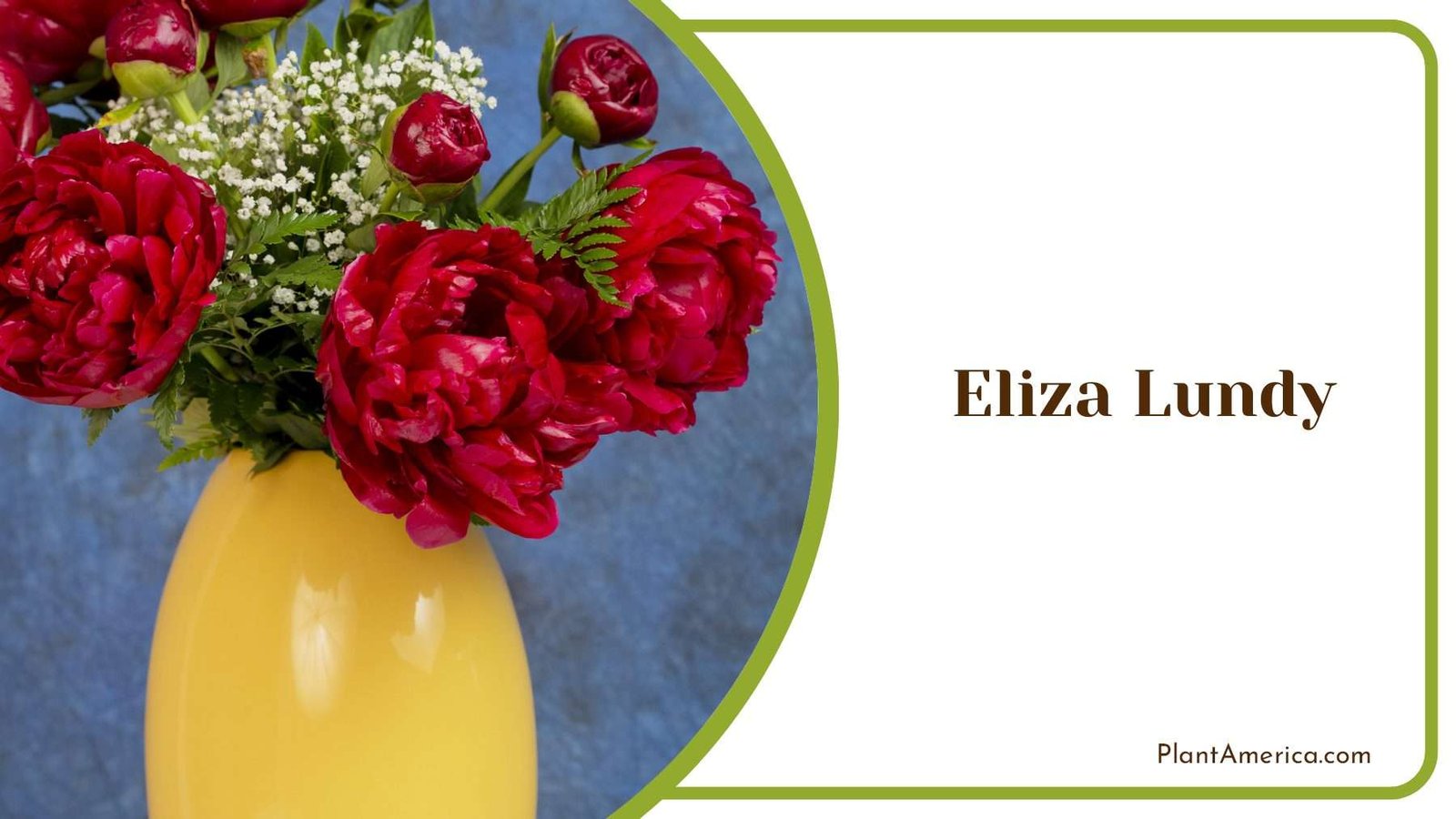
- Growing season: Early spring
- Leaf shape: Large, Compound
- Specific needs: Full sun, Moist, well draining soil
- Common pest: Aphids, Spider mites
Eliza Lundy peonies produce big blooms of deep reddish crimson petals that grows frilly. The mildly fragrant blooms emerge above medium-green foliage in spring. Eliza Lundy peonies require moist but well-draining soil amended with organic matter. They need full sun and a slightly acidic pH between 6.0 and 6.5.
Control aphids with strong water sprays or insecticidal soap. Treat mites with neem oil or insecticidal soap. Deadhead faded blooms to encourage more bloom production. Divide congested clumps every three to four years in early spring, and prune stems after the foliage dies in fall. Fertilize before new growth in spring.
23. Henry Bockstoce
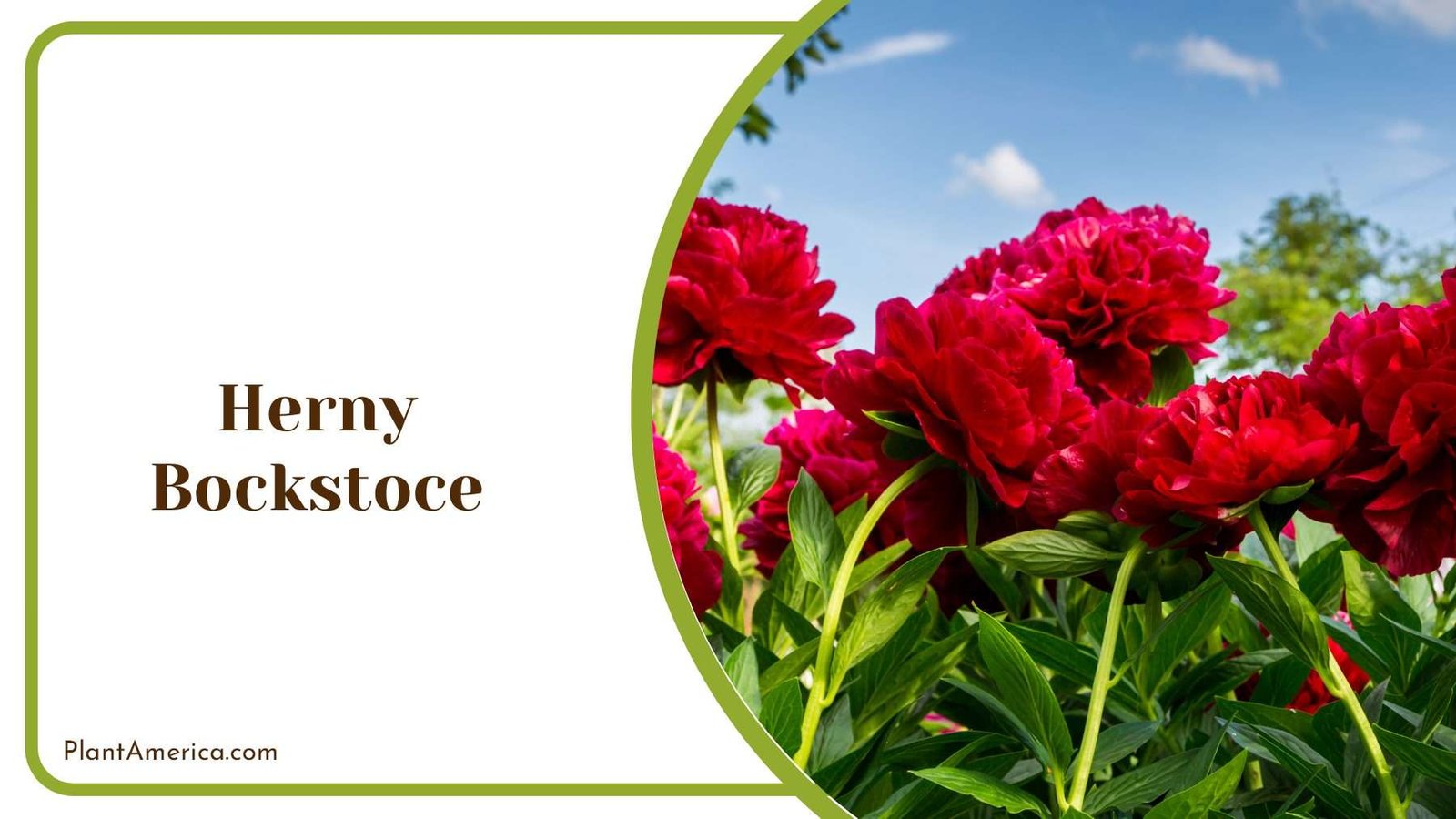
- Growing season: Late spring
- Leaf shape: Large, Palmate
- Specific needs: Full sun, Well draining soil
- Common pest: Slugs, Aphids
Henry Bockstoce peonies produce beautiful double-type dark red blooms. The frilly petals emerge on strong stems in early spring. The lush foliage remains attractive through summer. These peonies need well-draining soil to avoid root rot. They do well in full sun and slightly acidic soil between pH 6.0 and 6.5.
Handpick slugs and spread bait. Spray plants to control aphids as well. Deadhead faded blooms immediately to promote additional flowering. Divide congested clumps every three to four years in early spring, and prune stems in fall after the foliage dies back. Fertilize before new growth in spring.
24. Red Supreme
- Growing season: Late spring, Early summer
- Leaf shape: Large, Compound
- Specific needs: Full sun, Moist, well draining soil
- Common pest: Borers, Aphids
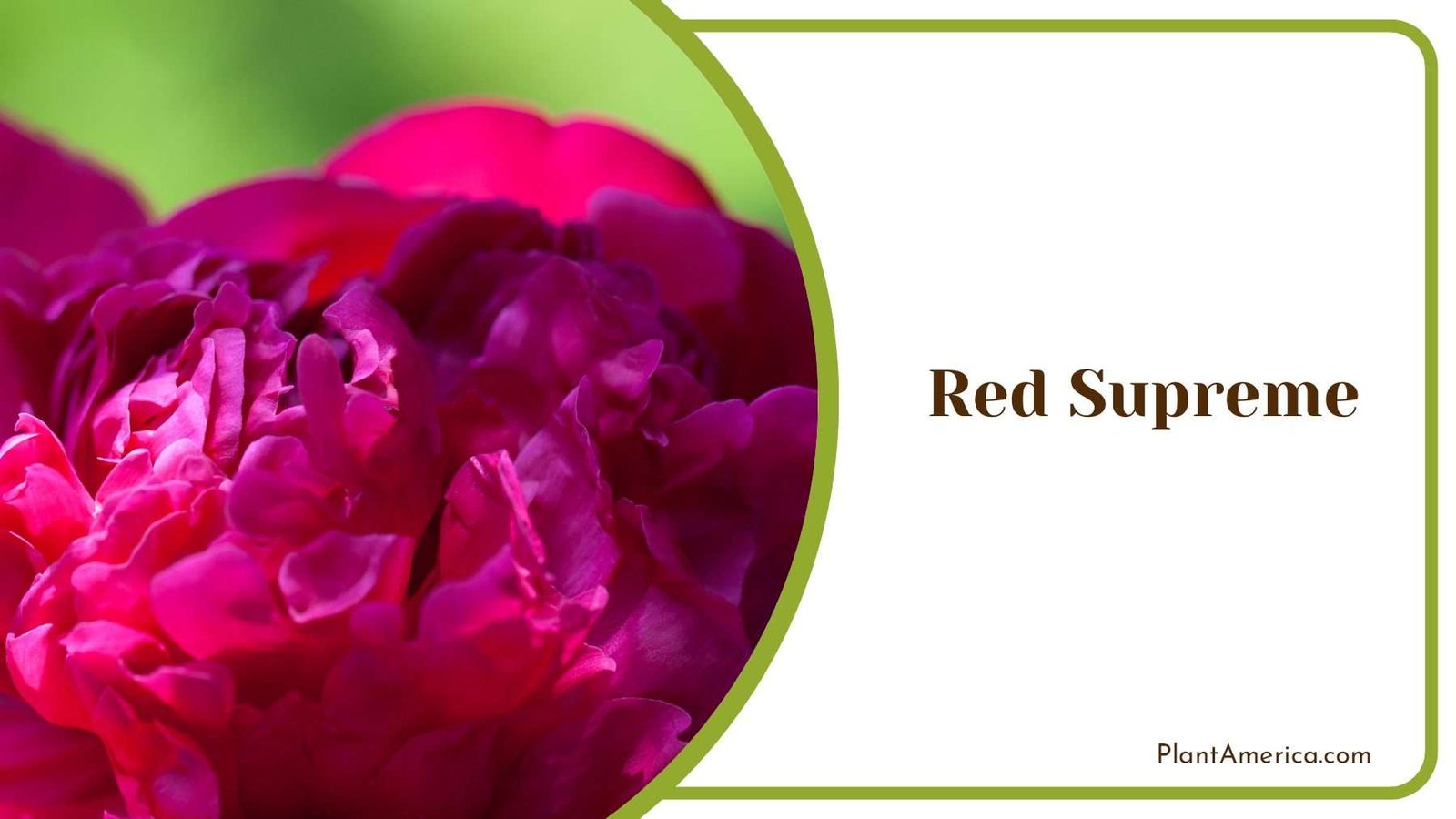
Red Supreme peonies produce fully double deep crimson blooms with luxurious foliage. The lush, bushy plants bloom reliably in late spring and rebloom in early summer. Red Supreme peonies require moist but well-draining soil and at least six hours of sun daily to achieve their full potential. Clay-based soils can lead to root problems, so incorporating organic matter like compost and peat moss helps improve drainage.
Fertilizing before new growth emerges in spring and again after blooming ends provides the nutrients needed to produce large flowers and foliage. Full sun exposure promotes flowering and helps keep pests at bay. Check the plants carefully in late winter and early spring for signs of borer damage like small holes or frass (insect droppings). Any damaged areas should be immediately sealed with tree pruning paint to prevent further infestation.
Once borers enter stems, they can seriously weaken and kill the plant over time. Keeping up with regular inspections and repairs will help manage this common peony pest. Aphids are another typical issue for peonies.
Red Supreme plants should be monitored for the tiny sap-sucking insects that cluster on new growth. Spraying insecticidal soap directly on affected areas is an organic way to control aphid populations before they get out of hand. Repeated sprayings may be needed at seven to 10-day intervals until aphids are eliminated.
As with all peonies, deadheading spent blooms promptly after flowering ends is essential for promoting rebloom. Reblooming helps extend the display of crimson color throughout the season. With adequate care and maintenance, Red Supreme peonies will reward you with reliable late-spring blooms and lush, attractive foliage season after season in your garden.
25. Many Happy Returns
- Growing season: Early spring
- Leaf shape: Compound, Attractive
- Specific needs: Full sun, Moist but well draining soil
- Common pest: Aphids, Slugs
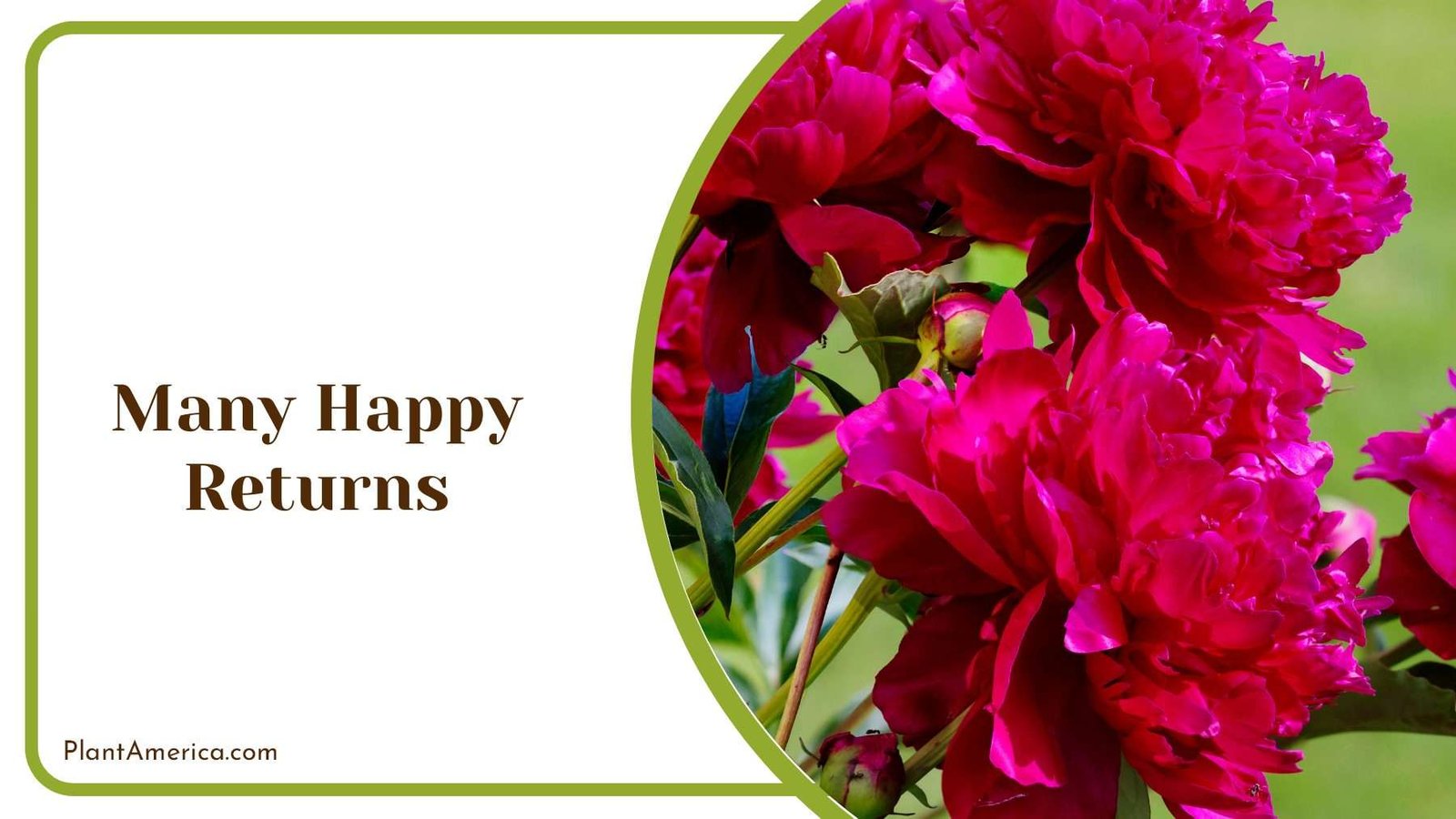
Many happy returns peonies produce early spring blooms in bright crimson with distinct dots and streaks of white. The fragrant flowers emerge above attractive lobed foliage. Many happy returns peonies require moist but well-draining soil enriched with organic matter. They need full sun to produce maximum blooms in early spring.
The foliage remains attractive all season but may require some staking to prevent sprawling. Fertilize annually in early spring before new growth emerges. Check buds regularly for signs of aphid infestations and remove them with water sprays during spraying season. Handpick slugs from plantings and apply bait pellets.
Deadhead blooms immediately once the blooms start to fade and wilt. Cut stems back to the ground after foliage yellows and falls in late or early winter. Apply an organic mulch in the autumn to help protect roots, regulate soil temperatures, and retain soil moisture.
Many happy returns peonies produce vibrant red blooms with flecks of white for a cheerful display that signifies the arrival of spring. With proper care, these peonies will bloom reliably for many years.
Conclusion
Growing red peony varieties can bring vibrant color, fragrance, and charm to your spring garden:
- Duchess of Albany peonies feature stunning, fully double red blooms that emerge on upright stems.
- Belgravia peonies produce stunning double-deep red blooms that resemble roses. They bloom reliably and feature attractive, cuttable stems.
- Madame Butterfly peonies produce masses of double royal red blossoms resembling butterflies when in bloom.
Plant some red peonies this year, and you’ll be rewarded with glowing color, delicate fragrance, and cheerful bouquets for future seasons. Your spring garden is sure to thank you! Check out what peonies you can grow if you live in zone 9.