
Privacy plants for Texas are necessary if you want secluded outdoor spaces you can truly call your own. We’ll discuss ten easy care options that thrive in the Lone Star State’s climate and provide natural borders, shade, and screening from nosy neighbors. Whether you want a simple privacy hedge, taller screening plants, or winding vines, there are choices that suit every Texas garden.
So if you’re looking to section off parts of your backyard, give yourself more outdoor privacy or create a secret garden hideaway, the plants on this list will help you craft the private oasis you desire with minimal effort.
Texas Privacy Plants to Consider for Your Heat-Loving Garden
1. Carolina Cherry Laurel
- Growing Season: Evergreen plant, Year-round foliage.
- Leaf Type: Glossy, dark green oval leaves, 4-6 inches long.
- Specific Needs: Requires regular pruning to maintain shape, Prefers moist, well-drained soil, Grows best in full sun.
- Common Pests: Scale insects, Caterpillars, Beetles.
The Carolina cherry laurel is an excellent privacy screen for Texas gardens due to its dense growth habit. Its compact form makes it perfect for quickly creating secluded border barriers and blocking unwanted views within a few years. The glossy foliage remains year-round, adding visual appeal and softening hard landscape edges. In spring, sweet-smelling white flowers emerge, filling the air with fragrance. 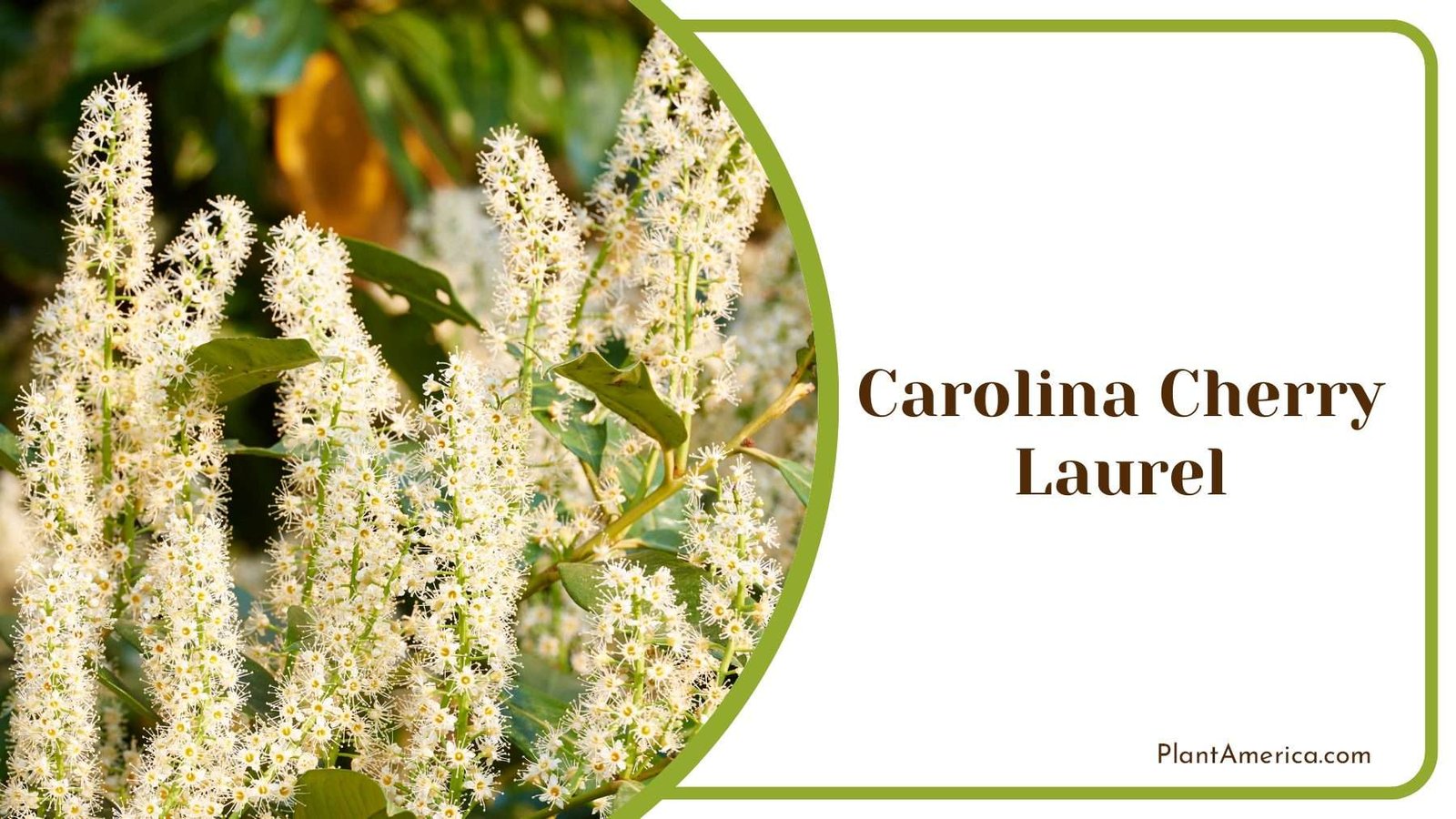
Regular pruning will help maintain its dense shape while controlling its eventual size of 15 to 20 feet tall and wide. The Carolina cherry laurel grows fast, potentially up to three feet per year. Regular pruning and shearing help establish a more formal shape but is unnecessary if an informal hedge is desired. Recent breeding has produced laurels with purplish leaves that add seasonal color interest.
While the Carolina cherry laurel requires little specialized care beyond pruning, it does need consistently moist but well-drained soil. It thrives in full sun but can tolerate partial shade. Regularly inspect foliage for signs of common pests like scale insects and caterpillars that can become issues, especially on laurels lacking proper airflow pruning. Proper sanitation and organic or chemical treatments as needed will help keep pests in check without harming this valuable Texas privacy plant.
2. Yaupon Holly
- Growing Season: Evergreen, Year-round foliage.
- Leaf Type: Dark green, leathery, spiny leaves, 1-3 inches.
- Specific Needs: Requires little care, Adaptable to most well-drained soils.
- Common Pests: Spider mites, Leafminers, Borers.
The yaupon holly is a fantastic native evergreen privacy hedge for Texas gardens. Due to its low maintenance needs, it thrives in the state’s hot, humid conditions and natural drought periods. The yaupon grows at a medium rate to about 10-20 feet tall and wide, eventually developing a dense, full shape that blocks unwanted views. Its spiny, dark leaves remain on branches year-round, and in winter, the yaupon produces clusters of small red berries that attract birds. 
The yaupon holly is not particularly susceptible to most pests and diseases, making it ideal for those who prefer lower-maintenance plants. However, spider mites can cause foliage discoloration and webbing, especially in hot, dry periods. Proper pruning for airflow combined with shooting mites off the foliage with a strong spray of water every few weeks will keep infestations under control.
The yaupon holly prefers full sun but can adapt to partial shade. It grows in most well-draining soil types though it thrives best in acidic conditions with slightly acidic to neutral pH. Fertilizing every other year and occasional mulching will ensure optimal growth for this useful Texas native privacy plant.
3. Mountain Laurel
- Growing Season: Evergreen, Year-round foliage.
- Leaf Type: Leathery, dark green oval leaves, 2-4 inches.
- Specific Needs: Requires acidic, moisture-retentive soil, Tolerates full shade.
- Common Pests: Leaf miners, Scales, Aphids.
The mountain laurel makes a fantastic tall evergreen privacy screen for Texas gardens. Medium-paced growth allows it to reach heights between 10 to 30 feet tall and half as wide over time, developing a dense pyramid shape that effectively blocks unwanted views. Spring’s clusters of fragrant white or pink flowers provide additional visual interest. The mountain laurel thrives in acidic soil with consistent moisture and prefers full shade but can adapt to partial sun exposure. Regular irrigation and occasional mulching will ensure the soil conditions it needs remain in place. Pruning immediately after flowering or in late winter minimizes potential disease issues.
This plant functions best in cooler regions of Texas where summers lack extended periods over 90 degrees Fahrenheit. In hotter parts of the state, the mountain laurel requires irrigation and consistently moist soil to provide adequate humidity levels for optimal foliage health.
Common pests like scales, leaf miners, and aphids can cause damage when populations become excessive. Regular inspections of foliage combined with appropriate sprays or systemic treatments as needed will keep pest pressures at manageable levels. Proper pruning for airflow and taking measures to limit summer heat stress will also help maximize the longevity and performance of mountain laurel privacy hedges in Texas landscapes.
4. Southern Wax Myrtle
- Growing Season: Evergreen, Year-round foliage.
- Leaf Type: Fragrant, waxy dark green leaves, 0.5-1 inch long.
- Specific Needs: Tolerates most soil types, Drought & heat resistant.
- Common Pests: Spittlebugs, Beetles, Blister mites.
Due to its innate toughness and resilience, the southern wax myrtle makes an ideal evergreen privacy hedge for Texas. Medium growth rates allow it to reach 8-12 feet tall and wide within several years, developing a dense rounded shape that effectively blocks unwanted views and provides seclusion. Year-round aromatic foliage and powdery blue waxy coatings give this plant added visual interest.
Native to the American South, wax myrtles have adapted to thrive in the hot, humid climate and periodic droughts that much of Texas experiences. They require little care beyond regular pruning and can grow in most soil types, including poor dry soils. Infrequent irrigation may be sufficient once established.
Wax myrtles are highly resistant to most pests and diseases. Occasional issues with spittlebugs, beetles, or blister mites can be controlled through regular pruning, proper sanitation, and organic or chemical sprays. Overwatering should be avoided as wet soils make wax myrtles more susceptible to fungal problems.
With little routine maintenance beyond optional annual shearing or shaping, the southern wax myrtle is a fantastic, low-maintenance evergreen choice for creating natural secluded borders in Texas gardens. Its aromatic foliage and waxy blue berries that attract wildlife provide year-round appeal, especially when used en masse for maximum impact and privacy.
5. Southern Magnolia
- Growing Season: Evergreen, Year-round foliage.
- Leaf Type: Large, leathery, dark green leaves, 6-12 inches.
- Specific Needs: Requires consistent moisture and humidity, Prefers full sun.
- Common Pests: Scale insects, Borers, Caterpillars.
The southern magnolia makes an ideal tall evergreen privacy screen for Texas gardens due to its pyramidal shape and large glossy leaves. Slow to medium growth rates allow it to eventually reach heights between 40 to 80 feet tall and half as wide. The magnolia’s dense branching pattern and foliage effectively block unwanted views once established. 
The magnolia thrives in consistently moist, humid areas and prefers moist, well-drained, acidic soil. In hot, dry regions of Texas, the magnolia requires regular irrigation and occasional mulching to conserve soil moisture and provide the humidity and acidity it craves.
While relatively pest resistant, the southern magnolia can occasionally suffer infestations of scale insects, borers, or caterpillars that cause damage or deform leaf growth. Maintaining proper soil conditions, regular inspections, and removal of impacted foliage combined with organic or chemical sprays as needed will help manage pest pressures and minimize negative impacts.
Magnolias grow best with full sun exposure through the morning hours and partial shade during the afternoon heat. Regular fertilizing every other year and proper pruning for structure and airflow will further support optimal growth and performance of magnolia privacy hedges within Texas landscapes.
6. Eastern Red Cedar
- Growing Season: Evergreen, Year-round foliage.
- Leaf Type: Scale-like 1/4 to 1/2 inch leaves, Aromatic when crushed.
- Specific Needs: Drought-tolerant, Adapts to most soil types except constantly wet.
- Common Pests: Bagworms, Spider mites, Leaf miners.
The eastern red cedar makes an excellent evergreen privacy screen for Texas gardens due to its natural toughness and resilience. Slow to medium growth rates allow it to reach heights from 30 to 50 feet tall and half as wide over time, developing a dense pyramidal shape that effectively blocks unwanted views. 
Native to eastern and central Texas, red cedars thrive in the hot sunny climate and periodic drought conditions that are common across much of the state. They require little care, preferring full sun, and can adapt to most well-drained soil types except those constantly saturated with moisture. Mature cedars can survive for months with no supplemental irrigation once established.
Regular inspections of foliage combined with appropriate organic or chemical sprays as needed will help manage minor pest pressures. Overwatering should be avoided as wet soils make red cedars susceptible to fungal problems.
Proper pruning when young helps develop a strong branch structure and allows airflow to reduce disease risks over time. After that, little maintenance beyond optional thinning cuts every few years is typically required to support the long-term performance of eastern red cedar privacy hedges within native Texas landscapes.
7. Mexican Plumbago
- Growing Season: Deciduous, Drops leaves in winter.
- Leaf Type: Alternate, simple, oval with toothed margins, 2-4 inches long.
- Specific Needs: Requires full sun, Needs consistent moisture.
- Common Pests: Scale insects, Whiteflies, Aphids.
Mexican plumbago makes an ideal deciduous vine or screen for Texas gardens due to its fast growth rate and tolerance for hot climate conditions. Within several years, mature vines can reach lengths up to 30 feet tall, twining over trellises or up walls while spreading three to six feet wide. Profuse sky-blue flowers cover the plant in summer and early fall, attracting beneficial insects to the garden.
The plumbago vine thrives in full, consistently moist,well-drained soil rich in organic matter. It benefits from occasional pruning immediately after flowering to maximize future bloom production and maintain a manageable size.
While generally pest-resistant, occasional scale insects, whiteflies, or aphid infestations can cause damage that stunts growth or impacts leaf health over time. Regular inspection of new growth combined with removing heavily impacted leaves and applying organic or chemical sprays as needed will help manage pests and minimize potential negative impacts.
Mexican plumbago is relatively cold and hardy and can withstand light freezes once established; however, protecting young vines during extreme winter will help them get off to a strong start. Once mature, this practical,problem-free vine provides color, screening, and fragrance to enhance any hot climate Texas garden.
8. Crossvine
- Growing Season: Deciduous, Drops leaves in winter.
- Leaf Type: Compound, alternately arranged with three leaflets, 2-4 inches long.
- Specific Needs: Requires full sun, Consistently moist soil.
- Common Pests: Borers, Spider mites, Caterpillars.
The crossvine makes an ideal deciduous vine for privacy screens in Texas gardens due to its fast growth rate and tolerance for hot, humid conditions. Crossvine can reach up to 30 feet tall within a few years, twining over arbors, pergolas, or walls while spreading three to six feet wide. Clusters of trumpet-shaped purple flowers in summer attract hummingbirds and butterflies to the garden. 
Crossvine thrives in full sun with consistently moist,well-drained soil rich in organic matter. Crossvine benefits from light pruning after flowering in autumn or winter to maximize bloom production and maintain a manageable size.
While generally pest-resistant, spider mites, borers, and caterpillars can cause damage that impacts leaf health. Regular inspections of new growth combined with removing heavily impacted leaves and applying neem oil or insecticidal soaps as needed will help manage pest pressures and minimize potential negative impacts over time.
Crossvine is relatively winter hardy once established and can withstand light freezes, though protecting young vines during extremely cold periods helps them start strong. Once mature, this tough, problem-free vine provides color, screening, fragrance, and valuable habitat for pollinators to enhance any hot climate Texas garden.
9. Flax Lily
- Growing Season: Summer, Flowers May-August.
- Leaf Type: Sword-shaped 3/4 to 1 inch wide, 12 to 24 inches long.
- Specific Needs: Requires full sun, Consistently moist acidic soil, Drought-tolerant once established.
- Common Pests: Underground grubs, Squirrels.
Due to its tolerance for hot sunny conditions, the flax lily or yellow spider lily makes an ideal summer flowering ground cover or privacy screen for Texas gardens. After an initial establishment period, mature clumps can spread 3 to 5 feet wide within 3 to 4 years, eventually forming a dense colony that smothers surrounding grass and weeds. Bright yellow flowers bloom en masse from May through August, attracting beneficial insects to the garden. 
Flax lilies thrive with full sun and consistently moist, well-drained, acidic soil. They become increasingly drought tolerant once established, though irrigation during extreme dry spells will ensure optimal flowering and growth.
Dividing crowded clumps every three to four years maintains vigor and helps spread new plantings across the garden. Reducing excess thatch buildup and incorporating organic fertilizers or compost into soil as needed will boost vigor and make flax lilies less susceptible to potential pest pressures over time.
10. Privet
- Growing Season: Evergreen, Drops some leaves in winter.
- Leaf Type: Simple, glossy, oval leaves, 1 to 3 inches long.
- Specific Needs: Requires full sun, Consistently moist soil, Adaptable to most soil types.
- Common Pests: Scale insects, Aphids, Japanese beetles.
Privet hedges make an excellent evergreen privacy screen for Texas gardens due to their adaptability, fast growth rate, and tolerance for hot conditions. Within a few years, privets can reach heights between 8 and 12 feet tall and half as wide, developing a dense hedge that effectively blocks unwanted views. Glossy foliage provides winter interest, while small fragrant white flowers in spring attract beneficial insects. 
While generally pest-resistant, privets can be susceptible to scale insects, Japanese beetles, and aphids that feed on foliage and spread harmful viruses. Regular inspection of new growth, removing heavily impacted foliage, and applying neem oil, horticultural oils, or insecticidal soaps as needed will help manage pest pressures and minimize potential negative impacts over time. Proper pruning techniques that encourage compact growth and occasional fertilizing every other year will further support the optimal performance of privet hedges within Texas landscapes.
Conclusion
Many outstanding privacy plant options exist for Texas gardens seeking seclusion and serenity. But a few plants on the list truly stand out as worthwhile choices for creating privacy in Texas gardens.
- The Carolina Cherry Laurel grows quickly to provide dense year-round coverage with minimum care and regular pruning.
- The Southern Wax Myrtle is a low-maintenance native plant known for its aromatic foliage, heat, and drought tolerance.
- The Yaupon Holly is a tough native Texas screen requiring minimal upkeep while thriving in the state’s hot, humid conditions.
- Mexican Plumbago makes an ideal deciduous vine with fast growth and summer blue flowers for sun or shade.
- Eastern Red Cedar offers natural protection from pests and resilience during dry periods as a slow growing evergreen.
Whether your preference lies with bushes, vines, or groundcovers, this list has suitable options to suit any Texas garden. The journey begins by choosing a plant, digging a hole, and watching your own private oasis gradually form. Happy gardening!