
Perennial fruits are a versatile option for any home garden, providing nutritious harvests year after year with minimal maintenance. In this guide, we’ll explore the top perennial fruits to consider planting to enjoy fresh-picked snacks and ingredients from your backyard all season long.
From apple to currant, strawberry to raspberry, the options for edible perennials that return reliably without reseeding are plentiful.
Your Definitive Guide to the Top Perennial Fruits to Savor
1. Apple
- Growing Season: Summer to fall
- Leaf Shape: Medium to large oval-shaped leaves, Alternating, Simple
- Specific Needs: Well-draining soil, Full sun
- Common Pests: Spider mites, Apple maggots
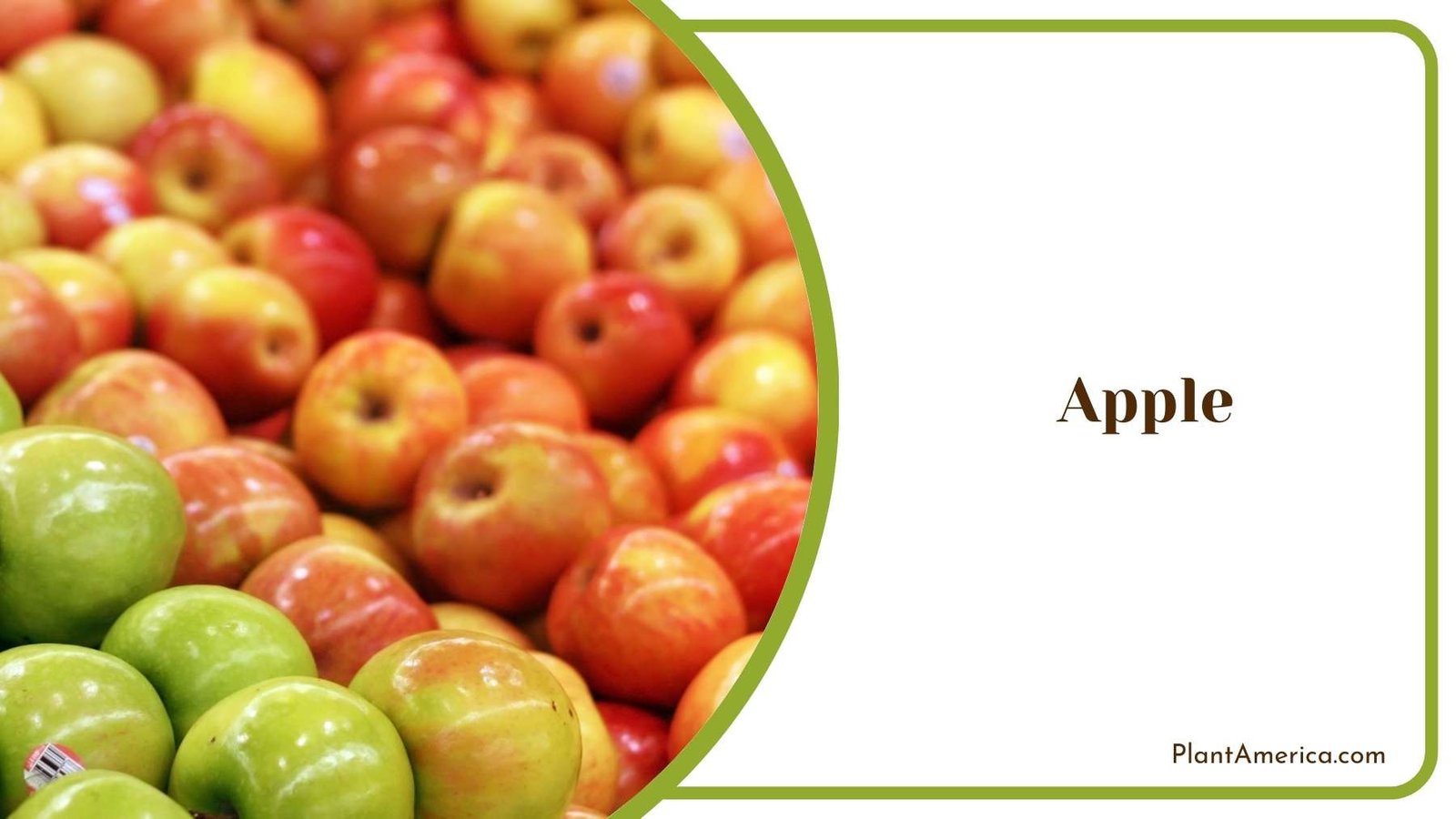
Apples are one of the most widely grown tree fruits, with over 7,500 known varieties ranging in color, texture, and sweetness. Home orchards need only a single space-saving dwarf tree to give hardworking gardeners 30-50 pounds of fresh apples annually for decades.
Beyond delighting the taste buds, apples provide fiber, vitamins, and antioxidants. One medium fruit contains 4g fiber, Vitamins C and K. Their crunch rewards consumption. Homegrown varieties surpass grocery store flavors.
Planting several compatible varieties ensures consistent pollination and larger harvests. ‘Honeycrisp’, ‘Gala’, and ‘Fuji’ thrive in many areas. Empress, Jonagold, and Liberty dwarf varieties yield strongly in small spaces.
Apple trees prosper with full sun, airy soil, and 6 to 8 hours of direct light daily. Regular water nourishes large, sweet produce. Within a few years, a backyard orchard transforms a landscape while sustaining health. The durable apple tree belongs wherever possible to provide a perennial favorite.
2. Apricot
- Growing Season: Spring to early Summer
- Leaf Shape: Oval with a fine texture, Alternating, Simple
- Specific Needs: Well-draining soil, Full sun
- Common Pests: Brown rot, Plum curculio
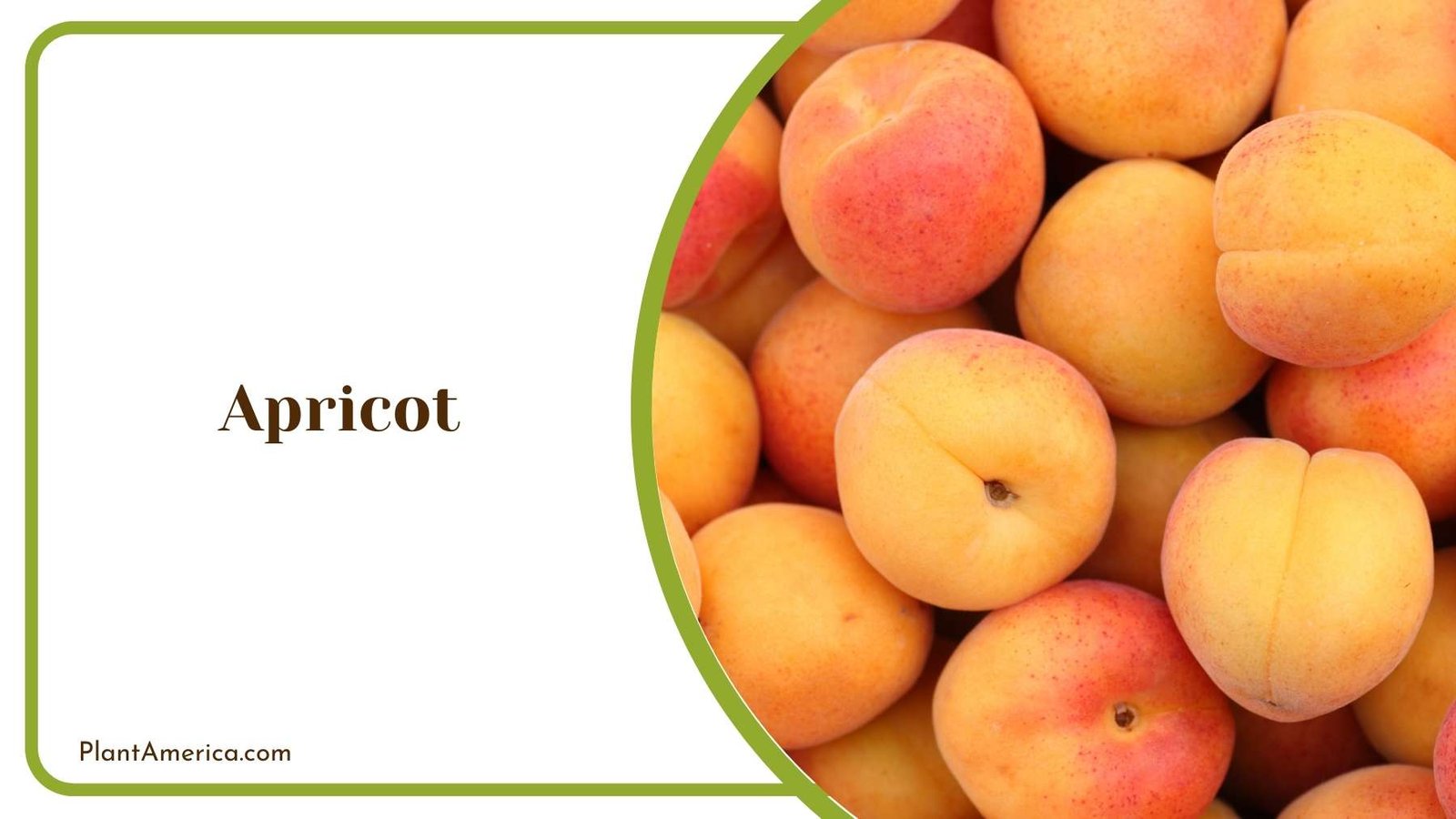
Apricots are a delicate yet rewarding fruit tree to grow. Originating in China but now grown worldwide, apricots bear sweet, orange skin fruit in summer. Though sometimes overlooked, homegrown apricots far surpass grocery varieties in aroma and flavor.
As members of the rose family, apricot trees display lovely pale pink blooms each spring before fruiting. Only a few dwarf varieties like ‘Moorpark’ thrive in small yards, staying under 15 feet. Full sun and well-draining soil suit apricots, which have shallow roots. Consistent irrigation helps maximize yearly yields.
While needing winter chill like peaches, apricots ripen earlier in heat. Pests are few. Thinning the developing fruit focuses the tree’s energy into fewer, larger apricots. Home orchards yield enough for fresh eating, preserves, and sharing. Ripe apricots must be gathered promptly before birds take their fill of the sweet morsels.
Though fragile during transport, apricots reward the home gardener in summer with a delicately perfumed, vibrantly hued fruit far superior to bland commercial varieties. A few dwarf trees add beauty and a tasty bounty to any landscape in their short season each year.
3. Blackberry
- Growing Season: Summer
- Leaf Shape: Oval with a fine texture, Alternating, Simple
- Specific Needs: Well-draining soil, Full sun
- Common Pests: Rust, Aphids
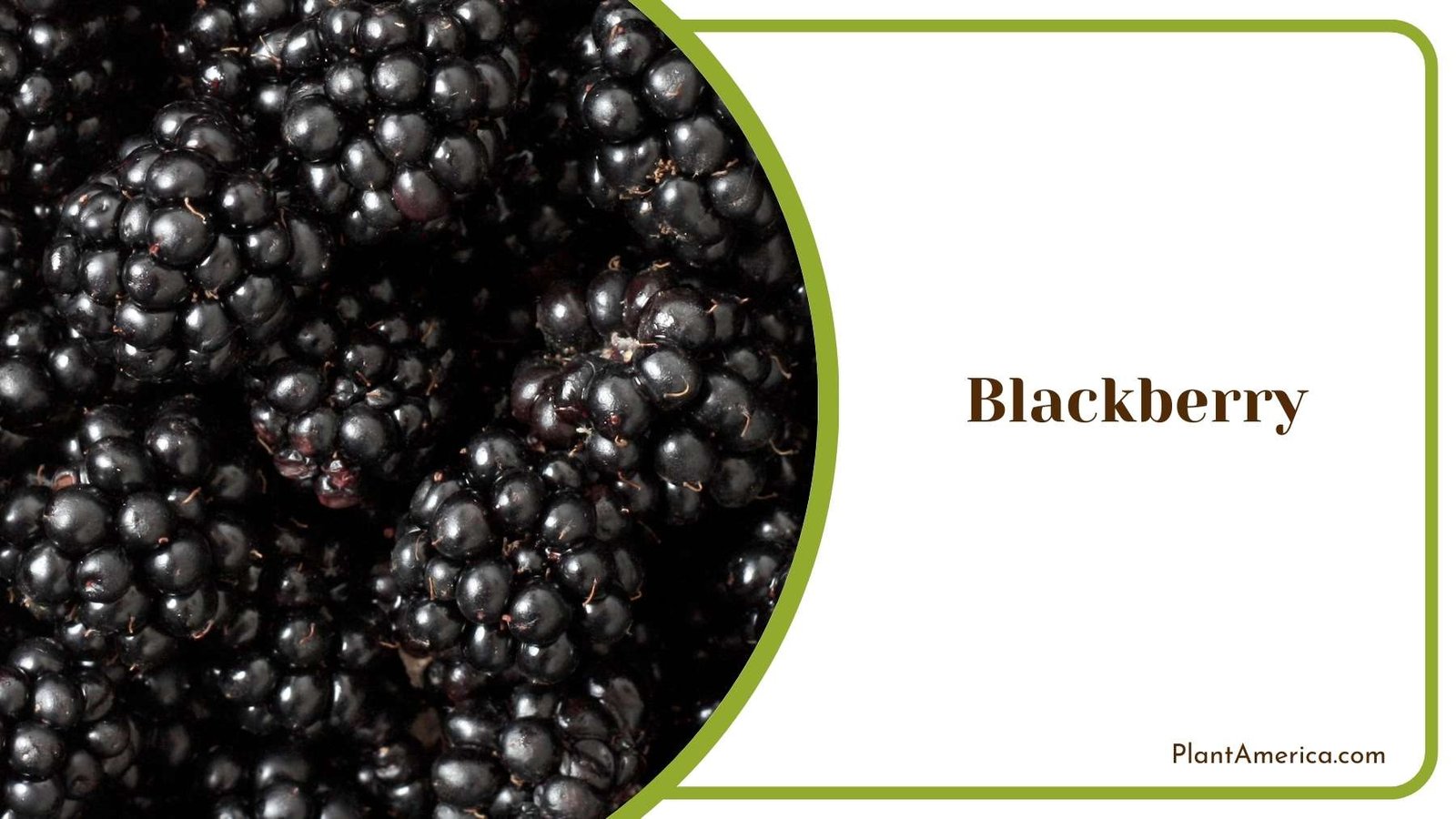
Blackberries thrive in many landscapes, providing nutritious dark berries from summer through fall. Both wild and cultivated varieties populate areas, but domestic types offer larger, sweeter fruits without thorns.
Blackberry brambles spread vigorously via canes but can be trained along fences or arbors. Every year new canes emerge to bear the next season’s crop. Locate plantings in full sun for highest yields.
These berries rival blueberries for antioxidants. One cup provides 6 grams fiber and just 80 calories. Blackberries make luscious jams, pies or are enjoyed fresh off the vine. Kids love ‘snacking’ right in the garden.
Prune immediately after fruiting wraps up to maintain a tidy shape. In colder zones, protect canes for re-emergence each spring. A few clipping plants supply plenty of berries for most families straight from the garden. Blackberries enlighten summer with dark flavor and nutritional perks for years.
4. Blueberry
- Growing Season: Spring to early Summer
- Leaf Shape: Oval with a fine texture, Alternating, Simple
- Specific Needs: Well-drained acidic soil, Adequate sunlight
- Common Pests: Brown rot, Plum curculio
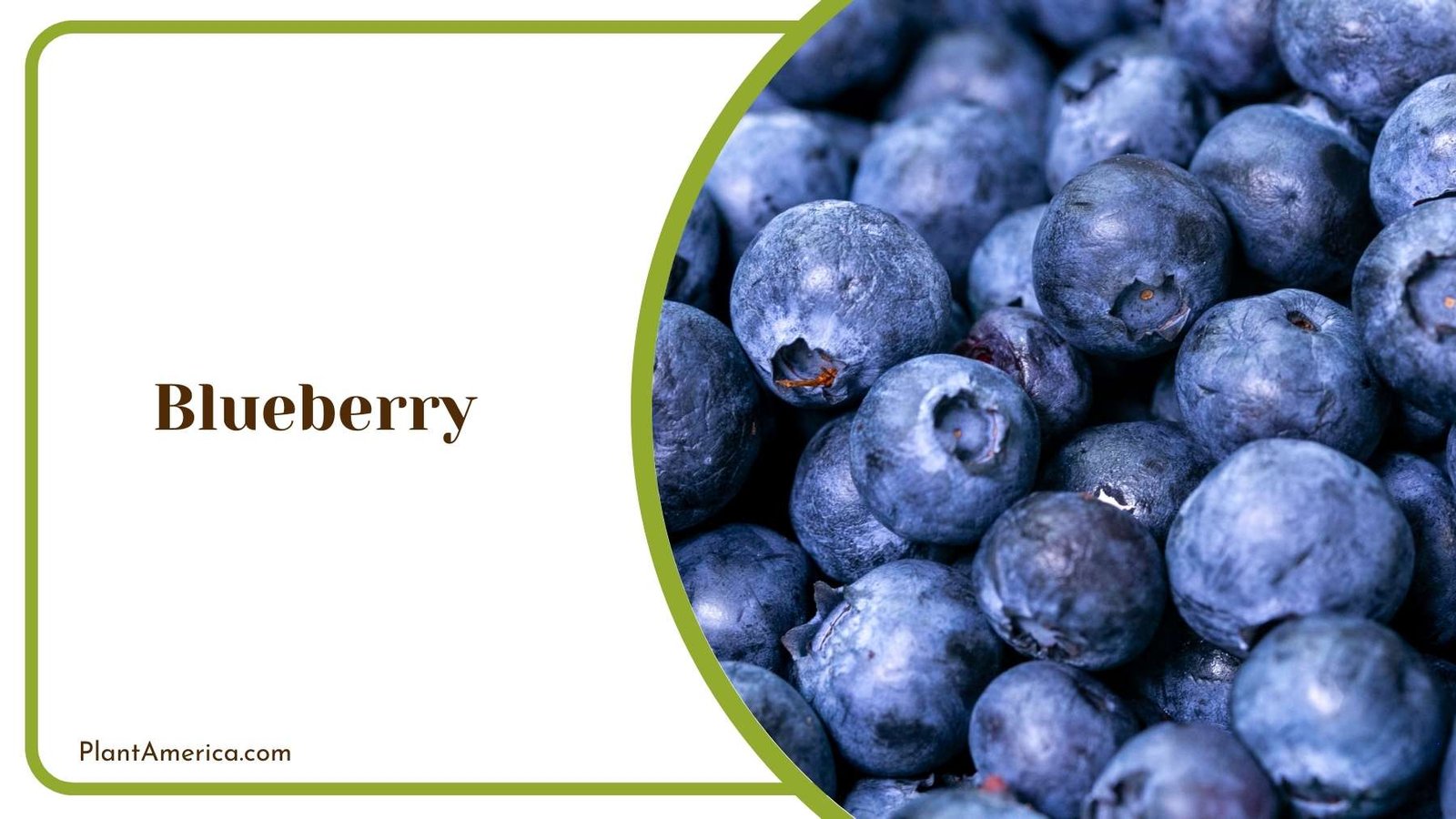
Blueberries lend a splash of colorful flavor to the summer garden. A perennial shrub native to North America, blueberry grows wild but also thrives when cultivated at home. Varieties range from miniature ground covers to 5-foot tall bushes bearing spherical berries.
Dwarf ‘Bluecrop’ and ‘Jersey’ produce reliably in contained areas. Choose a spot in full sun with highly acidic, well-draining soil—amended with peat moss if needed. Blueberries favor moist but not soggy conditions.
From June through August, eye-catching pale green or ruby berries ripen to a deep indigo hue. Bursting with antioxidant anthocyanins, just one cup supplies over 25 percent of daily Vitamin C needs. Birds love them too, so cover ripening bushes with netting.
After fruiting, shear bushes by one-third their height to sprout fresh growth. Mulch to retain moisture and suppress weeds. With its handsome foliage, blueberry adds beauty while rewarding pickers with a sweet summery treat for pies, pancakes and snacking straight off the bush.
5. Cranberry
- Growing Season: Late summer to early fall
- Leaf Shape: Oval, elliptical leaves, Alternating, Simple
- Specific Needs: Box-like conditions, Regular water
- Common Pests: Fireworm, Cranberry tapeworm
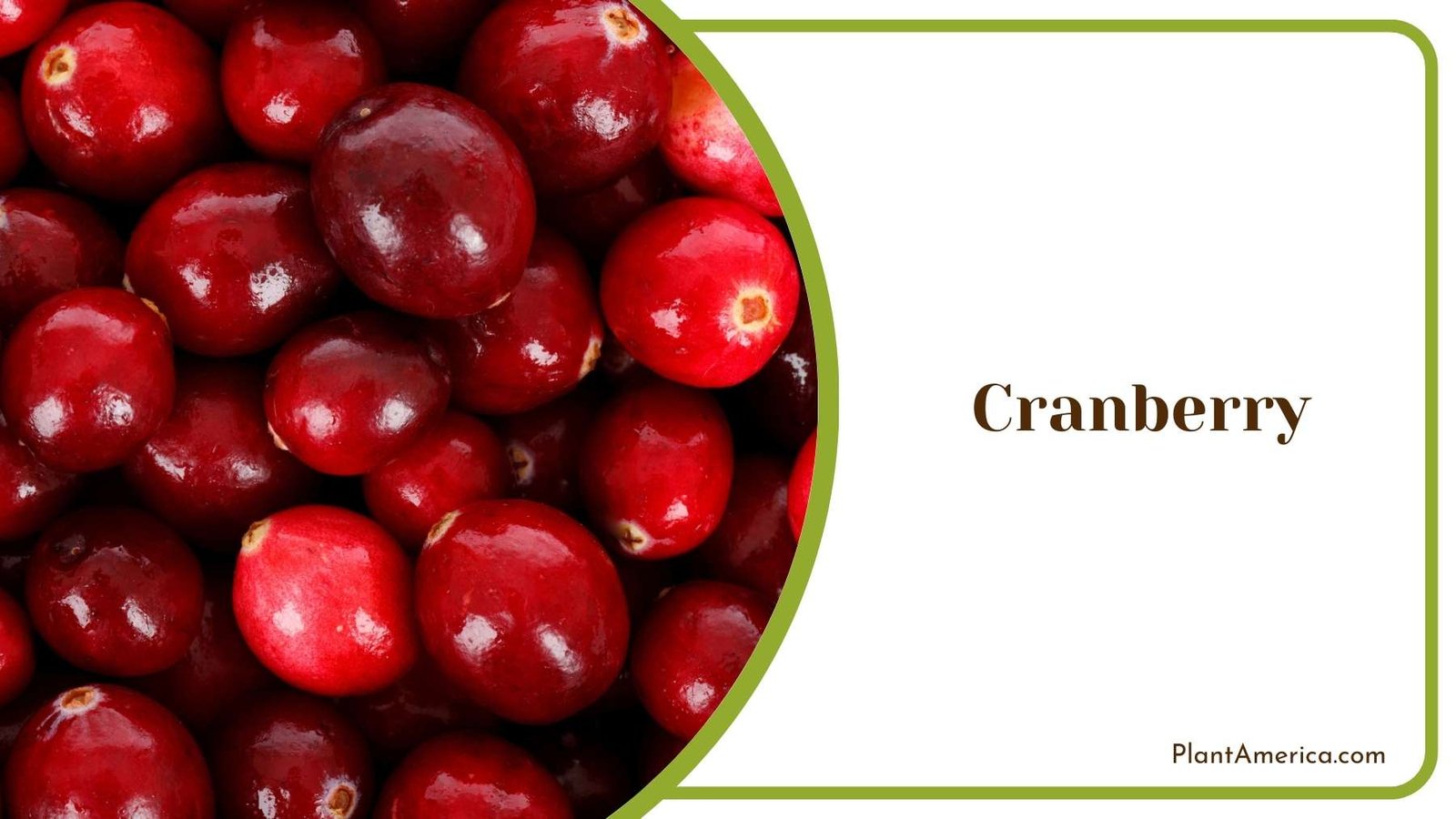
Though associated with winter holidays, cranberries thrive as a perennial crop for gardens too. Native to bogs along Northeast and Midwest coastlines, cranberries require wet soil conditions to prosper.
Beyond Thanksgiving decor, these miniature red berries offer health rewards. Select ‘Early Black’ or ‘Howes’ for moderate climates. Sphagnum peat forms acidic beds 4-6 inches deep that stay consistently moist.
Cranberries float, so harvest by carefully flooding beds and skimming fruits off the surface with nets. Dried or made into tart low-sugar sauce, just one-quarter cup supplies antioxidant power. Their chewy skins ease digestion too.
Give cranberries full sun and shelter from harsh winds. Only 1-2 square feet provide enough for family use. Their seasonal color and nutrients make cranberry a unique addition brightening the edible landscape for decades with minimal care.
6. Current
- Growing Season: Summer
- Leaf Shape: Coarsely toothed leaves, Alternating oval to rounded
- Specific Needs: Regular water, Full sun
- Common Pests: Spider mites, Powdery mildew
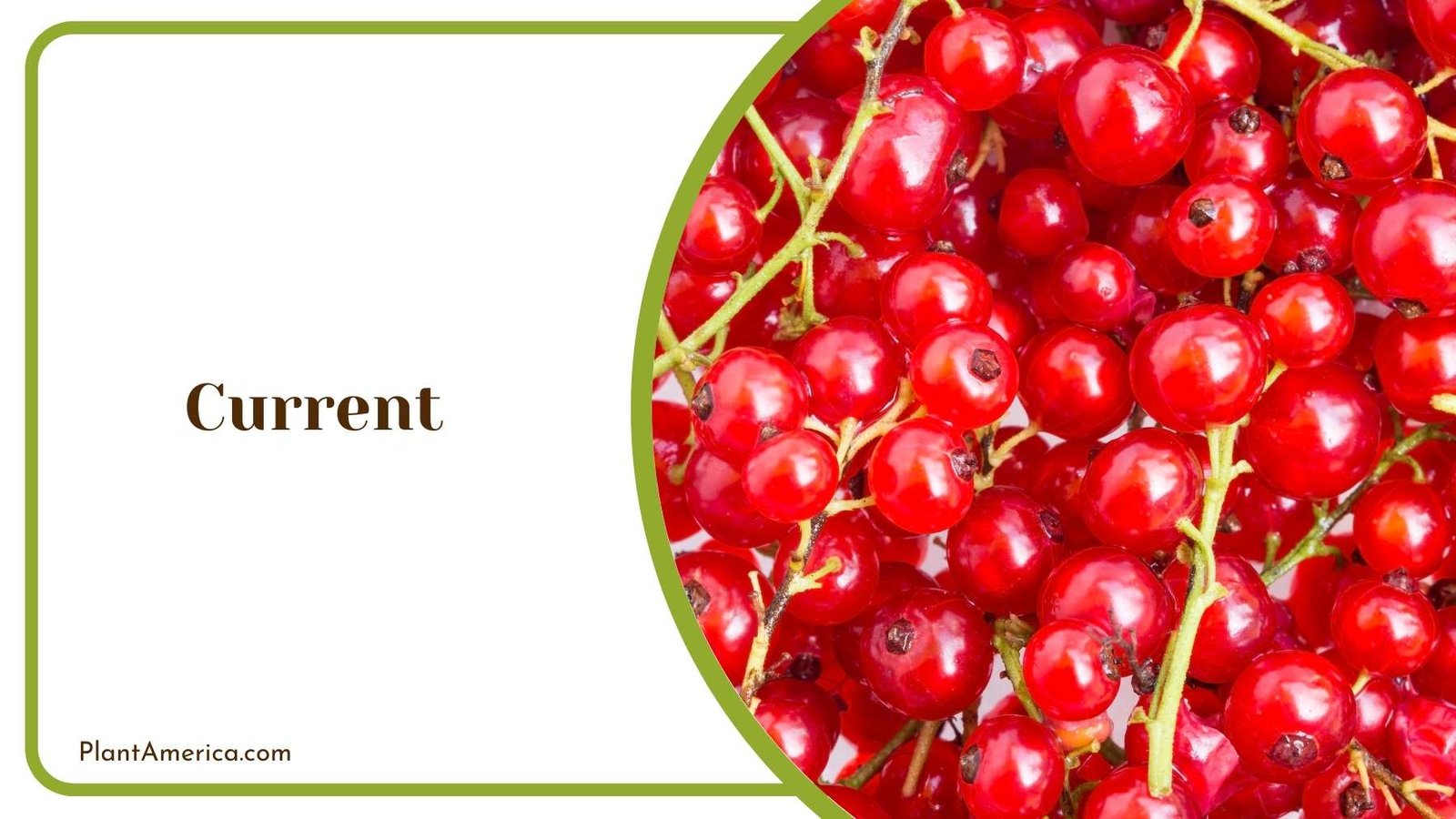
Like berries but more bitter, currants bring antioxidant-rich flavor to summer cooking. Used for centuries in Europe, currants add visual appeal to the garden as well. Choose colorful ‘Red Lake’ or ‘White Grape’ varieties. Grown on sprawling bushes, currants suit small spaces. Plant in full sun, keeping soil moist but well-drained. Prune old growth after fruiting.
Delicate clusters of tiny berries ripen in July, begging for harvest. Beyond fresh eating, currants excel in jams, syrups or mixed into vinegars. Their tangy pop of flavor enhances vinaigrettes or chicken. Low-care once established, currants require sparse water. Their graceful habit and waxy leaves offer four-season appeal. Protect emerging berries from greedy birds. A few dwarf shrubs gift kitchens with unique tang for years of culinary enjoyment fresh from the source.
7. Fig
- Growing Season: Summer
- Leaf Shape: Palmate leaves, Three to seven deeply lobed leaflets, Alternating
- Specific Needs: Well-draining soil, Full sun
- Common Pests: Fig rust, Fruit flies
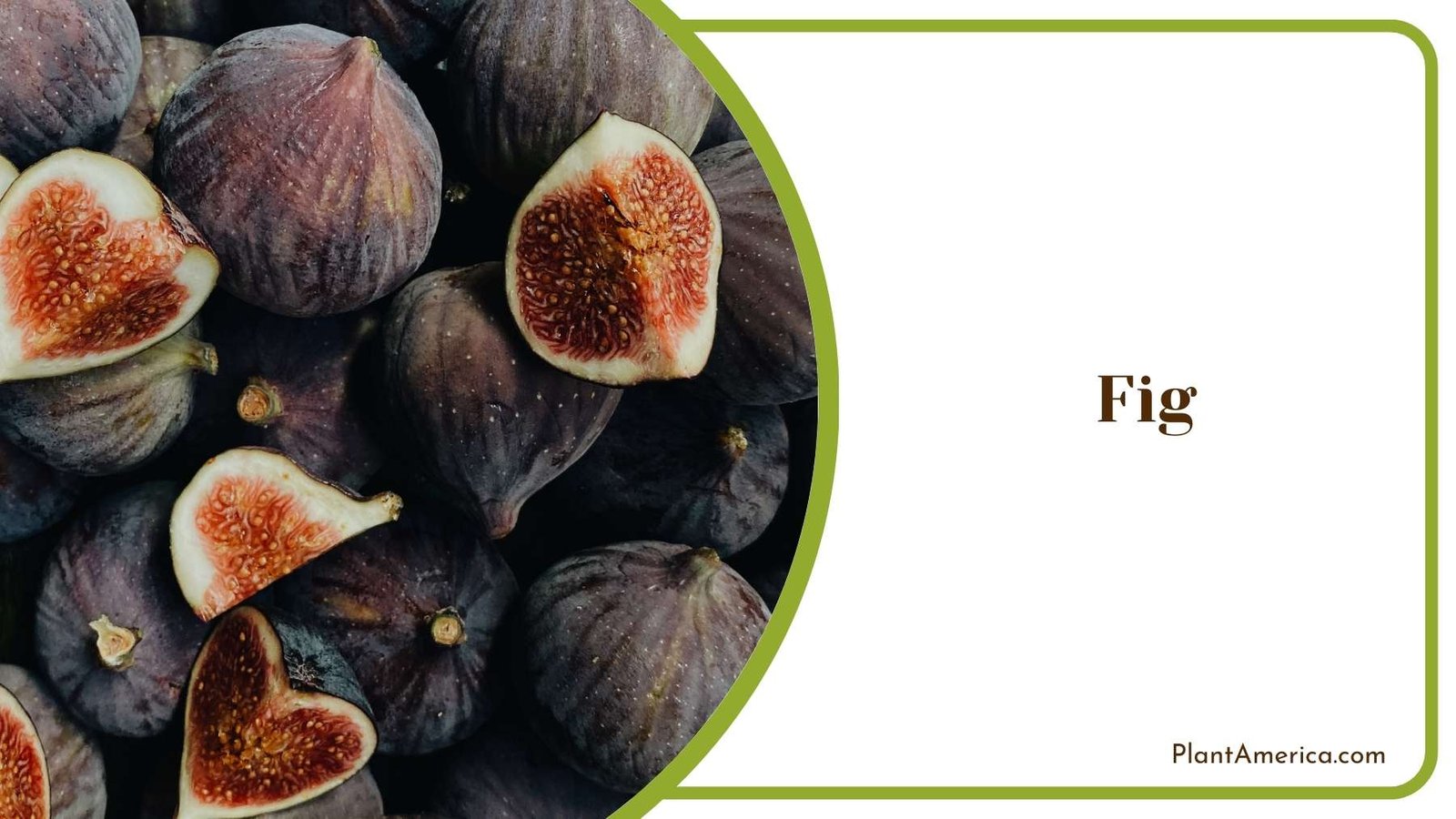
With their broad, lush leaves and minimal care needs, fig trees lend a tropical flair to landscapes. Originating in Asia Minor, domesticated figs bear sweet fruits with a single seed cavity ideal for drying or snacking.
Choose ‘Brown Turkey’ or ‘Chicago Hardy’ varieties suited to climates with warm seasons. Plant figs in full sun and well-draining soil rich in organic matter. Their extensive root systems require ample space to develop.
By mid-summer, figs emerge as pea-sized nubs, gradually swelling into honeyed treats. Their thin skins and moist interiors melt in the mouth. Figs supply dietary fiber, potassium and antioxidants. Enjoy fresh or dried year-round.
Prune lightly in winter to maintain an open canopy. Otherwise, figs demand little upkeep, thriving with only occasional watering once established. Their architectural evergreen foliage provides four-season landscape value. Come harvest time, figs satiate gardeners with a sweetly exotic flavor of the Mediterranean.
8. Gooseberry
- Growing Season: Summer
- Leaf Shape: Lobed or unlobed leaves, Alternating
- Specific Needs: Regular moisture, Full sun
- Common Pests: Sawfly, Mildew
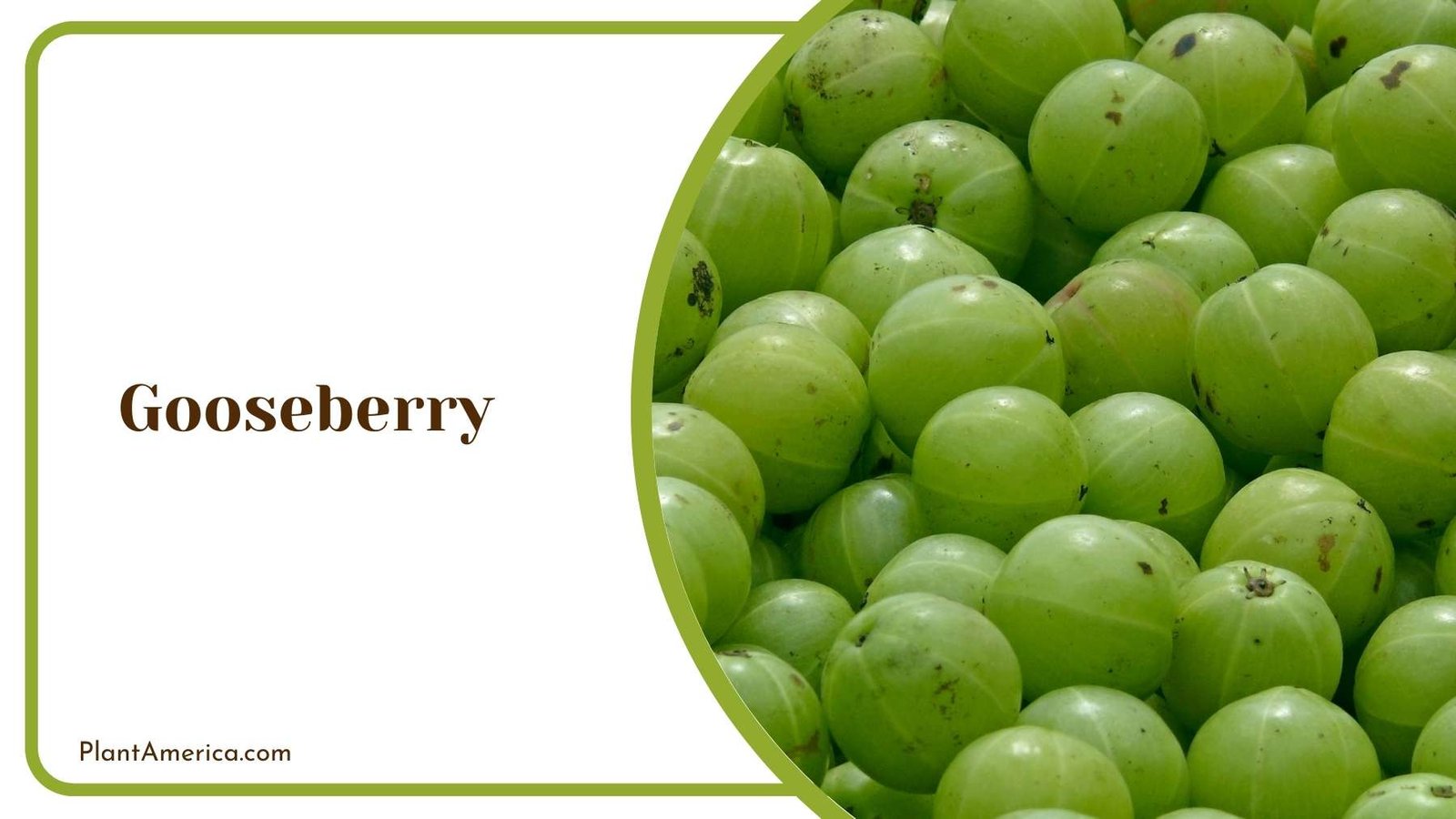
Gooseberries have earned a following for their outsized flavor packed into small orbs resembling grapes. While few commercial bushes remain, home gardens thrive growing these nutritious perennials.
Select thornless varieties like ‘Welcome’ and ‘Poorman’ suited for any climate. Give bushes full sun and rich, moisture-retentive soil. Gooseberries require little else to produce for decades. Their hairy green fruits transform into sweet yet tart red globes by summer. Harvest them fresh or cooked into crisp pies, jam or cider. Gooseberries boost Vitamin C while lowering cholesterol levels.
Their erect branches lend structure to gardens year-round. Prune younger canes lightly in winter. Mulch to retain moisture around root bases. Come summer, spot harvesting among the ornamental leaves rewards growers with a delicacy few consider. Gooseberries cultivate into low-care, high-yield bushes yielding unique flavors different from common berries. Their fruit and form warrant a place among perennials.
9. Grape
- Growing Season: Summer to early fall
- Leaf Shape: Palmate leaves with three to five lobes, Alternating
- Specific Needs: Well-draining soil, Full sun
- Common Pests: Mealybugs, Grape berry moth
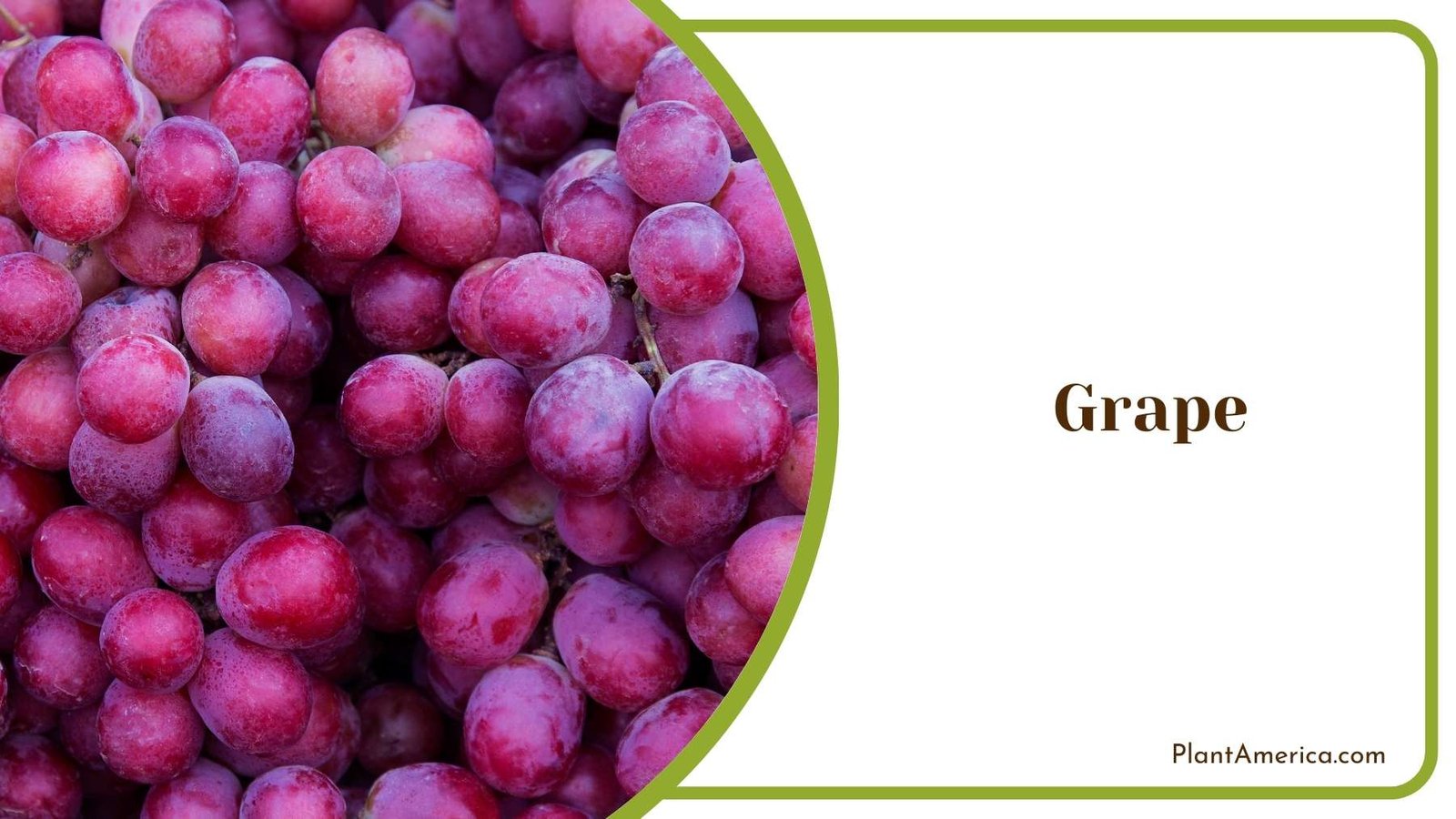
Eating fresh from the vine, grapes embody summer’s bounty. Both table and wine varieties thrive when cultivated at home, gripping arched trellises or pergolas with waxy leaves and sweet clusters.
Choose early ripening ‘Concord’ or ‘Catawba’ varieties suited to colder zones. In warm climates, ‘Chardonnay’ or ‘Pinot Noir’ work for experienced winemakers. Grapes demand full sun and fertile, well-draining soil.
Start vines as bare root cuttings in early spring. Train flexible canes vertically along sturdy structures as they grow. Come August, plump grapes change hue, signaling peak ripeness. Their juicy bursts refresh on a summer day.
Prune vines moderately each winter to spur new growth. Grapes require monthly water, plus occasional spraying to prevent fungal diseases. Harvest before the first frost for indoor enjoyment. Vines hold ornate appeal year-round while gifting home vintners with liquid sunshine.
10. Jujube
- Growing Season: Late Summer to fall
- Leaf Shape: Elliptic to ovate with serrated margin, Alternate, Simple
- Specific Needs: Heat tolerance, Full sun
- Common Pests: Twig borer, Spider mites
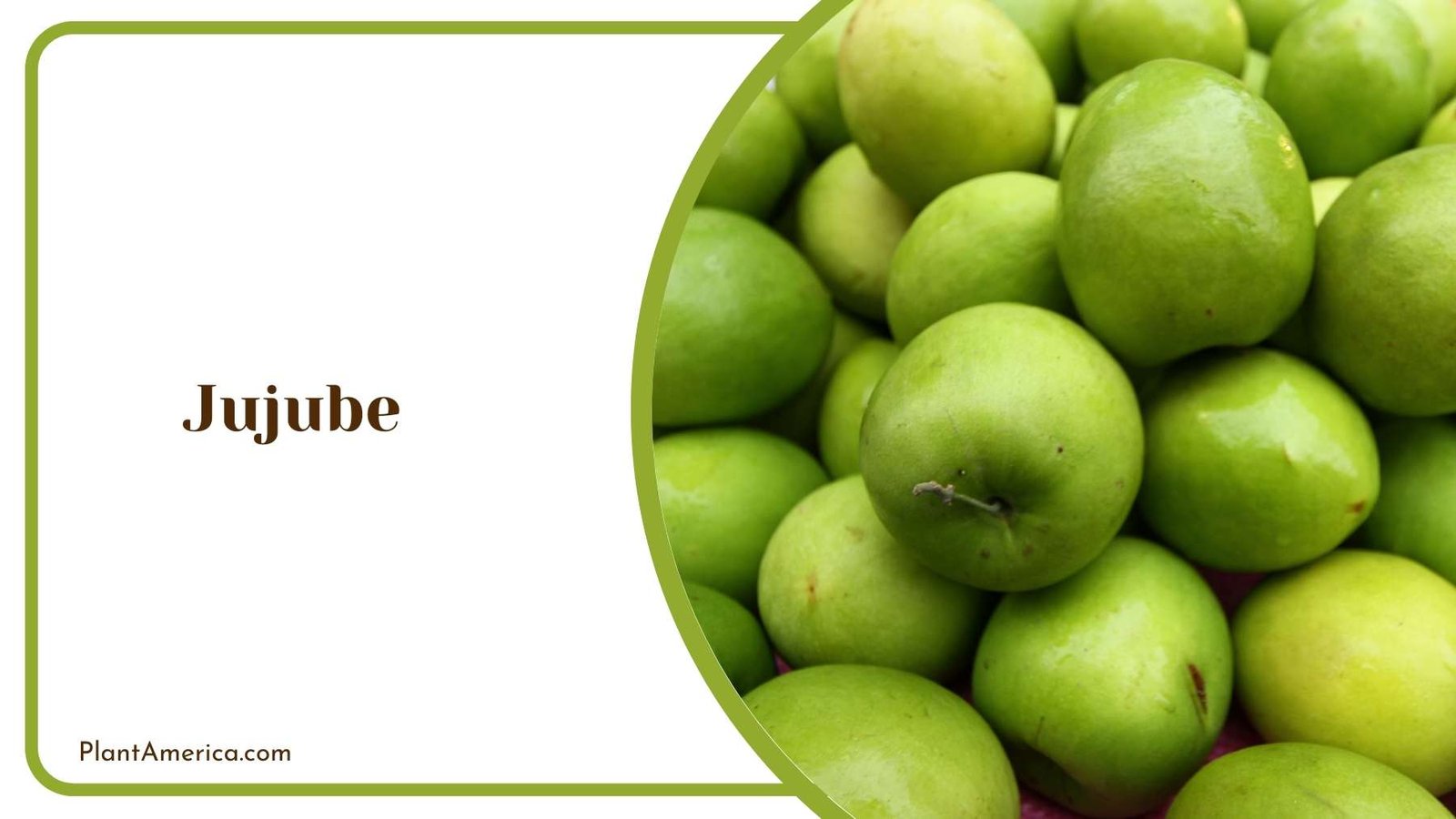
Jujubes offer a unique fruiting experience. Native to Asia, these drought-tolerant evergreen trees produce grape-sized dates that develop distinctive flavors when cultivated at home. For mild zones, select self-pollinating varieties like ‘Li’ or ‘Lang’. Plant in full sun, spaced 20 feet apart with rich, well-draining soil. In colder areas, look for dwarf ‘Emerald Gem’ cultivars.
Small white blooms in spring give way to green-skinned fruits resembling olives. These slowly morph into wrinkled brown dates by autumn, concentrating sugars. Jujubes taste pleasantly tart fresh but complexly sweet when dried or preserved.
Prune yearly to maintain size and shape. Beyond fresh eating, try candied dates, pastes or infused liquors. Jujubes earn their keep while decorating yards year-round with felted leaves. Their exotic yet easy cultivation makes them a unique home orchard selection.
11. Kiwi
- Growing Season: Late Spring to early fall
- Leaf Shape: Heart-shaped leaves, Alternating, Simple
- Specific Needs: Winter protection in colder areas, Support structure
- Common Pests: Vine mealybug, Kiwi beetle
Delicate kiwi vines reward gardens with abundant exotic fruits from late summer into fall. Native to Southeast Asia, kiwis prefer climates resembling their homeland of China yet thrive when trellised. Select early-bearing, cold-hardy ‘Anna’ vines. Provide sturdy structures for extendable tendrils to wrap around. Kiwis demand full sun and moisture-retentive soil amended with compost or manure.
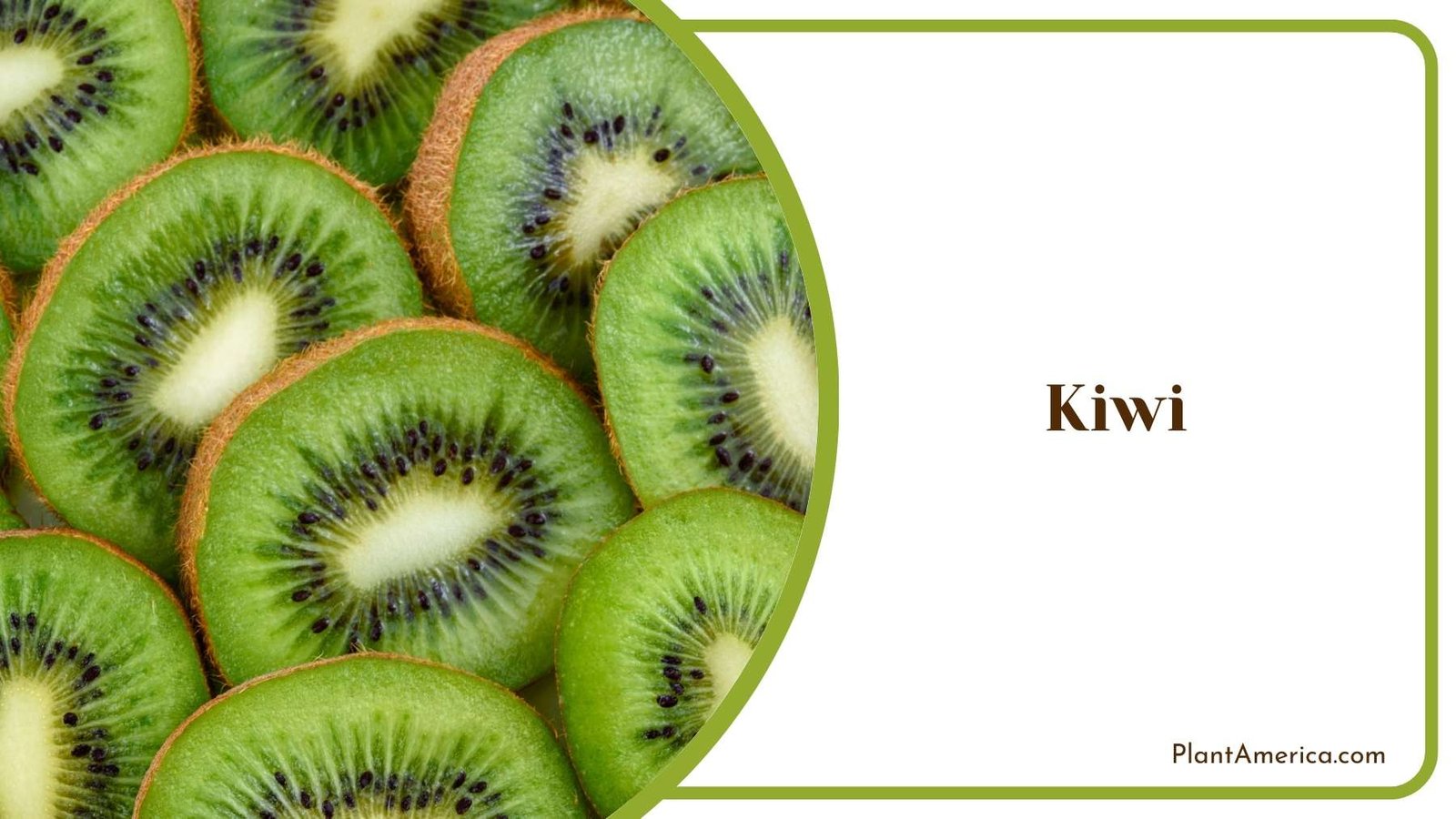
Oval green or golden fruits dangling in clusters emerge from waxy bell-shaped flowers. Inside, the kiwi’s vivid black seeds nest in tangy green flesh packed with vitamin C. Enjoy sections raw or blended into smoothies.
Prune vines after fruiting to control size. Diligently remove male and female flowers to focus energy on ripening larger kiwis. Their lush foliage provides shade, screening unattractive areas. Harvest extends flavor through late autumn, and nature’s natural amendments supplying winter vitamin stores. With modest care, kiwis grace yards with exotic productivity and beauty.
12. Loquat
- Growing Season: Early Spring to late spring
- Leaf Shape: Elliptical leaves with fine hairs below, Alternating, Simple
- Specific Needs: Well-draining soil, Full sun exposure
- Common Pests: Mealybugs, Spider mites
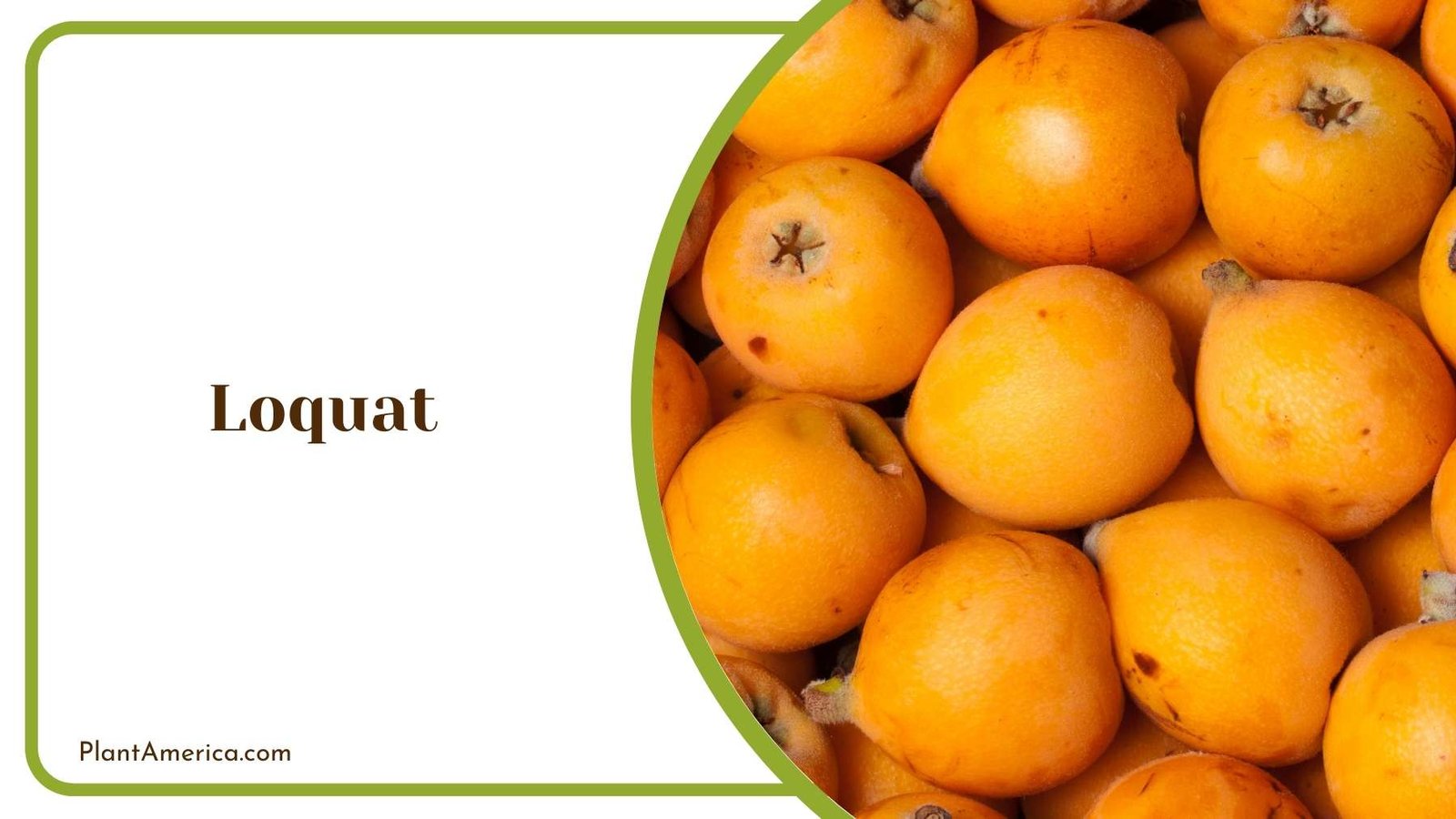
Loquats inject a tropical feel into temperate gardens. Hardy evergreen trees native to China, loquats produce golden orb fruits ideal for fresh eating in early spring. Select ‘Mamie Eisenhower’ cultivars suited to warm zones 8-10 growing 15-30 feet tall. Plant in full sun, spacing 10-15 feet apart with rich, alkaline soil. Loquats require irrigation during dry spells.
Before leaves emerge, dangling loquats resemble small apricots. Their aromatic flesh resembles a cross between peach and citrus. Enjoy raw for their sweet-tangy taste, or incorporate into chutneys preserving the season.
Trees require minimal pruning, thriving when mulched. Their glossy oval leaves decorate yards year-round. Come late winter when little else grows, loquats treat the early riser with nature’s first sweet delicacy ripened by the sun’s warmth. Unique and rewarding, loquats lend beauty and nourishment to any warm climate landscape.
13. Mulberry
- Growing Season: Spring through Summer
- Leaf Shape: Lobed leaves with coarsely-toothed margins, Alternating, Simple
- Specific Needs: Well-draining soil, Full sun
- Common Pests: Leaf spot, Mulberry moth
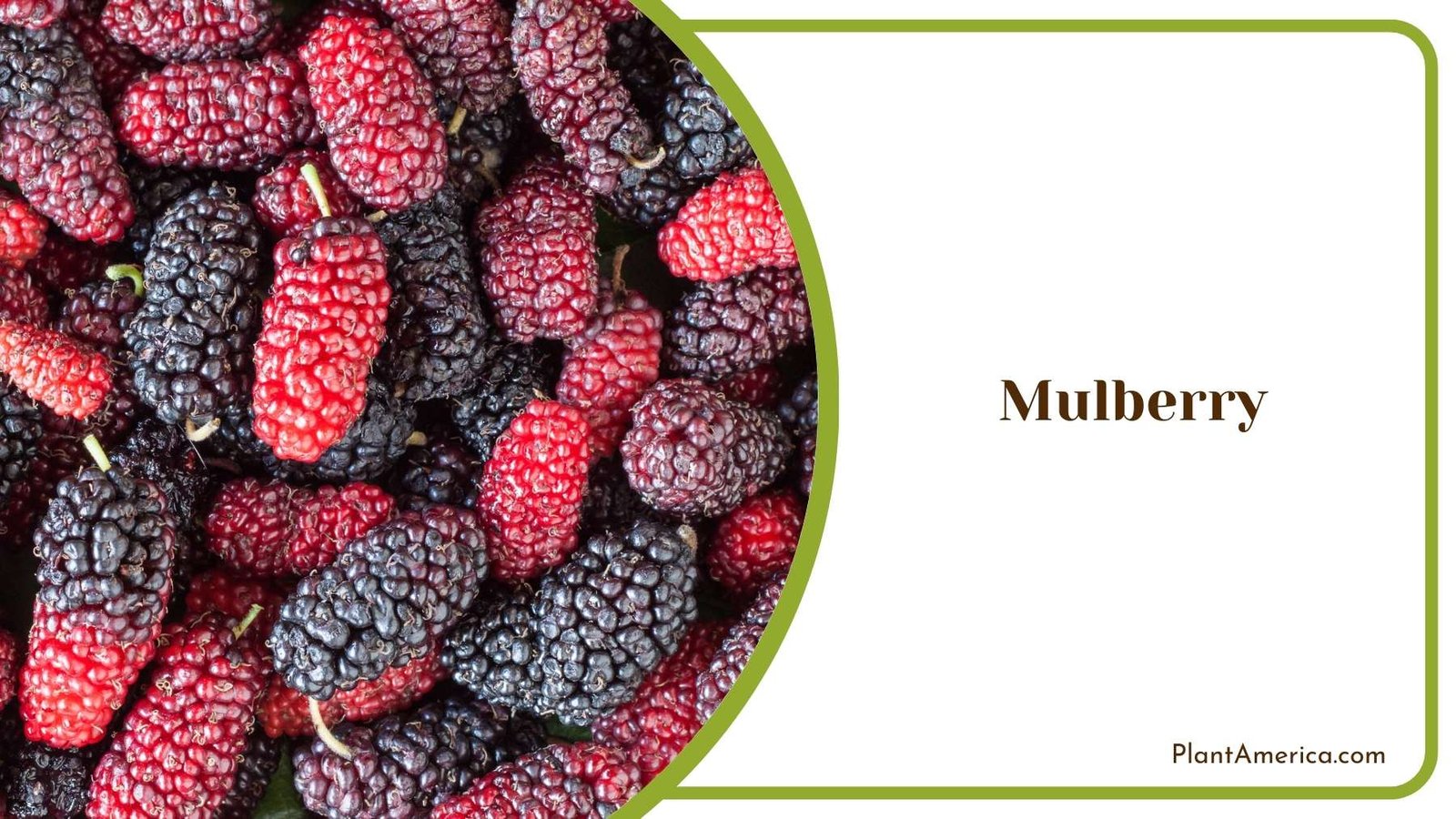
Mulberry trees seduce homesteads with their easy culture and abundant soft berry crops. Adaptable to various conditions, mulberries originate from Asia yet thrive worldwide. Select hardy cultivars like ‘Illinois Everbearing‘ producing distinctive white, pink or black fruits from late spring into summer. Mulberries grow rapidly but may require ample spacing, eventually reaching 40+ feet tall.
Their deep spreading root systems demand consistent moisture in any well-draining soil. Young trees require staking until established. Come early summer, lightly fragrant mulberries dangle for hand-picking straight from leafy branches.
Prune lightly to maintain structure. Beyond snacking, mulberries star in crumbles, preserves or wine. Birds love them too, so cover crops if intending for human use. Their broad crowns lend cooling shade. Come fall, trees gleam rusty tones signaling their years of care amply repaid. Mulberries indulgence while beautifying landscapes with minimal demands.
14. Olive
- Growing Season: Fall harvest, Year-round plant
- Leaf Shape: Grayish green to blue-green, Alternating, Simple leaves with an entire margin
- Specific Needs: Well-draining soil, Full sun
- Common Pests: Aphids, Olive psylla
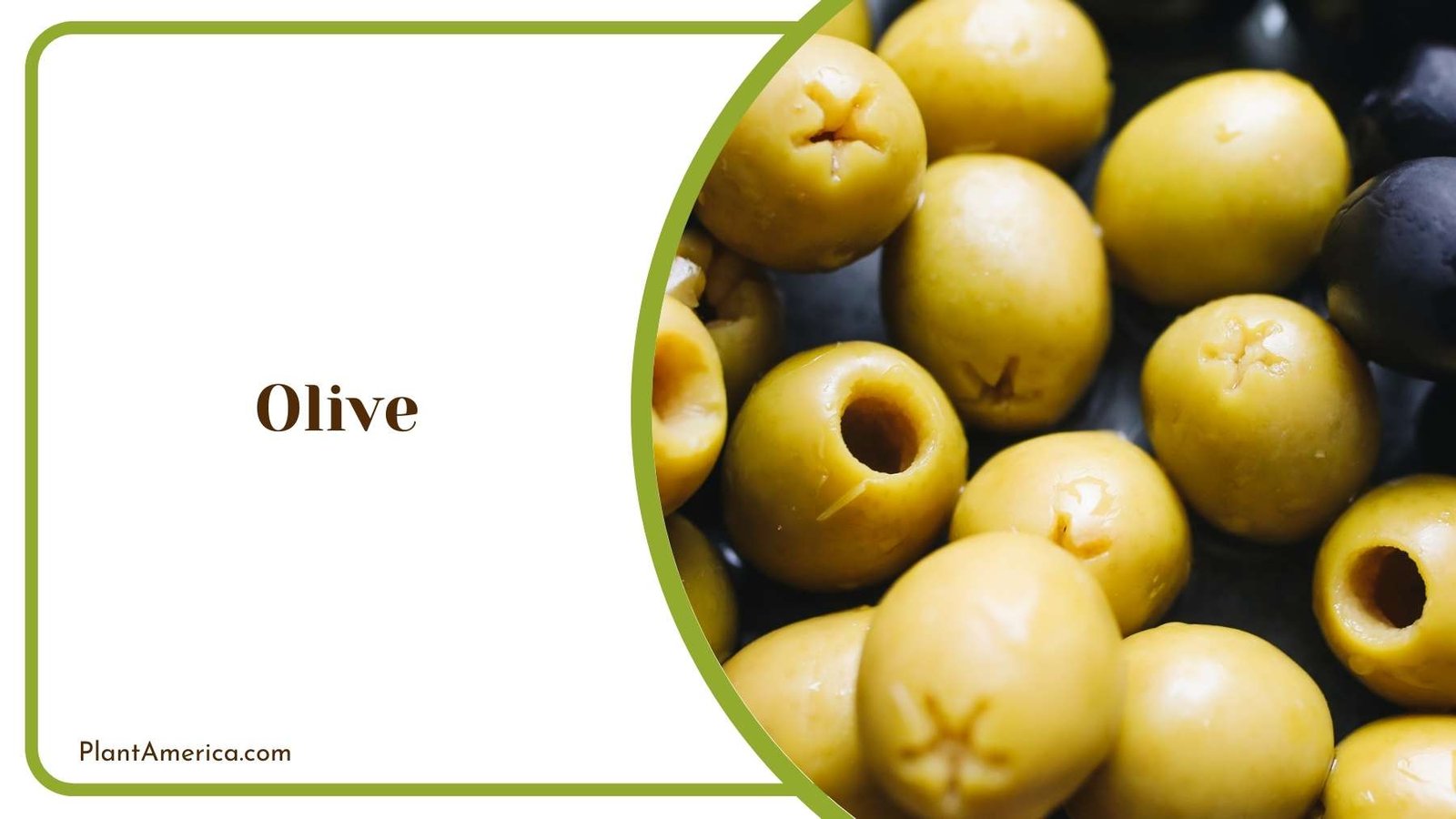
Olives spread roots deep into place and culture. Originally from Mediterranean regions, these long-lived evergreen trees express history through fruity harvests requiring patience to enjoy. Select self-fertile varieties like ‘Manzanillo’ well-suited for warmer climates. Plant young trees 15-20 feet apart in full sun, amending soil heavily with compost or limestone. Olives withstand drought once established.
It takes 3-5 years for new trees to set modest crops. Over a decade, yields increase drastically. In fall and winter, plump green-gray olives purpling with ripeness signal the start of harvesting. Cured properly, their pleasantly bitter essence shines.
Prune lightly annually to maintain form. Beyond fresh eating, try tapenade spread, herbed salt-cured olives or infused oils capturing their essence. Olives demand faith but repay gardeners with resilient beauty and culinary legacy. In climates matching ancestral groves, they belong among long-lived staple fruit trees.
15. Peach
- Growing Season: Summer
- Leaf Shape: Oval leaves with finely-toothed margins, Alternating, Simple
- Specific Needs: Well-draining soil, Full sun
- Common Pests: Peach tree borer, Plum curculio
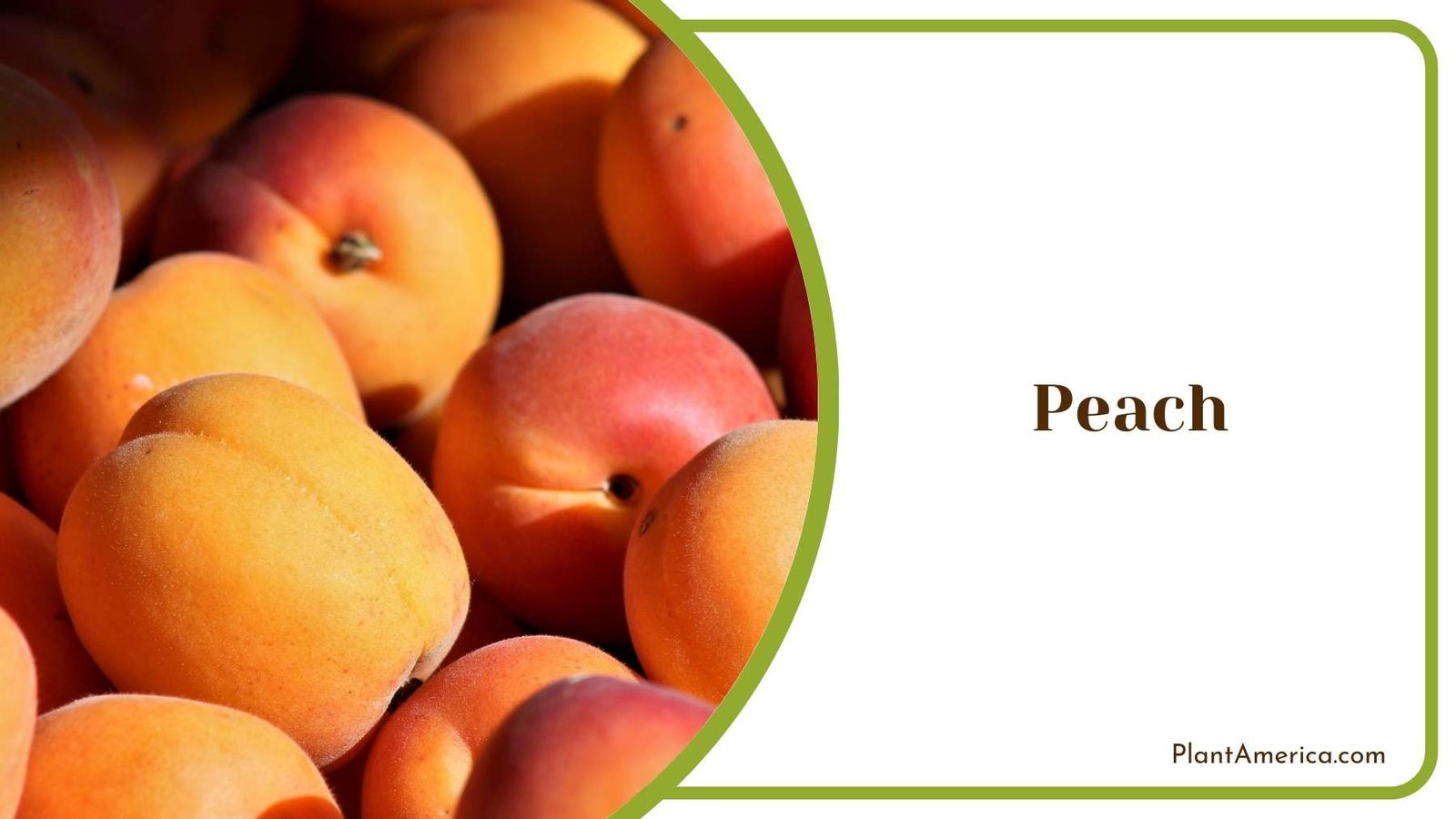
Peach orchards capture subtropical vibrancy suitable for temperate climates worldwide. Originating in China, these deciduous fruit trees blossom springtime beauty transitioning to summer’s soft delights.
Home orchards thrive with early-bearing hardy cultivars like ‘Reliance’ or ‘Cresthaven’. Plant young trees 15-20 feet apart receiving full sun. Peaches want moisture-retentive soil rich in organic matter.
In spring, blushing blooms release fragrance. By July, peaches dangle ripe for snacking, with hues from creamy to vibrant red. Their melting flesh surrounds a central pit. Enjoy fresh or in pies revealing summer’s sweet core.
Prune annually to encourage productive structure. Peach leaves emerge burgundy, maturing to deep green then luminous orange-red in fall. Their season is fleeting yet grounds spirits in summer’s prime bounty. With care, peach trees grace backyards with lasting perennial beauty and nature’s candy.
16. Pear
- Growing Season: Late Summer to early fall
- Leaf Shape: Oblong leaves with margins, Alternating, Simple
- Specific Needs: Well-draining soil, Full sun
- Common Pests: Pear rust, Pear psylla
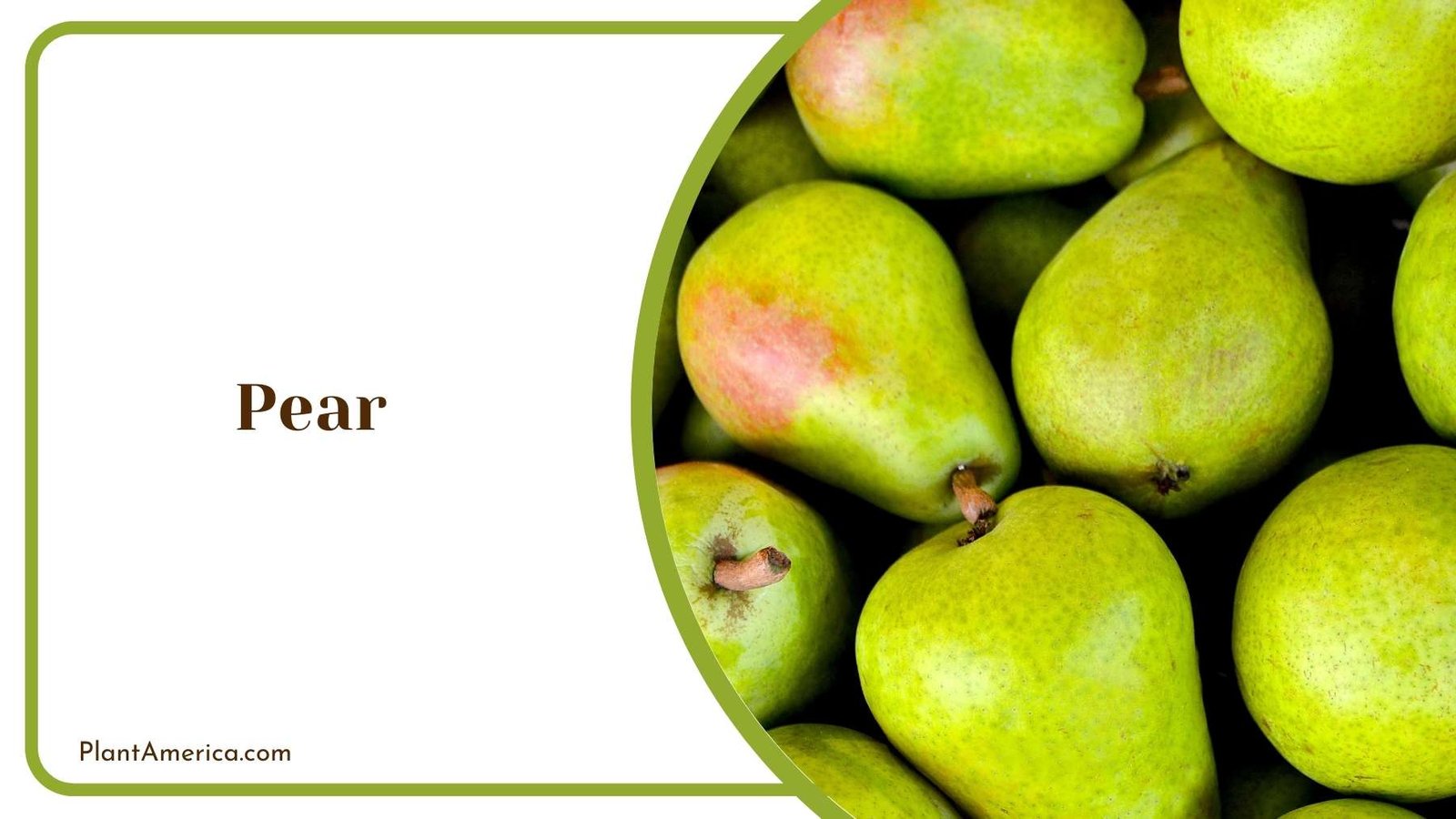
Pears embody understated elegance in home orchards and landscapes. Originating in Asia, these temperate-climate trees produce crisp fruits to savor straight from branches or preserve for winter enjoyment.
Choose dwarf varieties like ‘Bartlett’ or disease-resistant cultivars to suit your climate and space. Plant trees 15-20 feet apart in full sun, keeping soil rich, moist and well-draining. Pears require chill hours to initiate fruiting.
By late summer, tapering pears ripen from green to golden hues signaling readiness. Enjoy fresh or utilize in tarts showing summer’s prudent harvest. Their sweet yet tart flesh and juiciness inspire culinary creativity.
Prune lightly in winter to maintain health and production. Serpentine branches form elegant weeping silhouettes. Fall brings luminous foliage tinting yards in warm hues. With care over decades, pears anchor homesteads with stately seasonal splendor and sustenance.
17. Persimmon
- Growing Season: Fall
- Leaf Shape: Elliptic to obovate leaves, Alternating, Simple
- Specific Needs: Heat tolerance, Full sun
- Common Pests: Persimmon borer, Japanese beetle
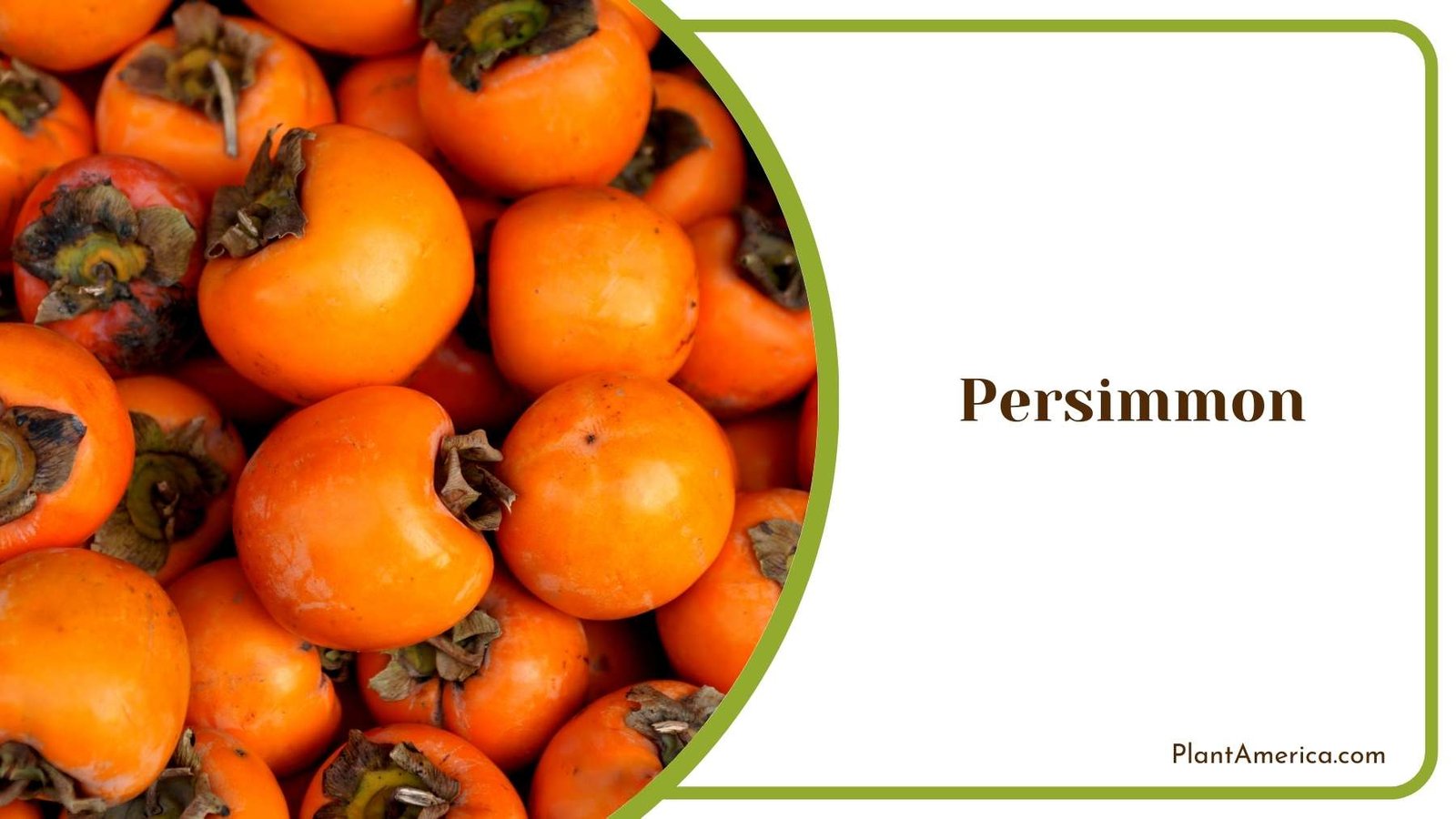
Persimmons lend exotic beauty and sweet autumn snacks to any yard. Native to Asia but thriving worldwide, persimmon trees emerge as low-maintenance standouts. For climates lacking hard freezes, select self-fertile non-astringent varieties like ‘Fuyu’ bearing plum-sized golden-orange fruits. Trees grow slowly yet live over 100 years. Space 10-15 feet apart in full sun with well-draining soil.
By late fall, peaked persimmons ripen fully soft to the touch, ready for out-of-hand enjoyment. Their gelatinous flesh bursts with honeyed exotic flavor. Leave astringent kinds on trees until after the first frost for ideal texture.
Prune lightly to encourage structure. Serpentine branches and large heart-shaped leaves ornament landscapes year-round. Come cool evenings, persimmons’ warm tones glow nurturing winter spirit. With care, these unique fruit trees reward for generations with autumnal display and gifts.
18. Plum
- Growing Season: Summer
- Leaf Shape: Oval leaves with finely serrated margins, Alternating, Simple
- Specific Needs: Well-draining soil, Full sun
- Common Pests: Oriental fruit moth, Plum curculio
Plum trees flourish with minimal demands yet reward homesteads abundantly. Originating in Asia, these deciduous trees capture spring’s blooming promise fulfilled by summer’s soft fuzzy delights.
Select hardy, disease-resistant European cultivars suited to climate such as ‘Methley’ or ‘Shiro’. Space young trees 15-20 feet apart receiving full sun to develop productive canopies. Plums prefer well-draining soil rich in organic matter.
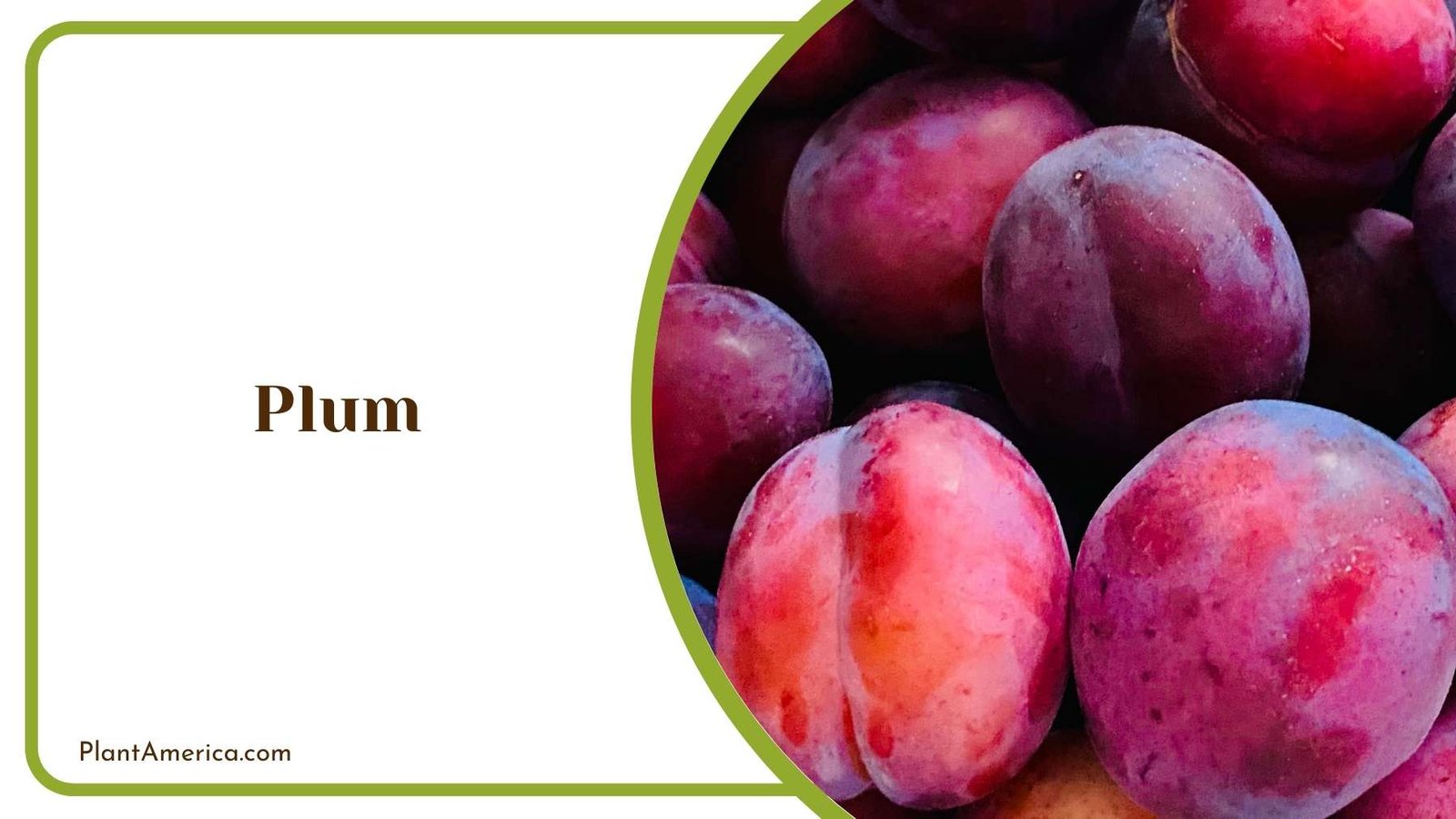
By late summer, dangling fruits ripen through hues signaling ripeness from emerald to vibrant red. Savor fresh plums for their melting flesh bursting with sharp sweetness. Enjoy raw or in crisps pairing summer’s fleeting splendor.
Prune lightly yearly to thinning. Plum leaves emerge burgundy maturing to deep green providing dappled shade. Come fall, their hues illuminate landscapes in warm crimson and gold. With care, plums weave beauty and abundance into the homesteads landscape. Their delicate charms greet warm months then rest until blooming again.
19. Pomegranate
- Growing Season: Late Summer to early winter
- Leaf Shape: Leathery elliptical leaves, Alternating, Thick
- Specific Needs: Well-draining soil, Full sun
- Common Pests: Mites, Weevils
Pomegranate trees transport home orchards to subtropical splendor with minimal demands. Beloved plants of Middle Eastern antiquity, pomegranates bear jewel-like fruits ideal for fresh celebration or preservation.
Choose self-fertile varieties like ‘Wonderful’ thriving in arid climates from zones 8-10. Space trees 10-15 feet apart where soils drain freely while amended heavily with compost. Pomegranates withstand heat and drought well.
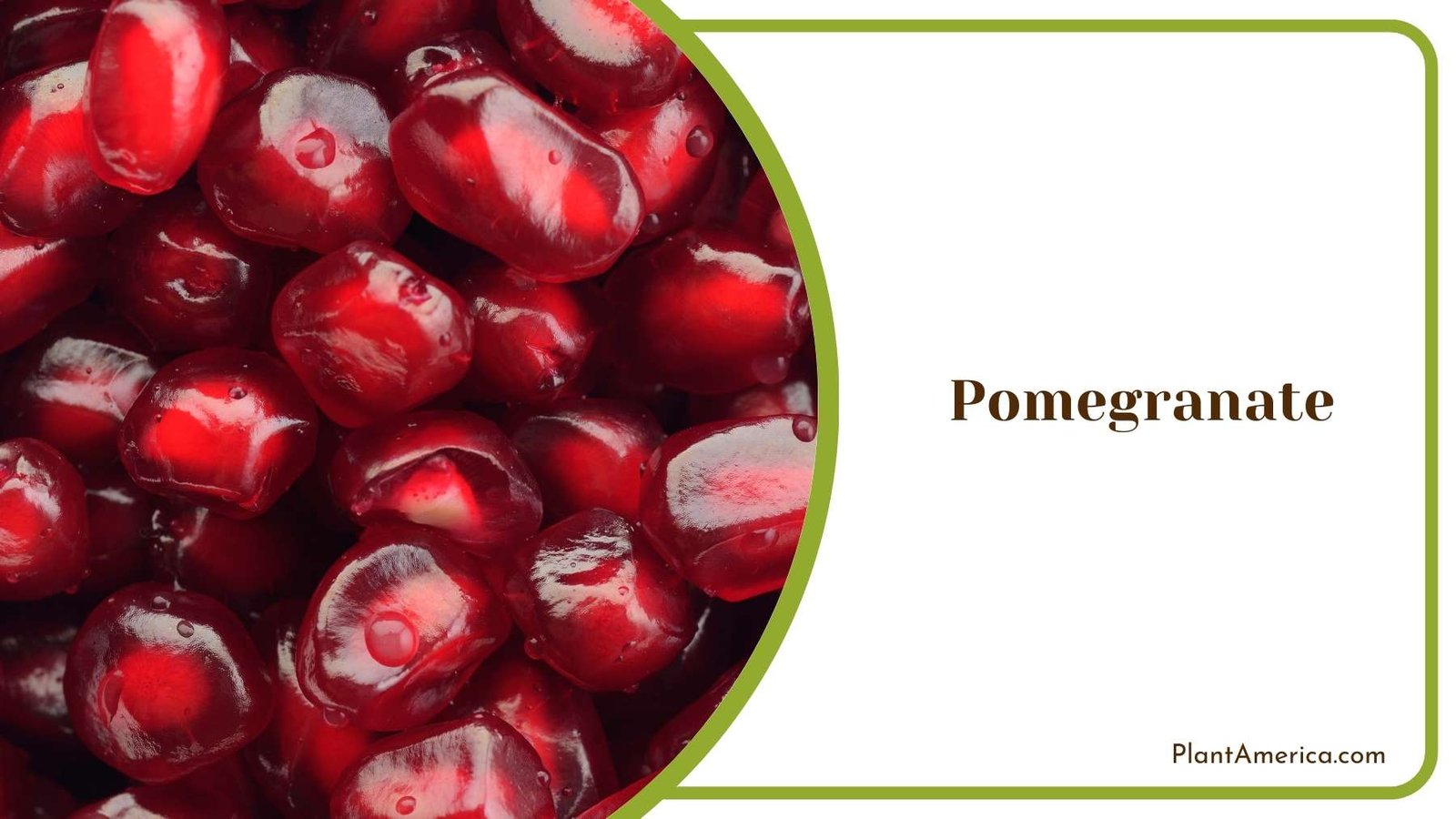
Arching branches bear vivid red fruits resembling vibrant lanterns signaling ripeness from September into November. Biting into their leathery rinds unleashes a ganglia of edible seeds immersed in tangy ruby juice. Enjoy fresh or from jams capturing summer on the winter table.
Prune lightly for size and shape. Branches gracefully arch forming an ideal screen or accent. Their rich glossy leaves provide cooling shade. Come winter solstice, pomegranates signify renewal and good fortune for the new year blooming under warm sun. With care, they lend exotic ornaments to any garden.
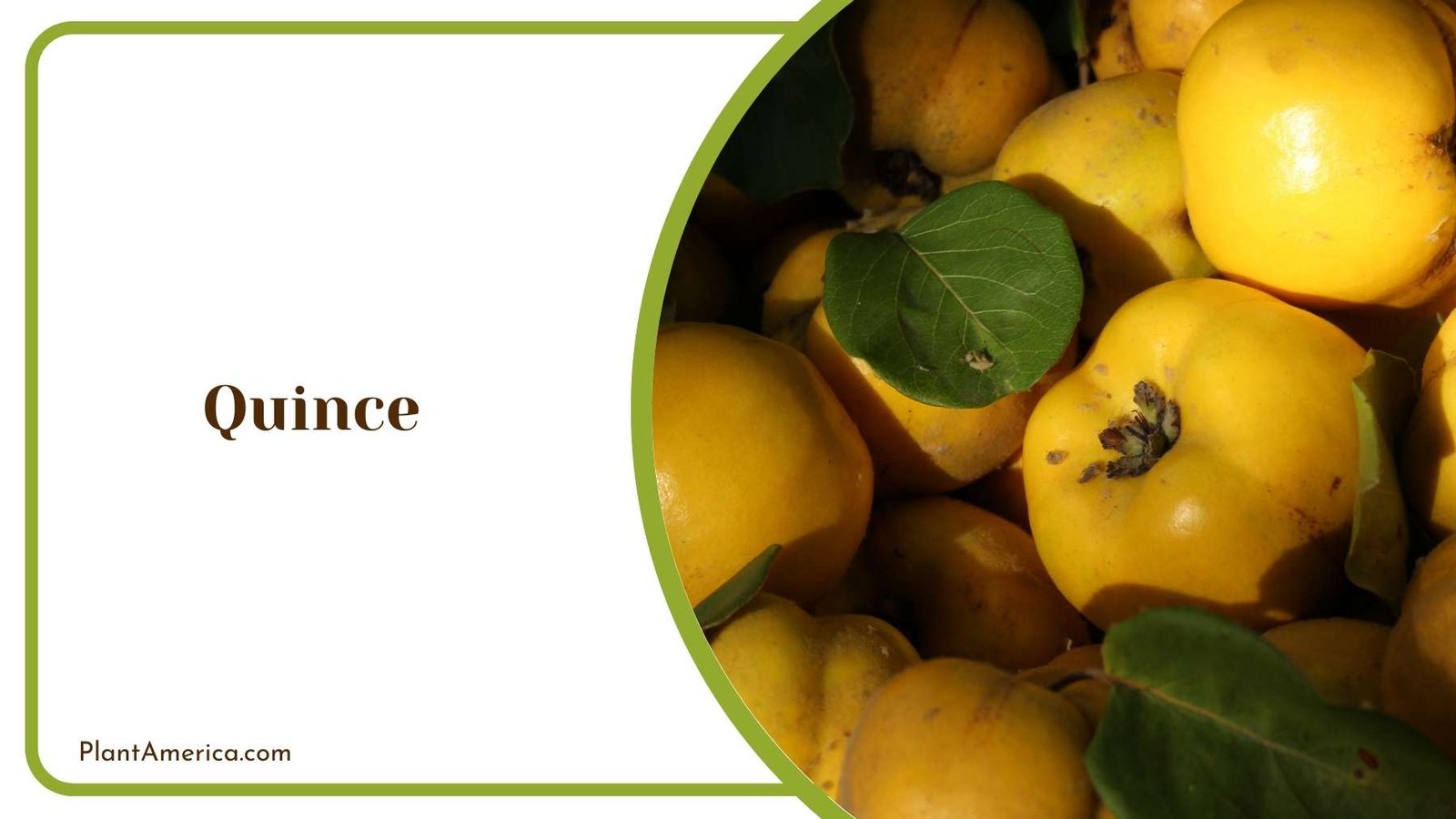
20. Quince
- Growing Season: Late Summer to early fall
- Leaf Shape: Oval leaves with shallowly-lobed margins, Alternating, Simple
- Specific Needs: Tolerant to poor soils, Full sun
- Common Pests: Quince rust, Spider mites
The quince lends aromatic blooms and culinary delights to home orchards. Originating in Western Asia, these small trees produce decorative blossoms followed by knobbly, aromatic fruits. Select low-chill varieties suited for warm climates, like ‘Aromatnaya’ bearing golden quince. Space 10-15 feet apart in full sun with well-draining soil. Quince thrives with minimal care once established.
Come spring, clusters of delicate pink blooms perfume the air with subtle flavor foreshadowing fall’s harvest. By late autumn, dull green fruits take on subtle blush tones signaling ripeness. Peel back their downy skins to reveal golden pearlescent flesh.
Enjoy quince raw for their floral scent and astringent pop. More traditionally, they star in membrillo or in savory quince sauce to accompany meats. Come the first frost, the quince’s ruddy branches offer habitat for birds through winter. With care, their delicate blooms and fruits lend aromatic grace to home orchards through the seasons.
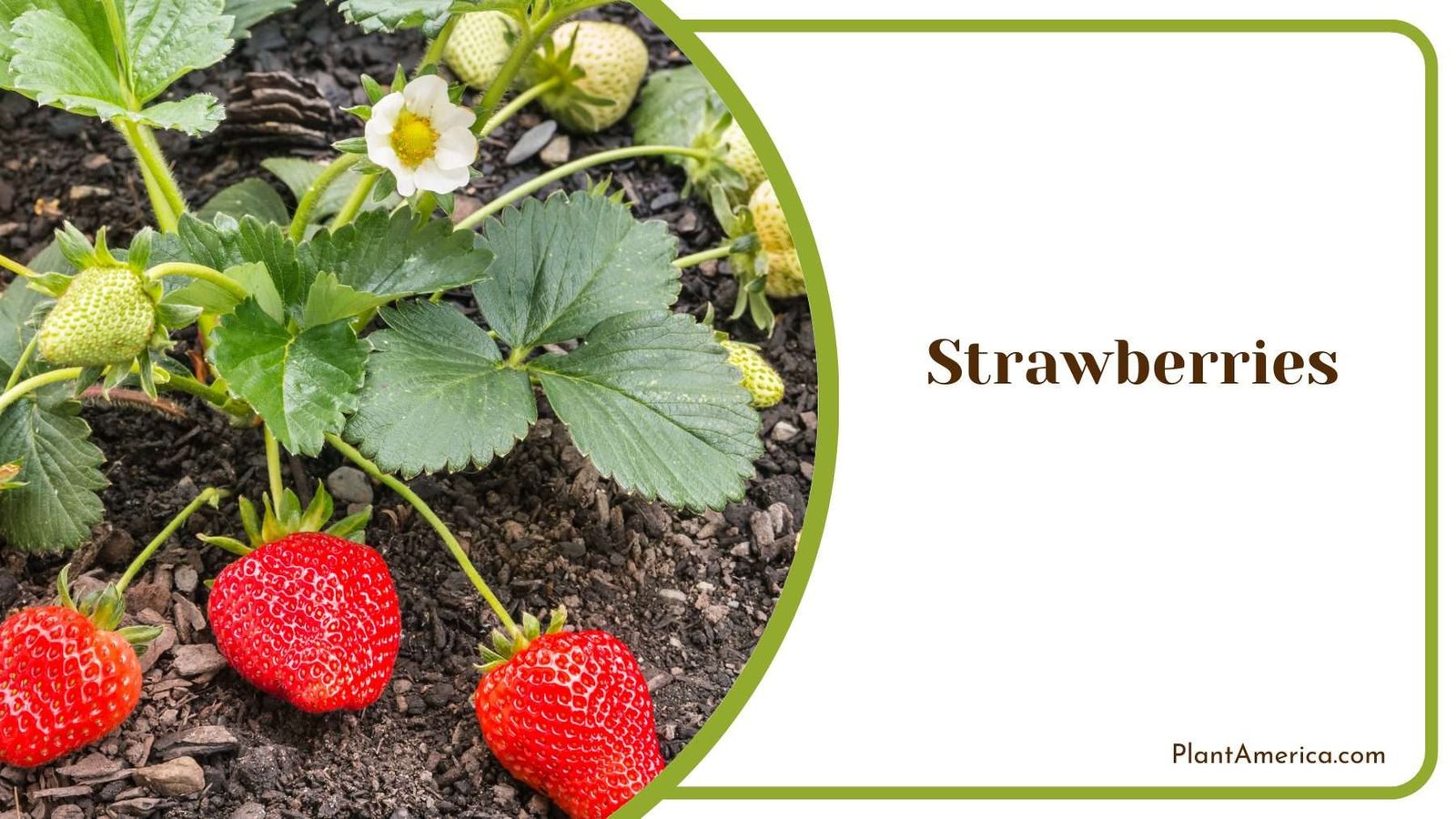
21. Strawberry
- Growing Season: Early Spring to late spring
- Leaf Shape: Three leaflets and paired stipules, Alternating, Trifoliate leaves
- Specific Needs: Rich organic soil, Full sun exposure
- Common Pests: Sap beetles, Leather rot
Nothing says spring like sweet strawberries fresh from the garden. Originally from North America, these perennial herbs thrive worldwide with their low-growing runners bearing succulent red fruits. Choose June-bearing or everbearing cultivars suited for your climate. Space 1-2 feet apart receiving full sun. Strawberries want rich, moisture-retentive soil amended with compost.
Come May, dainty white blossoms emerge, swelling into plump berries ripening from green to intense red over days. Their sweet succulence invites hand-picking to enjoy right away. Kids love helping harvest nature’s candy!
Mulch plants to retain soil moisture and suppress weeds. Renew mulch yearly to replenish nutrients strawberries demand. Come fall, frilly foliage provides habitat for birds and bugs. With care, strawberries grace gardens year after year with harbors for wildlife and nature’s finest sweet snacks.
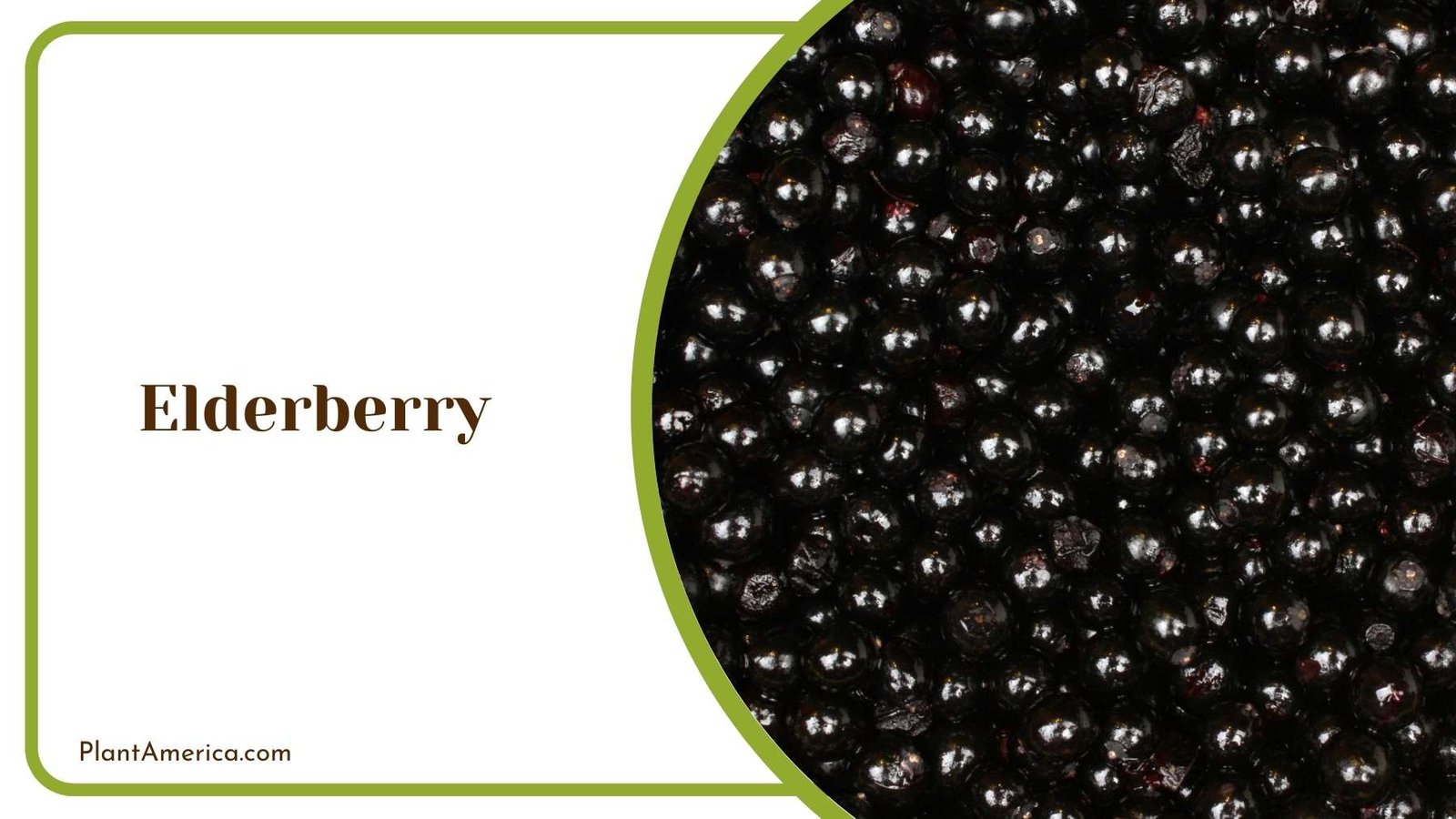
22. Elderberry
- Growing Season: Late Summer to early fall
- Leaf Shape: Five to 11 toothed leaflets, Alternating, Pinnately compound leaves
- Specific Needs: Moist, fertile soil, Full sun to partial shade
- Common Pests: Powdery mildew, Japanese beetle
Elderberry shrubs captivate homesteads with vibrant summer blooms developing into autumn’s dark edible clusters. Native to Europe and Asia, these hearty deciduous shrubs flourish worldwide.
Select varieties ripened for your climate, like ‘Adams’ bearing plentiful dark berries. Space 5-10 feet apart in full sun to partial shade with moisture-retentive soil. Elderberries tolerate drought, neglect, and poor soils once established.
In June, snowy-white blooms dust shrubs with cottage garden charm. By August, greenish drupelets on curved stems ripen to jet-black signaling readiness for harvesting. Pockets pack with tang and antioxidants in jams, syrups, or wines capturing summer’s essence.
Come fall, vibrant stems decorated by remaining berries provide contrast and wildlife habitat through winter. Elderberries sustain ecosystems while delighting enthusiasts season after season needing little more than sun and space to thrive.
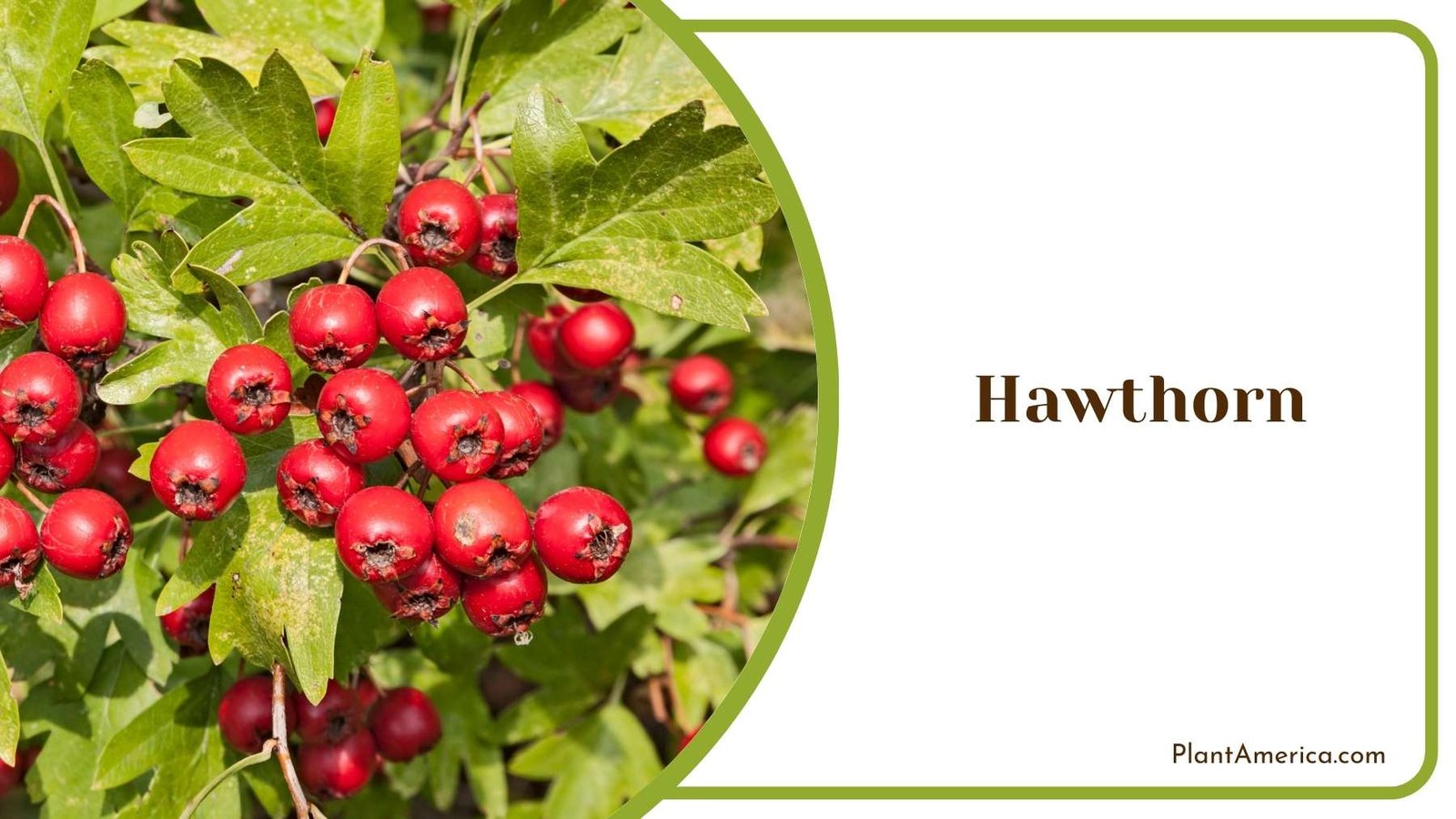
23. Hawthorn
- Growing Season: Spring
- Leaf Shape: Oval to elongated with fine teeth or lobes, Alternating, Simple leaves
- Specific Needs: Tolerates a wide range of soils, Full sun
- Common Pests: Scale insects, Hawthorn lace bug
Hawthorn trees and shrubs lend structural beauty with subtle rewards to any landscape. Native throughout Northern Hemisphere regions, these relatives of roses produce showy blooms and edible crimson poems.
Choose ornamental varieties hardy for your area with desirable growth habits, like Chinese hawthorn bearing fragrant white blooms. Space 8-10 feet apart in full sun receiving well-draining soil if possible. Hawthorns tolerate different conditions.
In spring, clusters of pointed buds reveal intricate white or pink blooms perfuming the air. Summer leaves emerge lobed and dark green. By fall, green apples swell and ripen to intense scarlet signaling harvest. Enjoy raw or in recipes utilizing nature’s red gems.
Hawthorns serve as ideal wildlife habitats and screens. Come winter their intricate branching patterns stand out against snow. With undemanding care, hawthorns prove themselves versatile ornamentals bearing hidden treats appreciated by birds and enthusiastic foragers.
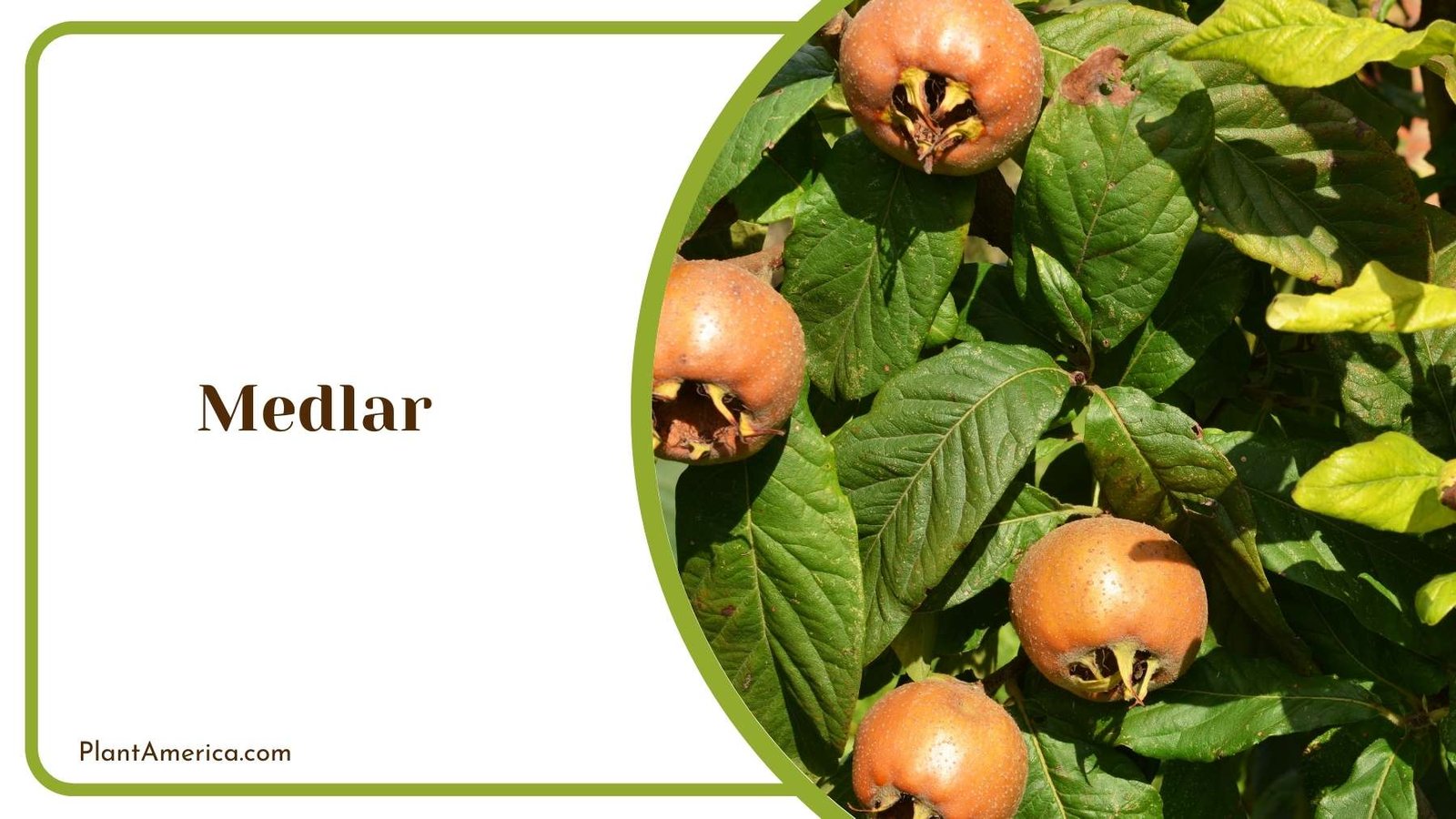
24. Medlar
- Growing Season: Fall
- Leaf Shape: Oval leaves hairy beneath with finely-toothed margins, Alternating, Simple
- Specific Needs: Tolerates a wide range of soils, Full sun
- Common Pests: Spider mites, Medlar sawfly
Medlar trees transport home orchards to Old World charm with diminutive unusual fruits. Originally cultivated by ancient Greeks and Romans, these small trees thrive in zones 6-9. Choose self-fertile, cold hardy varieties like ‘Nottingham’ producing 1-2 inch chestnut brown fruits. Space 10-15 feet apart receiving full sun to develop branching structure. Medlars prefer rich, moisture-retentive soil.
By late fall, medlar fruits resemble misshapen rose hips. Harvesting during the first frost causes softening and “bletting,” developing cream-colored flesh within. Enjoy softened fruits raw for their cider-like flavor or preserved for winter delights.
Medlar leaves emerge serrated and ovate, turning burnished shades come frost. Their intricate gnarled branches sculpt whimsical winter silhouettes even bare. With care, medlars transport kitchen gardens to pastoral nostalgia producing unique harvested delights out of season.
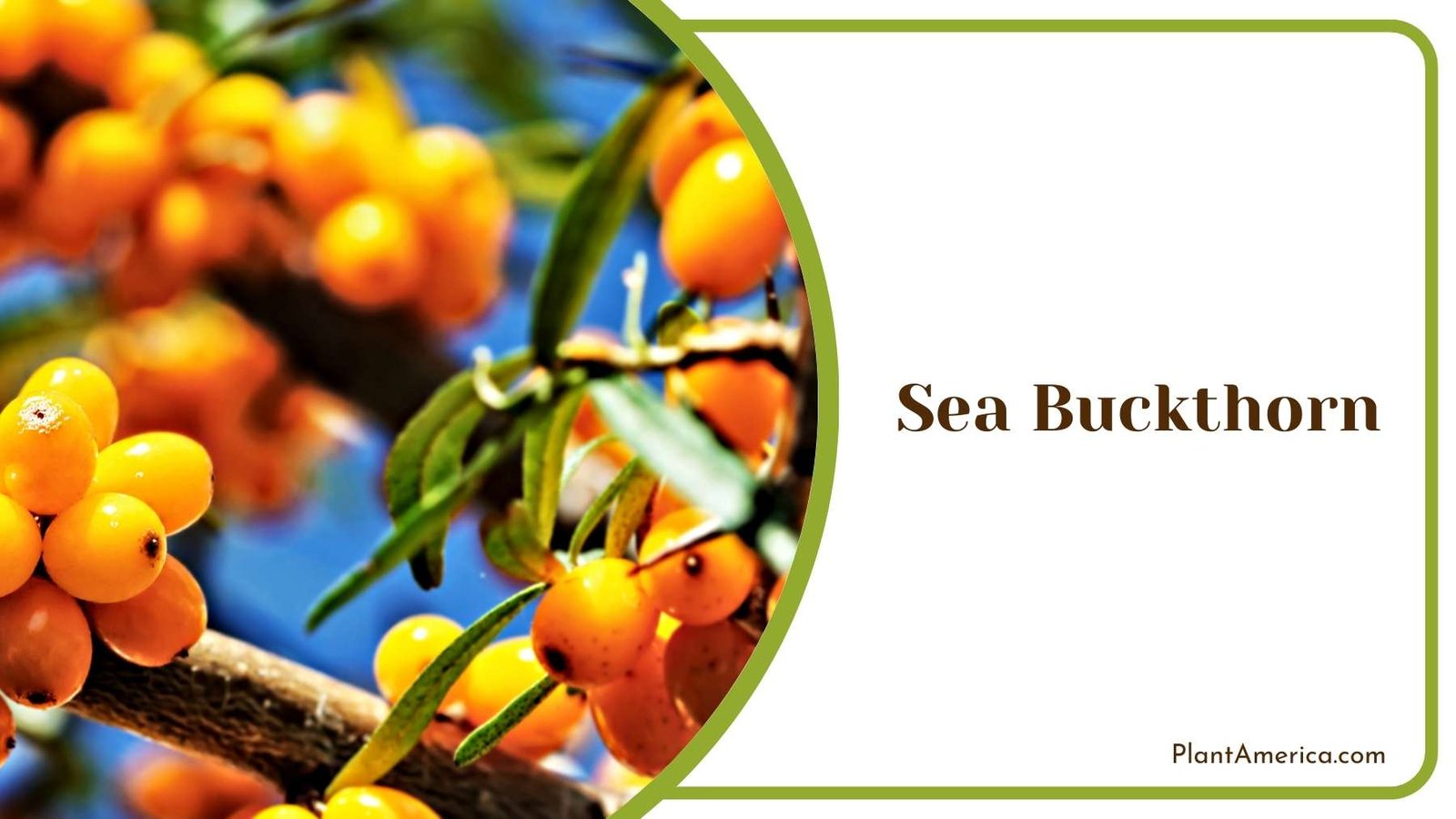
25. Sea Buckthorn
- Growing Season: Summer
- Leaf Shape: Silvery to gray-green beneath with fine hairs, Alternating, Lanceolate leaves
- Specific Needs: Salt spray tolerance, Full sun
- Common Pests: Bacterial blight, Spider mites
Sea buckthorn shrubs flourish on coastlines worldwide, imparting nutritional gold and habitat. Native to Europe and Asia, their striking orange berries and resilient nature inspire integrated landscapes.
Choose hardy varieties adapted for your climate like ‘Beta’ bearing abundant nutritious berries. Space 2-5 feet apart in full sun with well-draining soil and ample moisture. Sea buckthorns tolerate salt spray, wind, and poor soils.
In fall, spiny branches show off vibrant orange-red berries Decorating the shrubs like miniature Christmas lights. Harvest to enjoy fresh or preserve their antioxidant powerhouse jelly-like flesh with vitamins A, C, and E.
Sea buckthorns provide shelter as nesting cover and nesting material for birds. Their foliage turns shades of crimson in autumn. Bare branches weave mazes mimicking coral reefs through winter. With care, sea buckthorns add structure, nutrition and habitat benefitting ecosystems and inhabitants alike.
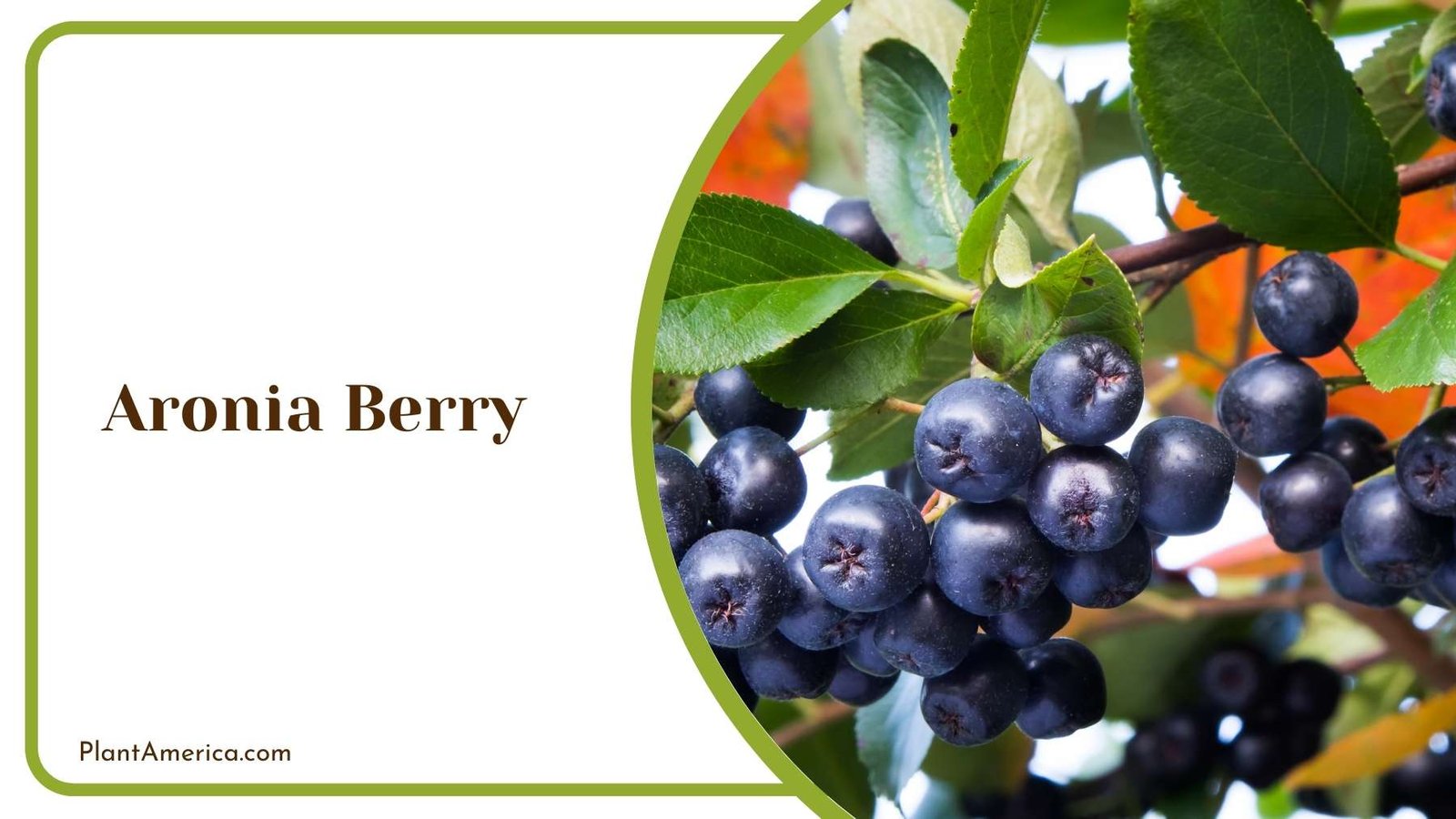
26. Aronia Berry
- Growing Season: Late Summer to early fall
- Leaf Shape: Oval leaves turning purple in fall, Alternating, Simple
- Specific Needs: Well-draining soil, Full sun to partial shade
- Common Pests: Japanese beetle, Leaf spot
Aronia shrubs thrive with little fuss yet reward enthusiastically, bearing nutritious deep purple berries beloved by birds and people. Native to Eastern North America, these deciduous bushes grow hardy even in harsh conditions.
Choose self-fertile, pest-resistant cultivars suited for zones 3-9, like ‘Viking’ heavy with berries. Space 3-5 feet apart receiving full sun with rich well-draining soil. Aronia tolerates drought, wind and neglect once established.
By late summer, umbels of tiny white flowers develop into glossy dark berries resembling blueberries but packing more antioxidants. Harvest through fall as berries deepen to intense purple black signaling peak ripeness. Savor fresh or preserve jams treasuring aronia’s tart taste.
Come winter, aronia’s burgundy leaves deliver structural interest. Birds feast then spread Nutritional seeds and habitat value through fallow months. With minimal care aronia thrive producing beautiful useful berries indulging gardeners and wildlife alike.
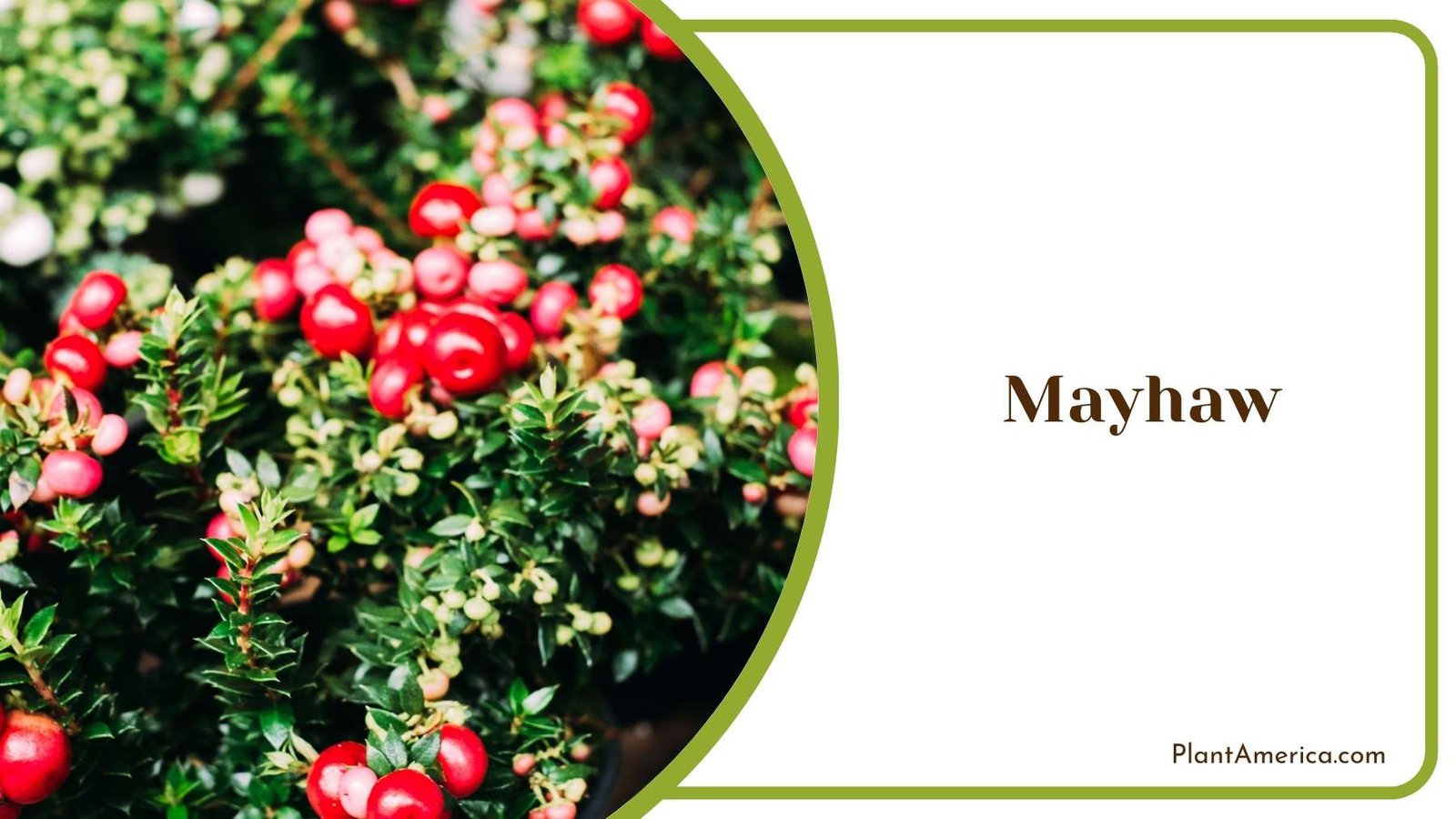
27. Mayhaw
- Growing Season: Spring blossoms, Late Spring fruits
- Leaf Shape: Elliptical leaves with finely-toothed margins, Alternate, Simple
- Specific Needs: Well-draining soil, Full sun
- Common Pests: Fire ant, Nematodes
Native to Southeast woodlands, mayhaw trees and shrubs thrive with minimal care yet reward generously. These small wild relatives of hawthorn produce edible rose hip-like fruits beloved by people and wildlife.
Look for varieties adapted to your climate and soil conditions, preferring well-draining acidic environments. Space 6-10 feet apart receiving full sun. Mayhaws withstand heat, humidity and neglect once established.
In spring, clusters of tiny white flowers emerge followed by green fruits ripening through summer to brilliant crimson red come fall. Harvest to enjoy fresh or stellar jellies showcasing mayhaws’ sweet yet tart pulp enclosed in lantern-like structures.
Come winter, mayhaws’ twisted branches hold architectural interest blanketing the ground with shed bark. Their roots stabilize erosion-prone environments benefitting neighbors. With care, mayhaws impart forgotten regional flavors, wildlife habitat and low-maintenance character to pastoral landscapes.
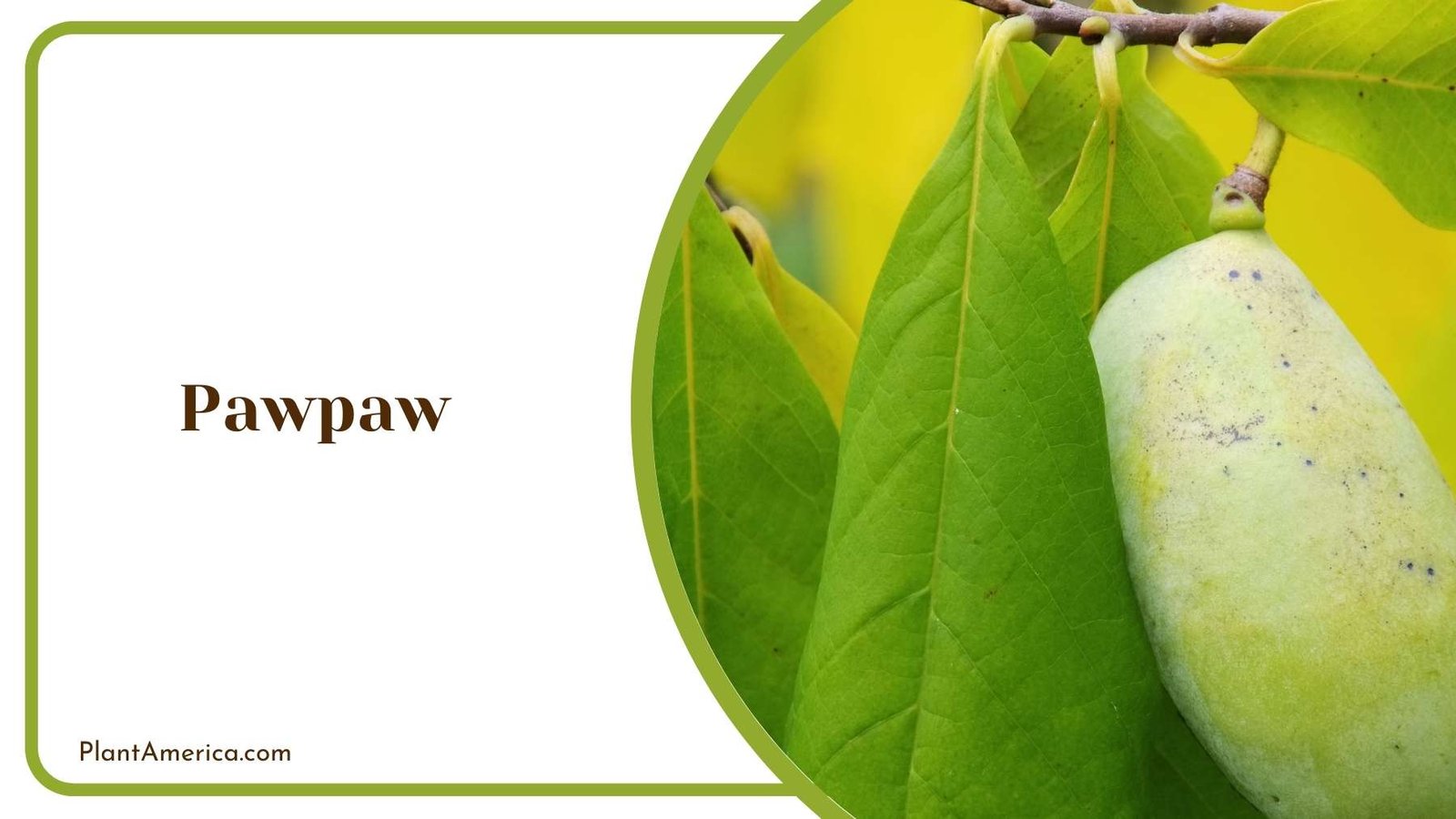
28. Pawpaw
- Growing Season: Late Summer to early fall
- Leaf Shape: Oval leaves with fine hairs, Alternating, Simple
- Specific Needs: Protection from late frosts, Full sun to partial shade
- Common Pests: Pawpaw fruit fly, Spider mites
Pawpaw trees entice homesteads with exotic banana-flavored fruits and tropical appeal flourishing even in temperate climates. Native to Eastern woodlands, these small trees produce delicious pulpy berries relished by humans and wildlife.
Select disease-resistant cultivars suited to your growing zone like ‘Susquehanna’ bearing generously. Space 15-20 feet apart where soils drain freely and receive afternoon shade if extremely hot. Pawpaws tolerate different soil and moisture conditions.
By late summer, dangling clusters of maroon bell-shaped flowers emerge followed by green oval fruits swelling towards fall. Golden flesh transforms from crunchy to creamy texture at the peak of ripeness. Enjoy raw or incorporated into creative treats.
Come winter, peeling bark reveals camouflage patterns with unique characteristics. Their sturdy yet graceful architecture provides nesting spots. Pawpaws impart tropical treasures with minimal demands and maximum delight for enthusiastic planters.
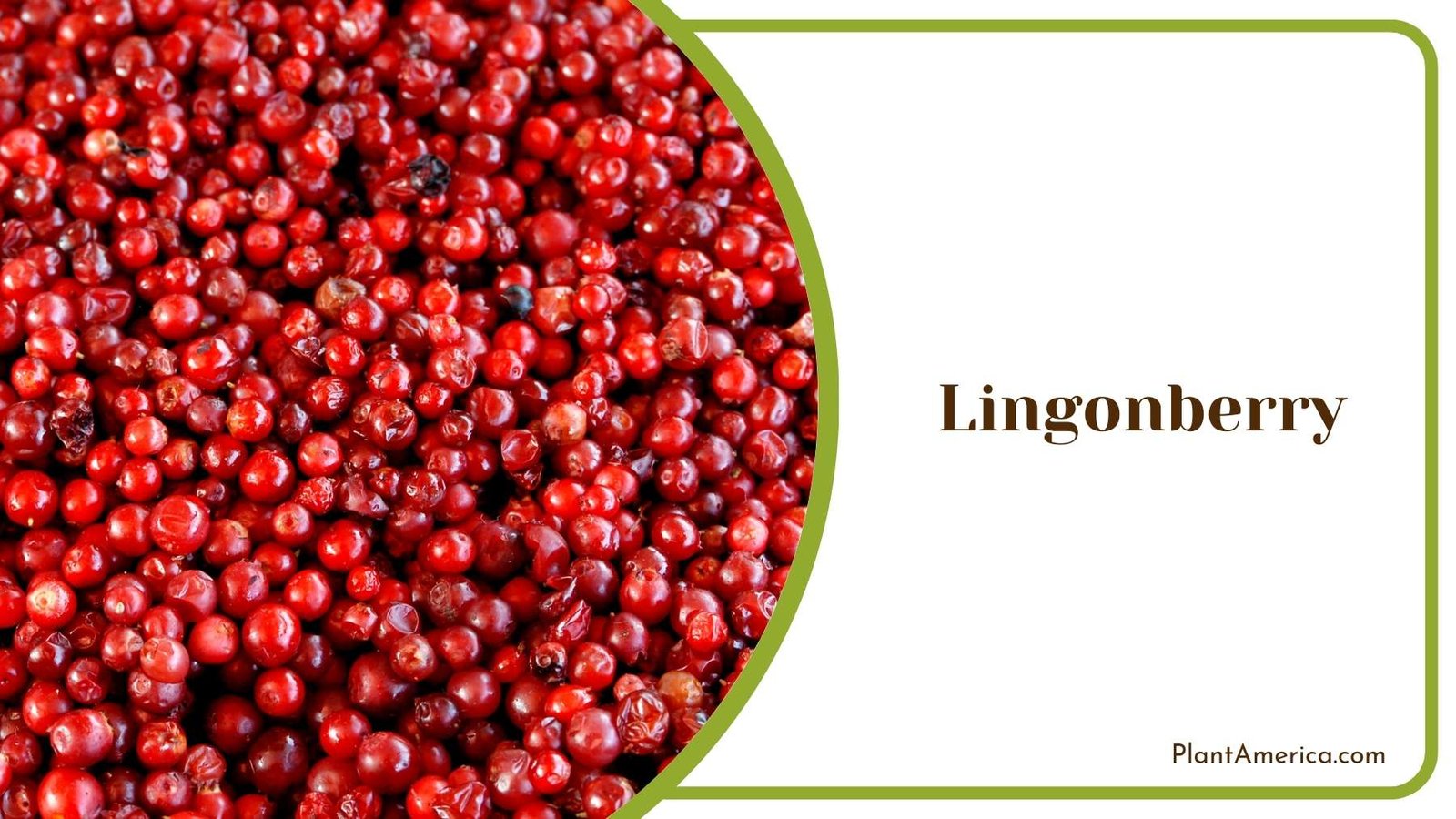
29. Lingonberry
- Growing Season: Summer
- Leaf Shape: Oval with finely serrated margins, Alternating, Clustered stems like creeping evergreen
- Specific Needs: Well-draining soil, Prefers partial shade
- Common Pests: Brown rot, Plum curculio
Scandinavian landscapes would feel incomplete without lingonberries, the wild crop decorating woodland floors with ruby gemstones. These evergreen perennials thrive in nutrient poor soils and belong in any edible landscape.
Select cold hardy cultivars suited to your growing zone, preferring acidic soils and partial shade. Space 2-3 feet apart to allow spreading. Lingonberries tolerate drier conditions once established.
By late summer, red clusters of berries emerge among needle-like leaves perfecting to bright marbles signaling harvest. Enjoy fresh or incorporated into jams, syrups and more to access potent antioxidants in their tangy cranberry flavor.
During winter, lingonberries provide splashes of color against blankets of snow. Their enduring nutrition sustains birds through the colder months. Like elves sparing gifts, lingonberries grace northern ecosystems into spring with natural abundance needing no pampering for contentment. Their perseverance inspires low maintenance landscapes celebrating smaller wild qualities.
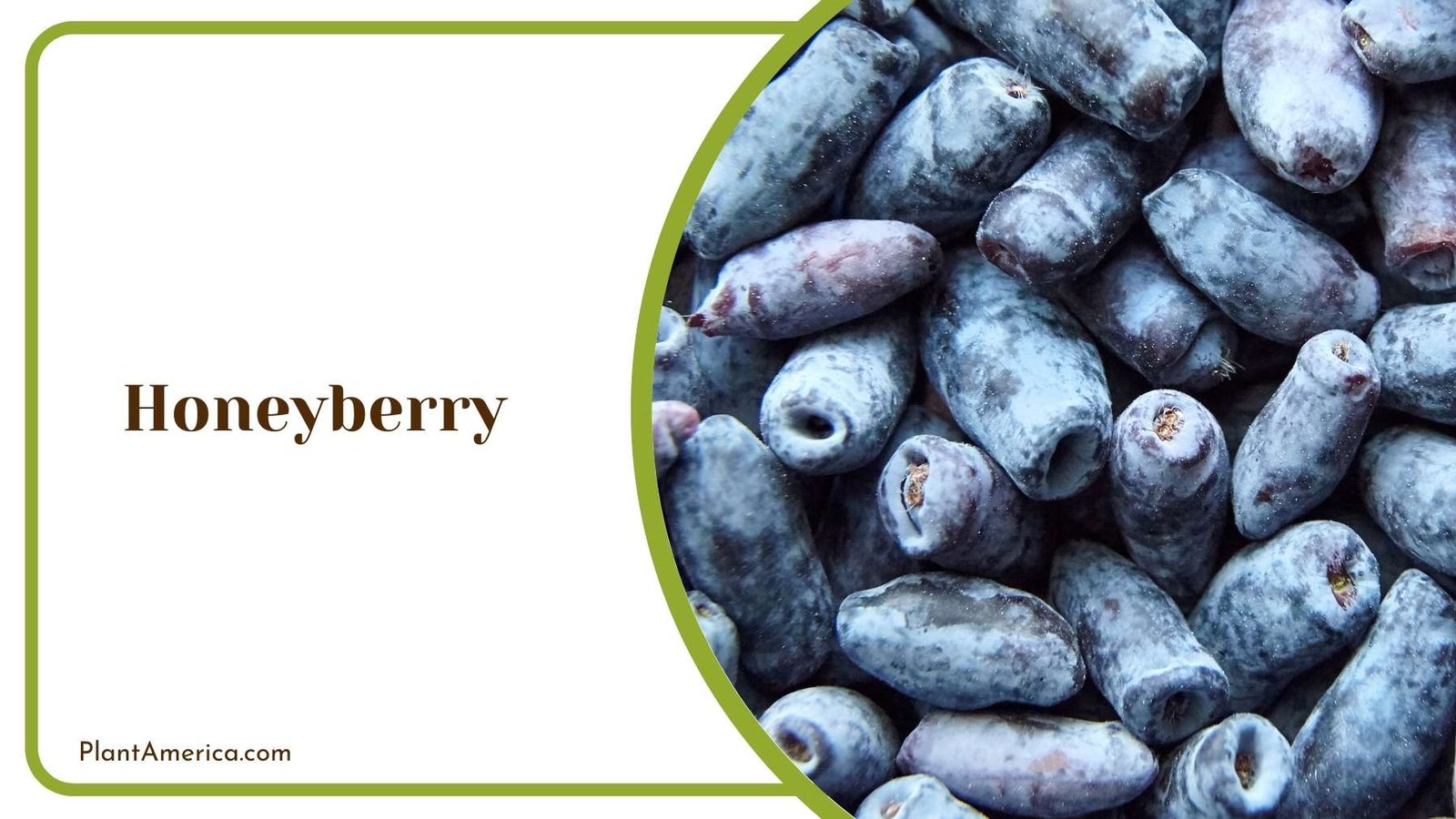
30. Honeyberry
- Growing Season: Summer
- Leaf Shape: Oval with finely-toothed margins, Alternating, Arranged oppositely on stems
- Specific Needs: Regular water, Partial shade
- Common Pests: Two-spotted spider mite, Japanese beetle
Hailing from Eastern Russia, honeyberries impart exotic charm wherever planted. These deciduous perennial vines produce abundant sweet edible drupes resembling blueberries in flavor.
Select cold hardy cultivars suited for your growing zone, preferring moist well-draining soil and full sun. Space 4-6 feet between vines to allow growth. Once established, honeyberries require little beyond occasional pruning.
By midsummer, creamy bell-shaped flowers give way to emerald green berries. Through August these deepen to royal blue signaling ripeness for fresh eating. Bird netting may deter hungry visitors to harvest honeyberries’ unique antioxidant-rich flavor.
During fall, leaves transform to shades of crimson and orange before drop. Bare canes persist through winter supplying structural interest. With minimal effort, honeyberries reward farmers with exotic flavors reminiscent of summer’s sweetness needing only ample space to thrive contentedly. Their resilience inspires low maintenance landscapes celebrating smaller wild qualities.
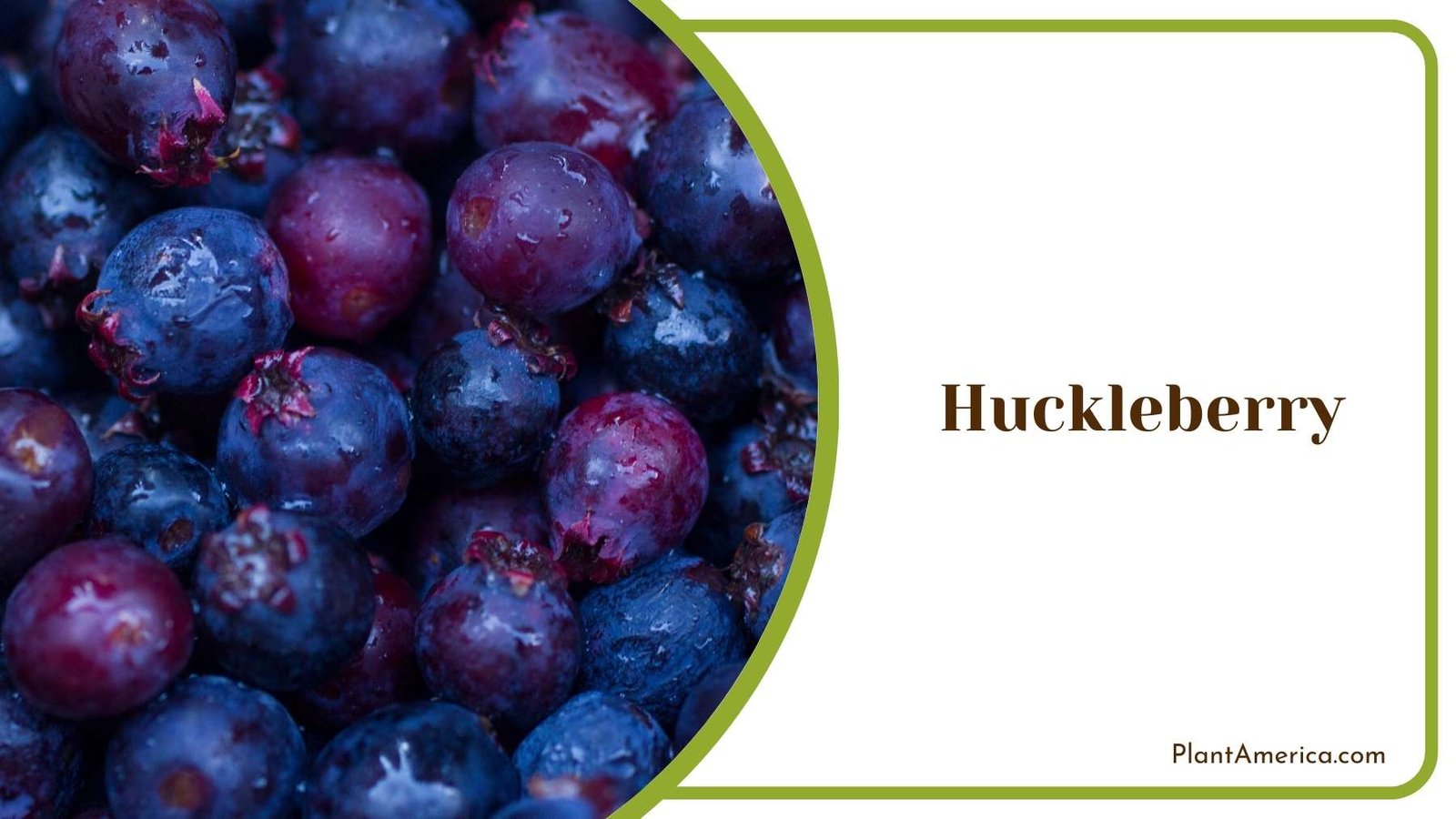
31. Huckleberry
- Growing Season: Summer
- Leaf Shape: Oval with finely-toothed margins, Alternating
- Specific Needs: Acidic soil, Full sun exposure
- Common Pests: Cherry fruit worm, Leafroller
Throughout mountain woodlands across North America, wild huckleberry patches burst forth royal jewels to indulge foragers. These hardy deciduous shrubs produce small tangy berries distinguished by their delicate flavor.
Select native varieties adapted to your climate and soil conditions, preferring nutrient-rich moderately moist acid soil and dappled shade. Space 2-3 feet apart once established. Huckleberries demand little beyond occasional pruning.
By late summer, greenish flowers evolve into intense dark indigo berries dusting bushes. Enjoy freshly picked through early fall before birds feast, their antioxidant-packed flavor evoking wilderness. Huckleberry patches benefit ecosystems as important food sources.
Throughout fall, fungi-like fruiting bodies remain conspicuous against vibrant foliage transforming shades. Bare canes provide structural complexity through winter. With care, huckleberries transport landscapes to pastoral nostalgia needing only woodland sunlight and organic soils for contentment. Their resilience inspires low maintenance permaculture.
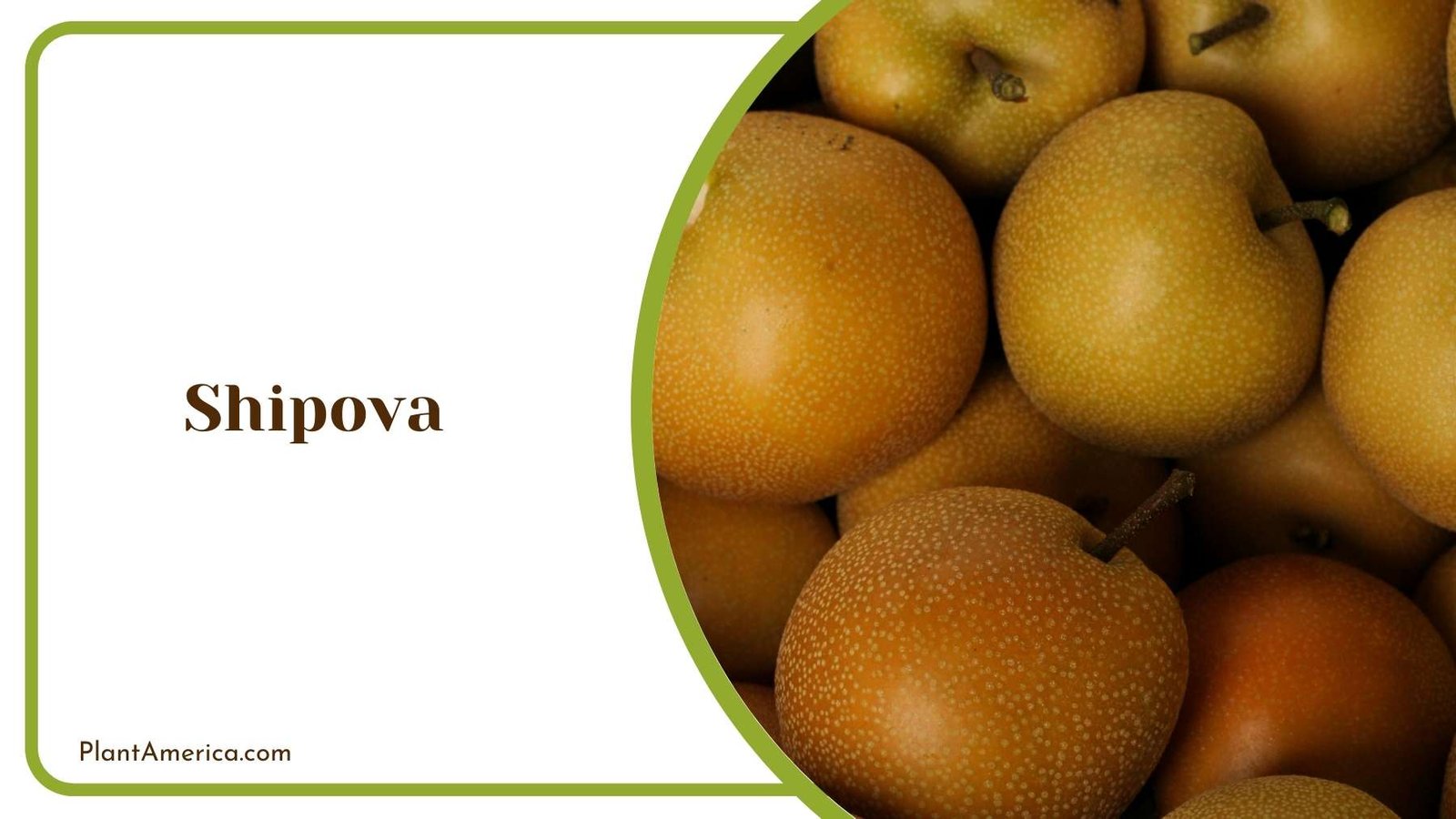
32. Shipova
- Growing Season: Summer
- Leaf Shape: Compound leaves with three leaflets, Alternating
- Specific Needs: Heat tolerance, Full sun exposure
- Common Pests: Leaf spot, Japanese beetles
Adorning Scandinavian homesteads, shipova shrubs impart architectural beauty with modest culinary rewards. Hardy and prolific, these members of the blueberry family flourish where fewer challengers persevere.
Select varieties adapted to your climate, preferring acidic soils and full sun. Space 3-5 feet between shrubs. Once established, shipova demands minimal care beyond occasional pruning and harvesting fallen fruit.
By late summer, snowy white blooms fade, replaced by electric blue berries. Savor fresh or use in pies to appreciate shipova’s bracing cranberry-like flavor. Colored foliage builds to ruby in autumn before leaves drop.
Throughout fall, branches frame intricate dark silhouettes against skies. Birds disperse seeds while nibbling berries. During winter, tiered branches collect snow sculpting whimsical shapes. With little effort, shipova thrive undaunted, imparting structural interest and small wild treats to persevere year-round decorating homesteads from a bygone era.
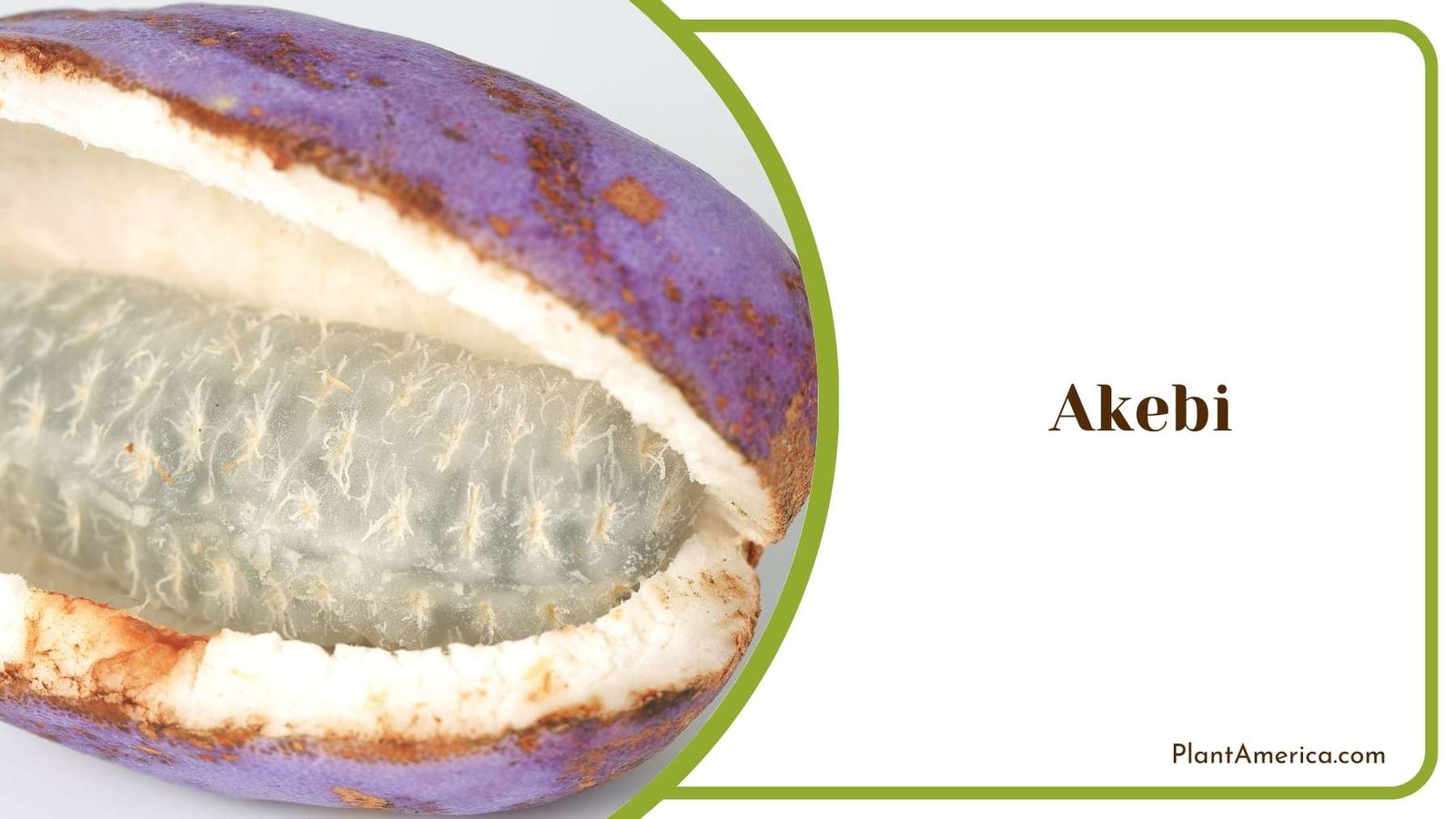
33. Akebi
- Growing Season: Summer
- Leaf Shape: Compound leaves with five to seven leaflets, Alternating
- Specific Needs: Heat tolerance, Full sun exposure
- Common Pests: Powdery mildew, Leafhoppers
Graceful akebi vines transport gardens to Japanese landscapes with delicate flowers followed by edible pods. Native to Eastern Asia, these deciduous climbers thrive with minimal demands beyond room to sprawl.
Select cold hardy varieties suited to your climate, preferring organic nutrient-rich soil and partial shade. Allow vines to drape or train along structures for support. Akebi require infrequent pruning and no further pampering.
By early summer, pendulous clusters of pink bell-shaped blooms emerge, sweetly fragrant. Through summer, buds lengthen into green curved pods swelling with sweetness. Savor fresh or pickled to experience akebi’s delicate flavor resembling string beans with hints of maple.
As autumn arrives, heart-shaped leaves transform to shades of burgundy and orange before dropping to showcase delicate branching. Dormant vines drape landscapes with natural marvels. Their intricate patterns inspire forest gardens needing only structure for their crisp beauty to flourish undaunted throughout the seasons.
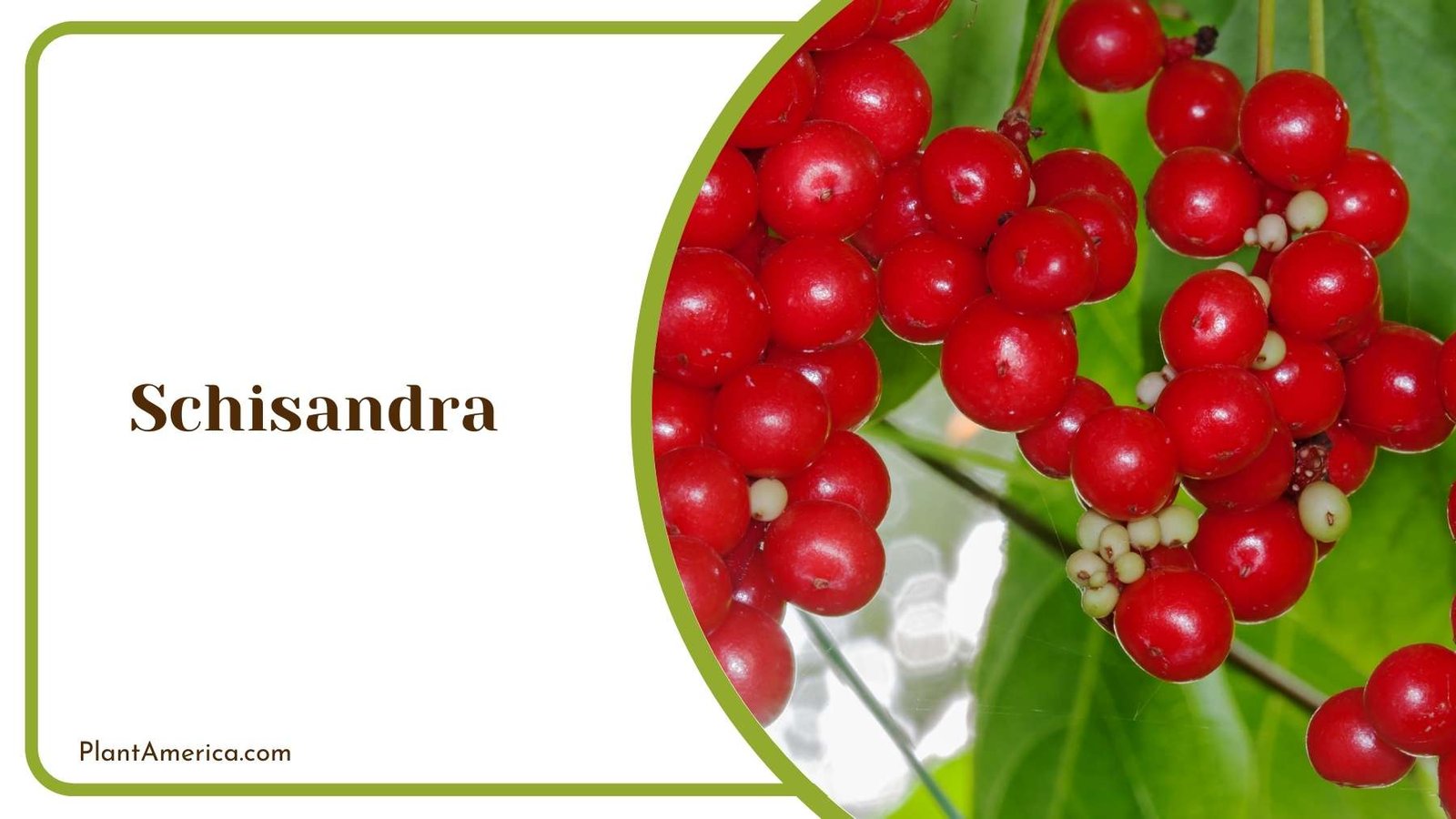
34. Schisandra
- Growing Season: Summer and fall
- Leaf Shape: Compound leaves with five leaflets, Alternating
- Specific Needs: Well-draining soil, Partial shade
- Common Pests: Leaf spot, Japanese beetles
Familiar to Chinese medicine, gorgeous schisandra vines thrive with little care yet reward richly. These deciduous woody vines native to Eastern Asia flourish in damp fertile woodlands or gardens alike.
Choose cold tolerant varieties suited to your growing zone, preferring partial shade and well-draining soil rich in organic matter. Allow vines to climb structures or spill gracefully. Once established, schisandra demands sparse care.
By midsummer, dangling clusters of tiny white flowers with prominent red anthers catch eyes. Through fall, scarlet globes swell signaling delicate terroir berries within worthy of harvesting as a superfruit. Savor fresh or dried to experience schisandra’s intriguing complexity balancing tart notes with natural sweetness.
As winter approaches, foliar colors intensify to striking hues of burgundy and orange. Vines drape architectural landforms through dormancy. Their history and natural splendor prove schisandra as vital allies for forest settings blessed with ample room to thrive undaunted throughout each season.
Conclusion
Home gardeners have diverse perennial fruits to keep their kitchen and pantry stocked with fresh and nutrient-dense produce throughout the seasons.
- Apples are one of the most popular perennial fruits to grow, bearing flavorsome crops year after year.
- Also called chokeberry, Aronia shrubs thrive with minimal inputs, bearing antioxidant riches through late summers.
- Vibrant red cranberries bob among green foliage in late summer marshes, prized for their culinary uses and health benefits.
A perennial edible landscape can be beautiful and practical by choosing a variety of trees, vines, and cane fruits tailored to your growing zone and space. With a bit of guidance during establishment, these long-lived plants will reward gardeners for years with Nature’s seasonal bounty.
Most importantly, exploring the range of flavors from perennial fruits fosters an appreciation for the small delicacies that nature provides, reminding us that gardens have much to offer even in the brief span of a growing season.