
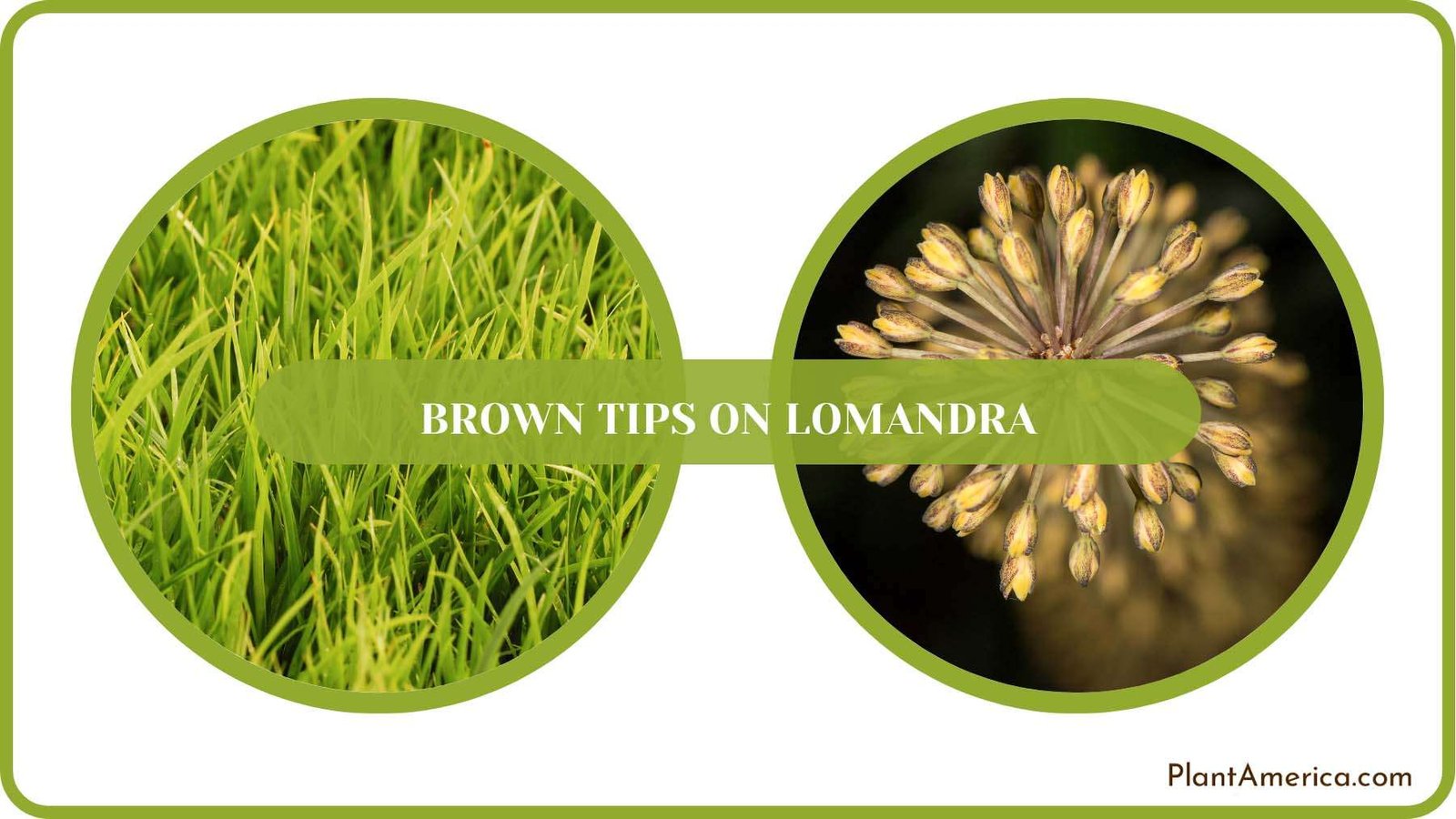
Brown tips on lomandra longifolia breeze signify that your grasses may be growing in the wrong condition or your cultural practices are not suitable for them. There are a lot of reasons why your grasses can get brown leaves or tips.
Thankfully, you can easily fix the problem. To learn how to fix your grasses with brown-colored tips, read this article.
Why Are There Brown Tips on Lomandra Longifolia Breezes?
💥 There are brown tips on lomandra longifolia breezes because of unsuitable growing conditions, poor cultural habits, and pest attacks. Brown tips on your plants are signs that the plants are suffering, so you have to find their cause very quickly so that you can start fixing them.
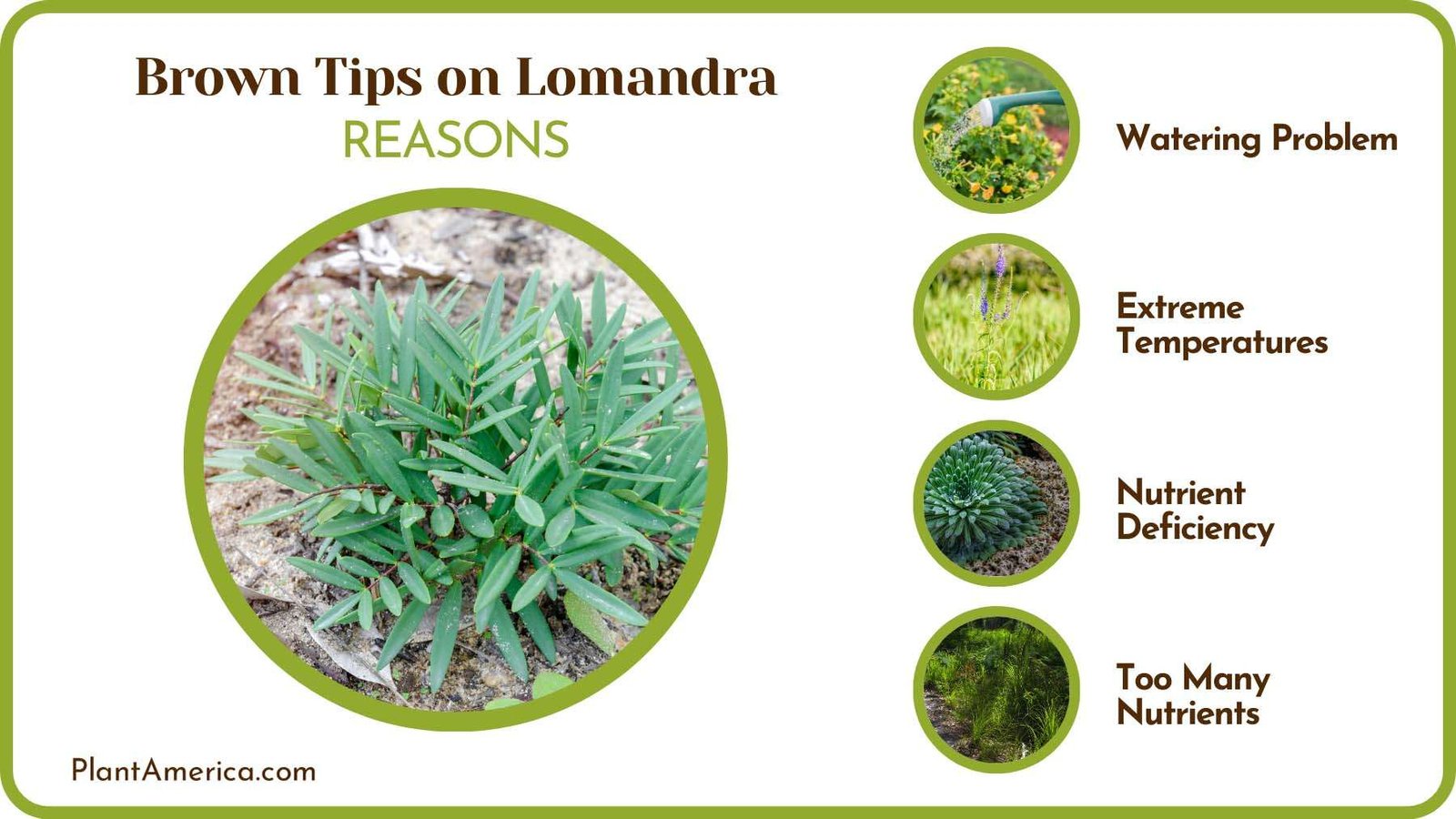
– Watering Problem
One of the most common problems of dwarf mat rush plants that leads to their tips becoming brown is watering problems. When you overwater the plants, it can lead to the bursting of their leaves and the broken parts will become brown. Also, it can lead to root rot and when harmful microbes start acting on the plants, the plants will start dying out.
Another watering problem is not giving enough water to your grasses. When your grasses are heavily dehydrated, their blades will start drying out from the outside, so you will see the tips becoming brown. So long as you do not properly water your breezes, they will get brown blades or tips. Therefore, check your watering rate for the plants when you notice a problem.
– Extreme Temperatures
You must consider temperature and other factors when you see that your grasses have any problem, as the growing conditions are mostly to blame. When you notice that your dwarf mat rush tips are becoming brown, it could be a sign that the temperature is unsuitable. It could also be a sign that your longifolia plants are growing in unsuitable USDA hardiness zones.
When plants are growing in unsuitable temperatures, they first get stunted growth. When the temperature difference between what the plants want and what is available gets wider, your plants will start dying. Brown tips showing on your grass blades are signs that your plants may soon start dying. Therefore, you have to act quickly if temperature is the problem.
– Nutrient Deficiency
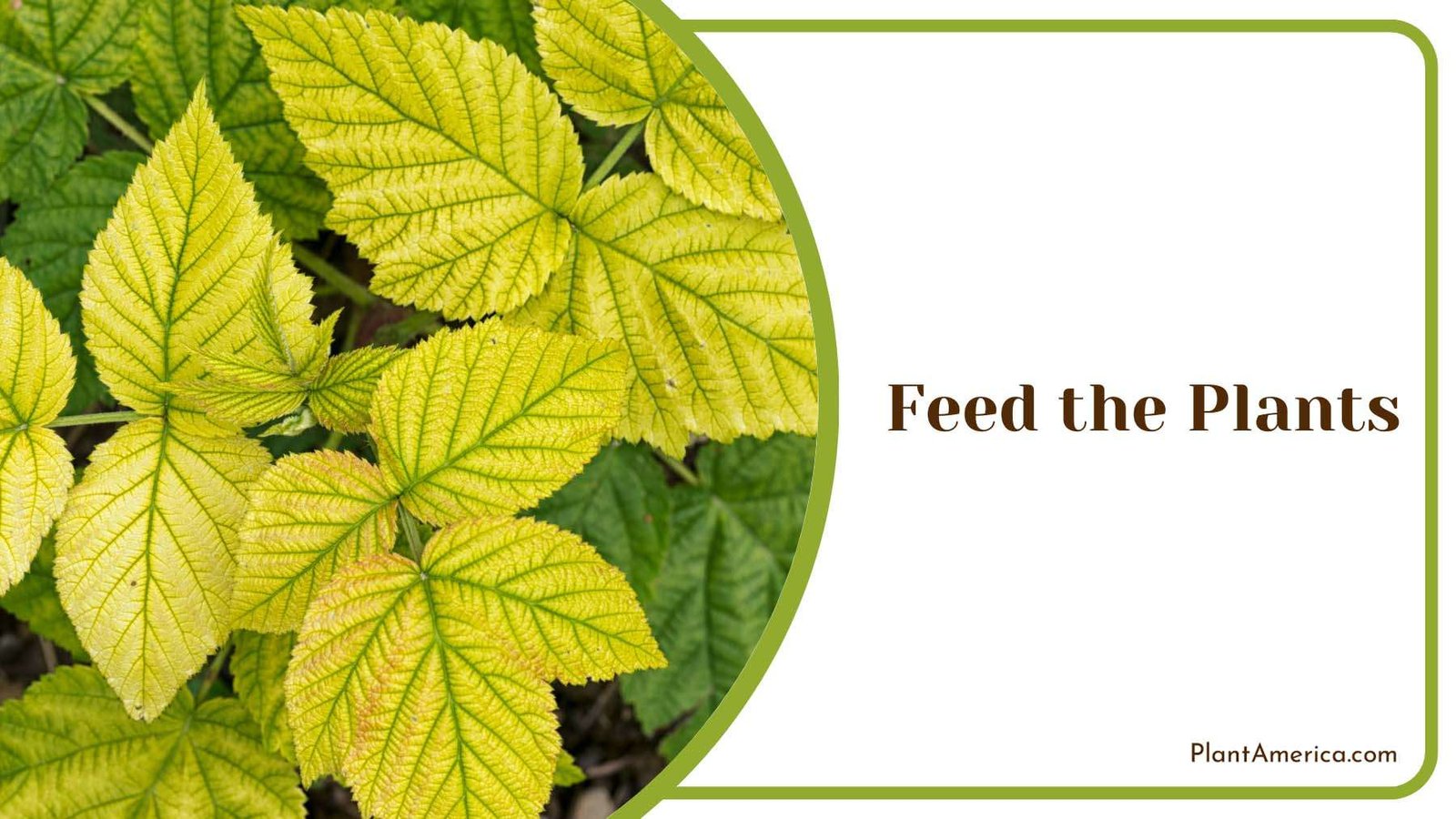
Nutrient deficiency is another common problem that can lead to brown tips. Remember that plants need nutrients for growth. They also need nutrients such as nitrogen to stay green and beautiful. When they lack nutrients such as nitrogen, your longifolia grasses will start losing their color, becoming brown.
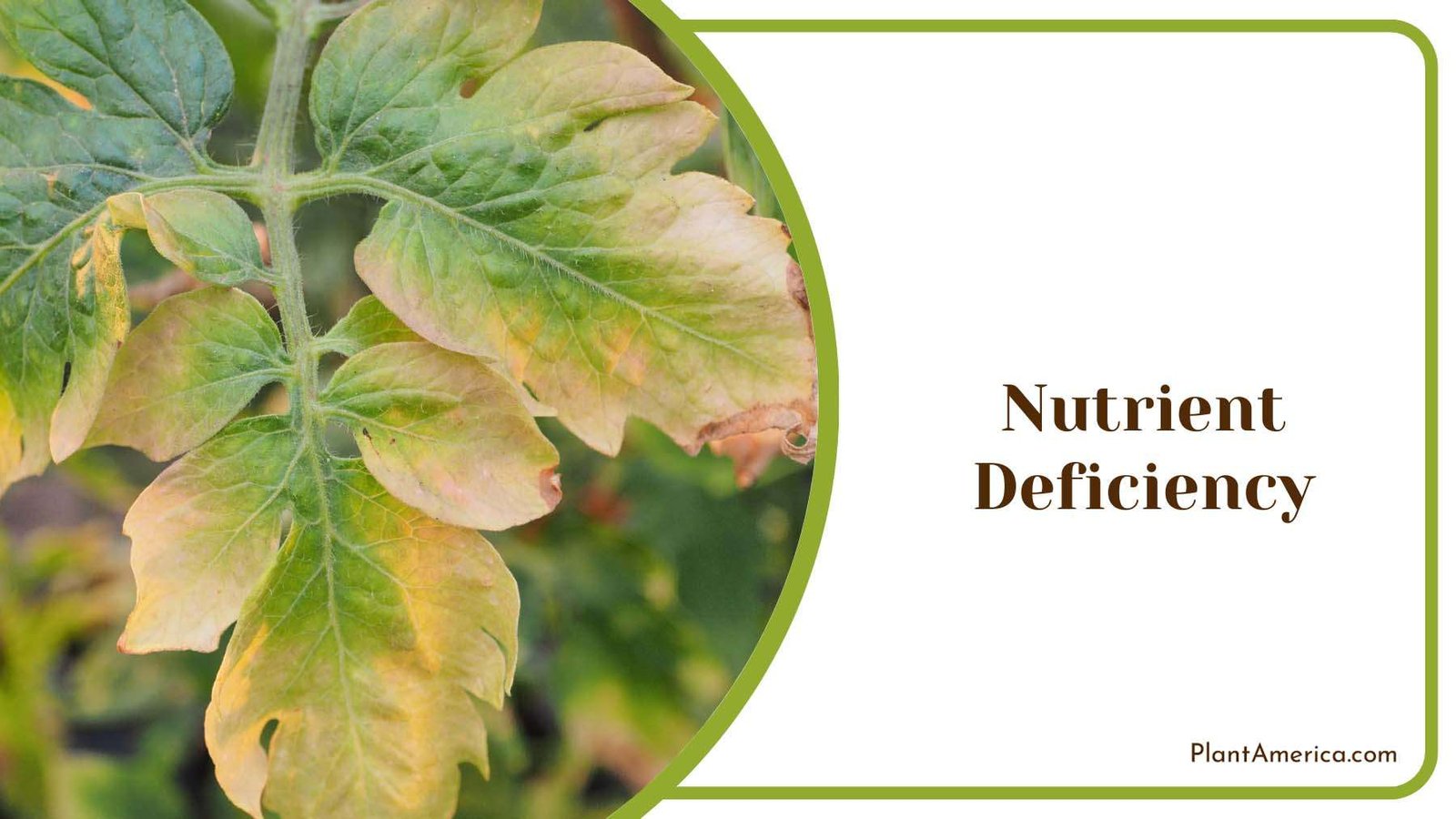
The tips start as pale before becoming brown if the problem of the plants is nutrient deficiency. By the time the tips become brown, it might be too late to restore the original color of your grasses. Therefore, you have to act quickly. Thankfully, you can easily fix problems relating to lack of nutrients.
– Too Many Nutrients
When growing plants, you will notice that too much and too little of anything is very harmful to the plants. Therefore, moderation is key when growing dwarf mat rushes just like other plants. When you overfeed your plants, the soil becomes heavily nutrient-rich. The number of salts in the soil becomes too much until the plants will not easily collect water from the soil.
When your plants find it extra difficult to collect water from the soil, their leaves will start drying from the tips. Their tips as well as other edges of the leaves will turn brown. They will also feel very dry to the touch as if they have been burnt. The excess nutrients will continue burning your plants until you act.
– Light Problems
Light is a very important factor when growing plants. This is because, without light, plants will not have enough energy to start or complete any process of growth. Remember that plants highly rely on light for photosynthesis. Therefore, when your grasses do not have enough light, their blades will turn brown. The blades start turning pale before they become brown.
Another problem related to light, just like other factors, is giving your plants access to more light than they need. If you overexpose your longifolia grasses to sunlight, they will get brown tips. Exposure to too much light can significantly increase the temperature of your plants. It will burn the blades, so you will see brown tips and edges.
– Soil Quality
With what type of soil are you growing your lomandra breezes? As you already know, the quality of soil that you use can affect the growth and beauty of your plants. If the soil is too compacted, has unsuitable pH, is not nutritious, or has unwanted particles, your plants will suffer. The presence of brown tips indicates that your grasses are suffering.
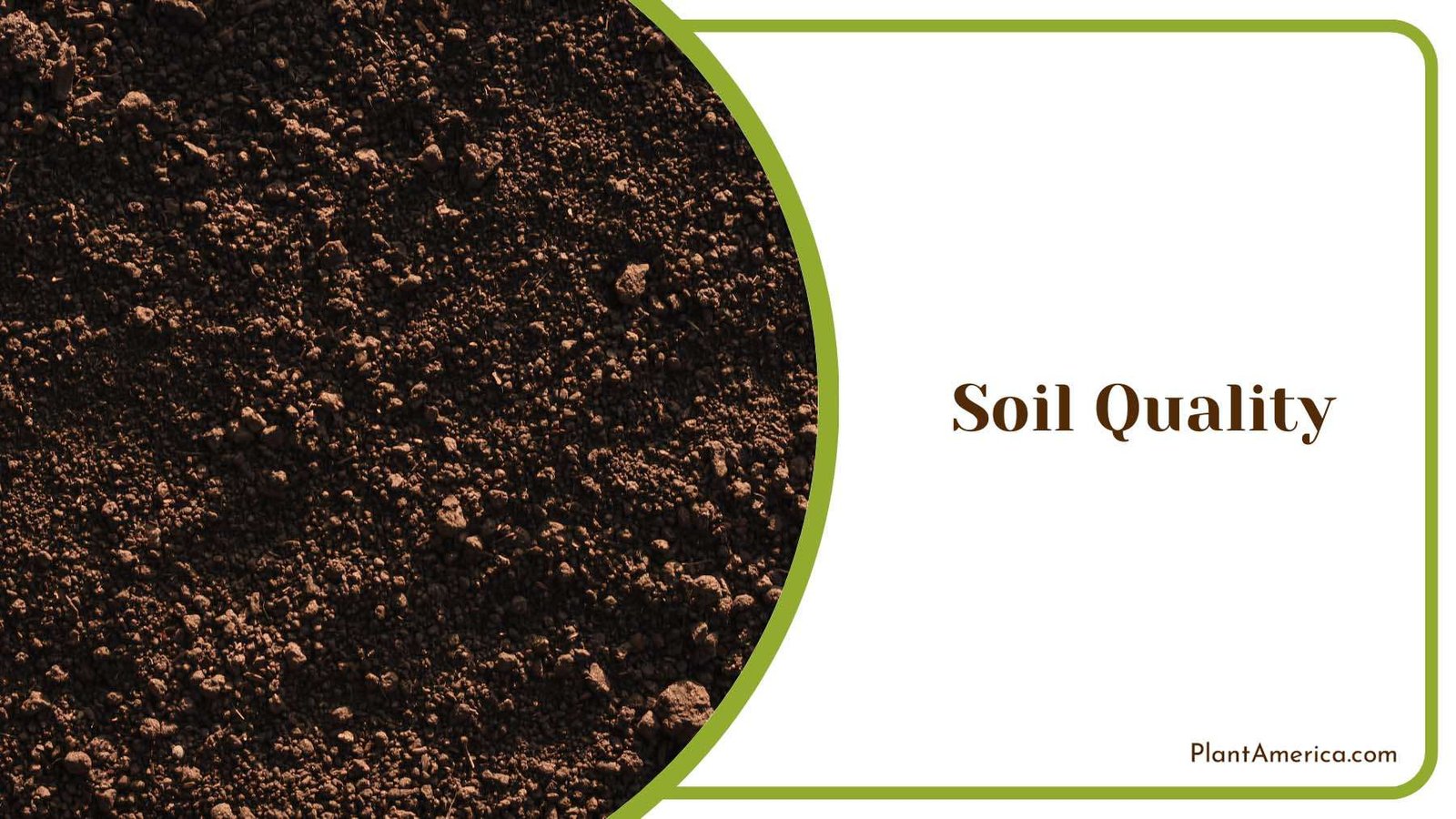
When last did you replace or amend your soil? If you are only noticing brown tips in your breezes some years after you planted them, there is a high chance that the soil can be the cause of the problem. Therefore, you have to check the soil quality if it is still suitable for your grasses.
– Pests
Even though your breeze grasses are hardy, they are not immune to pest attacks. Therefore, you have to check if pests are the cause of the brown tips. You can tell that pests are the cause when the brown tips have holes in them. The presence of holes inside discolored parts of the blades signifies that the grasses dried their leaves around the holes to prevent microbe attack, as the leaves are now exposed.
Different types of pests attack your breezes and their attacks can all lead to brown tips. Some pests you should check for are mites, powdery mildew, and bacterial wilt. Grasses, like other plants, can be attacked by insects, fungi, and bacteria.
How to Fix Brown Tips on Your Longifolia Breezes?
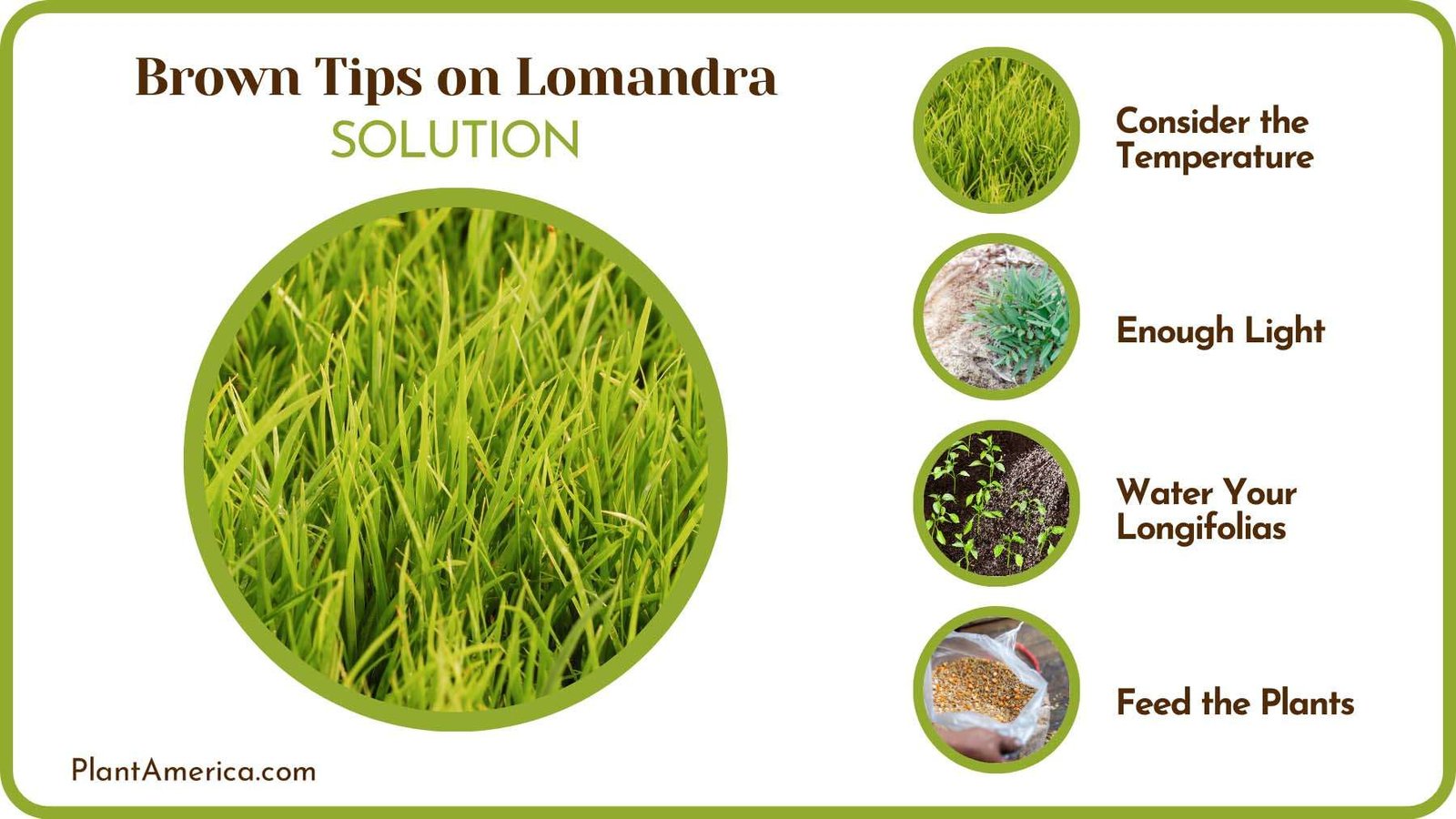
To fix brown tips on your longifolia breezes, first identify the cause. After identifying the cause, fix your plants by growing them in the right conditions, watering them properly, feeding them the right way, or preventing pests from reaching them. After fixing your grasses, prune them.
– Consider the Temperature Needs of Your Plants
As one of the most important factors to consider, ensure that you first consider the temperature needs of your plants. Longifolia plants need around 75 degrees Fahrenheit for optimal growth. Therefore, when you see brown grass plants in your yard, check if the temperature is suitable. Grow your plants in USDA hardiness zones 8-11.
If the USDA hardiness zone is not suitable for your grasses, don’t plant them. Only plant your grasses when you are sure that you are in the right zone. However, you can grow the grasses in a greenhouse or any controlled environment if you like. Also, protect your grasses from extreme temperatures.
– Grow the Plants With Enough Light Exposure
Just like other every plant, longifolia grass needs enough light to grow. Ensure that your grasses get at least six hours of daily sun. This is optimal for their growth. Your grasses can grow in both direct and indirect light. However, direct light is best for them and helps them grow quickly.
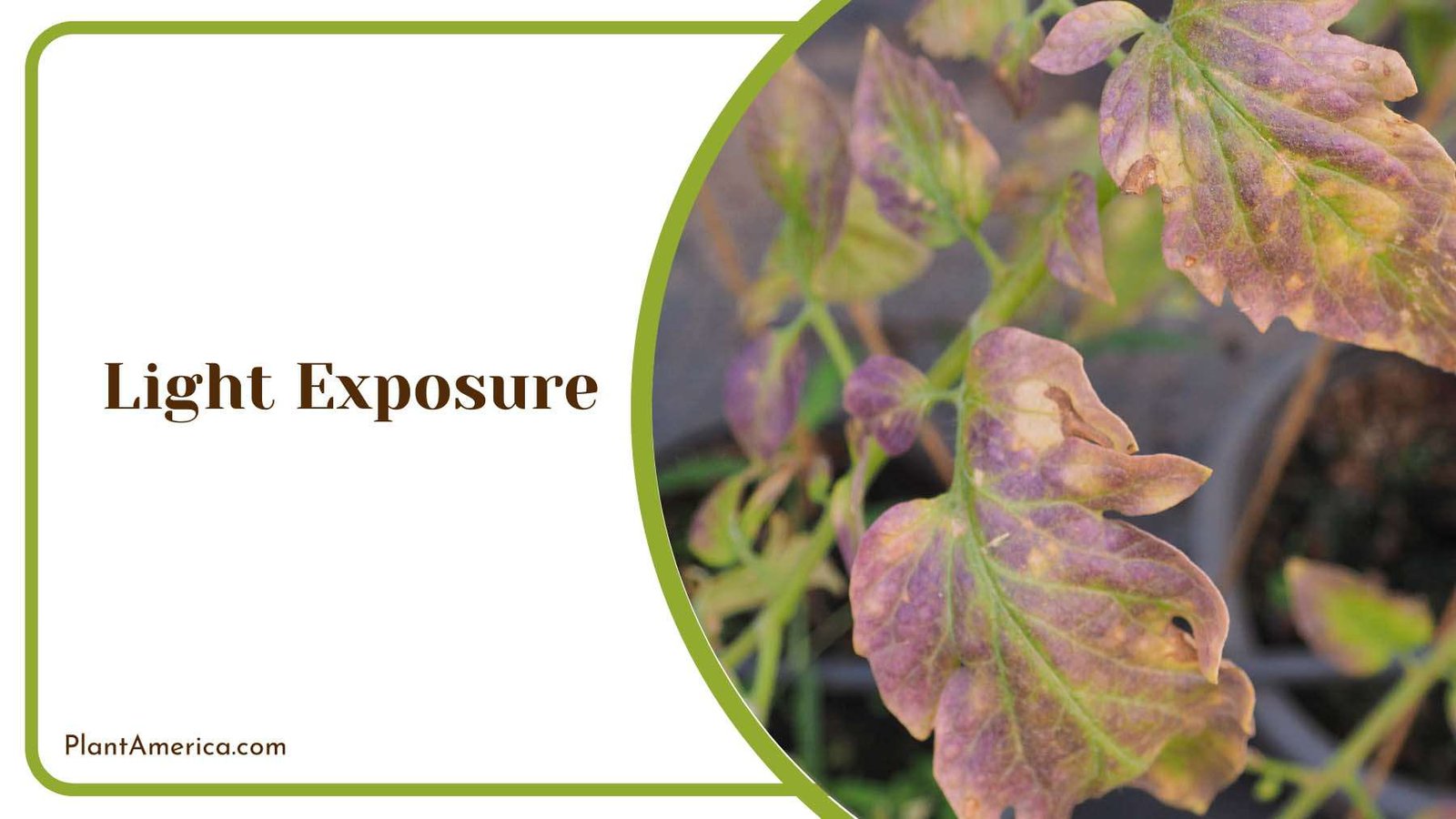
Grow your grasses in the south-facing parts of your home, as those parts usually have more sunlight than others. If you are already growing your grasses at one point and do not want to move them to another point, remove all the obstacles blocking sunlight from reaching the grasses. In a few days after your grasses start getting enough light, their beauty will be restored.
– Properly Water Your Longifolias
Though grasses are hardy, they still need your care. One way to care for your longifolia plants is by watering them regularly but not too often. You can tell that your grasses need water when you check the soil moisture content. When the soil is almost dry, water the grasses. Don’t wait until the soil gets too dry before you add extra water. Also, don’t water your plants if the soil is still heavily moist.
You can poke the soil with your fingers or a moisture reader to know how moist the soil is. Ensure that the soil has gone below 50 percent in moisture before you water your grasses so that you don’t overwater them. Also, amend the soil to make it well-drained so that excess water can flow out the soil with ease.
– Properly Feed the Plants
You also have to carefully feed your grasses so that you do not overfeed them. If the blades are turning pale or brown because of insufficient nutrients, use a foliar fertilizer, as it gives readily available nutrients to the grasses very quickly. Remember to stick to the instructions that come with the fertilizer so that you do not overfeed your grasses by mistake.
If your grasses are burning because of too many nutrients, deeply water them. Water the grasses to flood the soil with water. This will help wash off the excess nutrients. Next time, ensure that you properly dilute your fertilizer so that you do not overfeed your plants.
– Check for and Repel Pests
You have to head to a store and buy a plant-safe pesticide for your grasses. Check around your plants and try to find out the exact pests attacking them if any. When you find the pests, identify them and search for pesticides that are effective against them. Ensure that you stick to the instructions that come with the product so that you don’t harm your plants while using your pesticides.
– Prune the Plants
After treating your plants, you will notice that even though new leaves stay green and don’t have brown tips, the ones with brown tips will continue to have brown tips. Therefore, if you don’t like the sight of brown tips, you have to prune off the old leaves or cut off the brown parts.

Note that pruning is optional, though recommended. If you choose to prune your grasses, use only clean and sterilized tools.
– Treat the Roots of Your Plants
If your plants were attacked by pests, especially microbial pests, you have to treat their roots, as there is a high chance that the soil still has a lot of microbes. To treat the roots so that brown tips do not come back, dig the grasses out of the soil so that you can monitor the roots. While monitoring the roots, you may notice that some are brown while others are pale or white.
The white, pale, and yellow roots are the healthy ones, so try not to break or harm them. As for the brown or dark-colored ones, use your clean scissors to cut them off the grass. When you are done, rinse the entire root system with running water then plant the grass in new soil.
This will prevent root rot as well as the recurrence of other harmful microbes. It will also keep your plants super healthy for a very long time.
Conclusion
Now, you can easily fix your lomandra longifolia ‘breeze’ with brown-colored blade tips, right? While you prepare to start, remember these points:
- Check the temperature and other growing conditions if your plants have brown tips.
- Water your plants correctly so that they can stay green and fresh.
- Remember to amend the soil as regularly as you can.
- Check for pests, as pest attacks can lead to discolored leaves.
- Use only sterilized tools while pruning your grasses so that you don’t expose them to more microbes.
What are you waiting for? Your grasses can’t wait to turn fully green with your help.
References
- Lomandra longifolia “LM300” BREEZE – Plant Finder. (n.d.). https://www.missouribotanicalgarden.org/PlantFinder/PlantFinderDetails.aspx?taxonid=445942&isprofile=0&pt=8