
Plants That Attract Ladybugs: The Key to a Thriving Garden
If there’s one aspect of gardening I absolutely love, it’s finding plants that attract ladybugs 🐞. These little red helpers turn any garden into a lively, colorful sanctuary. As a gardener, watching these cute insects munch on bothersome aphids while protecting my beautiful blooms 🌸 fills me with joy.
After years of planting and sometimes coaxing my garden 🌱, I’ve discovered ten amazing plants that attract ladybugs. From scented herbs 🌿 to bright wildflowers, these ladybug-friendly choices enhance both beauty and your garden’s ecosystem.
Ever observed these little wonders buzzing around your tomatoes 🍅 as if on a rescue mission? It’s enchanting! They’re not just adorable; they are garden protectors👩🏻🌾. Grab your trowel 🪓, and let’s explore the plants that attract ladybugs to transform your garden into the neighborhood favorite 🥕.
1) Bright Marigolds: A Magnet for Ladybugs in Your Garden
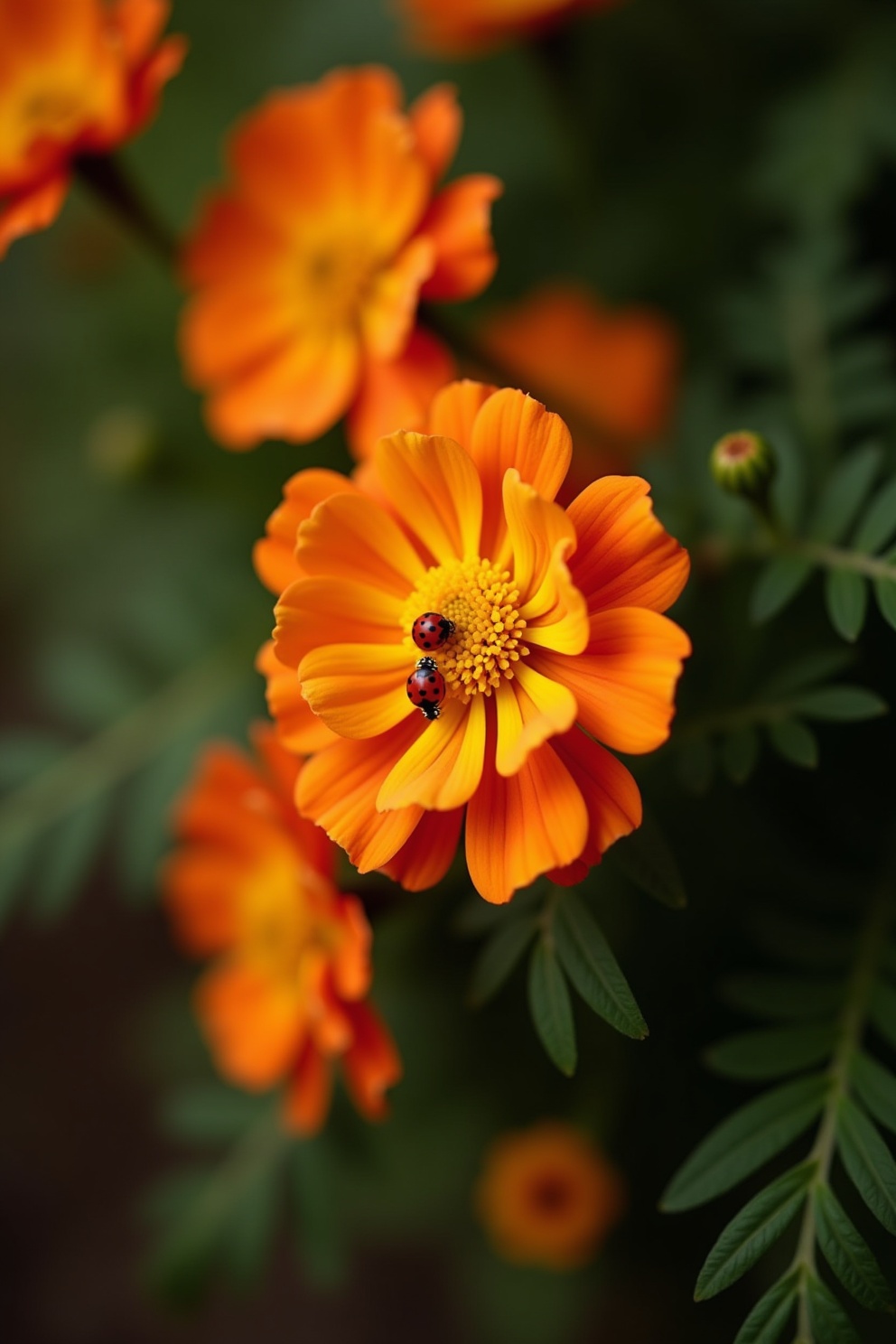
First on my list are marigolds 🌼 — a bright, cheerful addition that ladybugs adore. These flowers not only beautify but also attract beneficial insects. Their strong scent 🌿 is irresistible to ladybugs 🐞 who help manage aphids. Plant marigolds and anticipate these red-winged helpers overseeing your garden.
Marigolds are easy to grow, thriving in varied soils with minimal water 🌱. Their vibrant colors range from orange to yellow, creating a striking contrast. Let’s take a closer look:
| Marigold Varieties | Color | Height | Bloom Time |
|---|---|---|---|
| African Marigold | Orange, Yellow | 18-36 inches | Summer – Fall |
| French Marigold | Orange, Red, Yellow | 6-12 inches | Spring – Frost |
Along with attracting ladybugs, marigolds deter nematodes underground, creating a safer environment for your plant friends 🌳. While ladybugs handle pests above, these blooms protect below, forming a perfect partnership in gardening paradise! 🍃
2) Whimsical Milkweed (Asclepias spp.): A Magnet for Ladybugs
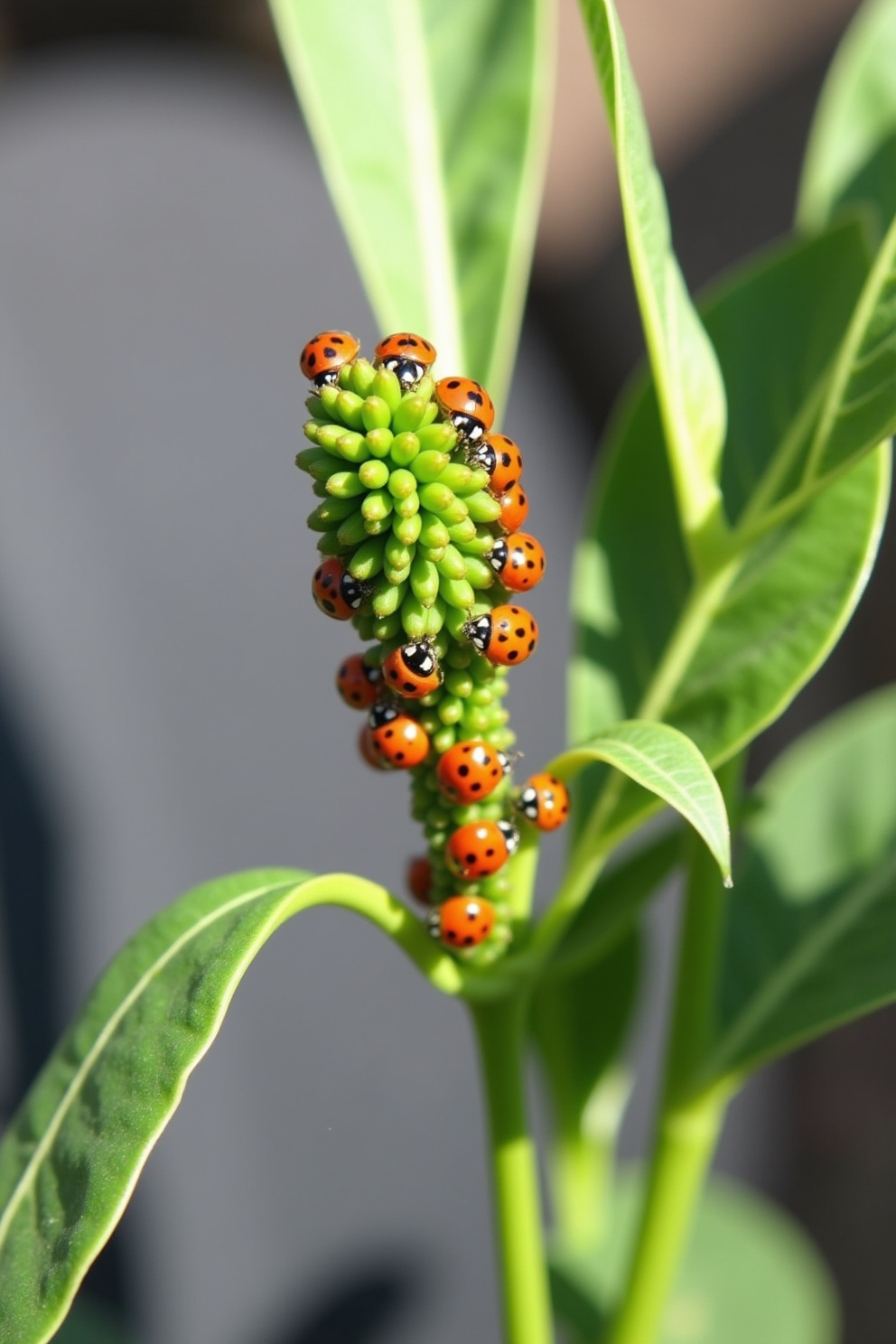
The allure of milkweed 🌱 for ladybugs is undeniable. Known for supporting monarch butterflies, it’s also a haven for ladybugs dining on aphids. This plant enriches your garden, making it a flourishing, exciting ecosystem.
Milkweed is hardy, adaptable to various conditions, and features clusters of pink or orange flowers 🎨, adding life and color to your garden. Here are the details:
| Milkweed Species | Color | Height | Bloom Time |
|---|---|---|---|
| Common Milkweed | Mauve, Pink | 3-5 feet | Early to Mid-Summer |
| Swamp Milkweed | Pink, White | 4-5 feet | Mid to Late Summer |
Beyond attracting ladybugs, milkweed supports biodiversity 🐝 by providing habitats for beneficial insects like bees and butterflies. It’s low maintenance, paving the way for a vibrant, self-sufficient garden symphony 🎵. Plant milkweed to invite an interactive community of outdoor allies.
3) Wild Carrot: A Lure for Ladybugs in Your Garden
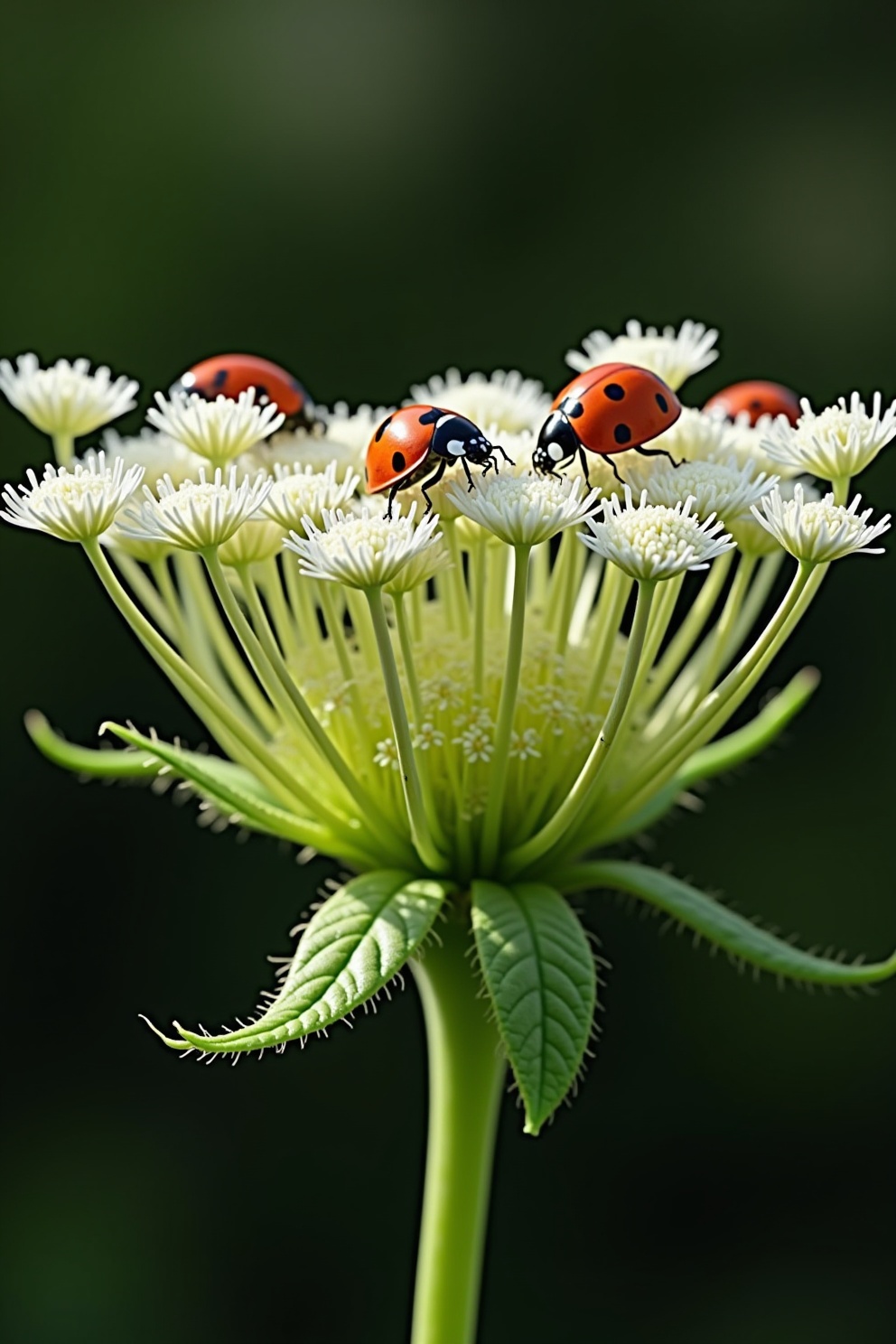
Wild carrot, or Queen Anne’s lace 🌸, adds charm and lures ladybugs 🐞. Its dainty, white lacy flowers create a visual delight and an oasis for ladybugs, aiding in natural aphid control.
Simplicity defines wild carrot growth. It thrives in sunshine and tolerates poor soil, making it resilient enough to appear in fields and along roadsides. Here’s a snapshot:
| Characteristic | Description |
|---|---|
| Color | White |
| Height | 2-4 feet |
| Bloom Time | Summer |
Besides drawing ladybugs, wild carrot plants create protective shade for smaller plants and attract pollinators, fostering ecological balance. Integrating it into your garden enhances both beauty and function, achieving a harmonious space 🌿.
4) Fennel: An Aromatic Magnet for Ladybugs in Your Garden
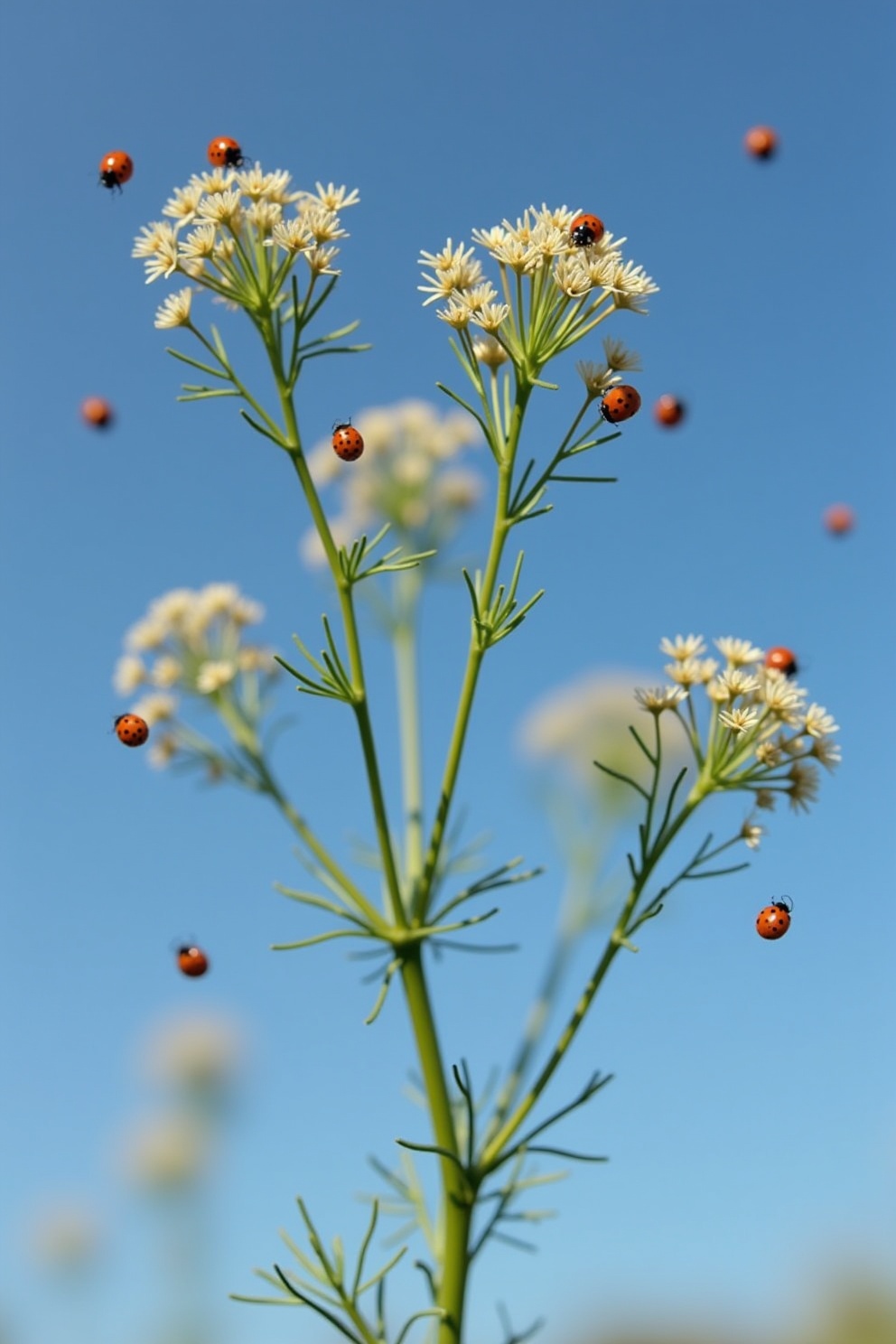
Fennel 🌿, with its licorice aroma, attracts ladybugs 🐞. Beyond culinary use, its yellow flower umbels lure beneficial insects to feast on garden pests.
Fennel is a sturdy perennial, thriving in sunlit, well-drained spots. Here’s how to care for it:
| Characteristic | Description |
|---|---|
| Color | Golden Yellow |
| Height | 4-6 feet |
| Bloom Time | Summer to Early Fall |
Fennel helps attract ladybugs, enriches the soil, and boosts the growth of nearby veggies like tomatoes 🍅 and peppers. It’s also great for attracting pollinators such as bees 🐝.
Strategically placed, fennel stands tall, teeming with activity and enhancing your garden’s aesthetics. Think fennel next time you wish to blend flavor with ecological benefits.
5) Fragrant Alyssum (Lobularia maritima) Attracts Beneficial Bugs
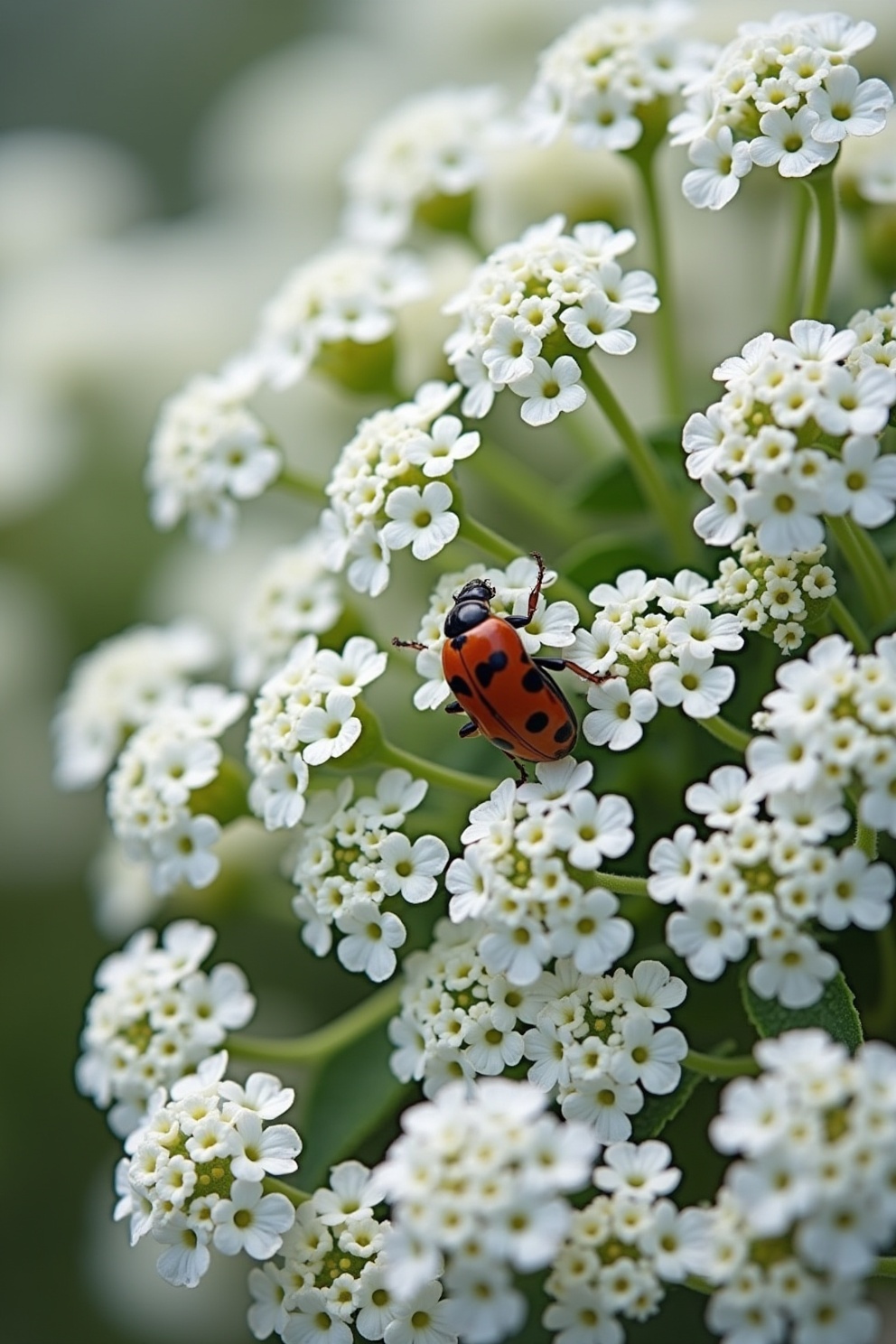
The delightful scent of alyssum 🌼 is irresistible to ladybugs 🐞. Its tiny blooms, from white to violet, provide nourishment and shelter to these beneficial insects.
Alyssum likes sunny spots and quickly spreads to form colorful carpets 🌸. Perfect for borders and containers, here’s what you need to know:
| Color | Height | Bloom Time |
|---|---|---|
| White, Pink, Violet | 2-10 inches | Spring to Fall |
Beyond attracting ladybugs, alyssum brings in pollinators like hoverflies and bees, boosting your garden’s health 🐝. Whether lining paths or filling containers, alyssum balances beauty and ecological function, creating a vibrant garden space 🌿.
6) Yuccafolius Rattlesnake Master: A Magnet for Ladybugs
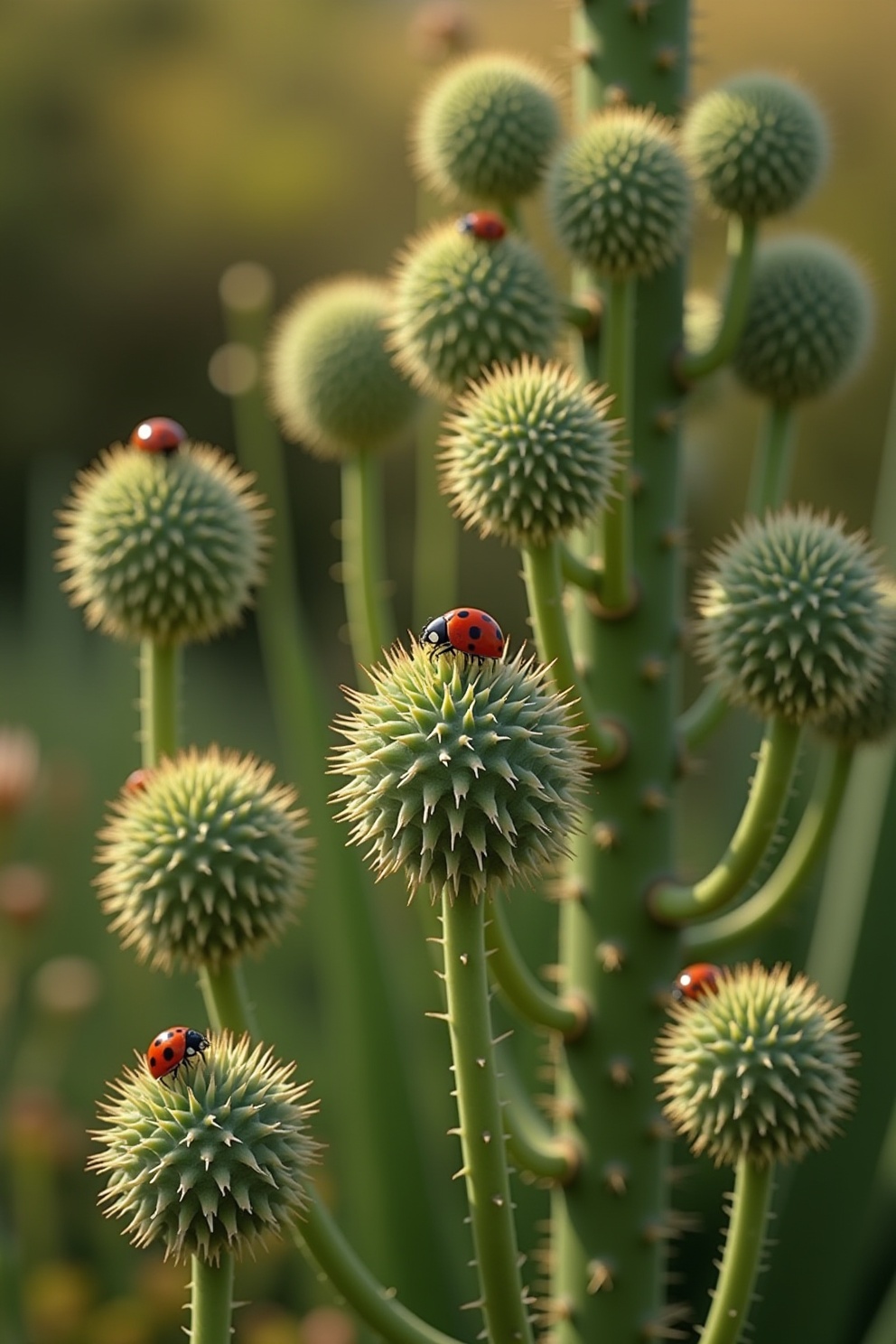
The yuccafolius rattlesnake master 🌿 is unique and attracts ladybugs 🐞. Its architectural form acts as a beacon for beneficial insects, inviting them to nestle within its unusual spiny leaves.
This resilient native plant thrives in full sun and well-drained soil, showcasing long-lasting blooms that captivate bumblebees and butterflies 🐛. Key characteristics:
| Characteristic | Description |
|---|---|
| Color | White, Pale Green |
| Height | 3-6 feet |
| Bloom Time | Mid to Late Summer |
Besides attracting ladybugs, rattlesnake master supports a thriving micro-ecosystem. Its standout appearance is ideal as a focal point, making it a bold addition to any garden design.
Also fostering diversity and resilience, rattlesnake master symbolizes the transition from wild beauty to a balanced garden habitat 🌳.
7) Dandelion Delight (Taraxacum officinale) for Ladybug Attraction
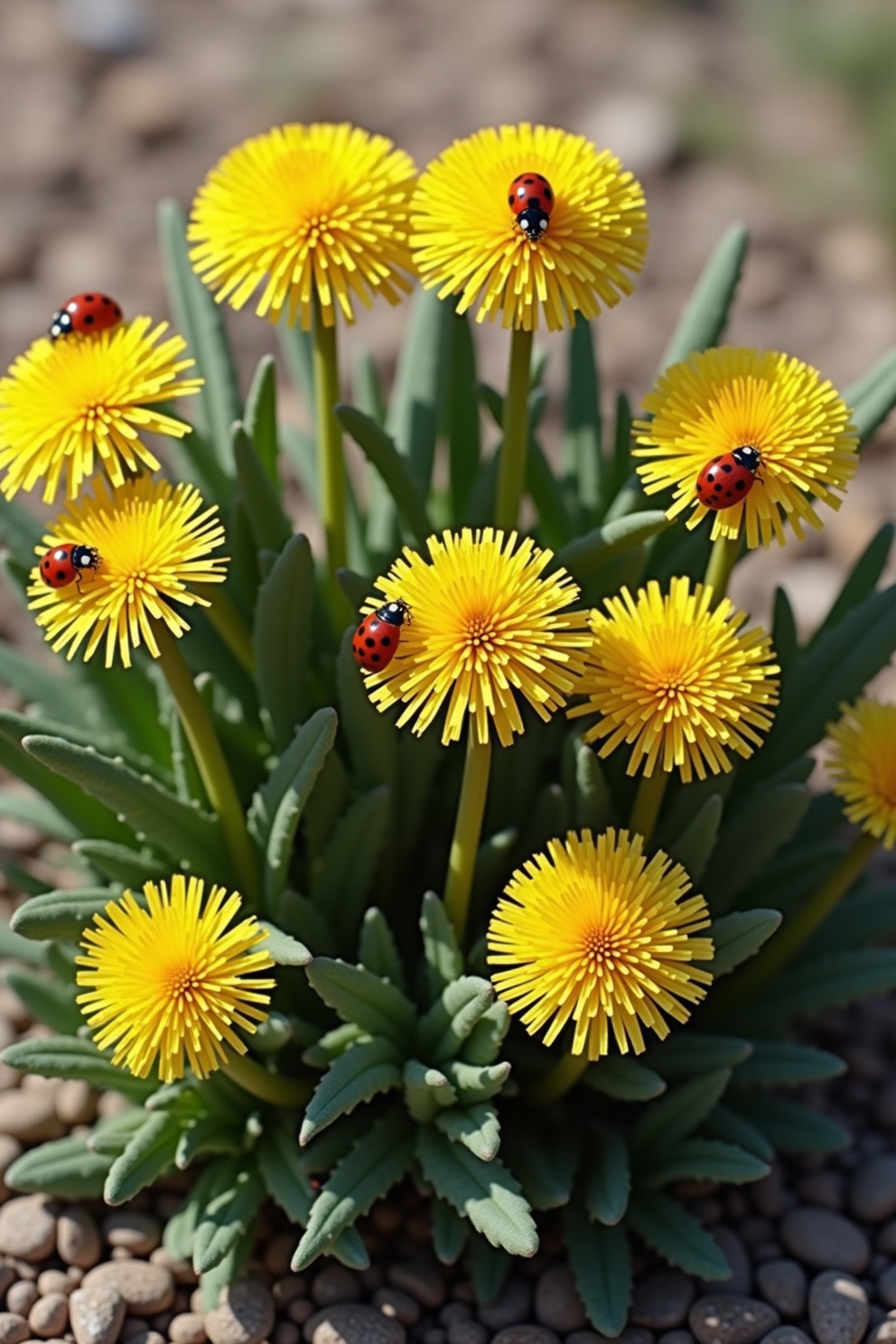
Often underestimated, the humble dandelion 🌼 is a haven for ladybugs 🐞 seeking aphids. An early bloomer, it offers essential early food for hungry ladybugs emerging from winter.
Dandelions thrive easily in most soils, forming a vibrant and hearty groundcover through spring and summer. Reasons to embrace them:
| Characteristic | Description |
|---|---|
| Color | Bright Yellow |
| Height | 12 inches |
| Bloom Time | Spring to Summer |
Beyond drawing ladybugs, dandelions attract bees 🐝, boost soil health, and aerate the ground with their deep taproots, assisting nearby plants.
Incorporating dandelions showcases eco-harmony and resilience. Welcome this often-misunderstood wildflower, let the ladybugs flourish, and experience a thriving garden environment 🌿.
8) Dill (Anethum graveolens)
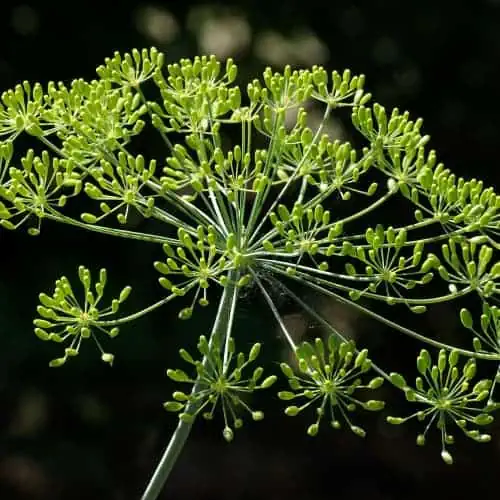
Dill 🌿 is not just fantastic in the kitchen; it’s also a favorite for ladybugs 🐞. Its feathery silhouette houses prey for ladybugs, making your garden a cozy home for them.
Simple to grow in well-drained, sunny locations, dill enhances your garden with a feathery look. Key points to remember:
| Characteristic | Description |
|---|---|
| Color | Yellow |
| Height | 2-4 feet |
| Bloom Time | Early Summer to Fall |