
When it comes to philodendrons with silvery leaves, few are as spectacular as the Alismatales order plant, the Philodendron sodiroi. This rare tropical plant has taken the houseplant community by storm, and it’s become increasingly popular in recent years.
Caring for this rare philodendron is not as complicated as you may think. With the right tips, you can enjoy its lush leaves and unique coloring for many years. Let’s find out more.
Philodendron Sodiroi Care Guide
While rare, Philodendron sodiroi is actually fairly easy to look after, especially with a few tips and tricks. Here’s what you need to know about growing Philodendron sodiroi.
 Light Requirements
Provide your Philodendron sodiroi with bright indirect light. This plant is an epiphyte, and in its natural habitat, it uses its aerial roots to climb trees and reach the canopy, where it receives dappled sunlight. The more filtered light it receives, the bigger the leaves will get.
We recommend growing Philodendron sodiroi in a room with eastern or western exposure. You can keep it close to the window, but use a sheer curtain to filter out the direct sunlight.
The leaves can scorch very easily if they’re exposed to too much sun. On the other hand, growing this plant in a shaded spot will result in leggy growth and small, dull leaves.
 Temperature Requirements
The ideal temperature range for growing Philodendron sodiroi indoors is between 65 and 82 F (18 to 28 C). This plant does not tolerate extremes and will struggle to grow if temperatures exceed 86 F (30 C) or if they drop below 54 F (12 C).
To prevent temperature fluctuations, make sure that it’s not exposed to hot or cold drafts. Philodendron species should never be kept next to a heating vent, a radiator, or an air conditioning unit.
 Water Requirements
Water your Philodendron sodiroi when the top inch of the soil feels dry to the touch. This plant grows best in soil that is kept moist but not soaked, and if the roots are constantly wet, they will begin to rot.
On average, you will need to water it once a week throughout spring and summer, then gradually reduce the watering schedule as you approach winter. If you’re not sure if the plant needs to be watered again, simply test the top inch of the soil with your finger.
We recommend using the soak and drain method to water Philodendron sodiroi. Slowly run water through the soil until it starts to drip from the drainage holes. Then allow the pot to drain for several minutes before placing it back on its tray.
Make sure that there’s no water sitting in the tray, as this can result in root rot, which is fatal for this plant.
 Humidity Requirements
Try to provide your Philodendron sodiroi with a humidity level of at least 60 percent. This tropical plant needs a lot of air moisture to produce healthy leaves. If the air in the room is too dry, you will notice that the leaves start drying around the edges.
Using a humidifier is the easiest way to meet its humidity requirements, but as an alternative, you can also place the container on top of a pebble tray half filled with water.
You can also use misting to raise the humidity around your Philodendron sodiroi. For this method to be effective, we recommend daily misting with room temperature water.
Don’t forget about proper air circulation and allowing the leaves to dry out in between mistings. If the foliage stays wet all the time, it may result in bacterial leaf spots, which can be difficult to treat.
 Soil Requirements
The soil needed for growing Philodendron sodiroi should be light, porous, well-draining, aerated, and moisture-retentive. Avoid using universal potting soils, which tend to provide a denser substrate that doesn’t have the correct level of drainage needed for this plant.
You can create your own potting mixture for Philodendron sodiroi by combining equal parts garden loam, peat moss, perlite, and orchid bark. The garden loam and moss will create the base of the substrate.
Perlite helps with drainage and moisture retention, while orchid bark gives the mixture a chunky consistency, which helps root aeration.
 Fertilizer Requirements
Philodendron sodiroi is not a heavy feeder. Once a month throughout spring and summer, we recommend giving it a light fertilizer application. You can use a liquid fertilizer with a 12-12-12 nutrient ratio, diluted to half the strength recommended on the label.
 Pruning and Maintenance
You don’t need to worry about pruning your Philodendron sodiroi too often. The plant will shed some of its older leaves as it grows, especially in spring. Simply trim these old, yellowing leaves with a sharp, sterilized blade.
Once a week, we recommend giving the leaves of your Philodendron sodiroi a wipe with a damp cloth. This will help remove any dust that’s been building up, and it’s also a great opportunity to inspect the leaves for any signs of pests.
-
Repotting Philodendron Sodiroi
Philodendron sodiroi has a fast growth rate and can easily grow up to 3 feet (90 cm) in height per year. However, it does enjoy being a bit pot-bound, so you only need to repot it once every two years. If you see that the roots are coming out through the drainage hole, you can transplant it to a larger container.
The best time to repot Philodendron sodiroi is in spring, just as the plant is entering its growing season. Take the pot out of the container and gently remove as much of the old soil as you can without disturbing the roots. Then repot it in a container that’s one size larger.
Philodendron Sodiroi Propagation Guide
There are three methods you can use to propagate Philodendron sodiroi: through seeds, stem cuttings, and air layering.
Seed propagation is by far the trickiest one. This is because Philodendron sodiroi seeds are very rare, and they need to be fresh to germinate. As a result, we recommend using either stem cuttings or air layering for this plant. Let’s take a look at each method.
– Philodendron Sodiroi Stem Cutting Propagation
- Find a stem section that has a growth node and a healthy leaf.
- Using a sharp, sterilized blade, cut the stem half an inch below the growth node.
- Place the cutting in a glass with water, and keep it in a warm, humid room, with plenty of bright indirect light.
- Change the water in the glass every week to prevent bacteria growth.
- After a couple of weeks, you will notice that the cutting is beginning to develop roots.
- Keep the cutting in water until the roots are at least 2 inches (5 cm) long. Then plant it in a well-draining soil mix and water it well.
– Philodendron Sodiroi Air Layering Propagation
In simple terms, air layering propagation means growing out the aerial roots of a plant. Like all philodendron species, Philodendron sodiroi will produce small aerial roots from the leaf nodes. These roots are used to climb trees, but they can also adapt to grow in the soil.
The easiest way to propagate Philodendron sodiroi through air layering is using sphagnum moss. Take some moss that has been moistened, then gently wrap it around the growth node.
Use plastic wrap to keep the moss in place, but leave a gap at the top and bottom. Water the moss regularly, and the roots will start developing after two to three weeks.
When the roots are coming out through the moss wrap, you can remove the moss and, using a sharp, sterilized blade, cut the stem half an inch below the growth node. Then you can simply plant your cutting in soil and care for it as usual.
Common Pests and Problems
If it’s provided with the right growing conditions, Philodendron sodiroi can be a trouble-free, low-maintenance plant.
Here are a few things to watch out for.
– Leaves Turning Yellow
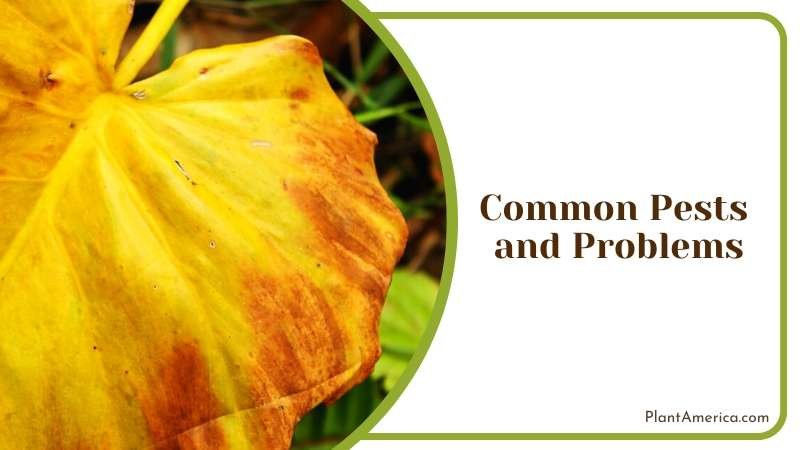
This is a common sign of overwatering. If your Philodendron sodiroi is potted in a soil mix that doesn’t drain well, this can lead to root rot, which is fatal for this plant. Take the plant out of the pot and inspect the roots. Use a sterilized blade to cut any that are soft and black, then repot it in well-draining soil.
– Drooping Leaves
Your Philodendron sodiroi is either underwatered or overwatered. Test the top inch of the soil with your finger, and if it feels dry to the touch, give the plant a soak.
– Pests
Mealybugs and spider mites can be common pests for Philodendron sodiroi. Check the underside of the leaves for any signs of pest colonies, and spray the plant with a solution of water and isopropyl alcohol once a week.
Final note:
If you’re lucky enough to find this rare beauty, Philodendron sodiroi can make a fantastic addition to your plant collection. Let’s do a quick recap of the care and growing essentials for this plant.