
Philodendron Silver Sword of the Araceae family is an elegant plant known for its stunning large sword-shaped leaves. It looks great as both an indoor plant and in terrarium settings.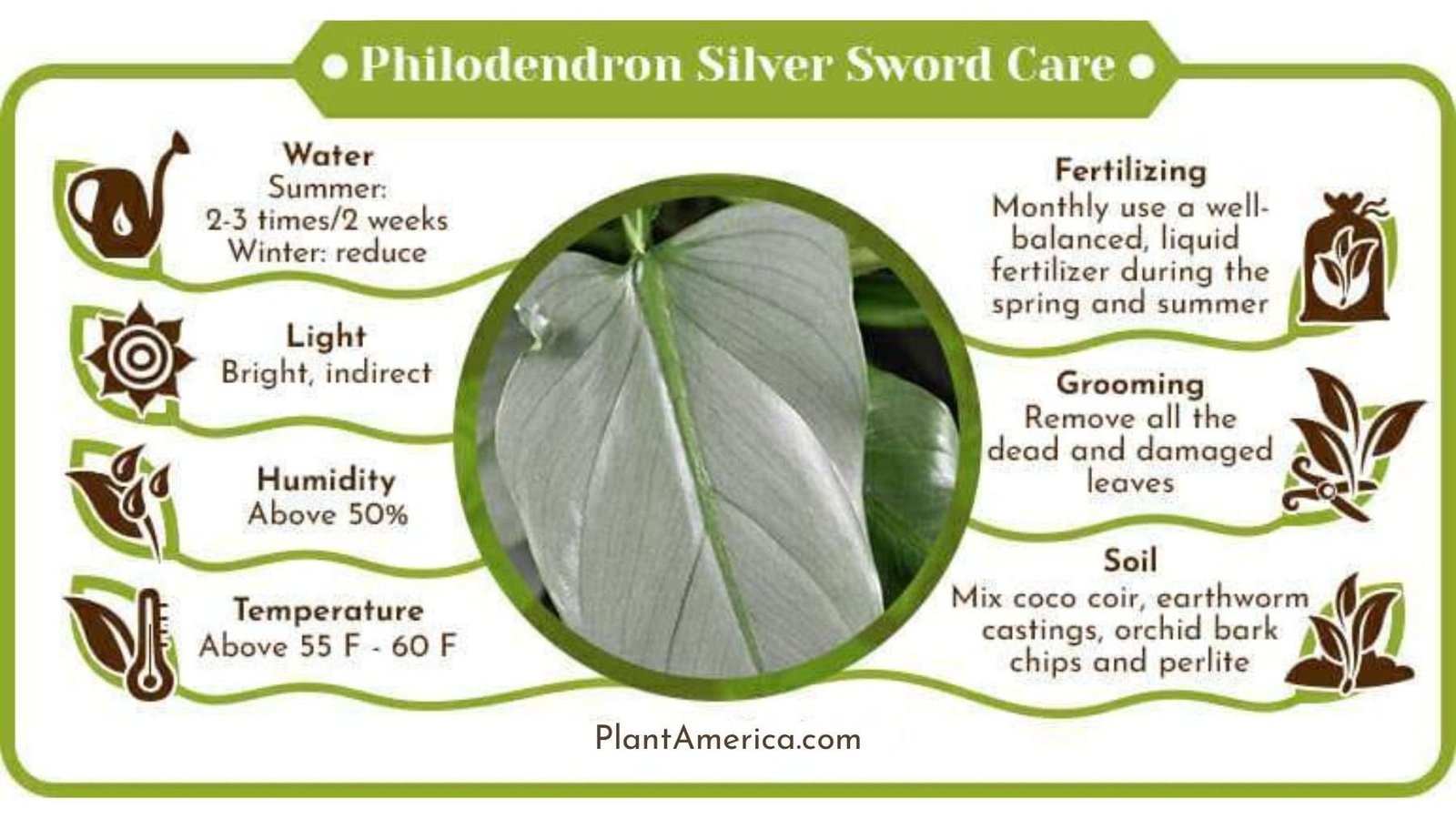
If you are a fan of large vines and large leaves, then this plant is for you. In this care guide prepared by our expert gardeners, you will get to know all about this philodendron genus plant with sword-like leaves.
What Is a Philodendron Silver Sword?
A Philodendron Silver Sword is a tropical, endangered vine plant native to the rain forests of Brazil. The highlight of this plant is its eye-catching foliage color and shape that makes it look like sword.
Philodendron Silver Sword Care
The philodendron silver sword has pretty straightforward care needs that can be fulfilled by all gardeners. Read on to find out all about its care requirements.
 Water Requirements
Maintain a consistent watering schedule and keep the soil evenly moist at most times. Generally, watering two to three times every two weeks in the summer season works well.
The trick is to know that it does not like to have the soil completely dry in between the watering sessions. Therefore, water it regularly in the spring and summer months during its active growth phase.
Use a pot with enough drainage holes to allow the excess water to drain. If the excess water remains in the soil, it leads to water-logged soil conditions that further cause root rot. The tropical vine can handle slight overwatering occasionally but prolonged overwatering can cause problems.
It is due to its high water needs that the plant is suitable for terrarium settings. Avoid underwatering the plant as it prefers evenly moist soil the majority of the time and dry soil can cause yellowing, browning and dropping of leaves.
Reduce the watering routine in the winter months as this tropical plant becomes dormant and does not show much new growth during this time. Resume with more frequent watering from early spring onwards.
 Light Requirements
The Silver Sword thrives in bright indirect light with little to no exposure to harsh, direct sunlight. Typically, a north or east-facing window works fine for its overall growth. Furthermore, it can handle low-light conditions too but the growth tends to get leggy and stretched out in low-light.
These tropical plants grow in partial shade under large trees and do not enjoy direct sunlight. Therefore it is important that you avoid placing your plant in direct sunlight as it can cause severe leaf burns and might even kill it. Exposure to morning and evening sunlight is fine but be careful to protect the plant from the harsh afternoon sunlight.
 Soil Requirements
Philodendron Silver Swords prefer a rich and well-aerated soil mix to grow well. Since the plant prefers high moisture in its soil, make sure you prepare a moisture-retentive mix that is draining at the same time. Keep in mind that there should be a healthy balance between drainage and moisture retention.
Prepare the soil medium by mixing coco coir, earthworm castings, orchid bark chips and perlite. Add lots of perlite as it helps to make the soil well-drained. To keep the Silver Sword Philodendron climbing, use moss poles and trellis as they help it to grow larger leaves.
If you are a beginner, we would suggest using mud or clay pots instead of plastic pots as they are better at absorbing the excess moisture from the soil. It would not be a major problem even if you tend to overwater the plant. Make sure that the pot has adequate drainage to prevent water-logged soil conditions.
 Temperature Requirements
Average temperatures in most households work fine for the growth of this Philodendron. It should be moderately warm to keep it happy. Anything above 55 to 60 degrees Fahrenheit would be good enough. Mist the plant regularly if the temperatures are too high in summer.
Be careful not to expose your Philodendron to temperatures below 50 degrees Fahrenheit as it is not at all cold and frost-hardy. The tropical plant cannot tolerate cold temperatures. If you are growing it outdoors, make sure you bring it indoors as the temperatures outside begin to fall.
Keep the plant away from cold and drafty windows and balconies as dry air is bad for this tropical weather plant. If you have air conditioners or heaters in your homes, try to move the plant to a spot that is slightly more humid and warm. Grouping the plants together helps regulate temperatures and humidity.
 Humidity Requirements
Philodendron Hastatum has moderate to high humidity needs. Humidity levels between 55 and 85 percent work well for its overall growth. Try to maintain the humidity levels above 50 percent at all times to keep the plant happy.
If you live in a dry area, mist the plant regularly to keep the moisture levels up. You may have a humidifier or a humidity tray around it to increase the humidity levels. To prepare a humidity tray, fill it with some stones and water and keep your plant above it.
With high humidity, it becomes essential to keep the air around the plant moving. Lack of airflow can cause serious problems for the plant such as rot and fungal diseases. Make sure you keep the plant with a few other plants grouped in a spot where there is moderate air movement.
 Fertilizer Requirements
This plant does not have very high fertilizer needs and needs to be fertilized every month from spring to summer. Adding extra nutrients during the active growth phase gives the plant an extra boost. Use a well-balanced, liquid fertilizer to feed your plant.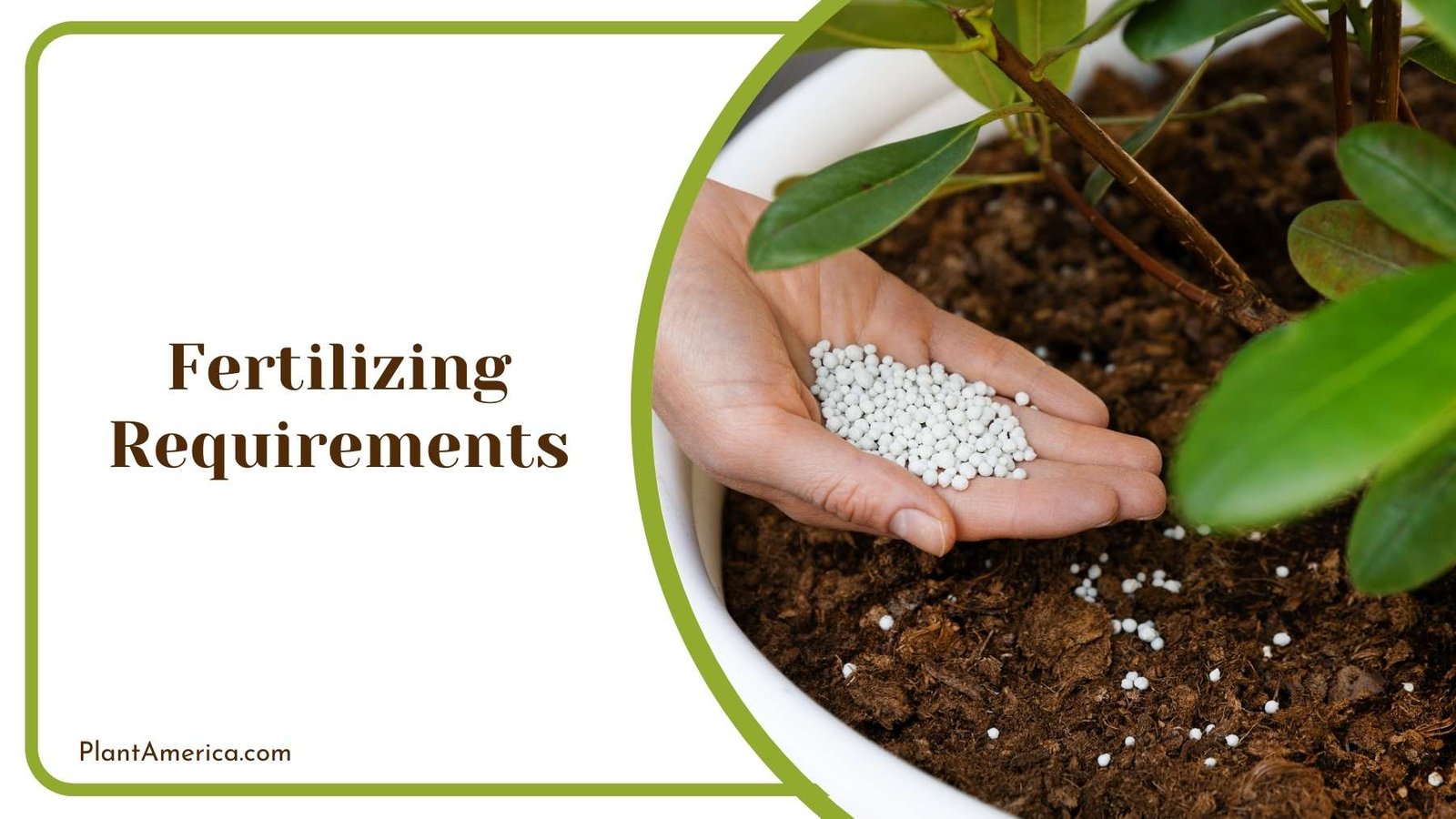 Avoid overfertilizing the plant as it causes mineral build-up and root burn and can even kill your plant. It is always better to dilute the fertilizer if you are unsure of the amount to be used. Use one-third of the recommended dose mentioned on the label.
As the growing season comes to an end, reduce the fertilizing frequency and do not fertilize at all in winter. Fertilizing in winter causes salt build-up in the soil which further leads to root burn.
 Pruning
Prune your Philodendron in spring to maintain its size, and make sure that you remove all the dead and damaged leaves to keep a nice appearance. Remember that the leaves that have turned yellow will not turn back green. Therefore, prune them so that the plant can focus its energy on healthier parts.
Repot the plant every two to three years when its roots outgrow the existing pot. Choose a pot that is a size greater than the previous one and do not pick a pot that is too big as it can cause overwatering-related problems.
The plant needs its soil to be changed if it begins to decompose. Compact and decomposed soil increases the chances of the plant suffering from root rot and fungal diseases. To shift the plant, first remove it from the old soil mix and check its roots.
Prune the dead roots and prepare a fresh soil mix with lots of organic matter and compost. Place the plant in it covering all its roots and filling in the air spaces. Water it thoroughly and place it in a shaded spot away from very bright light until it fully acclimatizes to the new soil mix and recovers from transplant shock.
Propagating
It is simple to propagate Philodendron Hastatum from cuttings of stems. Let us take a detailed look at it.
– Stem Cutting Propagation
Look for a healthy and mature stem that has lots of nodes. Make sure that the cutting is at least four inches long and has two or more nodes from where the roots can grow. Cut from just below the node.
You can propagate the cutting in both mediums– soil and water. If you are placing it in a jar of water, make sure you change the water every two to three days to avoid rot. Also, ensure that the nodes are dipped in water. Once the roots are nearly an inch long, you can shift the cutting to the soil mix.
Prepare a fresh and well-aerated soil mix by mixing coco coir, perlite and bark chips. Alternatively, you can also use sphagnum moss to propagate the cuttings. Keep the growing medium evenly moist and do not let it dry out completely, and remember to keep the plant in a partially shaded spot for the initial weeks until it fully adjusts to the new surroundings.
Problems
This tropical plant is low-maintenance and does not face major pest issues; however, there are some problems that you might come across if the right growing conditions are missing. Here are some common problems faced by this plant.
– Yellow Leaves
Often, yellow and droopy leaves are the first sign of overwatering. If ignored for longer periods, the plant suffers and dies from rot around the roots. Most new gardeners tend to struggle with this problem. Sometimes the yellowing and browning might be due to too much or direct sunlight.
Get your watering schedule in line with the other prevailing factors in your area to avoid overwatering-related problems. Keep in mind to check the soil’s dryness before watering. If it feels too wet, do not water and check back again after a few days.
If you suspect rot, it is better to check the roots. Remove the plant from the soil mix and check the roots. If they seem dead and black, cut them off and repot the plant in a freshly prepared, well-draining mix.
– Long and Leggy Stems
If you see that the stems of your plant getting long and stretched out, it is highly likely that your plant is trying to give a sign that it is not receiving enough bright light. In insufficient light, the plant stretches out in an upward direction in search of more light.
Sometimes, it is natural for the plant to appear lanky since it is climbing up the moss pole. If you want your plant to look vibrant and full with large leaves, find the right lighting, watering and humidity conditions that suit it and feed it with the best fertilizer regularly.
– Spider Mites
Spider mites can cause some major problems for this tropical plant. They are attracted to dry and warm-weather conditions and attack the stems and leaves of the plant. So if you live in a dry area where maintaining high humidity conditions might be a problem, be extra careful in taking care of your Philodendron.
Mites cause browning and curling in the foliage. The first step to dealing with mites is to isolate the plant from other healthier plants to prevent the spread. Use organic control methods such as neem oil solution to get rid of light infestations.
If the infestation is too severe, consider shifting to an insecticidal soap solution or using alcohol spray regularly. Dilute the soap solution or isopropyl alcohol in water before spraying on the plant.
– Thrips
Thrips are tiny, black, sap-sucking insects that feed on the tender stems and leaves. They cause deformed growth in the plant with random brown spots here and there. The leaves tend to get pale when the plant is infested by thrips.
Treat the plant with sticky traps when there are not many thrips around the plant. You can find them on the leaf undersides most often. Treat with insecticidal soap solution or neem oil spray in case of a more severe infestation.
Faded and dirty leaves are often the first sign of thrips’ presence. So keep your foliage clean and treat the plant as soon as you notice the initial symptoms. Isolate your plant from healthy plants to control the spread.