
Peace lily diseases can frustrate any plant parent, so we must understand what could cause harm. In this post, we’ll cover common peace lily diseases you may encounter to keep your lovely houseplant happy and healthy.
Identifying diseases early is key to treatment, whether you’re a new plant parent or a seasoned green thumb. By learning about the diseases that often plague peace lilies, you’ll know what to look out for and how to care for your plant to prevent issues down the road.
Identifying Common Peace Lily Diseases With Symptoms
1. Leaf Spots
- Cause: Overwatering, causing leaf rot or fungal/bacterial infections. Low light or humidity levels weakening leaf defenses. Soilborne diseases like fungal or bacterial blights.
- Symptoms: Irregular dark spots develop on leaves, often surrounded by yellow halo. Spots may enlarge and coalesce. Leaf tissue turns mushy and brown.
- Treatment: Improve drainage and reduce watering frequency. Increase light and humidity if possible. Remove affected leaves; clip and destroy.
- Prevention: Use well-draining soil and avoid wetting leaves. Purchase plants from reputable sources. Maintain favorable growing conditions and monitor new plants.
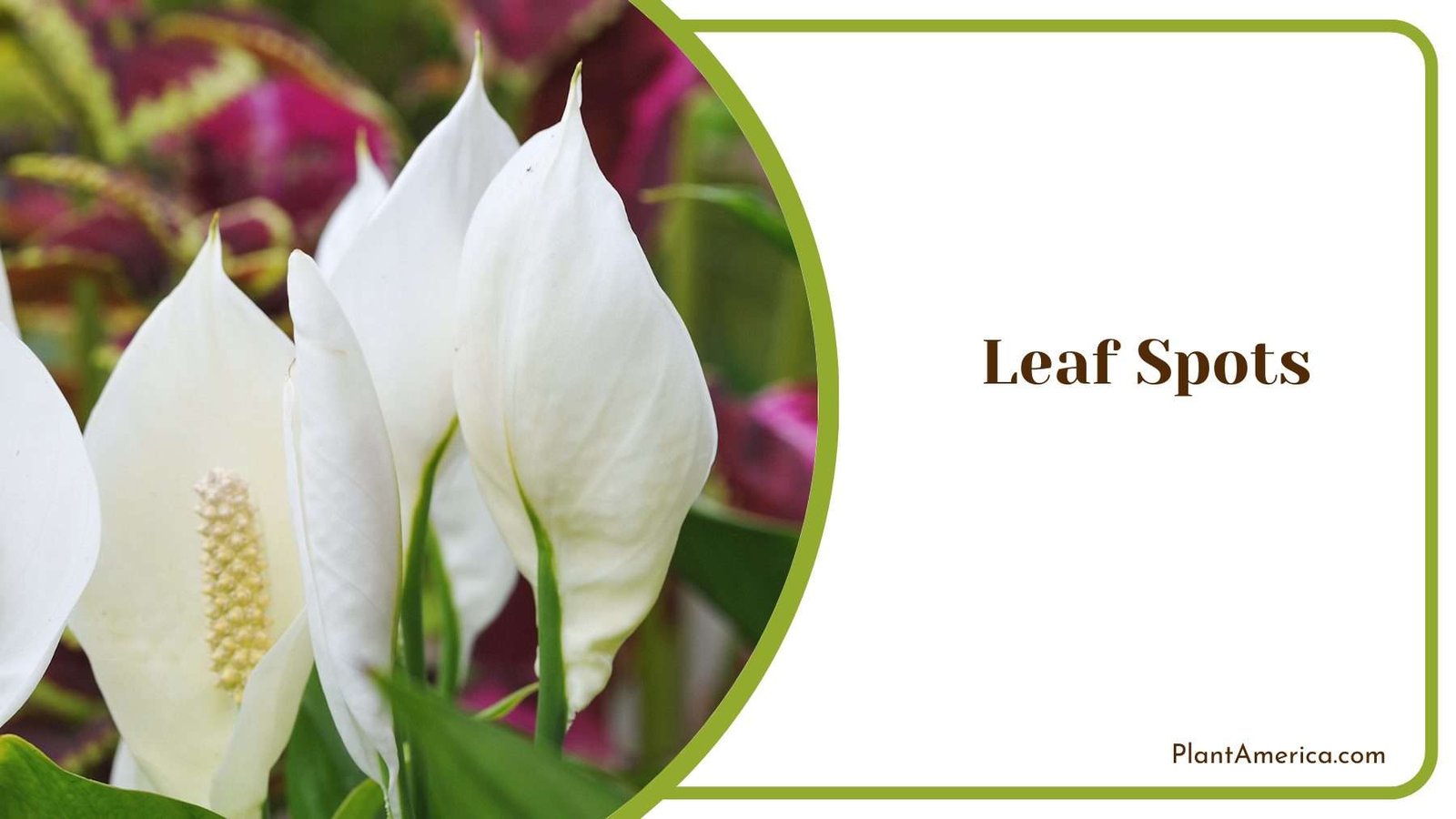
Leaf spots are among the most common peace lily diseases plaguing houseplants. The spots can come in different shapes and colors but typically appear as irregular yellow, brown, or black marks on the foliage. On humid or rainy days, the spots may enlarge rapidly. Examining the undersides of infected leaves often reveals gray, black, or salmon-colored fungal growths.
These fungal and bacterial pathogens thrive in conditions of poor air circulation and fluctuating humidity levels. Maintaining adequate space between plants allows for proper ventilation to reduce excess moisture on leaves. It’s best to water only when the top one to two inches of soil is dry to avoid soggy conditions. Monitoring humidity and moving plants away from direct sources of moisture, like shower areas, can also help control the spread of leaf spots.
Carefully removing only the spotted leaves of infected plants helps prevent the disease from spreading. Generally, leaf spots are unsightly but not life-threatening on their own. Mild cases may resolve independently, given a few weeks in a drier environment. More persistent infections could require treatment with a fungicide specifically labeled for houseplants. As with any plant issue, identifying and addressing the root cause is key for preventing further leaf spot flare-ups.
Following optimal care guidelines tailored to a peaceful lily’s needs, like those discussed above, empowers plant parents to keep their treasured houseplant pictures healthy for many seasons. With small adjustments supporting good growing conditions, leaf spots must avoid plague peace lilies regularly.
2. Botrytis Blight

- Cause: High humidity and poor air circulation. Overwatering keeps leaves wet. Low light weakening plant immunity.
- Symptoms: Grayish fungal growth on leaves, stems, or flowers. Soft, water-soaked spots enlarge and coalesce. Leaves yellow drops off the plant.
- Treatment: Remove infected parts and sterilize pruners between cuts. Improve ventilation and light exposure. Only water when topsoil is dry.
- Prevention: Check soil moisture daily and water only when needed. Increase light and fertilizer to strengthen plants. Prune away dead or dying foliage regularly.
Botrytis blight, called gray mold, can dramatically impact a peace lily’s aesthetics if left untreated. This fungal disease thrives in environments with poor air circulation and extended periods of high humidity above 60 percent. Indoors, it often strikes during cooler winters when heating systems increase moisture levels.
The first signs are small, gray spots on leaves, stems, or flowers. Within days, these spots enlarge and develop fluffy gray-green or gray mold growth. Severely infected tissues turn brown and mushy. Spores produced in infected areas can spread easily via water droplets, direct contact, or airflow throughout a home.
Maintaining humidity between 40 to 60 percent is key to preventing gray mold. Use a hygrometer to monitor levels, especially near plants. Grouped plants should have at least an inch of space between foliage. Providing a humidifier is helpful, but clean it regularly to avoid lingering moisture. Improving ventilation by opening windows or by using a fan also discourages fungal growth.
For infected plants, remove and dispose of severely diseased tissues. Able leaves may recover on their own in a drier environment. A copper-based fungicide can foil botrytis as a preventative measure if used per label instructions. With small changes to prioritize airflow and regulated moisture, peace lilies can be kept beautiful and botrytis-free.
3. Fusarium Wilt
- Cause: Fusarium fungus infecting roots and lower stem. Poor soil drainage allows fungus to thrive. Susceptible cultivars or environment.
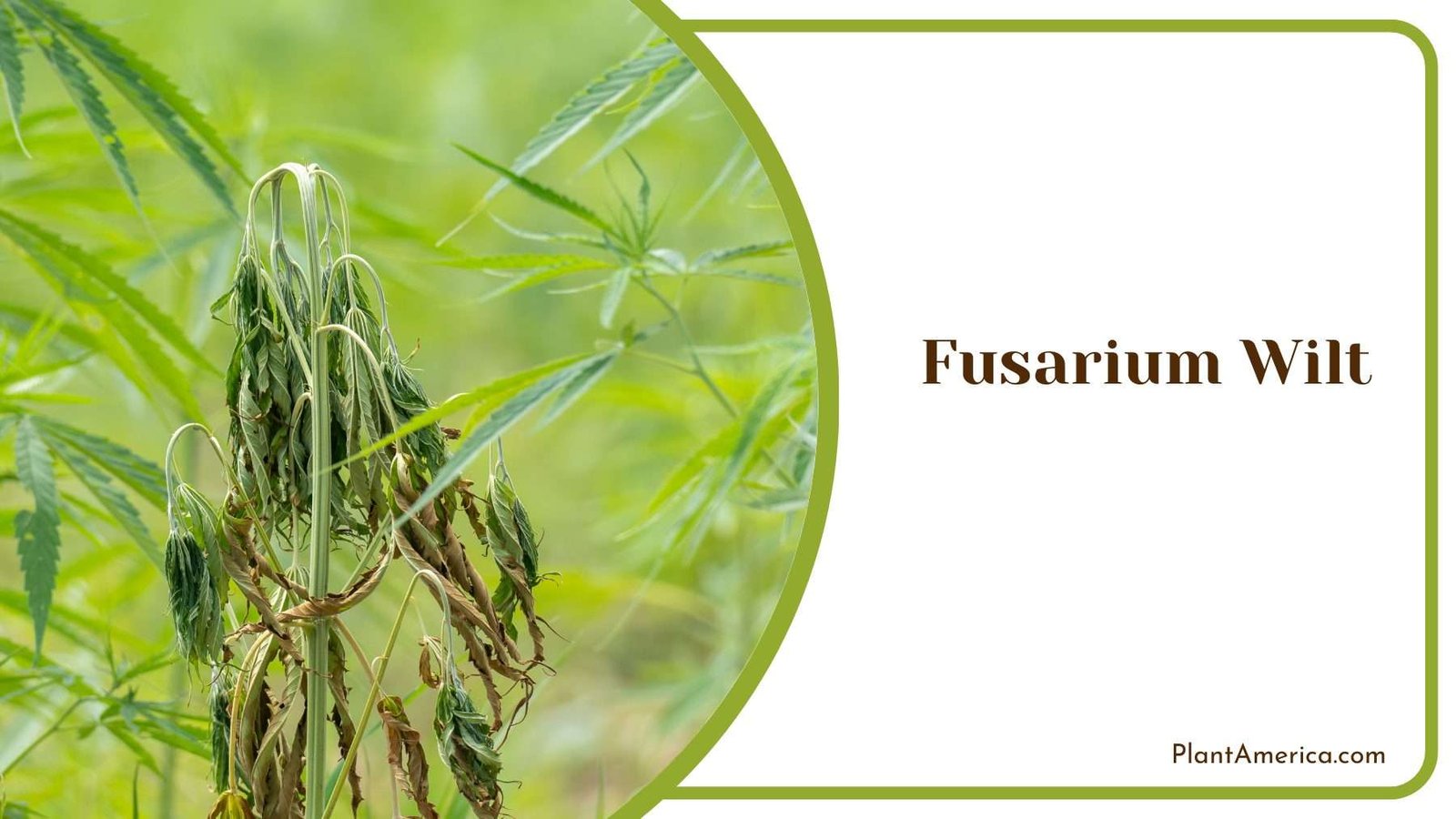
- Symptoms: Leaves initially yellowing from bottom up, then drooping and wilting. Brown lesions form on stems. Entire plant wilts and dies rapidly.
- Treatment: There is no cure once infected. Remove and dispose of infected plants to stop the spread. Improve drainage and air circulation for remaining plants.
- Prevention: Practice good sanitation and purchase from a reputable source. Water judiciously and improve drainage if needed. Select resistant cultivars if available.
Fusarium wilt stems from a lethal soil-borne fungus that enters through plant roots. It primarily strikes during warm growing seasons and proves particularly problematic in heavy, water-retentive potting mixes. Unfortunately, wilted plants with this disease cannot be revived once symptoms appear.
The first signs are leaves yellowing and drooping from the bottom up, similar to under-watering. However, the soil remains moist. As fungal blocks develop within vascular tissue, an otherwise healthy-looking plant deteriorates rapidly within days or weeks. Brown streaks may form on the lower stems.
The best prevention focuses on soil health. A fast-draining, well-aerated potting mix allows roots to breathe while reducing overgrowth. Maintaining slight dry-down between waterings vs. constantly soggy soil also hinders fungal build-up. Rotating plants to a new location each year avoids concentrating pathogens in one area long term.
If Fusarium strikes, removal of the entire plant, pot, and soil is necessary to curb its spread to other vulnerable houseplants nearby. Thoroughly disinfecting or replacing pots and surrounding areas ensures no fungal remnants linger to infect replacements. With diligent soil care, peace lilies can resist this destructive disease.
4. Phytophthora Root Rot

- Cause: Overwatering, leaving the soil soaked and deprived of oxygen. Poor drainage allows water to collect around roots. Soggy potting medium lacking proper aeration.
- Symptoms: Leaves start to yellow, wilt, and drop without apparent cause. Stems and leaves feel soft and mushy near the base. Roots are brown or black and mushy when examined.
- Treatment: Remove the plant from the pot and check roots, trimming any rotten tissue with sterile pruners. Repot in fresh, well-draining soil mix. Apply a fungicide drench as directed if actively infected.
- Prevention: Water only when the top one to two inches of soil are dry. Use a pot with adequate drainage holes. Choose soil with components like perlite or gravel for aeration.
Phytophthora root rot arises from a pernicious “water mold” that thrives in continually soggy soil conditions. Its long-lasting resting spores persist in contaminated potting mixes and soil indefinitely. Outbreaks largely correspond to periods of tropical warmth, high rainfall, or indoor over-watering.
Initial symptoms often resemble under-watering, as leaves gradually yellow, wilt, and shed prematurely. However, roots remain impervious, not plump. Scratching away root cortexes may reveal grayish discoloration beneath. Severely infected plants exhibit sudden wilting even when the soil appears moist.
Preventative care focused on optimal drainage proves key. Sterilizing pots beforehand eliminates residual pathogens. Use well-aerated, soilless mixes retaining just 30 to 40 percent capacity between waterings. Allowing topsoil to dry slightly avoids sustaining wet feet. Checking roots occasionally helps monitor their health, too.
Once symptomatic, infected peace lilies display irreversible damage. Carefully remove plants from pots and inspect root crowns. If firm and white, report in fresh media. But soft, discolored roots signify root rot onset, necessitating disposal. Sterilizing equipment afterward stops residuals from infecting future collections.
With sensible watering practices prioritizing drainage over perma-moisture, peace lilies need not succumb to this destructive disease annually ravaging tropical farms and gardens worldwide. Diligence builds resistance in both plants and plant parents alike.
5. Scale
- Cause: Soft scale, hard scale, or other types of scale insects infesting plants. Warm temperatures and low humidity favoring scale.
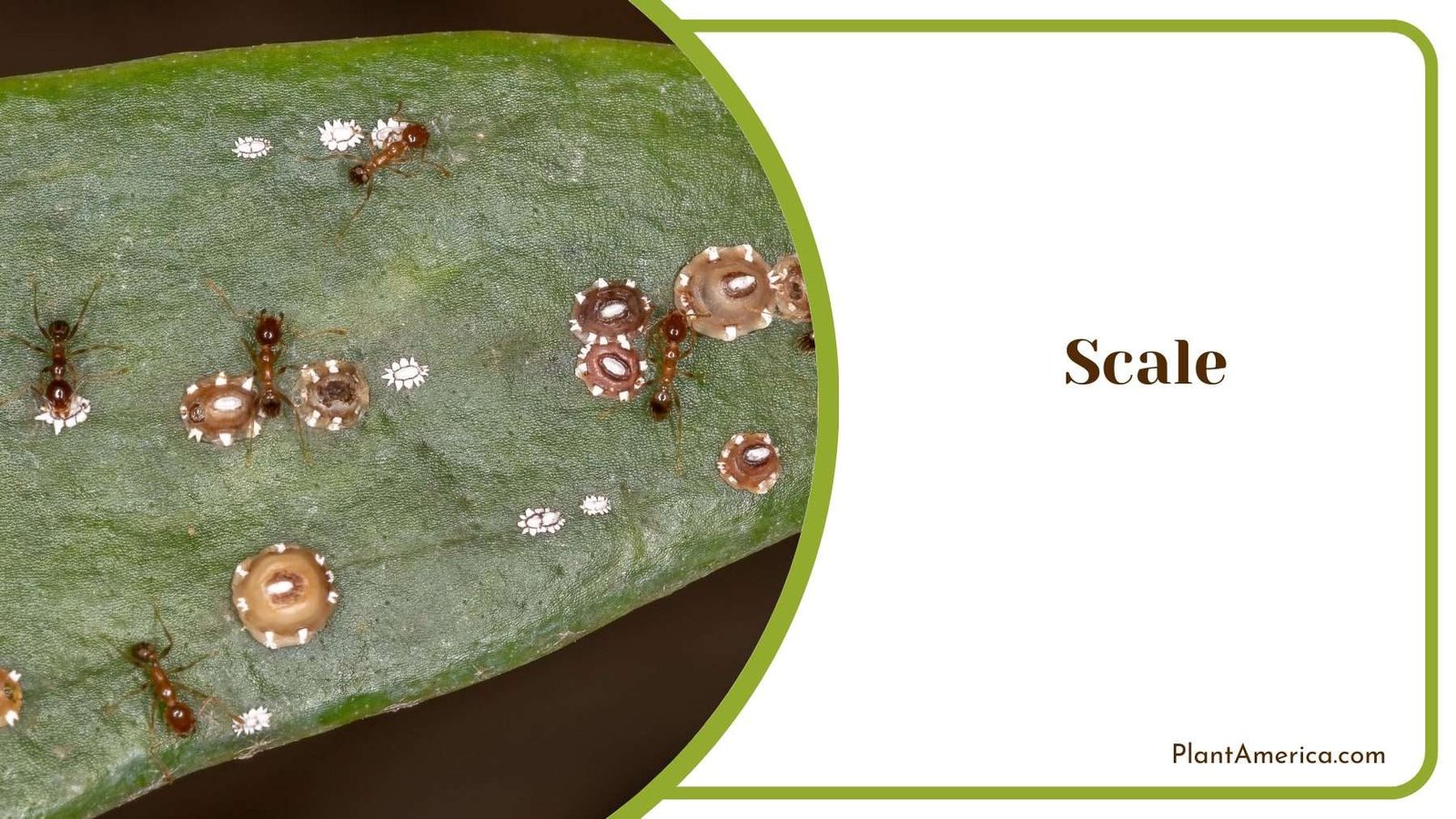
- Symptoms: Small, flattened insects attached firmly to leaves, stems, or roots. White, gray, or black protective coverings over insect bodies. Sooty mold growing on honeydew secretions.
- Treatment: Isolate infected plants and check others closely. Wipe leaves with cotton balls soaked in insecticidal soap. Apply systemic insecticide as directed.
- Prevention: Monitor new acquisitions for pests before introducing. Maintain plant health and remove dead foliage to discourage pests. Increase air circulation and lower humidity to discourage scale.
Scale insects plague countless indoor plants, posing serious issues if left to thrive undisturbed on peaceful lily foliage or stems. Several types prey specifically on Spathiphyllum, feeding via mouthparts penetrating plant cells nonstop. Their protected armored shells require special treatment protocols.
Mature scales appear as small brown/black bumps adhered tightly. Some species form white cotton-like masses sheltering nymphs. Heavily infested areas showcase yellowed leaves, weakening entire plants gradually. Crawler stages colonize freely without deterrents. Prompt action helps curb alarming scale outbreaks. Isolating infected plants limits cross-contamination risks.
Lightly oils like neem or insecticidal soaps suffocate actively feeding scales when used as directed. Systemic granular applications targeting crawler stages indoors prove highly effective with repeated treatments 10 to 14 days apart. Thoroughly scrubbing leaves with desirable bristle brushes removes external shells to expose vulnerable interiors.
Followed by a rinse, this mechanical method supplements chemical efforts. Ongoing inspections catch creeping colonies early for the easiest elimination before devastating larger plant sections. Diligent monitoring represents the most prudent scale prevention strategy for cherished peace lilies.
6. Mealybugs
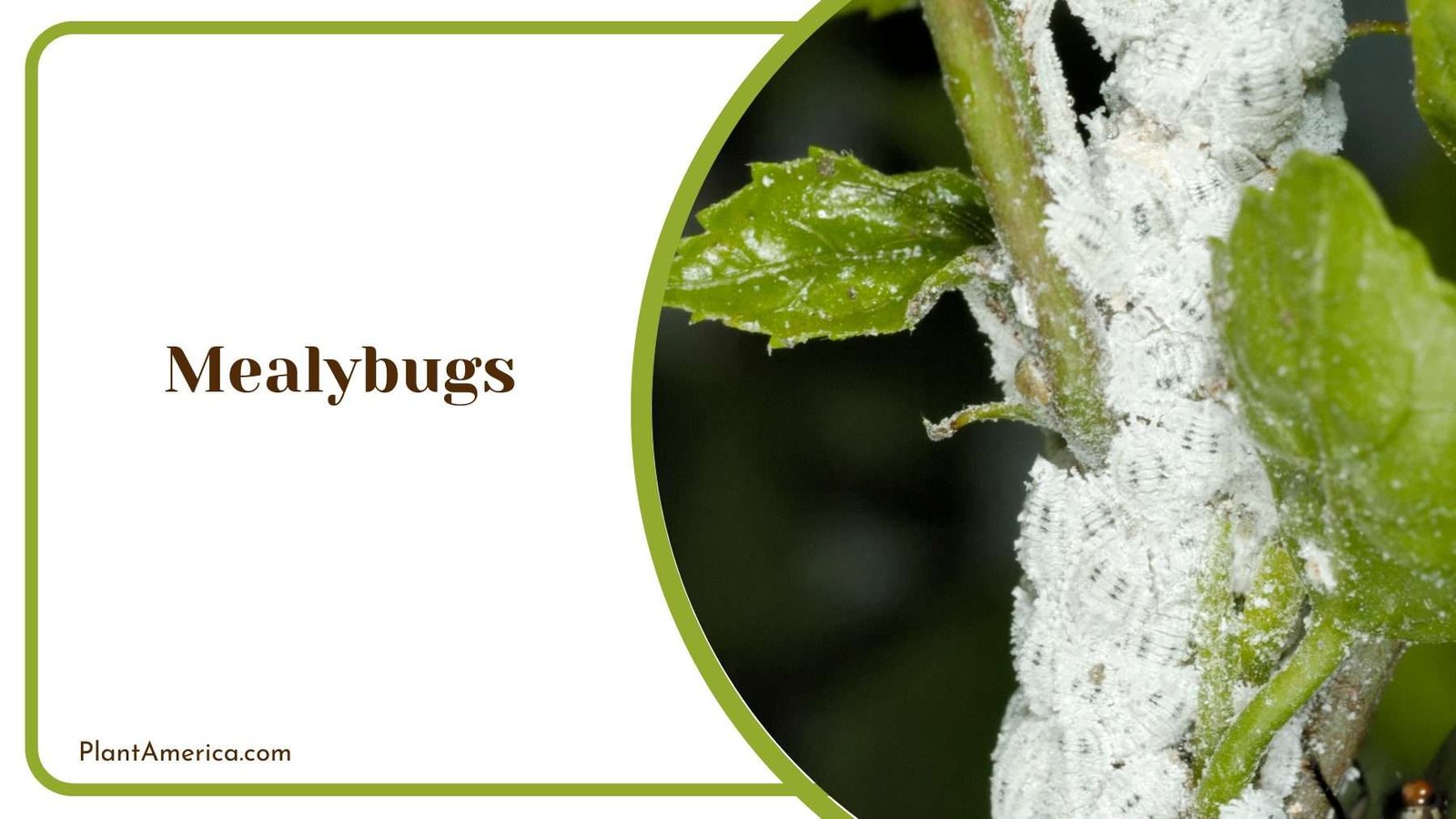
- Cause: Presence of mealybugs, small soft-bodied insects that suck plant sap. Overly moist or humid conditions allow pest populations to thrive.
- Symptoms: White, fluffy masses of insects clustered in leaf axils and stems. Yellowing or wilting leaves from sap loss. Sooty mold growing on wax secretions blocking sunlight.
- Treatment: Isolate the infected plant and treat the remaining collection as a precaution. Wipe leaves/stems with cotton balls dipped in isopropyl alcohol. Apply systemic pesticide or horticultural oil as directed, targeting the crawler stage.
- Prevention: Maintain plant health and remove dead or old growth. Isolate new purchases for signs of infestation. Monitor humidity and only water when the soil is dry below the surface.
Mealybugs stealthily plague numerous houseplants and thrive undisturbed on peace lilies. Multiple generations develop weekly via live birth, escalating infestations exponentially without treatments. Their secreted wax shields camouflage within foliage tufts, posing surveillance challenges.
Colonies of tiny white or pinkish insects sporting filamentous protrusions cluster on leaves, adjacent stems, or node points. Heavily infested zones exhibit yellow stippling and leaf droop as cell-sap meals progressively weaker plant vigor. Black sooty molds conversely indicate nearby infestations feeding actively on honeydew excretions.
Quarantining afflicted specimens limits cross-contamination. Gentle rinsing under shower head streams dislodges exterior wax without harming tissues. Systemic granular applications concentrate within vascular tissues lethal to penetrating mouthparts. Repeated as directed every 10 to 14 days ensures all forthcoming nymphs receive toxic doses.
Mechanical inspections identify lingering problem areas. Fine-tipped syringes target crevices inaccessible to broad actions—patience necessitates mapping entire landscapes weekly for lingering symptomless areas sheltering founders. Neem oil suffocations complement chemical interventions by occluding breathing spiracles.
With layered tactics addressing multiple life stages and isolation reducing transmission risks, peace lilies can thrive mealybug-free, rewarding diligent plant parents bountifully. Early detection affords the easiest elimination before infestations overwhelm therapeutic options.
7. Aphids
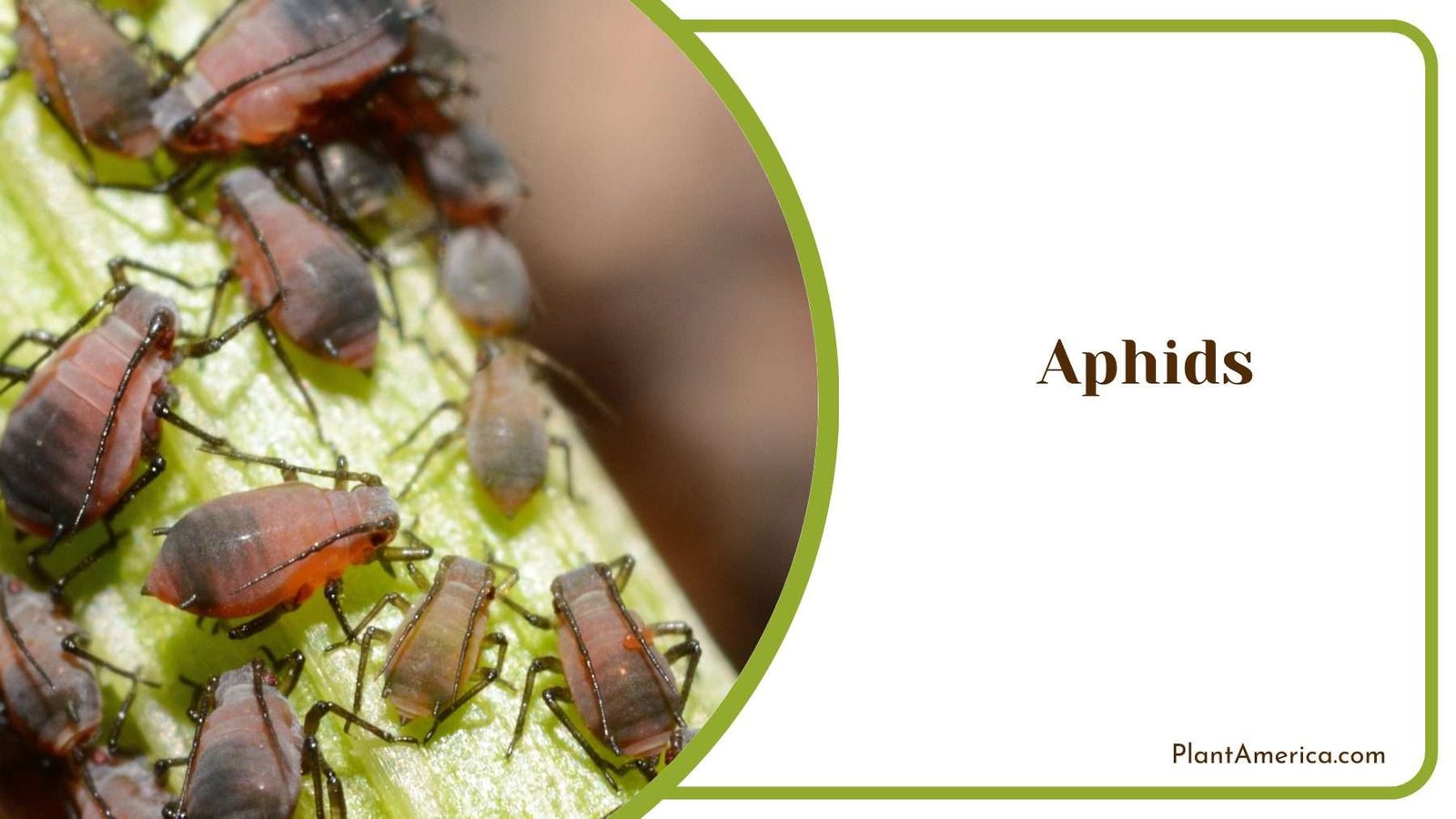
- Cause: Soft-bodied insects that feed on plant sap. Parthenogenetic reproduction allows populations to explode. Overwintering eggs hatching in spring.
- Symptoms: Small, soft-bodied insects congregated on new growth. Leaves distorted or yellowed from sap feeding. Sooty mold growing on honeydew secretions.
- Treatment: Isolate plants and check others closely for aphids. Apply insecticidal soap, horticultural oil, or registered systemic insecticide as directed.
- Prevention: Check new acquisitions before introducing. Encourage natural predators like ladybugs. Good sanitation removing infested leaves or plants.
Small yet remarkably detrimental, various aphid species target manifold houseplants in cozy indoor environments. Feeding exclusively through penetrating styles siphoning sap, they multiplicative via live birth, rapidly skewing population numbers out of control ahead of reaction times. Peace lilies fall prey in the gemeinschaft.
Established colonies showcased as white, green, or blackish clusters along tender new leaves, stems, or growing shoots. Surrounding foliage will display telltale leaf casts, including yellowing, curling, or stunted growth, diverting plant vitality. Sooty molds similarly thrive where honeydew rains down undisturbed.
At initial detections, diligent applications vaccinate surrounding plants prophylactically with mild soaps or specially formulated horticultural oils. Their external suffocating actions efficiently curb light infestations. Physically exterminate visible aphids with targeted spray streams, droppers, or cotton swabs—combinations proving synergetic defenses.
Constantly surveying counterintuitively represents the sole dependable approach to averting future crises. Returning exceptional plant health baselines follow their defeat. Occasionally, dusting with diatomaceous earth along walkways or sills creates a trouble-free habitat. No downtime allows resilient peace lilies to showcase nature’s beauty year-round.
8. Root Nematodes

- Cause: Tiny unsegmented roundworms that feed on root tissues. Present in poor-draining soil as cysts or eggs.
- Symptoms: Stunted growth and yellow leaves. Roots pruned or swollen. Entire plant shows poor vigor and health. Carefully remove plants from the pot and shake or wash soil away.
- Treatment: There are no cures once severely infected. Treat surrounding soil with certified nematode control products according to labels.
- Prevention: Start with sterile potting mix in clean containers. Maintain good drainage and moisture levels. Rotate houseplants between containers to avoid buildup.
Obscure yet injurious, plant-parasitic nematodes pose sinister threats stealthily attacking root zones. Various micrometer-long roundworms establish burrowing into epidermal and cortical cells, driving hematophagy, and secreting toxic salivary substances. Willowing ensues as root structures deteriorate, undermining nutrient/water absorption.
Initial symptoms resemble nutrient deficiencies with stunted growth and yellowing/browning foliage desynchronized from optimal care. Severe infestations culminate within galls, hyperplastic outgrowths along damaged zones attracting secondary fungal/bacterial invaders, exacerbating declining health. Advanced cases exhibit rapid wilts irreparable by standard remedial measures.
Diligent protocols focus on prevention through sterilizing equipment and employing fresh sterile potting mixes between uses. Loose, free-draining media composition sustains aerobic habitats inimical to nematode survival. Systemic applications containing active ingredients like avermectins target developing stages with residuals maintaining suppressive environments.
Recovering symptomatic plants necessitates rupturing root galls and excising severely malformed segments before repotting into freshly fumigated soils. Preventative maintenance through sanitation represents the surest approach to avoiding potentially catastrophic invasions within delicate root zones. Ongoing vigilance underpins resilient peace lily health.
9. Crown Rot
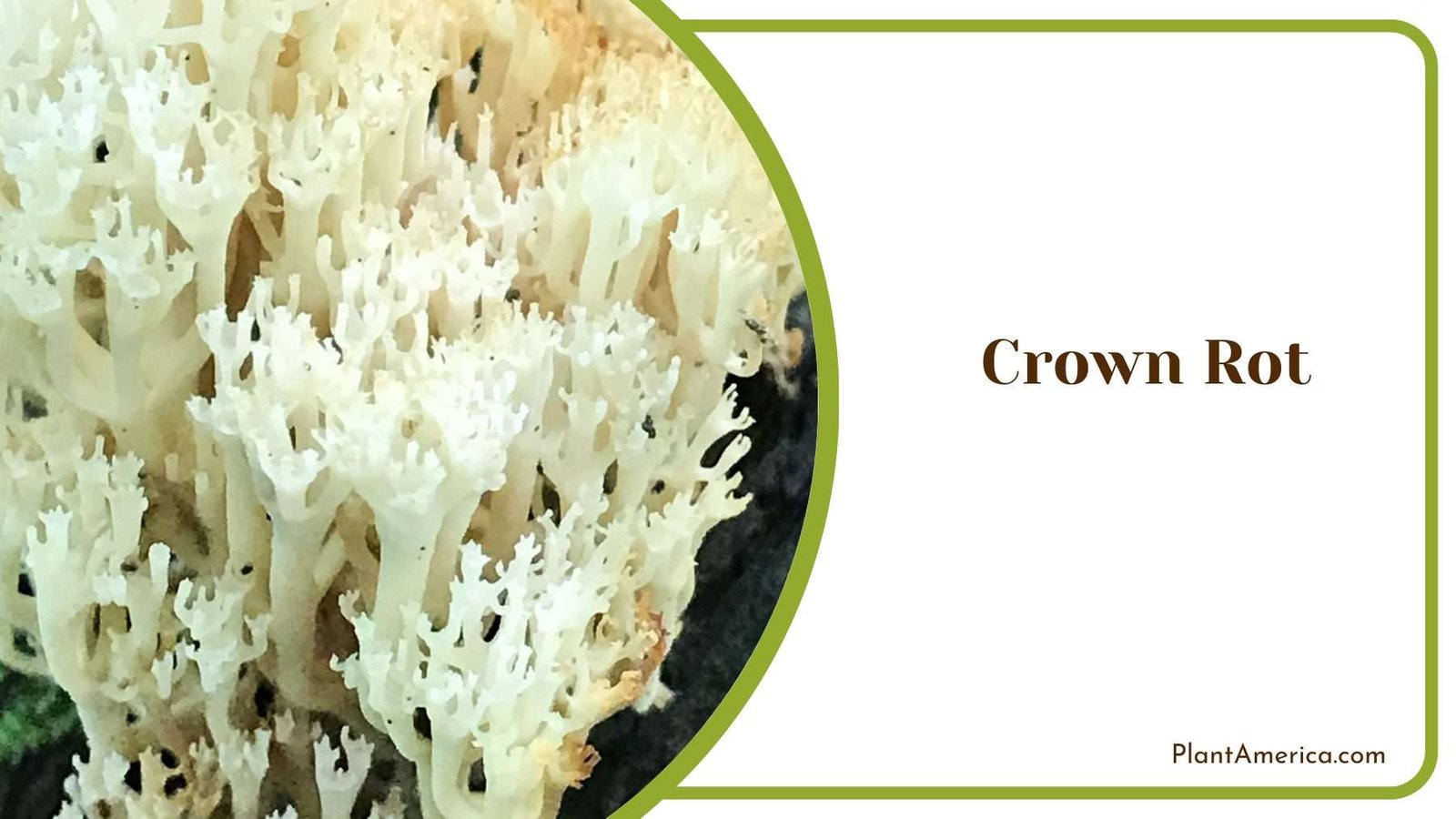
- Cause: Soil-borne fungi (Phytophthora, Pythium) that infect roots and crown. Poor drainage allows the soil to remain wet.
- Symptoms: Wilting and yellowing leaves despite watering. Roots decayed and slimy. The entire plant rapidly collapses and dies.
- Treatment: There is no cure once infected. Isolate plants.
- Prevention: Use sterilized or pasteurized potting mix in clean containers. Water judiciously and improve drainage if needed. Monitor moisture levels and new plant shipments for signs of disease.
Crown rot stems from pathogenic fungi slipping into injury points within moist crown tissues surrounding the basal stem. Ideal conditions include poorly drained soils retaining excessive moisture conducive to this opportunistic invader. Symptoms emerge suddenly without warning. Affect leaves wilt, curl inward, and yellow from the base upwards while the crown softens and dark lesions form.
Roots appear slimy and discolored underneath. Severely infected plants cannot recover even after repotting. Practicing preventative tactics focused on optimizing drainage, airflow, and limiting soil moisture supports natural plant defenses. Ensure the crown remains well-elevated above the soil line. Prune away damaged or dead foliage to improve circulation.
For symptomatic plants, remove completely from contaminated soils. Scrub and rinse the crown/roots thoroughly before replanting in fresh, sterile soil. Applying a targeted fungicide may halt further infection. However, once fully established within the crown, the prognosis remains bleak.
Through diligent care tailored to individual plant needs, peace lilies can thrive, avoiding crown issues indoors for extended periods of bountiful beauty displayed year-round. Early pest monitoring represents the keystones of proactive care.
10. Bacterial Infection

- Cause: Wounded areas allowing entry of opportunistic bacteria. Poor sanitation practices spreading bacteria.
- Symptoms: Soft, watery spots or lesions on leaves and stems. Yellow or brown margins of leaves. Entire leaf or stem sections dying rapidly.
- Treatment: Remove severely infected areas with sterilized pruning shears. Spray copper-based bactericide as directed.
- Prevention: Avoid wounds and sodden soil conditions. Sterilize tools between plants. Quarantine new plants for signs of disease.
Bacterial blights threaten peace lilies through microscopic invaders deploying sophisticated pathogenicity factors to undermine host defenses. Upon entry points, they increase systematically if left unchecked to impair photosynthesis and transmit from plant to plant.
Initially, necrotic spots or slimy flecking emerge on foliage/stems, rapidly enlarging. Affected tissues swiftly collapse, oozing cloudy exudates housing millions more infectious particles. Entire leaves and segments blacken and shrivel yet cling stubbornly if forcefully pruned.
Sanitation remains imperative, sterilizing implements between prunings. Improving airflow while monitoring humidity and drainage avoids sustaining moist microclimates welcoming these opportunists. Attentive exams catching lesions quickly allow for eliminating focal points before dissemination. Antibacterial washes/copper applications may succeed against localized issues.
Severe cases necessitate removing all infected plant parts, scrubbing the area, and repotting in sterile soil. Antibiotics specifically labeled for ornamentals targeting neighboring plants may forestall establishing secondary infections. With diligence targeting causative conditions, peace lilies can defeat bacterial assaults and consistently present bountiful greenery.
11. Viral Infection

- Cause: Certain viruses transmitted by infected cutting or plants.
- Symptoms: Stunted growth. Distorted or mottled foliage. Leaf bronzing or yellowing.
- Treatment: No treatment once infected. Remove and destroy infected plants to stop spread.
- Prevention: Obtain plants from a reputable source. Do not share cuttings or tools.
Elusive plant viruses menace peace lilies stealthily via various vectors until symptoms emerge perplexingly, mimicking nutrient deficiencies or cultural improprieties. Several genera cause striking chlorotic patterns, leaving malformations and ruinous infections establishment undetected.
Early signs entail mottled or mosaic stippling across leaves while buds enfolding abnormally. Severe infections stunt entire plants bearing discolored, distorted foliage. Unfortunately, no cure exists once viruses integrate into hosts’ genetic materials.
Rigorous sanitation remains the surest prevention, controlling any insects transmitting common viruses. Remove symptomatic specimens promptly before potential dissemination via pruning shears or soils. Consider replacing it with virus-tested nursery stock when eradicating sources proves impossible.
While recovery remains unfeasible, optimized growing conditions bolster tolerance against falling prey to opportunistic viruses lying dormant. Consistent care sustains vigorous growth, outstripping minor infections from causing long-term damage. Diligent monitoring maintains houses filled with only the healthiest, happiest houseplants.
Conclusion
Awareness of the challenges peace lilies may encounter allows one to care for them properly and appreciate these plants.
- Common peace lily diseases include leaf spots, scale, mealybugs, thrips, and root issues
- Following best care practices like monitoring moisture and sanitizing tools helps prevent pests
- Catching signs of disease early allows treatment before major damage occurs
- Ongoing observation is key to maintaining plant health and catching small problems
- With knowledge and care, peace lilies can thrive even when facing minor infections
Small efforts on our part, like providing suitable conditions and keeping a watchful eye, go a long way in helping our beloved houseplants remain healthy and vibrant. Though diseases may sometimes appear, taking preventative steps and addressing issues early means we can still experience years of enjoyment from these lovely companions.