
Outdoor plants that don’t need sunlight are great to have in gardens that are shaded or don’t receive a lot of light.
You may need these plants to fill your shaded backyard or you could also be looking for vegetables that you can grow even if your yard does not have access to full sun.
Whatever the reason you’re looking for plants that don’t require a lot of sun, we have created a detailed compilation for you. Continue reading to know which plants can survive in low sun.
Low Light Outdoor Plants
Here are some outdoor plants that need little light:
1. Lady Fern (Athyrium Filix-Femina)
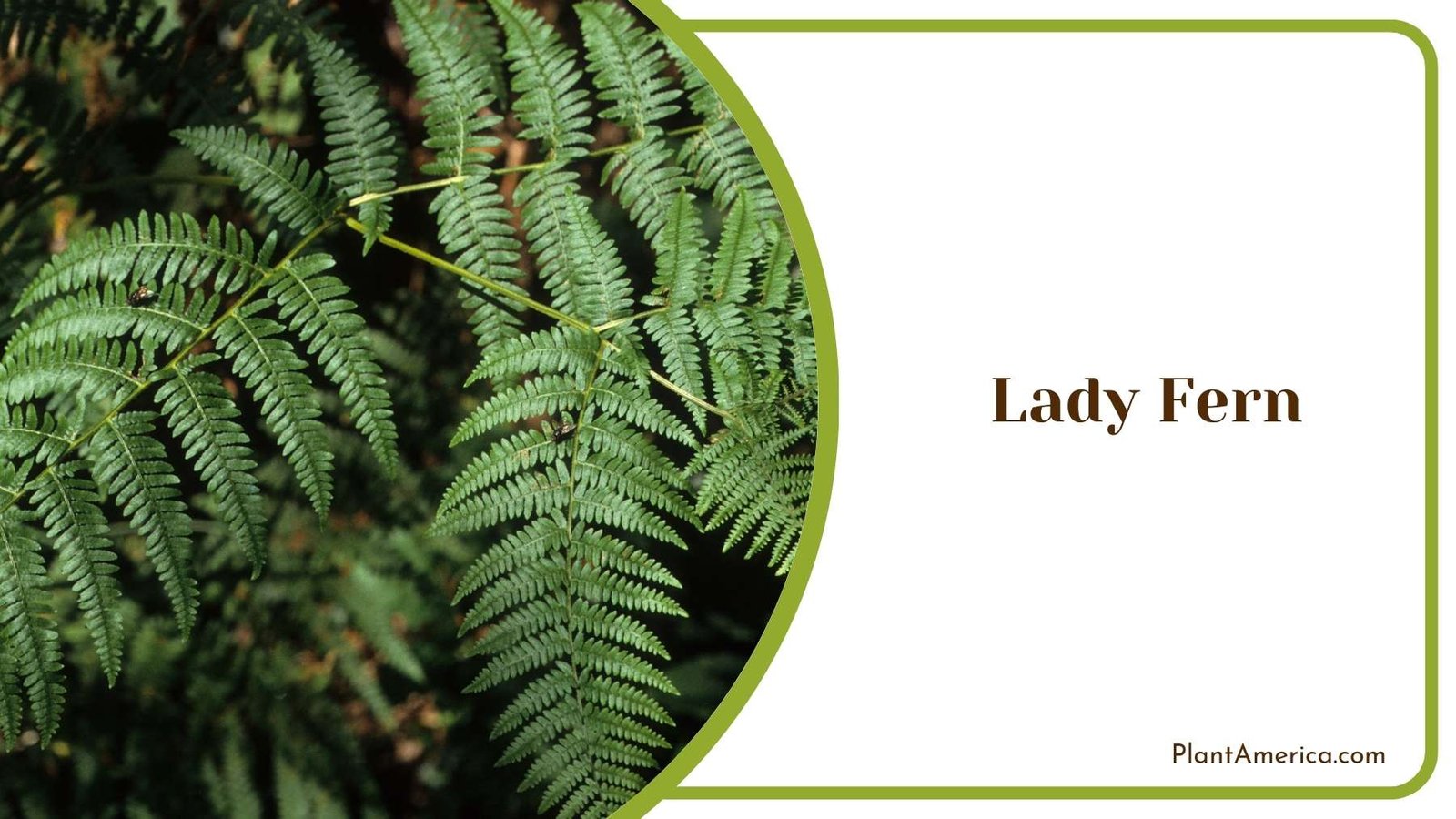
If you are looking for the perfect plant that can grow in a low light environment, the lady fern plant is just right for you.
This beautiful plant can survive in a wide range of light availability, so if you are planning to plant in a section of your yard that does not have access to a lot of sunlight, you should grow lady ferns.
Here are some quick details about the lady fern plant:
- Suitable USDA hardiness zones: You can grow lady ferns anywhere from USDA zones 4-8 as it is cold-hardy.
- Light requirements: Fern survives in a wide range of light availability. It is suited for places with low light.
- Water requirements: You should water your ferns if you notice that the soil is dry. One thing about plants that love low light is that they usually prefer moist soil over dry soil.
- Nutrient requirements: Fertilize your ferns in spring when you notice new growth. You can fertilize them using a fern fertilizer from a gardening shop near you.
- Pruning: In early spring, you should prune your ferns. Remove any weak leaves and make sure that all the leaves are firm and green.
- Repotting: If you want more ferns, you can divide your current ferns into two or more plants and plant them in new pots. For a single fern plant, you do not need to repot it.
- Pests: Prevent pests such as mealybugs, caterpillars, aphids, snails, slugs and plant scales from reaching your ferns.
[TABS_PRO id=93969]
2. Chard (Beta Vulgaris Subsp. Vulgaris)
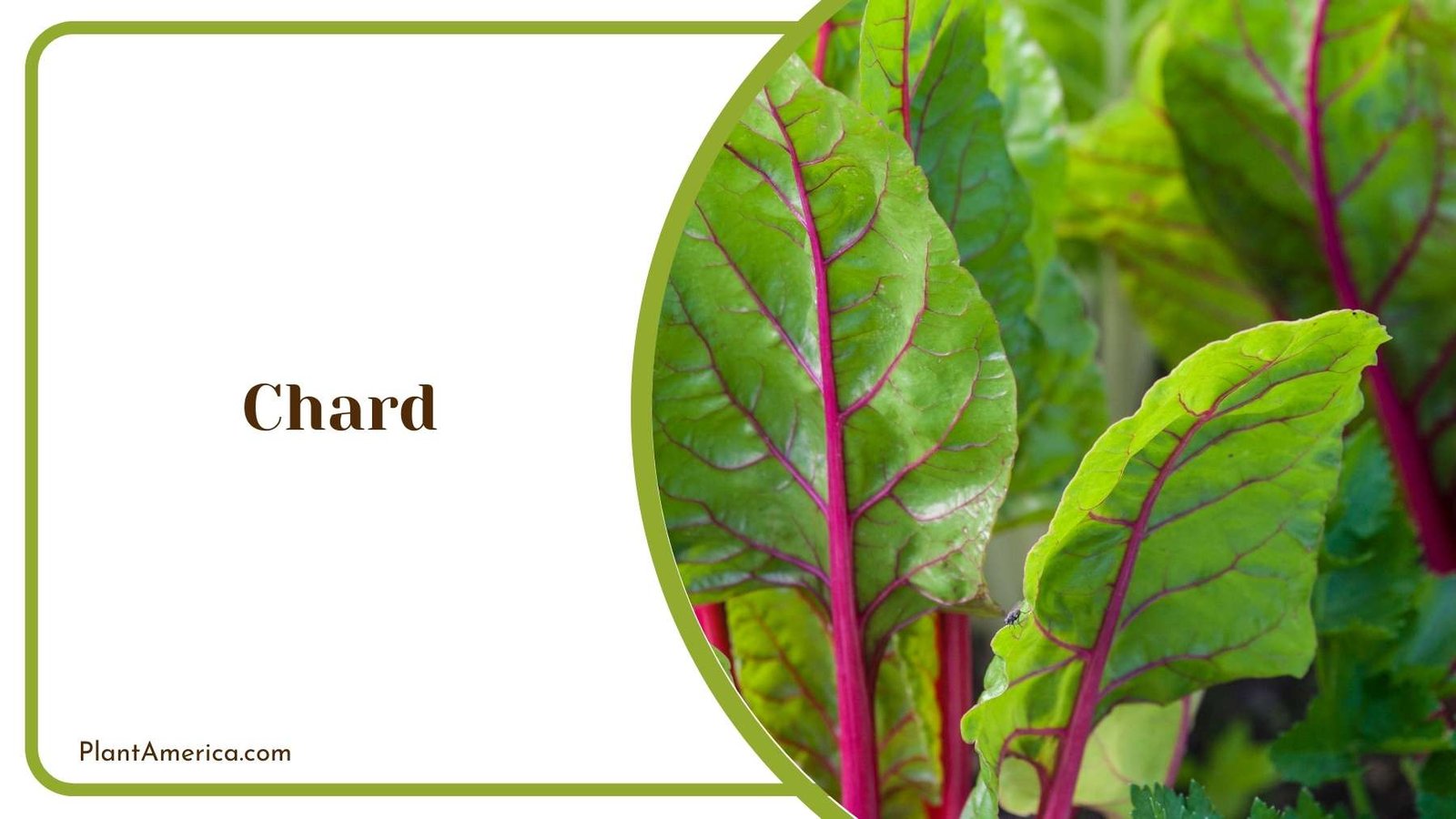
Chard is a common vegetable plant. It is a leafy green and people cultivate it for its leaves and stalks. Some chard requirements are:
- Suitable USDA hardiness zones: Chard is a biennial in USDA hardiness zones 6-10. You can grow it as an annual in zones 3-6.
- Light requirements: Even though chards can grow in low light, they grow best in full sun. You should protect your chards from the hot sun of summer.
- Water requirements: Water regularly throughout the growing season. Chard loves moist soil (not waterlogged).
- Nutrient requirements: After amending the soil with organic matter, you should feed your chards with a balanced fertilizer (10-10-10) occasionally during spring and summer.
- Pruning: If you are growing chard as an annual, you do not need to prune it, just harvest the plant when it is mature. For biennials, you should remove old and weak leaves.
- Repotting: There is no need to repot this plant.
- Pests: Some common chard pests are aphids, blister beetles, cucumber beetles, cutworms and darkling beetles.
[TABS_PRO id=94060]
3. False Goat’s Beard (Astilbe Sp.)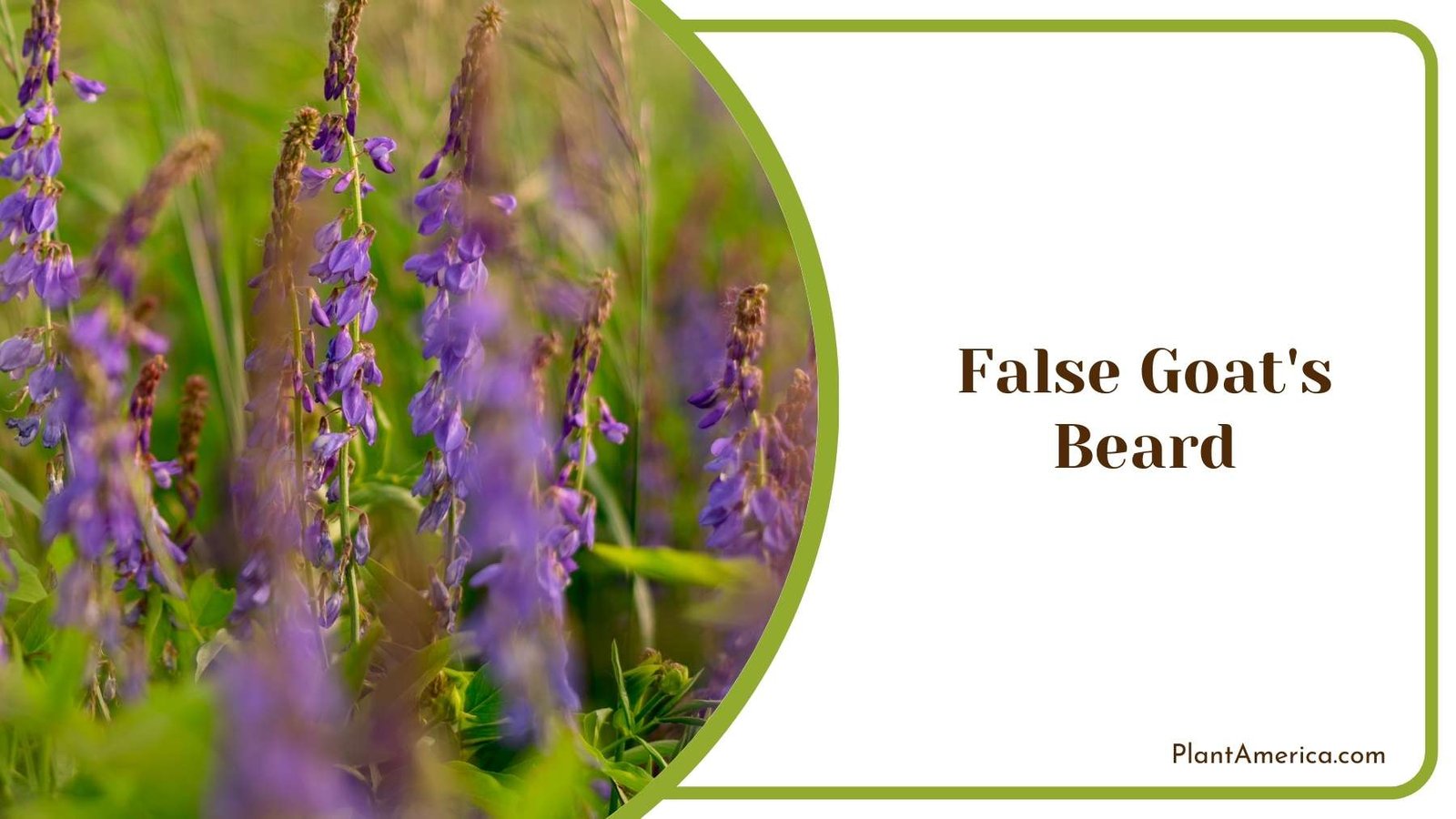
This is a perennial bush-like plant that produces beautiful flowers. The name “false goat’s beard” refers to the appearance of its flowers that resemble a beard. The scientific name “Astilbe” means “without brightness,” which can refer to the dull leaves of the plant or its ability to grow in low light.
Some quick requirements of false goat’s beard plants include:
- Suitable USDA hardiness zones: This is a picky plant when it comes to temperature. You can only grow it when you live in or around USDA zone 6 (especially 6a).
- Light requirements: False goat’s beard plants can grow in full sun and partial shade.
- Water requirements: Water your plants once or twice weekly. They love an environment with high humidity, so you should mist them regularly.
- Nutrient requirements: You can use fertilizer for bushy plants. Make sure that your false goat’s beard substrate is rich in organic nutrients.
- Pruning: During summer, trim out the flowers after they bloom. Look for and remove dead leaves from your plants.
- Repotting: If you are growing your false goat’s beard in pots, they are very easy to repot as they have shallow roots. Only repot the plant when it is bigger than its current pot.
- Pests: This plant does not have many pest problems, but groundhogs and rabbits can visit it.
[TABS_PRO id=94070]
Did you know that false goat’s beards can grow up to 6 feet tall?
4. Lettuce (Lactuca Sativa)
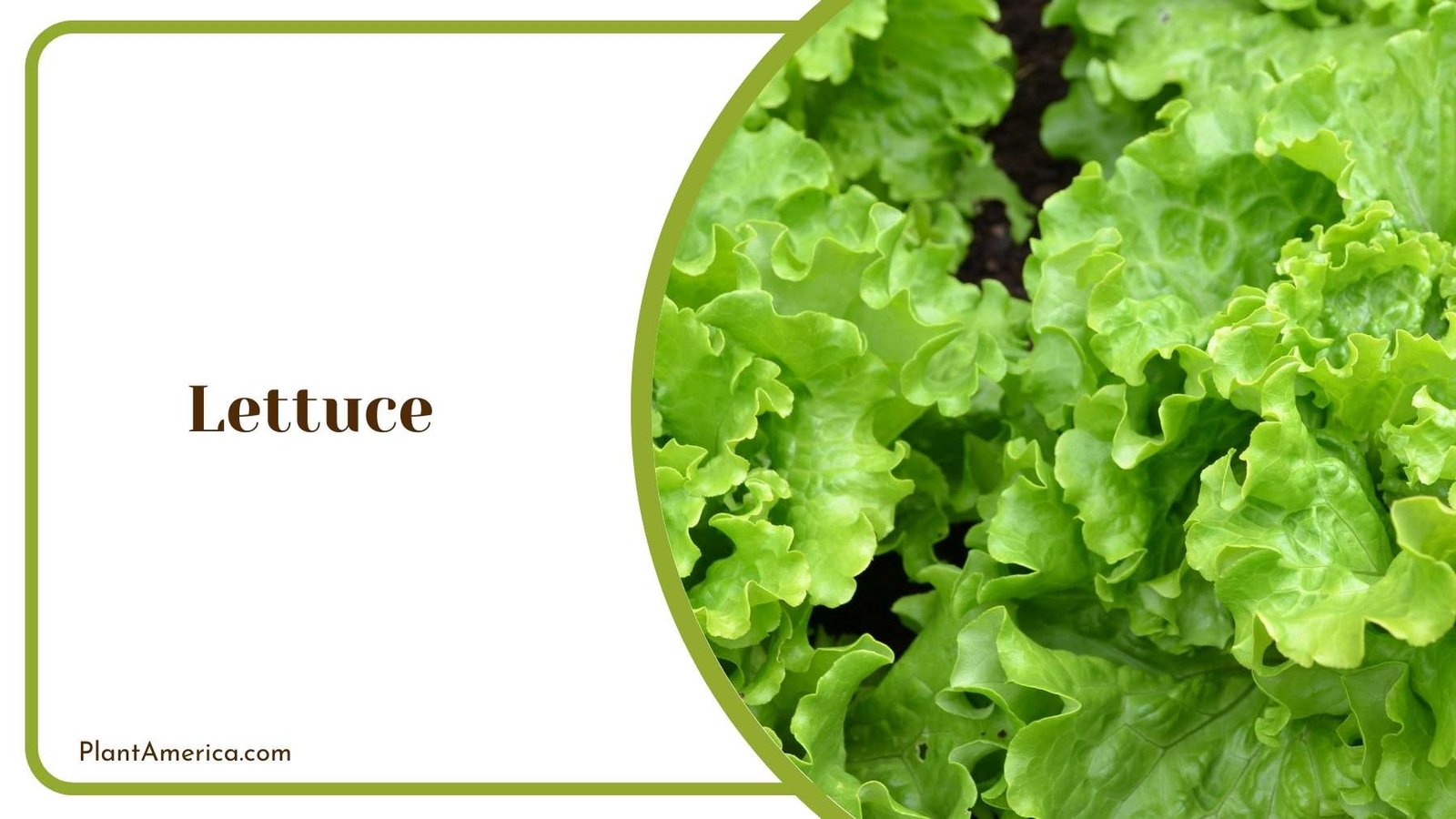
Lettuce is one of the most common vegetables in America. Did you know that you can grow lettuce in partial shade? Here are some more information about lettuce plants for you:
- Suitable USDA hardiness zones: According to the variety, lettuce can survive in a wide range of temperatures. You can grow lettuce in USDA hardiness zones 2-11.
- Light requirements: Lettuce can grow in 4-6 hours of sunlight daily. It will also survive in partial shade, but will not grow as fast as others in full sun.
- Water requirements: Water your lettuce deeply at least once every week. You can mist the leaves of your lettuce daily. Do not let the soil become waterlogged.
- Nutrient requirements: Feed your lettuce plants with fertilizer rich in nitrogen, calcium, potassium, and magnesium. You can easily get lettuce fertilizer from a nearby gardening shop for this purpose.
- Pruning: No need to prune your lettuce plants. Simply harvest the plants when they are ready.
- Repotting: Only repot lettuce seedlings into a permanent pot or directly into the garden soil.
- Pests: Some pests that you should watch out for when growing lettuce are armyworms, corn earworms, crickets, flea beetles and grasshoppers.
[TABS_PRO id=94093]
Lettuce is rich in vitamin K, making it especially good for consumption.
5. Touch Me Not (Impatiens Sp.)

Here is a fun plant for you and your kids that grows extremely well in shaded areas. What’s the fun part about this plant? Touch me not plants close their leaves when disturbed. You and the kids can try closing the leaves of your touch me not plants, but watch out for its spines.
Here are useful details about touch me not plants:
- Suitable USDA hardiness zones: The most recommended USDA hardiness zone to grow most touch me not plants is zone 5. There are, however, some varieties that prefer warmer zones.
- Light requirements: This plant grows well and even produces flowers in heavily shaded areas. A very suitable plant for the dark parts of your garden.
- Water requirements: You do not need to water touch me not plants at a daily basis. If the soil dries quickly, you should opt for occasional watering.
- Nutrient requirements: Mix compost in your soil. This will be sufficient for optimal growth.
- Pruning: Prune your touch me not plants to encourage growth.
- Pests: Touch me not plants do not have any active pests. They help to prevent pests because of their spines.
[TABS_PRO id=94119]
6. Arugula (Eruca Sativa)
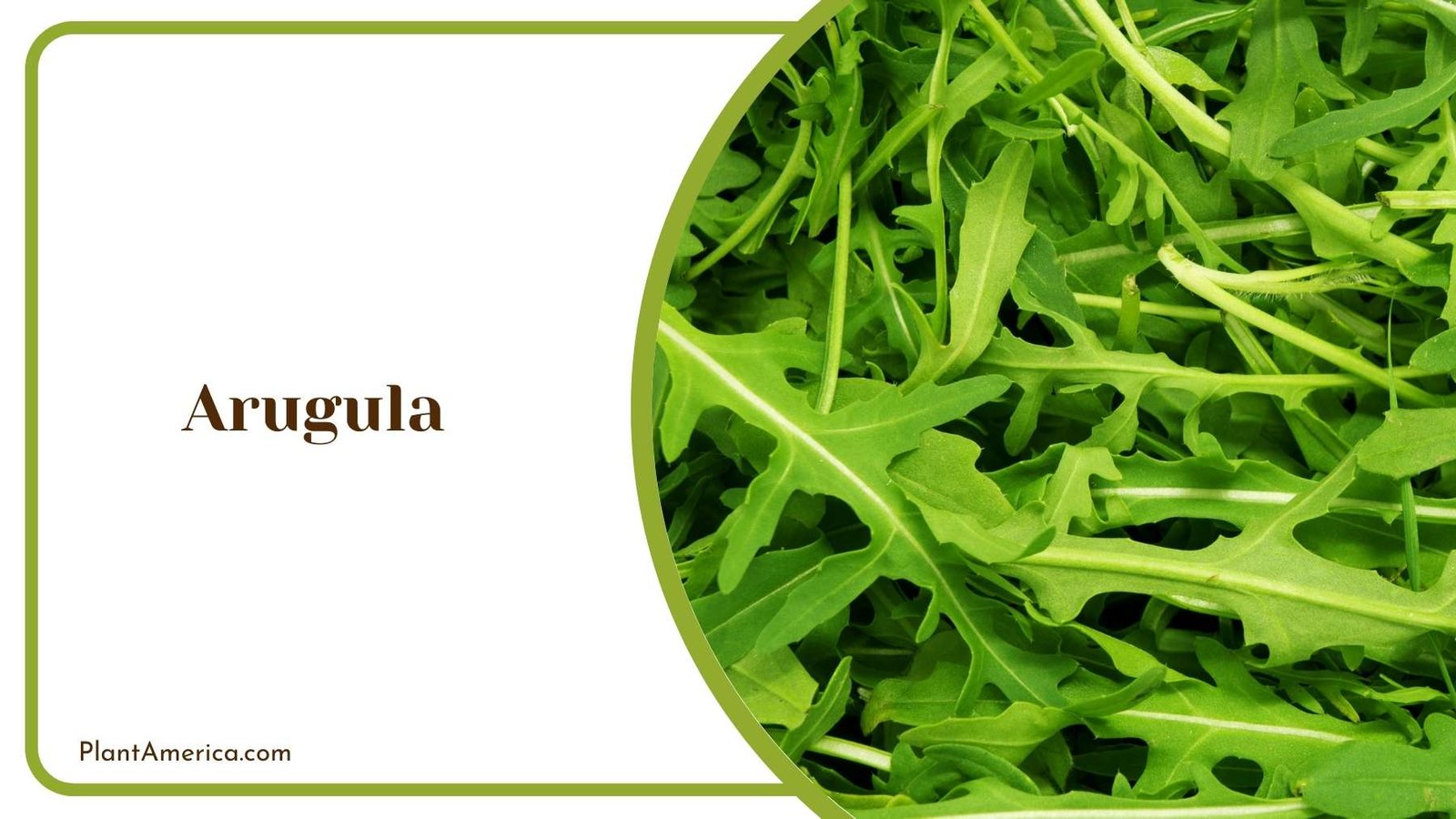
Do you love the fresh leaves of arugulas? You do not have to buy them from a store because even if you do not have access to sunlight, you can easily grow arugulas as they are popular outdoor potted plants that don’t need sunlight.
Here’s what you should know about the plant:
- Suitable USDA hardiness zones: As long as you are living in USDA zones 3-11, you can plant, harvest and enjoy your arugulas.
- Light requirements: Arugula is a common vegetable because of its ability to grow in partial shade. If you want a steady supply of vegetables even though you do not have a yard with access to full sun, you can grow arugulas.
- Water requirements: Keep your arugula soil moist. Water the plant when you see that the soil is dry because Arugulas grow best in moist soil.
- Nutrient requirements: Arugulas do not need a lot of fertilizer. Simply amending the soil with compost is enough for your plants.
- Pruning: You can harvest your arugulas 40 days after planting.
- Pests: Pests can attack your arugula plants. You should protect them from bugs such as crickets, flea beetles, ants, grasshoppers, thrips, aphids, whiteflies, leaf miners and lepidopterous larvae.
[TABS_PRO id=94185]
7. Burning Hearts (Lamprocapnos Spectabilis)
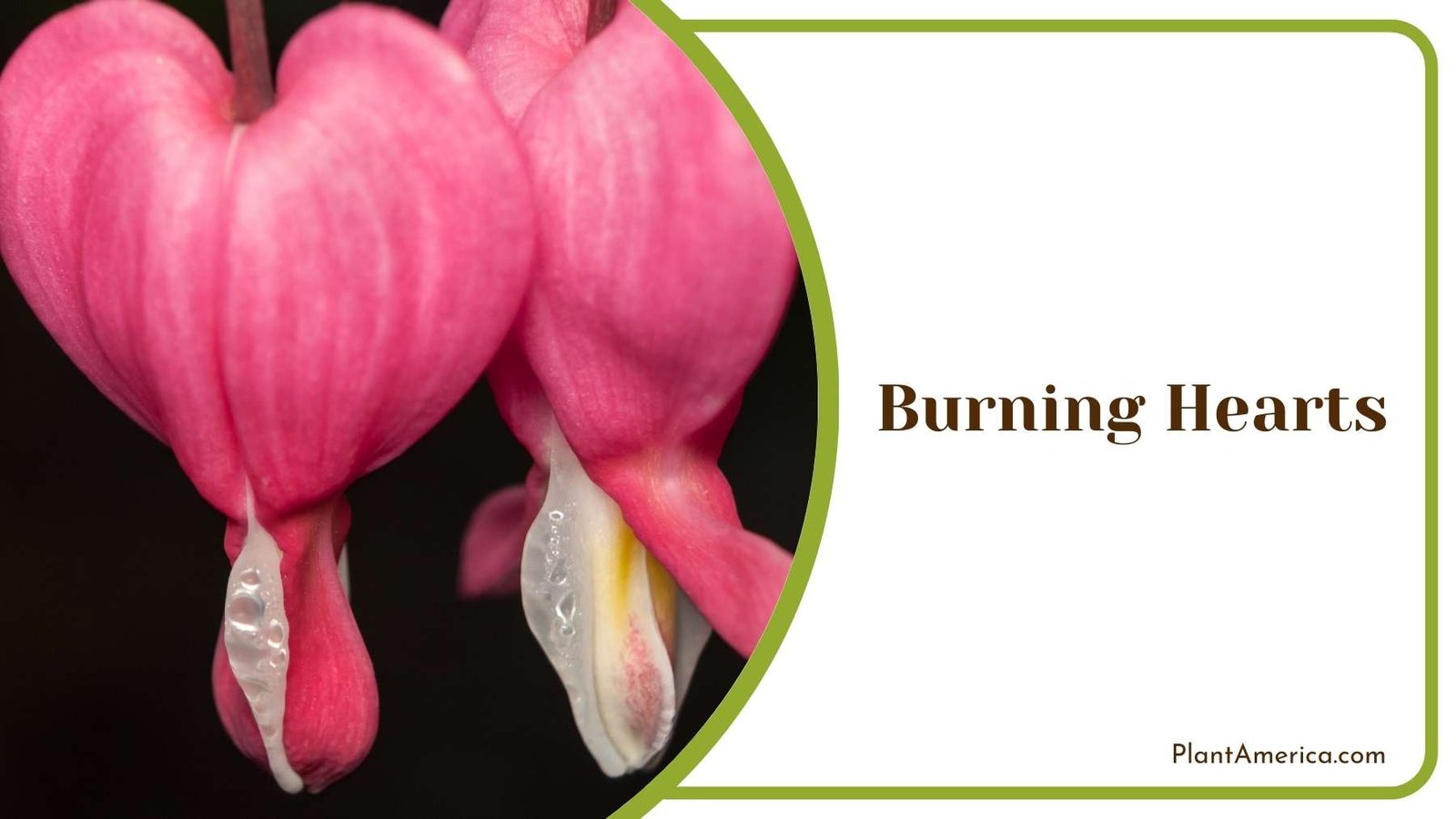
If you need a plant with very beautiful flowers in your partially shaded corner, the burning hearts plant is a top pick. The bright red color of its flowers makes this plant a very special and unique one. The flowers look like a heart, making it desirable for enthusiasts.
Here are some care requirements for burning heart plants:
- Suitable USDA hardiness zones: Even though it is a special plant, it tolerates a wide range of temperatures. You can grow burning heart plants in USDA zones 5 through 9.
- Light requirements: It needs full sun to partial shade. You can grow this beautiful plant in the corner of your home.
- Water requirements: Water the plants weekly during spring and twice weekly during summer.
- Nutrient requirements: You should give your burning heart plants enough potassium and phosphorus in the growing season so that they can produce beautiful flowers.
- Pruning: You should prune the plants in late winter so that they can grow and recover in mid-spring. Control the height of the plant and remove dead parts.
- Pests: Some burning heart plant pests include caterpillars, aphids and fungus gnat larvae. Take note that the presence of fungus gnats in your burning hearts indicates that you may be overwatering the plant or the plant is dying.
[TABS_PRO id=94206]
What’s stopping you from growing burning heart plants?
8. Kale (Brassica Oleracea Var. Sabellica)
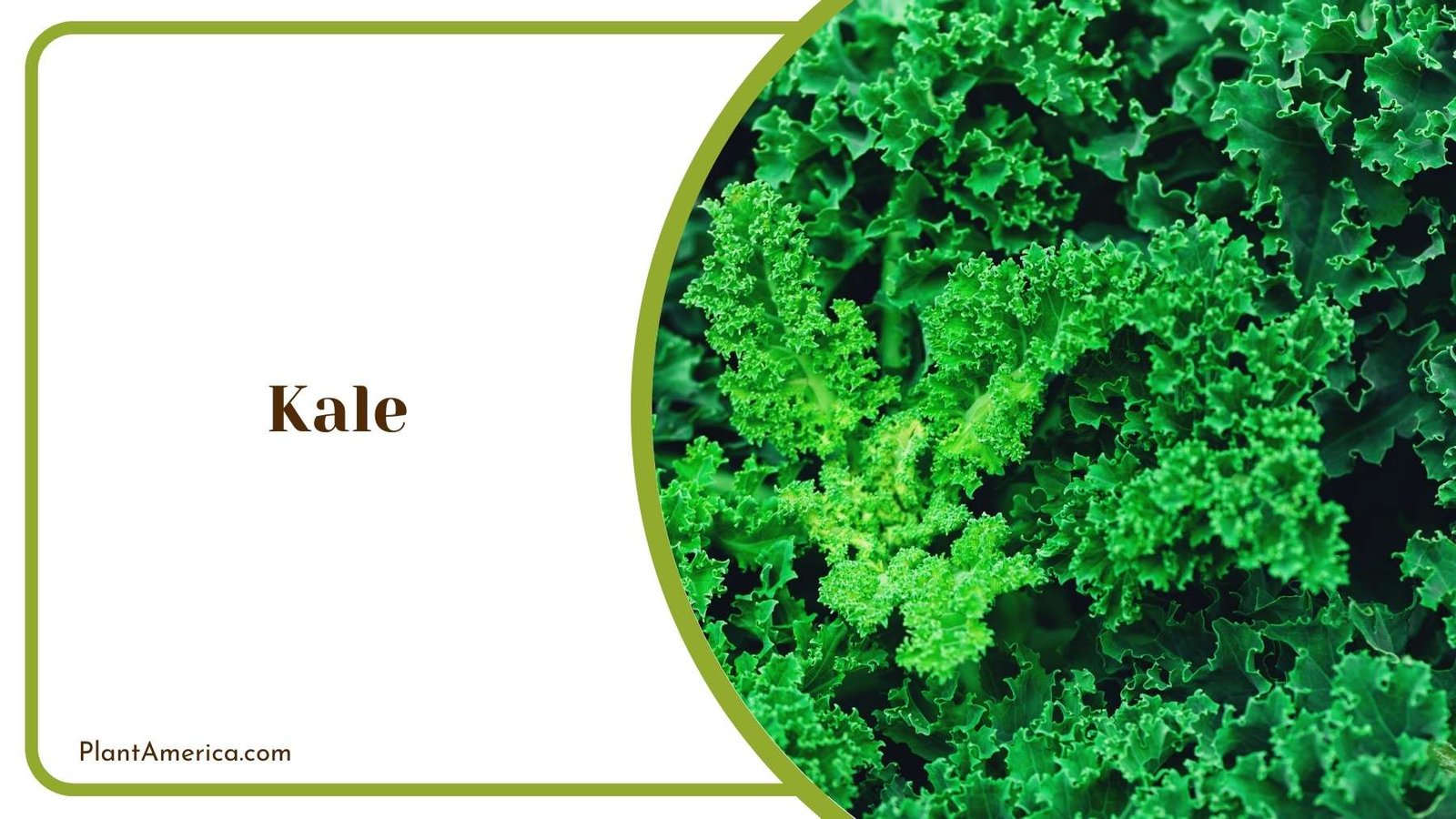
Kale is a leafy green vegetable. It is a common example of vegetables that you can grow in various environmental conditions. Here are some quick details about this plant:
- Suitable USDA hardiness zones: You can grow kale as a biennial plant in zones 7-9. If you grow kale outside these zones, it will die in winter.
- Light requirements: Kale prefers full sun but can tolerate partial shade. While you can grow kale in a shaded corner, take note that the plants will do better when they have access to more sunlight.
- Water requirements: Water your kales regularly just like other vegetables. Keep the kale substrate moist and not soggy.
- Nutrient requirements: Make sure that your kale substrate is nutrient-rich. Amend the substrate with any organic product of your choice. Feed your kales occasionally with a balanced fertilizer (10-10-10).
- Trimming: If you trim your biennial kales, they will regrow. Start by collecting older leaves.
- Repotting: You do not need to repot your kales.
- Pests: Some pests that you should watch out for when growing kale are imported cabbage worms, flea beetles, grasshoppers, harlequin bugs, etc.
[TABS_PRO id=94220]
Essential Care Tips for Your Outdoor Low-light Plants
Knowing about the plants that can tolerate low light is one thing, but learning how to grow them is another. Here are some tried and tested tips to help you successfully grow your low light plants.
– Source of Nutrients
Plants need three major factors to grow: light, water and nutrients. If you are growing plants in a place with a low amount of sunlight, you should make sure that there are sufficient nutrients in the soil. If you grow low light plants in nutrient-depleted soil, they may not survive.
There are two major sources of nutrients for your plants, which are inorganic and organic nutrients.
-
Inorganic nutrients
These are nutrients in store-bought fertilizers. They contain nutrients in basic forms such as nitrogen, potassium and phosphorus. While inorganic nutrients are the best for your plants as they are readily available and can quickly cure the nutrient deficiency, they can be expensive to purchase.
-
Organic nutrients
Organic nutrients such as rotted manure, compost, worm castings, etc. are rich in nutrients, but take a little bit longer to release nutrients to the plants. They usually need to be decomposed by fungi before they can release their nutrients. Organic nutrients are best for soil amendment.
When feeding your low-light plants, consider how nutrient-rich the soil is. You should amend the soil with organic nutrients every year while you also spray inorganic foliar fertilizer on your plant leaves.
– Light Needs
Another factor that you need to consider is why a specific species is called “low light species.” Many plants that people refer to as low light plants can grow well in full sun. Some of the plants even prefer full sun to partial shade. People refer to these plants as low light plants because they can tolerate partial shade.
Most of the plants listed above can do well in full sun and partial shade, so they are not limited to partial shade. “Full sun” refers to having access to around six hours of direct sunlight daily, while “partial shade” refers to having access to around four hours of direct sunlight daily.
– Mulching
Mulching is very important for your plants if you are growing them outside. Some uses of mulching for outdoor plants include: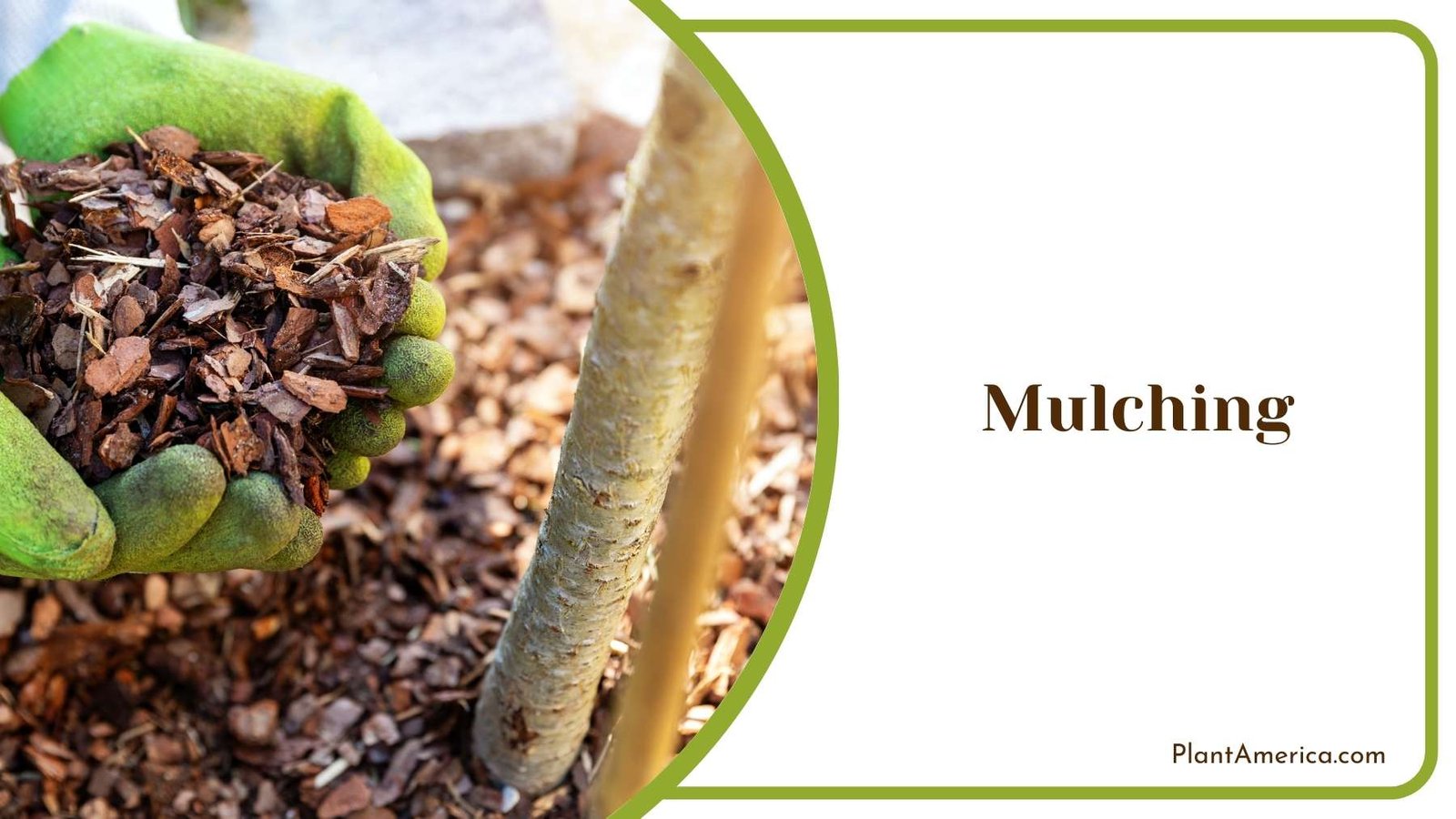
- Prevents water from evaporating quickly: If you live in an arid zone or a place with sandy soil, you should mulch your outdoor plants so that water will not evaporate quickly. It can help your plants to stay hydrated even if the humidity is low.
- Maintains soil temperature: Mulch allows the heat of sunlight to go into the soil but does not permit water vapor to go out. This means that even in cold environments, your outdoor plants can still survive by being warm with the help of mulch.
- Acts as slow-release nutrients: Some products used for mulching are organic and can decay over time. They release nutrients back into the soil.
There are two major types of mulch for your outdoor plants, organic and inorganic mulch.
– Soil Amendment
Even though your low light plants can tolerate a wide range of light availability, they need the best type of soil to grow. You should grow your plants in loam soil, except if they have unique or special requirements that states otherwise.
For plants that love well-drained soil, you should amend the soil with perlite. Perlite helps soil to drain quickly, aerates the soil, and prevents your plants from suffocating in the soil.
If your low light plants need consistently moist soil, you should amend the soil with vermiculite as vermiculite helps soil to retain a fair amount of moisture.
– Overwintering
Is your preferred low light plant an annual or perennial plant? Even if it is a perennial, are you growing it in the right USDA hardiness zone?
If you grow a perennial plant in the wrong USDA hardiness zone, it will become an annual. This means that the plant might die in winter if it is not winter-hardy or suitable for your region.
To overwinter your plants, you can prune off the upper parts of the plant and leave just the stump in the ground. You can also cover the stump with organic matter such as worm casting and compost. In the next growing season (when the soil is warm enough), your plant will regrow.
– Shade Cloth
Some plants listed above are obligate low light plants, which means that they prefer partial shade to full sun. What happens if you’d love to grow such a plant in your yard with access to full sun? You can use shade cloth. Some plants, such as lettuce, do not like the hot summer sun, so you need to shade them from it.
Shade cloths are better for vegetables and other plants in your vegetable/fruit garden because using this can cover or hide the beauty of your garden. For flowers and other types of low light plants, you can grow them below a tree or any object that can block direct sunlight from reaching them.
– Growing Them Indoors
One benefit of low light plants is that you can grow them indoors, but before deciding to grow any plant indoors, consider the toxicity of the plants. Some plants can make you or your children sick if the leaves are swallowed by mistake.
If your selected plant is safe, you can grow it indoors. Remember that you still need to provide it with a source of light. You can either grow your plant under a grow light or you can grow it close to a window. Even though they are low light plants, they cannot survive in total darkness.