
Ohio flowers are a beautiful way to bring color and life to your garden this spring on a budget. In this post, we’ll share 25 uniquely Ohio native blooms you can plant from seed to liven up your backyard sanctuary.
Whether you’re a seasoned gardener seeking low-cost varieties or just starting, these botanical beauties will give your outdoor retreat a refreshing makeover without breaking the bank. From sunny surprises like black-eyed Susans to buzz-worthy Joe Pye weed, each affordable option will surely attract local pollinators to your oasis.
Affordable Ohio Flower Picks for Your Garden
1. Black-Eyed Susan
- Growing Season: Spring: Summer
- Leaf Type: Simple, alternate leaves: Round or heart-shaped
- Specific Needs: Full sun, Well-drained soil, Minimal watering
- Common Pests: Japanese beetles, Aphids
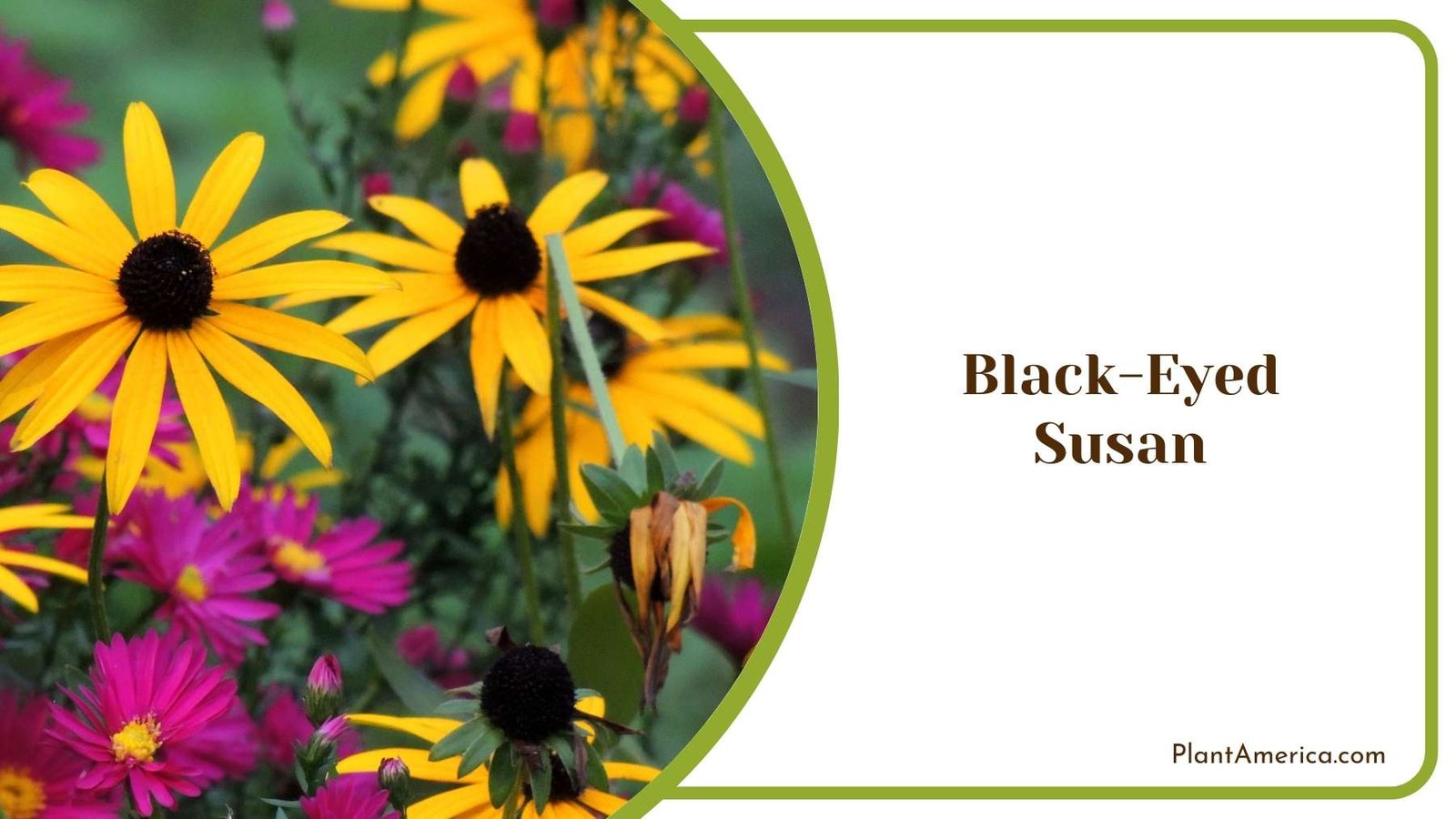
Black-eyed Susans offer abundant cheerful blooms throughout the summer months. With their eye-catching golden centers and dark-ringed petals, they will add vibrant color to your garden from June through September. As an Ohio native wildflower, black-eyed Susans thrive with little care in sunny, temperate locations.
Black-eyed Susans are the perfect addition if you’re looking for hardy, low-maintenance flowers. As one of the longest-blooming plants, a single black-eyed Susan plant can provide months of colorful blossoms with very little effort on your part.
They propagate quickly by self-seeding, so your plot will fill out more each year. Another great quality is their resilience – black-eyed Susans can withstand periods of drought, flooding, or other irregular watering better than many other garden flowers.
These sunny blooms also provide rewards beyond their beautiful yellow petals. Black-eyed Susans attract helpful pollinators like bees, butterflies, and hummingbirds throughout the growing season. As an Ohio native wildflower, they offer shelter and food sources to local pollinator populations.
You’ll enjoy watching the butterflies flit from bloom to bloom in your flower beds and border plantings. Come fall, goldfinches will feast on the flower seeds, and songbirds like sparrows may eat the insects drawn to your native flowers.
2. Coneflower
- Growing Season: Summer
- Leaf Type: Alternate, coarsely toothed leaves, Broad lance-shaped
- Specific Needs: Moist, well-drained soil, Infrequent watering, Full sun to partial shade
- Common Pests: None
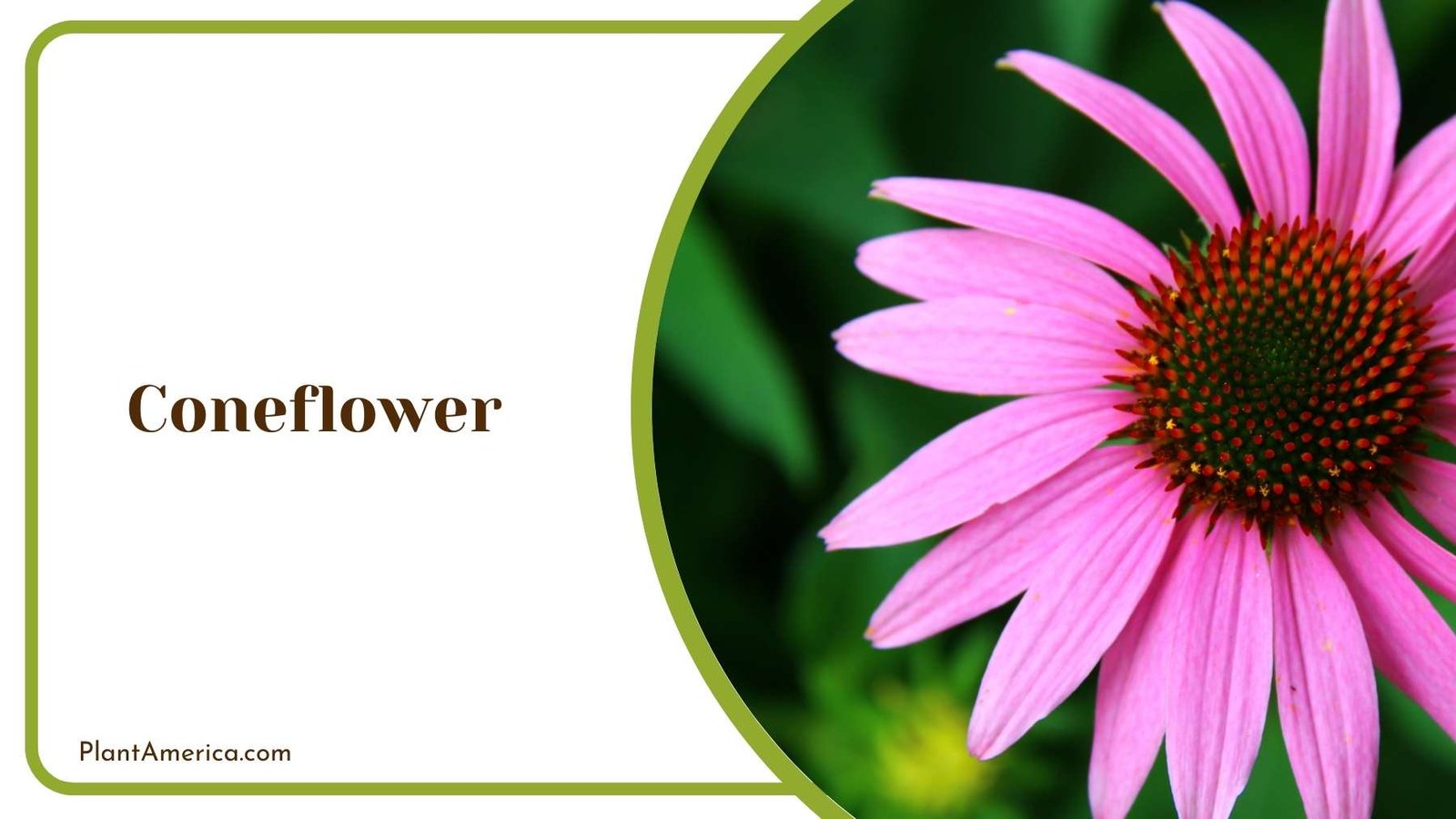
Coneflowers, called echinacea, boast eye-catching purple or pink cone-shaped blooms that pollinators love. As an Ohio native plant, coneflower is well-suited to our climate and soils. Once established, coneflowers thrive with minimal care, making them a great option for beginning gardeners.
As the summer progresses, coneflowers will produce continuous blooms in shades of pink, white, or vibrant purple. Their unusual flower shape and extended bloom time from July through September make them a focal point in the garden.
When planting coneflowers, select a spot in full sun or very light shade with moist, well-draining soil. These conditions will ensure healthy, vigorous growth. Coneflowers are drought tolerant once established, requiring little supplemental watering except in extreme heat or dry spells. Another benefit is their resilience – experienced gardeners report coneflowers bouncing back reliably each spring without replanting.
Not only are coneflowers eye-catching flowers, but they offer additional benefits to your garden. These native plants host butterflies and provide valuable nectar for native pollinator populations. Monarch butterflies, swallowtails, and bumblebees flock to feed on their nectar sources throughout late summer.
3. Butterfly Weed
- Growing Season: Summer
- Leaf Type: Alternate, narrow leaves, Lance-shaped
- Specific Needs: Full sun, Well-drained soil, Infrequent watering
- Common Pests: Powdery mildew
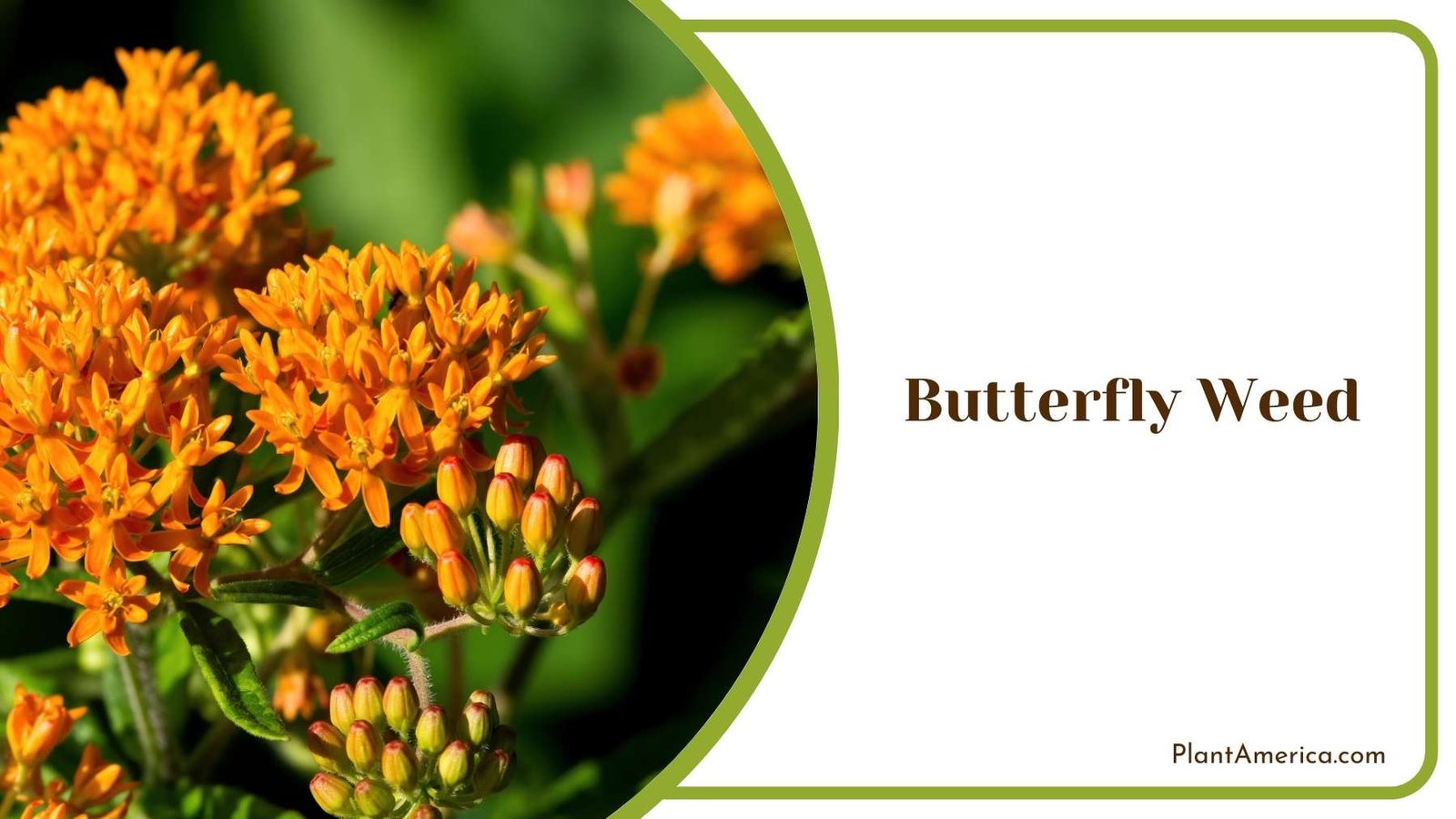
Butterfly weed entices a bounty of butterflies with its striking orange-red blooms from July through September. A magnet for monarchs and swallowtails, the flower’s nectar rewards thirsty pollinators in the heat of late summer.
An excellent choice for Ohio gardens, butterfly weed thrives in our regional climate and soil conditions with very little upkeep. This native wildflower pleases with pops of vivid color for months on end. Give it a spot in full sun with soil that drains well, and it will flourish reliably.
Butterfly weed spreads via self-sowing, covering more ground naturally each year. This allows busy gardeners to reap lovely larval hosts and nectar plants with little effort. Deadhead spent flowers if you wish to control where seeds drop their young. Beyond welcoming butterflies, butterfly weed also shelters helpful, beneficial insects that prey on garden pests.
The flower’s vibrant hues attract eye-catching wings and uplift your spirits on gray days. Whether bordering a pathway or naturalizing in a meadow, swaths of orange-red send a cheerful message to all passersby. Butterfly weed’s long flowering time spans hot summer months when other plants fade, providing season-long interest.
4. Peony
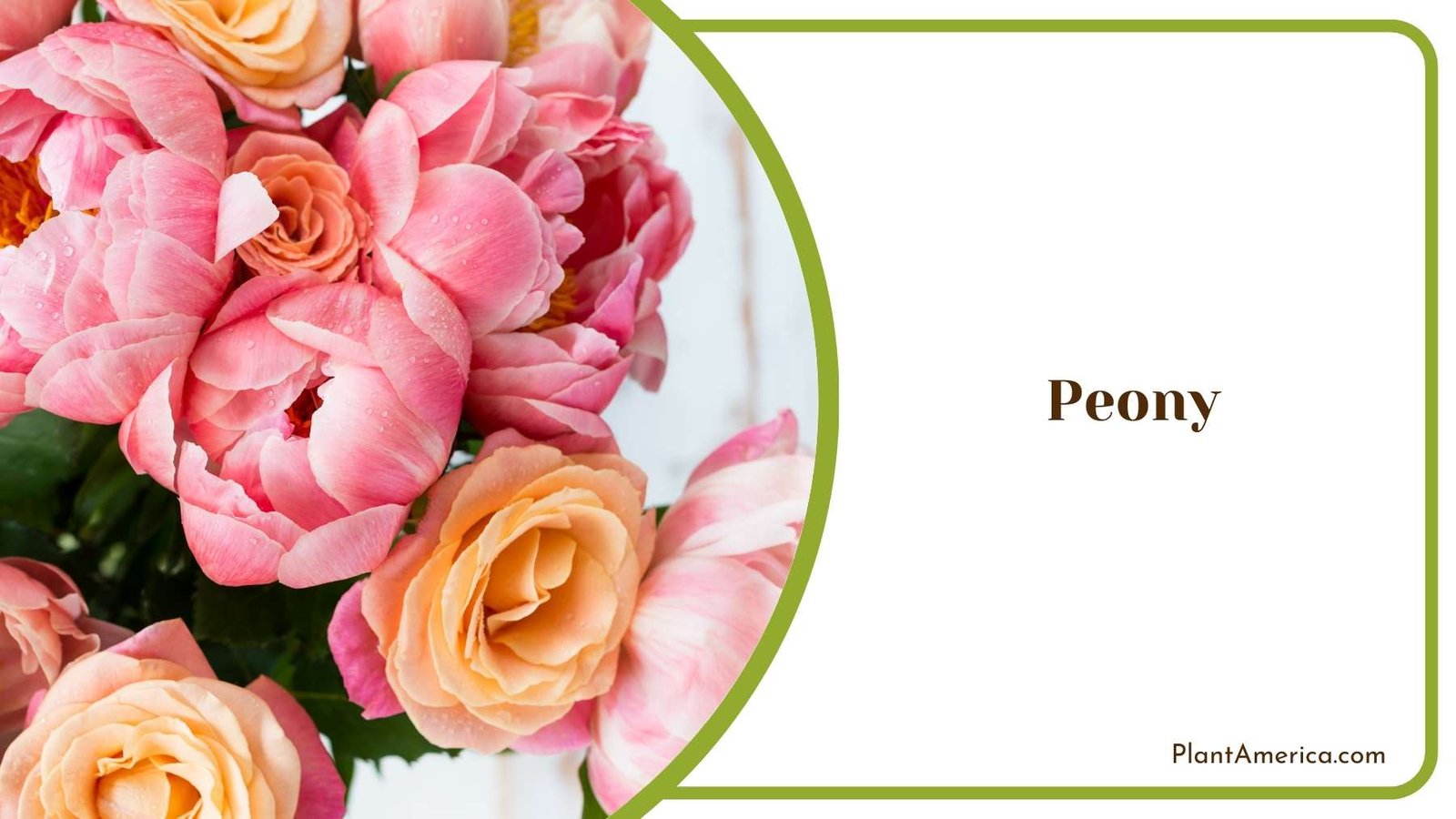
- Growing Season: Late spring, Early summer
- Leaf Type: Alternate, compound leaves with leaflets, Palmately lobed or divided
- Specific Needs: Well-drained, nutrient-rich soil, Infrequent deep watering
- Common Pests: Peony bore – Root-boring moth larvae
Peonies greet spring’s arrival with an exuberant explosion of ruffly blooms. Clusters of lush roses, corals, whites, or vibrant reds unfurl steadily from late May into June, depending on the variety. These flowering shrubs present as fine a floral display as any in the warm season garden.
Although peonies take one to two years to establish their substantial root systems, they reward patient planters many times over with long lifespans and overflowing bouquets each spring. Once settled, peonies thrive with minimal yearly maintenance.
When establishing peonies, choose a spot with organic, moisture-retentive soil that sees full sun. Work a generous helping of compost or well-rotted manure into the hole at planting time. This nourishes developing root structures. Space plants at least three feet apart to allow ample room for growth.
While peonies appreciate consistent soil moisture during their growth phase, established plants display good drought tolerance once flowering concludes. Proper drainage and air circulation are keys to lush foliage and healthy blooms with minimal fungal issues.
5. Daisy
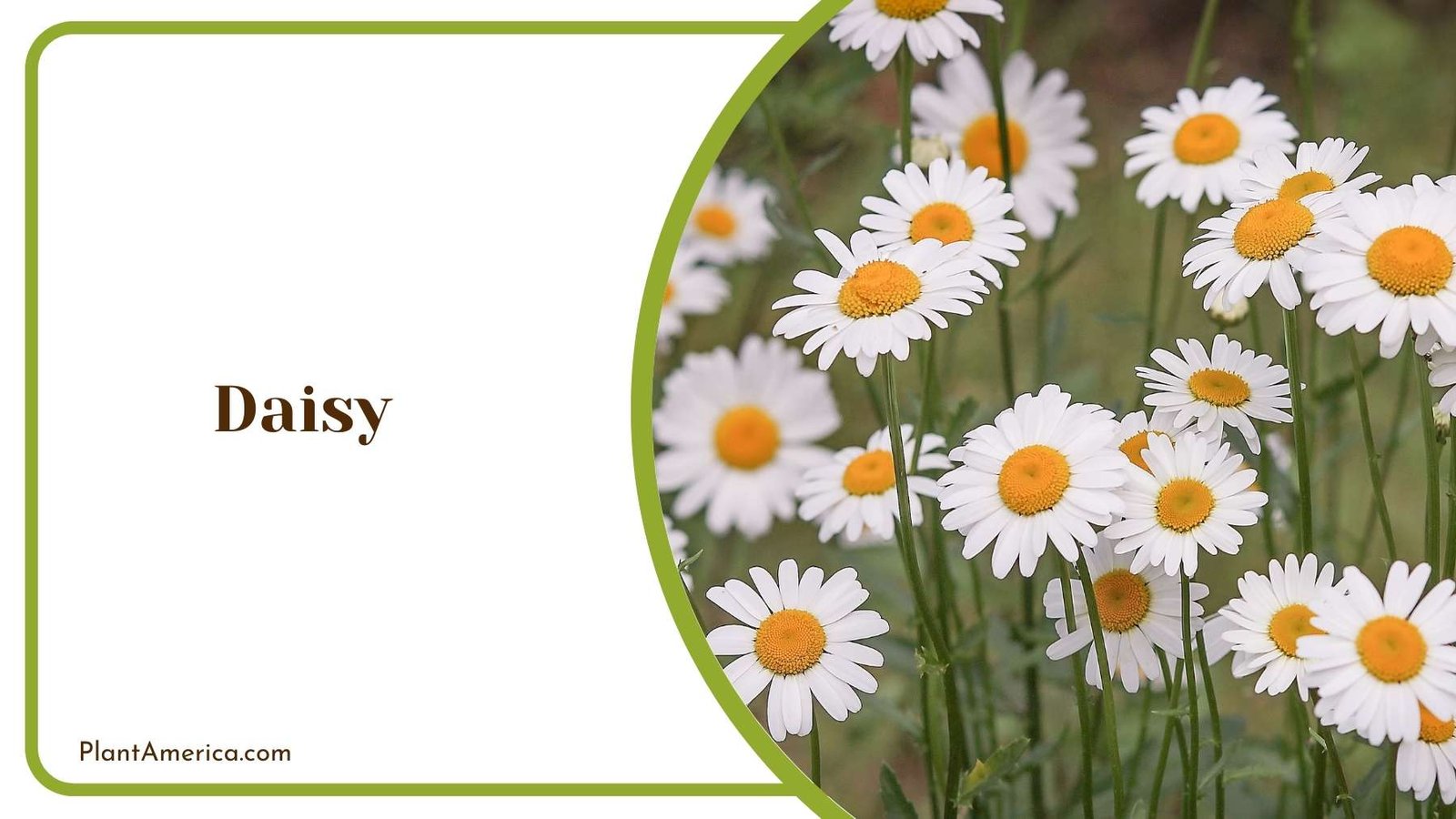
- Growing Season: Spring, Fall
- Leaf Type: Opposite, simple leaves, Linear or oblong
- Specific Needs: Well-drained soil, Infrequent watering
- Common Pests: None
Daisies reign as one of the hardest working, dependable flowers for Ohio gardens. Their ability to bloom continuously from spring until fall and frost renders them invaluable for sustained color and cheer.
A riot of white-petaled daisy faces beam happily from herbaceous clumps beginning in May. Varied types like Shasta, painted, and Gerbera daisies remain thick with blooms on self-supporting stems as temperatures climb steadily through summer. Species daisies also tend to spread wider by underground rhizomes each season.
These perky sun worshippers could not be easier to grow. Most daisies thrive prosperously with a minimum of fuss. Plant them in well-draining soil, full sun or light shade, and beyond an occasional drink; daisies need very little coddling. Their resilience allows missed watering or inconsistent rain to slide without dampening spirits.
Overall, daisies pull their weight as durable, untiring Ohio favorites that ask little resource-wise while rewarding with month after month of grins. Their ability to spread steadily by rhizomes yearly seals the deal as low-cost, meticulous perennials fit for beginning gardens seeking maximum smiles per square foot spent.
6. Lily

- Growing Season: Summer
- Leaf Type: Alternate, simple leaves, Linear, sword-shaped
- Specific Needs: Well-draining, nutrient-rich soil, Consistent moisture
- Common Pests: Slugs, Snails
Lilies are one of nature’s most elegant blossoms, imparting a graceful touch to any summer garden plot. With varieties ranging from aggressive growers to demure charmers, lilies suit diverse spaces looking to amplify their natural charm.
These classic bulbs take little effort to cultivate, demanding mainly consistent moisture and well-draining soil rich in organic matter. Come planting time, dig holes deeper than the bulb’s height, roughly twice its width. Space sturdier Oriental lilies one to two feet apart based on anticipated size.
Distribute a layer of compost or nutrient-rich topsoil beneath and around each bulb before gently covering and gently firming the soil into place. Watering thoroughly after planting sets bulbs up for health. Consistent moisture until foliage yellows ensures optimal flowering performance next season.
While lilies naturalize prolifically for low-maintenance elsewhere, contained garden beds suit non-aggressive types. Stake tall oriental lilies or choose bush lilies, day lilies, and tiger lilies, best left to their support. Together, they cast a delicate presence.
7. Poppy
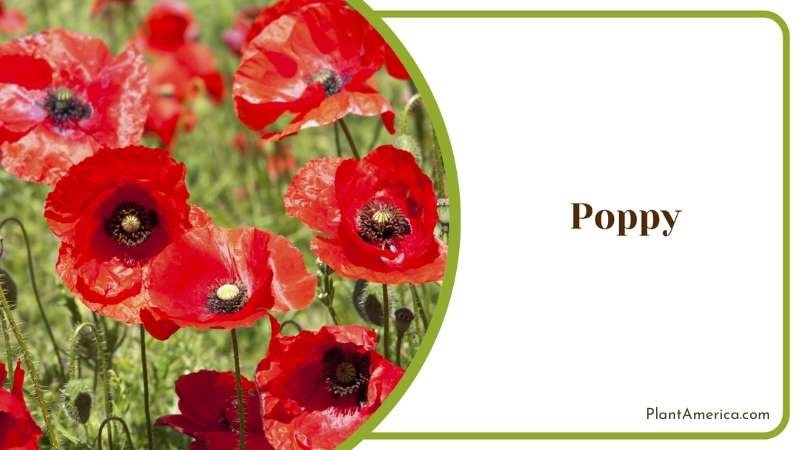
- Growing Season: Late spring, Summer
- Leaf Type: Alternate, deeply lobed leaves, Palmately compound or segmented
- Specific Needs: Light, well-draining soil, Minimal water
- Common Pests: None
Few flowers cast as hypnotic a spell as poppies with their unfurling silk blooms drifting on slender stalks. In colors from scarlet to salmon, blush to black, their frilly petals enter the senses amidst whispers of the gentle breeze.
Poppies thrive best sown directly where you wish flowers to bloom after the danger of spring frost passes. Scatter seeds scarcely atop friable soil, then cover lightly with 1/4 inch of vermiculite or fine soil until sprouts emerge. Apply bottom heat like a sunny windowsill for indoor starts.
Once established, poppies flourish with minimum upkeep. Moisture-retentive yet exceptionally well-drained soil suits them best for deep roots. Poppies tolerate occasional dry spells between rains once sprouted. Their fast growth cycle allows repeated plantings for prolonged shows all summer long.
Single blooms revive the imagination like lace valentines drifting lifelike yet ethereal. Some types reseed prolifically, ensuring continued magic as seedlings peak yearly. Cut spent flower stems down to the base if desiring controlled spread.
Whether sprinkled amidst rock gardens, allowing scattering naturalization, or massed brightly as annual borders, poppies impart an enchantment that is hard to beat. Favored by many pollinators, their vivacious charm adds fluttering friends and smiling color.
8. Astilbe
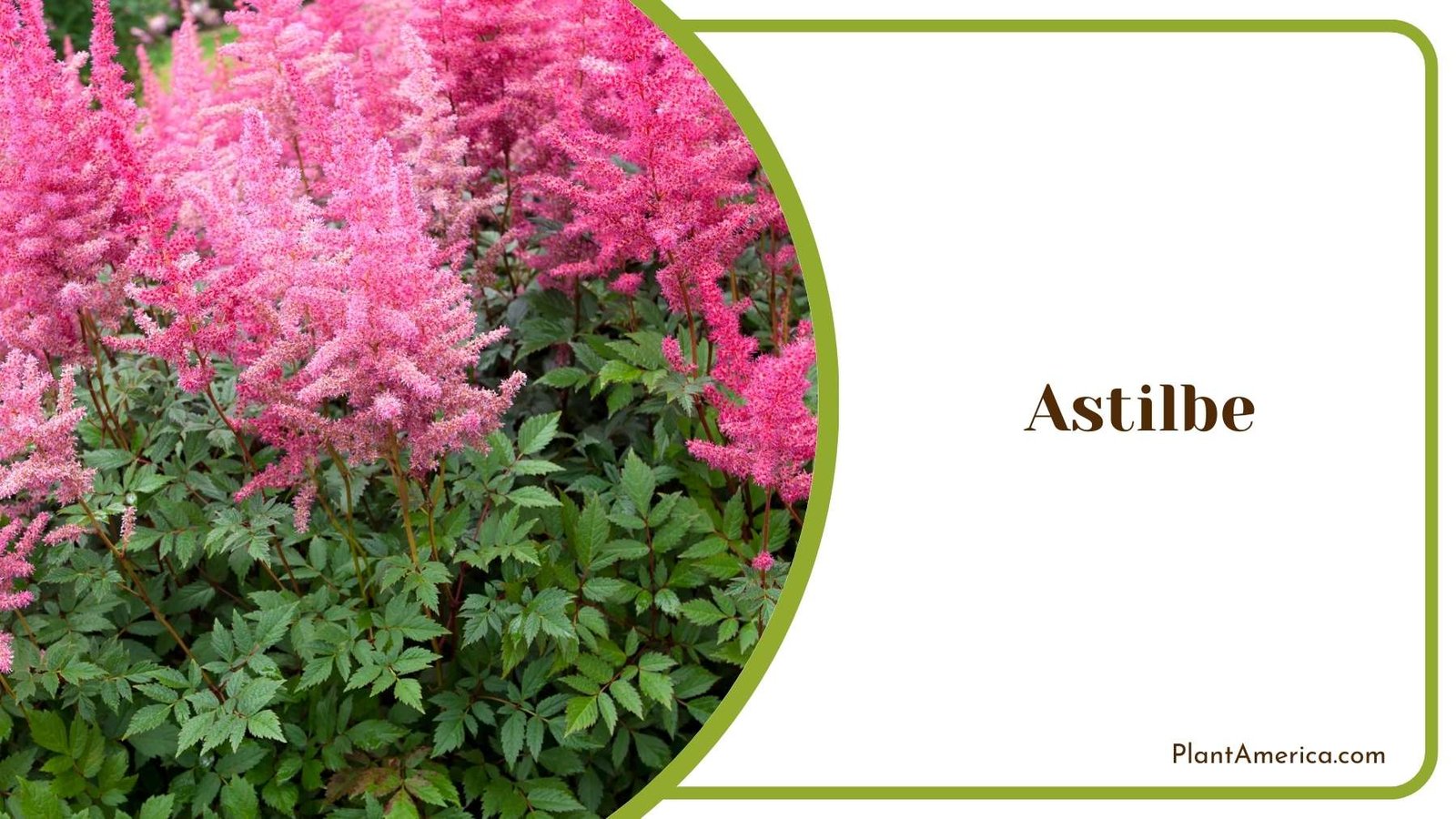
- Growing Season: Early-Mid Summer
- Leaf Type: Basal, feather-like leaves, Compound with numerous leaflets
- Specific Needs: Moist, organic, well-draining soil, Consistent moisture
- Common Pests: Slug, Snail
Astilbes lend an ethereal frivolity to any shaded nook with their feathery plumes dancing atop slender stalks. Attractive to butterflies and hummingbirds, astilbes serve summertime cheer where needed most beneath sheltering branches.
Succeeding in partial shade or dappled woodland settings, astilbes thrive best with fertile, moisture-retentive soil that drains quickly. Amend planting beds generously with organic matter before or during planting to nourish fine roots. Space Starts or divided clumps one to two feet apart based on size.
Translating the term “will not dry out,” astilbes appreciate consistent soil moisture through their growing season—mulch beds to retain ground-level humidity between rains or water deeply near plant bases when rainfall wanes. Proper drainage helps deter root rot issues.
Elegant seed heads persist pleasantly through later seasons. Divide clumps every three to four years in spring or fall to control spreads of naturalizing varietals. Deadhead to prolong Summer’s floral shows come bloom’s end.
With airy inflorescences wafting charmingly amidst foliage tufts, astilbes lend an incomparable woodland magic, bringing abundant summertime smiles with very modest resource needs or upkeep required
9. Clematis
- Growing Season: Late spring, Early fall
- Leaf Type: Alternate, compound leaves with 3 leaflets, Smooth or cleft leaflets
- Specific Needs: Moist, well-draining soil, Structure for climbing varieties
- Common Pests: Aphids
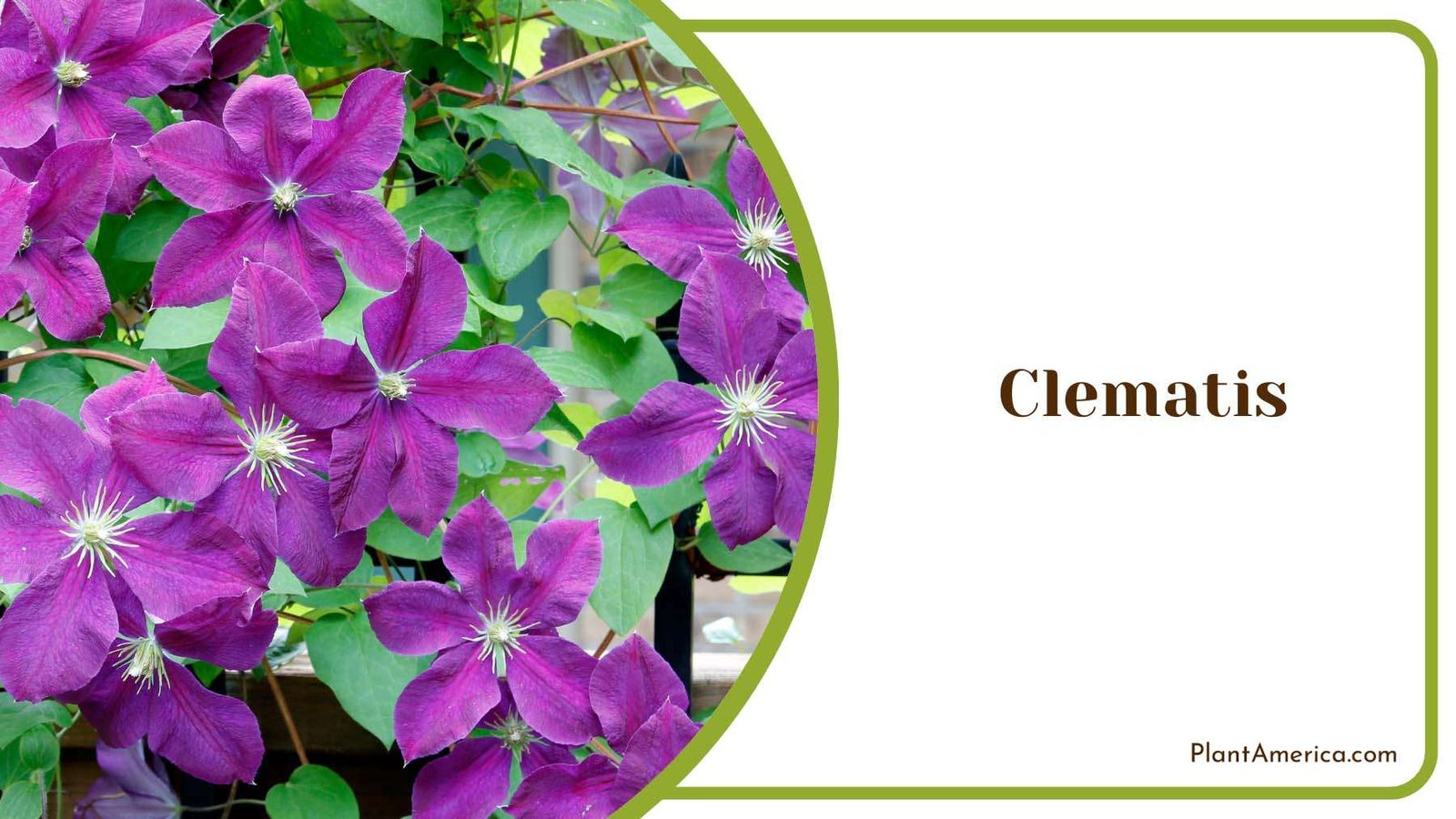
Few vines rival clematis for versatility, vigor, and vibrant floral tones to dress any space with seasonal whimsy. Whether scrambling lightly or clinging robustly aloft, theirs is a beauty that evokes emotion through even the dreariest days.
Most thrive climbing balconies, arbors, or fences with floriferous abandon come late spring. Others trail lightly amidst borders or get tucked within containers from summer into fall. Choose varieties suited to your site while ensuring soil drains quickly to prevent crown rot post-rain events.
Willing roots may also be directed below grade into buried pots, wine bottles, or decorative urns, content to emerge upward in spirals and loops boarding any surface. Attach stainless steel supports strongly for thicker wooded varieties. However, others ebb and flow freely sans aid assured moist soil.
Depending on label specifics, some bloom primarily on new growth, necessitating annual pruning, while others repeat reliably off aged stems. Deadhead spent flowers through active times to prolong shows. Consistent moisture encourages repeat performances in summer through fall frost.
10. Phlox
- Growing Season: Late spring, Fall
- Leaf Type: Opposite, simple leaves, Lance-shaped to oval
- Specific Needs: Moist, well-draining soil, Infrequent deep watering
- Common Pests: Aphids
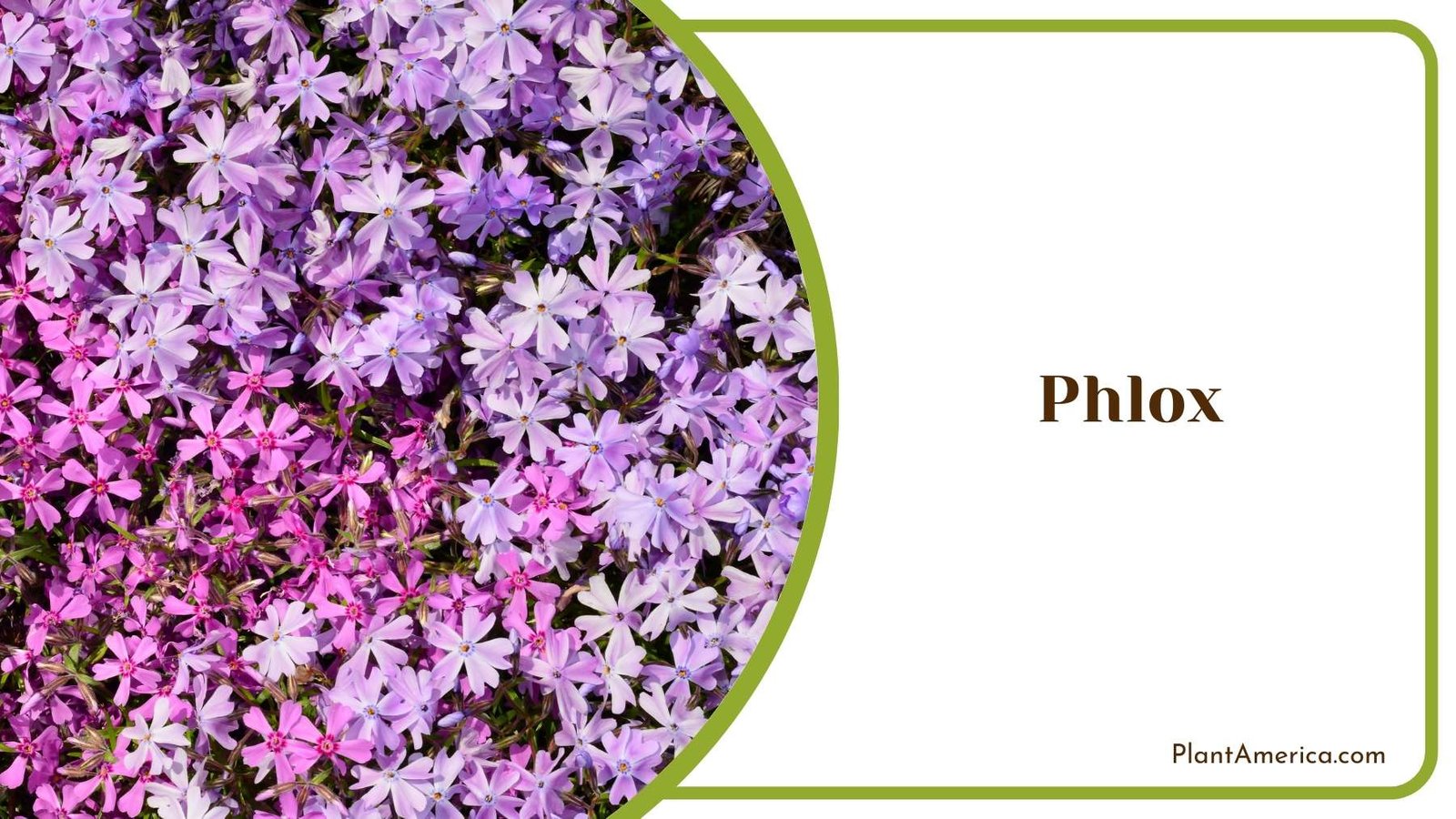
As one of the hardest working perennials for the Ohio garden, Phlox upholds its reputation with virtually ceaseless blooms from May through September. Clustering in cheerful tufts amidst lush foliage, these egalitarian beauties serve color in droves wherever planted.
Whether cultivating classic summer favorites like ‘David’ or diving deep into fall’s panorama of fire colors, there exists a phlox that is both striking and suitable for the sun or shade situation. Freely branching varieties improve landscapes, while those with narrower habits also fluidly suit smaller beds and containers.
Renowned for resilience, Phlox takes planting with aplomb, readily adapting to growing conditions. Their wants prove basic – well-draining soil retaining moisture, plus a sprinkling of organic matter.
Flowering, pastel pom-poms, starry trumpets, or silky bells cascade endlessly. Deadheading prunes spent blooms, leaving Phlox’s foliage lush and lovely through fall. Minor disease or mildew affects some types alone.
Overall, Phlox emerges as one tough yet tender-hearted troop of beauties, adding spirit tirelessly wherever needed most throughout the warm seasons with a carefree style. Their willing ways make phlox MVPs of any perennial collection on any budget.
11. Geranium
- Growing Season: Spring, Fall
- Leaf Type: Palmately lobed leaves with 5 lobes, Dense, fuzzy leaves
- Specific Needs: Well-draining, moisture-retentive soil, Pruning after flowering
- Common Pests: None
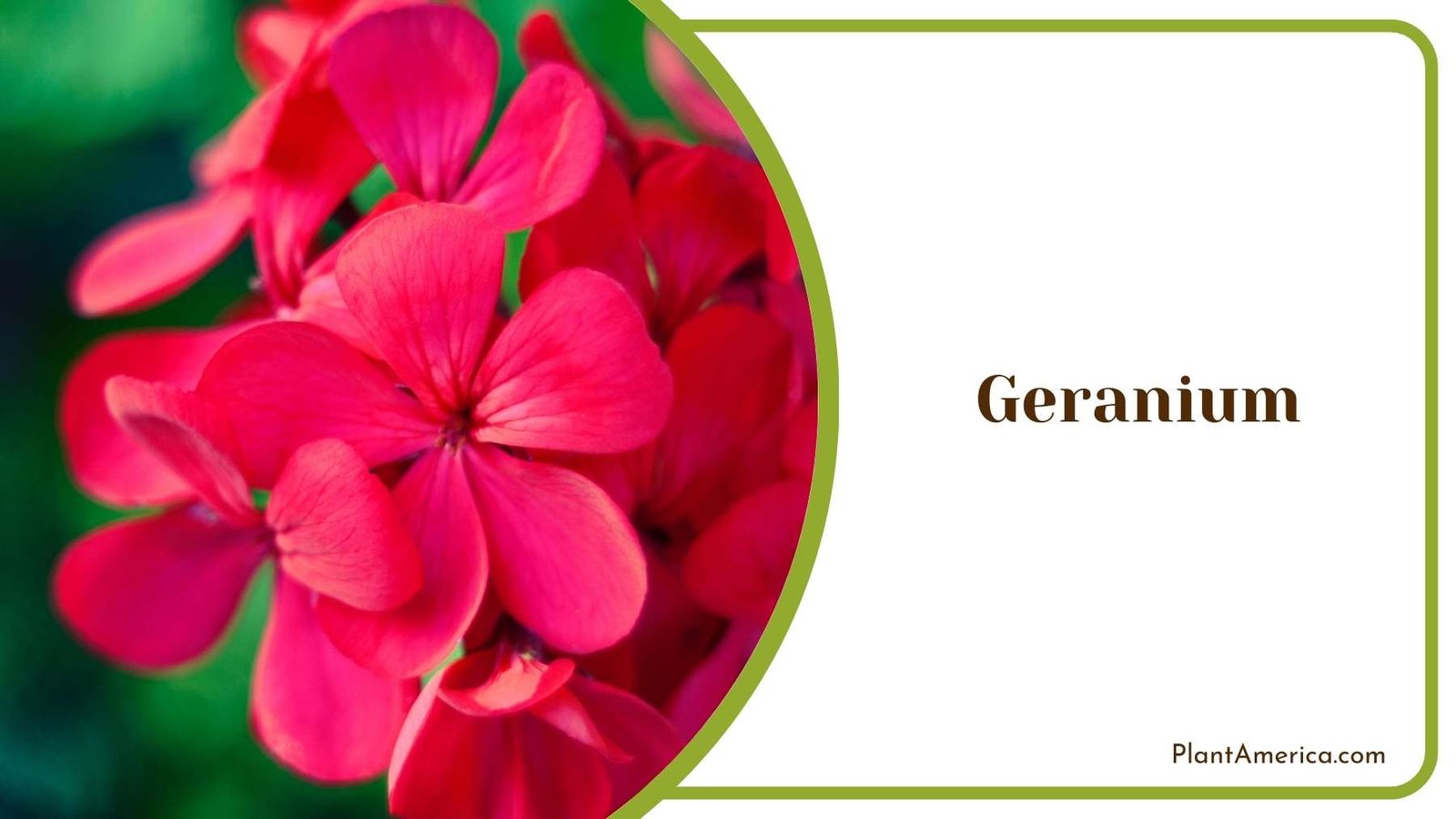
Geraniums lend sprightly panache wherever planted with minimal effort from start to finish. Whether carnival-hued zonal types festoon borders or lobed ivy-leaved varieties cascade from containers, geraniums impart continual cheer through all growing seasons.
These tough perennials withstand hot sun where drainage excels yet also thrive in part shade with consistent moisture. Sow seeds indoors weeks before the last frost for timely transplants or purchase starts in spring. Deadhead spent flowers regularly to encourage ceaseless repeat shows.
Come autumn’s conclusion, shear plants back by half their height to tidy for winter. Many survive dormancy outdoors in cloth-covered frames where winters stay mild or overwinter indoors in sunny windows, bringing bowls of winter smiles.
In summary, geraniums impart sprightly, lavish seasonal beauty wherever planted with no grievous demands beyond nature’s sustenance. Dependable relatives repay cheerful tending endlessly in planters, borders, or containers come what climate may through all growing seasons.
12. Hydrangea

- Growing Season: Summer
- Leaf Type: Opposite, simple leaves, Broadly oval or heart-shaped
- Specific Needs: Moist, organic, acidic soil, Regular watering
- Common Pests: None
Few shrubs compare to hydrangeas for versatility and showstopping floral power in the summer garden. Whether climbing robustly on an arbor or elegantly anchoring a border, their unique blooms captivate visitors for months.
When establishing hydrangeas, choose a spot protected from scorching afternoon sun. Prepare the soil with generous helpings of organic matter like compost to ensure moisture retention. Proper soil pH ranging from 5.5 to 6.5 also brings out the brightest hues.
Hydrangeas shine best with consistent moisture through their growing season, from airy lace caps to robust mop heads. Stake tall types securely if wind-prone. Everflorescent hydrangeas extend interest into fall while others rebloom following summer’s spent blooms.
Hydrangeas offer lush foliage, exquisite blooms, and unparalleled usefulness in arrangements. Clip bloom-laden stems like pruning shears for lasting indoor beauty. Come winter, their structure provides habitat when leafless, too.
Overall, hydrangeas stand out as magnificent focal plants lending polish to landscapes, large or small. Their arboreal panache and resilience make hydrangeas splendid additions for busy gardeners desiring lasting loveliness with minimal upkeep all season long.
13. Iris

- Growing Season: Late spring, Early summer
- Leaf Type: Long, sword-shaped leaves, Erect from the rhizome
- Specific Needs: Well-draining, moisture-retentive soil, Consistent watering
- Common Pests: None
Irises is one of nature’s most regal flowers, imparting finesse and grandeur through short-lived blooms. Whether erupting solo amidst lawn or massed vivaciously alongside pondsides, their allure knows no bounds.
Native irises like Blue Flag prove robustly resilient, thriving in moist yet well-draining soils. More delicate bearded types suit drier sites amended richly with compost. Plant rhizomes with fans facing upward at a depth 2-3 times their height come fall or early spring.
Graceful standards and lance-like falls start peeking through as daytime warms in May. Clusters burst forth, displaying dignified frills and spears of every hue. Deadhead spent flowers after that to leave attractive seed pods.
Interrupt sporadic irrigation only once the bloom fades while maintaining consistent moisture until the ground freezes. Routine division every three to five years keeps clumps robust and blooming sturdily for decades ahead.
Truly, the noble elegance and fleeting presence irises impart to any retreat leave visitors enchanted with recollections of natural beauty at its finest. Their allure lasts long after the final petals fade among thoughts of summertime scenes enlivened.
14. Marigold
- Growing Season: Spring, Fall
- Leaf Type: Opposite, palmately lobed leaves, Broadly triangular leaflets
- Specific Needs: Well-draining, fertile soil, Infrequent watering
- Common Pests: Aphids, Spider mites
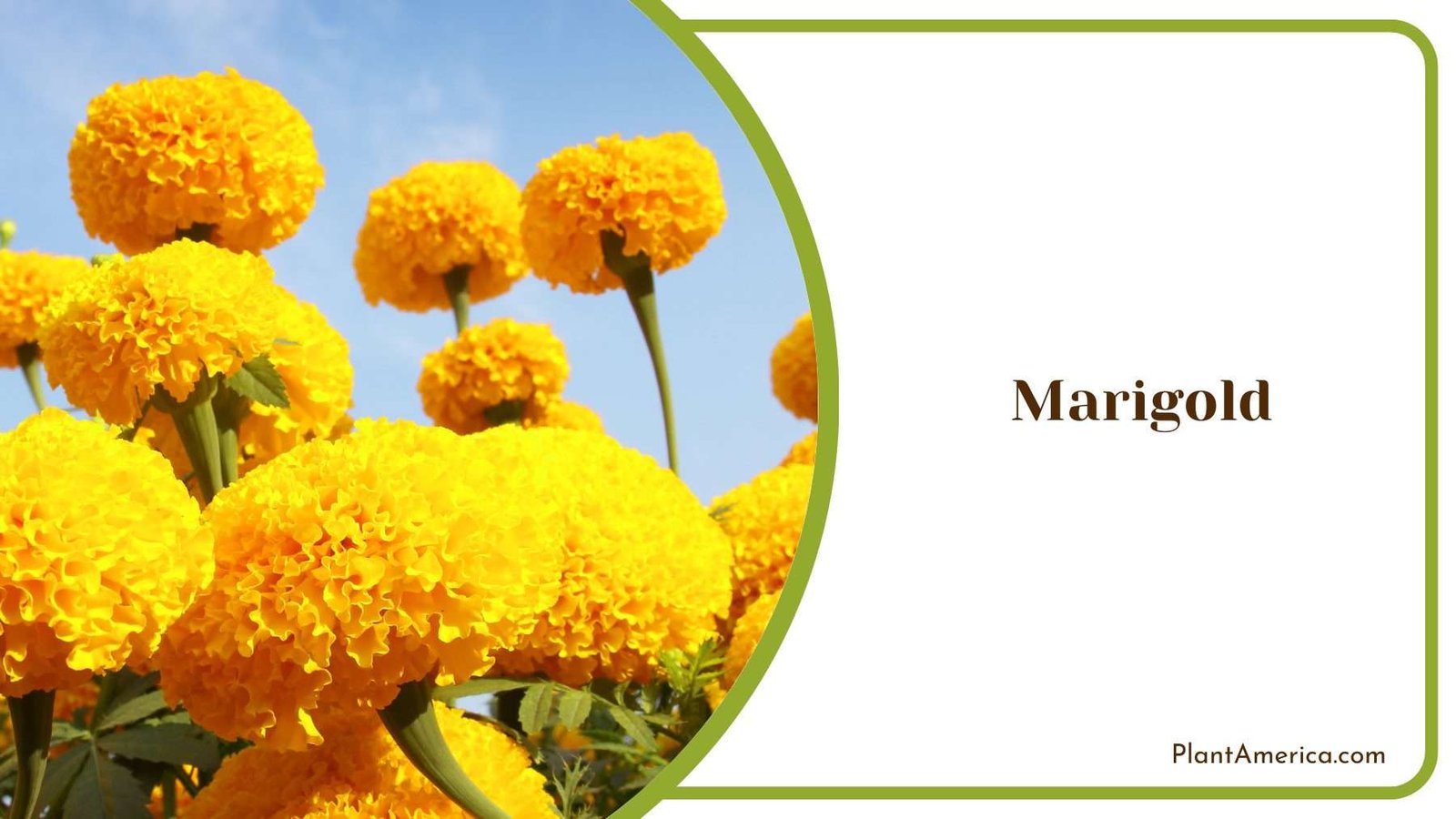
Marigolds uphold their sunny reputation with cheerful blooms emblazoning themselves from spring into fall all across Ohio landscapes. Among the most resilient annuals, their smiley colors burst forth brightly wherever planted with little complaint.
Both compact French and rangy African species commence basking vigorously from seed sown directly into soil anytime temperatures warm—Scatter seeds generously or set transplants in foot centers based on the planned size.
Simply groom spent flowers for continuous cheer. This cultivation nourishes prolific reseeding, ensuring marvelous self-spreading next spring. Lightly cultivate occasionally to control prominent spreading types within the bounds chosen.
Radiant singles, double pom poms, or vibrant bouquets emerge in hues complementing any palette. Their golden ratio joyfully livens beds, containers, and borders alongside hardier neighbors. Come autumn, seeds feed songbirds as blooms glow steadily right up until killing freeze.
In summary, marigolds define economics and reliability within annual selections. Requirements remain basic – sun and soil – making them perfect Mediterranean beauties to bring smiles season after season with minimum nursery expenditure or fuss.
15. Zinnia
- Growing Season: Summer
- Leaf Type: Opposite, roughly hairy leaves, Broadly lobed or pinnately compound
- Specific Needs: Well-draining, fertile soil, Regular watering
- Common Pests: Aphids
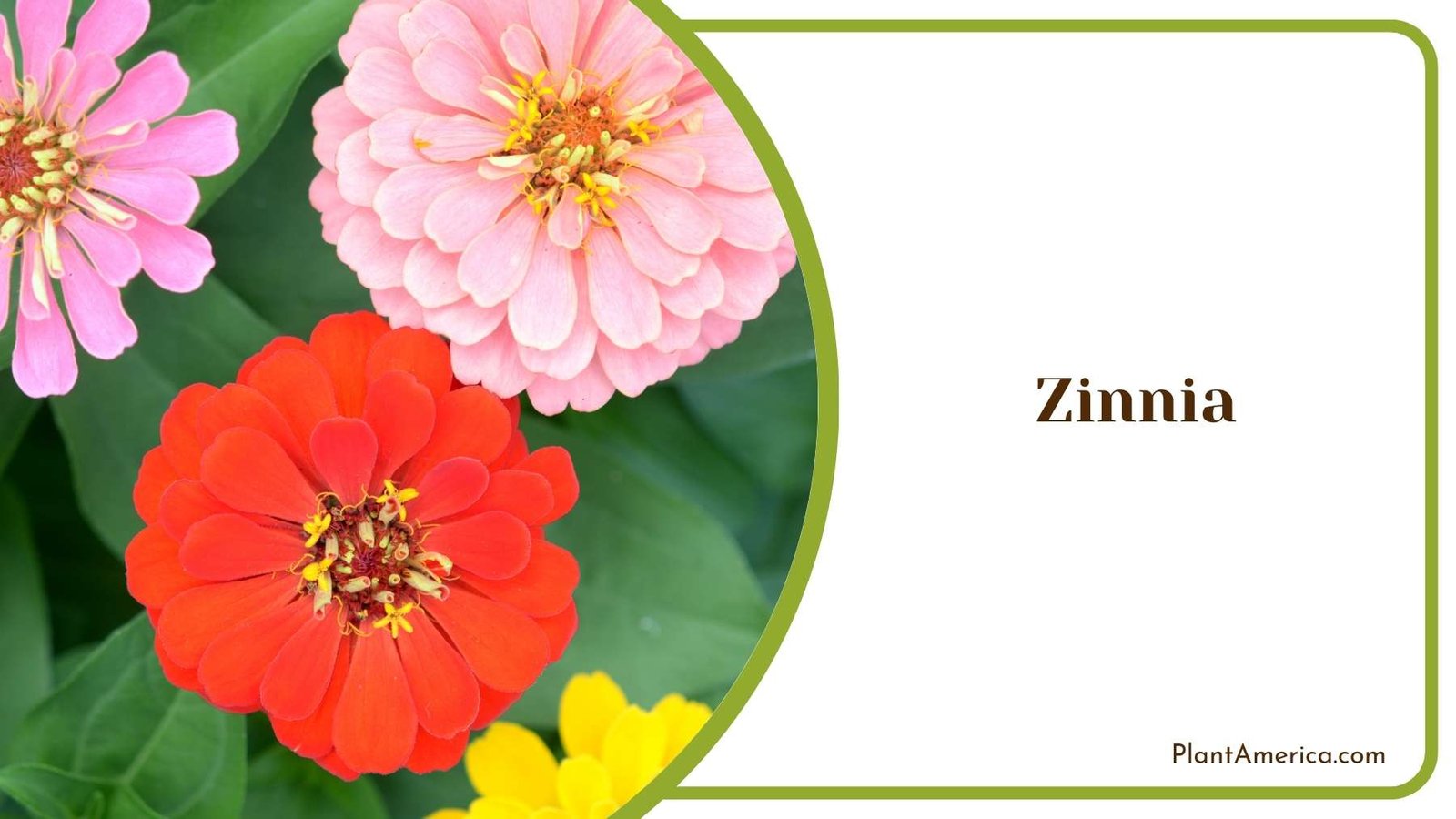
Zinnias ignite patriotic pride in any space thanks to their eager bursts of cheerful color. Like marigolds, these toughened annuals prove reliably resilient whether directly sown or planted as sprouts come springtime’s warmth.
Rows, patches, or mixed into beds, zinnias spread smiles vivaciously. Sow seeds 1/4 inch deep after danger of final frost, then thin, sprightly seedlings to a foot between come true leaves. Late sowings provide prolonged enjoyment through fall too.
Blossoms emerge as simple daisies, orderly pompoms, or exuberantly crested in nearly every hue. Deadhead tired blooms to encourage ceaseless re-bloom all summer and prolong interest. Their eager shouts brighten each day anew.
Zinnias stoically withstand bustling pollinator traffic, providing foliage and seed sustenance to beneficial butterflies and birds come season’s end. Low maintenance needs keep these companions fun and fuss-free additions for beginning gardens seeking long-term rewards.
Generations have adored zinnias for reliability and zeal through torrid stretches. For sheer unbridled spirit, few annuals rival their staying sunny power season after season with such little cost or upkeep required. Their vibrancy infectiously lifts all moods each summer day!
16. Sunflower
- Growing Season: Summer
- Leaf Type: Alternate, rough-hairy leaves, Broadly lobed or compound
- Specific Needs: Fertile, well-draining soil, Regular watering
- Common Pests: Aphids, Birds
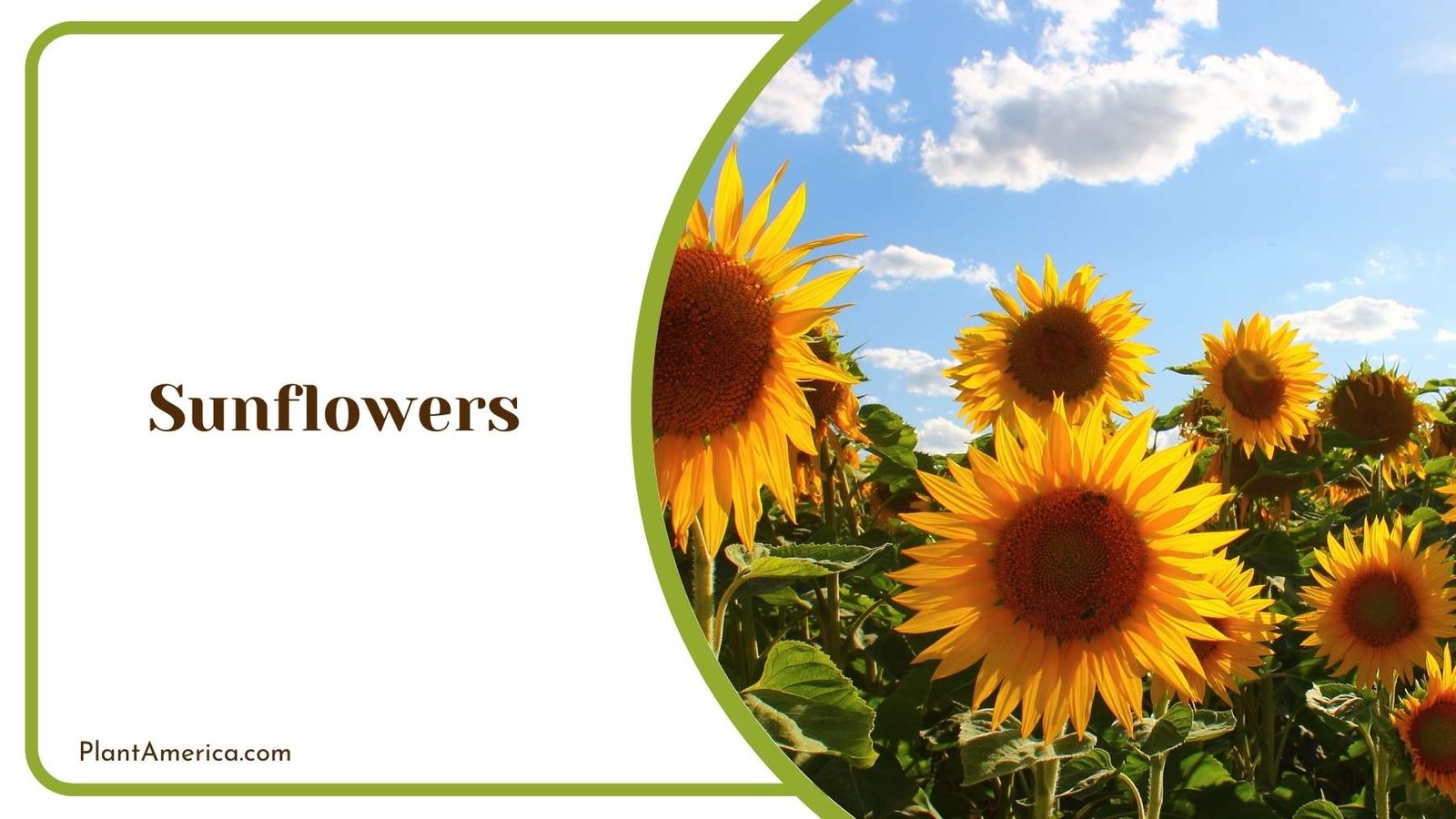
Sunflowers shine as Nature’s favorite brighteners, notorious for uplifting spirits far and wide each summer season. Whether gracing meadow borders, adding sky-kissing charm to beds, or competing playfully for height against corn stalks, the cheery giants work wonders in alleviating summertime blues.
Whether sowing miniature blooms perfect for bouquets or massive sculptural varieties reaching into clouds, success lies in enriching friable soil beforehand and sowing thickly directly where they are to flourish at the last frost’s passing. Dead heads spent blooms post pollination to tidy appearances through fall.
Come July, happy faces turn toward turning suns following daylight’s warm greetings each dawn. Their loyalty spans weeks on end, upbringing butterflies, songbirds, and smiles alike. Besides superb pollinator habitat, certain types yield abundant snacks for chickadees as the seasons transition.
Truly, no flowers lift moods more reliably than sunflowers. Minimum needs keep their intoxicating Golden zest both fuss and cost-free all summer. Ideal for beginning plot keepers desiring ease and cheer in equal vibrant measure year after year.
17. Lilac
- Growing Season: Late spring
- Leaf Type: Simple, deciduous leaves, Ovate to lance-shaped
- Specific Needs: Well-drained, moisture-retentive soil, Minimal pruning
- Common Pests: Aphids, Japanese beetles
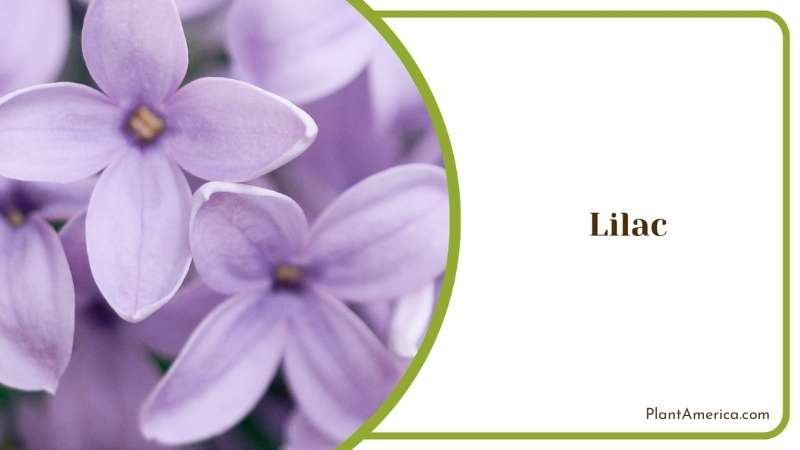
Lilacs embody springtime’s reawakening like no other, with fragrant puffs emanating romance and nostalgia. Come late April or early May, before broadleaf trees fully canopy, lilacs burst forth, flaunting elegant panicles amongst the newest foliage.
When establishing lilacs, choose a site receiving at least six hours of daily sunlight and prepare deeply with compost to ensure moisture-holding capacity underneath. Space eight to ten feet between future architecturally upright shrubs.
Flowers emerge in dense panicles ranging from pure white to deepest purple atop distinctively barklike stems. Deadhead spent plumes following bloom season’s close to tidy appearances and direct energy into lush summer greenery.
Come fall, clusters of nut-like fruits called drupes ripen, favored by songbirds through winter while providing lingering structure and scent interest when leafless, too. Generally maintenance-free beyond occasional removal of select crossing branches, lilacs flourish thus for decades ahead with nary more than nature’s rain.
Of all woody flowers, lilacs still hold places nearest in springtime’s heart for conveying Nature’s renewal like few flora can. Beyond fleeting extravagance, their dependable nature lends lasting delight as foundation plantings with measureless staying power.
18. Daffodil
- Growing Season: Early spring
- Leaf Type: Long, narrow, solid leaves, Emerge after flowers
- Specific Needs: Well-drained, moisture-retentive soil, Minimal maintenance
- Common Pests: Slug
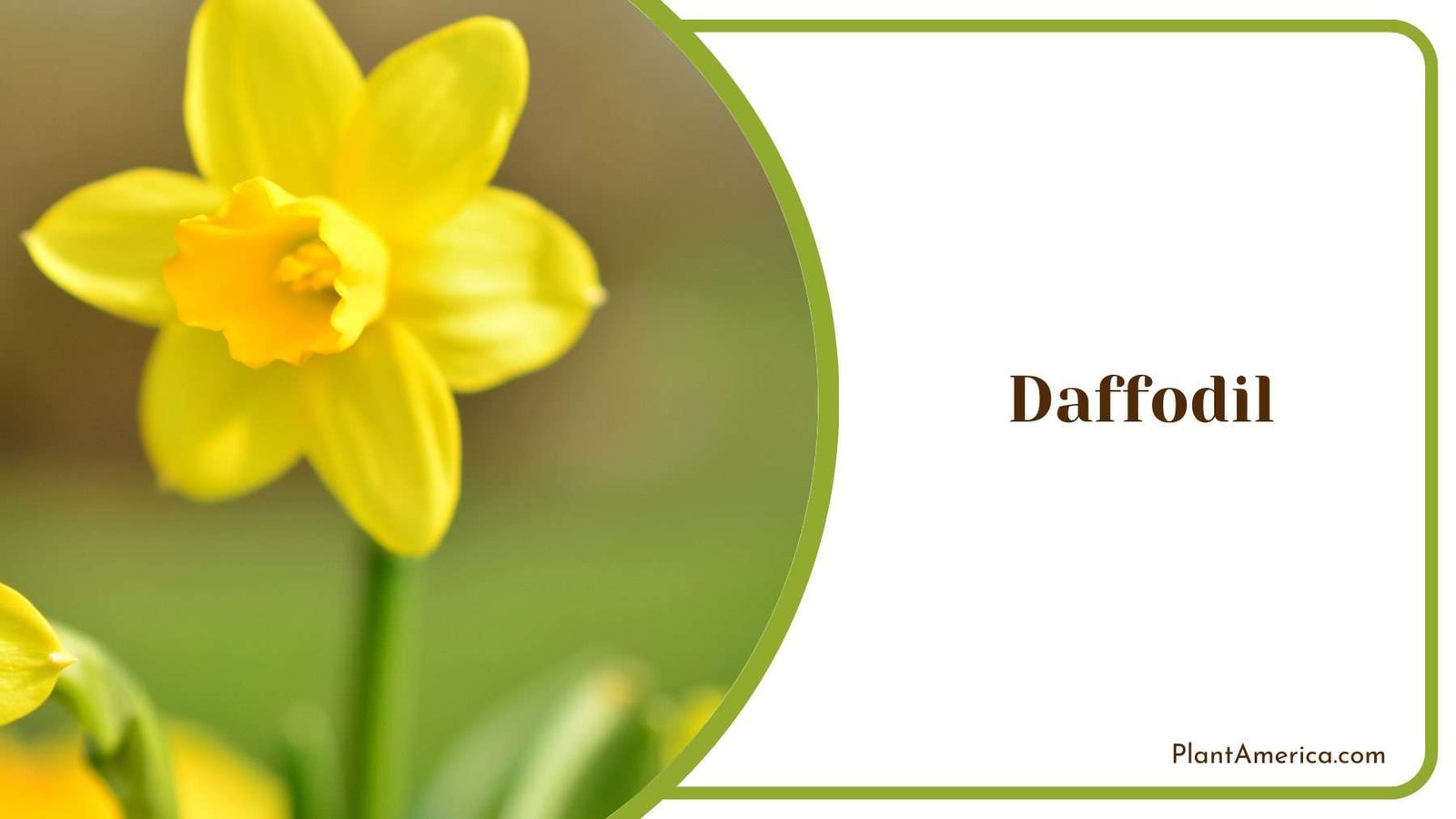
Daffodils grace winter’s departure each year with exuberant shouts of sunny promise. Their joyful trumpet calls herald spring’s long-awaited reemergence after drizzly days seem endless. Naturalized meadows erupt with dancing dots of color, while cultivated beds dazzle with intoxicating texture and form. Sow seed or divide bulbs shallowly in fall for timely cheery smiles by late March’s warmth.
Butter-like blooms drift proudly amidst grass on solitary stems. Others group vivaciously in clustered bouquets of varied hues. Take care not to crowd plantings – even a few choice bulbs strategically sited work wonders, alleviating anyone’s winter blues each new day.
Once spent, foliage follows flowers and fades by summer, maintaining a fresh appearance. Daffodils require little else beyond soil’s water-holding capacity to replenish annually for years ahead, aside from spreading by easy going nature.
Indeed, none outdo daffodils for prolific hardiness, resilience, and ability to spread cheer throughout the earliest springtime days like priceless golden sunbeams. Their unfussy care translates to blissfully fuss-free smiles annually with measureless staying delight.
19. Tulip
- Growing Season: Spring, Early summer
- Leaf Type: Long, Narrow, Lance-shaped
- Specific Needs: Full Sun, Well-draining Soil
- Common Pests: Aphids, Bulb Mites
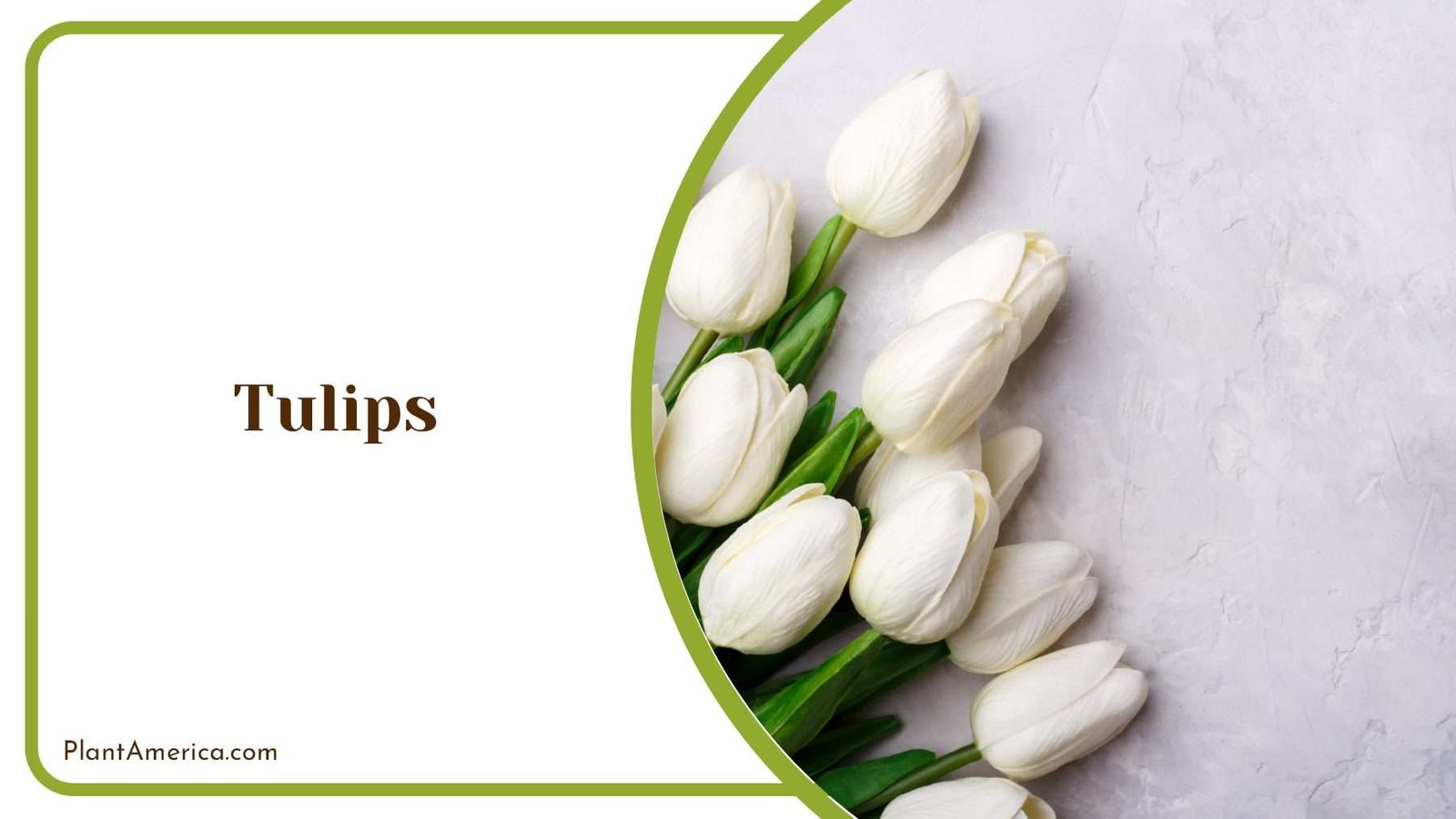
Tulips are the quintessential spring flower here in Ohio. Their cheerful bursts of color are a sure sign that warmer weather is on its way after a long winter. Although they only bloom for a couple of weeks each spring, tulips more than makeup for their brief show with their hardiness and affordability.
As long as you plant them in full sun with soil that drains well, tulips will reward you with vibrant reds, oranges, pinks, and purples year after year with little effort on your part.
For the best tulip display, interplant different varieties that bloom sequentially throughout the spring. ‘Apricot Beauty’ tulips pair well with red-blooming ‘Flaming Parrot’ tulips. You can also accent your garden beds with fragrant ‘Queen of Night’ tulips emanating a sweet, sugary aroma after dusk.
Whether you want a small bouquet cut for your kitchen table or a colorful garden border, tulips are one of the most budget-friendly spring blooms for Ohio gardeners.
20. Liatris
- Growing Season: Summer
- Leaf Type: Alternate, narrow grass-like leaves, Linear
- Specific Needs: Well-drained soil, Tolerant of drought
- Common Pests: None
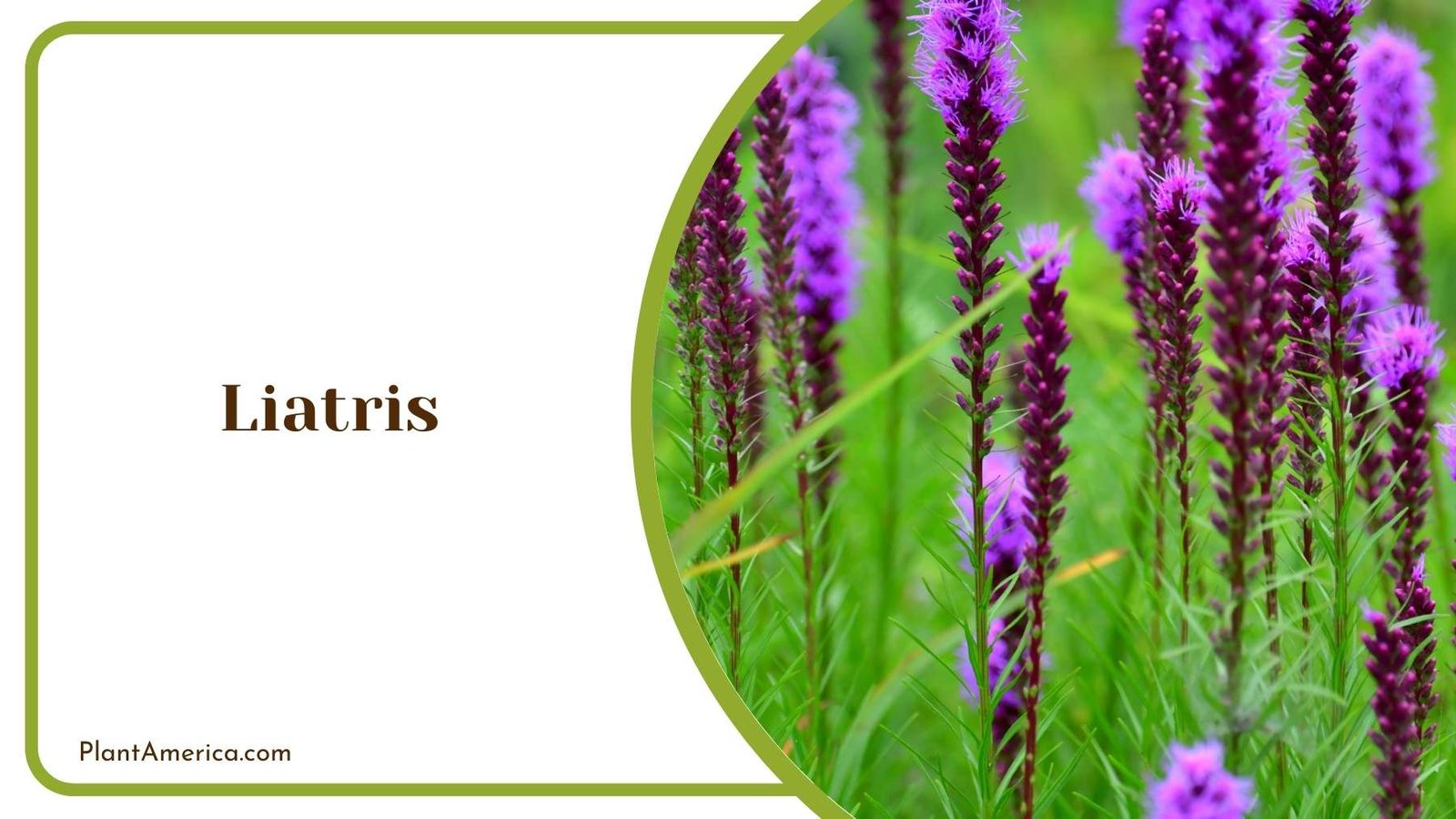
Liatris brings an elegant wildflower charm to borders come summertime. Nodding clusters atop swaying plumes and lift spirits with vibrant hues evoking fields of dancing lavender and pink floral plumes. Whether massed together proudly or scattered individually amongst partners, liatris impart ceaseless summer delight with a dignified prairie spirit.
These hardy perennials naturally self-sow prolifically, ensuring delight annually with minimal fuss. Plant seeds directly where they are to flower after danger of frost or divide clumps in springtime, spacing just one to two feet between individuals.
Come midsummer, spiky blooms sway gently, enlivening any drift, accenting meadow edges effortlessly or scattered unto their own. Their resilience requires no pampering beyond well-draining soil to flourish season after season with nary care beyond nature’s rain.
Beyond timeless beauty, liatris foster beneficial pollinators throughout nectar-rich phases. Billowing plumes burst forth proudly, displaying vibrant hues to attract butterflies and hummingbirds continually feeding amidst blooms.
Later, feathery seed heads provide sustenance to finches and songbirds transitioning landscapes towards fall colors. Their unfussy charm lends dreamy wild prairie sights easily anywhere within the garden.
21. Hollyhock
- Growing Season: Summer
- Leaf Type: Alternate, palmately lobed leaves, Broad, dense leaves
- Specific Needs: Moist, well-draining soil, Sturdy support for tall varieties
- Common Pests: Aphids
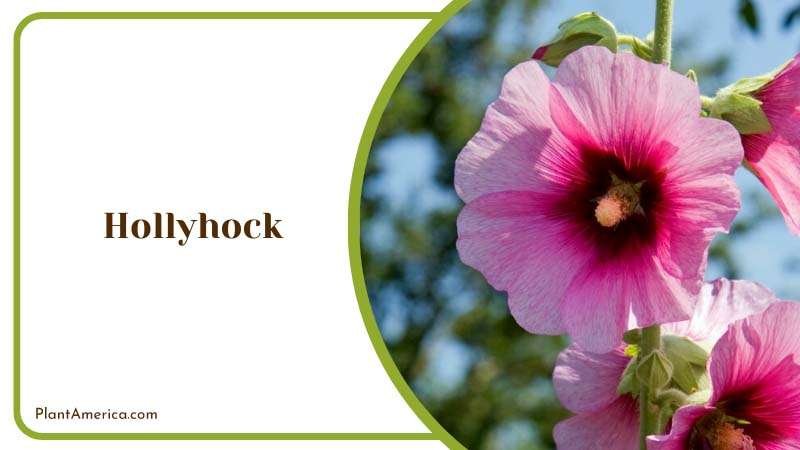
Hollyhocks lend an antique stateliness to cottage gardens, with their stately columns rising handsomely amidst billows of ruffled blooms. Bold soliflore blooms drift ethereally with frilly elegance, displaying a rainbow of soft pastels.
These heirloom annuals transplant reliably from seed started indoors weeks before last spring frost. Choose a site receiving full sun along with shelter from harsh winds. Amend soil generously with organic matter to ensure moisture retention.
Tall single types require staking or trellising for sturdy support. Climbing varieties suitable for fences and buildings also suit smaller yards beautifully. Either way, their displays elevate dreary backdrops with warm-weather wonder for all passersby.
Come summer solstice, buds uncurl daily, unfolding new shades of rose, peach, or snowy white gracefully. Sparrows flit amidst stems, feasting upon seeds fall while sturdy stems proudly bear foliage into winter, providing climate-tough nature interest when dormant, too.
Hollyhocks lend beauty nowhere sold in shops to any space temporarily with a lively spirit and memories of cottage gardens past. Their resilience and charm rejuvenate landscapes yearly as easy pick-me-ups through warm days with dependably low maintenance needs alone.
22. Columbine
- Growing Season: Late Spring, Early Summer
- Leaf Type: Palmately compound leaves with 5-7 leaflets, Delicate, finely cut leaflets
- Specific Needs: Organic, moist yet well-draining soil, Shelter from afternoon sun
- Common Pests: None
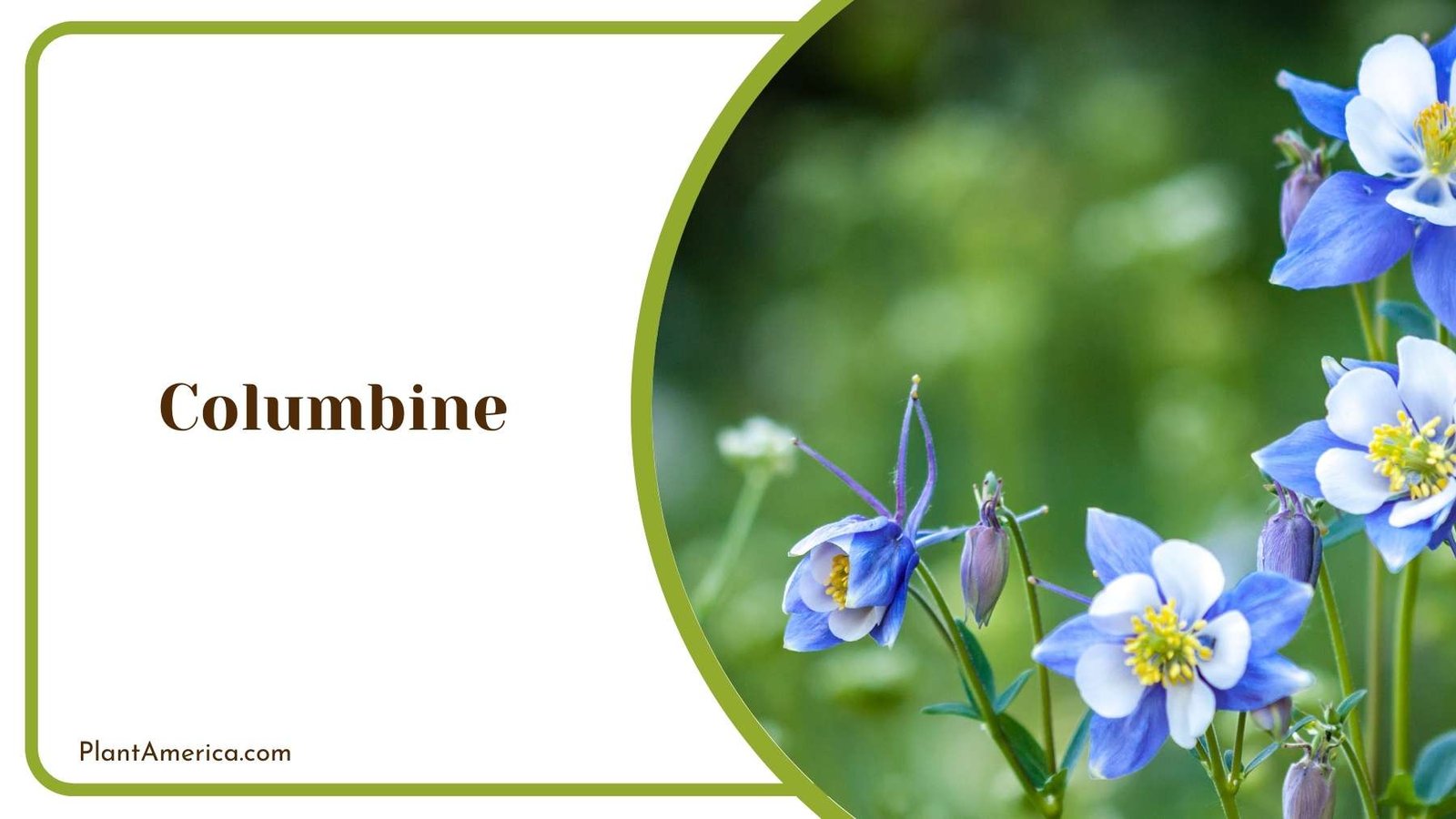
Columbines charm any shaded woodland corner with their intricate pendant blooms dangling from aerial stems. Naturalized patches cast an elegant fairy-like spell come springtime, awakening beneath canopies.
Numerous native species take to cultivation in dappled light or light woodland shade, where roots remain consistently moist, yet soil drains freely. Amend planting beds richly with compost beforehand. Space starts or seeds thinly.
Come late spring, delicate bells unfurl daily in dangling clusters overhead in colors spanning scarlet to crimson, golden, robin’s egg blue, and more. Hummingbirds depend on their nectar-rich tubes while sniffing pollen.
Deadhead spent flowers through early summer to maintain tidy habits yet prolong shows where conditions suit reblooming. Fluffy seed heads drift on wisps come fall, providing fibers for birds’ downy nests.
Overall, Columbines impart enchanting yet ephemeral magic nowhere else found to any shaded corner with very little maintenance required beyond occasional division every three to four years as populations expand blissfully.
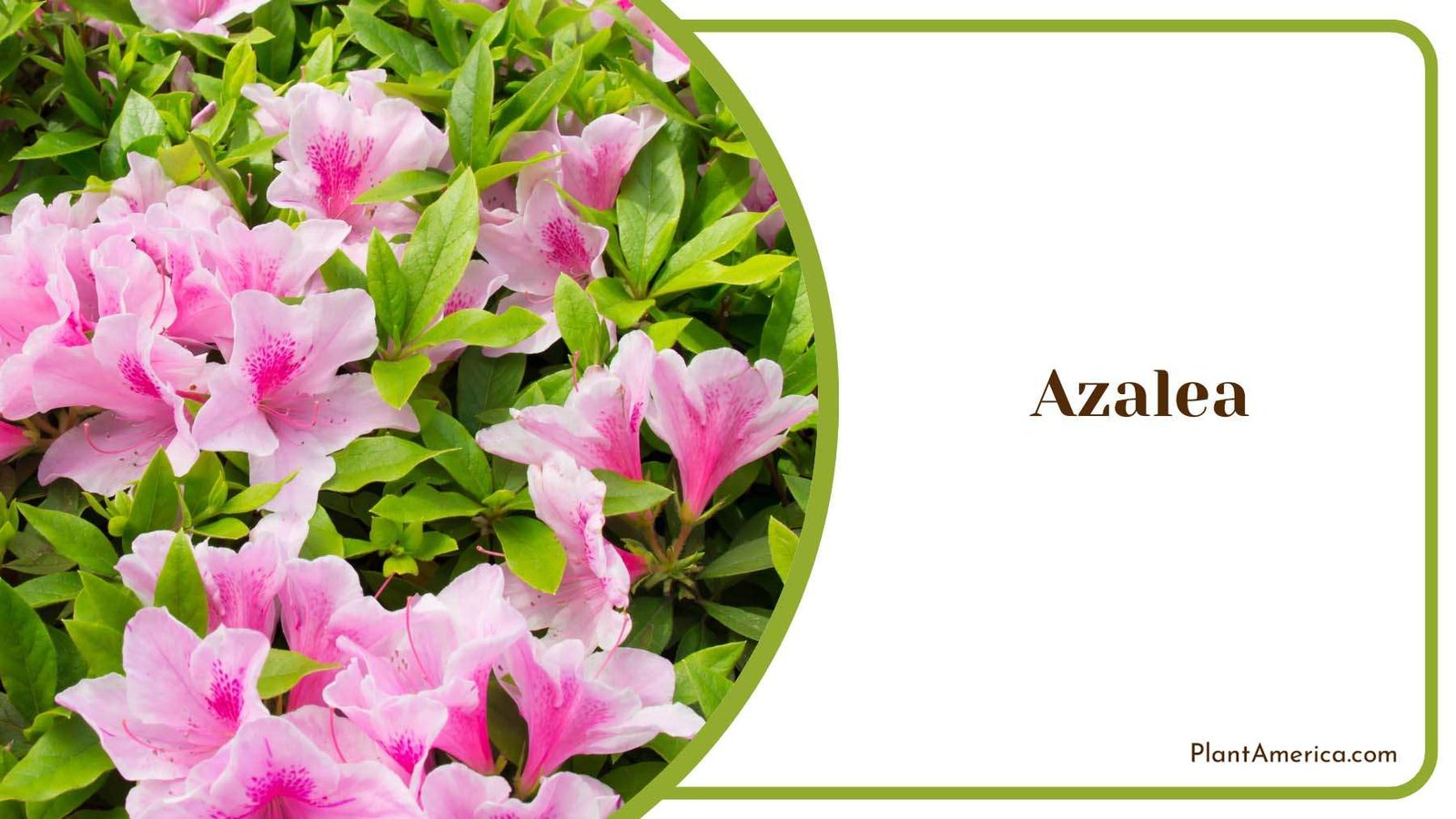
23. Azalea
- Growing Season: Late Spring, Early Summer
- Leaf Type: Alternate, simple leaves, Oval to oblong
- Specific Needs: Acidic, organic, moist soil, Shelter from sun/wind
- Common Pests: Spider mites, Scale
Azaleas impart an unparalleled charm to any shaded woodland retreat with cascades of frilly blooms in a kaleidoscope of hues. Whether dotting amidst native evergreens or massed together for planned bedding displays, their texture and floriferousness know few rivals.
Choose a spot protected from scorching sun and harsh winds when growing azaleas. Amend planting beds deeply with ericaceous potting mix fortified with pine bark to achieve the acidic pH between 5.0 and 5.5 they relish. Space generously based on growth habits.
Come spring, clusters of bell-shaped blooms erupt in colors spanning coral, fuchsia, creamy white, and more, depending on the cultivar. Their frilly charms attract hummingbirds while the scent wafts gently in warm breezes. Deadhead spent flowers as they faded.
Beyond exuberant seasonal displays, azaleas foster a homogeneous evergreen backdrop year-round. Come fall, ruddy foliage provides further lasting interest lining walkways. Their simple woodland-mimicking ways impart lasting beauty with minimal annual fuss.
Overall, azaleas impart an unrivaled charm that uplifts and anchors any shaded nook sustainably for generations with small demands beyond acid-rich mulch renewing and nature’s humidity. Timeless appeal repays admirers endlessly.
24. Petunia

- Growing Season: Summer
- Leaf Type: Opposite, simple leaves, smooth edged, lance shape
- Specific Needs: Well-drainingt soil, regular watering
- Common Pests: Whitefly, aphids
Petunias epitomizes carefree color, festooning containers, borders, and more with vibrant frills all summer. Whether vigorous vines trail balcony planters or compact mounds nestle amongst partners, petunias impart ceaseless cheer with a nary effort from spring’s warmth through fall’s first chill.
Success lies in rich, well-draining planting mediums. Sow seeds directly where they are to flower in full sun once the danger of frost passes or transplant seedlings, spacing trailing types at least one foot between.
True to their Solanaceae lineage, warm breezes carry petunias’ sweet fragrance far. At the same time, colorful corollas in all manner of spreading and upright habits uplift spirits daily in hues too many to count. Dead heads drop blooms regularly for continuous re-bloom through first light frost.
Favoring oceans of soil organisms aiding nutrient uptake in place of harsh interventions, petunias reward diligent deadheading and moisture needs constantly met with virtually pest-free productivity all season long for today’s ecological-minded gardener.
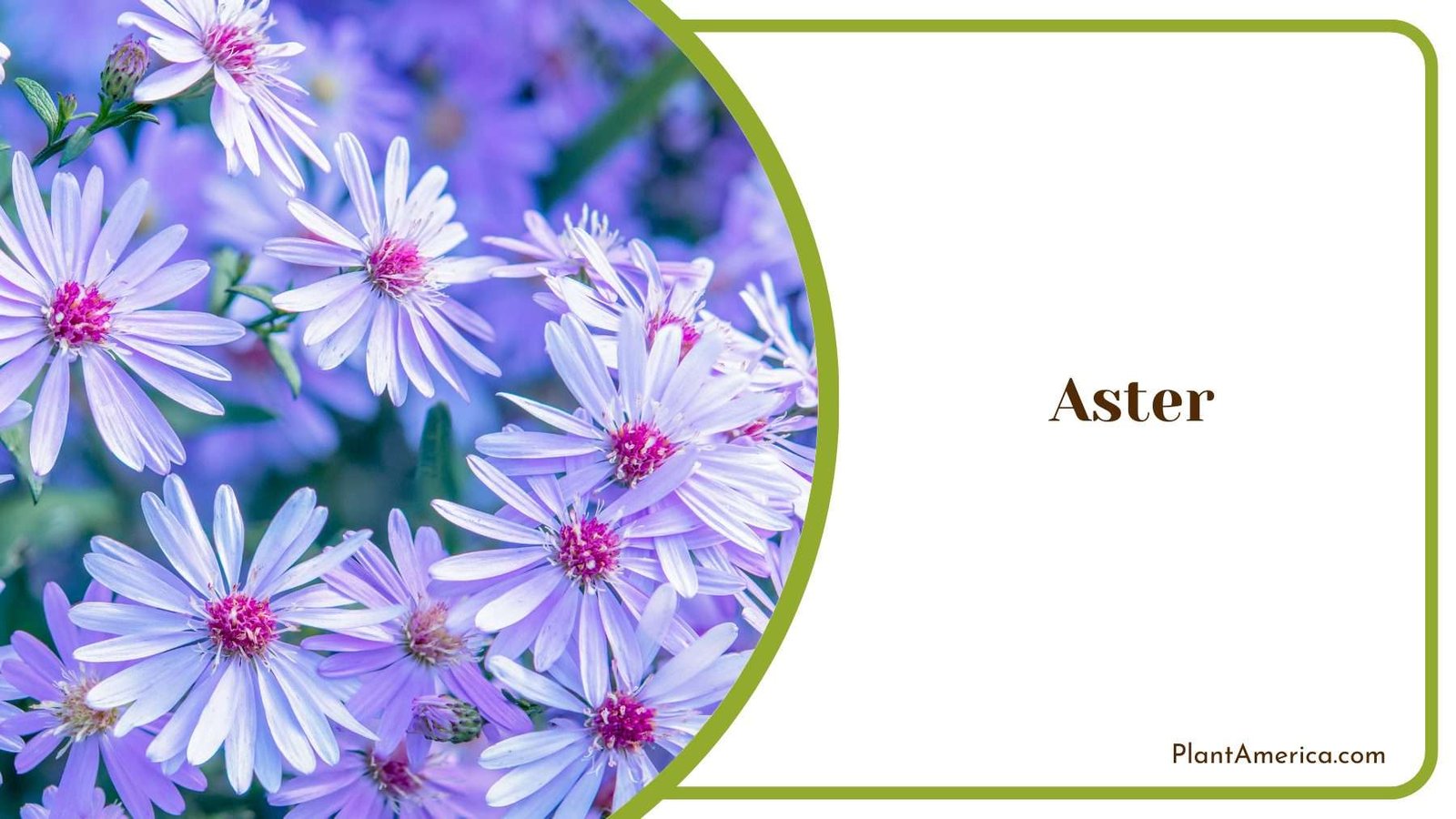
25. Aster
- Growing Season: Late Summer, Early Fall
- Leaf Type: Alternate, serrated leaves, Linear to lance-shaped
- Specific Needs: Well-draining soil, Staking for taller varieties
- Common Pests: Aphids
As summer wanes, asters bring a nostalgic charm to borders with fluffy bouquets dancing atop wiry stems. Cheery faces in hues evoking fall skies lift spirits on dreariest days with lasting seasonal smiles. Whether planted from seed or transplants in spring, asters take root readily wherever soils hold moisture yet drain freely. Space dwarf types a foot between, staking taller varieties for support.
Come late summer, flower clusters emerge in soft pinks, purples, whites, and more. Butterflies flock amidst toxic-free blooms, sipping nectar until the first frosts arrive. Deadhead spent flowers to prolong seasonal displays as long as possible.
Later, feathery seeds drifting on whispers provide crucial sustenance to migrating songbirds as temperatures drop. Their persistent habit provides habitat when leafless, too.
Beyond fleeting flashes, asters impart wholesome sentiments of gratitude, harmony with nature’s rhythms, and cheerful nostalgia for simpler times. No other perennial better caps seasons with resilient, worry-free seasonal staying power.
Conclusion
The flowers presented provide abundant seasonal beauty and joy with very attainable price tags ideal for those starting their gardening journey. Any of these will flourish reliably with basic care alone, using nature’s processes as their guide.
- Marigolds, zinnias, and sunflowers effortlessly foster pollinators from late spring into fall with almost no work needed.
- Daffodils and daisies spread cheer in early springs, bearing fond memories through later seasons.
- Hostas and daylilies decorate spaces gracefully for months with resilient dependability while requiring no fuss or effort from gardeners.
For beginning gardeners seeking sustainable smiles, these tried-and-true beauties ensure bountiful rewards repaying simple diligence for generations to come.