

Moon valley friendship plant of the Urticaceae family is a slightly-variegated plant with very beautiful leaves that will always draw the attention of everyone in the room.
It is a low-maintenance Pilea genus plant with very little nutrient and water needs. Read this comprehensive guide to learn how you can grow and propagate this cute plant.
What Is the Moon Valley Friendship Plant?
The Moon Valley Friendship Plant is a cute plant that originates from the Southern and Central parts of America. It naturally grows in tropical and sub-tropical regions. The name “moon valley” comes from the resemblance of this plant’s leaves with the craters of our moon.

Moon Valley Friendship Plant Care
Even though this friendship plant is cute and fuzzy, it is classified as a low-maintenance plant. Make sure to grow the plant in its preferred environmental conditions, you have nothing to worry about. Here are the friendship plant care requirements:
 Water Requirements
You must not overwater your friendship plant. This plant prefers a substrate with low moisture to one with too much water. Wait until the upper parts of the friendship plant substrate are dry before you water the plant. Do not water your friendship plant when the substrate still looks and feels moist.
The best type of water for friendship plants is rainwater, so if you can, collect and store rainwater for the plants. If you must use tap water, collect the water and let it sit for a day or two before you water your friendship plants with it.
 Soil Requirement
The suitable potting mix or substrate for the friendship plant should be nutrient-rich, above to retain moisture, and well-drained.
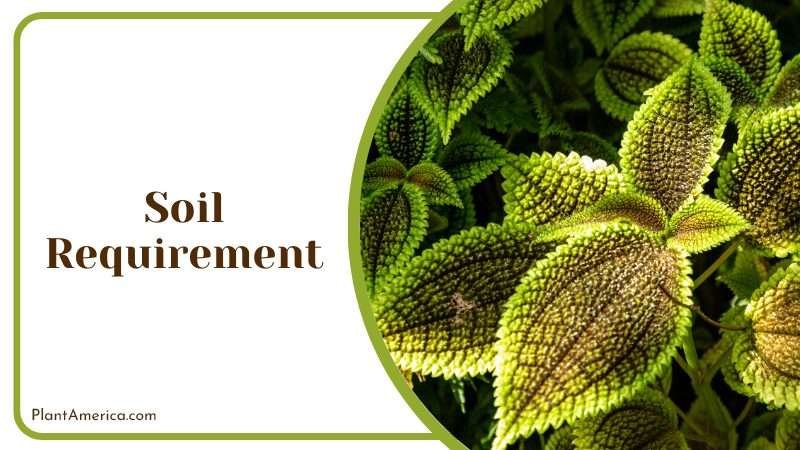
This special substrate for friendship plants is common in gardening shops. If you’d love to make it by yourself, you can combine compost with peat moss or coco coir as well as perlite and vermiculite.
The friendship plant pot should permit water flow with its drainage holes. Ensure that the pot has some holes so that excess water can flow off and prevent over-saturation of water in the substrate or medium. Remember to make the potting mix with compost or other safe organic materials.
 Light Requirements
Like other plants, your friendship plants need sunlight to grow healthy. Just make sure that they do not get too much of it so that they do not get burnt. You can grow healthy moo valley plants in bright but indirect sunlight. You can grow them under shade or a few feet from the window.
In winter when you cannot have enough sunlight, your moon valley plant may stop growing or the growth rate will reduce. If you want your plant to continue thriving, you can support the sunlight with grow light and other artificial light. Give your friendship plant eight or more hours of grow light.
 Humidity Requirements
Humidity helps your moon valley plant to absorb nutrients and water from the ground. This plant typically loves an environment with more than 50 percent humidity. Make sure that the room is humid for your friendship plant and you should grow the plant without problems.
You do not need to install a humidifier for your friendship plant. So long as you are giving the plant enough water, it can grow just fine. Just make sure that the environment is not too arid for it.
 Temperature Requirements
Your moon valley friendship plant is a tropical plant, so it prefers a room with a higher temperature. The ideal temperature range for this beautiful plant is 65 to 75 degrees Fahrenheit.
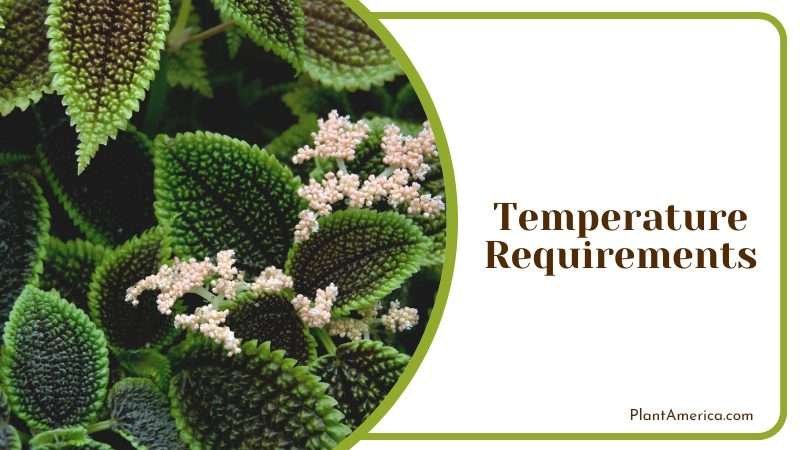
The preferred USDA hardiness zones for friendship plants are zones 10b-12. You can grow your friendship plants with ease in these zones.
Do not leave your friendship plant outdoors in the winter. Also, do not keep your plant close to any appliance that emits heat.
 Fertilizer Requirements
Unlike most indoor plants that need a lot of nutrients to grow, the moon valley plant is a light feeder. You only need to plant this cute plant in a nutrient-rich substrate and then fertilize it only once or twice every year. Obviously, it is not a demanding plant at all.
You should use a half or quarter-strength balanced fertilizer for your valley pilea. You can give them granular or liquid fertilizer. If you like, you can also use organic fertilizer for your moon valley friendship plant.
 Pruning
Grooming is important for everyone. Just like you, plants also need to be groomed. You can groom your moon valley friendship plant by pruning and repotting it when due. To prune your moon valley plant, use a clean scissor to remove excess stems and leaves. Additionally, check the substrate surface and remove any dead moon valley plant leaves.
Propagation
You cannot share your friendship plant with friends and family if you do not know how to propagate your friendship plant. There are two major ways to propagate friendship plants:
– Using Stem Cuttings
This is the easiest way to propagate pilea plants. All you need is at least six inches of the friendship stem to make a new plant. When you get the friendship stem, remove the lower leaves and wait until the wound is dry. Dip the friendship stem or cutting into a rooting hormone and then plant it.
You can still plant it if you do not have a rooting hormone. You should continue to water your friendship plant cutting until it starts to grow. Do not stop watering it. When you notice new leaves are shooting, you can remove the old leaves or you can leave them
– Using Root Division
This is a more technical method and you should only use this one when you want to get two large or matured plants from a single mother plant. There are most likely a lot of stems growing from a single root network. All you need to do is to reveal the plant root network and then use a sterilized knife to divide it so that a part has both stems and roots.

Wait for a few hours for the wound to callus and then plant the two plants in their substrate. It is best that you use a new substrate for the friendship plants so that pests or microbes from the old substrate do not attack them.
Use this method of propagation for matured or old friendship plants only.
Problems to Avoid
Even though the friendship plant is low-maintenance, you can come across a few problems. Watch out for the following:
– Root Rot
Root rot is the attack of microbes, especially fungi on the roots of your friendship plant. While root rot has a lot of causes, the major cause is overwatering.
If you allow the plant’s substrate to be saturated for long, the plants’ roots will start to suffocate and this will make them fragile enough for fungi to attack them. Wait until the top of the substrate is dry before you water your friendship plant.
– Burning Leaves
Burning leaves or yellowing are a sign of overfeeding or too much exposure to sunlight. When you give your friendship plant more nutrients than it requires, you’d notice that the leaves will start turning brown and curl up. Feed your moon valley friendship plant occasionally and not regularly.
– Pest Attack
Some common pests of moon valley plants include fungus gnats, aphids, spider mites, and mealworms. Note that healthy moon valley plants can repel pests, so you just need to grow your plants properly to forget about pests. For example, fungus gnats indicate root rot or overwatering of your friendship plant.
– Sunburn
Sunburn occurs when you expose your plants to a lot of sunlight. Even though the friendship plant requires bright light, it prefers indirect light. Therefore, keep it not so far away from the window but not under direct sun. Don’t worry, your plant will survive the sunburn so long as you reduce its exposure to sunlight.
As you can see, growing your friendship plant properly is all you need to avoid every problem that you can face.