
Edible ground cover, from mints and creeping thyme to strawberries, gooseberries, and aromatic basils, require little beyond occasional watering and weeding, yet they reward gardeners with tasty foliage, berries, and flowers.

They spread horizontally, covering the soil and suppressing weeds naturally. They also add visual interest with their foliage, fragrance, and colorful harvests. Choosing the right edible ground cover for a particular space depends on factors like sunlight, soil moisture, and intended use, and this guide is here to help!
Edible Ground Covers Perfect for Tasty Meals and Landscapes
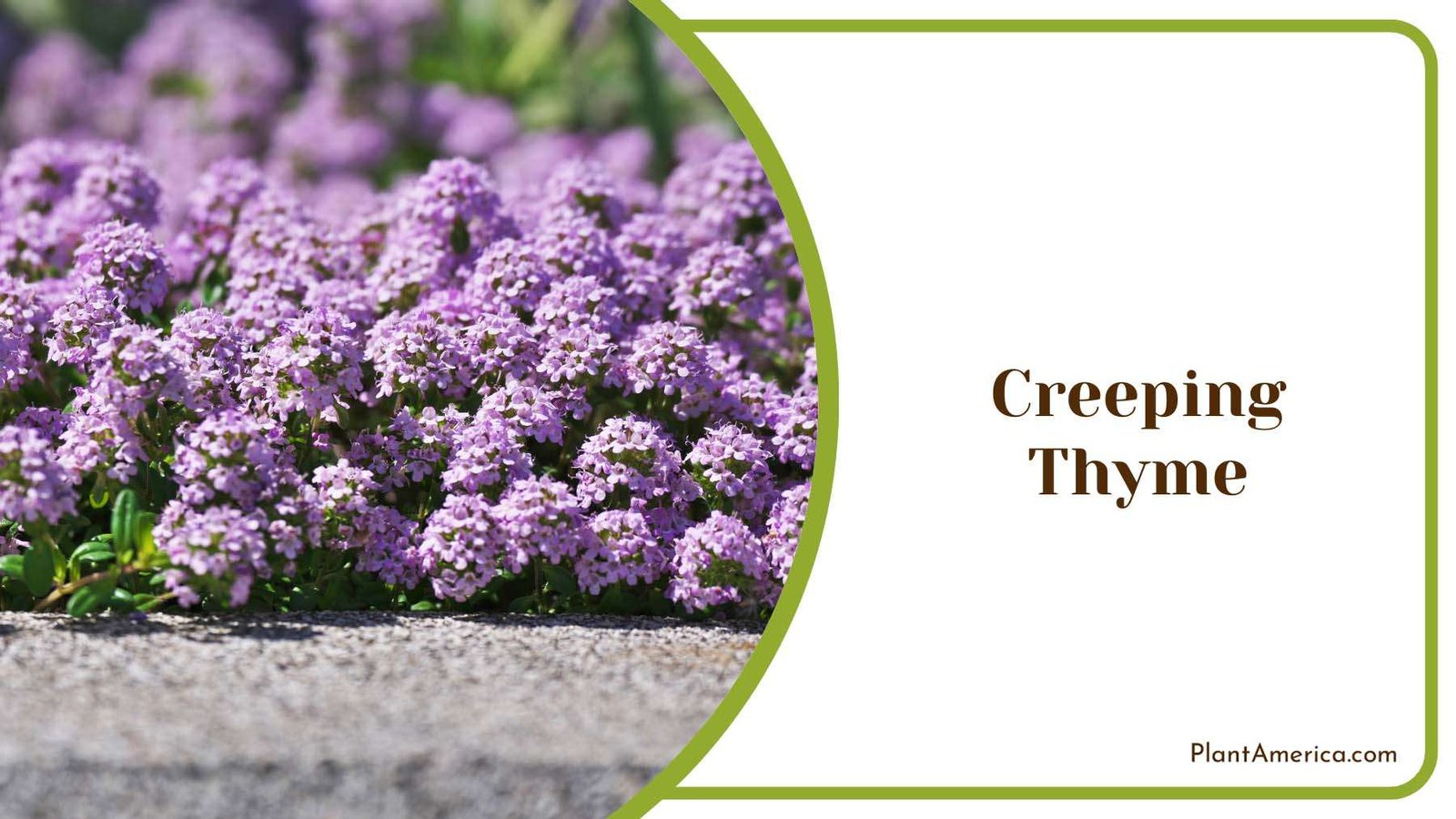
1. Creeping Thyme
- Growing season: Spring, Summer, Fall.
- Leaf shape: Linear, Needle-like.
- Specific needs: Full sun, Well-drained soil.
- Common pest: Scales, Spider mites.
Creeping thyme is a low-growing, aromatic groundcover prized for its culinary and ornamental qualities. The mat-forming foliage of creeping thyme spreads to form a lush green carpet interspersed with small pink, mauve, or white flowers that bloom in summer and attract pollinators.
Creeping thyme thrives in hot, full sun exposure with lean soil that drains quickly following rain or watering. The foliage is succulent and drought-tolerant, allowing creeping thyme to flourish with minimal care in well-draining soil with low fertility.
Creeping thyme is relatively pest and disease free under normal conditions, making it an easy, reliable addition to ornamental or edible gardens and landscapes. Its low-growing, spreading habit also helps to suppress weeds while adding fragrance, foliage texture, and flashes of colorful blooms.
Snip sprigs of the aromatic leaves throughout the growing season for use in recipes, teas, or potpourris. The flavor of creeping thyme’s foliage intensifies and strengthens as the plants mature.
Trimming spent flower stalks after blooming helps keep creeping thyme plants looking their best and encourages new foliage growth. Established plants can also be sheared or trimmed at any time to maintain their shape and size.
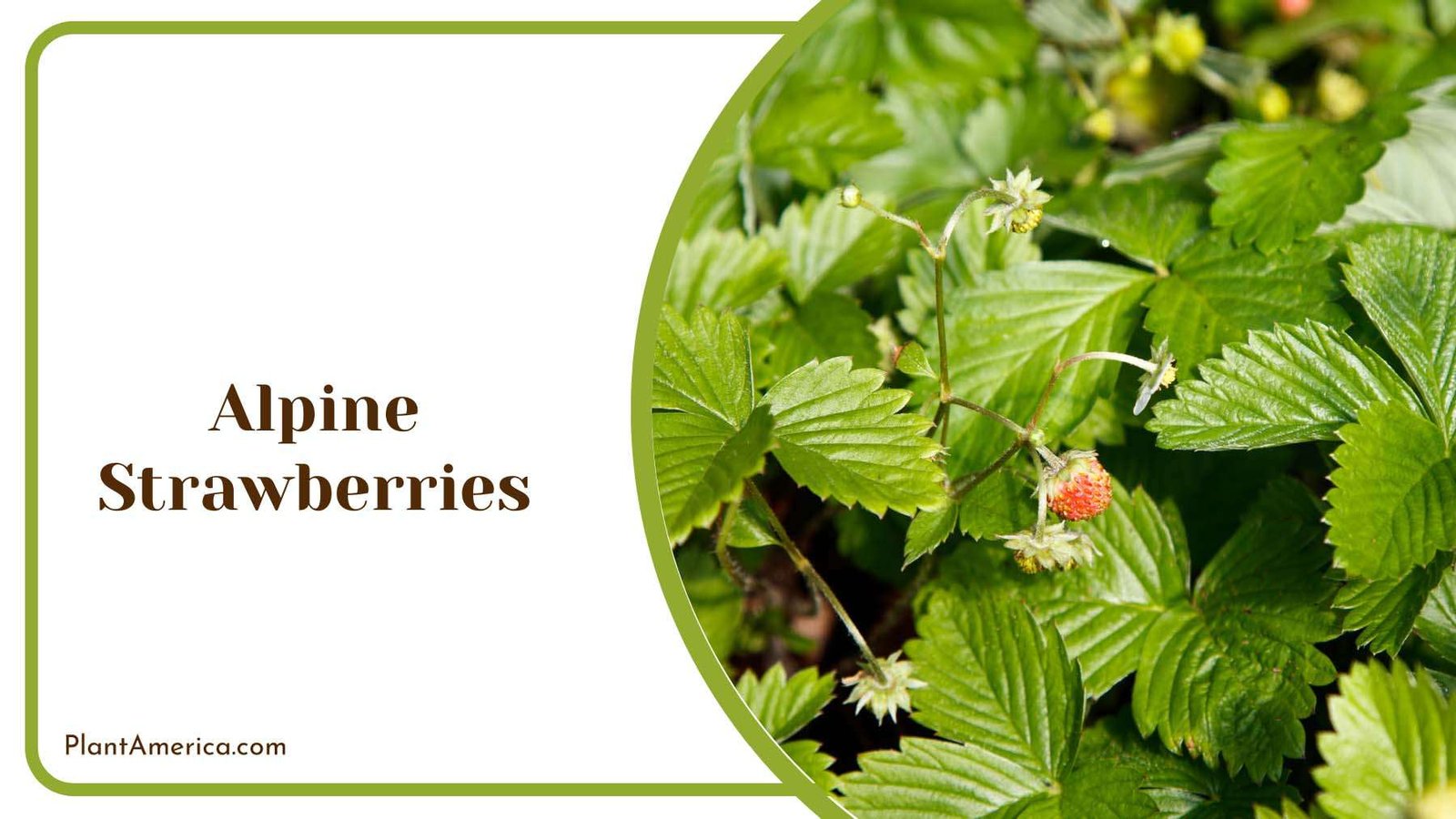
2. Alpine Strawberries
- Growing season: Spring, Summer.
- Leaf shape: Palmate, Long.
- Specific needs: Partial shade, Moist soil.
- Common pest: Birds, Slugs, Insects.
Alpine strawberries spread to form mats of edible ground cover that are valued both for their ornamental appeal and tasty fruit. The glossy green leaves of alpine strawberries feature prominent venation and emerge in rosettes close to the ground. Bright white flowers then appear and give way to delicious petite strawberries.
The small berries of alpine strawberries are produced continuously throughout most of the growing season, from spring through fall. The ongoing harvests make these groundcover strawberries highly productive in proportion to their size.
Alpine strawberries thrive when given morning sun and afternoon shade. They prefer consistently moist, well-draining soil rich in organic matter such as compost. Amending garden soil this way before planting helps alpine strawberries establish quickly and yield maximum fruit.
Slugs, insects, and birds often find the sweet berries of alpine strawberries irresistible, necessitating occasional controls. Physical barriers, diatomaceous earth, and organic sprays may help reduce pest pressure.
After the initial berry harvest in spring, trimming off the flower stems conserves the plant’s energy to maximize foliage growth and future yields. Established plants can be snipped continually throughout the season to encourage additional fruit production.
Dividing congested clumps of alpine strawberries, typically in early spring before new growth emerges, helps rejuvenate older plants and create new starts. Separate offshoots from the parent crown and replant immediately.
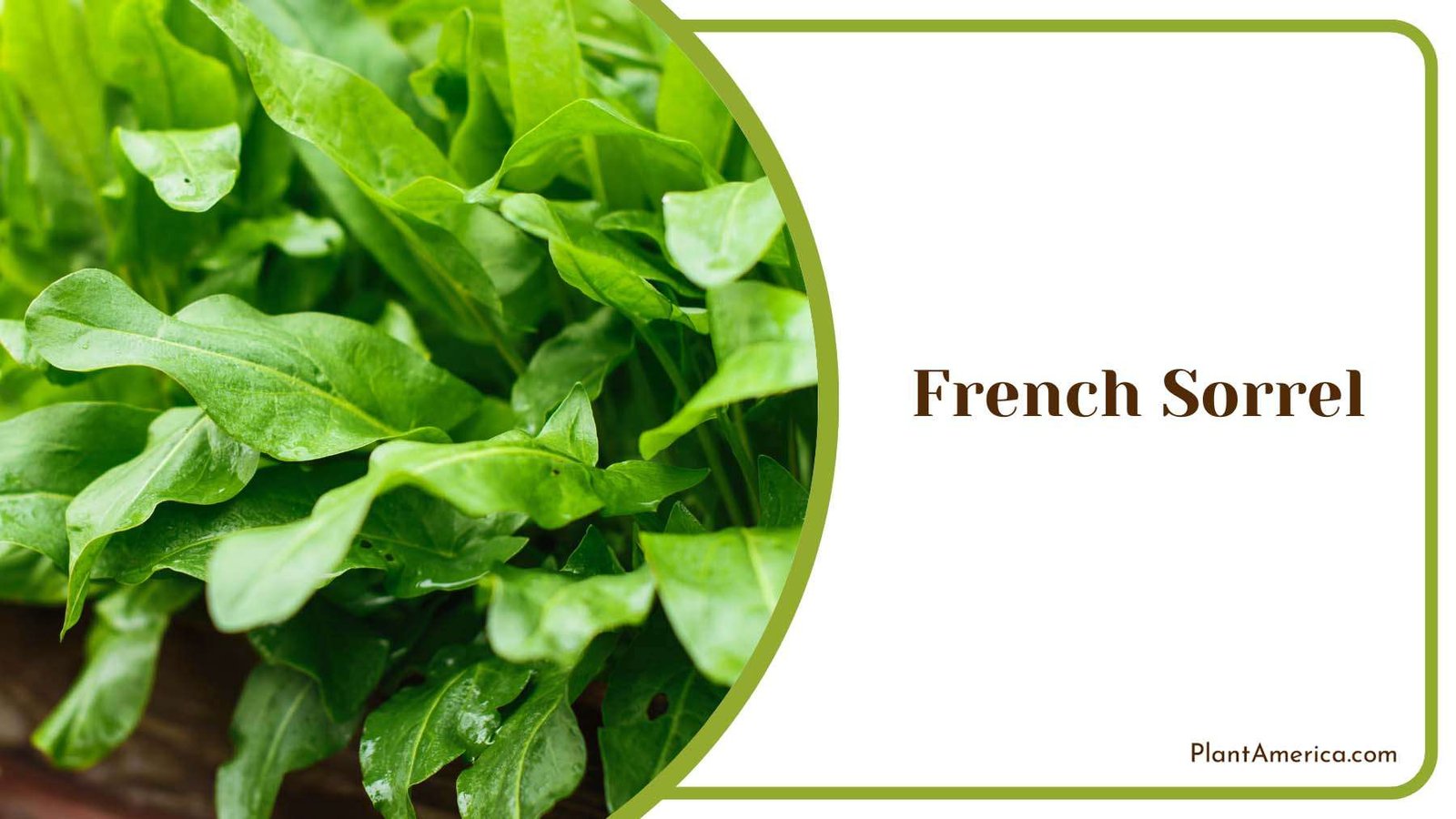
3. French Sorrel
- Growing season: Spring, Summer.
- Leaf shape: Basal, Kidney-shaped.
- Specific needs: Partial shade, Moist soil.
- Common pest: Slugs, Snails.
French sorrel forms dense clumps of succulent foliage that spreads to cover ground, producing an edible, ornamental plant valued for its texture, color, and unique lemony flavor. The trifoliate leaves of French sorrel emerge coppery in spring before maturing to a dark green color. Nodding panicles of small white flowers rise above the leaves in late spring.
French sorrel thrives in partial shade, preferring the morning sun and protection from the hottest afternoon rays. The plants grow best in moist, loamy soil enriched with organic matter such as compost. Providing these conditions helps ensure lush, sizable leaves with the strongest flavor.
The lemony-tart leaves of French sorrel add brightness to salads, soups, and other dishes when harvested at their peak. Snip leaves throughout the growing season as needed for fresh culinary uses. The flavor intensifies as summer progresses, and the soil dries somewhat between waterings.
Occasional slugs and snails may chew on the succulent foliage of French sorrel, especially following periods of rain and in the spring. Physical or organic controls may help reduce damage as needed.
Dividing congested clumps of French sorrel, typically every three to four years in early spring before new growth emerges, helps reinvigorate older plants and produce new starts. Lift entire clumps and separate them into smaller divisions containing several growing points.
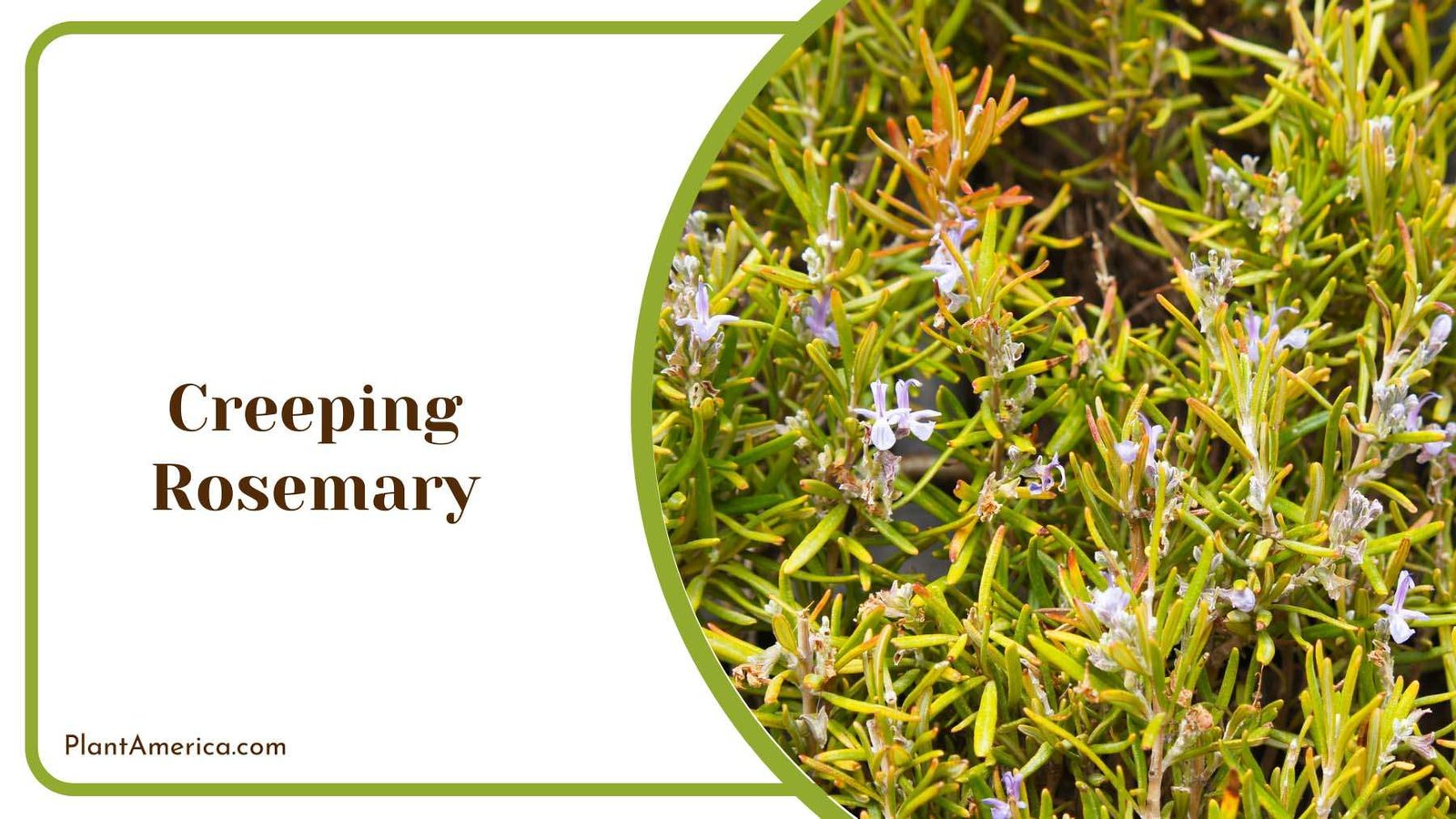
4. Creeping Rosemary
- Growing season: Spring, Summer, Fall.
- Leaf shape: Linear, Needle-like.
- Specific needs: Full sun, Well-drained soil.
- Common pest: Scales, Spider mites.
Creeping rosemary spread to form a woody, aromatic evergreen groundcover valued for its culinary and ornamental qualities. The needle-like leaves of creeping rosemary are heavily scented with rosemary oil, making the foliage highly fragrant and useful for cooking. Pale pink flowers appear in spring and attract beneficial insects.
Creeping rosemary thrives in full sun and average to dry soil conditions once established. The foliage is drought tolerant, allowing creeping rosemary to flourish with minimal care in lean, well-draining soil.
The aromatic foliage of creeping rosemary can be harvested throughout the year for use in cooking. The strong scent and flavor intensify as the soil dries out between waterings. Snipping new growth encourages dense, bushy habits that produce the most aromatic foliage.
Creeping rosemary is relatively pest and disease free under normal conditions thanks to its hardy nature. Its low-spreading habit also helps suppress weeds while adding fragrance, foliage texture, and minor blooms.
Prune creeping rosemary after its spring bloom to maintain the desired size and shape. Shearing back new growth anytime during the growing season also encourages dense foliage while harvesting leaves for the kitchen.
5. Wood Sorrel

- Growing season: Spring, Summer.
- Leaf shape: Basal, Shamrock shaped.
- Specific needs: Partial shade, Moist soil.
- Common pest: Scales, Spider mites.
Wood sorrel spreads via rhizomes beneath the soil surface to form low-growing mats of foliage with a pleasant lemony flavor. The compound leaves emerge reddish before deepening to a lustrous dark green color. Nodding stems bearing clusters of small, lemony white flowers rise above the leaves in spring.
Wood sorrel thrives in partial shade, preferring dappled light and protection from the hottest afternoon rays. The plants grow best in consistently moist, loamy soil enriched with organic material.
The lemony leaves of wood sorrel can be snipped as needed throughout the growing season to add a tangy flavor to salads, stews, and other dishes. The strength of the lemon flavor intensifies as the soil dries out between waterings, increasing the culinary benefits.
Wood sorrel has few pest problems due to its diminutive size and natural defenses like oxalic acid in its foliage and roots. It thrives with minimal care, often behaving like a “weed” by spreading easily to cover sizable patches of ground.
Pull up unwanted clumps of wood sorrel in spring before new growth emerges to control its spread. Alternatively, divide established patches to thin congested growth and create new starts. Simply lift entire mats and separate them into sections with several crowns.
6. Potato Vine

- Growing season: Summer, Fall.
- Leaf shape: Alternate, Trifoliate.
- Specific needs: Full sun, Moist, well-drained soil.
- Common pest: Mealy bugs, Aphids .
Potato vine, also called cinnamon vine, trails along the edible ground cover ground forming tendrils that grasp other plants and structures for support. The triangular leaves have a sweet, spicy scent when crushed, while small clusters of true blue or white flowers appear in summer. Potato vine thrives in full sun and moisture-retentive but well-draining soil, preferring sandy loam.
This flowering vine has few pest problems and spreads quickly to cover large areas. Prune back overgrown vines anytime to control spread and maintain a desired size. Divide congested patches by digging up root segments and replanting in spring.
7. Sweet Potato Vine
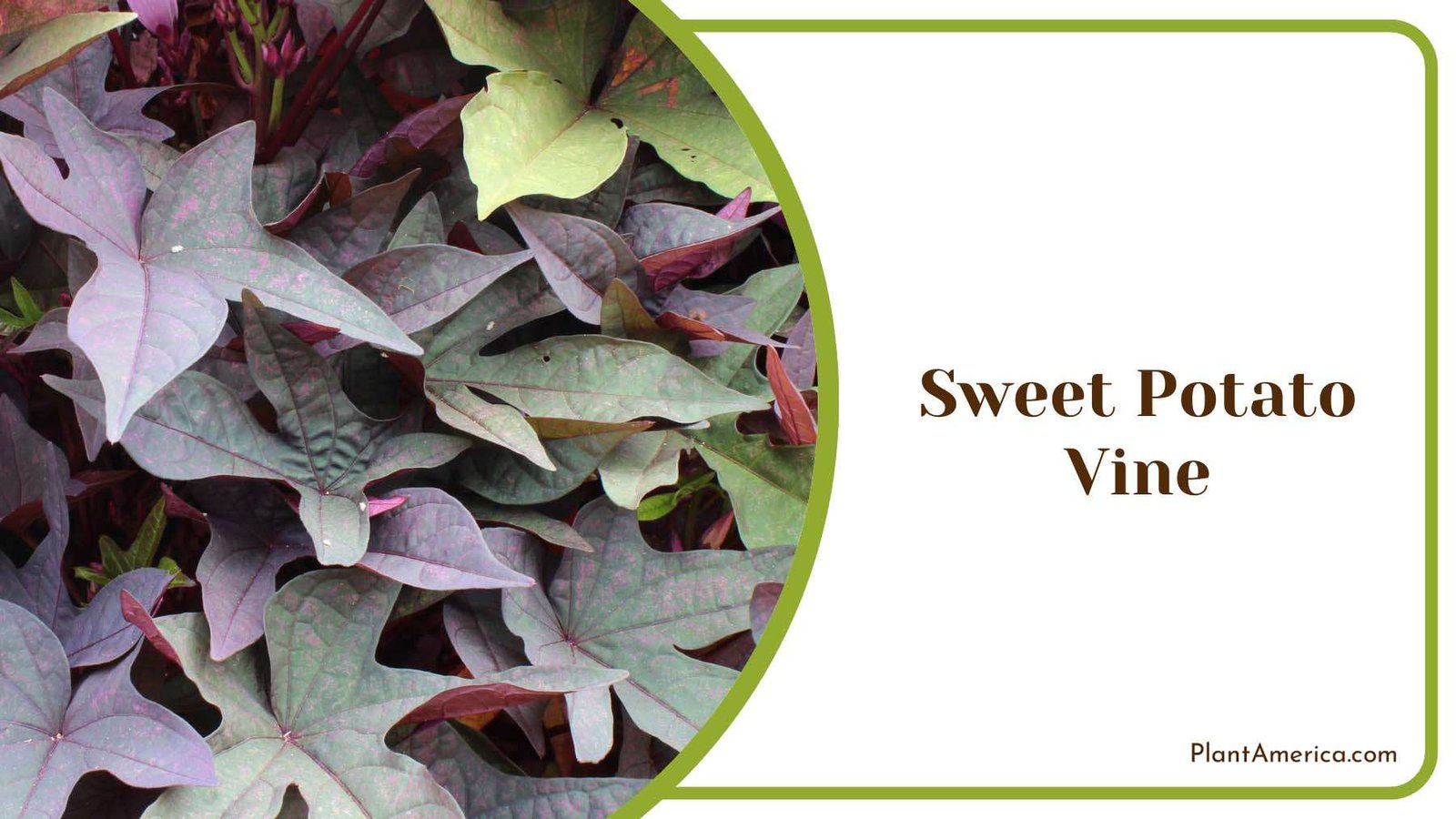
- Growing season: Summer, Fall.
- Leaf shape: Alternate, Palmately compound.
- Specific needs: Full sun, Rich moist, Well-draining soil.
- Common pest: Scales, Spider mites.
Sweet potato vine trails along the edible ground cover ground, producing heart-shaped foliage with serrated margins and vines that can reach 20 feet long. Small white or lavender flowers appear in summer, followed by edible tubers formed on underground stems. Sweet potato vine thrives with full sun exposure and rich, consistently moist yet well-draining soil.
This vigorous vine has few pest problems and spreads readily to cover large areas. Prune to control size anytime; remove old foliage in spring to encourage fresh new growth. Harvest tubers in fall after vines die back and store for winter use.
8. Roman Chamomile
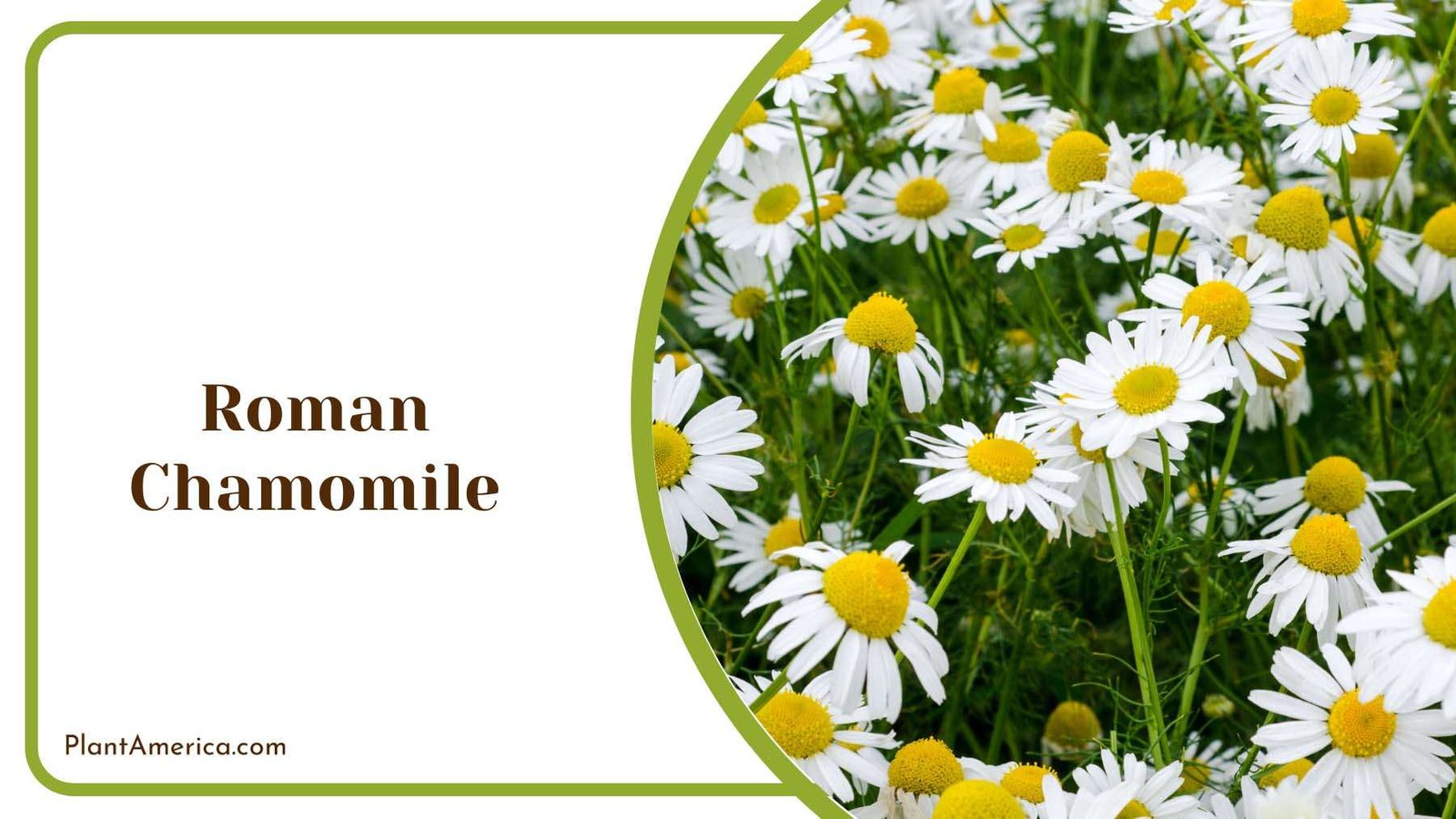
- Growing season: Summer, Spring.
- Leaf shape: Fern-like, Finely dissected.
- Specific needs: Full sun, Dry, Well-draining soil.
- Common pest: Rarely has pest problems.
Roman chamomile spreads via rhizomes to form low-growing mats of edible ground cover with fragrant foliage. Small button-like yellow daisy flowers appear in summer and attract beneficial pollinators. Roman chamomile thrives in full sun and very well-draining soil, tolerating poor conditions and periods of drought once established. This easy-to-grow groundcover has few pest problems and spreads readily to form an attractive lawn alternative.
Cut foliage as needed to harvest leaves for tea or to encourage fresh growth. Divide congested patches in spring before new growth emerges to promote vigorous growth and keep the plant healthy.
9. Sweet Violets
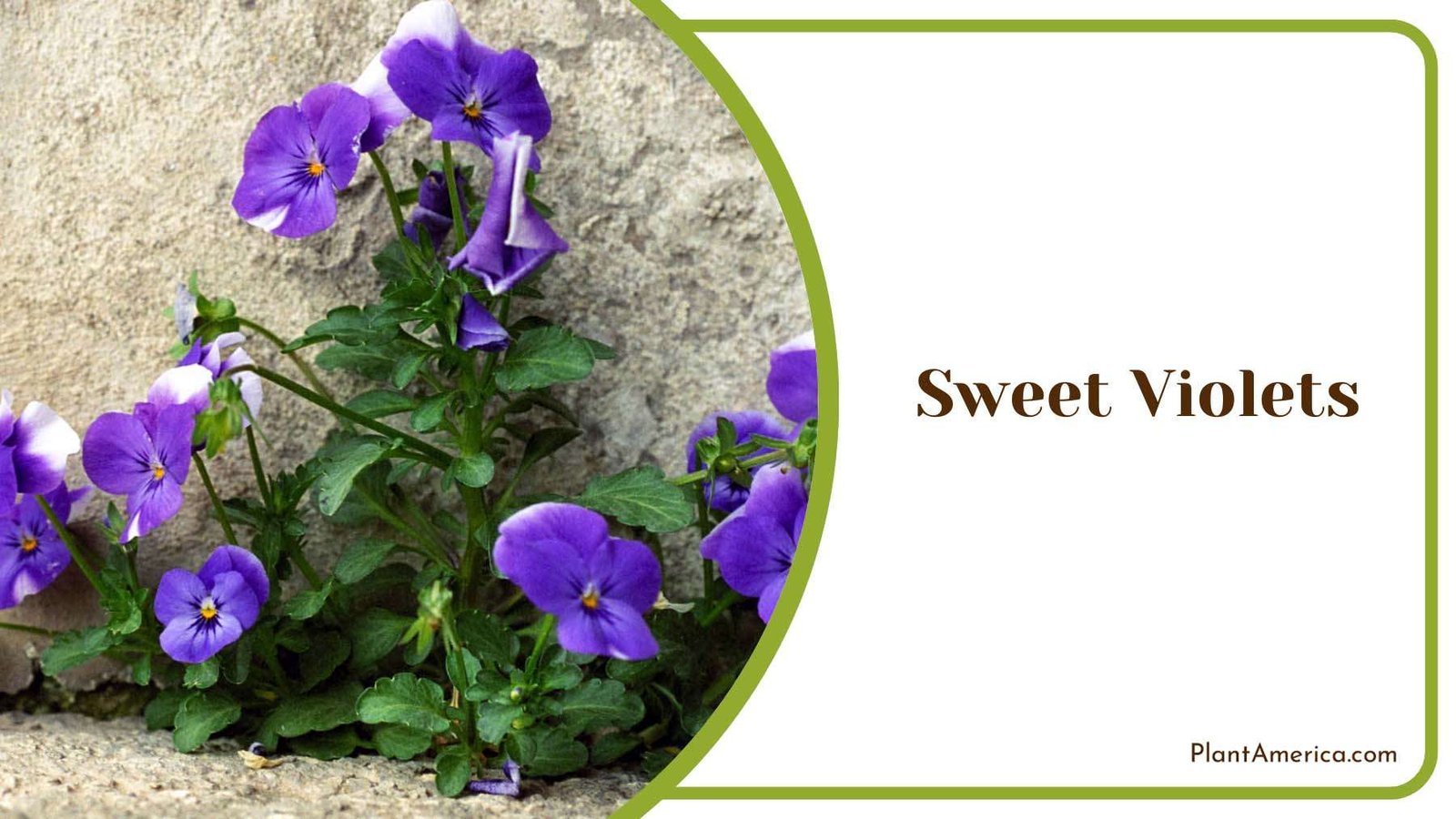
- Growing season: Spring, Summer.
- Leaf shape: Heart-shaped, Basal.
- Specific needs: Partial shade, Consistently moist soil.
- Common pest: Aphids, Mealybugs.
Sweet violets spread via creeping rhizomes to form patches of edible ground cover foliage and fragrant lavender to purple flowers beloved by pollinators. The heart-shaped leaves have a distinctly sweet flavor and can be harvested throughout the growing season. Sweet violets thrive in partial shade and consistently moist, humus-rich soil.
This low maintenance groundcover rarely has pest problems and spreads quickly to cover large areas. Snip off spent flowers to encourage continuous bloom. Divide congested patches every two to three years in early spring before new growth emerges.
10. Corsican Mint
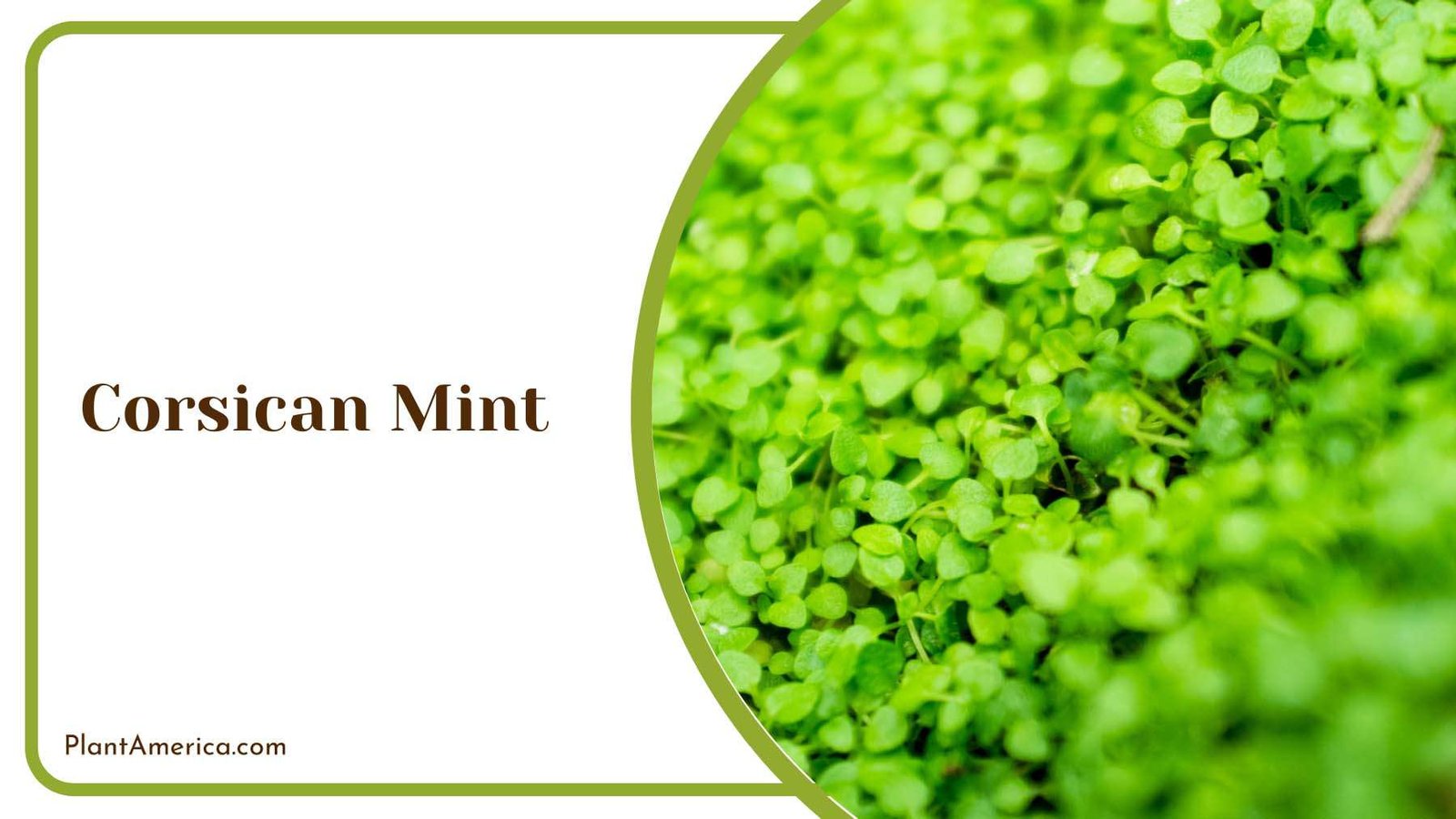
- Growing season: Spring, Summer, Fall.
- Leaf shape: Opposite, Oval to elliptic.
- Specific needs: Full sun, Consistently moist soil.
- Common pest: Scales, Spider mites.
Corsican mint spreads via creeping stems and rhizomes to form low-growing mats of edible ground cover with aromatic foliage and spikes of lilac flowers in summer. The mild minty leaves emerge coppery, then mature to grayish green and have a pleasant flavor in teas, salads, and more. Corsican mint thrives in full sun and constantly moist soil, tolerating some drought and poor conditions once established.
This easy-care ground cover has few pest problems. Trim foliage as needed regularly to promote fresh growth and enjoy the leaves. Divide congested patches in spring or fall to renew growth and encourage greater spread.
11. Oregano
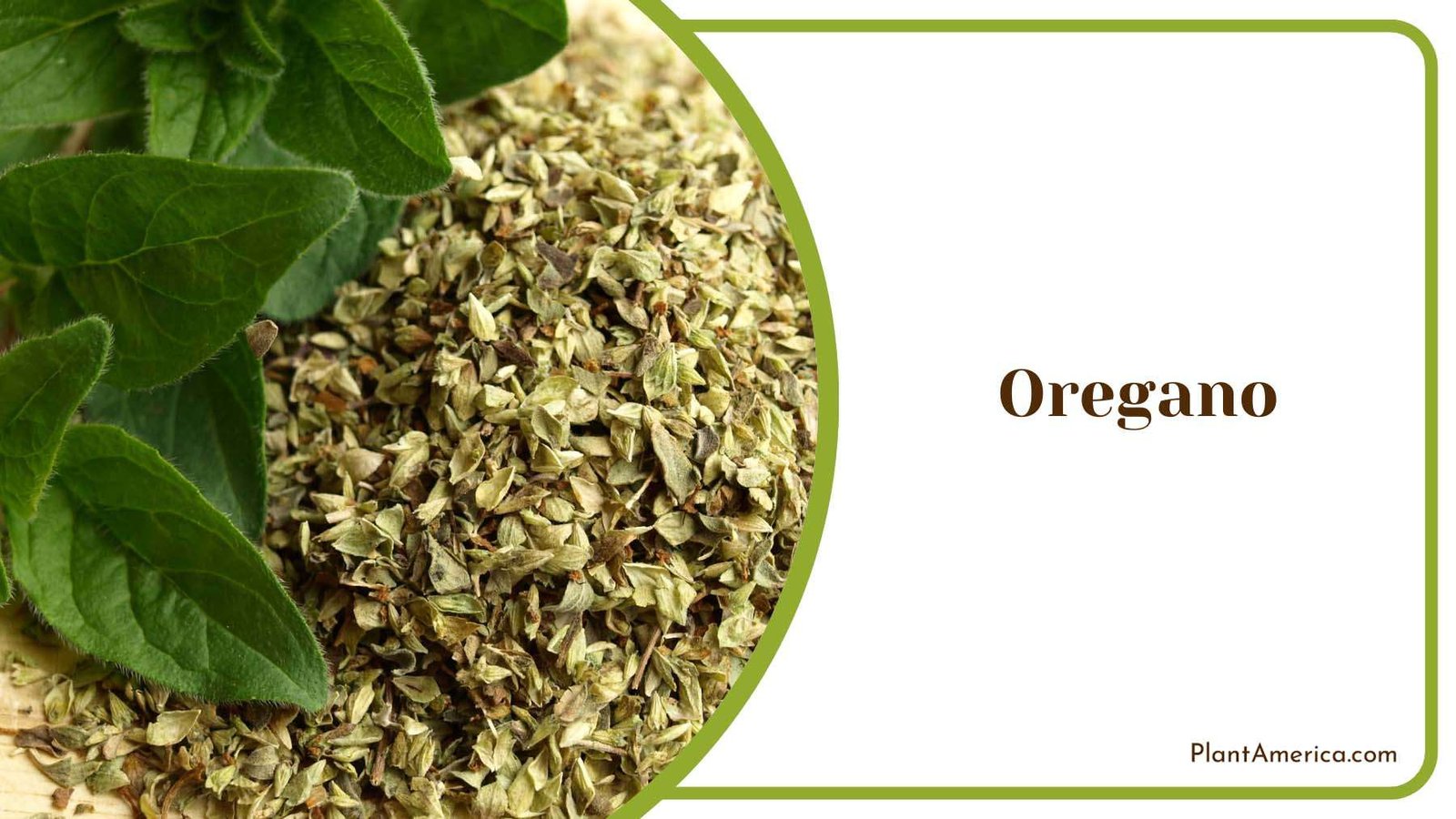
- Growing season: Spring, Summer.
- Leaf shape: Opposite, Oblong, Elliptic.
- Specific needs: Full sun, Well-drained soil.
- Common pest: Aphids, Thrips.
Oregano forms creeping mats of edible ground cover foliage with a pronounced aromatic flavor and pink, purple, or white flowers that appear in summer. The leaves emerge grayish green, then mature to bright green and can be harvested fresh or dried for cooking throughout the growing season. Oregano thrives in hot, full sun conditions with average to dry, lean soil. This easy-to-grow perennial has few pest problems.
Trim back after bloom to promote bushy growth and encourage new foliage production. Divide congested patches every three to four years in early spring to keep your oregano healthy.
12. Gaultheria Procumbens
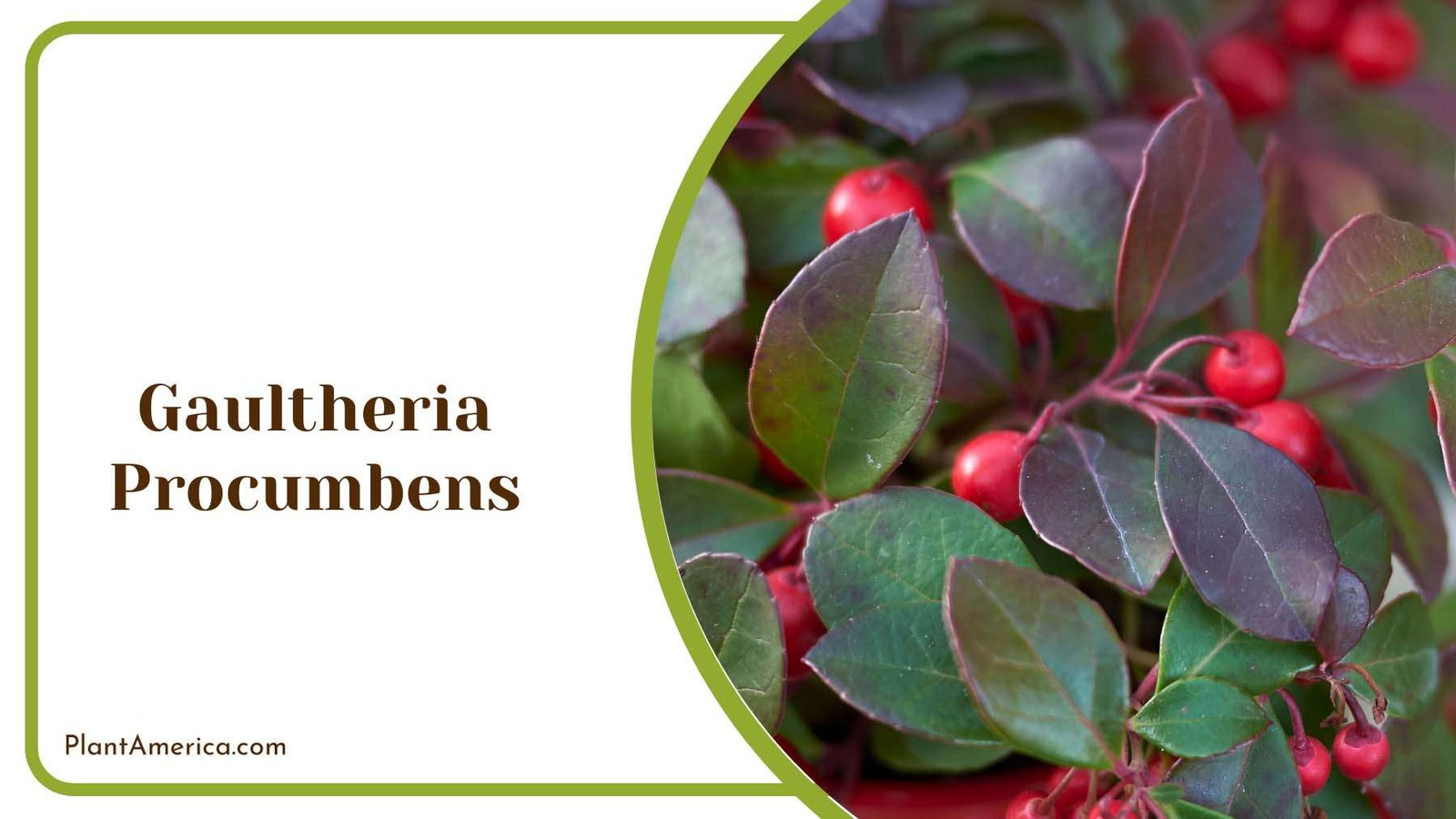
- Growing season: Spring, Summer.
- Leaf shape: Alternate, Elliptical, Oval.
- Specific needs: Partial shade, Consistently moist acidic soil.
- Common pest: Scales, Spider mites.
Creeping wintergreen, teaberry, or checkerberry forms dense mats of edible ground cover foliage with a minty wintergreen flavor. Downward facing pink to white bell-shaped flowers appear in spring and dangle above the dark green leaves. Creeping wintergreen thrives in partial shade and constantly moist, acidic soil rich with organic matter.
This easy care groundcover rarely has pest problems and readily spreads via rhizomes to cover large areas. Harvest leaves for tea as needed throughout the growing season. Divide congested patches every three to four years in spring before new growth emerges.
13. Chamomile

- Growing season: Summer, Spring.
- Leaf shape: Fern-like, Finely dissected.
- Specific needs: Full sun, Dry, Well-drained soil.
- Common pest: Thrips, Scales.
Chamomile spreads via rhizomes to form low-growing mats of edible ground cover with fragrant foliage. Small button-like yellow daisy flowers appear in summer and attract beneficial pollinators. Chamomile thrives in full sun and very well-draining soil, tolerating poor conditions and periods of drought once established. This easy-to-grow groundcover has few pest problems and spreads readily to form an attractive lawn alternative.
Cut foliage as needed to harvest leaves for tea or to encourage fresh growth. This is popularly used for teas and refreshing drinks. Divide congested patches in spring before new growth emerges to promote vigorous growth.
14. Portulaca Oleracea
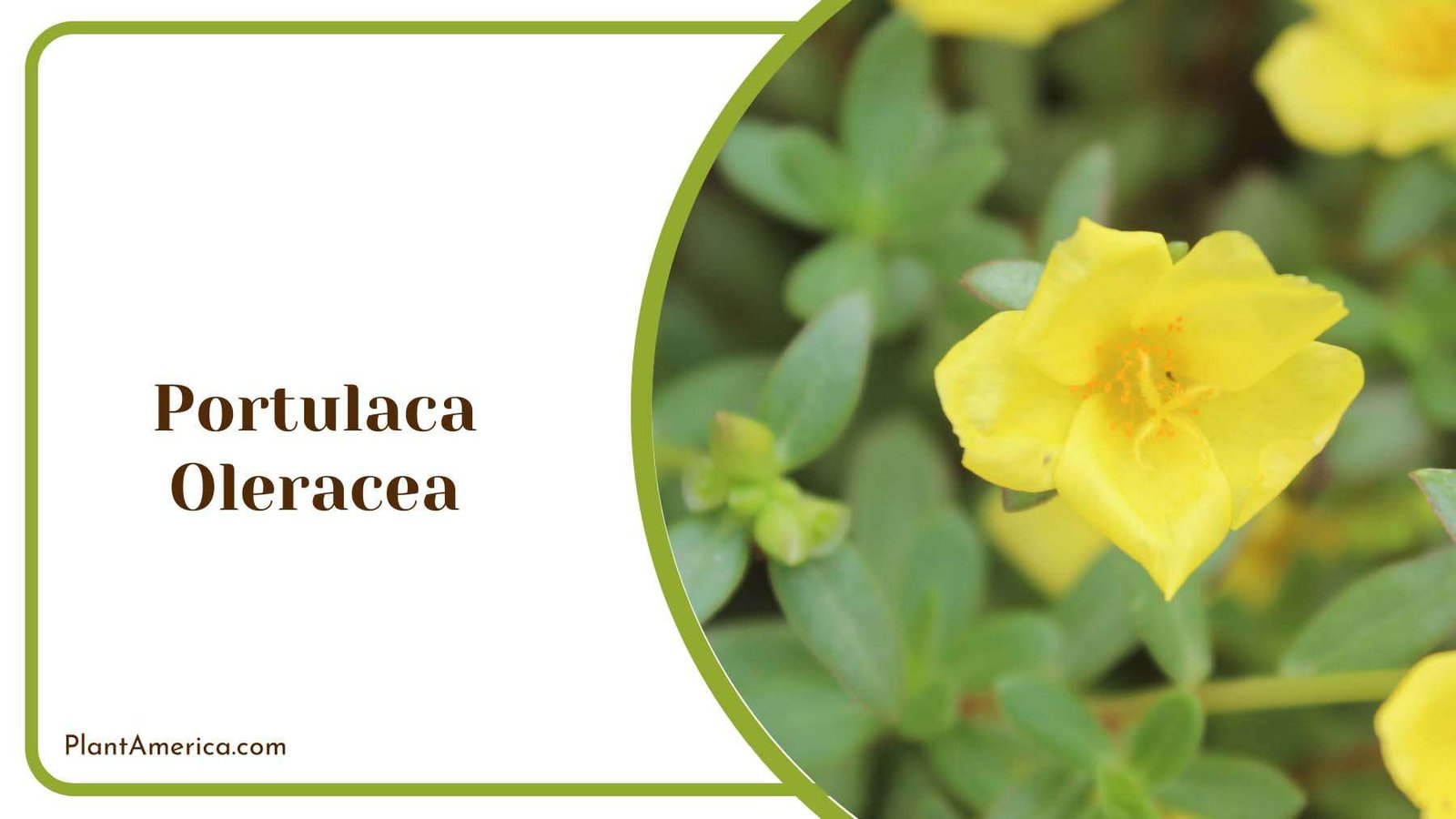
- Growing season: Spring, Summer.
- Leaf shape: Alternate, Oval.
- Specific needs: Full sun, Well-drained soil.
- Common pest: Scales, Spider mites.
Purslane forms broad mats of succulent edible ground cover foliage and showy yellow flowers that add vibrant color to gardens during the hot summer months. The thick fleshy oval leaves have a lemon-tang flavor and can be harvested throughout the growing season.
Purslane thrives in hot, full sun conditions with average to dry lean soil. This high drought-tolerance ground cover has few pest problems and spreads quickly via underground stems and seeds. Snip leaves as needed throughout the growing season for fresh use, and cut plants back to the ground before the first hard frost.
The succulent leaves and stems of purslane carpet the ground, smothering weeds and retaining soil moisture during dry spells. The bright yellow blooms cheerfully dot the sea of green foliage, providing nectar for beneficial bugs.
Though unassuming in stature, purslane demonstrates resilience through its rapid spread and exceptional drought tolerance. Even in lean soils, it continues to produce fleshy edible leaves and colorful flowers. The persistence of purslane imbues the landscape with life, softening harsh ground with a blanket of cool greens.
Beyond its aesthetic contributions, purslane nourishes the gardener with tangy foliage throughout summer’s heat. In purslane, beauty and sustenance arise mutually from one versatile plant, a reminder that true abundance flows from nature’s synergies rather than isolation.
15. Sweet Violet

- Growing season: Spring, Summer.
- Leaf shape: Heart-shaped, Basal.
- Specific needs: Partial shade, Moist soil.
- Common pest: Slugs, Snails, Insects.
Sweet violets spread via creeping rhizomes to form patches of edible ground cover foliage and fragrant lavender to purple flowers beloved by pollinators. The heart-shaped leaves have a distinctly sweet flavor and can be harvested throughout the growing season. Sweet violets thrive in partial shade and consistently moist, humus-rich soil.
This low maintenance groundcover rarely has pest problems and spreads quickly to cover large areas. Snip off spent flowers to encourage continuous bloom. Divide congested patches every two to three years in early spring before new growth emerges.
16. Vitex Agnus-castus
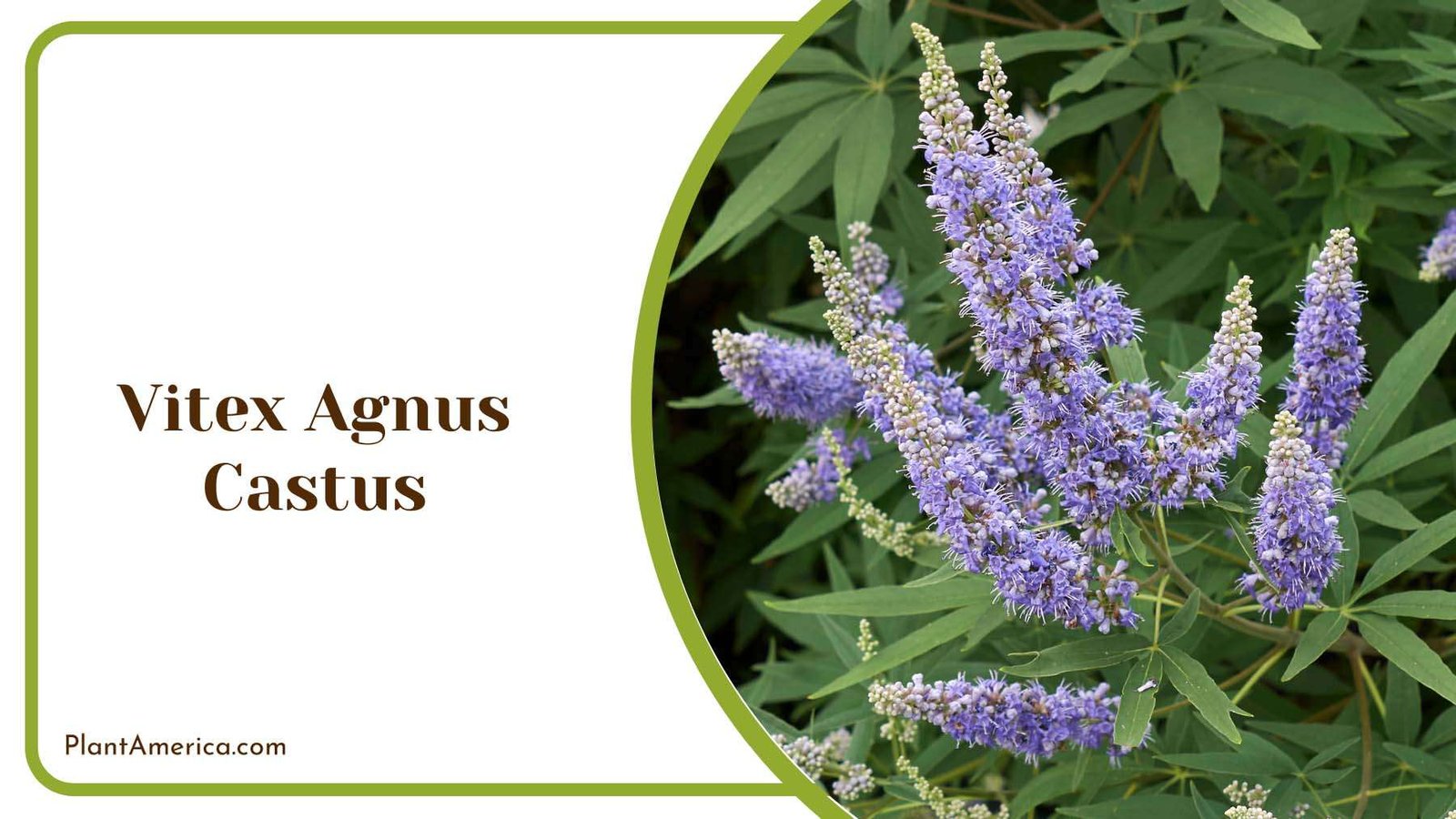
- Growing season: Spring, Summer.
- Leaf shape: Opposite, Pinnately compound.
- Specific needs: Full sun, Well-drained soil.
- Common pest: Aphids, Mealy bugs.
The chaste tree forms a woody, edible ground cover shrub with aromatic gray-green foliage and fragrant lilac-blue flowers that attract beneficial insects. The young shoots, leaves, and flower buds can be harvested throughout the growing season and used to make herbal teas and tinctures.
Chaste tree thrives in full sun and lean, well-draining soil, becoming drought-tolerant once established. This low-maintenance shrub rarely has pest problems. Prune after spring bloom to maintain size and shape. Harvest young foliage, flower buds, and shoots as desired to regularly encourage fresh growth.
The fragrant foliage of chaste tree forms a lush carpet beneath its arching branches. The pale lilac flowers erupting in spring perfume the surrounding air, attracting swarms of nectar-seeking insects.
Though chaste tree demands little care beyond occasional pruning, it persistently offers sustenance and beauty in equal measure. Its ability to thrive in poor soils despite harvest demonstrates resilience born of necessity. Even when pushed to regenerate, the shrub maintains its generous spirit, sharing nourishment and nectar without complaint.
The plant serves as a reminder that what is abundant derives strength from within rather than without. Though chaste in appearance, the tree overflows with gifts that arise from humble beginnings. Through persistence, nourishing beauty emerges to color the world anew — beauty that asks nothing but gives all.
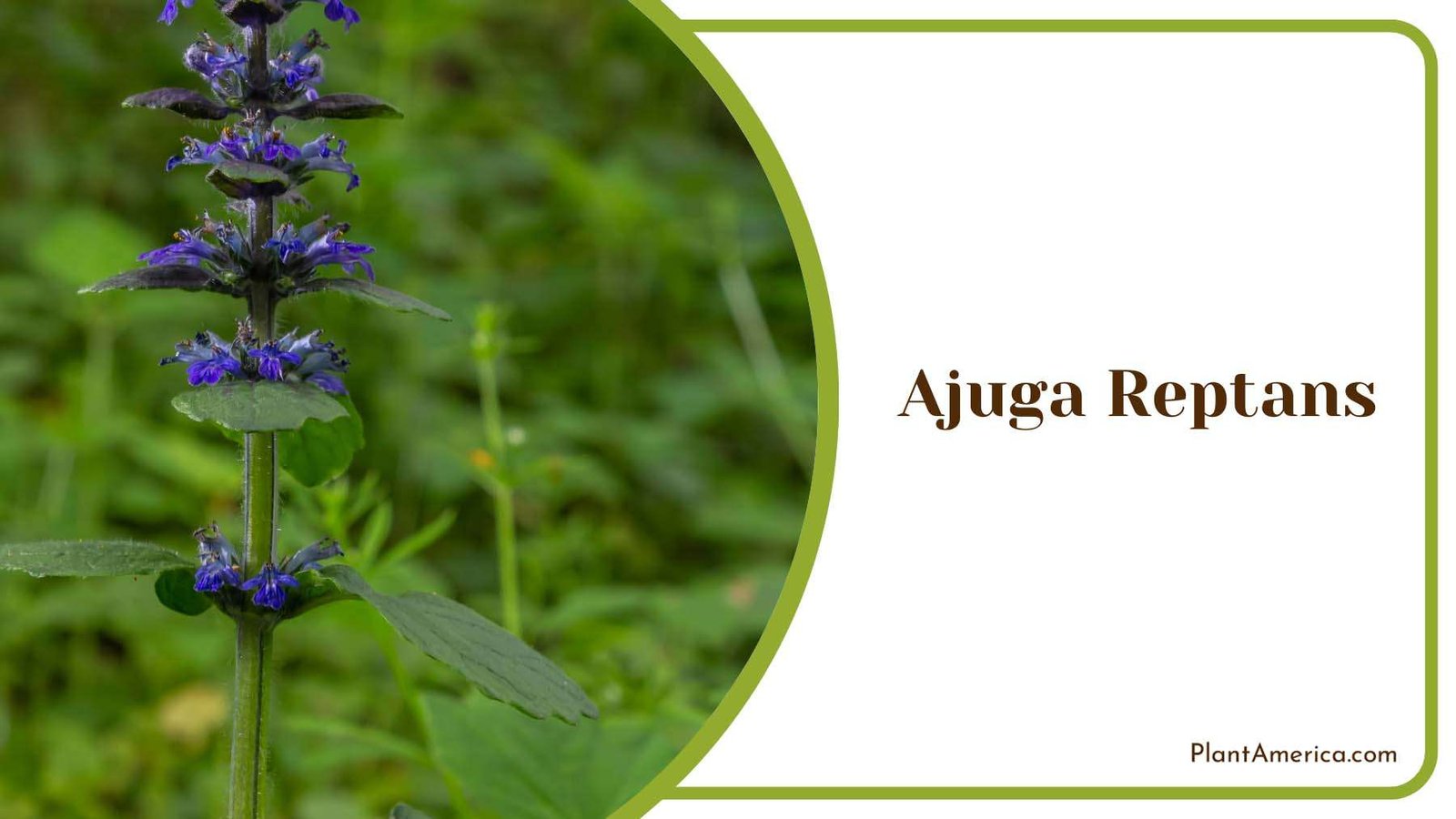
17. Ajuga Reptans
- Growing season: Spring, Summer.
- Leaf shape: Opposite, Kidney shaped.
- Specific needs: Partial shade, Constantly moist soil.
- Common pest: Scales, Spider mites.
Bugleweed spreads via creeping rhizomes to form low-growing mats of edible ground cover foliage and violet-blue flowers in spring. The kidney-shaped leaves emerge deep bronze, then mature to dark green and have a minty flavor used to make herbal teas.
Bugleweed thrives with morning sun and afternoon shade in moist, compost-rich soil. This easy to grow groundcover has few pest problems. Snip leaves regularly throughout the growing season to harvest at the peak of freshness. Divide congested patches every two to three years in spring before new growth emerges.
The creeping stems of bugleweed slowly weave an intricate tapestry of bronze and green foliage. In spring, violet-blue flowers emerge en masse, perfuming the garden with their subtle aroma.
Though low-growing and delicate, bugleweed demonstrates tenacity through its persistence. Even after frequent harvesting, it continues producing fresh leaves and blooms year after year. Its diminutive stature belies the nourishing gifts it provides through consistency and multiplication.
Beyond aesthetics, bugleweed offers fragrant tea harvested directly from the garden. The ease with which it flourishes reminds us of nature’s innate abundance when properly nurtured. Through bugleweed, we learn the joy and sustenance that arise when life is allowed to simply spill forth unimpeded.
Conclusion
This article has highlighted the incredible variety of easy-to-grow edible ground covers available to fill spaces in gardens, yards, and landscapes while providing tasty harvests.
- French sorrel forms dense clumps of succulent foliage that spreads to cover the ground, producing an edible, ornamental plant valued for its texture, color, and unique lemony flavor.
- Purslane forms broad mats of succulent edible ground cover foliage and showy yellow flowers that add vibrant color to gardens during the hot summer months.
- Corsican mint spreads via creeping stems and rhizomes to form low-growing mats of edible ground cover with aromatic foliage and spikes of lilac flowers in summer.
Planting more edible ground covers is an easy way to transform unused areas of your property into abundant, low-fuss harvests that bring beauty, nourishment, and joy all season long. Get out there and start planning — your garden is hungry for more edible ground covers!