
Missouri native plants provide invaluable resources for local pollinators throughout the gardening season. In this post, we’ll explore 17 top native plant selections for your pollinator garden that are perfect for growing conditions in Missouri.

From delicate wildflowers to fluffy ornamental grasses, each species on our list offers pollinators like bees, butterflies, and hummingbirds nourishing nectar and pollen. Whether you’re a seasoned gardener or just starting, we’ll give you all the details needed to grow these beautiful locals and help support pollinators in your area.
Top Missouri Native Plant Picks for Happy Pollinators
1. Purple Coneflower
- Growing Season: Spring, Fall
- Leaf Type: Broad, oval leaves
- Specific Needs: Full sun, Well-draining soil
- Common Pests: Japanese beetles
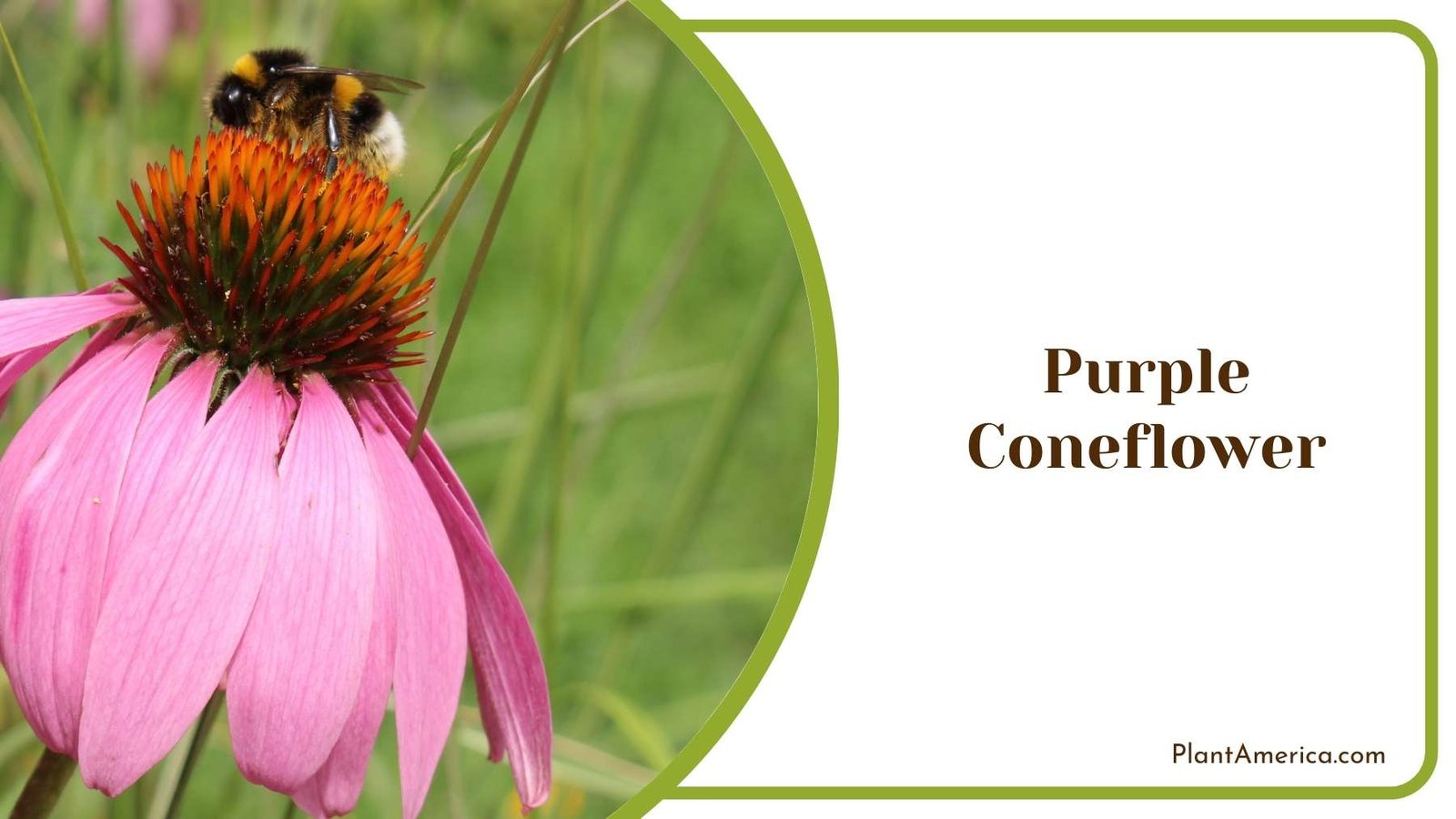
Purple Coneflower, a Missouri native wildflower, begins blooming in early summer with its unusual purple flower heads. The daisy-like flowers attract butterfly and native pollinator species with their nectar.
Throughout the summer and early fall, you’ll see these flowers decorating prairie and meadow landscapes across Missouri. Growing 12 to 24 inches tall, Purple Coneflower prefers full sun and well-draining soil to thrive. Its thick taproot makes it drought-tolerant once established.
Maintenance is minimal for this hardy perennial. No staking is required for its strong stems that carry the attractive flower heads. While Japanese beetles may find the leaves appetizing at times, they rarely cause serious damage. This low-maintenance quality makes Purple Coneflower suitable for natural-style gardens where less intervention is needed. It pairs well with other native prairie plants like Little Bluestem grass that attract grassland birds.
As summer winds down into fall, the greenery of Purple Coneflower takes a backseat to the cheery flower color it has provided for months. Even after blooming concludes, seed heads remain and supply bird food through winter.
2. Black-Eyed Susan
- Growing Season: Summer
- Leaf Type: Rough, Arrowhead-shaped leaves
- Specific Needs: Full sun, Average soil
- Common Pests: Powdery mildew
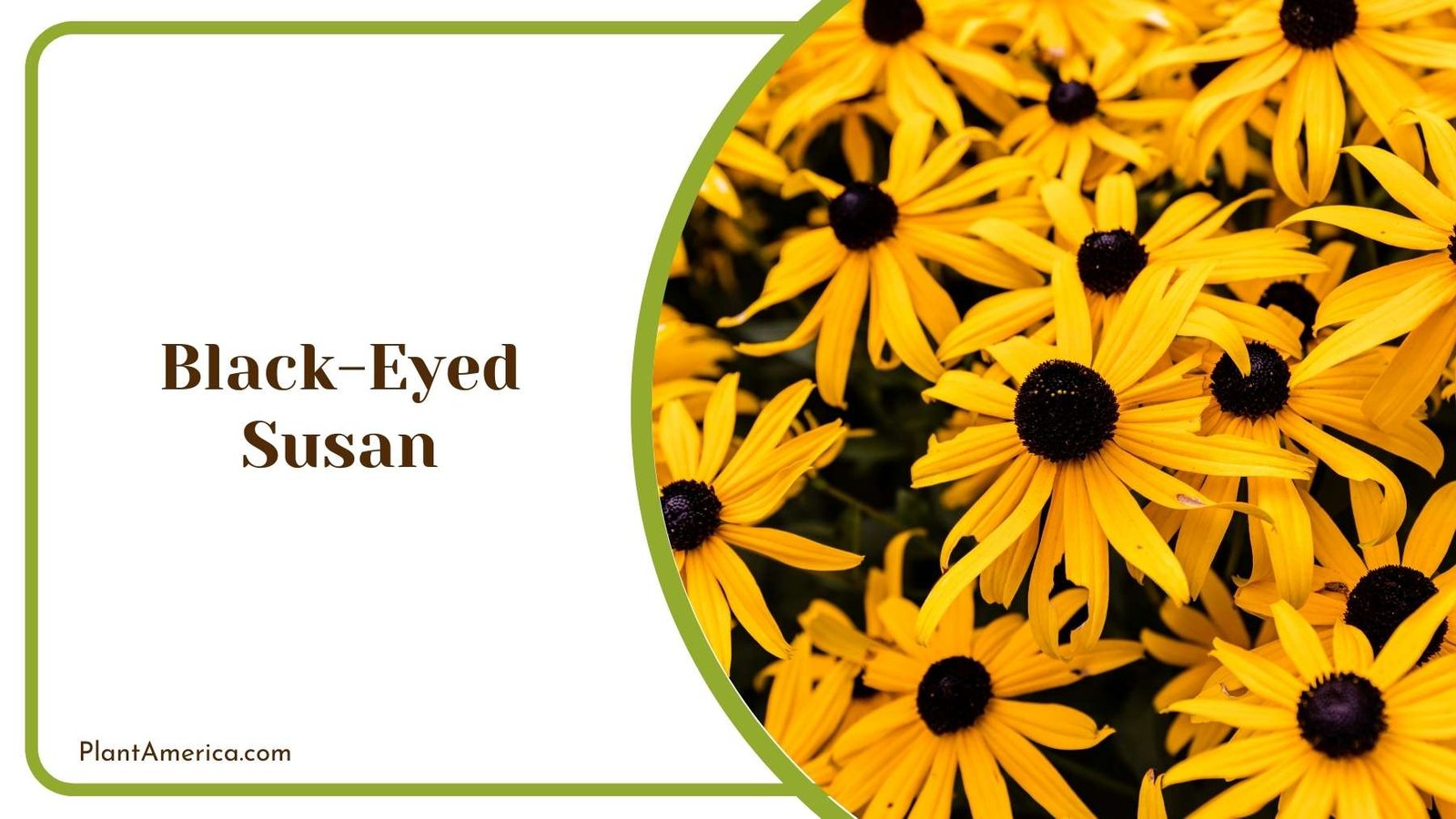
Missouri’s state flower, Black-eyed Susan, creates a vibrant burst of color in gardens each summer. Its golden yellow petals with a dark central disk resemble the state’s official butterfly, the mourning cloak. Native to Missouri prairies and meadows, Black-eyed Susan is perfectly adapted to the climate.
Provide full sun and average soil, and you’ll be rewarded with weeks of cheerfully blooming wildflowers. Growing one to three feet tall, Black-eyed Susan thrives with minimal inputs once established. It is fairly drought-tolerant and requires no fertilizer or pesticides to flourish. The rough textured leaves form a basal rosette close to the ground in spring.
Come summer, short stems shoot up, baring vibrant yellow composite flowers. As the season progresses, powdery mildew may develop, leaving leaves looking whitish or yellowed. However, it seldom impacts the overall health of the plant. The flowers themselves remain unaffected.
As a favorite of butterflies like monarchs and hummingbirds, Black-eyed Susan is a premier choice for those gardening to aid native pollinators. It provides a reliable pollen and nectar source from July well into September.
3. Butterfly Milkweed
- Growing Season: Summer
- Leaf Type: Oval to lance-shaped leaves
- Specific Needs: Full sun, Well-draining soil
- Common Pests: Aphids, Monarch caterpillar
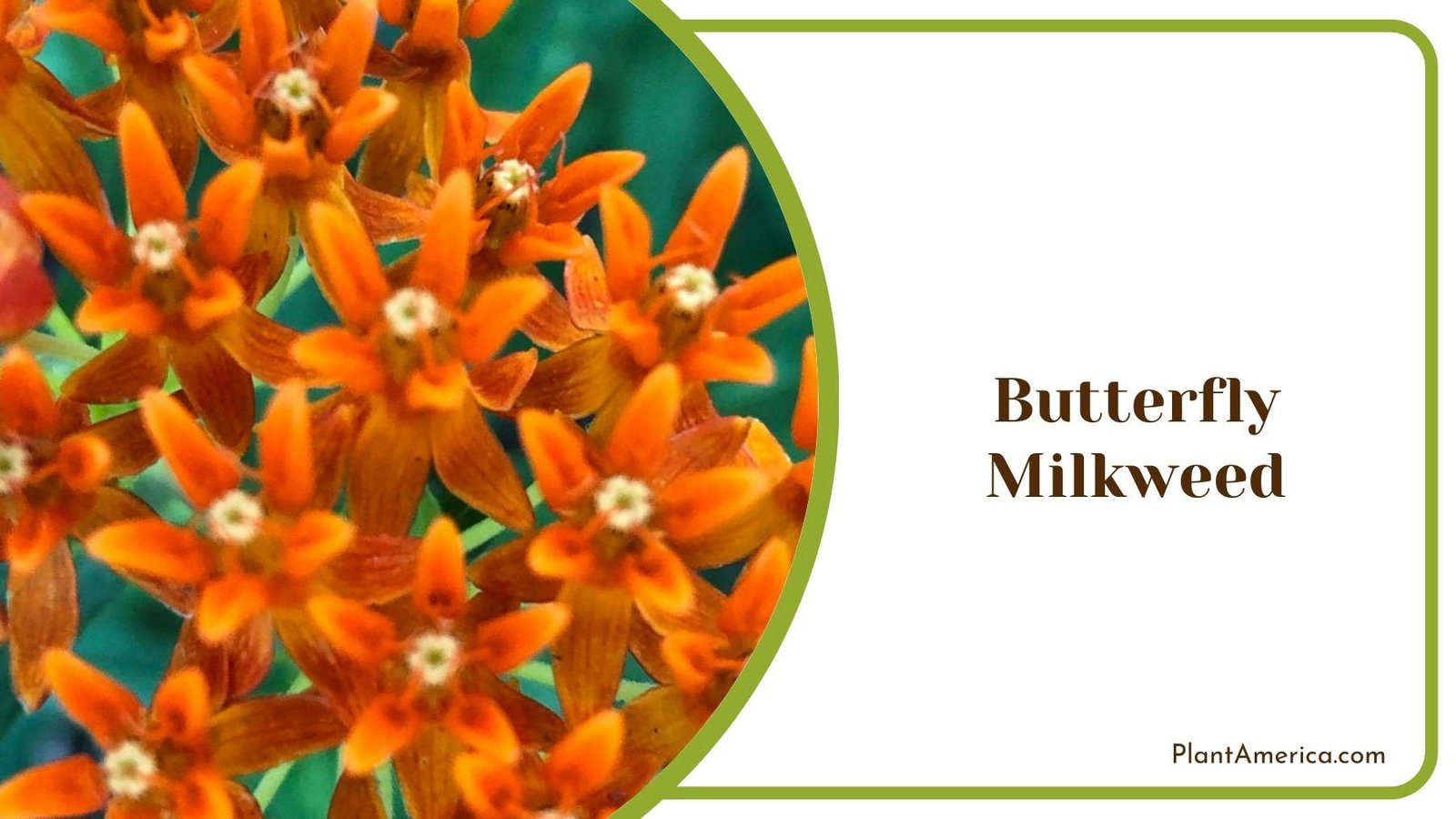
Butterfly Milkweed gets its name from the milky white sap contained in its stalks and leaves and its importance to butterfly species. Throughout summer, you’ll find this two to four-foot Missouri native topped with showy pink flowers that attract monarchs and queen butterflies in search of nectar.
Its oval to lance-shaped leaves provide ideal habitat and nutrition for monarch caterpillars to thrive. Monarchs will only lay their eggs on Butterfly Milkweed, which the little green and black caterpillars exclusively eat. Including this vital host plant in your garden directly supports the monarch population along their seasonal migration.
To meet the needs of visiting pollinators and caterpillars, choose a spot for Butterfly Milkweed that receives full sun each day. Its deep roots require well-draining soil, so avoid low wet areas. Deadhead spent flowers to encourage additional blooming over several months.
Aphids may be the only nuisance pest drawn to the plant. Their sticky honeydew secretions can sap vitality, so check for their cotton-like colonies and blast them away with a strong jet of water if needed.
4. Swamp Milkweed
- Growing Season: Summer
- Leaf Type: Broad, oval-shaped leaves
- Specific Needs: Moist to wet, nitrogen-rich soil
- Common Pests: Aphids, Earwigs, Cabbage worm
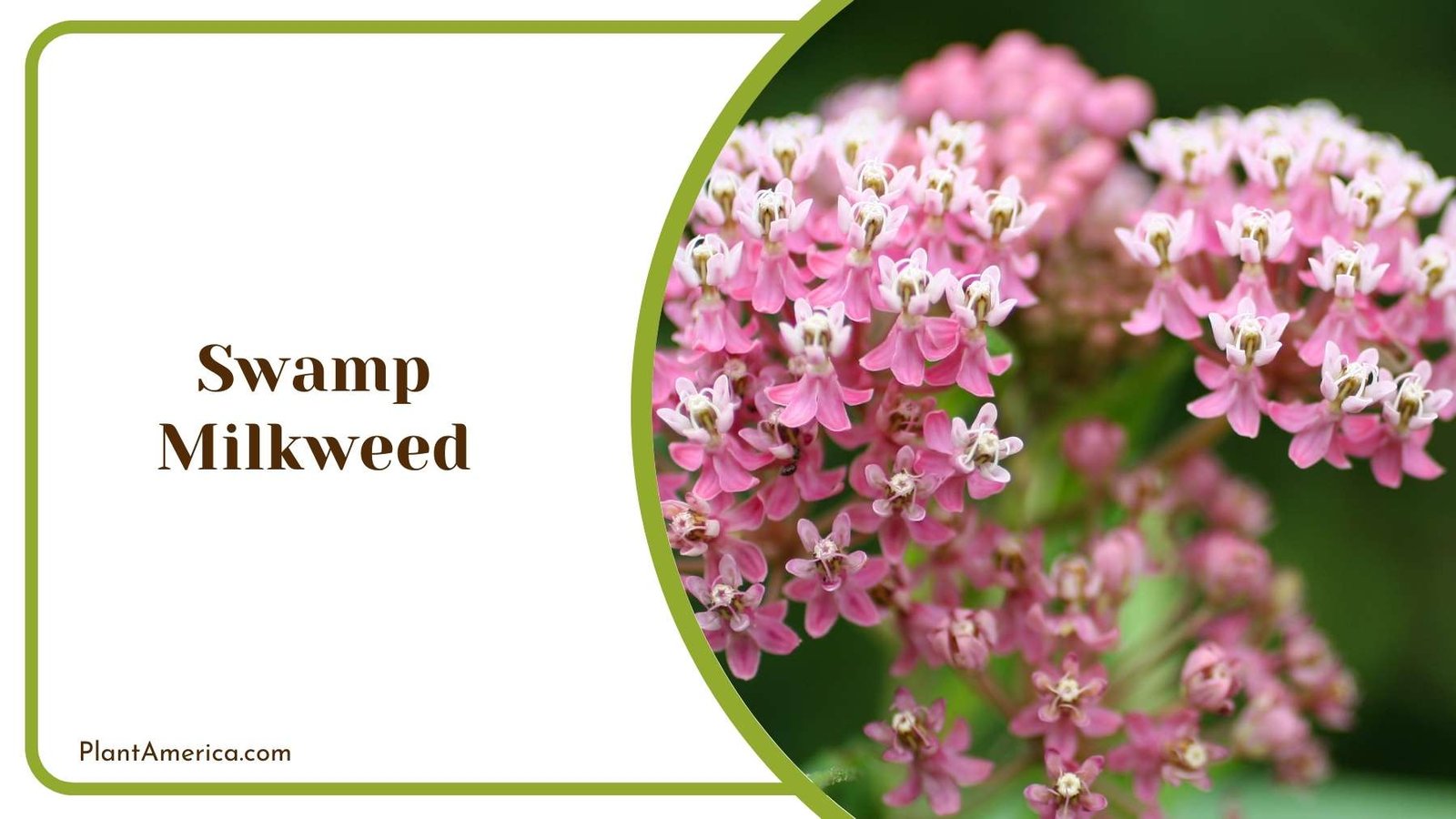
As its name implies, Swamp Milkweed thrives near water in marshes, bottomlands, and ditches across Missouri. It is three to seven feet tall and adds a bold vertical element to moist native plantings and rain gardens. Fragrant pink flower clusters bloom from June through September, making it a native moisture-loving perennial option.
Due to its moisture requirement, Swamp Milkweed prefers sites with periodically wet soil like those prone to seasonal flooding. It also does well in artificial wetlands with a continual water source. Digging a deep hole and backfilling with nutrient-rich compost or peat moss allows it to be grown where drainage could be better.
Monarch butterflies frequently utilize Swamp Milkweed but can also host imported cabbageworm larvae. Aphids and earwigs may also feed on its foliage but rarely cause severe damage. A light infestation can be hosed off with a strong stream of water. Like its Butterfly Milkweed cousin, its milky sap offers some defense against herbivores.
Wherever native moisture-loving plants are desired in home landscapes, community rain gardens, or restored wetlands, incorporating Swamp Milkweed helps mimic crucial wet prairie ecosystems while sustaining local wildlife.
5. New England Aster
- Growing Season: Late summer, Fall
- Leaf Type: Opposite, narrow leaves
- Specific Needs: Full sun, Moist but well-draining soil
- Common Pests: Japanese beetles
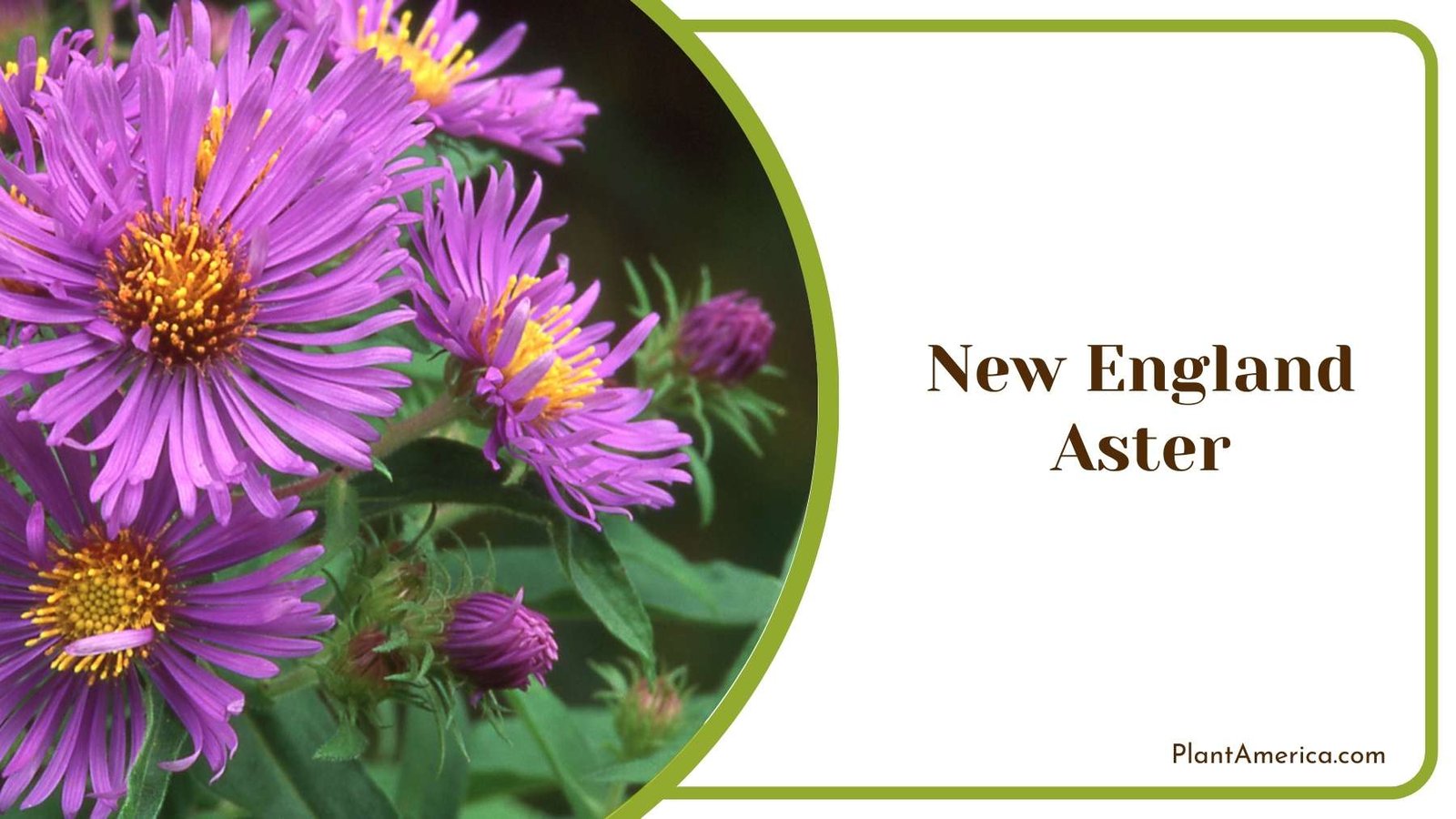
New England Aster blooms profusely from late summer through early fall, providing a rich pollinator food source as temperatures cool. Its fluffy violet-purple flower heads up to an inch wide and has two to five-foot stalks. Native to moist woods and prairies across Missouri, New England Aster thrives with its roots in moist but well-draining soil that receives full sun daily.
The narrow, lance-shaped leaves form a handsome basal tuft in spring, and then elongated stalks begin to emerge over summer. Occasionally, Japanese beetles may scar foliage but rarely cause significant damage. More concerning are fungal infections like rust or powdery mildew, which remain uncommon.
As summer shifts to autumn, New England Aster is in its prime blooming for hummingbirds, honey bees, and insects gathering nectar and pollen. Even after blossoms fade, fluffy seeds remain through fall, providing vital food sources for songbirds and other wildlife as winter looms. It is a hardy perennial, well-adapted to Midwestern climates that keeps attracting pollinators until the first frosts arrive.
6. Cardinal Flower
- Growing Season: Summer, Early fall
- Leaf Type: Opposite, heart-shaped leaves
- Specific Needs: Moist to wet, nutrient-rich soil
- Common Pests: None
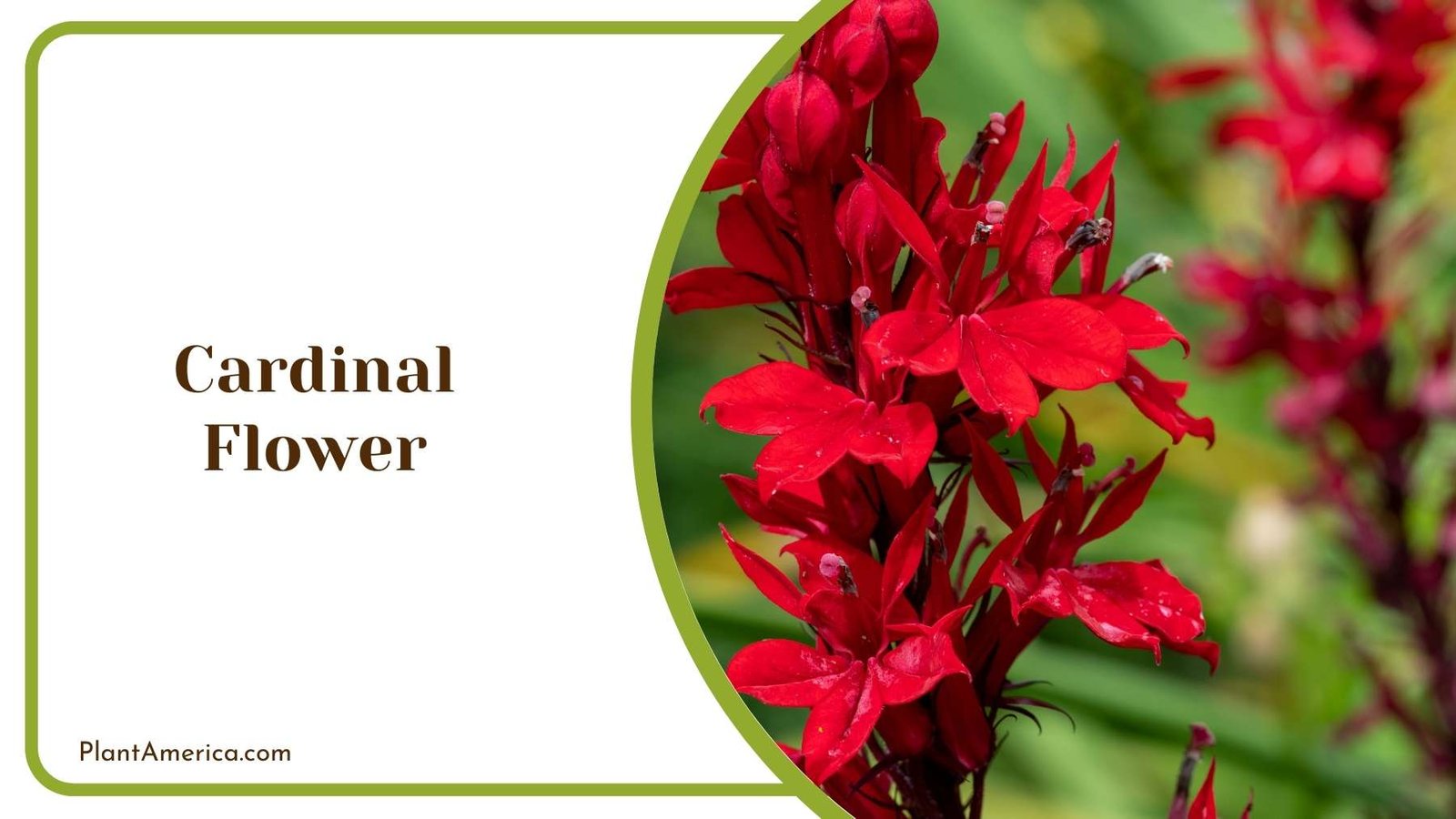
Growing three to five feet tall along stream banks and moist prairies, Cardinal Flower boasts brilliant red tubular flowers clustered on upright spikes from July through September. As one of the most vivid native blooms in Missouri, it truly attracts attention like its namesake.
Providing it grows in partial to full shade with continuously moist soil rich in organic matter allows Cardinal Flower to thrive. It is well-suited for low-lying areas that temporarily flood or moist bioswales all season. However, it can tolerate brief periods of drought once established with deep roots.
As a major nectar source, the Cardinal Flower is a favorite of hummingbirds, butterflies, and native bee species. The tubular red bracts are perfectly suited for birds to feed without landing. Caterpillars of the persius duskywing butterfly may also utilize it as a host plant in some areas. Powdery mildew can occasionally impact leaves but seldom causes serious long-term harm.
7. Blue Lobelia
- Growing Season: Summer
- Leaf Type: Opposite, lance-shaped leaves
- Specific Needs: Moist, rich soil, Part shade or sun
- Common Pests: Caterpillars, Slugs
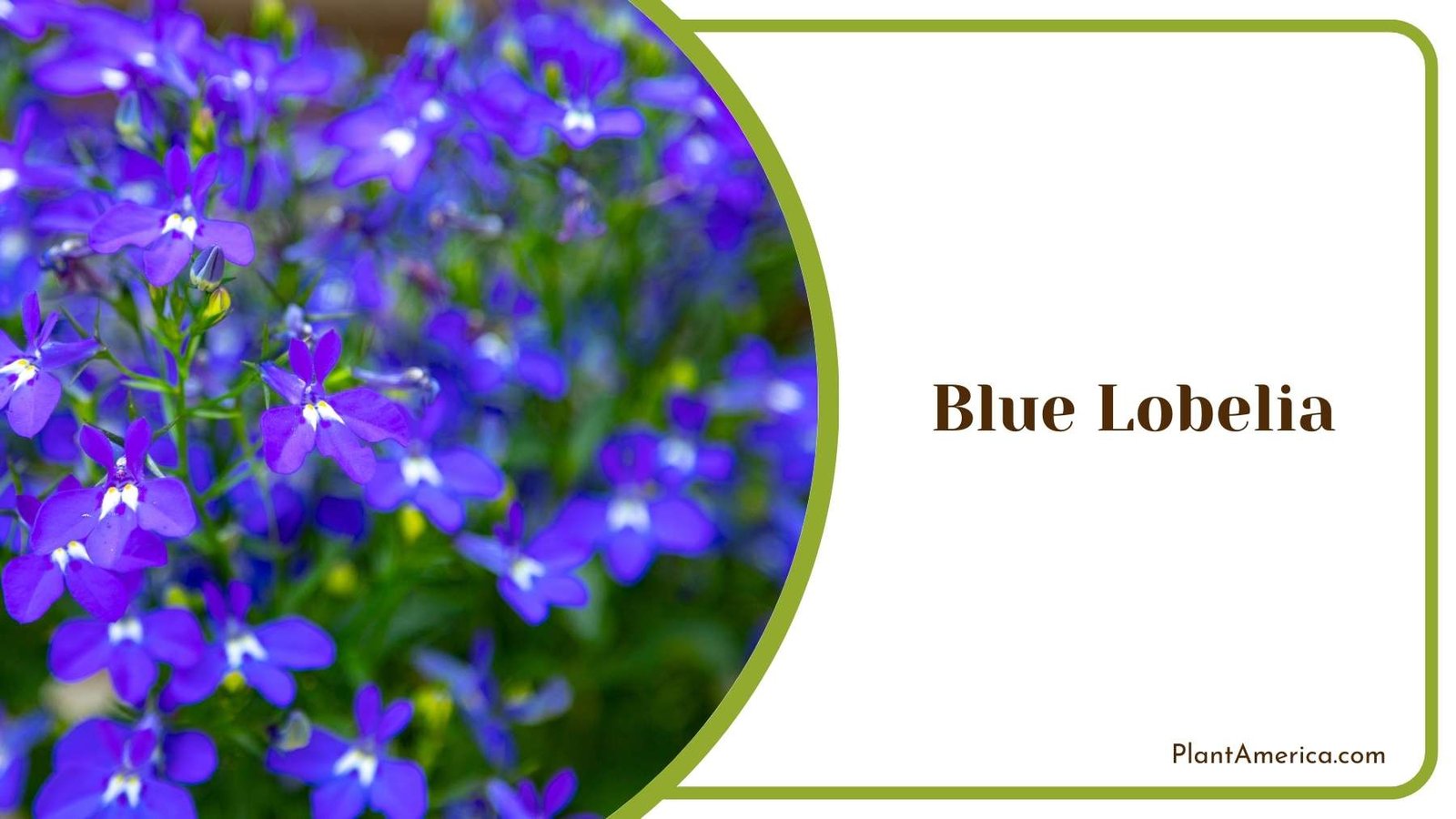
Blue Lobelia is a beautiful Missouri native plant that adds bright floral color and texture throughout summer. Reaching one to three feet tall, its elegant spikes of pale blue to lavender flowers perfectly complement other moist-soil perennials.
To thrive, Blue Lobelia prefers rich organic soil that is consistently moist, such as lowlands, ditches, and shade gardens with reliable moisture retention. Though tolerant of full sun with adequate water, it will flourish in partial shade with shielded roots. Dead heads drop blooms to encourage reblooming over consecutive seasons.
As a valuable nectar plant, Blue Lobelia is an ideal selection for moisture-loving pollinator habitat. Bees, butterflies, and hummingbirds routinely visit. While generally pest-free, caterpillars or slug damage on foliage can sometimes occur, and powdery mildew may rarely impact leaves during excessively wet periods.
An attractive groundcover in moist wildflower meadows or beds, Blue Lobelia’s feathery flower plumes bring beauty for months on end. Fluffy seed heads provide texture and wildlife food sources through late fall, even after blooms finish. Its reliability and low maintenance make Blue Lobelia well-suited for naturalistic and rain gardens capturing stormwater runoff.
8. Prairie Dropseed
- Growing Season: Summer, Fall
- Leaf Type: Narrow, drooping gray-green leaves
- Specific Needs: Full sun, Well-drained soil
- Common Pests: None
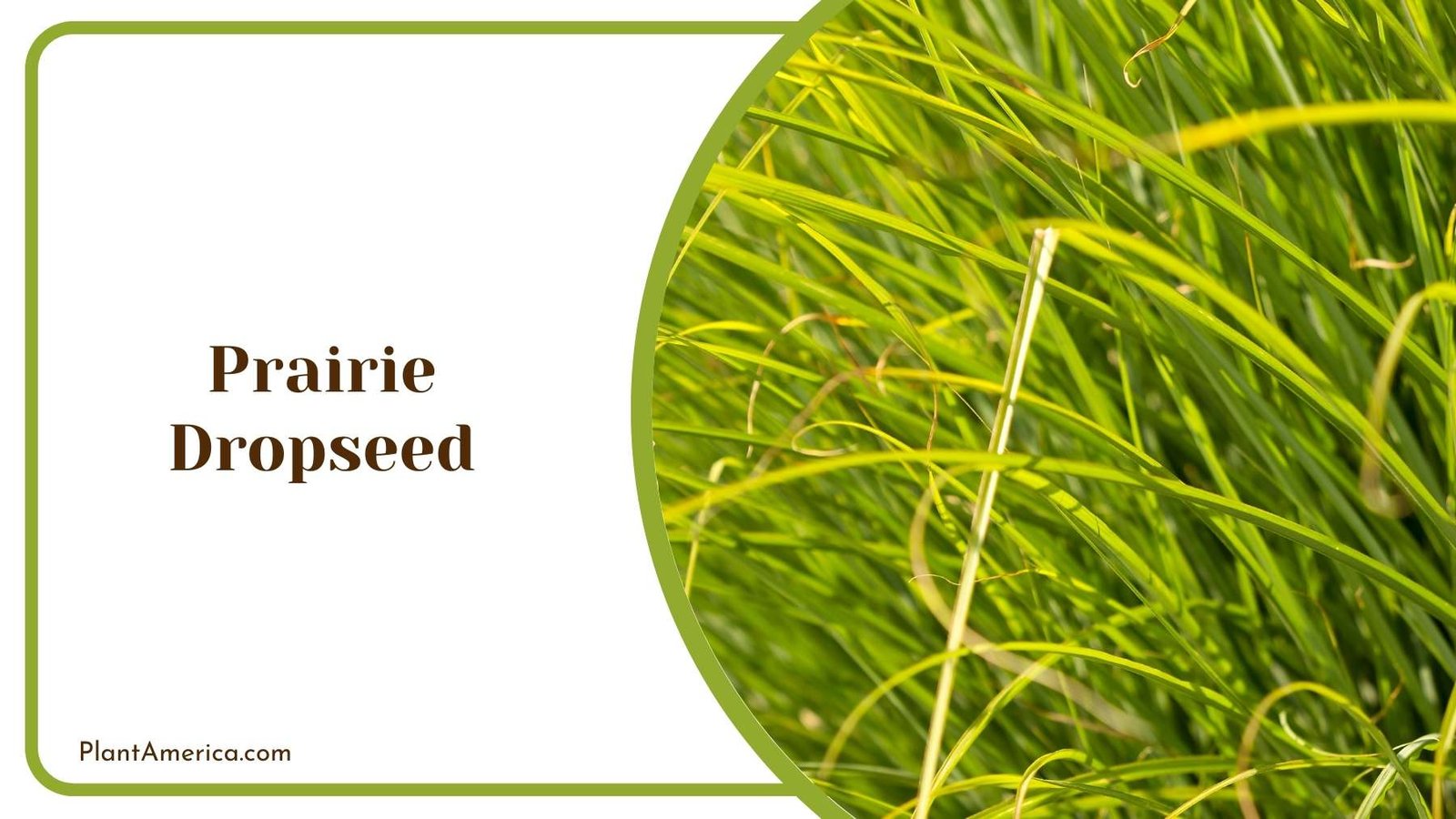
Prairie Dropseed is a gorgeous clumping grass native to Missouri woodlands, prairies, and savannas. Reaching two to three feet tall, its wispy panicles of pink flowers float above delicate gray-green foliage from July through September.
A lovely choice for naturalizing meadows or prairie plantings, Prairie Dropseed shows off flowers favored by native butterflies and bees. After blooming, plumes persist and sway gracefully into fall, still supplying nectar. Come winter, fluffy seed heads remain and attract songbirds.
Requirements are low maintenance with a preference for well-draining soil and full sun. Once established, Prairie Dropseed can withstand periods of drought and heat better than many other ornamental grasses. Without extra water or nutrients, it persists reliably for years of visual interest. This soft prairie beauty fills important roles in savanna habitats. Gardeners can mimic its benefits by including this low-care grass that hums with summer activity year after year.
9. Wild Bergamot
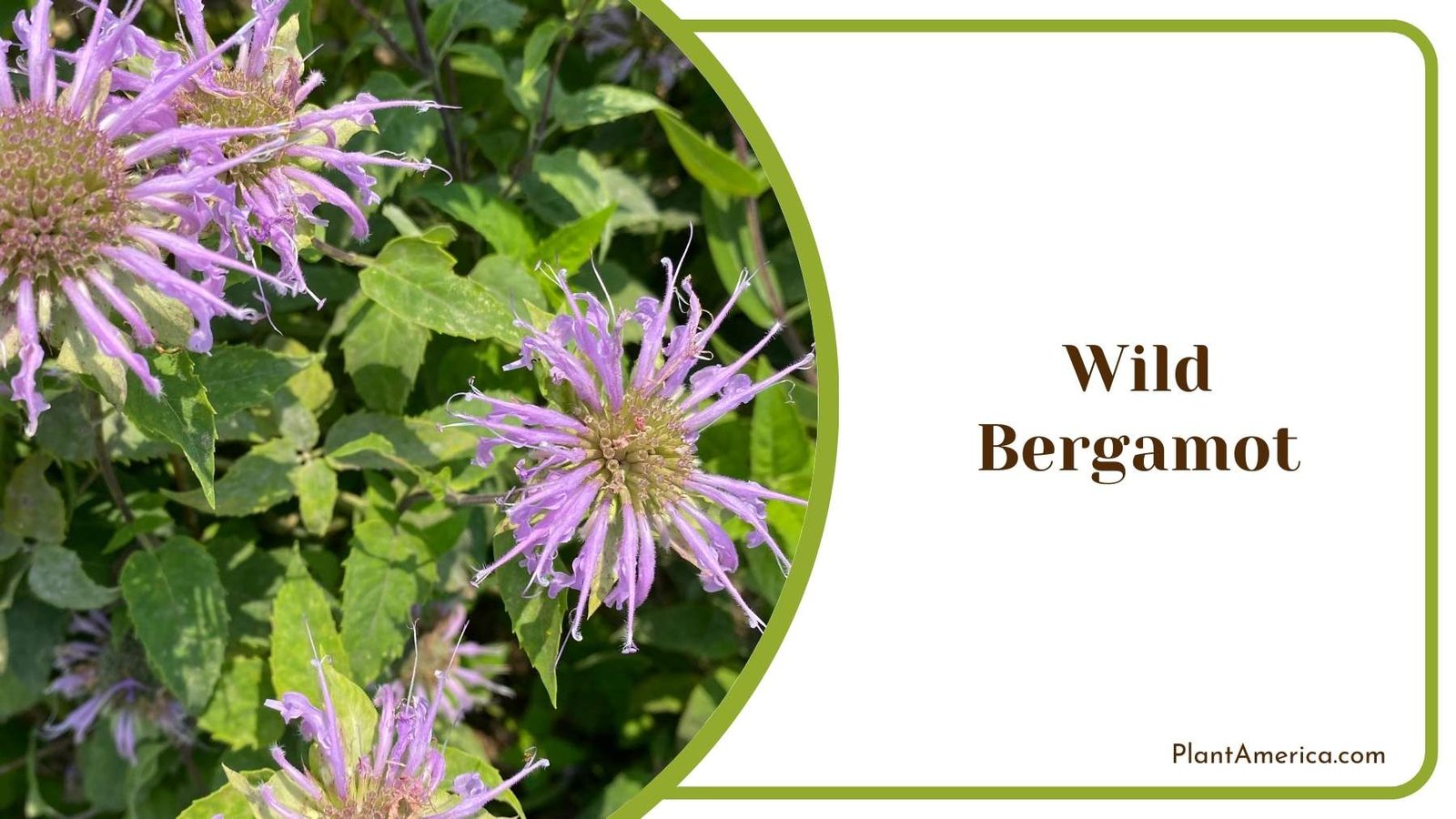
- Growing Season: Summer
- Leaf Type: Aromatic, Toothed, oval leaves
- Specific Needs: Full sun, Average well-draining soil
- Common Pests: Japanese beetles
Wild Bergamot is a staple of Missouri prairies, an aromatic native perennial herb that tops around three feet tall. From July through September, its minty scent wafts on the breeze alongside lavender flower clusters beloved by butterflies and bees.
Its finely toothed oval leaves arise from sturdy square stems that clump densely at the base. Come summer, flowering stalks stem boldly upwards, creating layers of texture and color. Lurking within those leaves is the source of its traditionally soothing and purifying qualities.
With full sun and average well-draining soil plus occasional water as needed, Wild Bergamot thrives with low maintenance. Drought tolerant once established, it may be grown near wildflower meadow edges or included in rain gardens where bio-retention is desired.
Common pests are generally minor. Occasional Japanese beetles can defoliate plants but won’t typically cause fatal damage. Powdery mildew, leaf spots, or rust sometimes develop during unusually prolonged leaf wetness but rarely impact overall vigor.
Wild Bergamot is a hearty native herb making fine floral signs amongst grasslands. Whether in cultivation or growing freely across Missouri landscapes, it expresses a deep partnership with pollinators that exchange favor for favor season after season.
10. Blazing Star
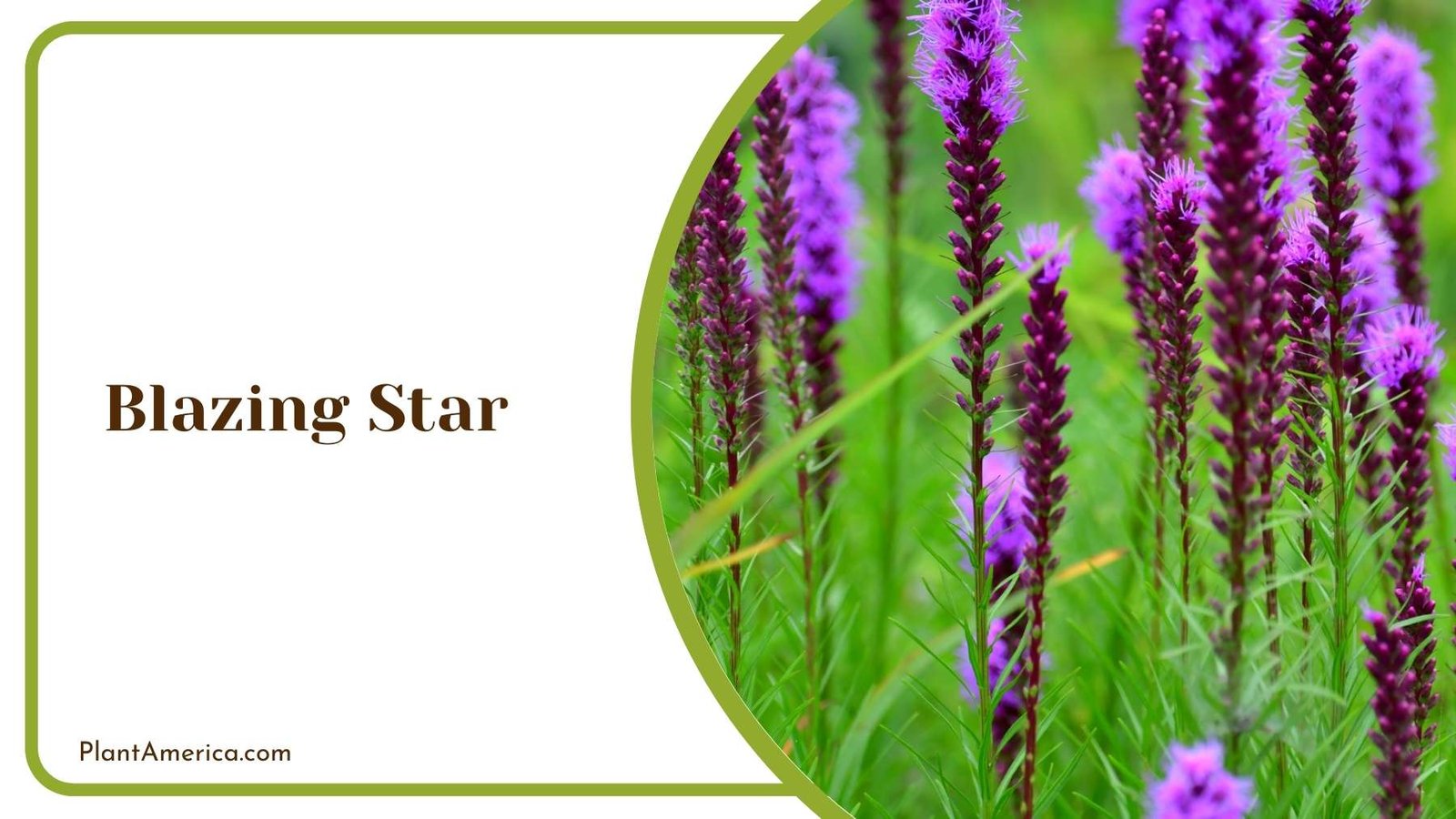
- Growing Season: Summer, Early fall
- Leaf Type: Tall, broad green leaves
- Specific Needs: Full sun, Average to moist well-draining soil
- Common Pests: None
An iconic tall grass prairie native, Blazing Star lights up summer landscapes with torch-like spikes of pink, purple, or white flowers blooming July through September. Reaching three to five feet tall, depending on species, its stately form makes an architectural statement amongst other blooms.
A relatively problem-free plant, Blazing Star grows best in full sun with average, well-draining soil mulched to retain moisture. Tall varieties may require staking in very wet soils prone to lodging. Overall, it tolerates varied soil types and moderate drought once established.
Butterflies and bees flock to Blazing Star for its ample nectar supply. Species mix well with other native perennials, grasses, and shrubs to recreate glowing meadow vistas. Some cultivars have been bred for powdery mildew resistance if disease pressure is high in your region.
Purple and pink color morphs hold interest through fall as seed heads form pretty puffs that supply food for bird wildlife into winter. Even brown dried stalks do not detract and may be cut back in late spring. Year after year, it recurs with the need for inputs.
11. Greater Prairie-dock
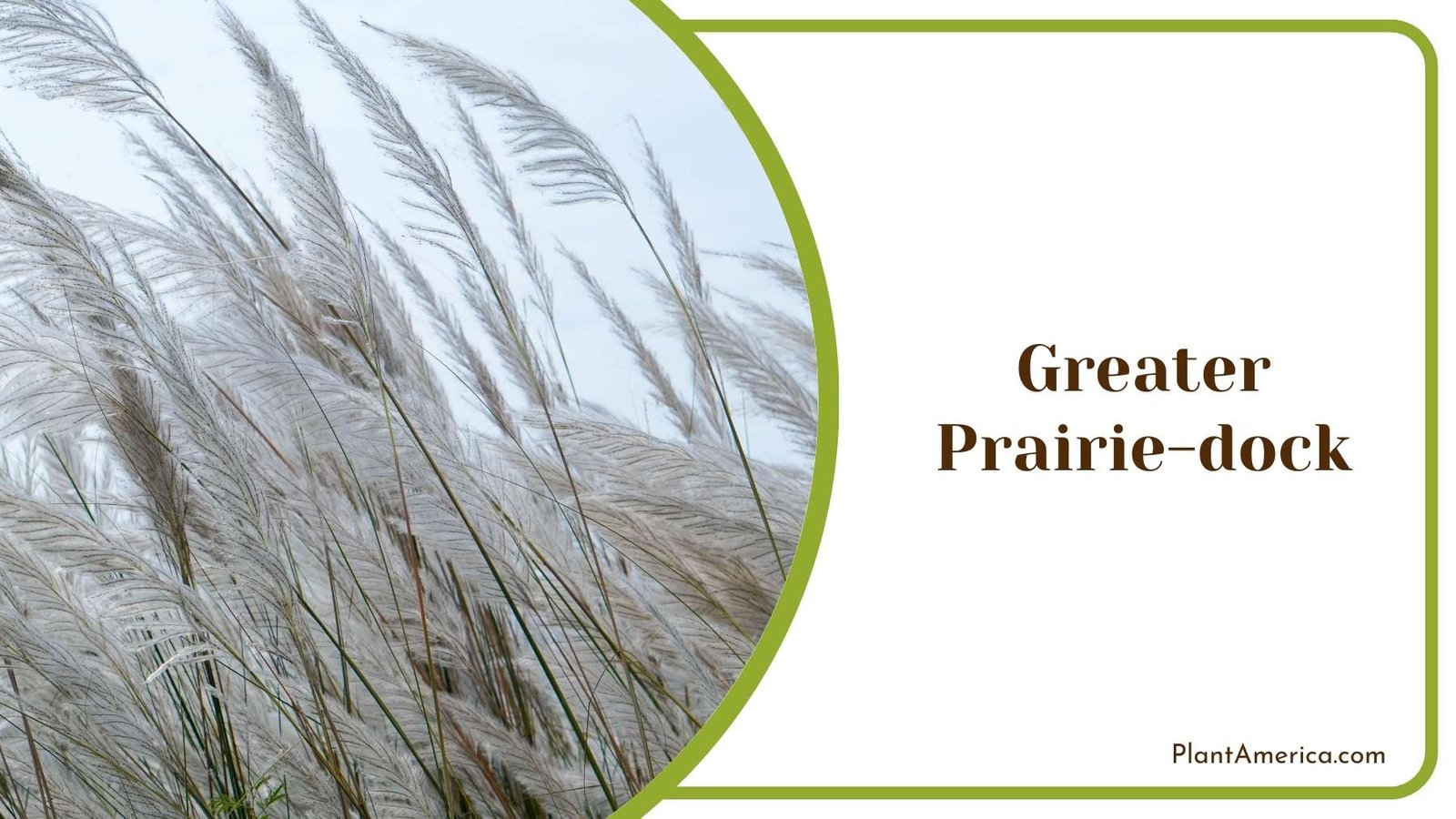
- Growing Season: Summer
- Leaf Type: Alternate, Broad arrowhead-shaped leaves, Up to two feet tall
- Specific Needs: Moist to wet, rich soil
- Common Pests: Japanese beetle, Gray garden slug
Growing erectly two to four feet tall along waterways, Greater Prairie-Dock brings architectural form to wet meadows and bottomlands across its native Missouri range. Waxy green foliage arises in whorls from stout central stems during spring and summer.
Come midsummer, decorative brown flower spikes with globe-like clusters burst skywards like exotic sentinels over wet prairie companions below. It prefers consistently moist to wet, rich soil conditions, remaining saturated for the year.
While generally pest-free, occasional Japanese beetles may cause minor leaf chewing. Gray garden slugs may also snack on emerging shoots, though damage proves inconsequential. Instead, neighboring plants benefit from Greater Prairie-Dock’s ability to outcompete invasives wanting similar soil.
Later, as blooms fade, persistent seed heads resembling bundles of dried roses offer handsome texture. Birds forage upon these through winter if stems remain standing. Come spring, waterfowl seeking vegetation concealment also find refuge amongst renewed growth.
This striking native lends architectural form and visual depth alongside streams, preserving wetland functions naturally. Cultivation aids a species beautiful in simplicity, serving myriad purposes within water’s edge habitats.
12. Grayhead Coneflower
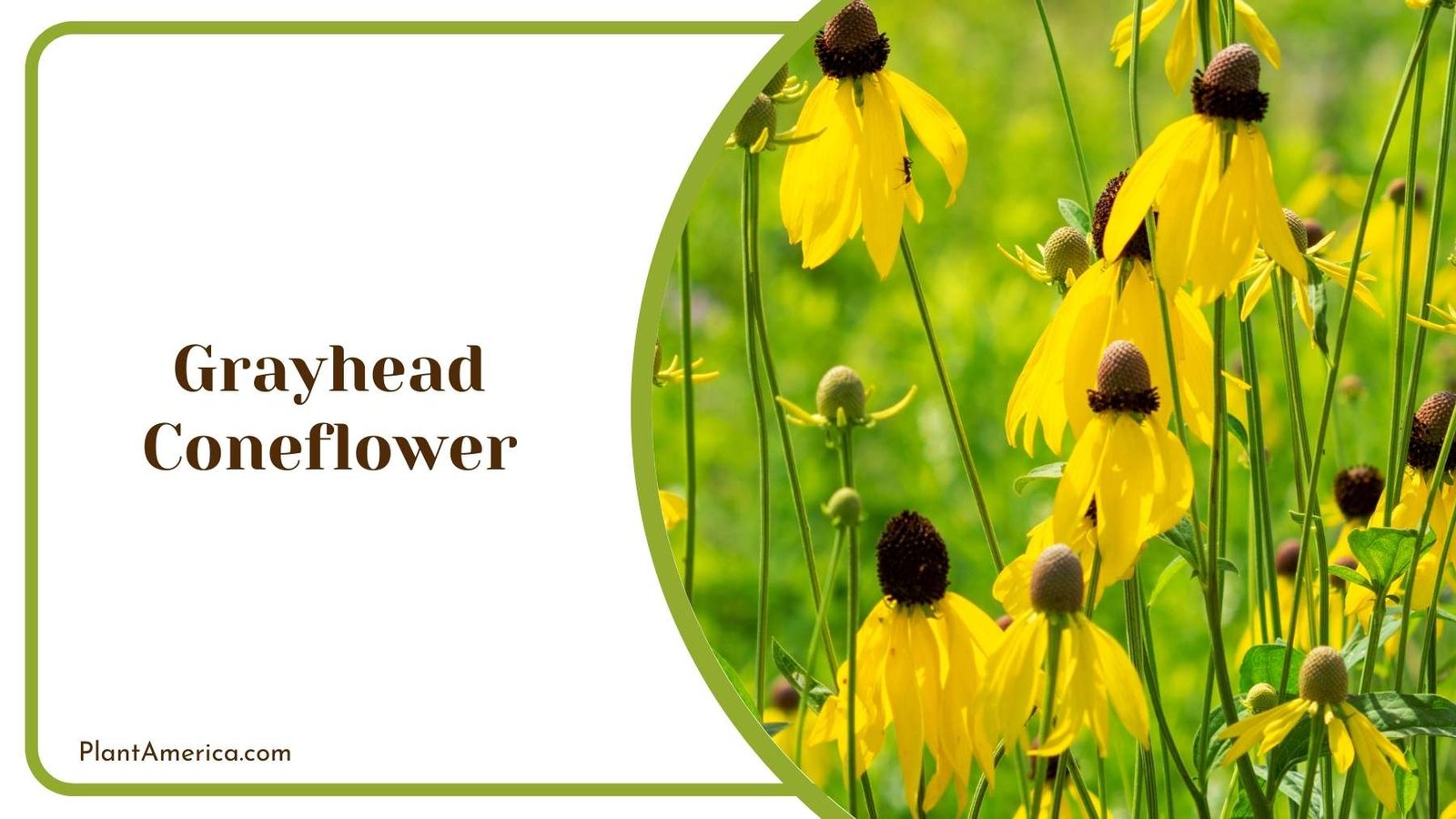
- Growing Season: Summer
- Leaf Type: Broad, Tapered leaves with deep lobes
- Specific Needs: Full sun, Dry to medium moisture, Well-draining soil
- Common Pests: None
Grayhead Coneflower is a Missouri prairie native wildflower that brings unique character to sunny gardens. Its daisy-like heads from July through September feature creamy white ray flowers surrounding unique knobby grayish-brown centers.
Grayhead Coneflower is appropriately named, growing two to four feet tall on sturdy stems. It prefers hot, sunny exposures in well-draining soil ranging from dry to medium moisture levels. Broad, deeply lobed leaves form an attractive basal tuft.
Butterflies flock to its nectar rewards, as do native bees, wasps, and fly species. Grayhead Coneflower mixes well with grasses and other wildflowers to recreate vanished prairies. Occasional powdery mildew may form if leaves remain wet but it is generally infrequent.
Later in the season, fluffy plumed seeds offer food for songbirds and small mammals through fall and winter. Letting seed heads persist offers seasonal interest and ample wildlife benefit from one growing cycle to the next.
With tolerance for seasonal drought periods and minimal care needs once established, Grayhead Coneflower is a rugged native prairie beauty well-suited to low-input gardens in Missouri and surrounding states.
13. Culver’s Root
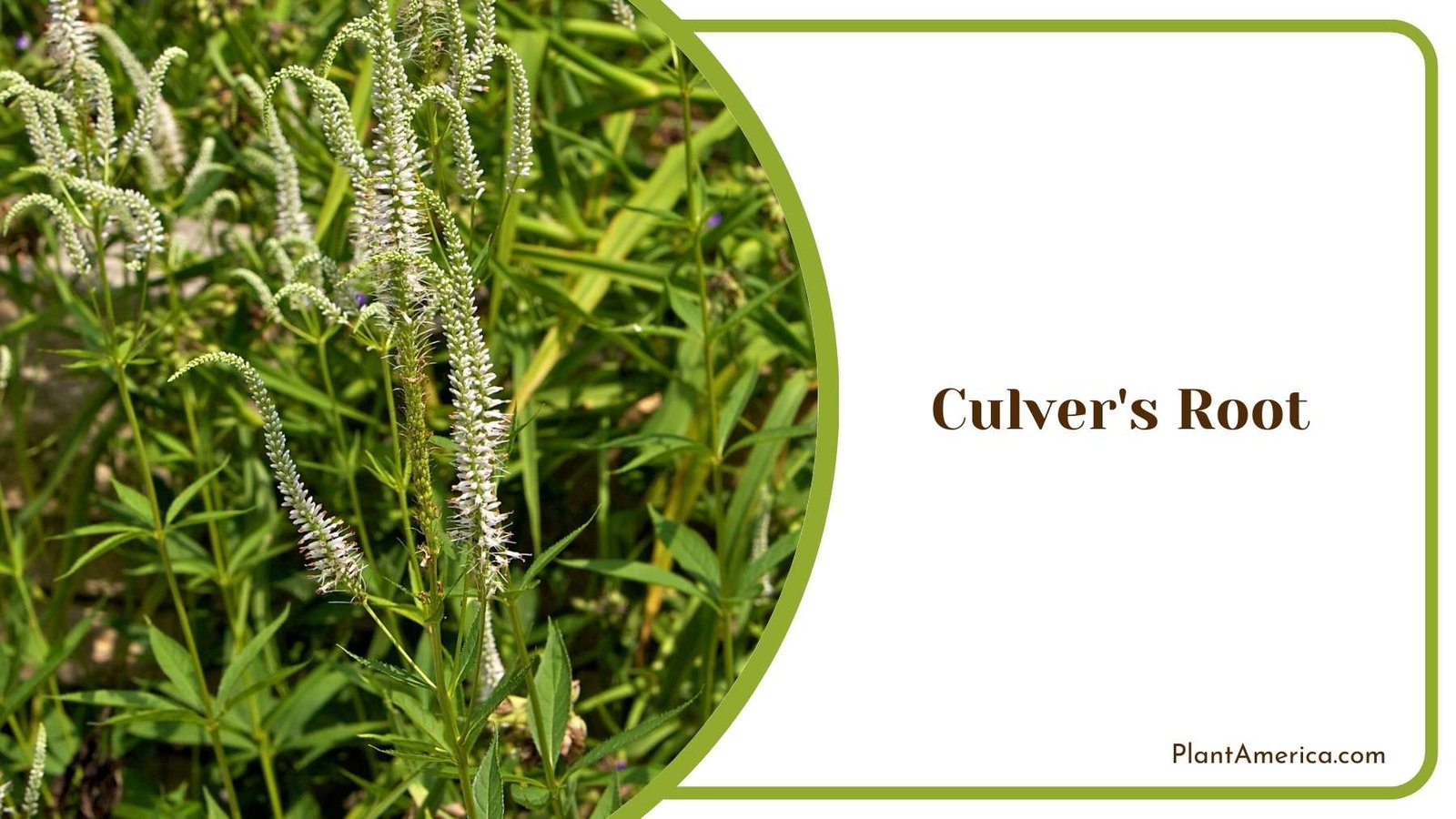
- Growing Season: Summer
- Leaf Type: Whorled, deep green arrowhead-shaped leaves, Reaching two to five feet tall
- Specific Needs: Moist to wet, rich soil, Part shade
- Common Pests: None
Growing along streams sides and rich bottomland forests, Culver’s Root is a stately Missouri native perennial that can reach impressive heights between two to five feet tall. Its cream-colored conical flower clusters arise above attractively lobed leaves from July through September.
This wetland plant prefers consistently moist, rich soil with partial shade throughout the day. It flourishes around the edges of ponds, rain gardens capturing runoff, or low-lying zones that seasonally flood. Culver’s Root spreads slowly through underground rhizomes but maintains an upright, bushy form.
Butterflies are drawn to its nectar rewards, finding it easily amongst the whorled foliage. Later, fluffy plumed seeds provide valuable food for birds through autumn and winter. Only powdery mildew poses a risk, potentially impacting leaves if grown where shade creates prolonged moisture.
Let Culver’s Root stand through fall after blooming finishes to showcase ornamental seed heads. Cut back dry stalks in late winter before new growth emerges. Each year, it recurs reliably, adding bold texture and seasonal color to marginal zones in natural landscapes.
14. Wild Petunia
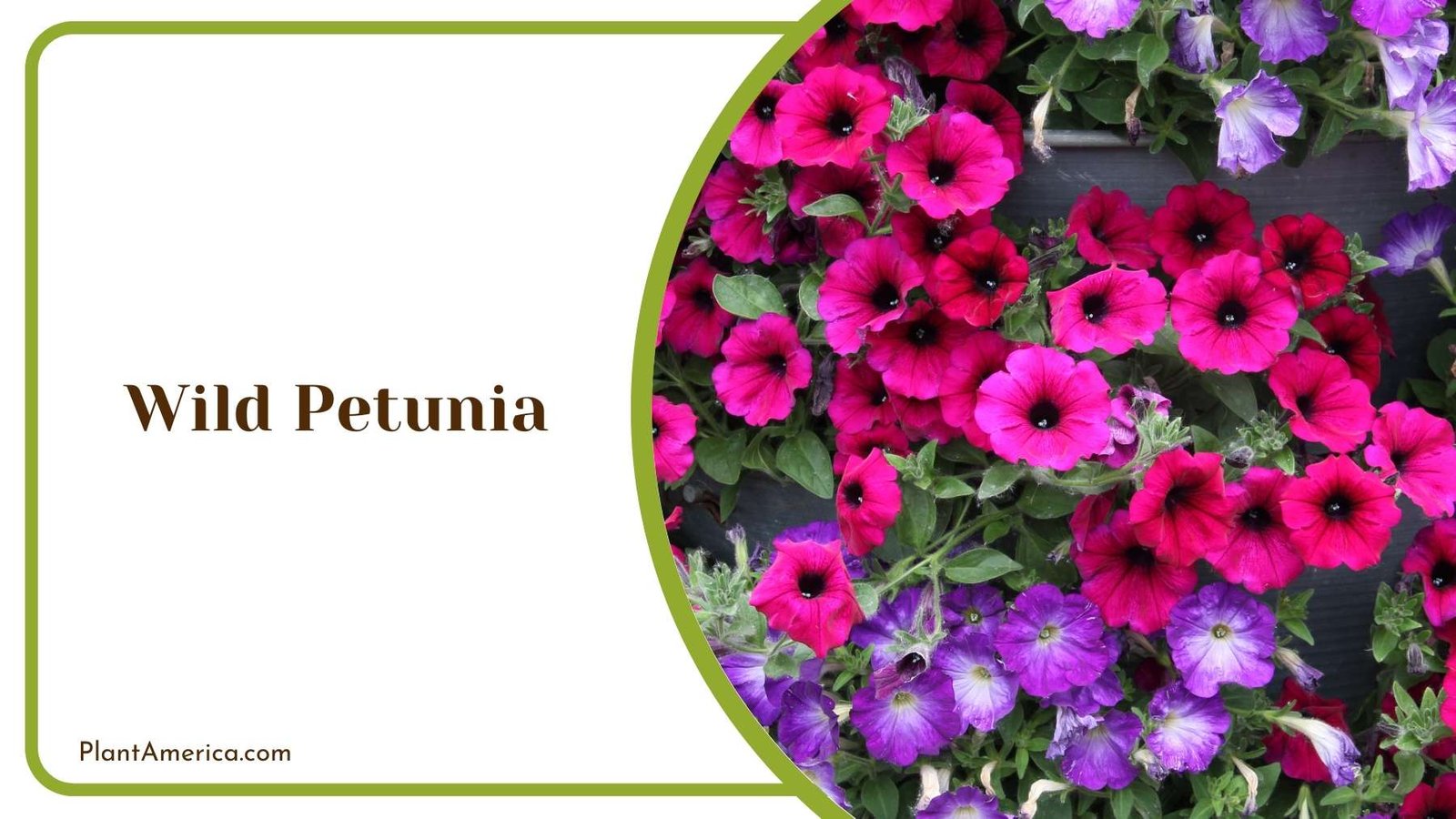
- Growing Season: Summer
- Leaf Type: Opposite, Arrowhead-shaped leaves
- Specific Needs: Full sun, Well-drained soil
- Common Pests: None
Blooming enthusiastically from July through September, Wild Petunia brightens prairies and open woodlands across Missouri with its vivid pink funnel-shaped flowers. Growing one to three feet tall, this wildflower creates colorful drifts that butterflies and native bees find highly alluring.
Native to granite glade outcrops and limestone prairies, Wild Petunia thrives in hot, exposed sites with rocky, well-draining soil. It may also grow near gravel roadsides where conditions resemble sparse glades. Drought tolerant once established, minimal supplemental water suffices.
Where Wild Petunia grows freely, amidst its cheery floral display lines form as pollinators tirelessly browse from blossom to blossom. Providing habitat allows observation of nature’s lively pollination practices up close. Seed capsules burst open come fall, and scattering progeny ensures its persistence.
Wild Petunia makes a gorgeous addition among upland gardens, recreating meadows or prairies. Its nectar attracts native bees less commonly encountered, like small carpenter bees. Butterflies from Painted Ladies to Sulphurs relish its generous floral bar.
Low maintenance yet vivaciously colorful, Wild Petunia represents upland habitats in vivid bloom. Cultivation helps this prairie denizen dot lush wildflower meadows, supporting rural pollinator populations wherever its native range expands.
15. Pitcher’s Sage
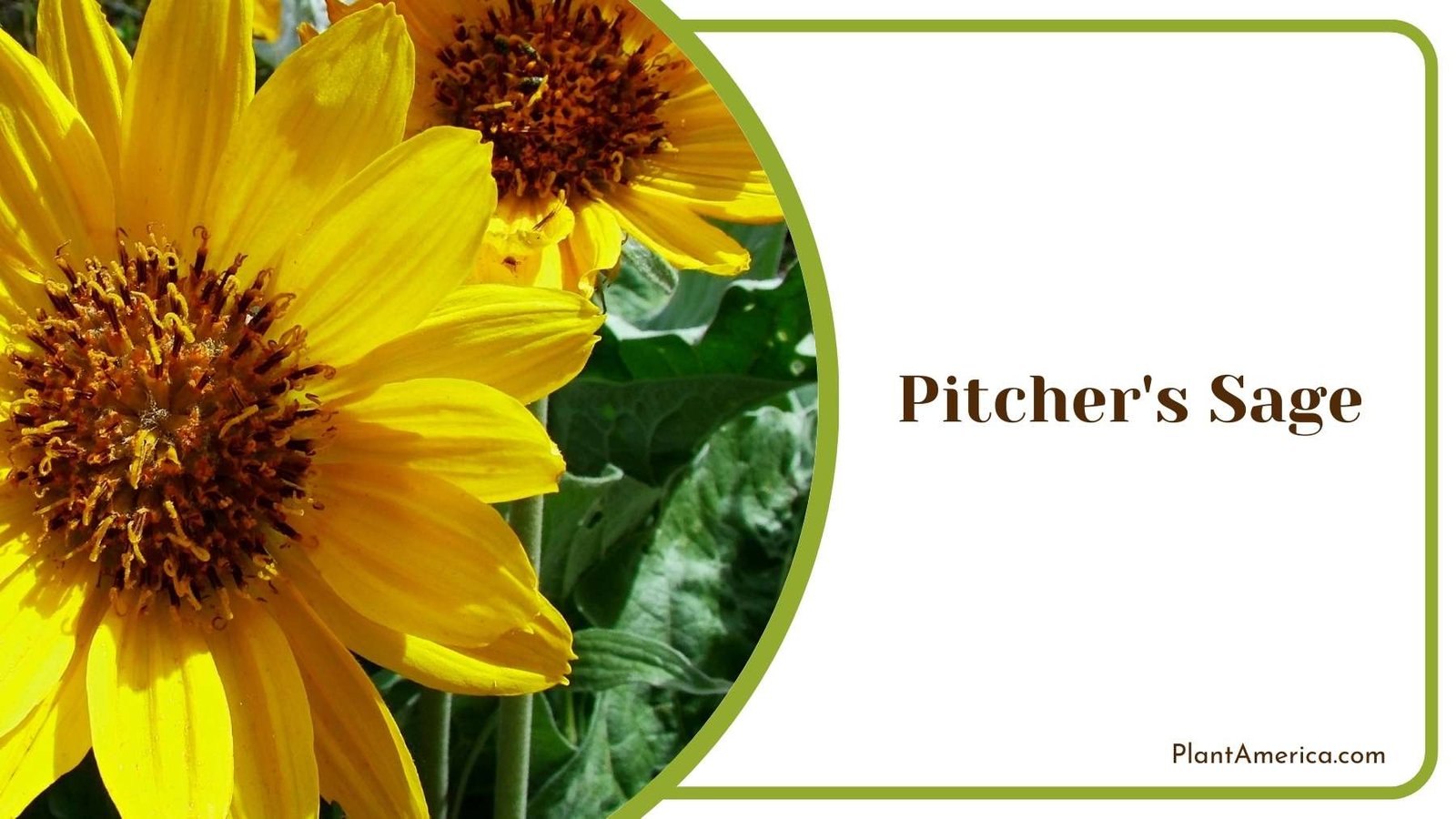
- Growing Season: Summer, Fall
- Leaf Type: Aromatic, Gray-green, hairy leaves, One to two inches long
- Specific Needs: Full sun, Average well-draining soil
- Common Pests: None
Pitcher’s Sage naturalizes freely each summer along forest edges and rocky glades, offering nourishing floral rewards to pollinators. With fragrant blue-violet flowers blooming profusely from July through September, it creates inviting landing pads.
Growing two to four feet tall, this Missouri native wildflower features square stems densely clothed in fuzzy gray-green aromatic foliage. Roots adapt to average soil that drains well between rainy episodes.
Butterflies find Pitcher’s Sage easily amongst its showy blooms, sipping nectar from dawn til dusk. Bees take advantage, too, including specialist species gathering pollen. Some caterpillar species utilize it as a host plant as well.
After flowering concludes, fluffy seed heads persist through fall, adding texture. Self-sowing generously ensures Pitcher’s Sage continues gracing woodland edges year after year with minimal care.
Whether included naturally amongst upland habitats or nearer gardens attracting wildlife, this dependable wildflower brings bounty to ruby-throated hummers and other pollinators whenever summer suns warm the land once more.
16. Copper Iris
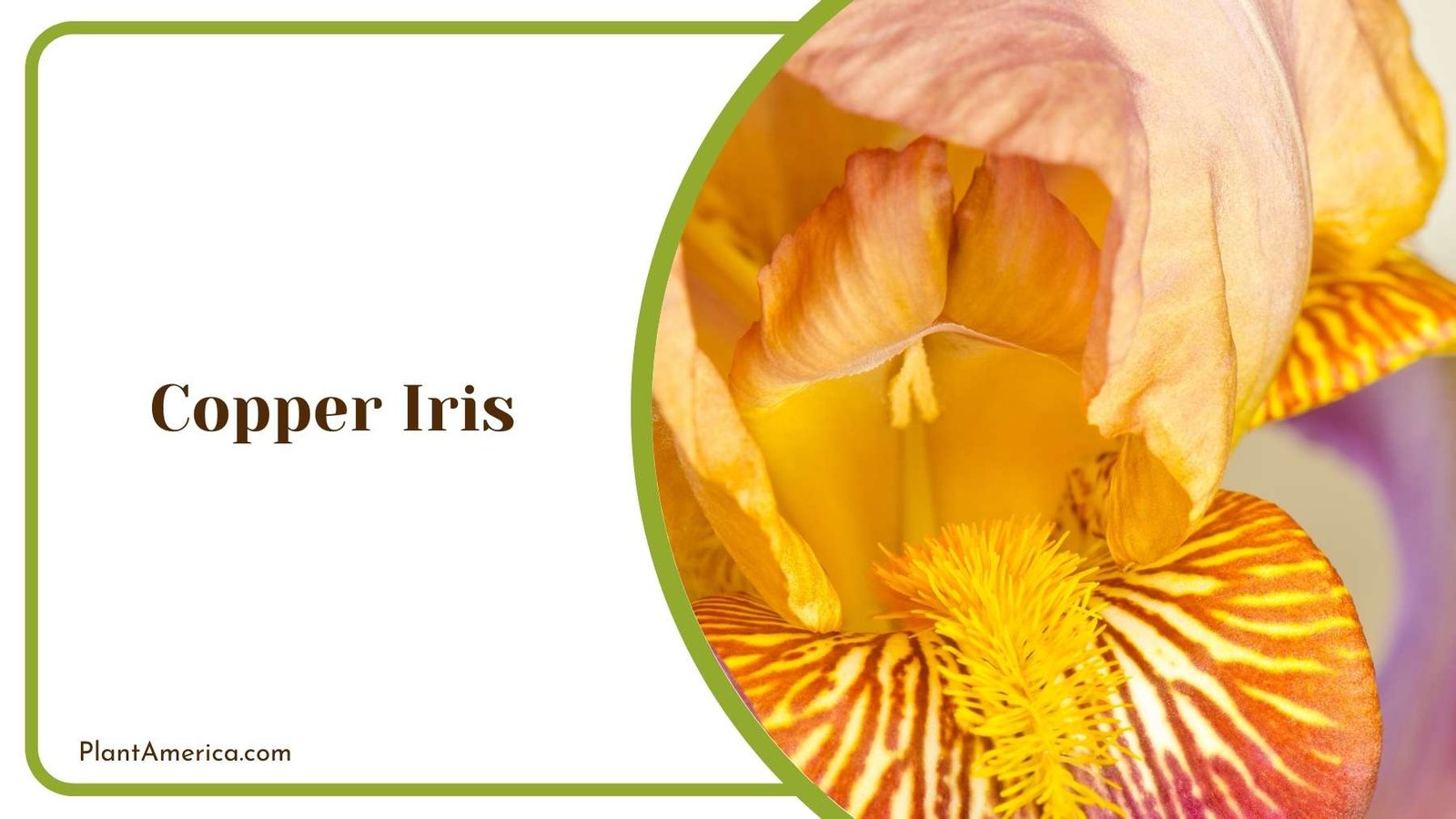
- Growing Season: Early summer
- Leaf Type: Erect, sword-like leaves, Up to two feet tall
- Specific Needs: Sun to part shade, Moist well-draining soil
- Common Pests: Slug
A familiar sight along Missouri waterways and floodplains, Copper Iris, derives its name from showy blooms of orangish-copper, yellow or bicolored tones. Preferring intermittently moist zones, it grows vigorously where downpours leave puddles behind.
Although opposed to prolonged flooding, Copper Iris succeeds brilliantly in low spots that dry out between rains. It also tolerates part shade if roots stay periodically moist. Coming early in the growing season from May into June, flashy blooms attract hummingbirds and butterflies seeking nectar.
Erect sword-like greenery rises two feet tall with leaf blades ranging one to three feet in length beside streams or near rain gardens. Slowly spreading clumps result if granted consistently moist, humus-rich loam. Rarely affected by disease or pests, occasional slug attacks on new growth may necessitate controls.
Allowing dead stalks to stand through winter provides shelter for birds nesting amongst the dried grasses and cattails lining ponded areas. Vibrant colors light up moist meadows and shoreline edges, pollinators flocking to sip sweet nectar rewards exchanged for fertility. Blooms of prairie copper worthy of Monarch and Hummingbird habitat plantings throughout the Midwest, Copper Iris decorates wetland edges in summertime glory.
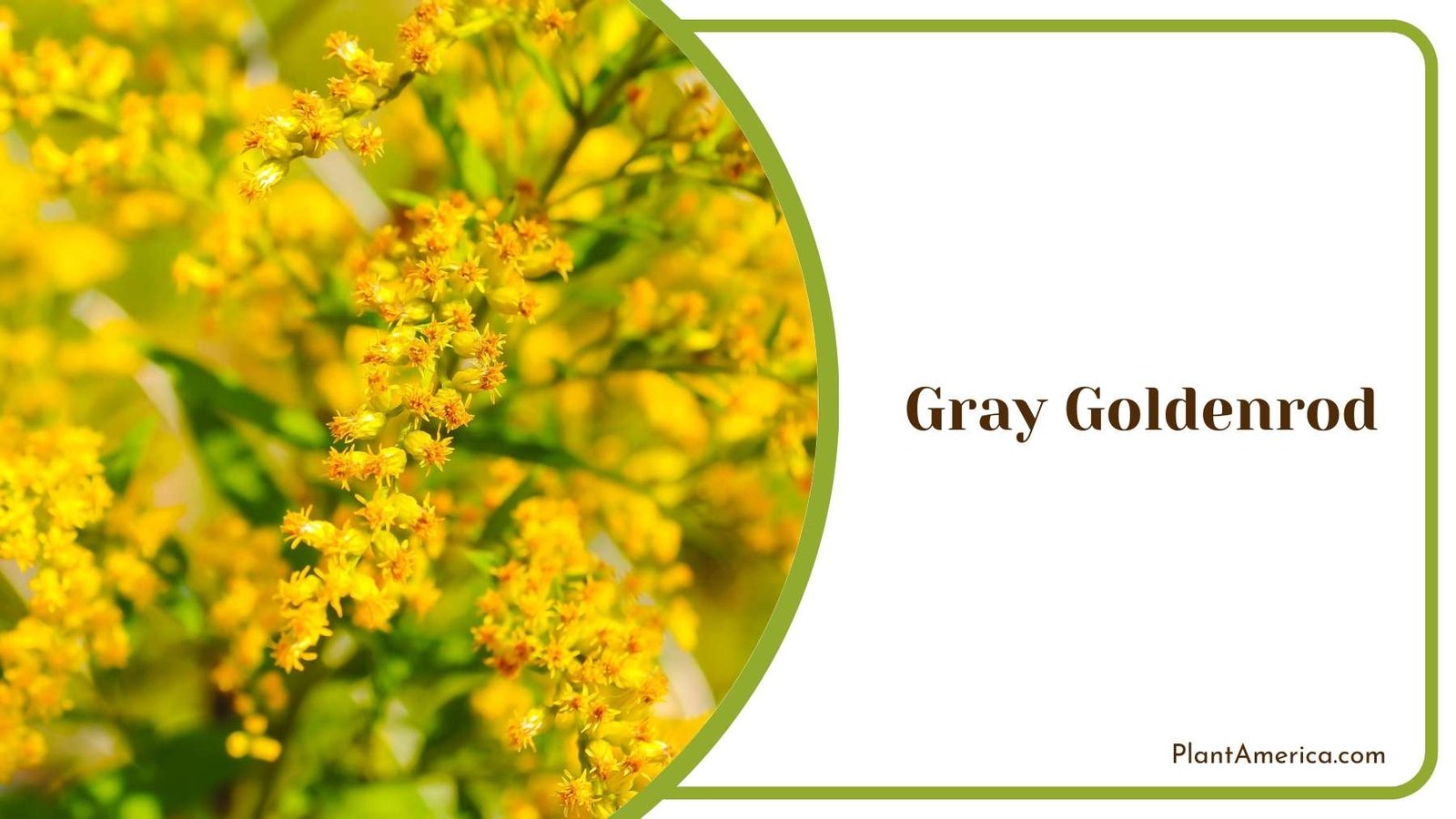
17. Gray Goldenrod
- Growing Season: Late summer, Early fall
- Leaf Type: Alternate, narrow green leaves, Up to three feet tall
- Specific Needs: Full sun, Moisture-retentive soil with good drainage
- Common Pests: Japanese beetle
A common Missouri prairie native, Gray Goldenrod blooms reliably atop sturdy stems reaching two to three feet tall. From August into September, before the autumn chill sets in, it bears delicate yellow flower plumes that pollinators find simply irresistible. Thriving in full sun with soil retaining adequate moisture, Gray Goldenrod forms bushy clumps needing no staking as seasons change. It mixes beautifully with other prairie wildflowers and grasses.
As temperatures begin to ease, butterflies gather nectar in masses. Bumblebees, native bees, and beneficial wasps also partake heavily, gathering pollen from their tiny blooms. Even after seed heads form, these continue supplying wildlife with needed nutrients.
Whether dotting remnants of wildflower meadows or naturalized borders, Gray Goldenrod carries on prairie legacies by feeding diverse insects late in the season. Low maintenance and free self-sowing also make it ideal for naturalizing large spaces.
Come first frost, its flower plumes persist gracefully, ornamental interest lasting until drifts of fluffy seeds scatter on brisk winds, presaging winter’s rest, reliably cheering all with late floral shows year after year.
Conclusion
The following Missouri native plants are highly recommended for pollinator gardens:
- Black-Eyed Susan, Missouri’s state flower, supplies nectar from July through September for many pollinating insects.
- Butterfly Milkweed, a vital host plant for monarch caterpillars, also offers colorful flowers.
- New England Aster provides fall nectar sources as temperatures cool for lingering pollinators like bees and hummingbirds.
- Wild Bergamot, fragrant blooms from July through September, create aromas that guide various native bee species to their nectar rewards.
Creating a habitat for native pollinators does not require large spaces or excessive effort. Even small gardens featuring a variety of low-maintenance plants native to your region can make a difference for butterflies, bees, and other beneficial bugs. Every step to support pollinators, no matter how small, has cumulative positive impacts that strengthen fragile ecosystems and food systems worldwide