
Mealybugs on string of turtles of the Apocynaceae family can be a major problem for plant owners, as these pests can sneak in and cause significant damage before you even notice. Unfortunately, their feeding can turn your healthy, beautiful plants into a mess in no time.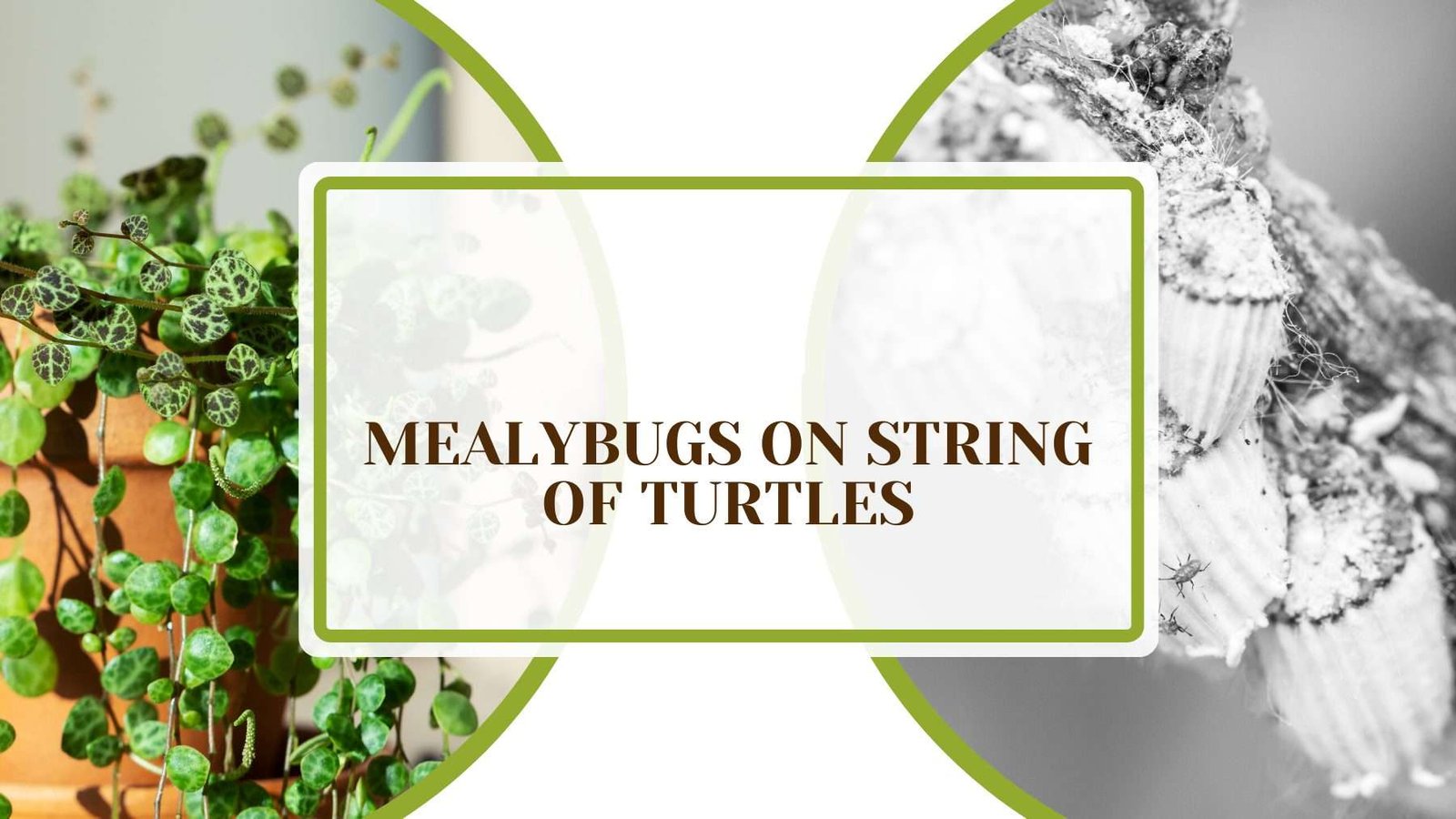 But don’t worry; you can win the battle against mealybugs with our strategies. Let’s now discuss mealybugs’ causes and effective ways to kill these pests and save your string of turtles.
What Causes Mealybugs on String of Turtles?
Mealybugs on string of turtles are caused by poor plant health due to improper watering, inadequate lighting, and insufficient nutrition. Rapid growth could also attract mealybugs because these pests love green foliage. Also, doing plant propagation incorrectly can stress the plant and make it more appealing to pests.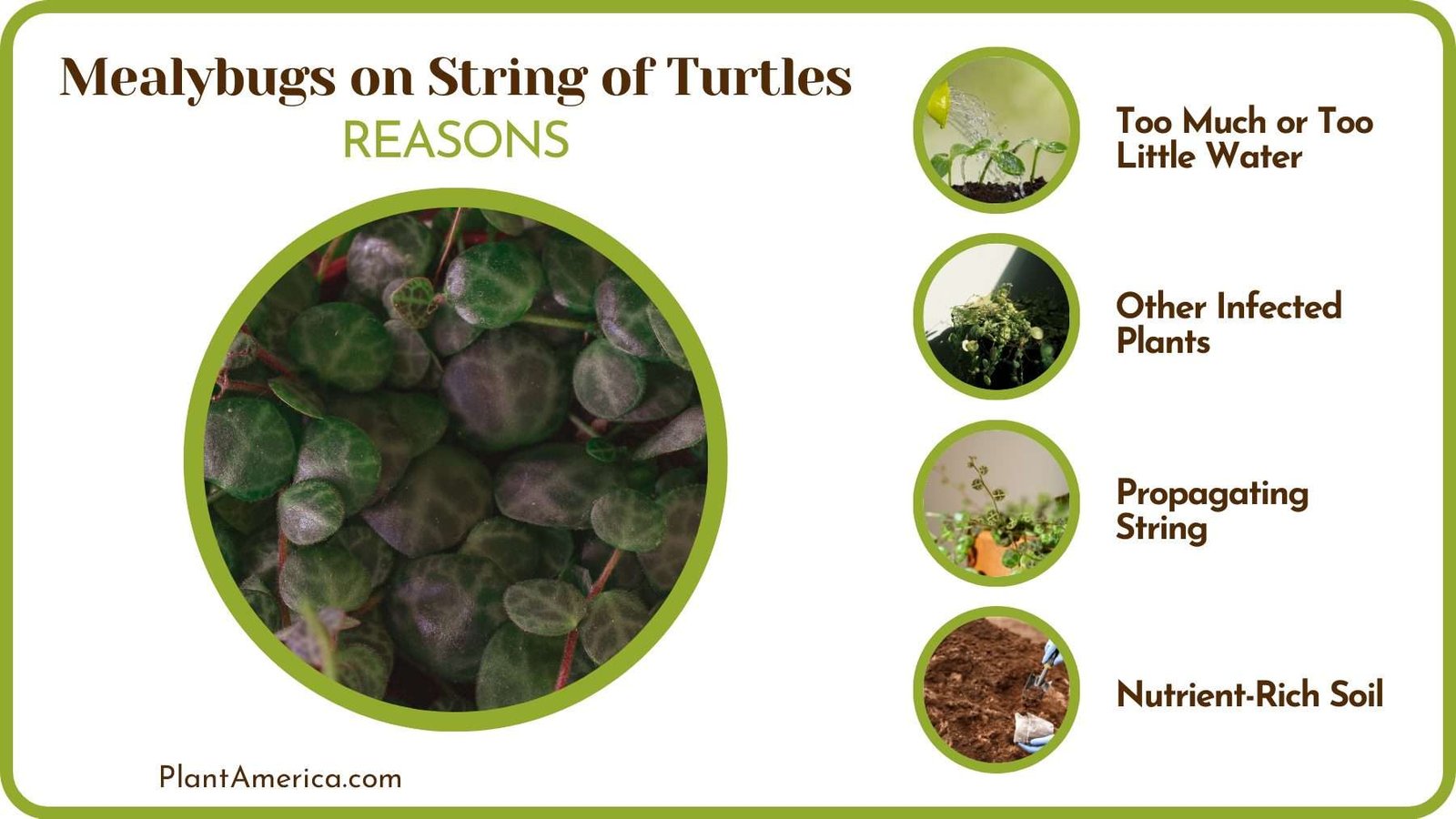 – Too Much or Too Little Water
The incorrect string of turtles watering can significantly cause mealybug infestation. An underwatered string of turtles plant/Peperomia prostrata can become stressed and more attractive to these pests. But at the same time, if you overwater your plant, it can create a humid environment that mealybugs love.
– Transport from Other Infected Plants
A big risk for mealybug infestation comes when you bring new plants into your home. If the store or nursery had a mealybug problem, those pests could hitch a ride to your house on your new plant. So when you buy string of turtles or any other plant, it’s essential to check it carefully for signs of mealybugs or other pests.
– Propagating String
Sometimes, the process of creating new plants can also spread pests. If you’re using stem cutting to propagate strings, you could accidentally move mealybugs from one plant to another. The same can happen during a string of turtles propagation – if the mother plant has mealybugs, those pests can find their way to the new plants.
– Nutrient-Rich Soil
While nutrient-rich soil helps your string of turtles plants to grow fast, it can also make the plant more appealing to mealybugs. If your soil is too rich, it might inadvertently attract these pests. – Look For Stress Signs
Mealybugs are more likely to attack plants showing signs of stress. It is a sign of stress if you see dropping leaves or growth rate slows down. Furthermore, when the turtles leaves turn yellow, something is wrong with the plant.
While this might not seem related, it’s important to note that a string of turtles is toxic to pets. People often ask us- Is the string of turtles toxic to cats? Unfortunately, they are. That’s not it. Cats interacting with your plant could also spread mealybugs around other Peperomia prostrata/string plants.
How To Get Rid of Mealybugs on String of Turtles?
To get rid of mealybugs on a string of turtles, start by isolating the turtle plant and using a mixture of isopropyl/rubbing alcohol and water to kill mealybugs. Hot water treatment and diatomaceous earth can be effective too. Consider biological control methods or use pyrethrin insecticides for stubborn infestations.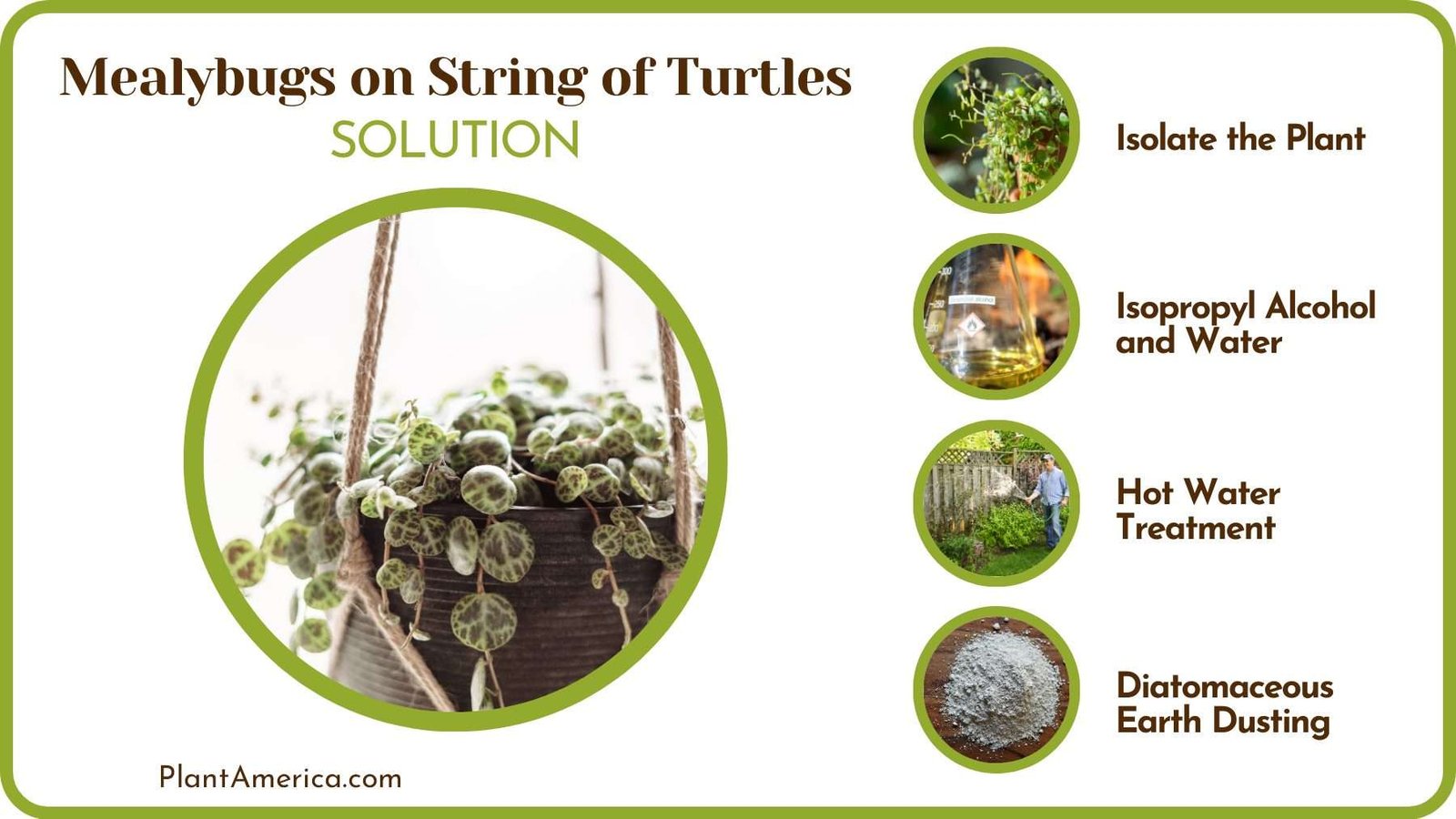
– Isolate the Plant – The First Thing To Do
The first thing to do when you see mealybugs on your peperomia prostrata is to separate them from your other plants. Mealybugs can quickly move from one plant to another, especially if the plants are close. If you isolate your string of turtles, you can easily prevent the mealybugs from spreading.
Once your plant is in a separate location, inspect it carefully. Mealybugs can hide in many places, so you should check the entire plant to ensure it has no bugs.
Remember, you’ll also need to check where your peperomia prostrata was before moving it. If there are any mealybugs left there, they could infest your other plants.
– Apply the mixture of Isopropyl Alcohol and Water
Now that your plant is isolated, it’s time to tackle the mealybugs directly. Use the solution of Isopropyl alcohol and water to do this. But you have to prepare your plant first before using this solution.
Mealybugs often hide near the string of turtles flower spikes, so checking it is crucial. If you see any damaged leaves, remove them – they could be hiding places for mealybugs.
The next step is to make a mixture of equal parts isopropyl alcohol and water. Please put it in a spray bottle, and then spray your plant thoroughly. The alcohol will kill the mealybugs on contact, while the water helps to prevent the alcohol from damaging your plant.
Some plants, like the Christmas cactus, are sensitive to isopropyl alcohol, so you must first test a small area. After spraying your plant, please rinse it with clean water for a few minutes. Doing this will wash away any dead mealybugs and excess alcohol. After rinsing, let your plant dry completely.
Repeat this process every few days until you don’t see any more mealybugs. Remember to keep your plant isolated until all the mealybugs are gone.
– Hot Water Treatment Is Also Effective
Another method to get rid of mealybugs is the hot water treatment. Even though it might seem a bit problematic, this method is easy and works well. But be cautious of root rot – make sure to follow your turtles care guide to avoid keeping your plant too wet for too long.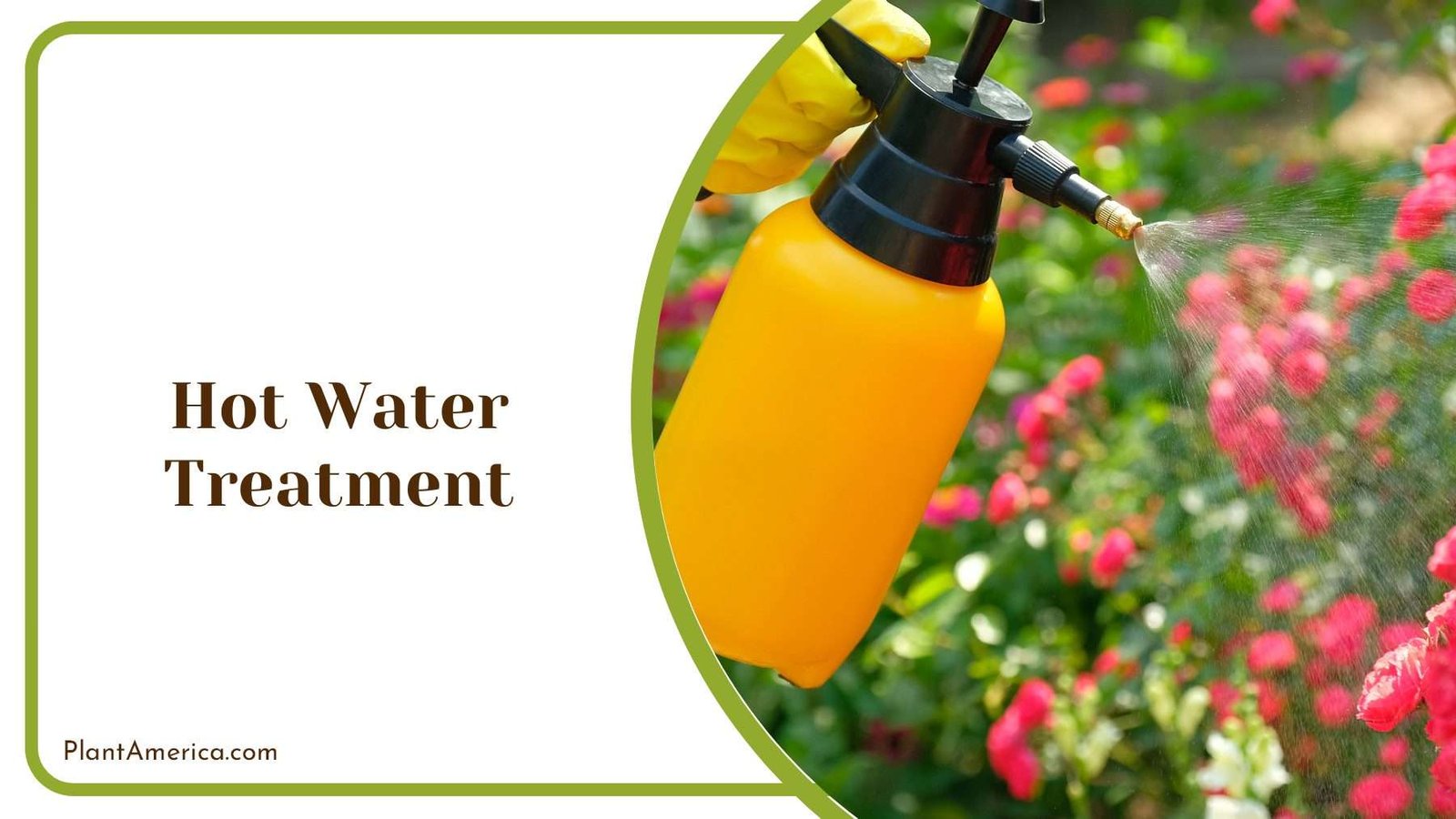 Start by gently removing your string of turtles from its pot. Try not to damage the roots as you do this. Then, carefully wash away as much of the potting mix as possible. This is to ensure that any mealybugs hiding in the soil are exposed.
Next, prepare a tub of hot, but not boiling, water. The water should be around 120°F, which is hot enough to kill the mealybugs but not so hot that it’ll damage your plant.
Carefully dip your plant in the water, making sure all parts of the plant are submerged. Keep it there for about 10 to 15 minutes. After the time is up, gently remove your plant from the water and let it dry completely to avoid root rot.
Once dry, re-pot your string of turtles in a fresh potting mix. Remember to isolate the plant from others until you’re sure all the mealybugs are gone.
– Diatomaceous Earth Dusting
Diatomaceous earth is a great option if you see lots of bugs around your plants. Also, if you want a solution without chemicals, using DE is the most effective method. Diatomaceous earth is a naturally occurring, powdery substance made from tiny, fossilized aquatic organisms called diatoms.
It works by physically hurting the outer shell of pests like mealybugs and spider mites, which makes them dry out and die.
First, use diatomaceous earth on your string of turtles to ensure the plant is dry because moisture can make the powder ineffective. Then, sprinkle a light layer of diatomaceous earth over your plant and around the string of turtles soil mix. Ensure to get the powder on the underside of leaves and other places where mealybugs might be hiding.
You can reapply diatomaceous earth every few days or after watering, as it can wash away. As with other methods, remember to keep checking your plant for signs of mealybugs and isolate it from other plants until the infestation is gone.
– Go For Biological Control
Bio-control involves using natural enemies of the mealybugs to control their population. Yes, there are tiny critters who can help us! For instance, ladybugs and lacewings are beneficial insects that feed on mealybugs.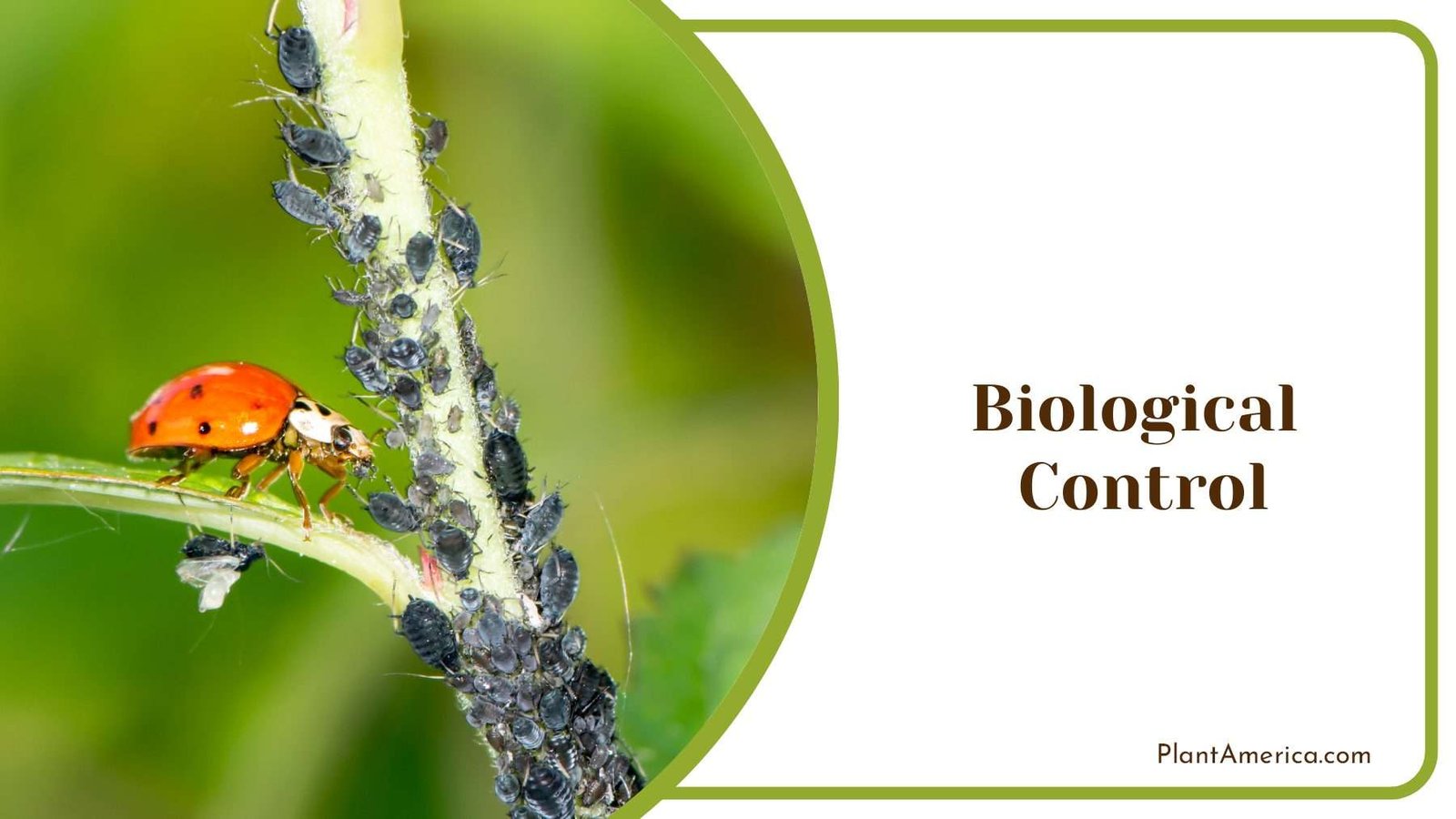 If you plan on starting a new plant from a string of turtles seeds, consider introducing these beneficial insects into your gardening space. They’ll patrol your plants and munch on any mealybugs they find, preventing infestations from establishing in the first place.
Introducing beneficial insects is straightforward. The best part is you can order these helpful bugs online or purchase them from local gardening stores. Once you have them, release them onto your affected plant and let them do their work.
– Use Cinnamon Powder To Kill Pests
The aromatic spice you love on your donuts and hot cocoa can double up as a natural fungicide and insecticide. Cinnamon powder has a powerful smell that repels pests, including mealybugs.
Start by ensuring your plant is dry, as the cinnamon powder sticks better to dry plants. Then, lightly sprinkle the cinnamon powder on your string of turtles, focusing on areas where you’ve seen mealybugs. The underside of leaves and joints is prime real estate for these pests, so be sure to get those areas.
Cinnamon powder is a safe and natural way to handle mealybugs. It’s good to use around pets and kids. However, it might not be as effective on heavy infestations, so consider using other methods.
– Manage Lighting Requirements- Grow Strings Right
While combating mealybugs, it’s essential not to neglect the basic needs of your string of turtles or peperomia prostrata plants. Proper light is one of these requirements. Getting the lighting right helps your plant stay healthy and fight off pests.
Peperomia prostrata needs certain lighting. They like it bright but not directly from the sun. Direct sunlight for too long can turn their leaves red, which is a common issue for this plant’s owners.
On the other hand, insufficient light can slow the turtle’s growth rate and make the plant more susceptible to common pests like mealybugs. If your plant doesn’t get enough sunlight, you should consider using a grow light. This can make your string of turtles grow well, even if the light isn’t perfect.
Having the right light isn’t just regular care for turtles. It makes your plant healthy, and it develops immunity against pests and diseases.
– Try Hot Pepper Spray
Another natural way to fight mealybugs is by using hot pepper spray. The thing that makes hot peppers spicy, called capsaicin, can stop many pests. To make hot pepper spray, blend a couple of hot peppers with water, then strain the mixture to get a pepper-infused liquid. Add this liquid to a water bottle, and your hot pepper spray is ready.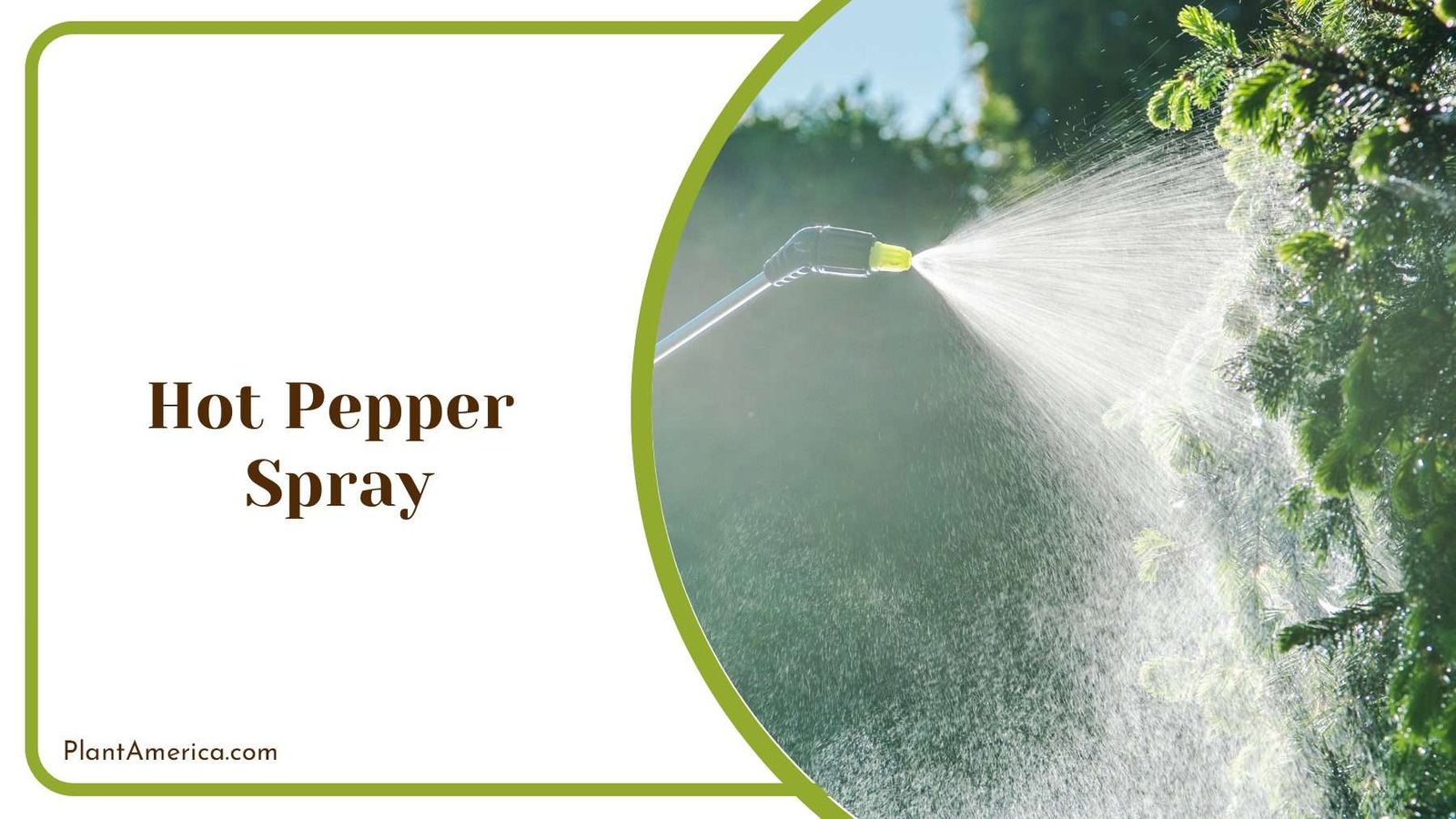 Apply the spray to your string of turtles, making sure to get all the nooks and crannies where mealybugs might be hiding. Protect your eyes and skin while spraying, as the capsaicin can irritate.
– Choose Pyrethrin-Based Insecticides
Moving on to the most powerful method to kill bugs – using pyrethrin-Based Insecticides. It’s effective against many mealybugs and many other pests. You can find pyrethrin-based insecticides in most garden stores or online. Spray the insecticide on your string of turtles, sure to cover the entire plant.
Remember, while pyrethrin is derived from a natural source, it’s still a potent insecticide.
Make sure kids and pets can’t get to it. Avoid touching it with your skin or eyes, and wear gloves when using it.
We know mealybugs on your plant seem overwhelming, but you can handle them with suitable methods. Stay diligent, keep up with your regular plant care, and your string of turtles will return to their healthy, vibrant self in no time.
Conclusion
To sum up, mealybugs can indeed weaken your string of turtles with their feeding, but you can effectively combat these pests and ensure your plant thrives with simple methods, which are:
- Identify early and isolate: The earlier you notice the infestation, the easier it is to control. Always separate the affected plant to prevent the bugs from spreading to other plants.
- Use a variety of treatments: From a mixture of isopropyl alcohol and water to hot pepper spray and diatomaceous earth, there are many ways to combat mealybugs.
- Maintain ideal growth conditions: Stick to your usual care routine, especially when it comes to lighting. This will help your plants to fight against pests.
- Utilize biological control methods: Consider using beneficial insects or natural insecticides like pyrethrin to combat mealybugs.
- Stay persistent and patient: Getting rid of mealybugs can take time. So, you have to be consistent with these methods.
Sticking to these steps will ensure your string of turtles remains healthy, vibrant, and, most importantly, free from mealybugs!